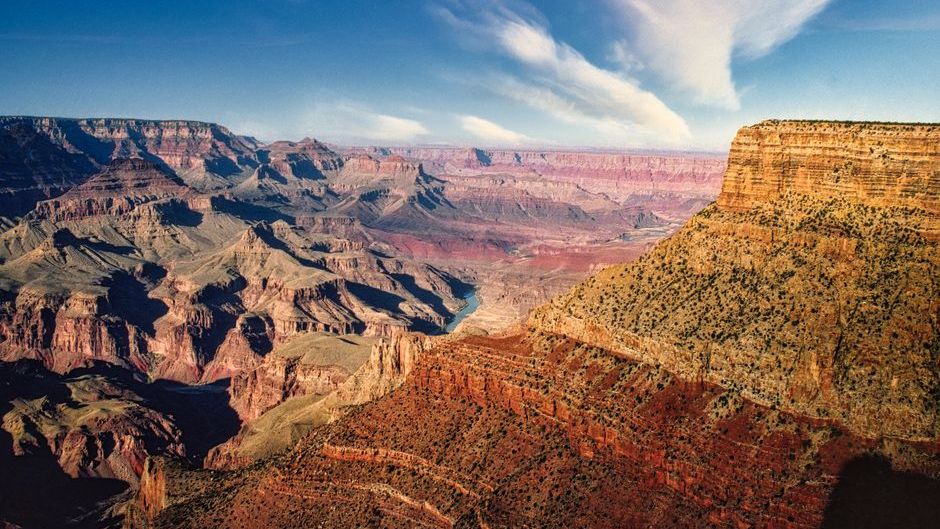

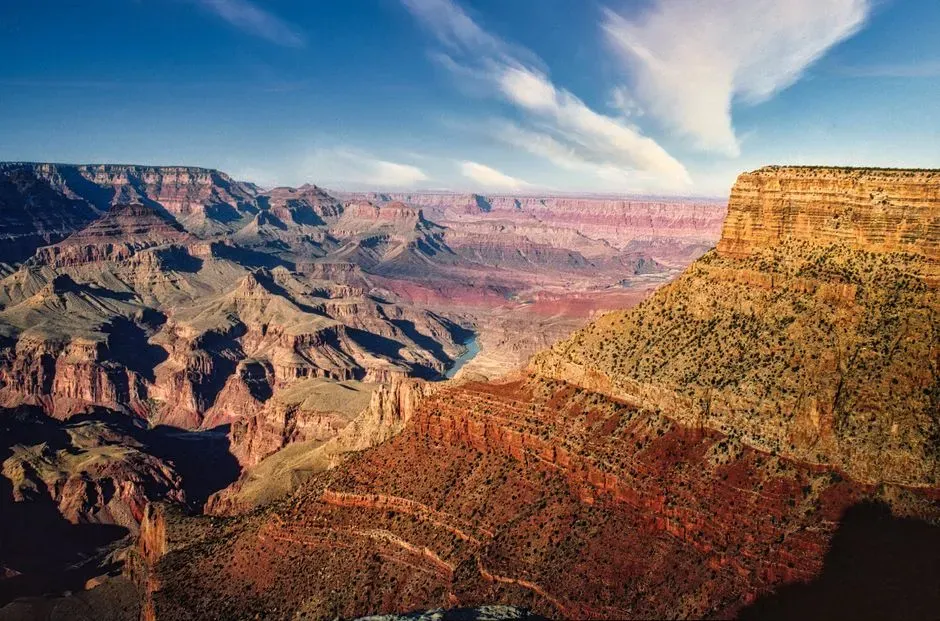
There is something almost unsettling about standing at the rim of the Grand Canyon and realizing that entire chapters of Earth’s story are simply…gone. For decades, geologists have stared at rock layers that jump across hundreds of millions of years as if someone ripped pages out of a planetary diary. This is the Grand Canyon’s famous “Great Unconformity” – a yawning gap in the rock record where time itself appears to be missing.
What makes this mystery so compelling today is that scientists are finally beginning to piece together what happened, using tools and techniques that did not exist even a generation ago. Instead of being a static postcard, the canyon has become a high-tech crime scene, and researchers are slowly reconstructing how ice, oceans, continents, and unimaginable forces erased huge portions of Earth’s crust. The story that is emerging is messier, more dramatic, and far more interesting than the neat diagrams in old textbooks ever suggested.
The Great Unconformity: A Planetary Page Torn Out
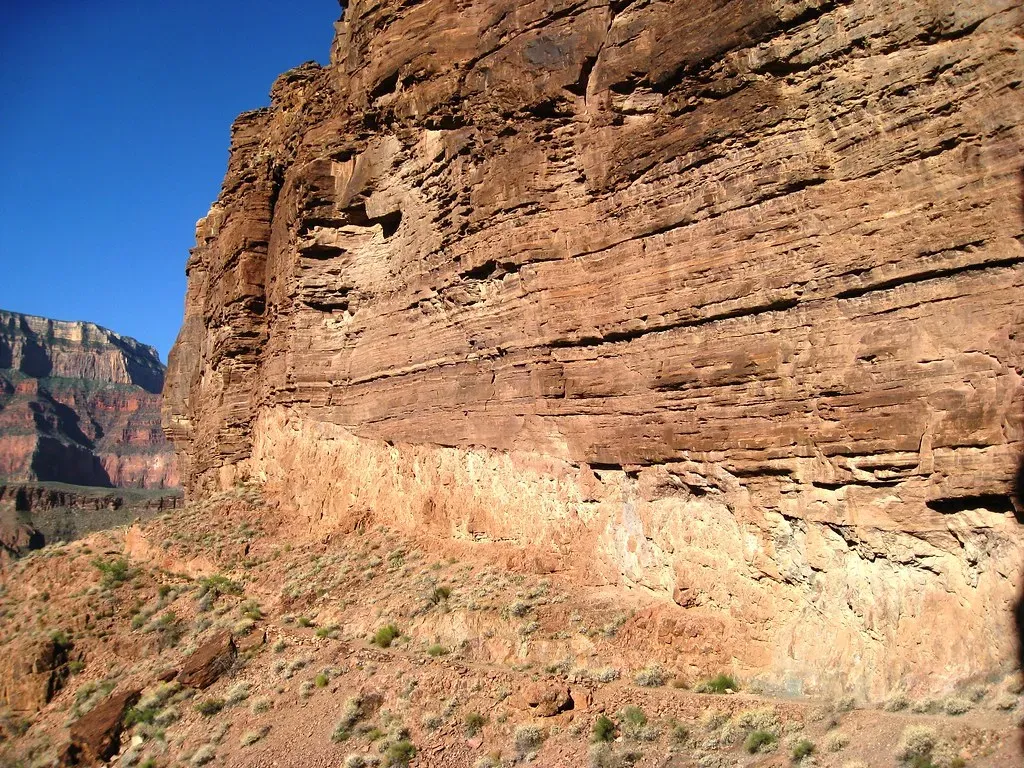
Imagine picking up a history book where one chapter ends in the age of early kingdoms and the next jumps straight into the space age. That is roughly how wild the Grand Canyon’s “history gap” really is. In many parts of the canyon, relatively young sedimentary rocks from the early Paleozoic era sit directly on top of much older crystalline rocks that date back more than a billion years, with hundreds of millions of years in between essentially missing from the local record.
Geologists call this kind of break an unconformity, and the Great Unconformity in the Grand Canyon is one of the most iconic on Earth. It marks a boundary where ancient rocks that formed deep in Earth’s crust suddenly give way to younger layers laid down in shallow seas. This contact line is so sharp that you can walk along the canyon trails and literally place your hand across it, feeling where vast ages simply disappear. That physical reality – a hard, visible line between worlds – is one big reason scientists have been obsessed with explaining it.
How We First Noticed Time Was Missing
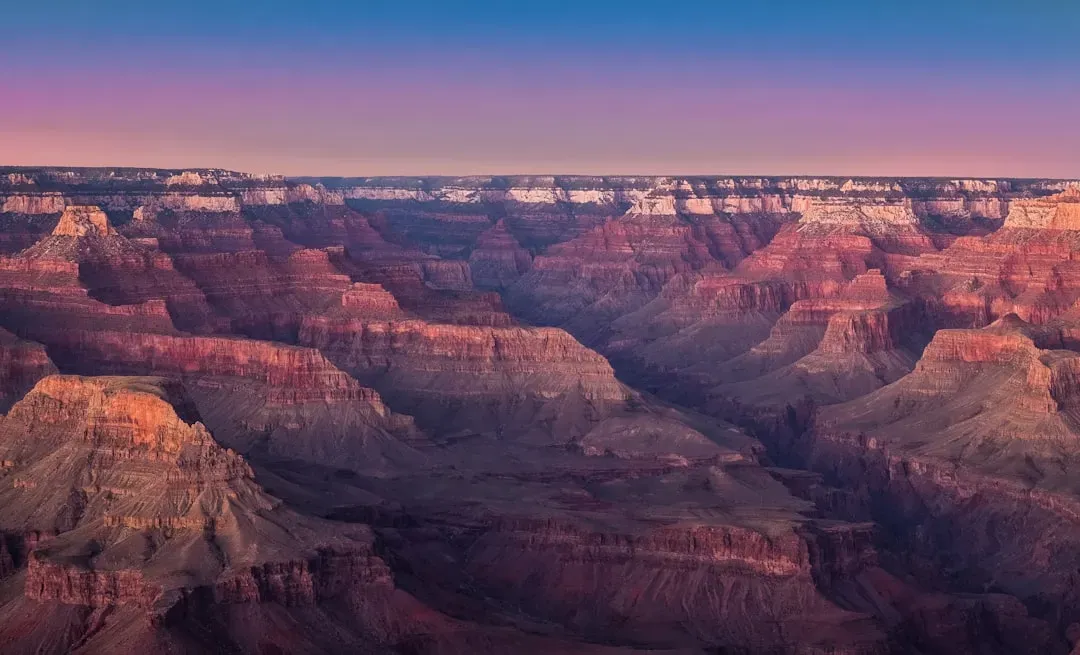
The idea that time could be “missing” from rocks sounds strange now, but it was downright revolutionary when early geologists recognized it. In the nineteenth century, scientists exploring the American West noticed that the Grand Canyon’s rock layers did not gradually evolve in age and type from bottom to top. Instead, there was a shocking jump, a boundary where older and younger layers met at a stark, irregular surface.
Early field geologists did not have radiometric dating or modern lab tools, but they had sharp eyes and a growing understanding that rock layers were like stacked pages, each one preserving a slice of time. When they realized that the canyon contained a huge break in that sequence, they knew something serious had happened – either older rocks had been eroded away, younger rocks had never formed, or both. From that point on, the canyon was not just a beautiful landscape but a puzzle begging for an explanation.
Reading Ancient Clues in Rock Contacts and Surfaces
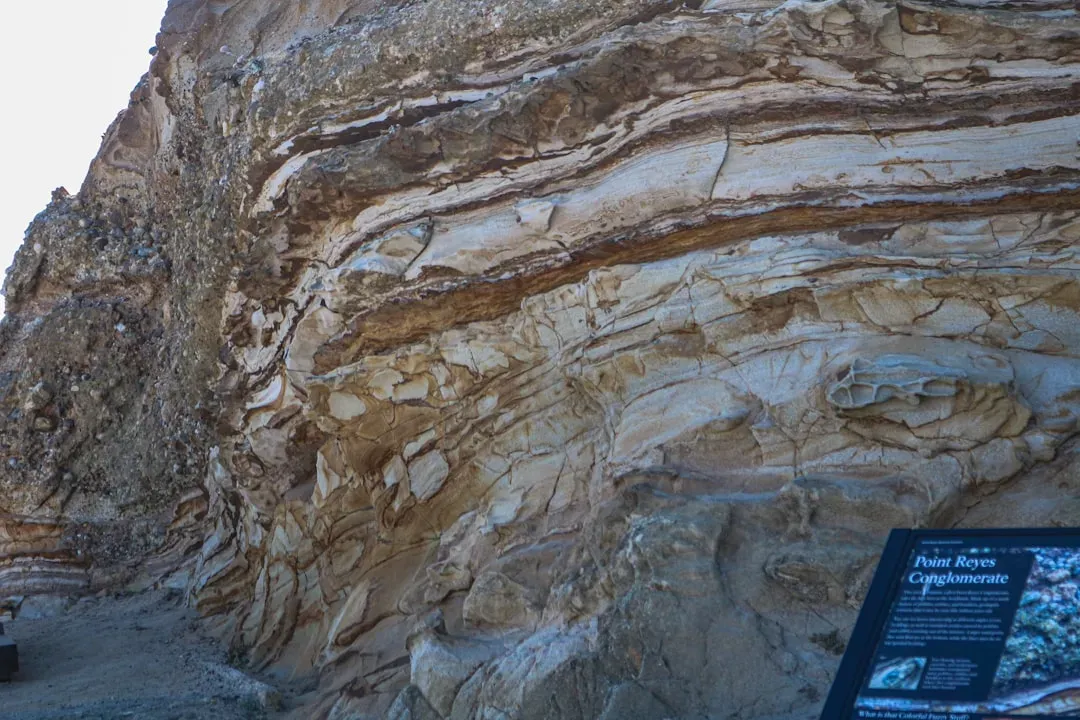
If you look closely at the Great Unconformity in the canyon, the rocks on either side of the boundary do not lie together like calm, flat sheets. The older rocks below are often tilted, folded, and cut by veins, indicating a long, complicated history of heat, pressure, and deformation deep within the crust. On top of them sit younger, relatively flat sedimentary layers, like a new floor poured over a cracked and uneven foundation.
The surface between these two sets of rocks is not smooth either. It is irregular and sometimes deeply weathered, suggesting that it once formed a land surface exposed to erosion before the younger sediments were deposited. This tells scientists that there was a time when the older rocks were at Earth’s surface, getting worn down by wind, water, and ice, long before new layers were laid on top. Every groove, fracture, and weathered pocket on that boundary is a clue about the processes that sculpted the missing chapters.
Ice Ages and the Rise of the Glacial Hypothesis
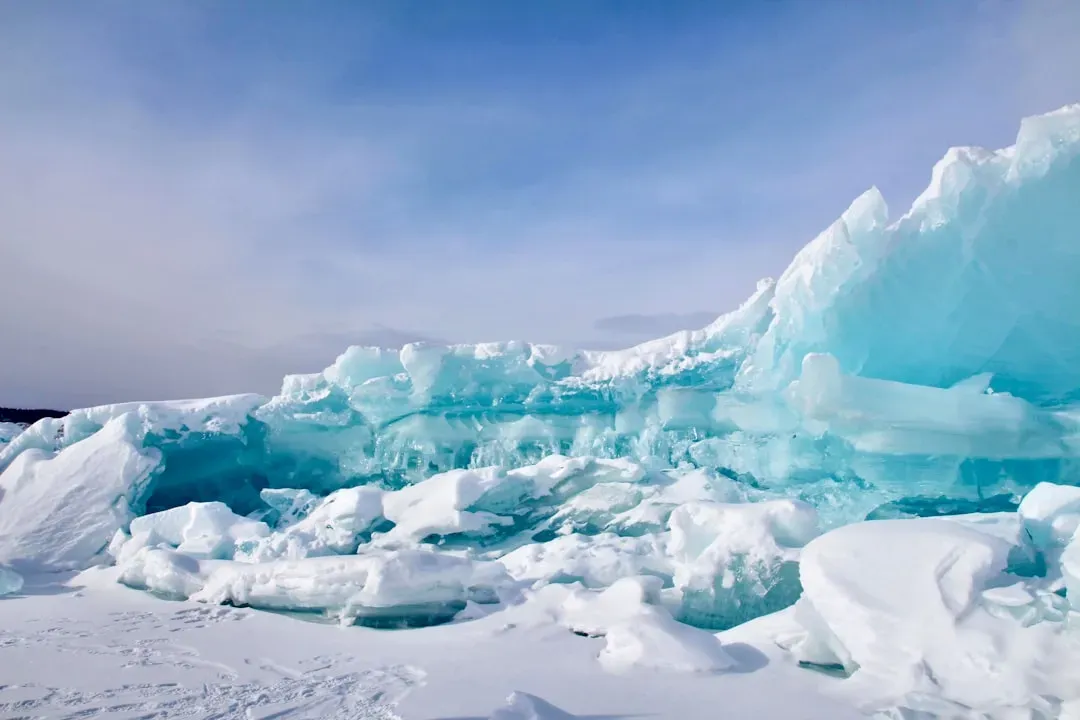
One of the leading ideas to explain the Great Unconformity is surprisingly dramatic: massive ice sheets may have helped strip away vast thicknesses of rock. During some of Earth’s most extreme ice ages, especially a set of events sometimes called “Snowball Earth,” glaciers may have covered large swaths of the continents. Glaciers are incredibly efficient at grinding down rock; over millions of years, they can carve valleys, flatten landscapes, and remove kilometers of crust.
In this view, the missing time in the Grand Canyon’s rock record is not simply a quiet pause; it is the aftermath of a brutal, long-term scouring. As gigantic ice sheets advanced and retreated, they may have scraped away older sedimentary layers that once rested on the ancient basement rocks. When the climate eventually warmed and shallow seas flooded the area, new layers of sand, mud, and marine life were deposited directly on the stripped surface, leaving behind the sharp contact we see today.
Using Tiny Minerals as Atomic Timekeepers
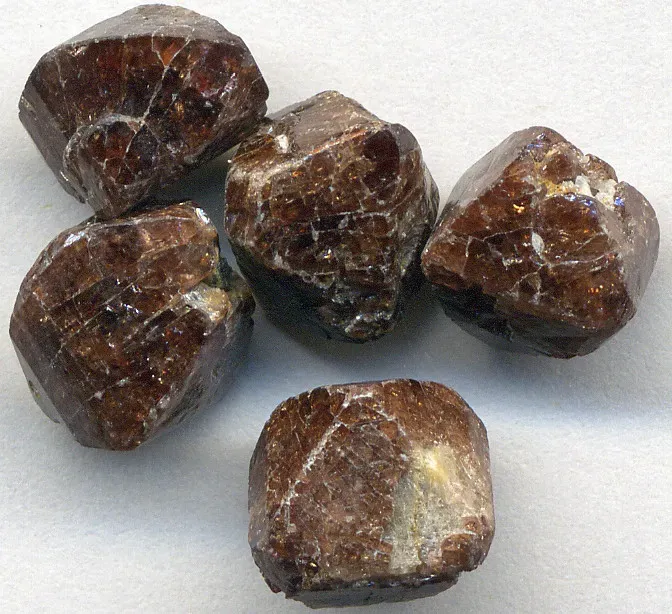
The real breakthrough in understanding the canyon’s history gap has come from zooming in, not out. Scientists now use tiny mineral grains, especially zircon, as atomic timekeepers. These hardy crystals trap uranium and lead atoms in their structure, allowing researchers to date when they formed or cooled using radiometric methods. By measuring variations within a single grain, scientists can reconstruct not just the age of the rock, but aspects of its thermal history.
When zircon and other minerals in the canyon’s older basement rocks are analyzed, they show signatures of long, complex journeys: deep burial, heating, deformation, and then exhumation back toward the surface. In some cases, these tiny grains preserve evidence that they were once at depths where rocks are hot and ductile, then later near the cooler upper crust. That kind of information helps researchers estimate when erosion must have occurred and how much material may have been removed above them before younger layers were laid down.
Were Entire Mountain Ranges Eroded Away?
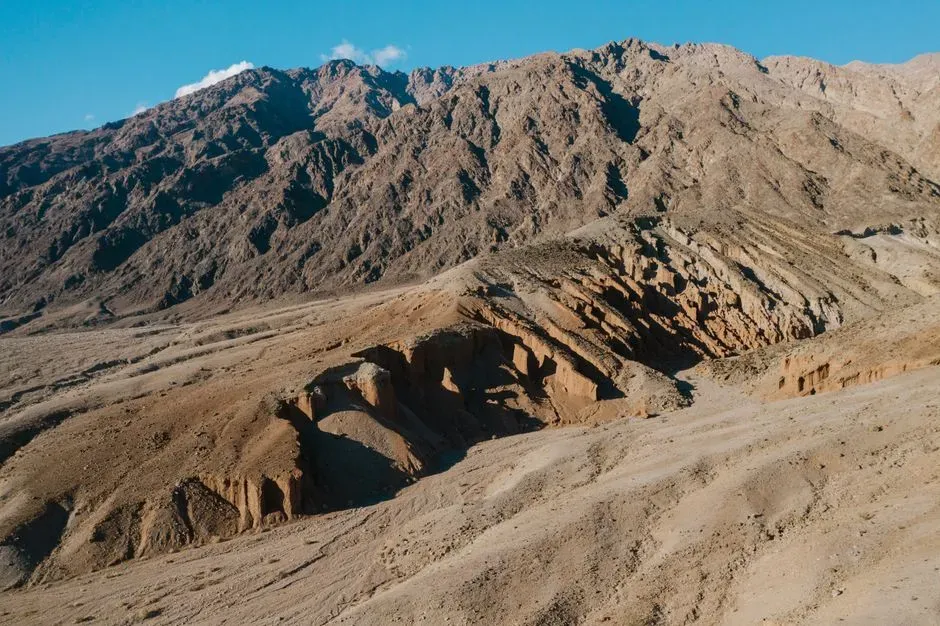
Another emerging picture is that before the younger sedimentary layers of the canyon were deposited, there may have been towering mountain ranges where the Great Unconformity now lies. These mountains, formed in ancient collisions of continental blocks, could have rivaled modern ranges in height and scale. Over immense spans of time, weather and erosion would have gradually worn them down, carrying their sediments into distant basins and oceans.
If that scenario is right, the history gap in the canyon is not just a local oddity; it is the ghost of vanished landscapes. Whole mountain belts could have come and gone, leaving very little trace directly beneath the canyon itself. Knowing that, the Great Unconformity feels less like a blank page and more like an erased chalkboard, one that hints at earlier drawings without clearly showing them. It is a humbling reminder that everything solid and towering in geology is temporary on long enough timescales.
A Global Puzzle, Not Just an Arizona Oddity
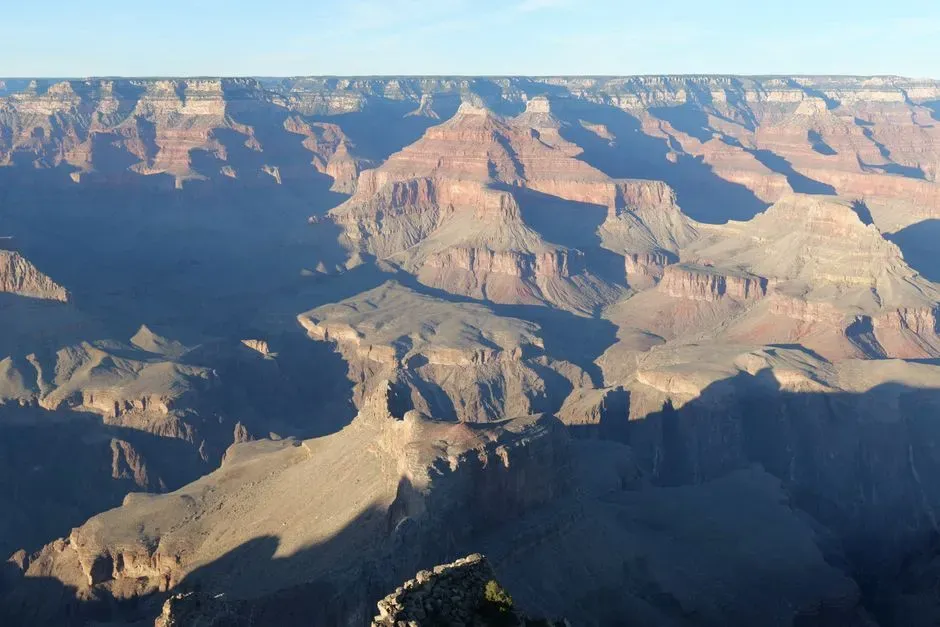
One of the most intriguing aspects of the Grand Canyon’s missing history is that it is not unique. Similar unconformities of roughly comparable age appear in many places around the world, from North America’s interior to other ancient continental crusts. That suggests something big and widespread was happening to Earth’s surface and crust during that general window of time, not just a local quirk in what is now Arizona.
Scientists are increasingly treating these unconformities as different pieces of a global jigsaw puzzle. By comparing ages, thicknesses, and mineral histories across continents, they can test whether massive erosion, glaciations, or tectonic reorganizations were synchronized. The Grand Canyon’s version of the Great Unconformity has become one of the flagship case studies in this effort, partly because its rock exposures are so spectacular and accessible. In a way, it is the most famous chapter of a mystery that spans the entire planet.
New Tech, New Models, and Ongoing Debates
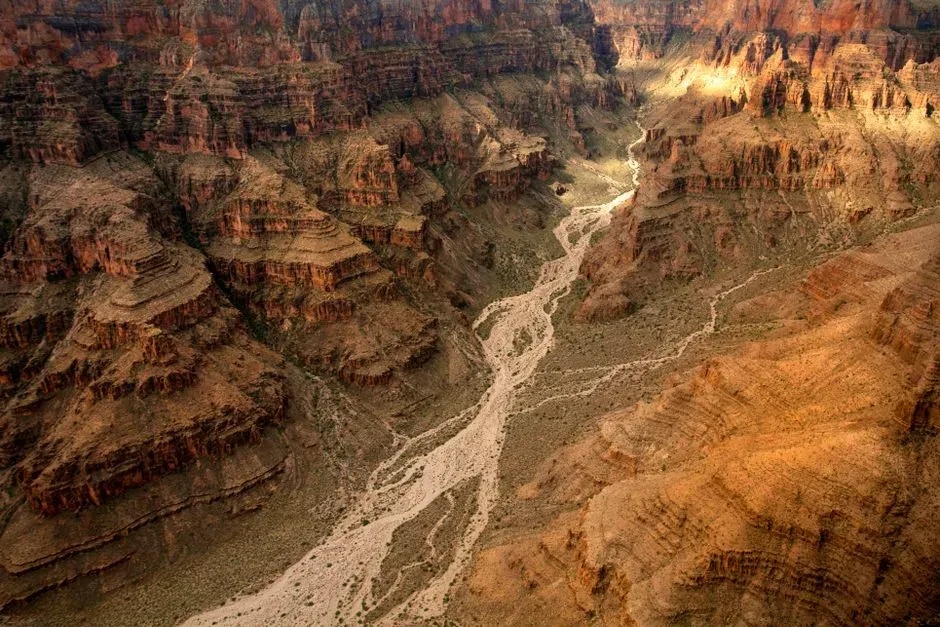
Even with all the new tools, scientists do not fully agree on the exact sequence of events that created the Grand Canyon’s history gap. Some researchers emphasize glacial erosion during extreme ice ages, while others argue that long-term tectonic uplift and slow, steady weathering played leading roles. There are debates over timing too, with different datasets pointing to slightly different windows for when the bulk of the missing rock might have been removed.
Modern approaches combine fieldwork with computer modeling and high-precision lab analyses. Researchers simulate how crust responds to uplift, how climates interact with landscapes, and how erosion rates might change over time. They test which scenarios best match the ages and thermal histories preserved in minerals from the canyon’s rocks. The fact that there is still active debate is not a weakness; it is a sign that science is doing what it should, pushing and refining ideas until they either fall apart or fit the evidence better.
Why This Ancient Mystery Matters Today
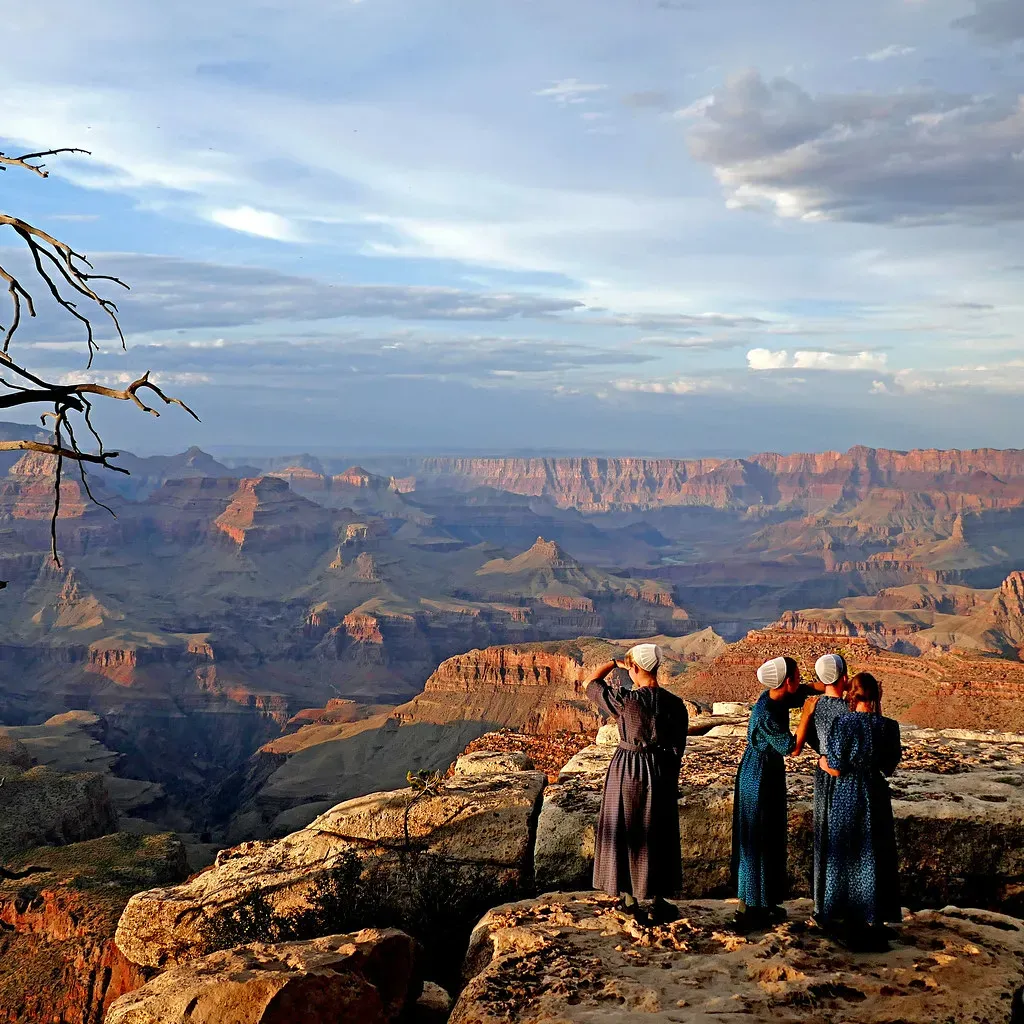
It might be tempting to treat the Grand Canyon’s history gap as a purely academic curiosity, something only geologists obsess over. But understanding how and why massive layers of rock vanish has real implications for how we think about Earth’s climate, tectonics, and long-term stability. Events powerful enough to strip away such huge thicknesses of crust are also tied to cycles of mountain building, sea-level change, and even shifts in the chemistry of the oceans and atmosphere.
On a more personal level, there is something oddly grounding about knowing that our planet has survived ice ages so intense they may have ground down continents, mountain ranges that rose and disappeared, and oceans that came and went long before humans existed. When you stand on the canyon rim and look across that gap in time, you are staring at the remains of catastrophes and slow transformations that reshaped the globe. It makes our own moment in history feel both fragile and part of a much larger, ongoing story.
Conclusion: The Beauty of Not Having All the Answers
I think the most fascinating thing about the Grand Canyon’s missing history is that scientists are finally able to say a lot more than “we do not know,” but they still cannot give a neat, single-sentence answer. The picture that is emerging involves icy worlds, eroded mountains, shifting continents, and deep time written in microscopic mineral clocks. It is satisfying in one way, because the gap is no longer just a blank, but it is also beautifully incomplete, full of open questions and rival explanations that keep researchers arguing in the best possible way.
Personally, I find that uncertainty reassuring rather than frustrating. It means our planet still has secrets worth chasing, and that even a place as photographed and visited as the Grand Canyon can surprise us. The “history gap” is slowly shrinking as we learn more, but it will probably never vanish entirely, and maybe it should not. After all, if we could read every page of Earth’s story too easily, would standing at the canyon’s edge feel quite as mysterious and awe-inspiring as it does now?