If you grew up thinking water was simple – just solid ice, liquid water, and gaseous steam – you are in for a surprise. Over the past few years, experiments and simulations have been quietly rewriting that old picture, hinting that water hides extra, exotic states that only show up under extreme or very unusual conditions. You are basically looking at one of the most familiar substances on Earth turning into one of the strangest.
Physicists are especially puzzled because water is supposed to be the textbook example of a well-understood liquid, yet the closer you look, the more it behaves like a rule breaker. As new experiments reveal hidden structures and transitions deep inside supercooled water, confined water, and water under crushing pressures, you start to realize why some researchers half‑joke that water might secretly be an alien liquid. You thought you knew it; now it is changing the rules right in front of you.
Why Water Was Never As Simple As You Were Told
You probably learned in school that water comes in three basic states: ice, liquid, and vapor. That picture is not wrong, but it is wildly incomplete. When you zoom in to the atomic scale, you find that water molecules constantly form and break hydrogen bonds, creating a dynamic network that never sits still. This restless bonding is what gives water many of its weird traits, like expanding when it freezes and having an unusually high boiling point for such a light molecule.
Once you start changing temperature and pressure in more extreme ways, that same restless network can organize itself into many different forms. You are not just dealing with one kind of ice but more than a dozen distinct crystalline and amorphous ices, and a liquid that can act like two different liquids at once depending on how you push it. What seemed like a simple three‑state story becomes a whole library of phases and structures, with new chapters still being added.
The Strange World Of Supercooled And “Two‑Liquid” Water
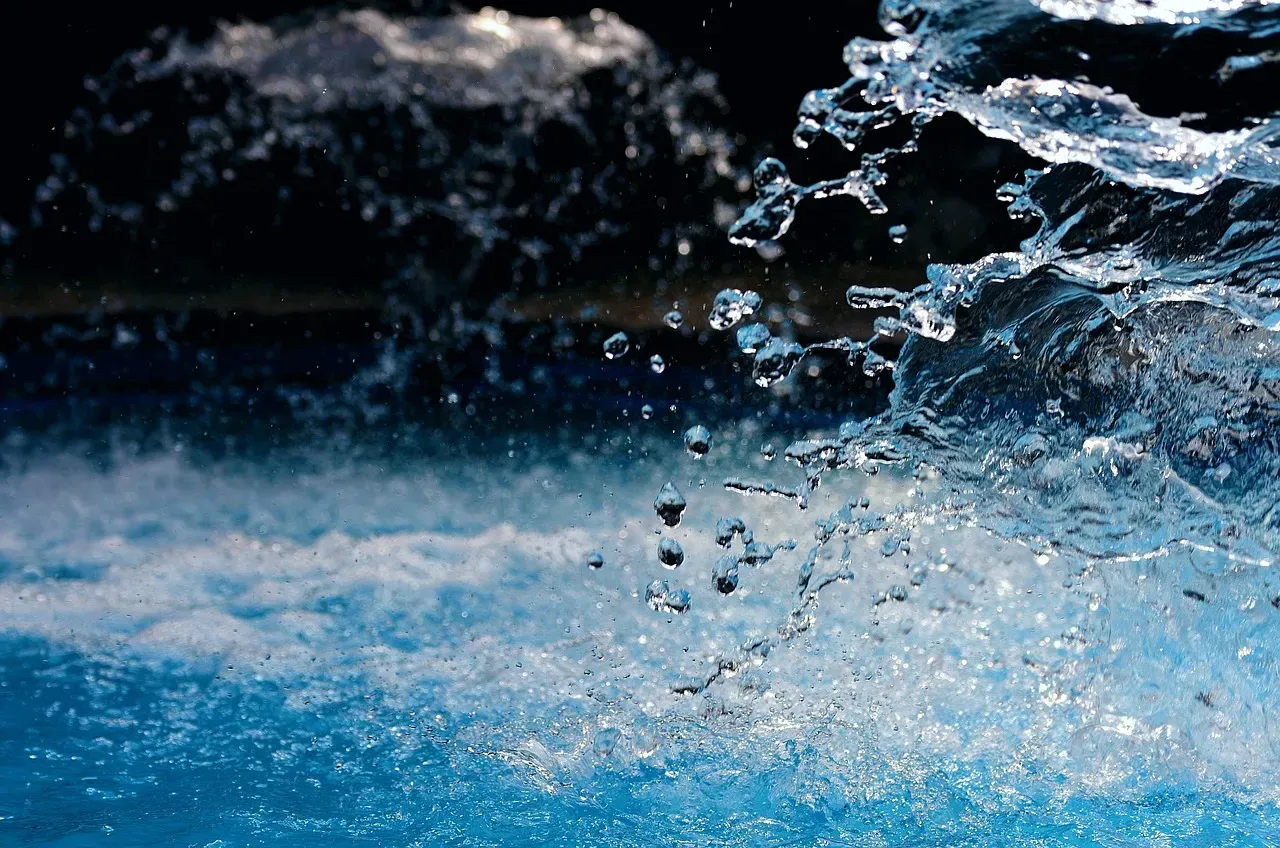
One of the biggest shocks comes when you cool liquid water below its usual freezing point without letting it turn into ice, something scientists call supercooling. Under carefully controlled conditions, you can cool water far below zero degrees Celsius, and it stays liquid for a while. In this deeply supercooled region, experiments and simulations suggest that water may behave like it is made of two intermingled liquids: one more dense and compact, the other more open and less dense.
You can think of it like a crowded party where some people cluster tightly while others leave more space between them, yet everyone is still in the same room. As you change the temperature or pressure, the balance between these “two liquids” can suddenly shift, behaving a bit like a hidden phase transition inside the liquid state itself. If this picture is right, you are looking at a new kind of internal structure in water that never shows up in your glass, but quietly shapes how it behaves in extreme environments.
Hidden Phases Under Crushing Pressures
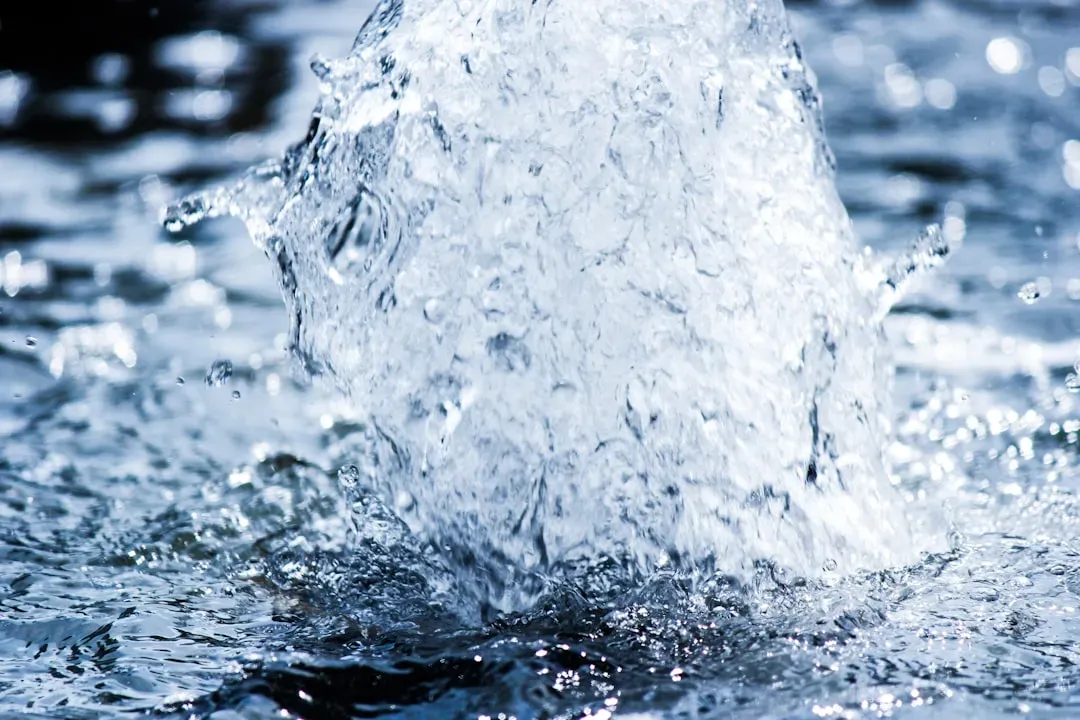
If you take water far beyond everyday conditions and squeeze it under immense pressure, you discover even more unexpected behavior. Deep inside giant planets like Neptune and Uranus, water is thought to exist in exotic high‑pressure forms that you will never see at the surface. Lab experiments using diamond anvils and powerful lasers have been pushing water into these extreme regimes, revealing phases where the familiar rules about ice and liquid begin to blur.
In some of these states, water’s oxygen and hydrogen atoms rearrange into dense crystal structures, while the electrons behave in surprising ways, possibly allowing the material to conduct electricity far better than usual. You are no longer dealing with the gentle ice in your freezer but with something closer to a planetary material that helps shape magnetic fields and internal heat. The baffling part for physicists is how many of these phases seem to sit just out of reach of existing theories, as if water always has one more trick up its sleeve.
The Curious Case Of Confined And Interfacial Water
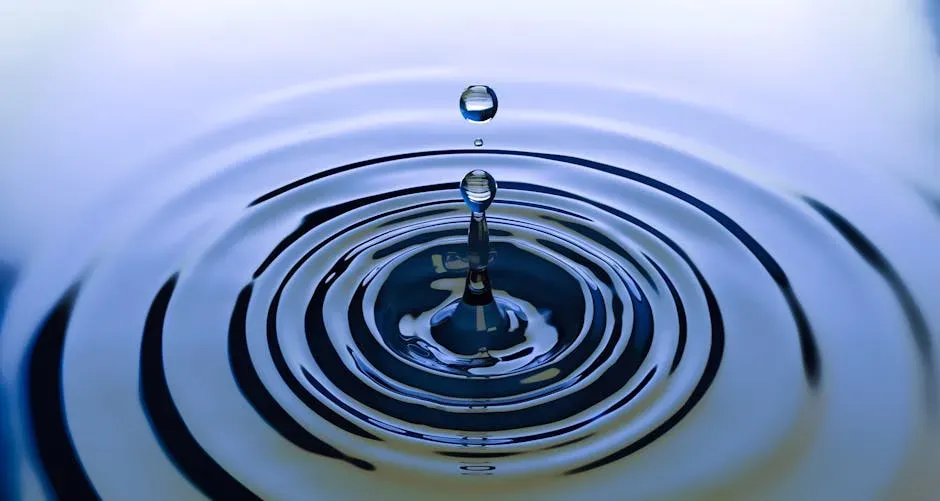
Another place where a “hidden” state of water shows up is when you trap it in very tight spaces, such as inside nanoscale pores, between layers of materials, or on special surfaces. When water is squeezed into channels only a few molecules wide, it stops behaving like the bulk liquid you are used to. Its molecules can line up, move in single‑file chains, or freeze and melt at temperatures that would make no sense in a normal beaker.
You see this in biological systems too, where water clings to protein surfaces or cell membranes and acts more like a structured, semi‑ordered layer than a free‑flowing fluid. In those tiny, constrained zones, water can show new patterns of order and motion that some researchers argue deserve to be treated as distinct states. For you, it means that the water in a narrow pore or at a critical interface might follow rules that are very different from the water in a glass, even though chemically it is the same H₂O.
How Cutting‑Edge Experiments Reveal Hidden Structure
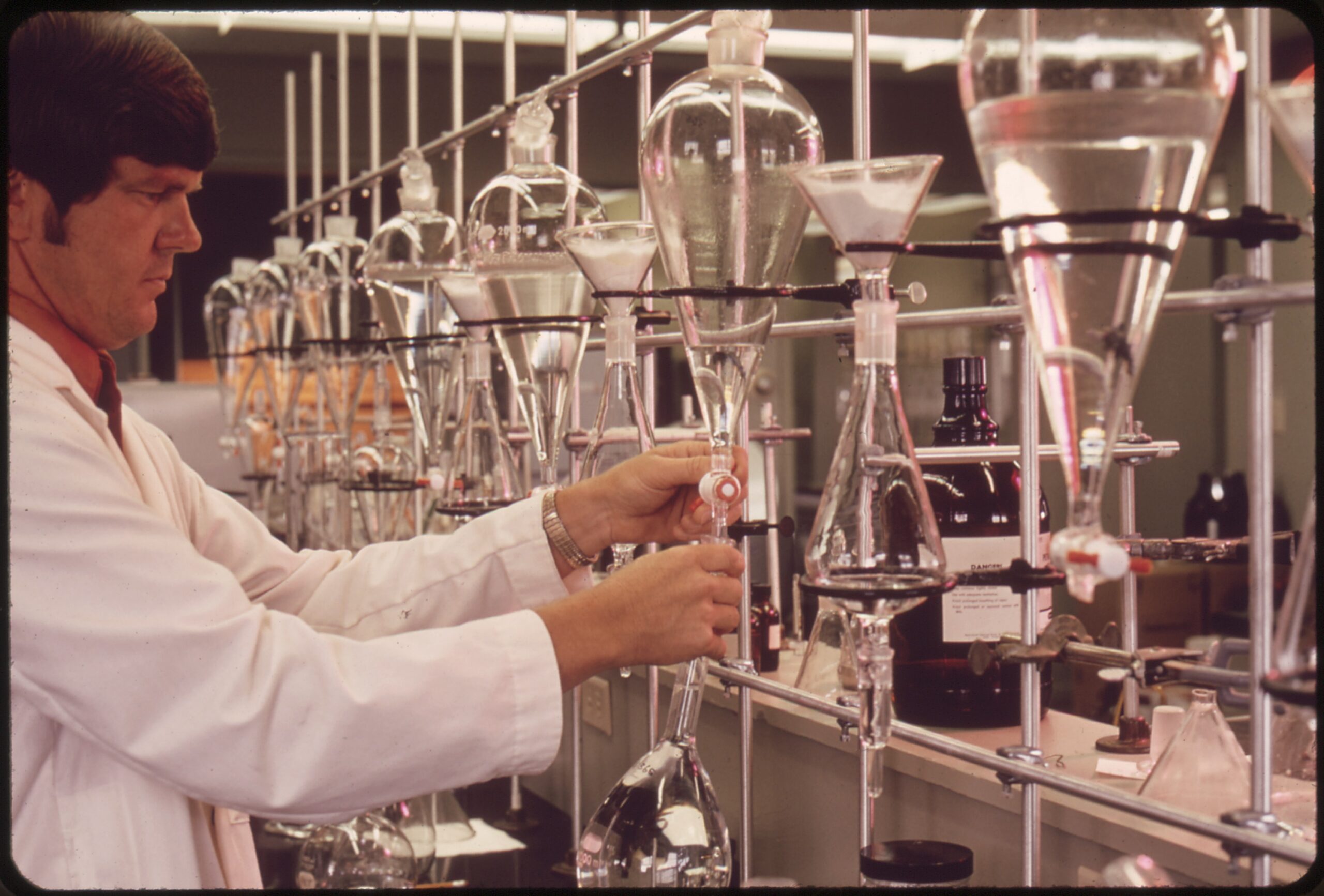
You might be wondering how anyone can claim there is a hidden state of water if you cannot see it in your sink. The answer lies in increasingly powerful experimental tools: ultrafast lasers, advanced X‑ray sources, neutron scattering, and high‑pressure setups that can track atoms in motion. With these tools, scientists can watch how water molecules rearrange on timescales of trillionths of a second and under conditions that mimic the deep interior of planets or the heart of a cell.
These measurements let you pick up tiny shifts in structure, density, and bonding that would have been invisible a generation ago. Instead of treating water as a smooth, featureless liquid, you can now map how its internal structure reorganizes as you cross certain temperatures, pressures, or confinement scales. Those subtle reorganizations are where the talk of “new states” comes from: not because water has suddenly changed its chemistry, but because its collective behavior has crossed into a qualitatively different regime.
Why Theories Keep Struggling To Catch Up
If you enjoy the idea that science has everything neatly figured out, water is a humbling counterexample. Many of the models you use to describe ordinary liquids work poorly for water once you push it into supercooled, confined, or high‑pressure regions. Simulations that seemed reliable can disagree with each other, and small changes in assumptions can flip the conclusions about whether a new phase really exists or not. You are watching theory chase experiments in real time.
Part of the challenge is that water’s hydrogen bonds are both strong enough to create structure and fragile enough to constantly rearrange, which makes the system hard to approximate. When your theoretical tools assume smoother, more predictable interactions, water gleefully breaks those assumptions. That is why physicists talk about being baffled: you are confronting a liquid that looks simple but refuses to fit comfortably inside standard equations, forcing you to refine your understanding of matter itself.
What Hidden States Of Water Could Mean For You
Even if you never step into a physics lab, these hidden states of water can still matter in your world. Better models of water at high pressure can improve how you understand the insides of icy planets and moons, which feeds into questions about where life might exist in the universe. More accurate descriptions of supercooled and confined water can sharpen climate models, battery designs, desalination technologies, and medical imaging, all of which rely on water behaving in predictable ways under unusual conditions.
On a more everyday level, this research is a reminder that familiar things can still hide deep mysteries. The water you drink, freeze into ice cubes, or boil for coffee is part of a much larger and stranger story that stretches from your kitchen to distant exoplanets. When you hear that a new hidden state has been uncovered, you are not just getting a fun headline; you are watching scientists peel back another layer on a substance that quietly underpins almost everything you care about.
Conclusion: The Most Ordinary Liquid Is Also The Weirdest
When you step back, it is almost poetic that the substance you rely on every day turns out to be one of the most complex characters in physics. Hidden states in supercooled, confined, or ultra‑pressurized water are not science fiction; they are subtle but real patterns emerging from the same simple H₂O molecule you pour into a glass. Each new discovery forces you to update your mental picture, from a tidy three‑phase diagram to a sprawling landscape of phases and transitions that scientists are still mapping.
In a way, the fact that physicists are baffled is good news for you, because it means there is still plenty left to learn about even the most familiar parts of your world. The next time you watch ice melt or steam rise, you can imagine all the unseen versions of water that would appear if you tweaked the conditions just a bit more. It is a quiet reminder that reality is richer and stranger than it first appears, even in a single drop. Did you expect that from something as ordinary as water?