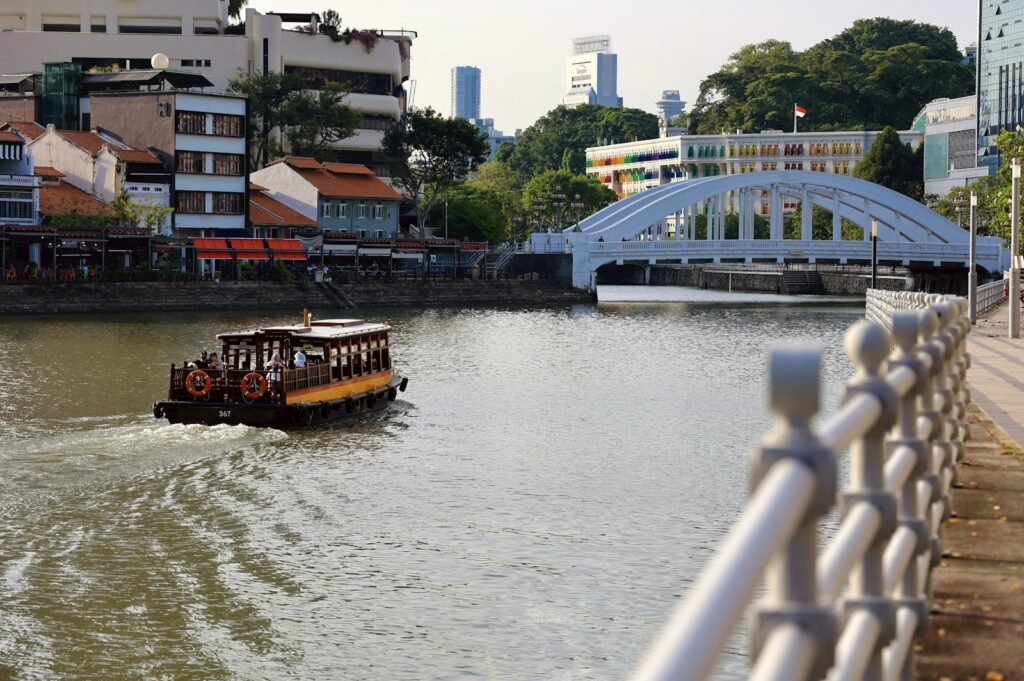

Imagine stepping into a world where ancient rivers flow through glass walls and endangered giants swim just inches from your face. Picture walking through recreated Amazon rainforests while giant catfish patrol overhead aquariums that dwarf most swimming pools. This isn’t some fantasy—it’s what happens every day at Singapore’s River Wonders, where the boundary between conservation center, research facility, and magical experience blurs beyond recognition. But here’s what most visitors never realize: every ticket purchased and every amazed gasp contributes to a conservation network spanning Southeast Asia, protecting species that most people will never see in the wild.
Asia’s First River-Themed Wildlife Paradise

River Wonders stands as Asia’s first and only river-themed wildlife park, but calling it just a “park” feels like calling the Amazon a creek. This aquatic wonderland houses over 11,000 animal specimens representing close to 260 species, alongside 400 plant species. Think about that for a moment—this single location contains more freshwater biodiversity than entire river systems in some parts of the world. Built at a staggering cost of S$160 million, the facility doesn’t just display animals; it recreates entire river ecosystems with scientific precision. Nestled between the Singapore Zoo and Night Safari across 12 hectares, it represents the first facility of its kind in Asia, featuring freshwater exhibits and river boat rides as main highlights. Walking through its corridors feels like traveling through the world’s greatest rivers without ever boarding a plane.
Home to Living Legends and Gentle Giants
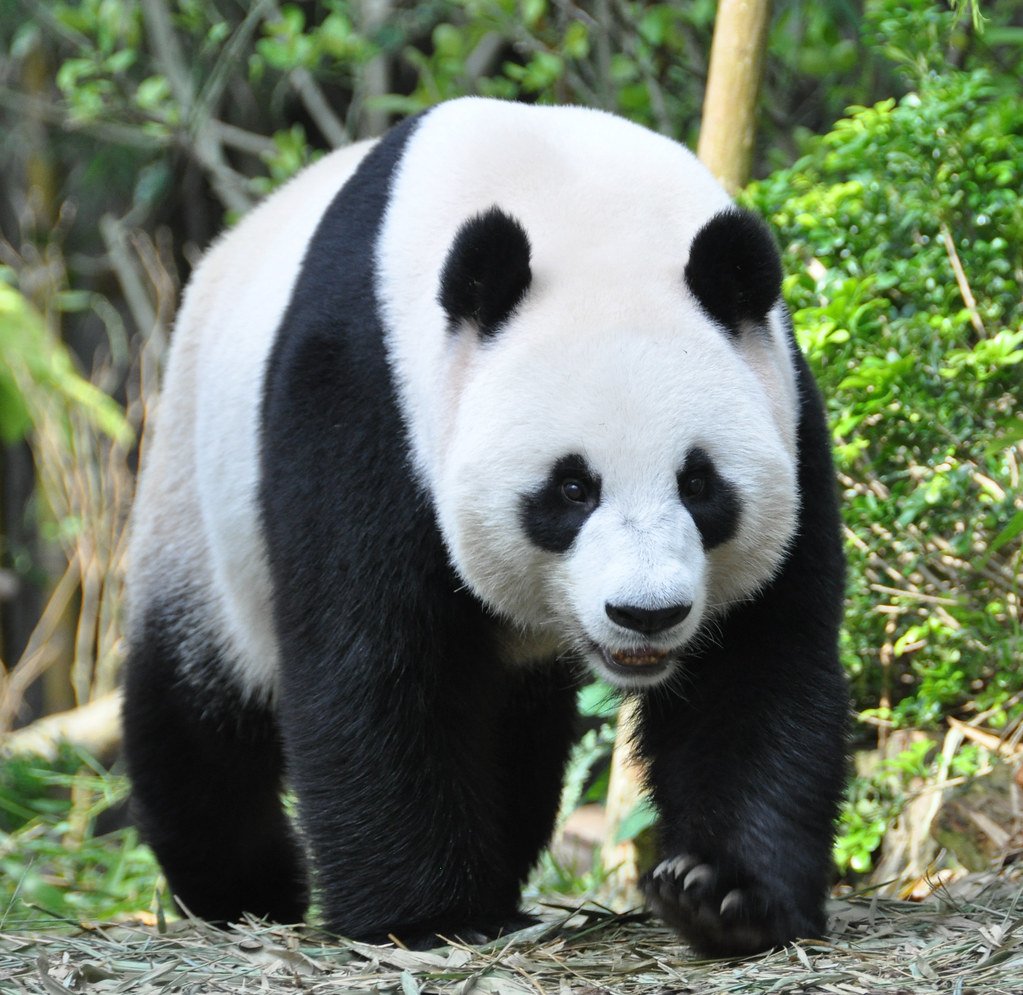
The park showcases some of the most peculiar and fascinating river-dwelling animals, including resident giants like the Indian gharial, Mekong giant catfish, and giant pandas. But these aren’t just impressive animals—they’re living ambassadors for species facing extinction in the wild. Visitors encounter iconic river giants like the highly threatened Mekong giant catfish and giant freshwater stingray, alongside giant arapaimas, green anacondas, and Antillean manatees. The sheer size of some species defies belief; imagine standing before a freshwater stingray wider than a dining table or watching a catfish longer than most cars glide through crystal-clear water. Out of the 200 animal species present, 40 are threatened, making this place even more special. These aren’t just display animals—they’re survivors representing the last hope for entire species.
Giant Pandas: The Unexpected Stars of River Conservation
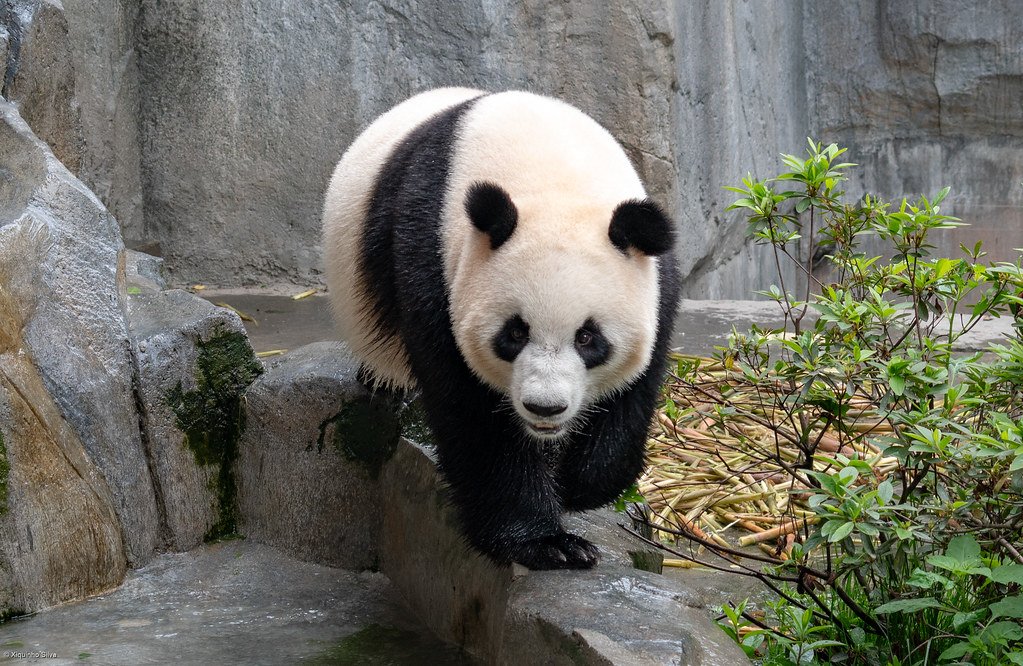
The facility currently houses male and female giant pandas Kai Kai and Jia Jia, but their presence here represents more than tourist attraction. These pandas symbolize the twentieth anniversary of friendly Sino-Singapore relations and arrived in September 2012 on a ten-year loan from China. The climate-controlled panda habitat spans 1,500 square meters, designed to simulate their natural mountain environment. In August 2021, a male cub was born to Kai Kai and Jia Jia—the first successful birth after seven breeding attempts since 2015, achieved through artificial insemination. Visitors can watch staff prepare fresh bamboo daily for the pandas, witnessing the incredible dedication required to maintain these living symbols of international cooperation and species preservation.
The Amazon Flooded Forest: Walking Through an Underwater Cathedral

The Amazon Flooded Forest features a massive complex with cave-like walkthrough lined with exhibits along curved paths, leading to the largest freshwater tank housing famous manatees and arapaimas. This isn’t just an aquarium—it’s an architectural miracle that places visitors inside a living ecosystem. The Amazon Flooded Forest experience resembles the S.E.A Aquarium in Sentosa, with aquariums larger than visitors themselves, creating the sensation of walking through underwater tunnels. The experience begins with two Giant River otters playing overhead, followed by a darker walkthrough featuring electric eels and red-bellied piranhas. Imagine the surreal experience of walking beneath tons of water while massive fish glide overhead like living aircraft.
Manatee Mania: Meeting the Gentle Ocean Cows

At Manatee Mania, visitors encounter a whole family of these gentle giants, but these aren’t just charming animals—they’re conservation success stories. The largest aquarium belongs to manatees, where these mammals surface every 5-10 minutes to breathe, often remaining at the surface to eat floating vegetation. These gigantic, fully aquatic herbivorous mammals generally eat seagrass. Watching a 1,000-pound manatee gracefully surface for air creates an almost spiritual connection to these prehistoric-looking creatures. The bottom portion of their aquarium houses other species like red-tailed catfish and giant arapaima, creating a complete ecosystem that mirrors natural river environments where different species coexist in complex relationships.
The Amazon River Quest: A Journey Through South American Waters

The Amazon River Quest boat ride features several South American animals including collared peccaries, brown capuchin monkeys, red howler monkeys, red-backed bearded sakis, brown-headed spider monkeys, giant anteaters, guanacos, Brazilian tapirs, jaguars, black howler monkeys, greater flamingos, and capybaras. This 10-minute journey packs more wildlife encounters than most people experience in years of nature documentaries. River Wonders offers the Amazon River Quest as a 10-minute boat ride and the Reservoir Cruise as a 30-minute cruise on an artificially created reservoir. However, the boat ride moves very quickly, making it challenging to properly observe the rare and interesting animals during the tour. Despite the speed, glimpsing a jaguar resting in riverside vegetation or watching capybaras wade through shallow water creates unforgettable moments that highlight the incredible diversity of South American ecosystems.
Revolutionary Green Building Design: Conservation Through Architecture

River Wonders stands as the first attraction in Singapore to receive the Building and Construction Authority’s Green Mark Platinum Award in the park category, focusing on sustainable operations. This recognition isn’t just about energy efficiency—it represents a fundamental reimagining of how conservation facilities can minimize their environmental impact. The facility implements sustainable venue practices including resource conservation in water and waste management, adoption of renewable energy, and responsible procurement from vendors using sustainable methodologies. Singapore’s Building and Construction Authority Green Mark certification evaluates a building’s environmental impact and performance. Every architectural decision, from water recycling systems to energy-efficient climate control, demonstrates how modern conservation facilities can practice what they preach about environmental stewardship.
Scientific Research and International Accreditation
River Wonders is managed by Mandai Wildlife Group and holds accreditation from two top international regional zoo associations—European Association of Zoos and Aquaria (EAZA) and Zoo and Aquarium Association of Australasia (ZAA)—while also being a member of the Southeast Asian Zoo and Aquarium Association (SEAZA) and the World Association of Zoos and Aquariums (WAZA). These accreditations aren’t ceremonial badges—they represent rigorous standards for animal care, breeding programs, and conservation research. Mandai Wildlife Group dedicates itself to caring for the planet and protecting animals and nature, with conservation education intrinsic to all interactions. Behind the public displays, teams of veterinarians, biologists, and conservationists conduct research that contributes to global understanding of freshwater ecosystems. The facility serves as both educational center and active research institution, generating knowledge that helps protect wild populations across Southeast Asia.
The Mekong Connection: Protecting Southeast Asia’s Lifeline

The people of the Mekong cannot afford to lose their freshwater fish or the freshwater ecosystems they inhabit, as rivers, lakes, and wetlands serve as their life support systems. River Wonders’ focus on Mekong species connects visitors to this critical conservation challenge. Unsustainable development has pushed one-fifth of Mekong River fish to near extinction in this 5,000-kilometer waterway that ranks as the world’s third most biodiverse river for fish and hosts one of Earth’s largest migrations with over 5 billion fish traveling upriver annually to spawn. The Mekong giant catfish, weighing up to 770 pounds, faces critical endangerment because it can no longer migrate upstream from the deep pools of the lower Mekong. By showcasing these species, River Wonders creates emotional connections between visitors and conservation challenges thousands of miles away.
Threatened Species and the Race Against Time

River Wonders aims to inspire and educate visitors about protecting fragile freshwater river basin ecosystems, with nearly 40% of its animals being endangered species involved in conservation and preservation efforts. This statistic should stop anyone in their tracks—imagine if 40% of your friends were facing extinction. Protecting endangered fish species remains crucial for maintaining biodiversity and aquatic ecosystem health, with ten protected fish species worldwide considered endangered or critically endangered under international conservation frameworks as of 2024. Southeast Asia, defined by the ASEAN region, represents a hotspot for impending species extinctions, having the highest number of species categorized as Critically Endangered on the IUCN Red List globally. The facility doesn’t just display these species—it maintains breeding programs and genetic banks that could prove crucial for future reintroduction efforts.
Conservation Education: Inspiring the Next Generation
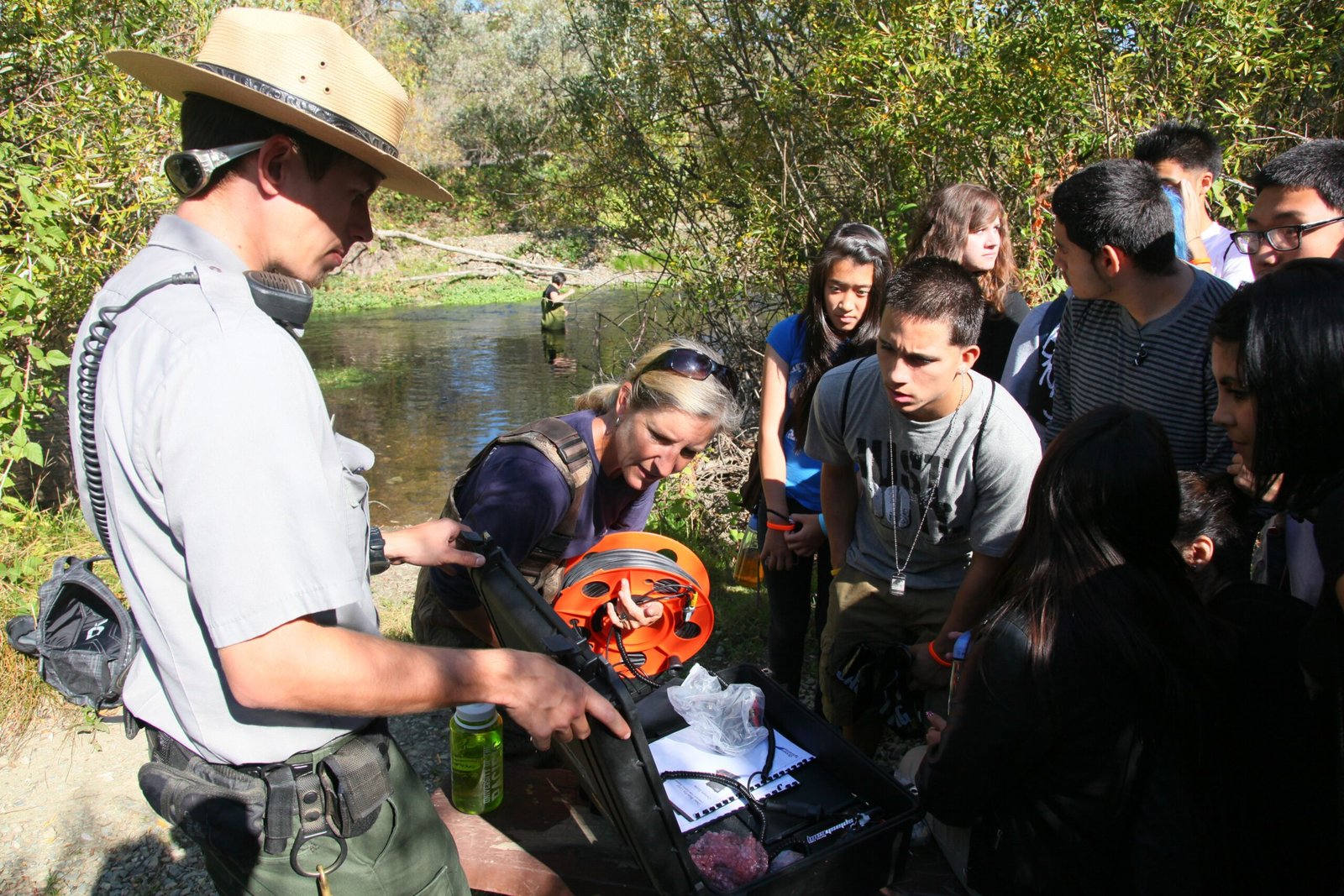
The park helps visitors understand river ecology and planetary significance through interactive exhibits ensuring educational experiences for all ages. But education here goes beyond reading plaques—it involves sensory experiences that create lasting emotional connections. Through themed exhibits mirroring iconic riverine systems worldwide, River Wonders aims to inspire its million annual visitors to appreciate and protect fragile freshwater ecosystems, hoping to restore connections to the natural world and empower habitat protection. The “Once Upon a River” show features anchors relating stories about relationships between animals and rivers around the world. When a child watches a massive arapaima surface for air or sees a manatee gracefully swimming, they’re not just being entertained—they’re developing the emotional foundation for future conservation advocacy.
Regional Conservation Network and Impact

At Mandai Wildlife Reserve, portions of revenue support conservation projects across Singapore and Southeast Asia, with every ticket purchase and purchase helping protect wildlife including over 50 projects supporting species from Sumatran Orangutans to Singapore’s native Sunda Pangolin. This transforms every visitor into an active conservation participant. Singapore has initiated programs to plant 100,000 corals and subsequently introduce them into marine environments, scaling up existing coral restoration efforts to substantially improve coral community resilience throughout Singapore’s waters. Organizations like Ocean Network Express and Singtel support enhancements to Sisters’ Islands Marine Park for conservation, recreation, and education, allowing public appreciation of coastal and marine biodiversity. The facility serves as both conservation center and funding mechanism for protecting ecosystems far beyond its walls.
Global Conservation Challenges and Local Solutions

Marine life populations have declined by nearly 50% between 1970 and 2012, with this downward trend continuing due to human activities including overfishing, pollution, coastal development, and climate change. River Wonders addresses these challenges by creating awareness and funding conservation efforts. We lose 80,000 sea turtles annually to exploitation, with six out of seven sea turtle species facing existential threats from marine pollution to illegal trade, making Singapore’s role in conserving Hawksbill and Green sea turtle populations crucial, especially when only 1 in 1,000 hatchlings reaches adulthood. Despite extensive development, Singapore maintains immensely diverse wildlife including critically endangered species like the Sunda pangolin, Raffles’ banded langur, and straw-headed bulbul, with its 720-square-kilometer area hosting more than 2,000 native plant species and hundreds of animal species. The facility demonstrates how urban areas can serve as conservation strongholds.
Wetlands Conservation: The Hidden Heart of River Systems

Mekong wetlands are often overlooked in conservation efforts, but new research shows they are essential to local ecosystems and economy. River Wonders highlights this critical connection through its ecosystem representations. The Mekong’s lower basin contains more than 70,000 square miles of wetlands—an area larger than Florida—but since 1970, 30 percent of these wetlands have been lost to agricultural encroachment, hydrological changes, and other threats. Tens of millions of people rely on the river for agriculture and fishing, with researchers recognizing wetlands’ critical role in supporting these industries, while new developments like controversial canal projects add urgency to preservation efforts. As one expert notes, “If the water of the Mekong is the blood, the wetlands are its beating heart”, illustrating the fundamental importance of these ecosystems that River Wonders helps visitors understand.
Technology and Innovation in Conservation
The facility represents cutting-edge conservation technology, from advanced water filtration systems that maintain pristine aquatic environments to sophisticated climate control that recreates specific regional conditions. The Pavilion Capital Giant Panda Forest spans 1,500 square meters with specially climate-controlled enclosures that change to simulate giant pandas’ natural habitat. These aren’t simple air conditioning systems—they’re complex environmental management networks that maintain precise temperature, humidity, and seasonal variations essential for animal health and breeding success. In the River trails, visitors explore aquatic wildlife within one of the world’s largest freshwater aquariums, with wide viewing panels allowing close observation of marine creatures swimming around submerged trees. The engineering required to maintain these massive aquatic systems while ensuring animal welfare and visitor safety represents a triumph of conservation technology.
Economic Impact and Sustainable Tourism

Recreational angling presents promising avenues for economic development and conservation, with the region’s diverse giant and novel freshwater fish offering significant potential to attract anglers worldwide, though careful management remains crucial to mitigate risks and promote community collaboration for species conservation. River Wonders demonstrates how conservation can generate economic benefits while protecting endangered species. The original project began with an estimated budget of S$140 million and annual visitor rate of 750,000, but costs increased to S$160 million with expected annual visitation of 820,000. This investment generates continuous revenue streams that fund ongoing conservation efforts, creating a sustainable model where economic success directly supports species protection. The facility proves that conservation and economic development can work together rather than against each other.
Climate Change and Freshwater Ecosystems

Hydropower, sand mining, and other development projects threaten ecological balance in the Mekong basin and residents’ livelihoods, with policymakers better serving the public by anticipating over-exploitation problems rather than reacting to consequences. River Wonders educates visitors about these pressing environmental challenges. Dams trap sediment crucial for nourishing soil, flora, and fauna, with knock-on effects on basin ecosystems and biodiversity, particularly affecting rice farming, while river fragmentation disrupts fish migration and reproductive cycles, threatening the world’s largest freshwater fishery. To avoid the worst climate change impacts, the world must drastically cut greenhouse gas emissions and limit warming to 1.5 degrees Celsius by 2030, with protecting and restoring nature potentially accounting for at least 30 percent of global climate action