

Scroll through your social feeds and count how many faces you see in a single minute. Old classmates, distant cousins, influencers you’ve never met, coworkers you barely know, celebrities you’ll never meet at all. Now imagine your great‑great‑grandparents, whose entire social universe might have been a village, a clan, and a few trading partners. Same human brain, wildly different world.
This mismatch sits at the heart of a lot of modern anxiety, loneliness, and quiet exhaustion. Your brain evolved to track a tight circle of real people whose lives directly affected your survival. Instead, it now has to process hundreds, sometimes thousands, of half‑known connections, parasocial relationships, and never‑ending updates. Let’s unpack what happens when an ancient social brain meets an overcrowded modern stage.
How Many People Was Your Brain Actually Designed To Handle?
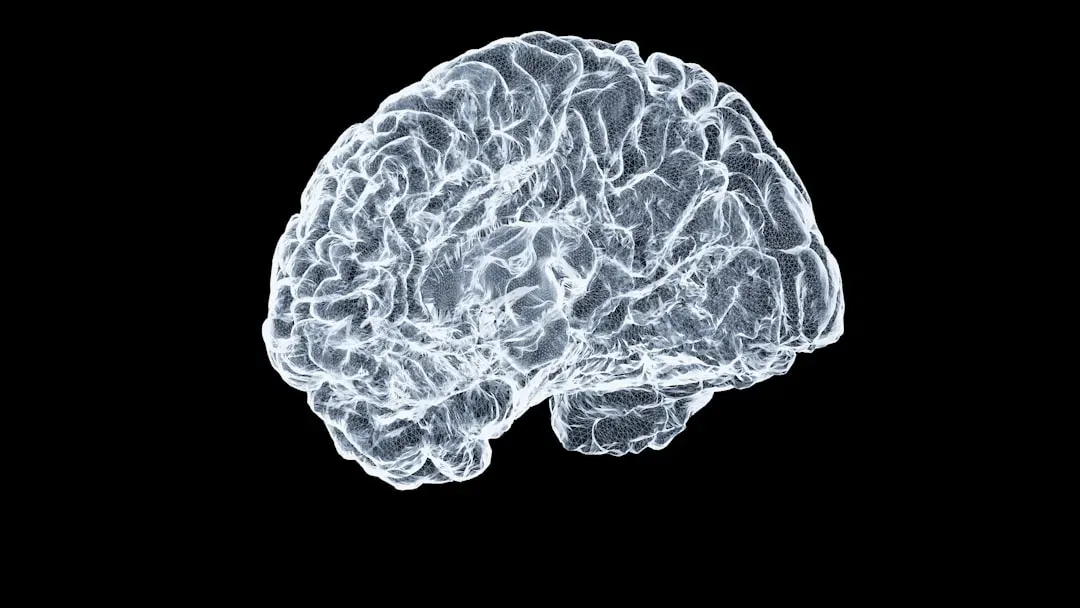
One of the most surprising ideas in social psychology and evolutionary anthropology is that humans seem to have a rough upper limit to how many meaningful relationships they can keep track of at once. We are not social supercomputers; we are more like old phones with limited storage, trying to run a hundred apps at the same time. Some researchers suggest our brains settled on a ballpark number of a few dozen close relationships and maybe a couple hundred total familiar faces in a typical ancestral group.
Think about it like a mental address book with different tiers. At the very center are a tiny handful of people you would drop everything for, then a slightly larger circle of good friends, then a wider ring of acquaintances and allies. Going beyond that starts to blur. Names get fuzzy, stories get mixed, and emotional depth thins out. That layering made sense when “everyone you knew” was basically your camp or village. It’s less functional when your calendar, inbox, feed, and group chats are all full at once.
Tribal Minds in a Planet‑Sized Crowd

Your social brain grew up in small, tight groups where knowing everyone mattered for survival. You needed to track who hunted well, who shared food, who gossiped, and who might turn on you. In that context, your brain became very good at scanning for status, alliances, threats, and subtle emotional shifts. Every face you saw was someone who could help or harm you directly.
Now drop that same brain into a world where you can see more people in one day on your phone than your ancestors might have seen in a year. The brain still runs its old tribal software, but the “tribe” looks like a teeming city, a company org chart, dozens of group chats, and a bottomless social feed. Instead of quietly tracking thirty or forty real humans, it tries to apply the same survival logic to every handle, avatar, and profile that drifts past.
Why So Many Weak Ties Feel Emotionally Overwhelming
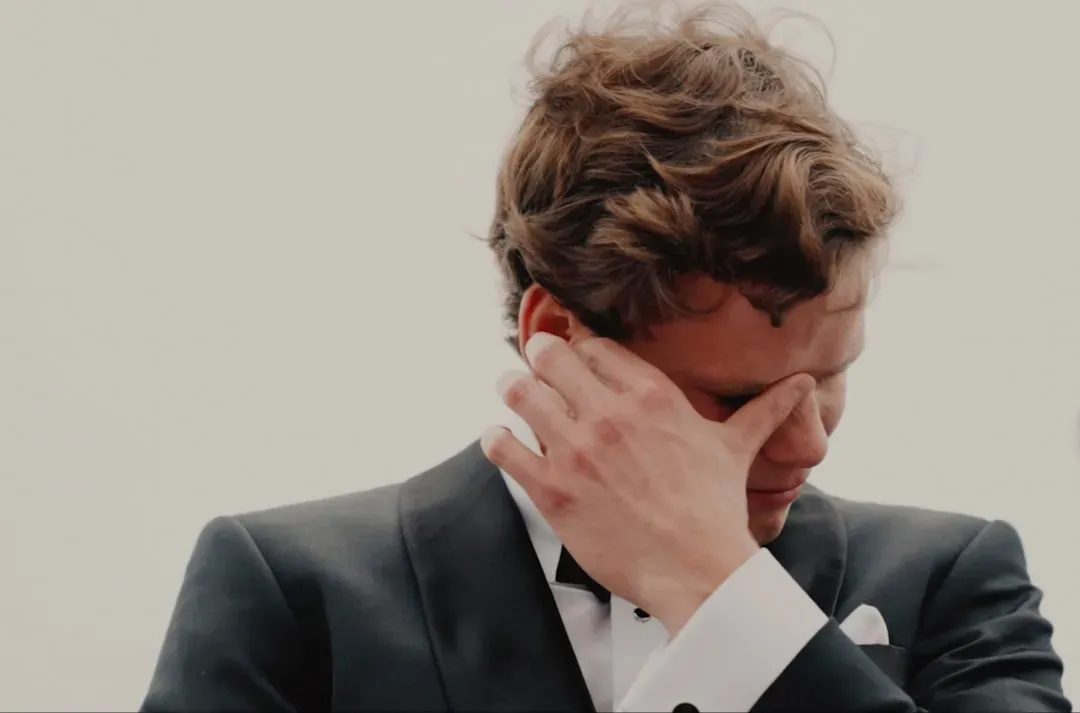
On paper, having lots of “weak ties” sounds great: more opportunities, more information, more options. In reality, your emotional wiring doesn’t easily distinguish between a coworker you barely know and a true friend when it comes to constant notifications and subtle expectations. Each connection takes just a little mental energy, and those tiny costs add up fast.
That is why you can feel strangely drained after a day of polite small talk, shallow online interactions, and quick check‑ins. Your brain is trying to assign emotional weight to far more people than it evolved to carry at once. Each relationship may feel minor, but together they can crowd out the deeper bonds your nervous system actually relies on for stability and comfort.
The Social Comparison Trap: Your Brain vs. Everybody’s Highlight Reel

In a small group, comparison had a purpose. You watched how others hunted, worked, and cared for children, then adjusted your own behavior. Today, your comparison instinct is bombarded by curated images of thousands of lives. You do not just compare yourself to one or two neighbors; you compare yourself to the best moments of hundreds of people at once.
The brain was not built to calmly process that kind of constant status input. Comparison that once helped you find your role in a group now feeds feelings of inadequacy, envy, or quiet shame. You might know logically that people are filtering their lives, but emotionally the brain reacts as if you are repeatedly coming up short in front of a vast tribe that is always watching.
The Cognitive Load of Knowing Too Many People, Just a Little

Every half‑relationship you maintain requires mental bookkeeping: birthdays, job changes, relationship news, minor preferences, and shared jokes. Each one seems like a small detail, but the total cognitive load can be heavy. Your brain is doing constant background work, like a laptop with too many tabs open, each one using just enough power to slow everything down.
That helps explain why social burnout can sneak up on people who are not even “that social.” You may spend most of your time alone, yet still feel overwhelmed by the number of names, faces, and storylines you are loosely trying to follow. The problem is not only what you are doing with people; it is how many half‑finished social threads your mind is trying to keep from slipping through the cracks.
Lonely in a Crowd: When Quantity Masks a Lack of Quality

One of the cruel ironies of modern life is that you can be surrounded by people, or have thousands of followers, and still feel deeply alone. Your brain does not measure connection by raw headcount; it cares about emotional depth, reliability, and shared reality. A hundred casual interactions do not soothe a nervous system that is missing a few truly safe, consistent bonds.
From an evolutionary perspective, it made more sense to have a handful of people you could trust with your life than a crowd of people who recognized your face but would not help you in a crisis. Today, the pressure tilts in the opposite direction: wide networks, broad reach, impressive numbers. When your social world skews wide instead of deep, your brain can end up feeling both overstimulated and undernourished at the very same time.
Pruning Your Social Universe Without Becoming a Hermit

One practical response to this mismatch is simple but not easy: intentionally shrink the circle of people who get your consistent time and emotional energy. That does not mean ghosting everyone or fleeing to a cabin in the woods. It means quietly deciding who belongs in your inner ring, then giving those relationships more attention than the endless churn of loose ties and fleeting updates.
In my own life, the biggest shift came from treating attention like a limited budget instead of a bottomless resource. I stopped trying to keep every connection equally warm and accepted that some relationships would naturally drift to the outer rings. That felt cold at first, but over time it made space for richer conversations, slower evenings, and a sense of calm that no amount of online connection ever really delivered.
Designing a Life That Fits a Stone‑Age Brain

If you accept that your brain is wired for small groups, the goal is not to fight that wiring but to work with it. That might mean prioritizing regular in‑person time with a few people over sporadic contact with dozens. It could mean muting most notifications, quitting a couple of group chats, or deliberately joining a small community where people actually know one another’s stories.
It can also mean being kinder to yourself when you feel socially tired or overstimulated. Feeling worn out by too many interactions is not a personal failure; it is a predictable response from a brain that was never meant to juggle this many social inputs. The more you align your life with the scale your mind was built for, the less you have to brute‑force your way through every day.
Conclusion: Fewer People, Deeper Lives

The modern world treats social capacity like something you can endlessly stretch: more contacts, more followers, more group chats, more networking. Psychology quietly tells a different story. Your brain was tuned for a village, not a stadium, and there is a real cost to pretending otherwise. When we force that ancient machinery to track thousands of lives, worry about countless opinions, and compare itself to endless strangers, something vital frays.
I think the brave, almost rebellious move now is to choose small on purpose. To care deeply about a few people instead of vaguely about everyone, to protect your attention like it actually matters, and to build a life that fits the hardware in your head instead of demanding that it keep up with an inhuman scale. If you did that, who knows – maybe life would start to feel more like a campfire and less like a crowded, noisy feed. How many people do you truly want your brain to carry with it every day?