
You know that weird, electric feeling when a wild deer, fox, or bird locks eyes with you and just… stays? Time stretches, your body tenses, and for a second it feels like the world shrinks down to just you and this other living being. Most people shrug it off as “wow, that was cool,” but your brain is doing something much deeper and much stranger than that in the background.
Psychology and neuroscience suggest that these rare moments of direct, mutual eye contact with wild animals do not get filed away like casual nature memories. Instead, your brain tags them as highly significant, emotionally loaded events, and encodes them more like life milestones or intense social experiences. That is why you can vividly remember the way the animal’s eyes looked years later, even though you’ve forgotten a hundred hikes in between.
Why Mutual Eye Contact With Wild Animals Feels So Intense
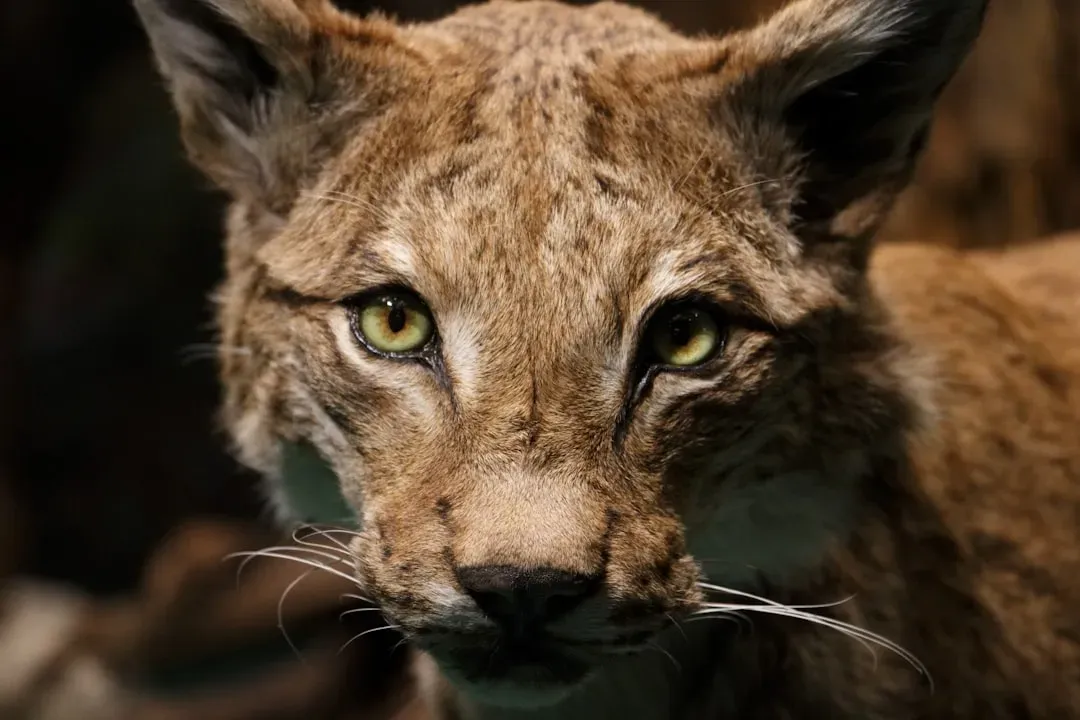
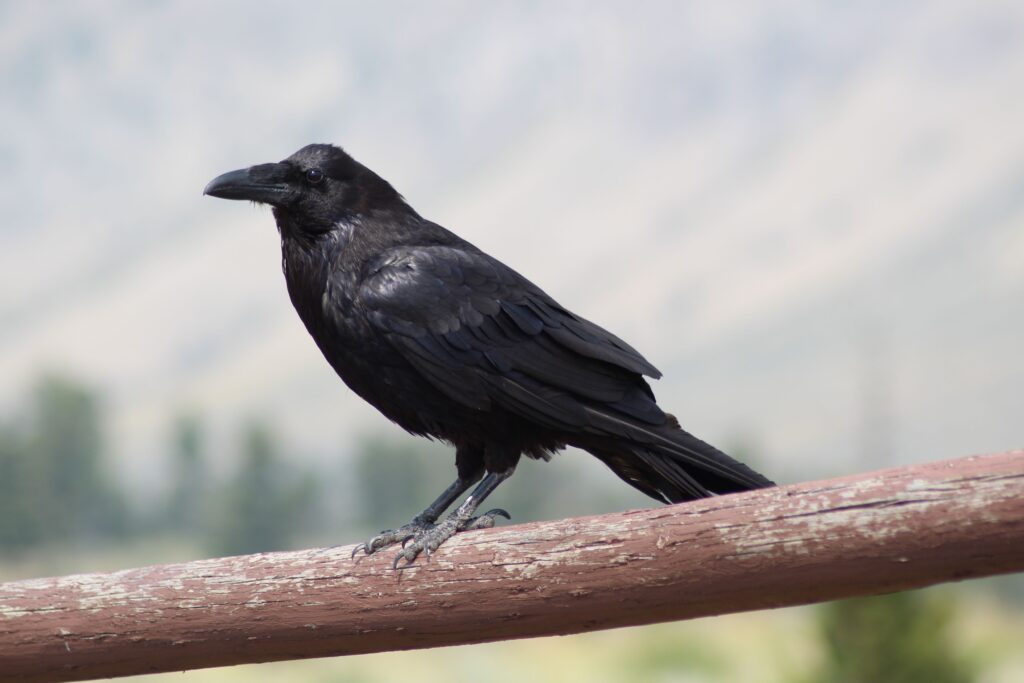
Think of how different it feels to watch a bird from afar versus having it suddenly pause, tilt its head, and stare back at you. In that instant, you are no longer just an observer of nature; you feel like you have become part of the scene. Your nervous system reacts as if something important has just happened, nudging your attention into a sharper, almost tunnel-like focus. It is like your brain quietly whispers, “Pay attention. This matters.”
Humans are wired to treat eye contact as a big deal in social life, so when a wild animal holds your gaze, your brain repurposes that same circuitry. Even if you consciously know the animal is not “communicating” in a human sense, your emotional brain does not really care. It just registers: here is a living mind looking back at me, and that is enough to make the moment feel strangely personal and hard to shake.
How the Brain Tags These Moments as “Significant”
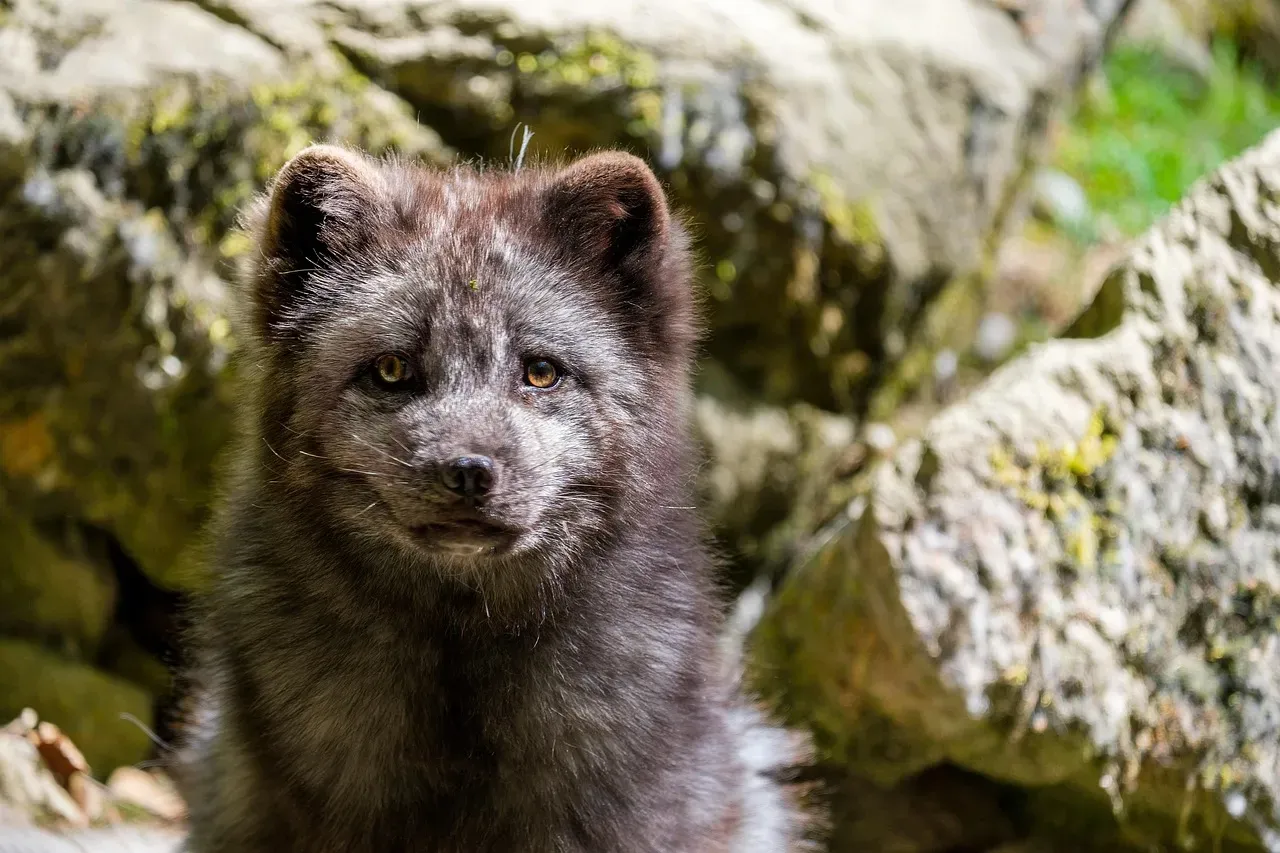
Inside your brain, not all experiences are treated equally; some are flagged as background noise, while others are highlighted in neon. Encounters that involve surprise, emotion, and a sense of social meaning tend to be tagged as high-priority. A wild animal making eye contact and not fleeing checks all three boxes at once. It is unexpected, slightly emotional, and feels social, even if you logically know you are not having a conversation.
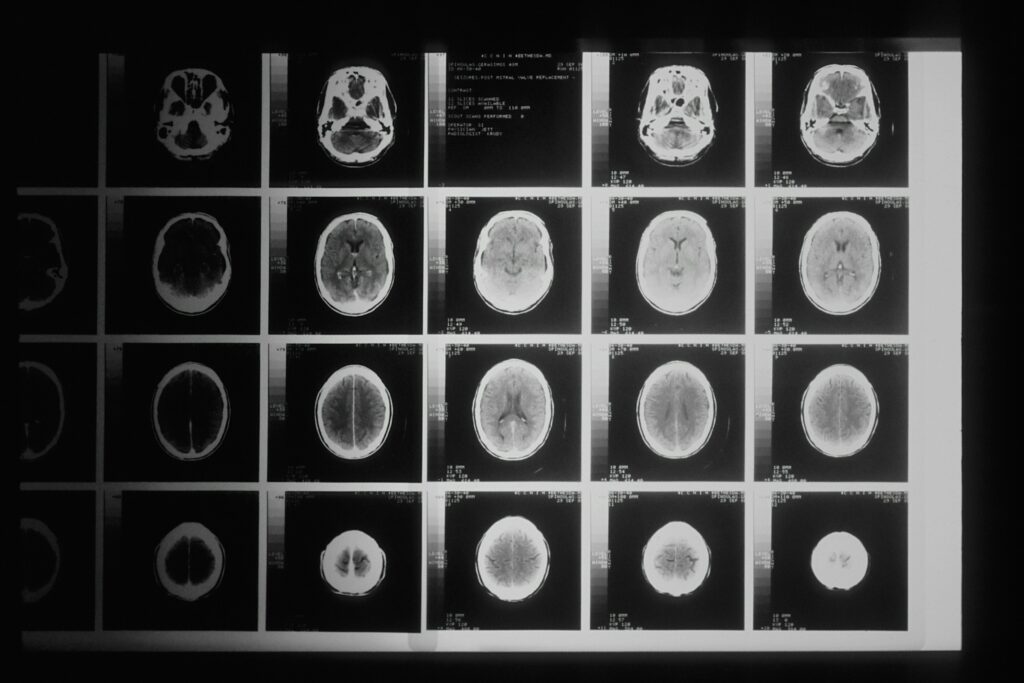
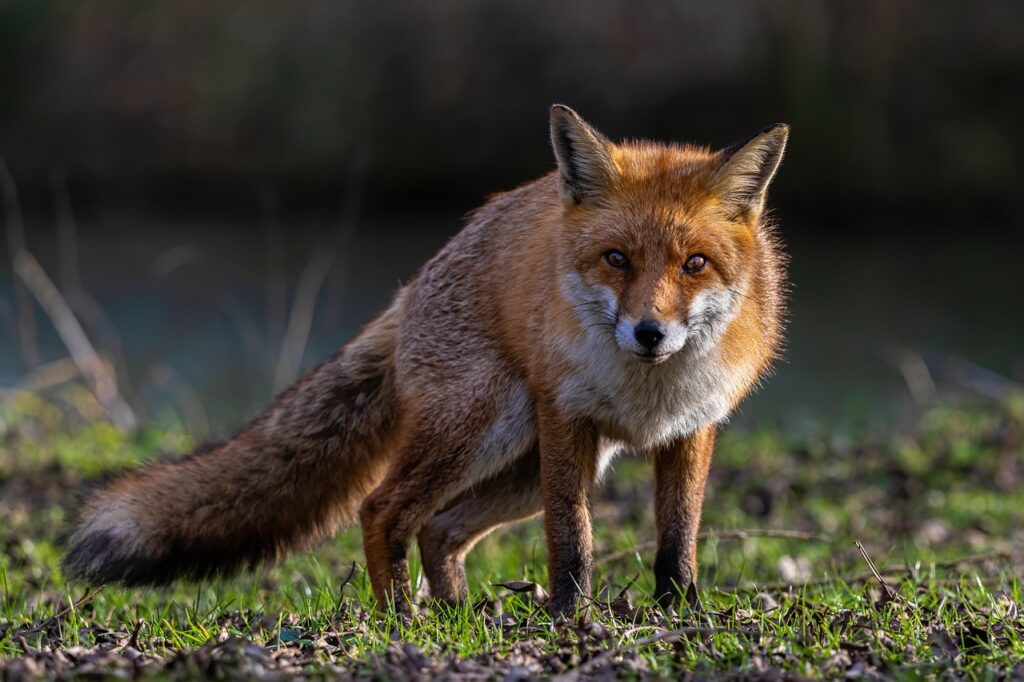
Structures like the amygdala and hippocampus help decide which moments get pushed into long-term storage, and they are especially sensitive to experiences that feel emotionally charged or socially relevant. So when a fox stares at you from a few yards away, your brain effectively adds an exclamation mark to that memory. Instead of being stored like a generic “nice walk in the woods,” it is encoded more like “that one time something truly unusual happened.”
Why These Memories Feel So Vivid Years Later
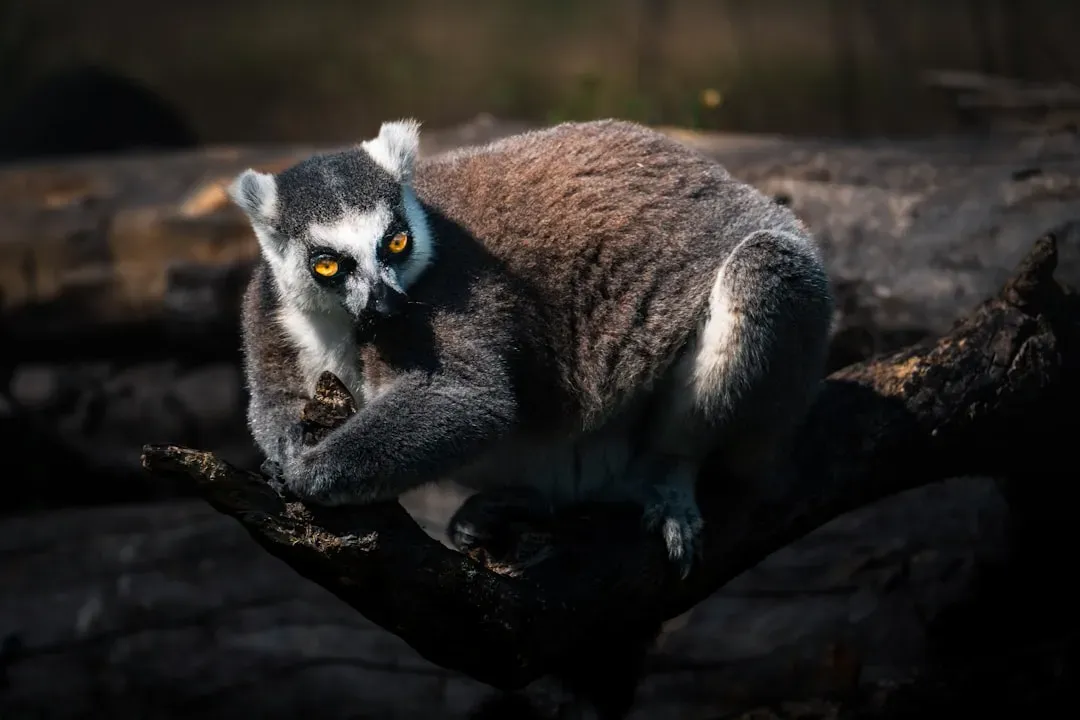
Have you ever noticed how you can recall tiny details from one animal encounter – how the light hit its eyes, the color of its fur, the sound of leaves beneath your feet – while entire vacations blur together? That is classic emotionally enhanced memory at work. When your brain flags a moment as important, it tends to store more sensory detail along with it, like saving a high-resolution photo instead of a low-quality thumbnail.
Over time, most mundane impressions fade, but emotionally loaded memories are revisited more often in your thoughts, which reinforces them. Each time you mentally replay that eye contact moment, you are strengthening the neural connections that store it. That is why, ten years later, you might say, “I will never forget the way that owl stared at me,” and you are not exaggerating; your brain really did lock that snapshot in more deeply than most of your everyday experiences.
The Social Brain Meets the Wild World
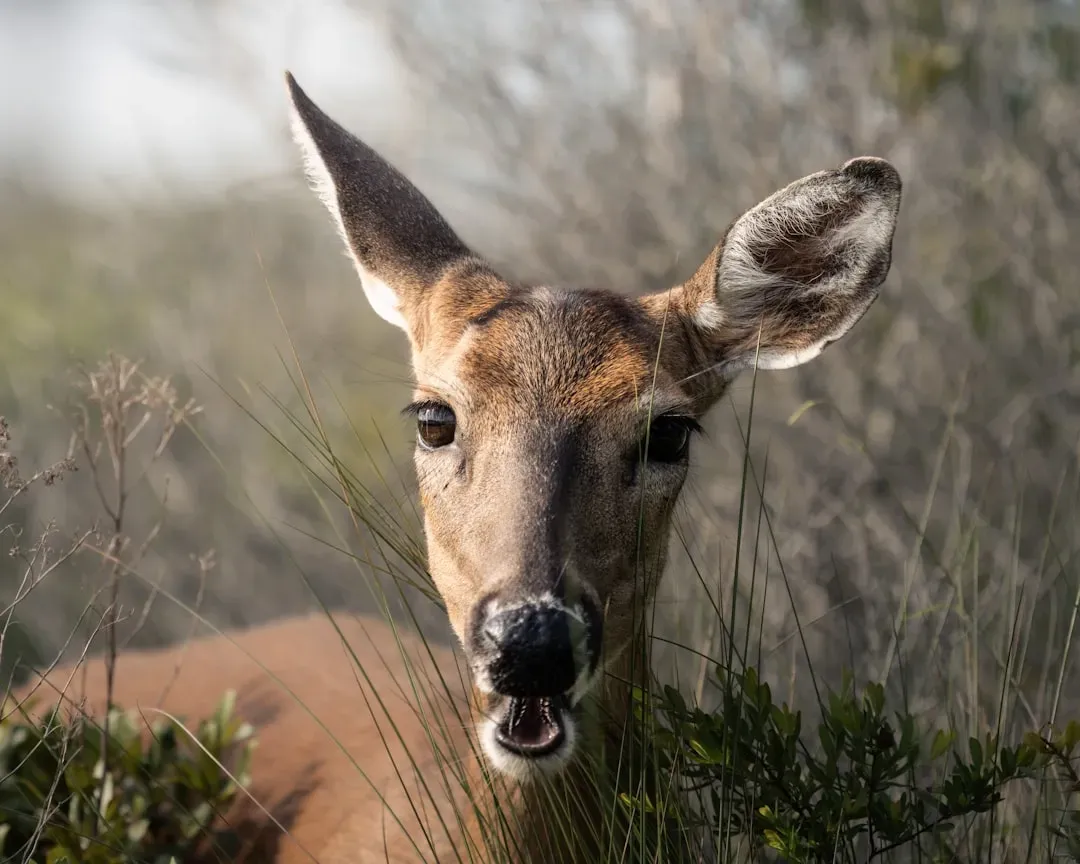
Humans have extremely powerful social brains, built to read faces, detect eye contact, and guess at the intentions of other people. The twist is that this system is not very picky about species. When a dog stares at you, your brain lights up social and emotional regions; when a wild animal does it and does not bolt, the effect can be even stronger, because it feels rarer and more fragile. You unconsciously treat that gaze like a kind of cross-species “social” moment.
This is why it can feel oddly intimate or even spiritual when a wild animal locks onto your eyes. Your brain assigns a kind of person-like significance to that look, even if your rational mind knows better. It is not that you think the animal is judging your life choices; it is that your built-in social wiring responds to eye contact as a major signal, no matter whose eyes are on the other end. The result is a memory that carries the emotional weight of a meaningful interaction rather than a simple wildlife sighting.
Fight, Flight… or Fascination: The Body’s Reaction

In those seconds of mutual eye contact, your body often lights up with a cocktail of arousal and alertness. Your heart might beat a little faster, your breathing might shallow out, and your muscles subtly tense, ready to move if things change. This is your evolved threat-detection system spinning up, assessing whether this creature is a danger, a curiosity, or something in between. Fascination and fear often sit right next to each other in moments like this.
What is interesting is that if the animal does not flee or attack, your system can settle into a state of intense, focused curiosity rather than full-blown fear. You become hyperaware but not overwhelmed, almost like your body is in a quiet “standby” mode. That combination of arousal plus relative safety is perfect fuel for strong memories, which is part of why these encounters stick so stubbornly in your mind.
Why This Is Different From Watching Animals on Screens
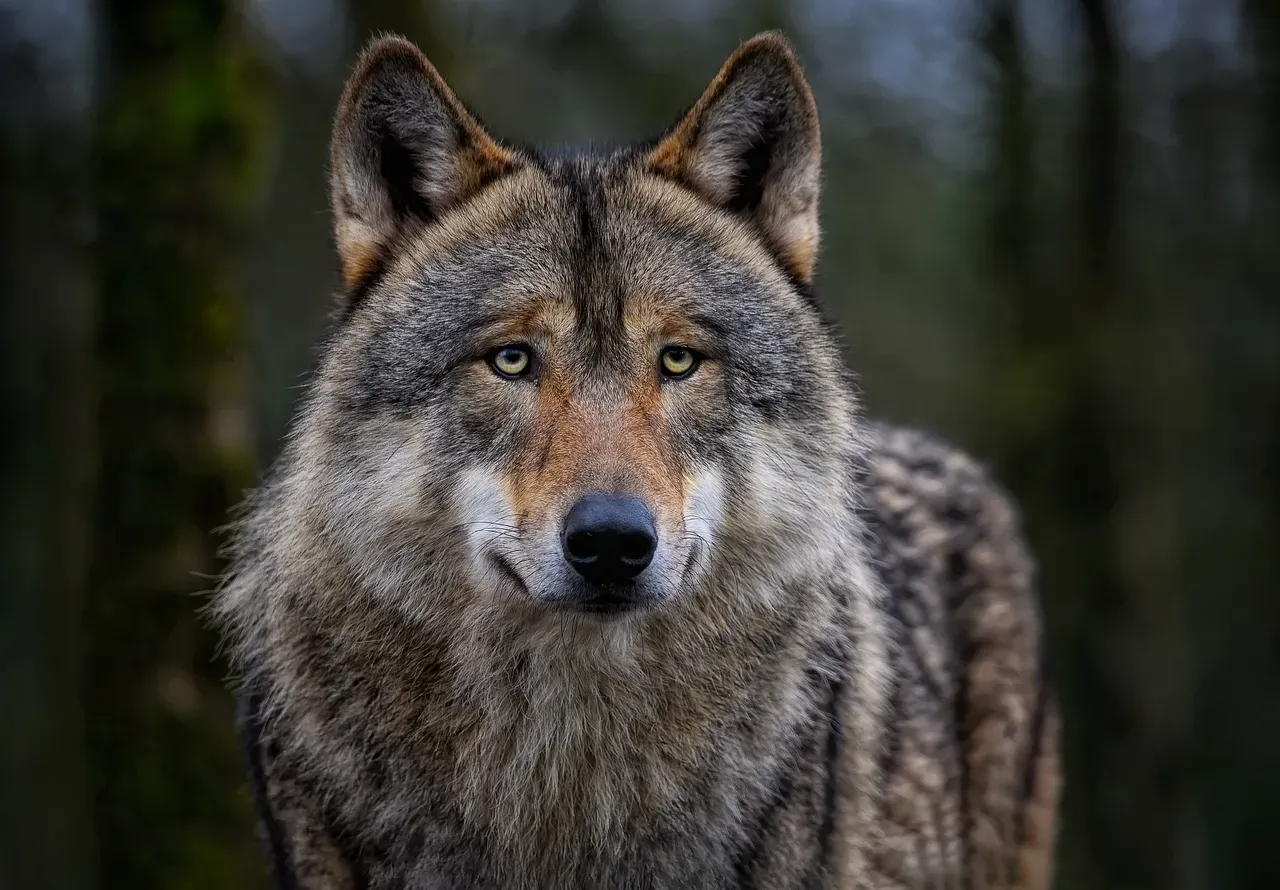
We are surrounded by nature documentaries, viral animal clips, and ultra-realistic photography, but none of these cause your nervous system to react quite the same way as real, unmediated eye contact. A wolf staring into a camera lens may look straight at you on your TV, but your body knows on some level that you are not physically there. There is no actual risk, no shared environment, no real uncertainty, so the event stays mostly on the surface of your consciousness.
By contrast, standing on a trail while a wild animal, in your space and on its own terms, looks back at you is an entirely different category of experience. Your brain has to reconcile distance, potential danger, and the unpredictability of a real living being. That uncertainty supercharges the psychological weight of the moment, resulting in a deeper, more personal imprint than anything you scroll past on a screen.
The Role of Surprise and Rarity in Memory Encoding
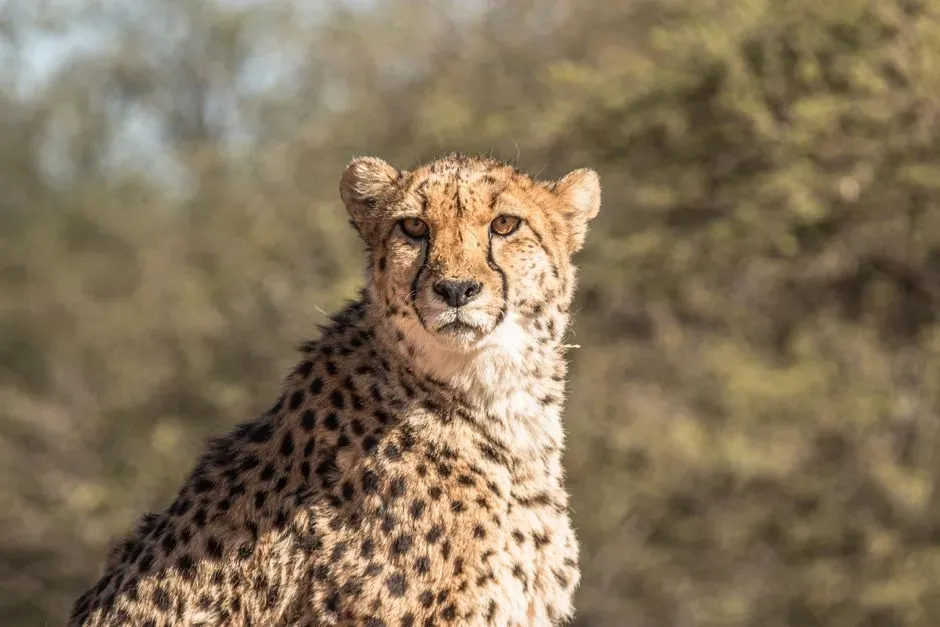
Another reason these memories land so hard is simple: they are rare. You might see dozens of birds or squirrels on a walk, but almost all of them either ignore you or scurry away. When one breaks the script and pauses to hold your gaze, your brain instantly notices that this does not fit the usual pattern. Novelty is one of the most powerful triggers for stronger memory storage, so this unusual behavior gets a special mental bookmark.
Surprise also ramps up the release of certain neuromodulators that tweak how memories are formed. When reality briefly behaves in a way you did not expect – like a wild animal treating you less like a threat and more like something worth inspecting – your brain basically hits the “record in higher quality” button. That is why these short, silent encounters can feel outsized compared to much longer experiences you barely remember.
Meaning, Storytelling, and the Human Need to Feel Chosen
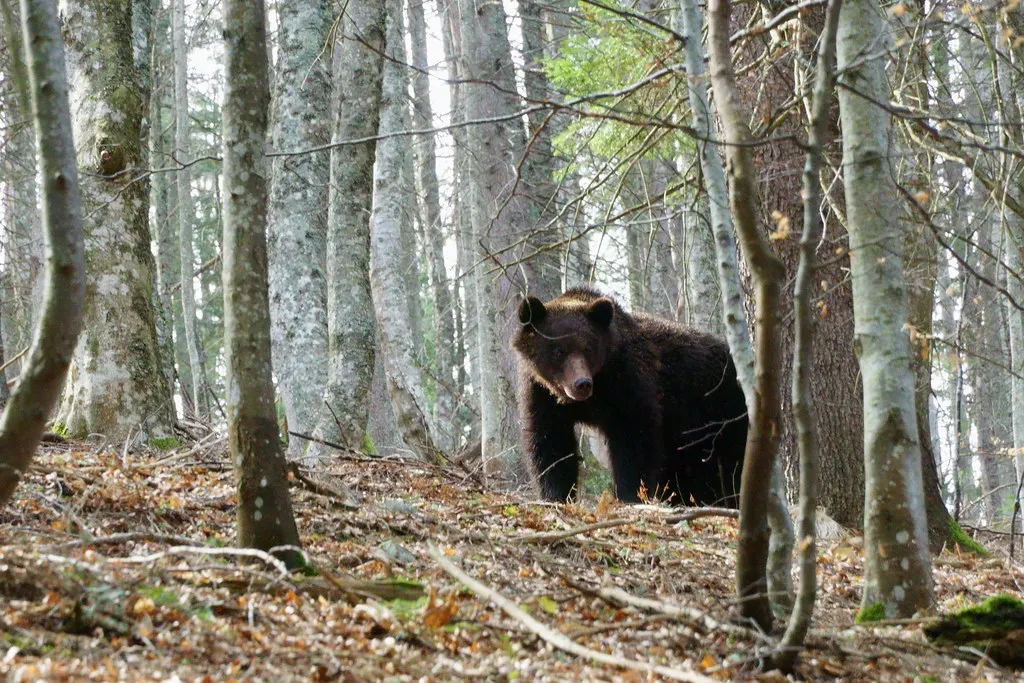
After the encounter, your brain does something very human: it starts building a story around what happened. People will say things like, “It felt like the deer recognized me” or “I got the sense that the whale was curious about us.” Even if you know scientifically that the animal’s behavior has other explanations, framing it as a kind of mutual recognition makes the memory feel richer and more meaningful. We are storytellers by nature, and we hate leaving powerful experiences unexplained.
There is also a quiet emotional undercurrent here: feeling “noticed” by a wild creature taps into a deep desire to feel special, seen, and somehow chosen by the world rather than just passing through it. That does not mean the animal really singled you out in a mystical way, but it does mean the encounter plays directly into ancient parts of our psychology. As you retell the story to others – and to yourself – you polish that memory, deepening both its emotional color and its staying power.
How to Respect These Moments Without Romanticizing Them
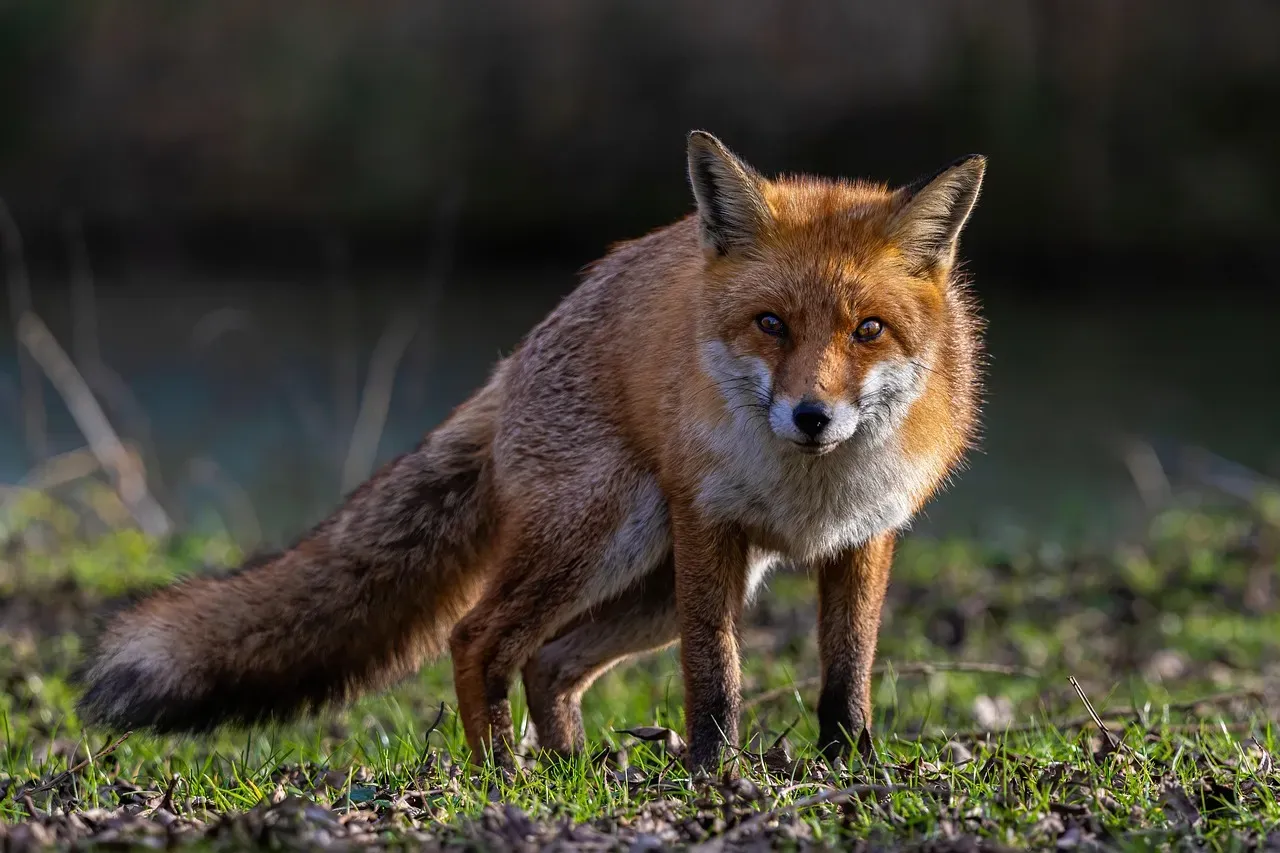
It is tempting to treat every intense wild animal gaze as a sign or a secret message from nature, but there is a more grounded way to honor what is happening. You can acknowledge that your brain is built to take eye contact very seriously, that it encodes these moments like important social experiences, and that this is part of what makes them feel sacred or life-changing. That does not require you to pretend the animal was offering you wisdom; it just means you respect the psychology at play.
At the same time, there is real value in letting these encounters affect you. If a brief stare-down with a fox makes you feel more connected, more awake, or more protective of the wild places that made that meeting possible, that is meaningful in its own right. You do not have to choose between cold science and warm emotion; you can hold both: the brain science that explains why the memory is so strong, and the personal significance that makes it worth remembering.
Conclusion: The Wild Look That Stays With You
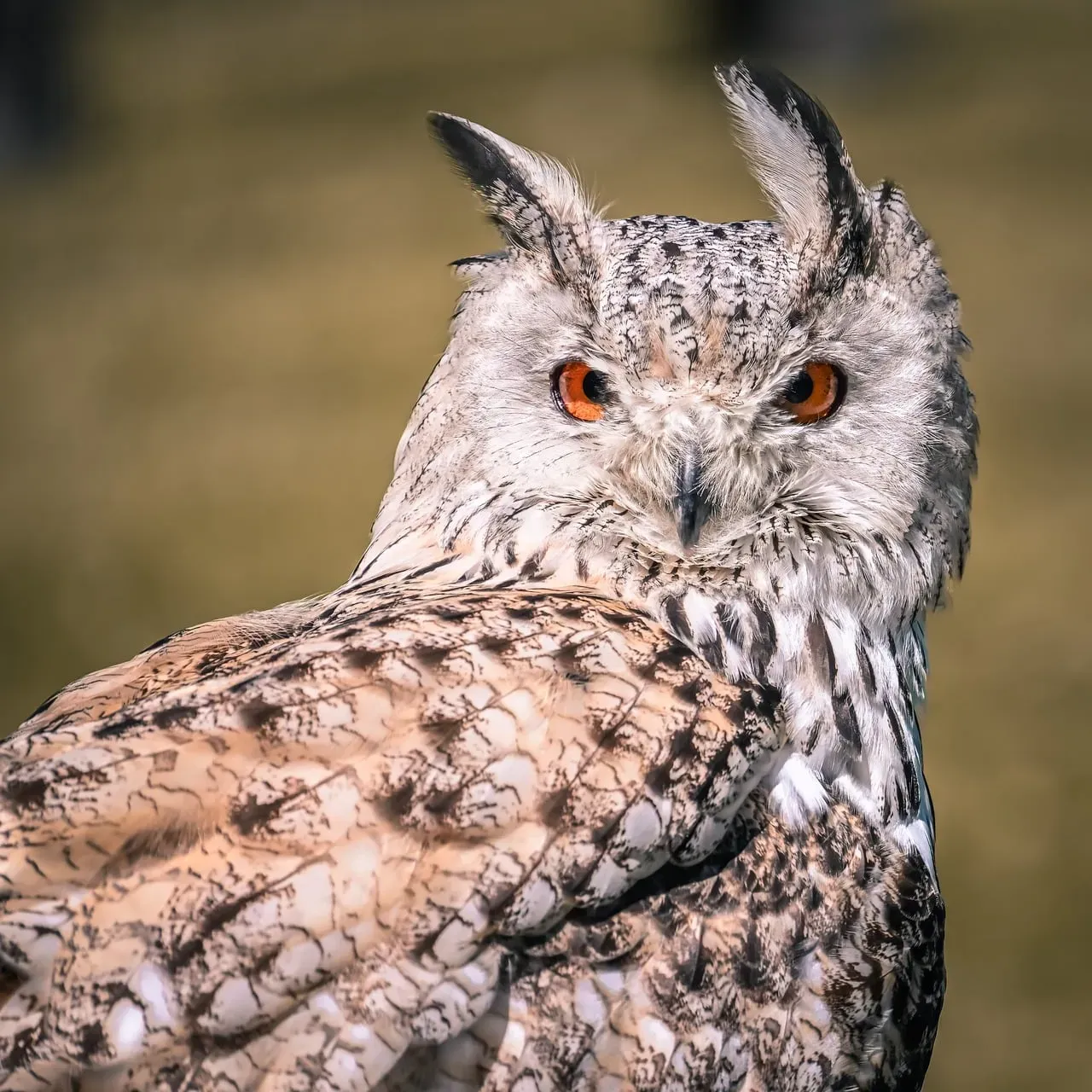
When a wild animal makes eye contact with you and does not run, your brain does not file it under “just another nature moment.” It treats it more like a rare social event that walks the line between awe and risk, and that combination drives unusually strong memory encoding. In my view, that is exactly how it should be: the natural world is not just background scenery, and these sharp, unforgettable flashes of connection are a reminder that we are not as separate from it as we often pretend.
We should not romanticize these encounters into fairy tales, but we also should not flatten them into mere curiosities or camera bait. If anything, the way your brain spotlights those seconds of wild eye contact is a quiet argument for paying closer attention to the living world that surrounds you every day. Maybe the real question is not why those eyes linger in your memory, but why we are so willing to forget how alive and watchful the world can be – when was the last time you really looked back?