
Every star is supposed to follow a script: it’s born in a cloud of gas, burns for millions or billions of years, then dies in some dramatic fashion and fades away. Yet in the last couple of decades, astronomers have stumbled onto a handful of cosmic rebels that seem to ignore that script. These are stars that explode, dim, then somehow come roaring back as if nothing happened, leaving scientists scratching their heads and rewriting textbooks.
This is the strange, almost unsettling . It’s not just a single object, but a growing class of bizarre events where stars appear to blow themselves apart more than once, or survive blasts that should have been fatal. The more telescopes we point at the sky, the more of these stellar zombies we find. And each one forces us to ask a bigger, more unsettling question: do we really understand how the universe ends its stories?
A Supernova That Just… Keeps Coming Back
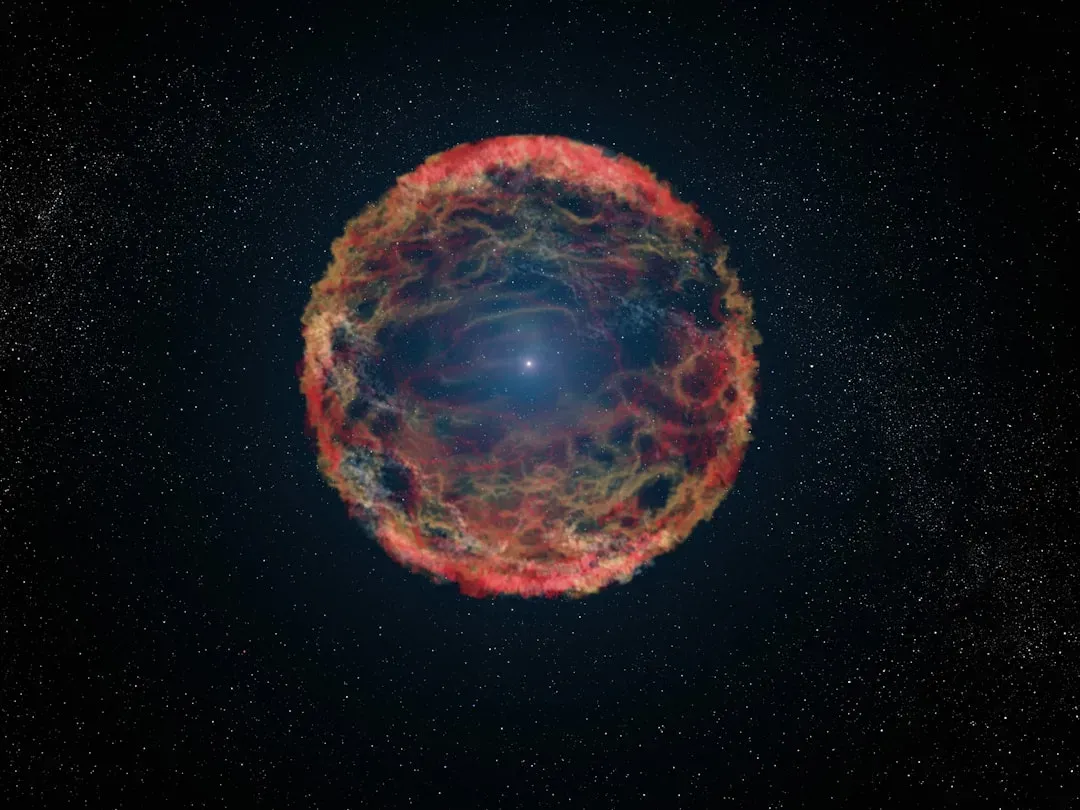
Imagine watching fireworks where the same rocket explodes again and again in the same patch of sky. That’s essentially what astronomers saw with a handful of supernova-like events that brightened, faded, then brightened again months or even years later. One famous case, spotted in the last decade, brightened multiple times more than astronomers thought was even remotely possible for a single exploding star.
This should not happen. A classic supernova is like a one-way detonation: the star’s core collapses, the outer layers are blasted into space, and what is left is either a dense neutron star or a black hole. When you see an object that behaves like a supernova but refuses to settle into a quiet afterglow, you’re forced to consider that something deep in our models is missing. It’s a bit like discovering a car that somehow keeps accelerating after the fuel tank runs dry.
How a Normal Star Is Supposed to Die
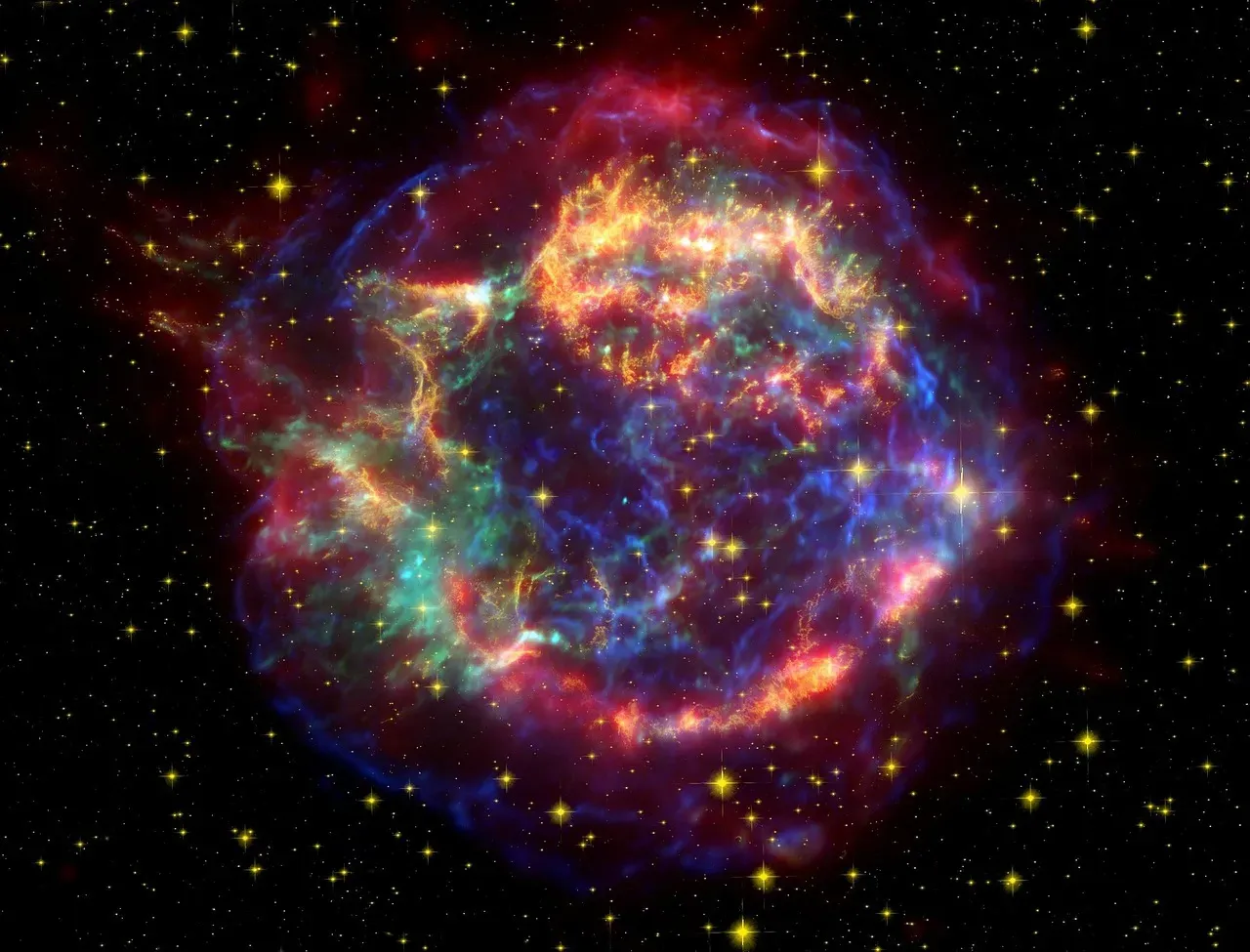
To understand how weird these “refuses to die” stars are, you have to know the normal life cycle. A massive star spends most of its life quietly fusing hydrogen into helium in its core, then later fuses heavier elements like carbon, oxygen, and eventually iron. Once it builds up too much iron, the core can’t support itself, it collapses, and a shockwave tears the star apart in a supernova.
After that, there are no second chances. The core either becomes a neutron star – an ultra-dense object the size of a city but heavier than the Sun – or it collapses further into a black hole. The outer layers drift into space as a glowing cloud of debris that gradually fades. In physics terms, the energy source is gone; in poetic terms, the story is over. So when we see something that looks like a dead star “turning back on,” it’s not just surprising, it’s almost offensive to our sense of order.
Zombie Stars and Partial Explosions
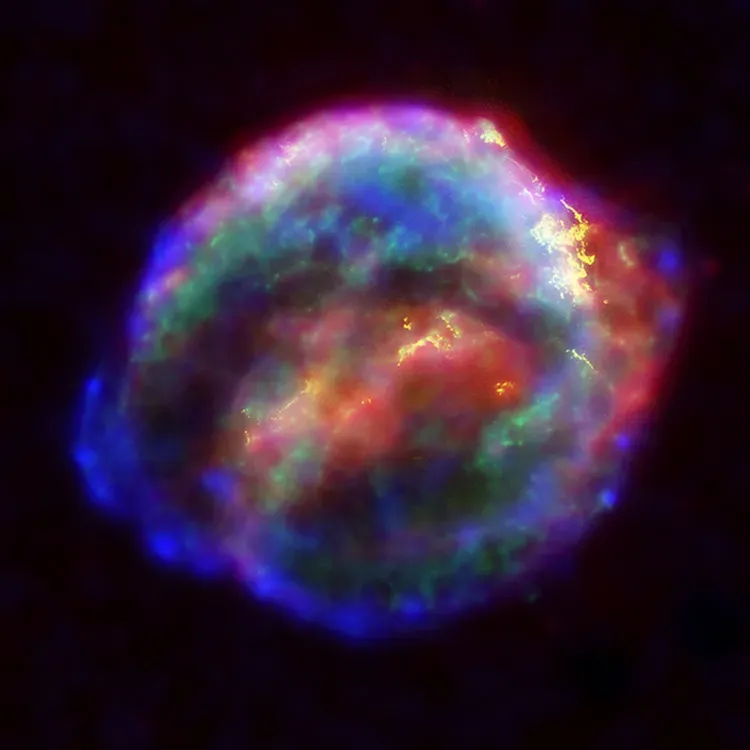
One of the most intriguing ideas scientists have explored is that some stars might only partially blow themselves up. Instead of a single, clean, final supernova, the star could experience violent eruptions that mimic a supernova’s brightness without completely destroying the core. The star sheds huge amounts of mass in massive outbursts, then survives to do it again later.
These so-called “zombie stars” are a bit like volcanoes that erupt catastrophically yet remain intact. In the sky, they might first appear as super-luminous bursts of light, then fade, then flare again when newly ejected material crashes into older shells of gas. To an observer with a telescope, it can look as if one doomed star is dying more than once, each time lighting up its surroundings like a haunted neon sign that refuses to turn off.
When Black Holes and Neutron Stars Power the Afterlife
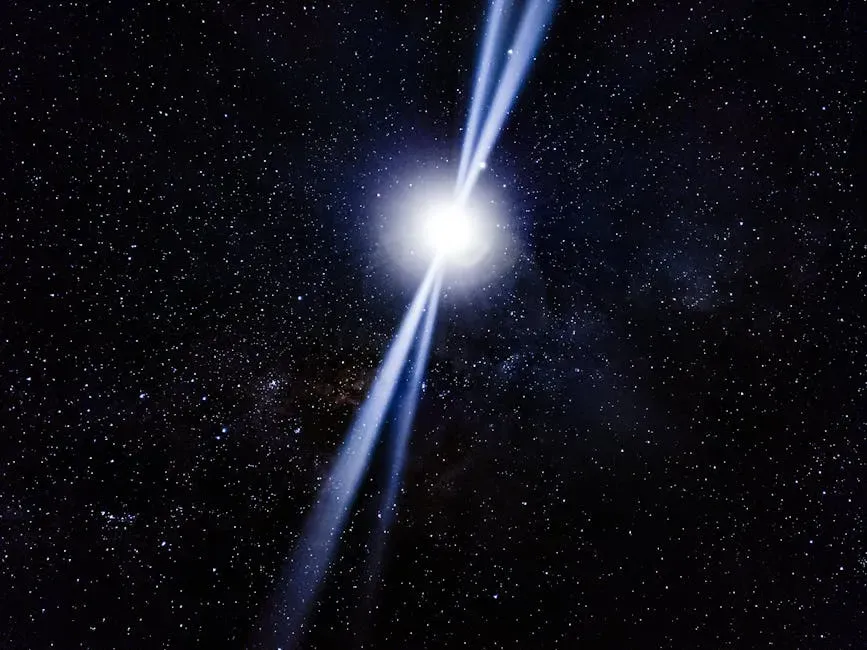
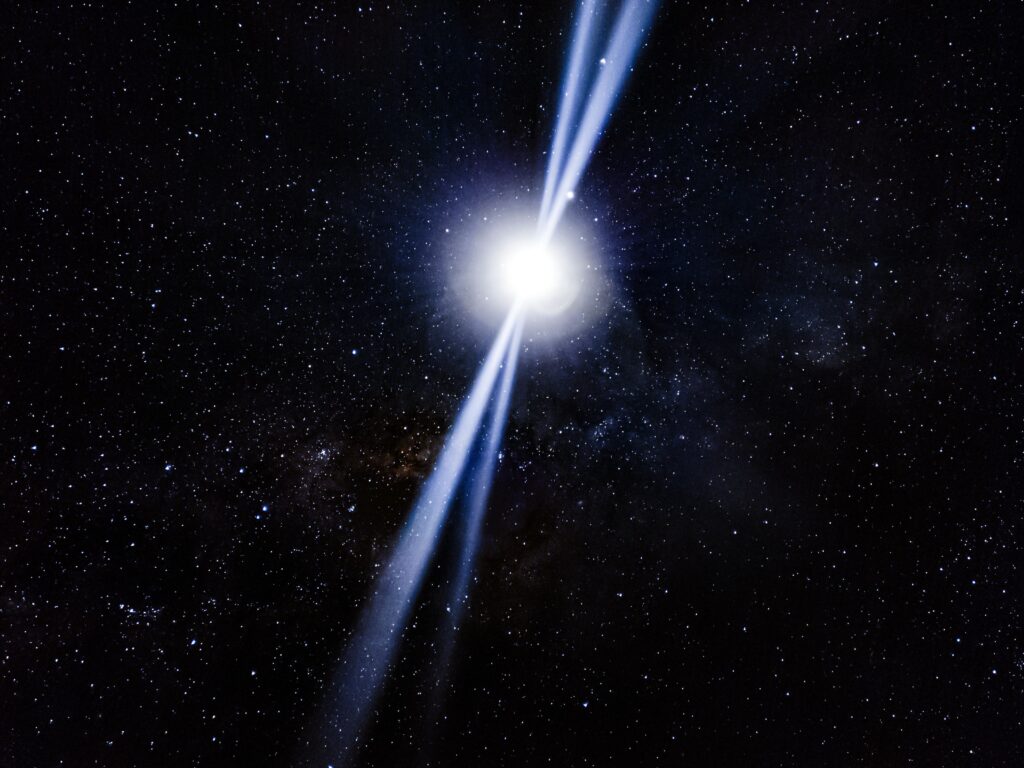
Another powerful explanation taps into what happens to the core after the star collapses. Sometimes the leftover core forms a rapidly spinning neutron star with a strong magnetic field – a magnetar – that can dump huge amounts of energy into the expanding debris. In other cases, material may keep falling onto a newly born black hole, feeding it and releasing energy as it spirals inward. In both scenarios, the supposed “afterlife” of the star becomes an engine for continued light.
From our perspective, that extra power source can make a dead star appear to flicker back to life. Instead of a simple fade-out, we see complex light curves: plateaus, bumps, and re-brightenings as new energy re-energizes the expanding cloud. It’s almost as if the universe secretly installed a backup generator inside the corpse of a star. I find this idea oddly comforting – it suggests that even in cosmic death, there can be a kind of messy, drawn-out encore.
Exotic Physics: Pair Instability and Pulsational Monsters
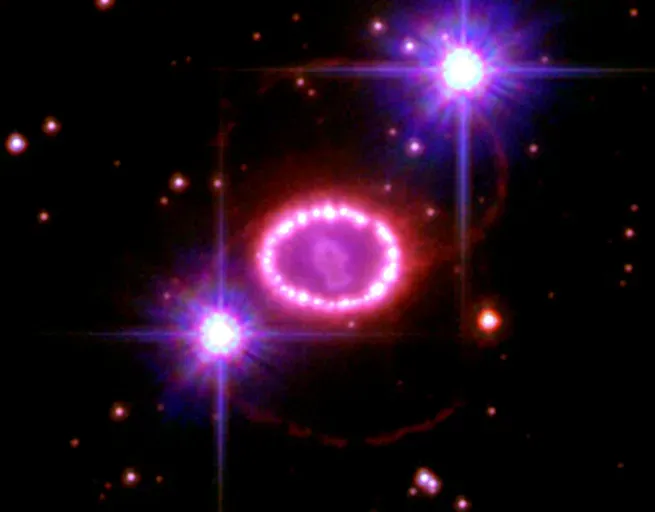
Some of the most extreme candidates for “stars that refuse to die” are rooted in exotic physics in the hearts of truly massive stars. In the most massive ones, the core can get so hot that high-energy light actually turns into matter–antimatter pairs of electrons and positrons. That process robs the core of pressure support and can trigger violent contractions and explosive burning of elements like oxygen in sudden, powerful bursts.
When this happens in pulses, the star can eject huge shells of material multiple times without immediately blowing itself apart completely. Each pulse sends another wave of gas into space, which later collisions can light up brilliantly. These “pulsational pair-instability” stars are rare, extreme, and still poorly understood, but they offer a plausible route for a super-massive star to “die” in visible slow motion – one outburst at a time instead of a single clean finale.
Why These Stars Break Our Models (And That’s a Good Thing)
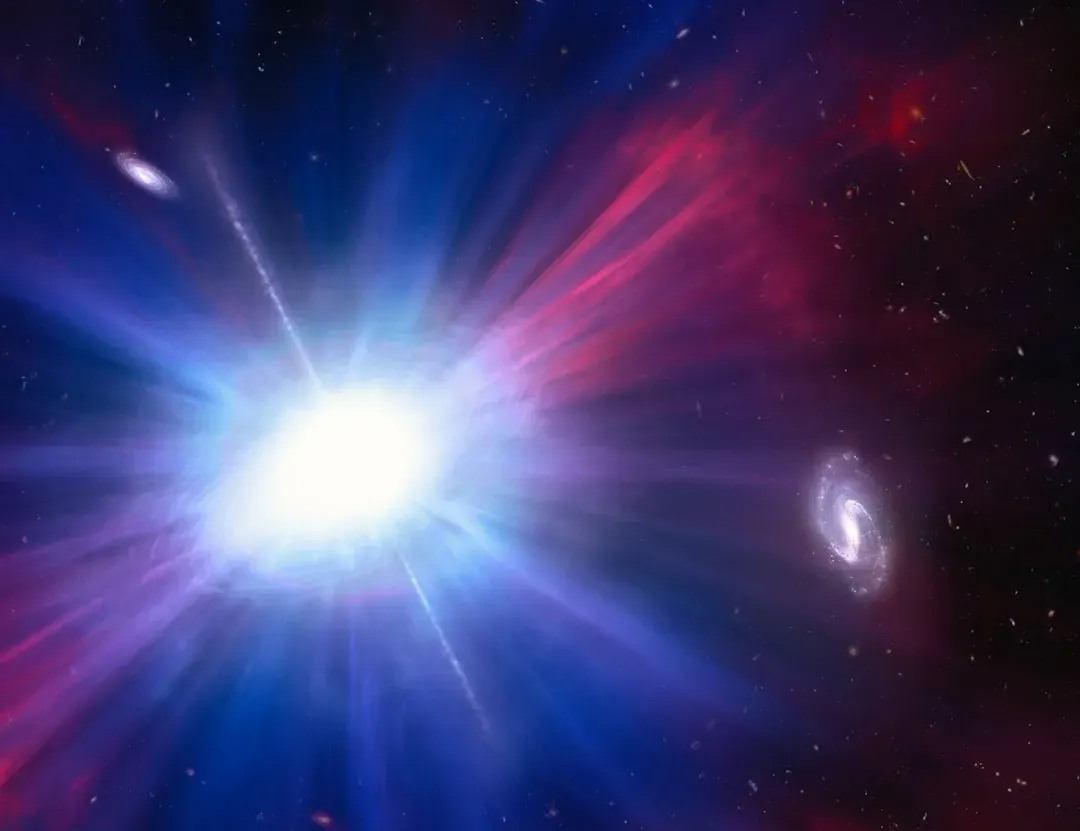
On paper, our models of stellar evolution and supernovae are impressive: they predict much of what we see in ordinary exploding stars, from brightness to chemical fingerprints. But these stubborn, recurring, or overpowered explosions absolutely wreck the neat diagrams in the textbooks. They show that reality is messier, richer, and driven by details we either simplified away or never imagined in the first place.
Personally, I think that’s the best kind of scientific discomfort. These stubborn stars are like students who keep breaking your carefully designed test; they force you to admit where your understanding hits a wall. They push researchers to refine calculations, run more realistic simulations, and build better telescopes. The mystery may be frustrating, but it’s also a powerful engine for progress – every misfit star is a hint that the universe is trying to tell us something we haven’t quite decoded yet.
What This Cosmic Rebellion Tells Us About the Universe
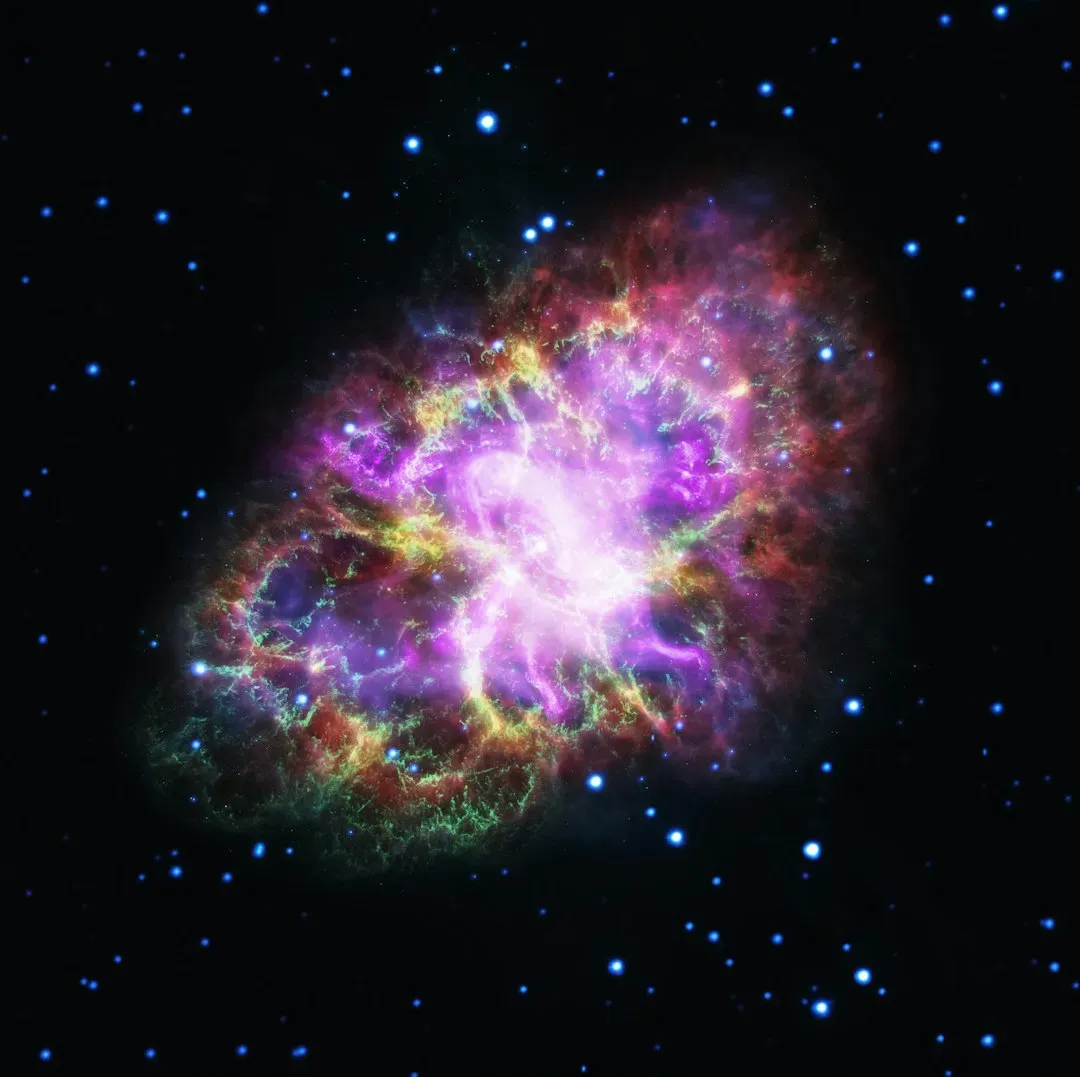
Stepping back, stars that seem to refuse to die do more than just confuse specialists; they reshape how we see the universe’s grand story. Each unusual explosion is a laboratory for extreme physics that we could never recreate on Earth: gravity pushed to the limit, matter under unimaginable pressure, magnetic fields on steroids. Understanding these events feeds directly into questions about where the heaviest elements come from and how galaxies evolve over cosmic time.
There’s also a more philosophical punch. We like to imagine the universe as a place that follows clean, simple rules, with tidy beginnings and endings. These stars blow that illusion apart. They remind us that nature does not care about our craving for neat plotlines; it’s full of almost contradictions, half-finished endings, and second chances. To me, that makes the cosmos feel not colder but more alive – less like a clock, more like a wild, ongoing story with twists we still have not seen coming.
Conclusion: A Star That Won’t Stay Dead, and Why It Matters
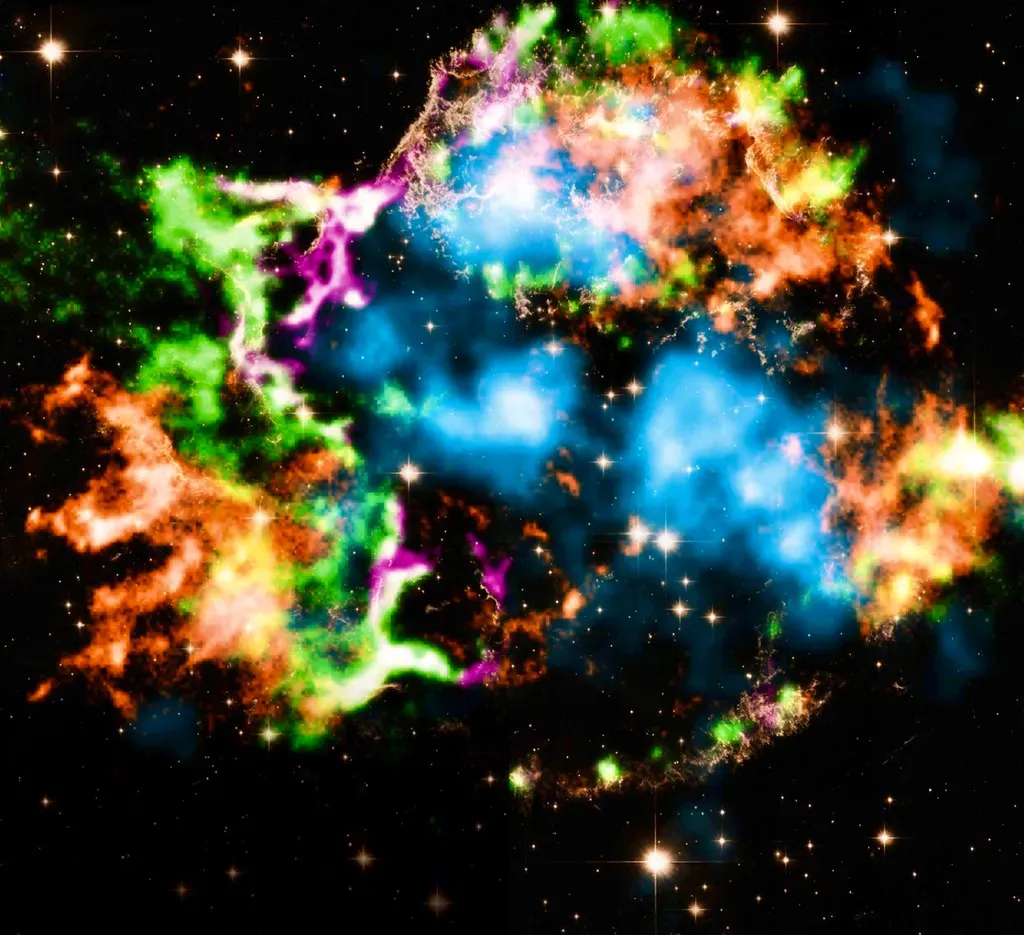
In my view, the “” is less a single object and more a symbol for how incomplete our cosmic understanding really is. Whether it is a partial explosion, a magnetar-powered afterglow, or some exotic pulsational monster, each case chips away at the illusion that we have stellar death neatly figured out. It is a blunt reminder that even in areas we think we understand, like how stars live and die, the universe can still blindside us with something weird and a little unsettling.
That is exactly why these misbehaving stars matter so much. They force us to ask better questions, build sharper instruments, and accept that our favorite theories are provisional, not sacred. For a universe built on change and chaos, maybe a star that will not quite stay dead is not a glitch but a feature – a sign that the cosmos still has surprises left for us. When you look up at the night sky, does it comfort you or disturb you to know that some of those lights may be in the middle of a death scene we do not fully understand yet?