
If you’ve ever gone home after a brutal day and felt yourself instantly unclench when your dog pressed against your leg or your cat curled up on your chest, you’ve already touched the core of what researchers are now taking very seriously: interspecies bonding as a biological buffer against stress. What used to sound like a feel‑good story – animals make us happier – is quietly turning into a serious line of scientific inquiry around stress hormones, nervous‑system regulation, and long‑term burnout risk.
Across different fields, people who work professionally with animals over many years consistently report lower emotional exhaustion than peers doing equally intense human‑service work, such as frontline healthcare or social services. That doesn’t mean animal work is easy, or that everyone in it is thriving. But it does suggest that something about daily, meaningful connection with nonhuman animals may be doing biochemical work in the background that our usual wellness strategies struggle to match. The big question now is not whether that effect exists – it increasingly looks like it does – but how, exactly, it works.
The Surprising Burnout Gap Between Animal Work and Human-Service Work
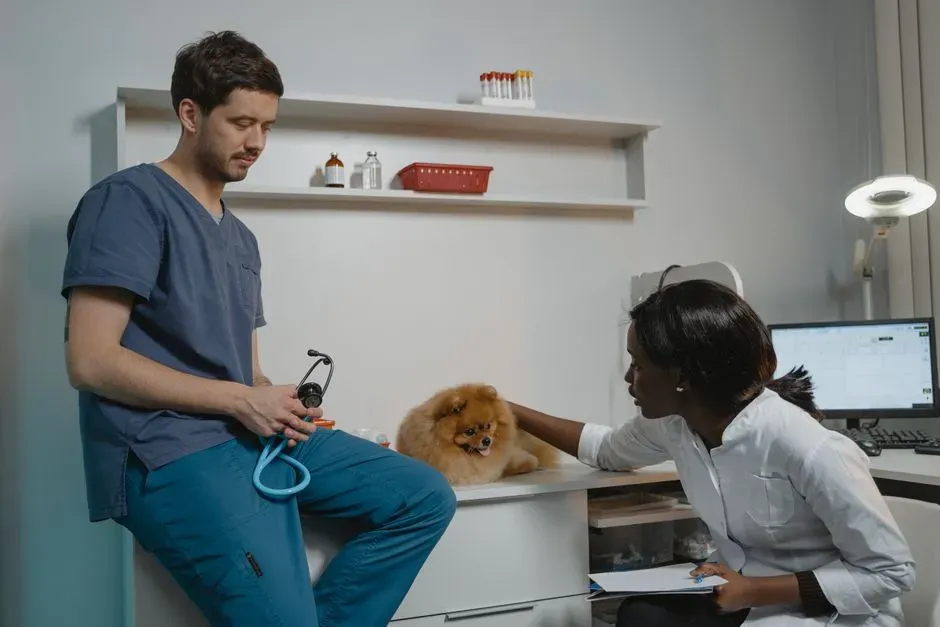
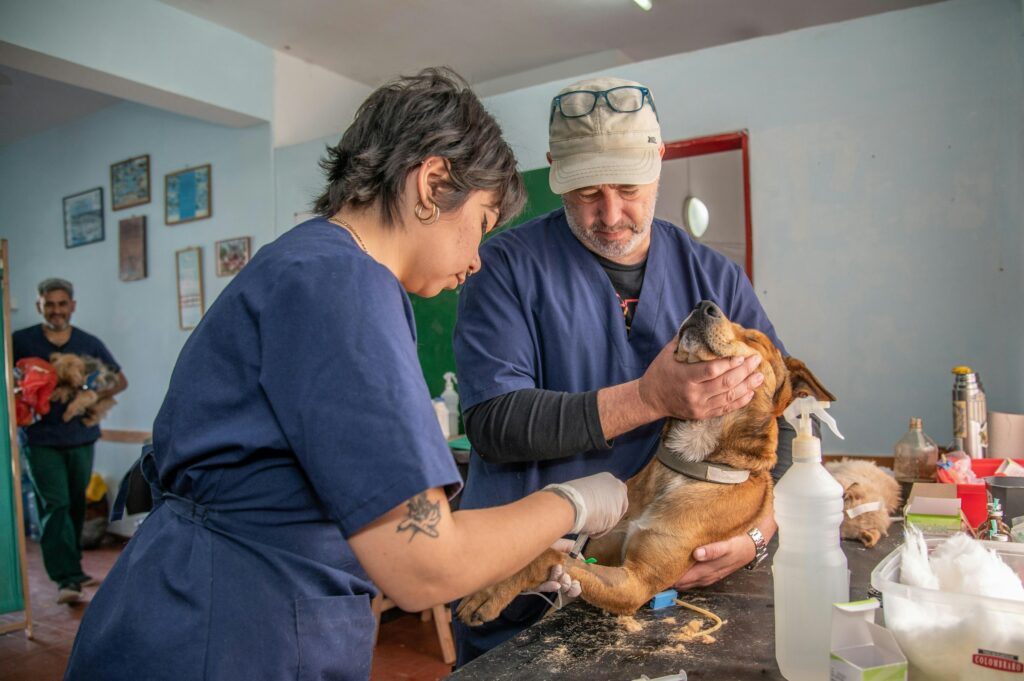
One of the most striking patterns showing up in recent research is that long‑term animal professionals often report lower burnout than people doing similar emotional labor with humans. Think veterinary technicians versus nurses, animal‑assisted therapists versus traditional talk therapists, or shelter staff versus crisis social workers. The caseloads can be heavy in both groups, and the stakes can be life‑or‑death, yet the emotional wear‑and‑tear does not look identical.
To be clear, burnout exists in animal work – sometimes painfully so, especially around euthanasia decisions, compassion fatigue, and moral distress. But when researchers match roles for intensity, workload, and exposure to suffering, the data increasingly suggest that those with frequent, positive animal contact may carry their stress differently over time. People describe feeling drained, yet not hollowed out in the same way, as if something in the day keeps refilling the emotional tank even while the job is taking from it.
Why Working With Animals Feels Different: Less Social Judgment, More Honest Signals
Part of the psychological story is surprisingly simple: animals do not judge us the way humans do. In human‑service roles, workers are constantly navigating complex expectations, social masks, and the fear of saying the wrong thing. A nurse might be criticised by a patient’s family, a therapist may be evaluated on client “outcomes,” a teacher may feel watched by parents and administrators. With animals, the relational field is emotionally rich but far less tangled with shame, blame, or social status games.
Animals also communicate in clearer, more embodied ways. A dog that is relaxed and wagging, a horse that drops its head and breathes more slowly near you, a cat that chooses your lap over someone else’s – all of these are nonverbal signals of safety and connection that our nervous systems pick up almost instantly. That relative absence of mixed messages, drama, and hidden agendas matters. When your daily work includes frequent, straightforward moments of being wanted and trusted, it is easier for your brain to register that you are not constantly under social threat, which is a major driver of burnout.
The Stress Chemistry of Interspecies Bonding: Oxytocin, Cortisol, and Co-Regulation
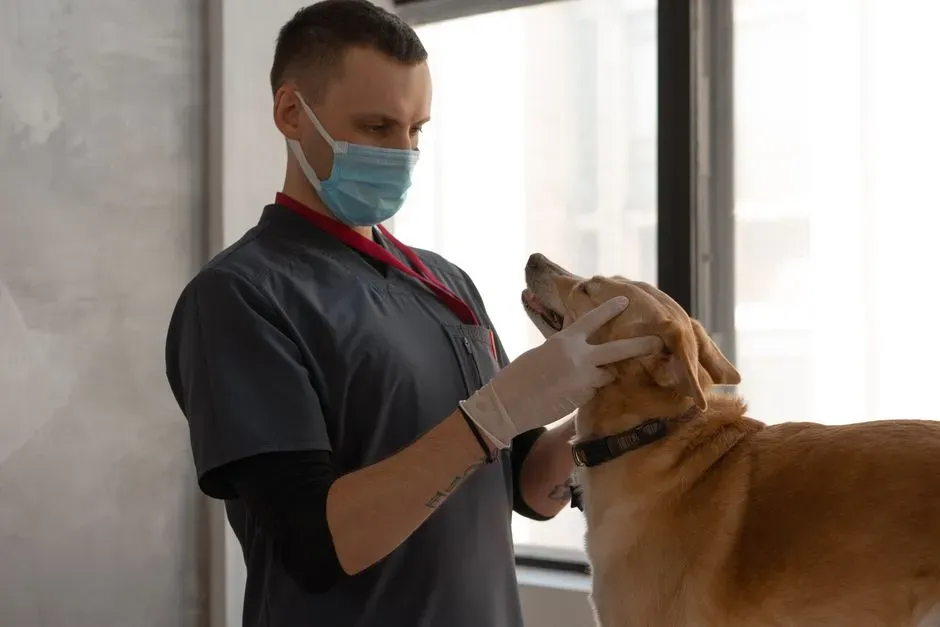
Under the hood, the story becomes biochemical. Studies looking at human–animal interactions repeatedly find that gentle, positive contact with animals is associated with increased oxytocin (often called the bonding hormone) and decreased cortisol, the body’s primary stress hormone. Simple acts – like stroking a dog, grooming a horse, or even quietly watching fish in an aquarium – have been shown in controlled settings to shift these hormone levels in directions linked with calmness and social safety.
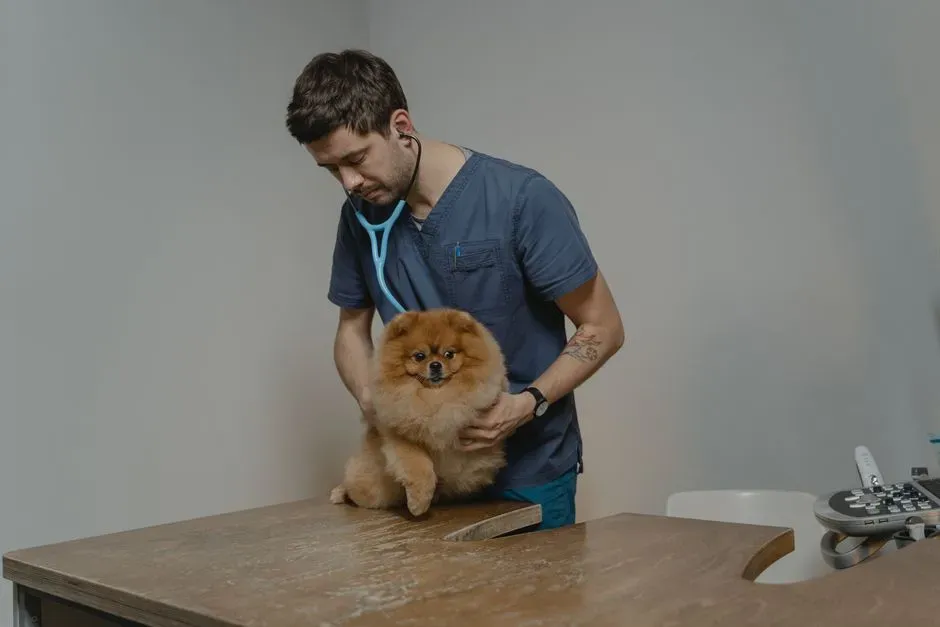
What makes long‑term work with animals so interesting is the frequency and predictability of these micro‑bursts of regulation. A therapist might see emotional breakthroughs only a few times a week, but a canine handler or stable manager might experience dozens of small, calming interactions every day. Over years, those repeated pulses of oxytocin and parasympathetic activation may literally reshape how the nervous system responds to stress, making it easier to come back down after spikes of pressure or trauma. Researchers are now trying to capture that effect with more precise measurements, including saliva samples, heart‑rate variability, and brain‑imaging studies.
Animals as Emotional Anchors: Micro-Moments That Break Stress Spirals
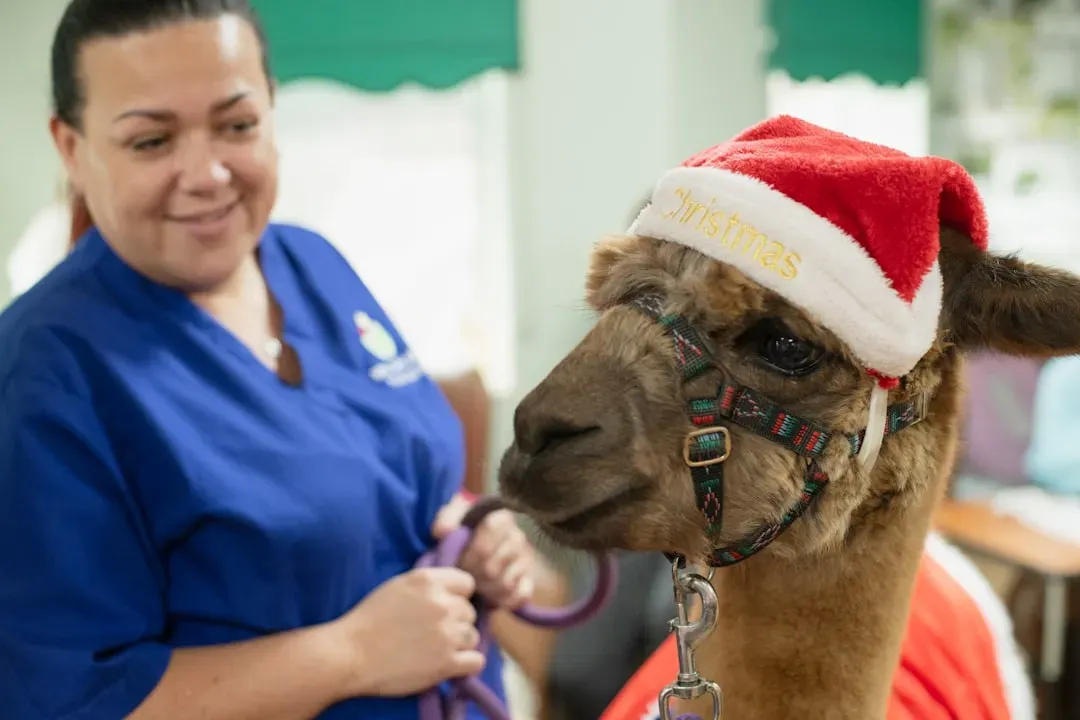
Beyond hormones, animals often function as emotional anchors in the everyday chaos of demanding jobs. A shelter worker might spend the morning dealing with heartbreaking neglect cases and then walk into a kennel where one familiar dog greets them with pure joy. A wildlife rehabilitator could be exhausted from paperwork and public calls but then feel a wave of calm while hand‑feeding a recovering bird. These are small, quiet experiences, but they interrupt the brain’s tendency to spiral into chronic threat mode.
Psychologists sometimes talk about “micro‑restorative experiences” – brief moments that restore a sense of safety or meaning. In high‑stress human‑service roles, those can be rare and unpredictable; a client might thank you, but they might also lash out. With animals, the ratio of positive to negative interactions is often better, especially when training and handling are humane and consistent. Those frequent micro‑moments act almost like emotional shock absorbers, softening the impact of everything else that is hard about the job.
The Dark Side: Compassion Fatigue, Grief, and Moral Distress in Animal Work

It would be dishonest to pretend that animal work is some kind of emotional cheat code that prevents burnout altogether. People in veterinary medicine, animal shelters, laboratory animal care, and farm settings can face crushing grief, ethical dilemmas, and chronic under‑resourcing. Euthanising animals, seeing preventable suffering, or feeling forced to prioritise cost over care can cut just as deeply as tragic outcomes in human hospitals or social services. In some animal fields, the rates of depression and suicidal thinking are alarmingly high.
What the emerging research suggests, though, is that the protective effect of interspecies bonding often coexists with these darker realities rather than cancelling them out. A vet may be devastated by a day of difficult cases yet still feel emotionally sustained by one grateful dog or an owner’s relief. A shelter worker can be haunted by the animals they could not save, but grounded by the ones they see transform over weeks or months. The key point is not that animal professionals are safe from burnout, but that the bonding itself seems to operate as a partial buffer inside a tough system, not a magic shield that makes the work easy.
Personally, whenever I talk to people in these roles, what jumps out is the way they describe their hardest days alongside moments of almost quiet reverence. One vet tech told me that sometimes she cries in her car after a shift, but the memory that gets her through is a dog who leaned into her hand, eyes soft, in the middle of a scary procedure. That kind of detail captures what the science is trying to quantify: the emotional cost is real, but so is the counterweight.
From Therapy Dogs to “Animal Colleagues”: Translating the Effect Beyond Animal Jobs
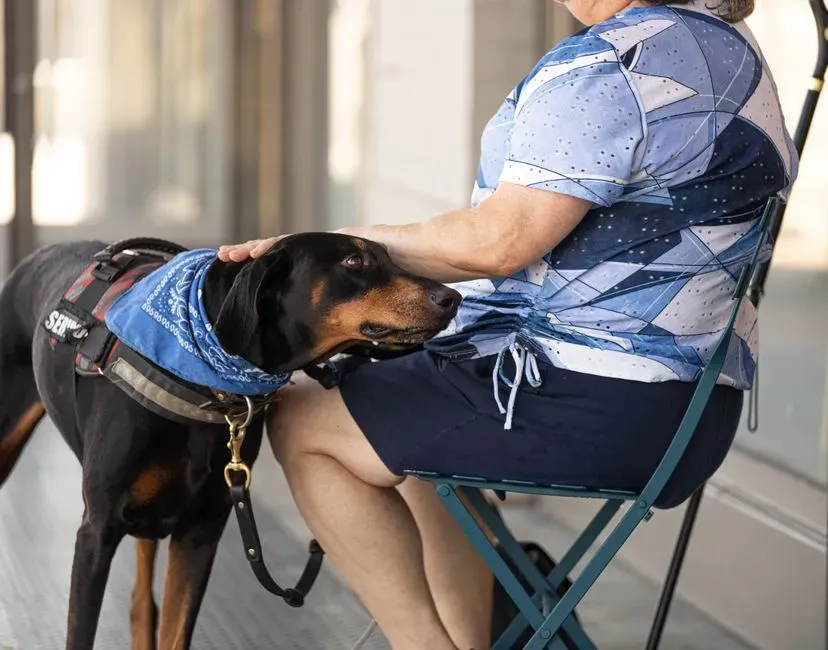
One exciting implication of all this work on interspecies bonding is that the benefits might not be limited to professionals whose main job is animals. We already see therapy dogs in hospitals, classrooms, disaster zones, and even courtrooms, where their calming presence appears to help both clients and staff. Early studies in workplaces suggest that having well‑managed animals present – whether office dogs, resident cats in care homes, or even regular animal‑assisted therapy sessions – can reduce perceived stress and improve mood within teams.
That said, the science is still catching up, and these interventions are not universally positive. Not everyone likes animals, some people have allergies or phobias, and poorly designed programs can increase workload rather than reduce it. The more cautious view, which I share, is that animals should not be treated as cheap burnout fixes for broken workplaces. Instead, they are potential partners in creating more humane environments, layered on top of fair pay, reasonable hours, psychological safety, and competent leadership. Animals can soften the edges of stress, but they cannot compensate for deep structural problems.
What This Means for the Future of Work and Mental Health
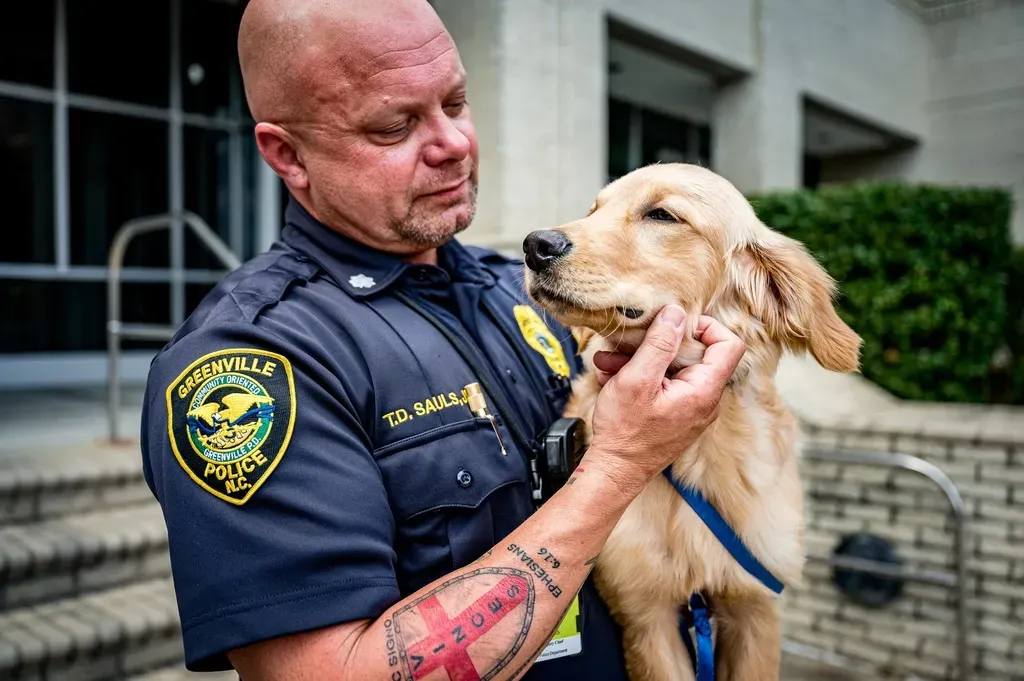
As research into interspecies bonding and stress chemistry grows, it is quietly reshaping how psychologists think about workplace mental health. For years, the focus has been almost entirely on human‑only tools: therapy, mindfulness, cognitive restructuring, and resilience training. Those still matter, but the data on animal‑based buffering suggest that some of our most powerful regulators might be living, breathing, nonhuman co‑workers. That is a radical shift, and honestly, it makes intuitive sense to anyone who has ever calmed down just by sitting with a dog on a bad day.
My opinion is that within the next decade we will see a more formal recognition of “interspecies mental health infrastructure” in certain professions: built‑in time for animal interaction in training programs, more rigorous standards for therapy and facility animals, and maybe even specific occupational health guidelines that treat animal bonding as a measurable protective factor rather than a soft extra. The danger will be in overselling it as a miracle cure. The honest promise is more modest but still powerful: animals, when respected and protected themselves, can change how stress writes itself into our biology over time. That alone is a big deal.
Conclusion: The Quiet Revolution Sitting at Our Feet
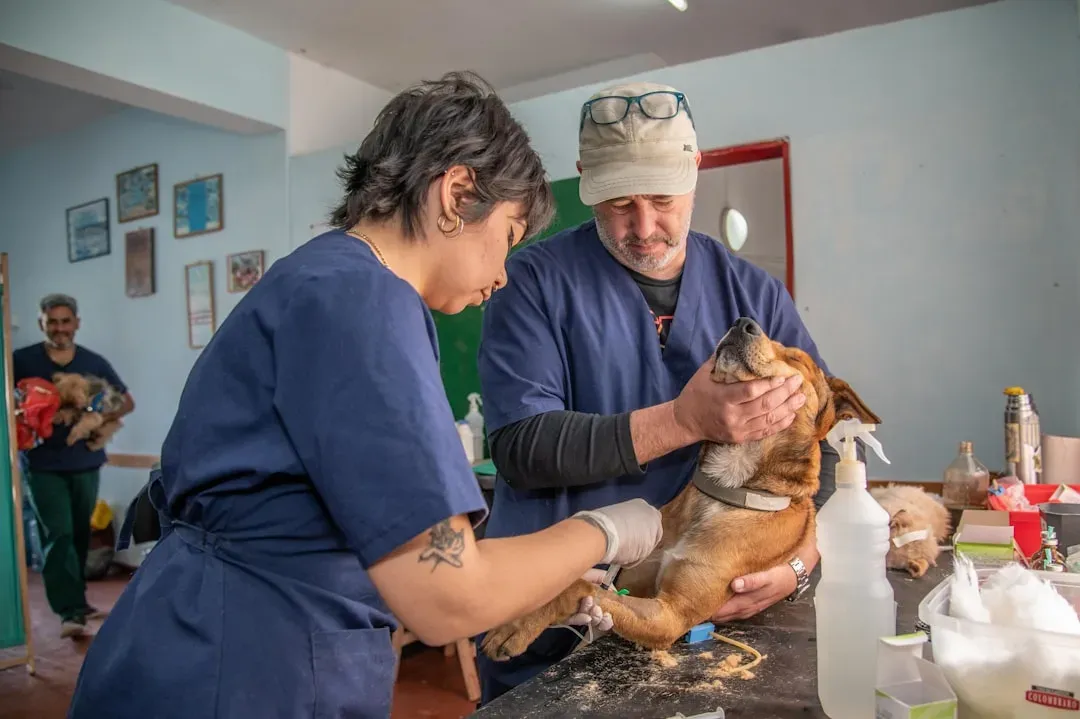
When you strip away the jargon, the emerging story is surprisingly tender: being in real, reciprocal relationship with animals seems to change how our bodies hold stress, especially over years of hard work. Long‑term animal professionals are not immune to burnout, but many of them are doing demanding, emotionally loaded jobs with a slightly different internal chemistry – one shaped by thousands of everyday moments of touch, attunement, and nonjudgmental presence. That is not sentimentality; it is biology showing up as comfort and staying power.
My own take is that we have underestimated animals as partners in mental health because we are still a little embarrassed to admit how much we need them. We talk confidently about leadership training and wellness apps, yet the most reliable stress intervention for a lot of people is still a warm nose nudging their hand. Maybe the real revolution in burnout prevention will not arrive as a new program or platform, but as a deeper willingness to acknowledge that some of our best co‑regulators do not speak our language at all. Looking at your own life, whose presence actually brings your nervous system down – and how seriously are you willing to take that answer?