
If you’ve ever found yourself asking your dog how his day was or explaining to your cat why you’re sad, you’ve probably also wondered, just for a second, whether that’s a little strange. The surprising twist is that a growing body of psychological research suggests it’s not strange at all; in fact, it can be a subtle marker of sophisticated emotional skills. Treating pets like children is often framed as childish or over-the-top, but when you zoom in through the lens of modern psychology, it looks a lot more like emotional intelligence in action than immaturity gone wild.
Emotional intelligence is not about being endlessly calm or perfectly positive; it is about noticing, naming and navigating emotions in yourself and others. When someone talks to their pet in a warm, child-directed way, they are practicing exactly those abilities: tuning in, expressing clearly and responding with care. Far from being just a quirky habit, this behavior can reveal how you bond, how you regulate stress and how capable you are of empathy. Once you see what is really going on under the baby talk, you might never look at a one-sided conversation with a golden retriever the same way again.
The Science Behind Talking to Pets Like They Understand You

One of the most striking things researchers have found is that humans are wired to seek connection, and our brains do not strictly limit that urge to other humans. When people talk to pets as if they were children, they are engaging the same social and emotional circuits they use with human family members. Studies using brain imaging have shown that looking at your own dog’s face activates some of the same reward and bonding regions that light up when parents see images of their children, which helps explain why the language and tone start to sound so similar.
From a psychological perspective, this kind of speech is a sign that you are treating your pet as a meaningful social partner rather than a mere object or accessory. That matters because social connection is strongly linked to lower stress, better mood and greater resilience. When you narrate your day to your cat or ask your dog what he thinks about your new job, you are not just filling silence; you are reinforcing a mental model in which you are not alone and in which your feelings are seen and heard, even symbolically. This ability to create and sustain social worlds is part of what marks advanced emotional intelligence.
Anthropomorphism: Childish Fantasy or Smart Social Skill?
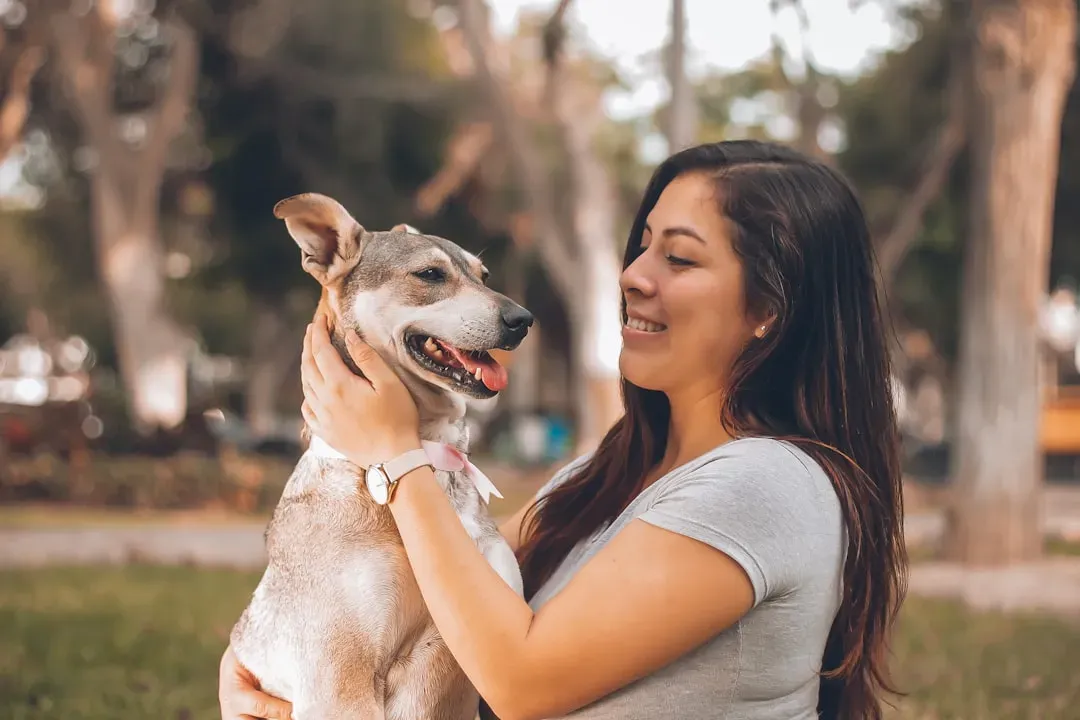
Psychologists use the word anthropomorphism to describe the tendency to attribute human-like thoughts and feelings to non-human beings and objects. For a long time, anthropomorphism was dismissed as irrational, almost like believing in fairy tales. More recent research has taken a different view, suggesting that anthropomorphism can be a kind of mental shortcut that allows us to understand and predict the behavior of animals and even complex technologies. When you assume your dog is jealous or your cat is offended, you are using what you know best – your own emotional experience – to interpret their actions.
Interestingly, people with higher social intelligence tend to anthropomorphize more, not less, especially when they are lonely or in need of connection. Talking to a pet like a small child becomes a way of keeping your social mind active and flexible. You practice shifting perspective, imagining what another being might want, fear or enjoy, even if you know on some level that the animal’s inner life is different from yours. That imaginative leap is a core ingredient in empathy, and empathy is one of the strongest pillars of emotional intelligence.
Pet-Directed Speech and the Parallels to Talking to Children
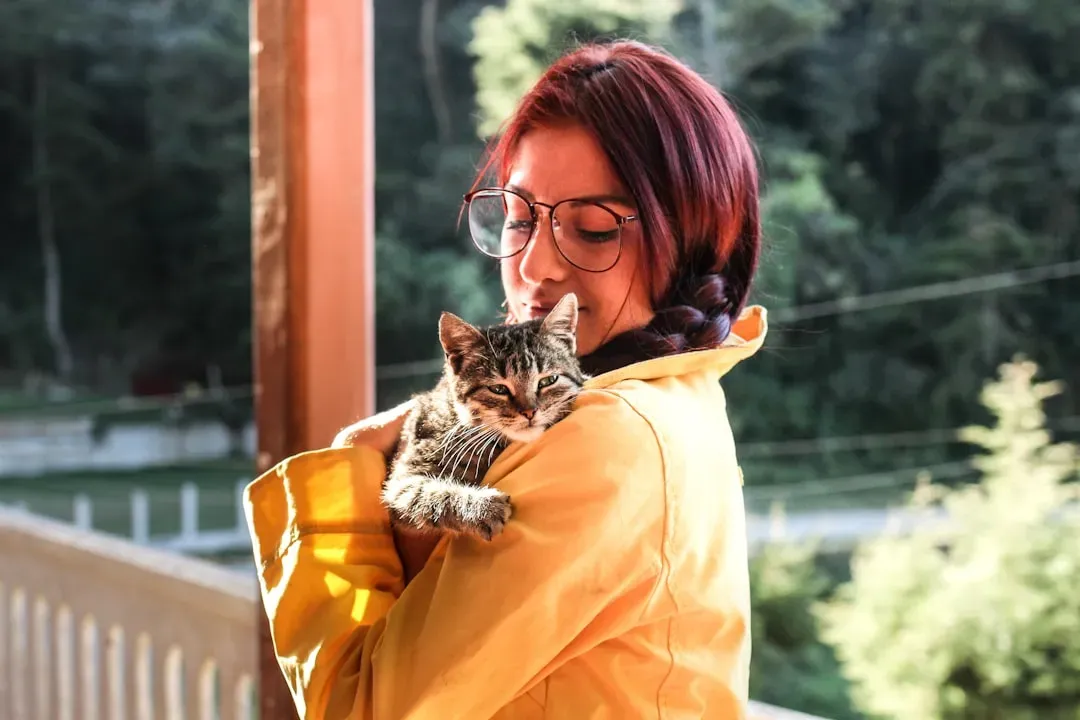
If you listen closely to how people talk to their pets, the similarities to so-called “parentese” or child-directed speech are hard to miss. The tone is higher, the rhythm is exaggerated and the sentences are shorter and more repetitive: “Who’s a good boy? You are! Yes, you are!” Linguistic studies of pet-directed speech have found that many people instinctively switch into a more melodic, emotionally rich voice with their animals, especially dogs. This pattern mirrors the way adults naturally speak to human infants when they are trying to bond or teach.
Child-directed speech has been studied for decades and is associated with better emotional bonding and language learning in children. While your dog is obviously not learning grammar, the same style of speech helps signal warmth, safety and attention. Choosing that tone with your pet suggests that you are reading the emotional context and adjusting your communication style to fit it, which is a textbook example of emotional intelligence. Rather than being random silliness, that sing-song voice is your nervous system’s way of saying, “This relationship matters, and I’m fully here.”
Attachment Styles: What Your Pet Interactions Reveal About You
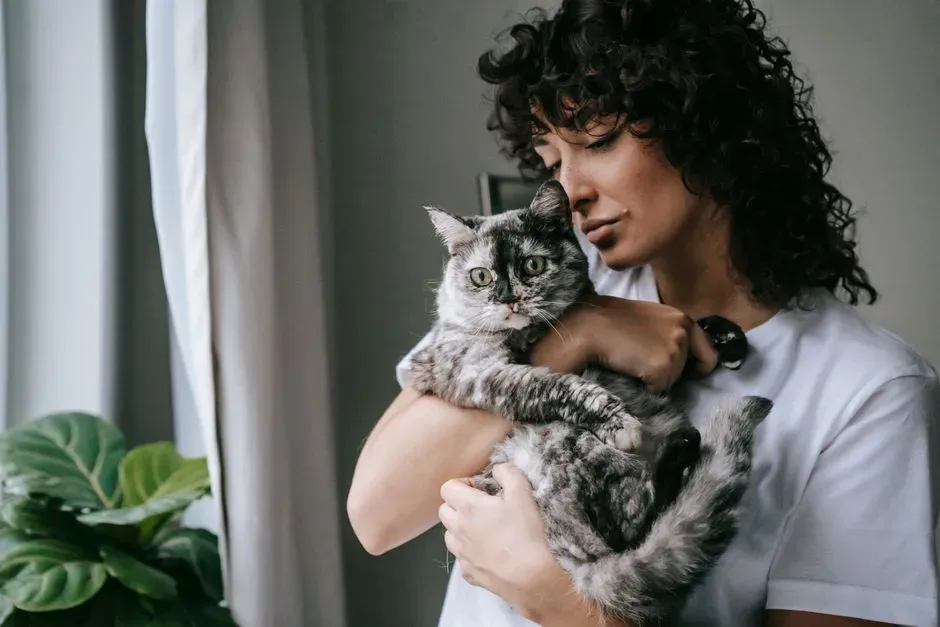
Attachment theory, originally developed to understand the bond between infants and caregivers, has been extended to adult relationships and, more recently, to human–pet relationships. Many people form secure attachments to their animals, using them as a base of emotional safety in a stressful world. When you talk to your pet the way a nurturing parent talks to a child – checking on them, reassuring them, apologizing when you step on a paw – you are often expressing a secure caregiving style. You recognize the animal’s dependence on you and feel responsible for their well-being, without resenting it.
On the other hand, people who struggle with trust or feel let down by humans sometimes find it easier to form safe attachments with animals. In those cases, treating a pet like a beloved child can be a way to repair or compensate for past relational wounds. That is not necessarily unhealthy; in fact, it can demonstrate emotional awareness and an effort to give and receive care in a context that feels less risky. The key is that you are engaging with your attachment needs consciously rather than denying them, which again points toward a more mature emotional pattern than it may appear from the outside.
Empathy in Action: Reading Nonverbal Cues and Responding Gently
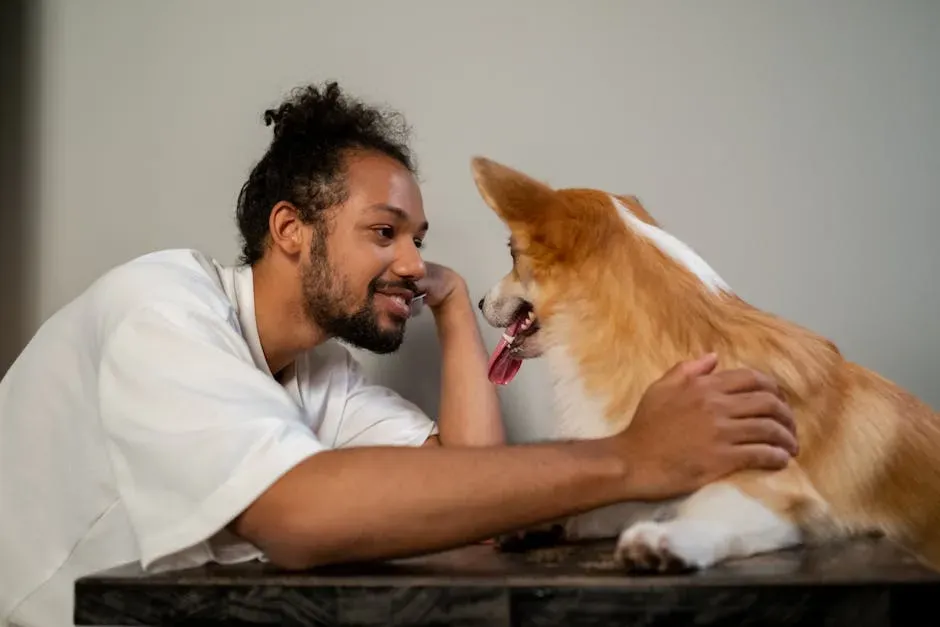
Emotional intelligence shows up most clearly in how well we read and respond to nonverbal cues, and pets are a masterclass in this if we let them be. Dogs tilt their heads, cats flick their tails, rabbits freeze or thump, and over time attentive owners learn to recognize whole emotional vocabularies without a single word being spoken. People who talk to their pets like children are often the same people who notice the tiny changes in posture or expression that signal fear, excitement or discomfort. They might ask, out loud, if the dog is scared of the thunder or if the cat is mad about a new piece of furniture.
That habit of putting words to what they are observing is crucial. It is not just cute; it is the practice of empathy – seeing a possible emotional state in another being and responding as if it matters. This skill carries over into human relationships, where nonverbal cues are just as important, if not more so. Someone who can read the tension in a dog’s body before a growl appears is often the same person who notices a friend’s forced smile or a partner’s quiet withdrawal. Talking to pets in a gentle, childlike way reflects a willingness to meet vulnerability with care, which is an advanced emotional stance.
Emotional Regulation: How Pets Become Safe Containers for Big Feelings
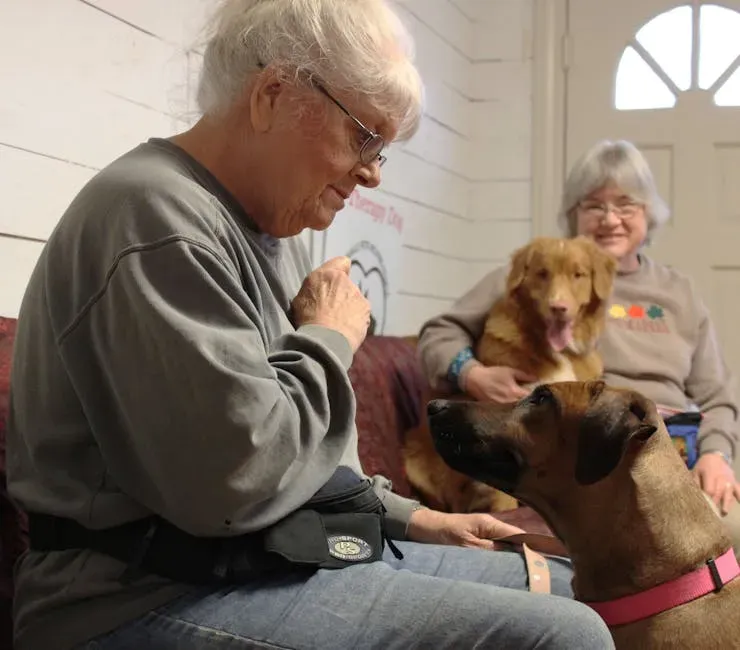
One of the quiet superpowers of pets is their ability to act as emotional regulators for their humans. Many people report that simply stroking a dog or cat helps them feel calmer, and physiological studies have shown reductions in heart rate and stress hormones during these interactions. When someone vents to their dog after a bad day or cries into their cat’s fur while explaining what happened, they are doing more than seeking comfort. They are using the relationship as a safe container to express and process feelings that might feel too raw or messy to share with another person.
This kind of emotional regulation is sophisticated, not simplistic. It means you have learned that bottling up emotions usually makes things worse and that expressing them in a low-risk, nonjudgmental space is healthier. Pets are perfect for this because they do not interrupt, argue or criticize; they simply stay. Talking to them like children – with patience, tenderness and even playfulness – can ease the intensity of your feelings and make them more manageable. The ability to soothe yourself in healthy ways, rather than exploding or shutting down, is a key marker of emotional intelligence.
The Social Stigma: Why People Judge Pet Parents and Why It’s Misleading
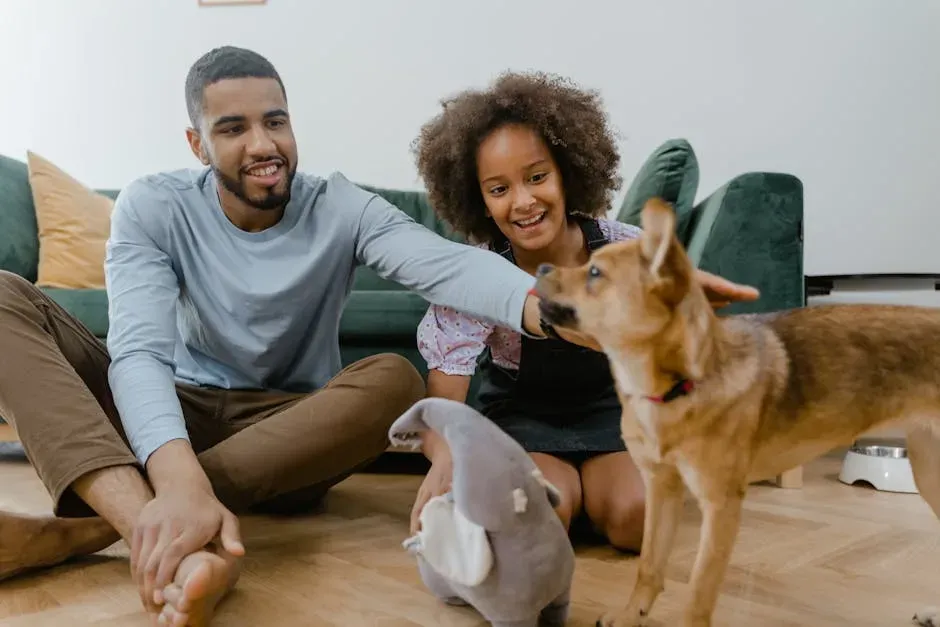
Despite all of these psychological benefits, people who treat their pets like children are often mocked or criticized. They might be told they are over-attached, lonely or avoiding “real” responsibilities. Part of this stigma comes from cultural beliefs that emotional expression should be reserved for certain relationships or that adults should be stoic and self-contained. When someone openly gushes over a dog in public, kneels down for a full conversation or refers to themselves as “mom” or “dad,” it can challenge those older norms in a very visible way.
However, if you look at what predicts well-being and healthy relationships in the research, openness to affection and emotional connection tends to be a strength, not a weakness. People who can access warmth, silliness and tenderness are often better at giving genuine support to others and at seeking it when they need it themselves. Dismissing pet parents as immature misses the bigger picture: they are often practicing exactly the skills that make human relationships work. The judgment says more about our discomfort with vulnerability than about any real psychological problem in the person talking to their dog.
When Loving Your Pet Like a Child Can Become Unbalanced
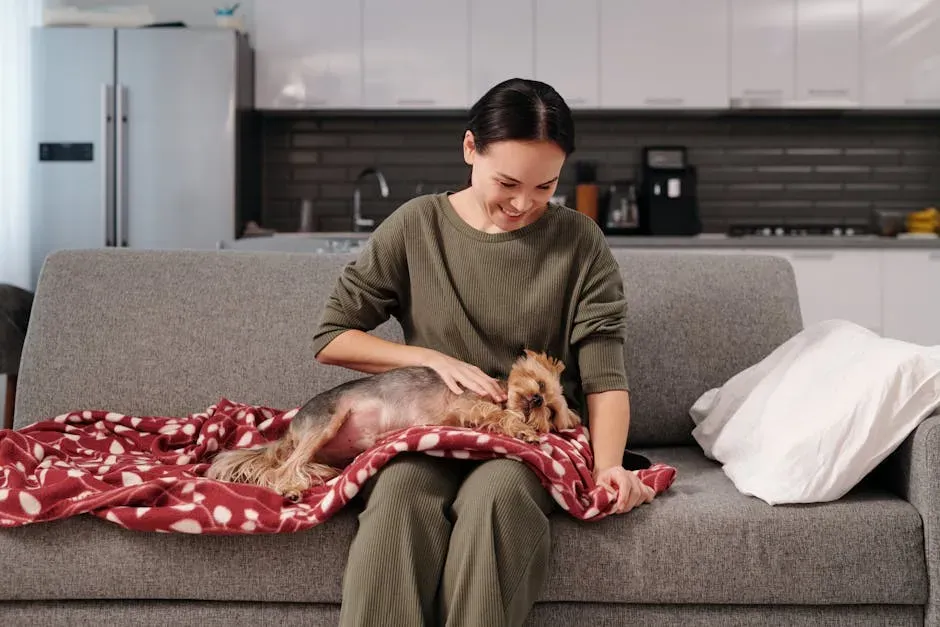
Of course, not every expression of pet devotion is automatically healthy, and emotional intelligence also includes knowing where to draw boundaries. There are cases where someone may project so much onto their animal that the pet’s actual needs get lost – overfeeding out of guilt, smothering out of anxiety or using the pet as a substitute for all human connection. In these situations, treating a pet like a child can slide into something more like emotional overdependence, where the animal is carrying the weight of unprocessed pain that would be better addressed in therapy or honest conversations with people.
The key distinction is whether the relationship with the pet supports or replaces your engagement with the rest of your life. Advanced emotional intelligence involves being able to cherish your pet, speak to them lovingly and find comfort in their presence while still cultivating human friendships, responsibilities and growth. If your pet becomes the only safe place you can be yourself, that is a signal to explore what makes other spaces feel unsafe. Loving your dog or cat like a child is not the problem; losing yourself or your broader connections in the process can be, and noticing that possibility is itself an emotionally intelligent move.
What This Says About the Future of Human–Animal Relationships
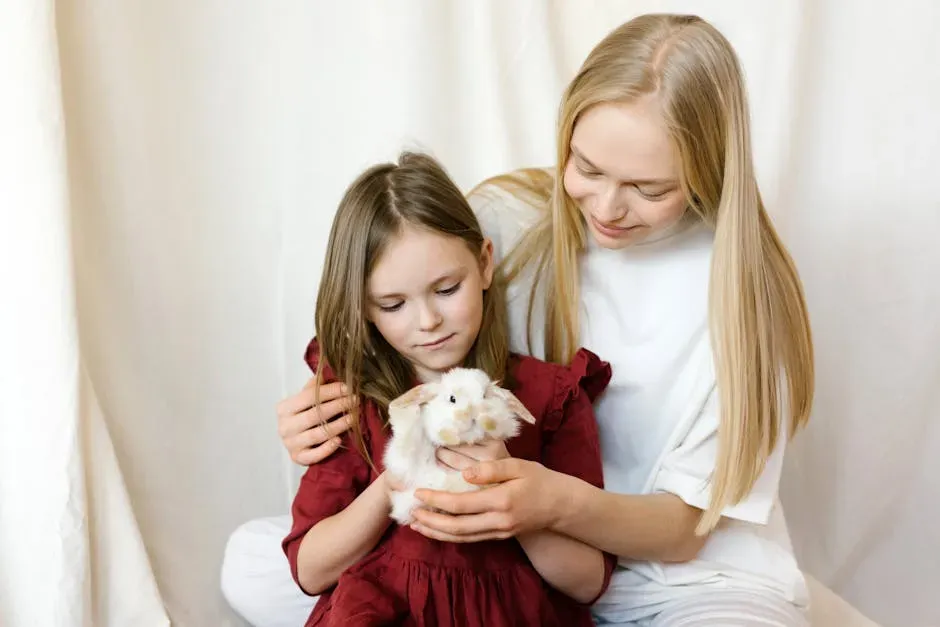
As pets have moved from barns and backyards into bedrooms and Instagram feeds, the way we talk about them has changed dramatically. More and more people call themselves “pet parents,” celebrate animal birthdays and treat veterinary care like pediatric appointments. Far from being a passing fad, this shift reflects a deeper cultural recognition that relationships with animals can be psychologically meaningful. When you talk to your pet like a child, you are participating in an evolving understanding of family and care that extends beyond human-only circles.
This evolution also raises interesting ethical questions, because once we recognize that animals matter emotionally, it becomes harder to justify neglect or cruelty in any form. Emotional intelligence is not just about feelings; it has moral implications. People who are sensitive enough to speak gently to a frightened dog or to explain routines to an anxious cat are often the same people who push for better treatment of animals generally. In that sense, baby-talking your pet might be a tiny, everyday expression of a broader shift toward a more compassionate, emotionally aware society.
Opinionated Conclusion: Maybe the “Crazy Pet People” Are the Ones Getting It Right
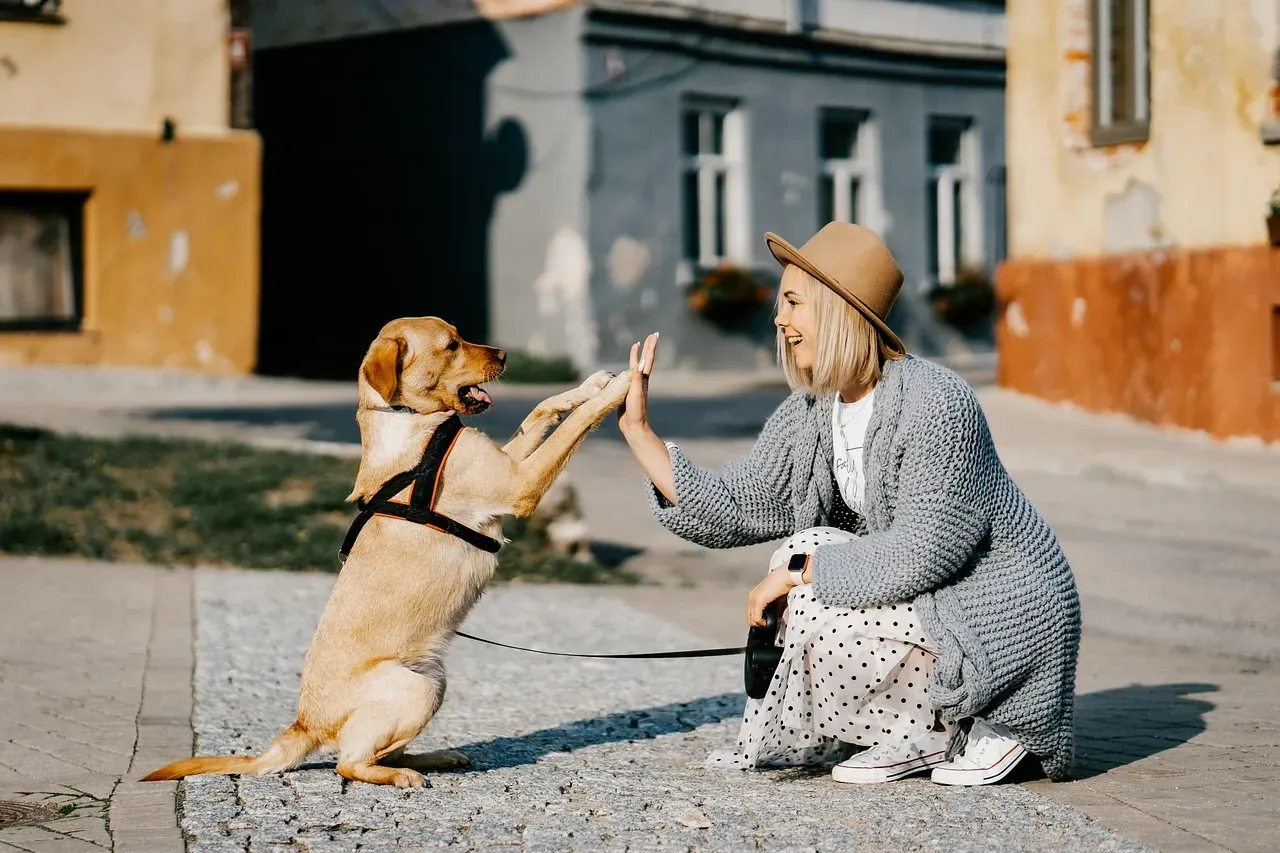
When I think about the people in my own life who talk to their pets like beloved toddlers, they are rarely the least stable or least mature; if anything, they are the ones others run to when life falls apart. They know how to listen, how to comfort and how to show up, not just for animals but for friends, partners and kids. The science lines up with that observation: it paints a picture in which anthropomorphism, pet-directed speech and strong animal bonds are associated with empathy, emotional regulation and secure attachment rather than with naiveté. In other words, the so-called “crazy dog mom” or “over-the-top cat dad” is often practicing emotional skills many of us are still struggling to learn.
None of this means that everyone has to treat their pet like a baby or that you are emotionally stunted if you prefer a more reserved style. Emotional intelligence is a spectrum, and it plays out differently across personalities and cultures. But the automatic eye-roll when someone coos at their dog in a café is probably out of date. If anything, it might make more sense to see that moment as evidence of a nervous system willing to risk softness in a hard world, to practice care where it is safe and to carry those skills into more complicated human spaces. So the next time you catch yourself telling your cat about your day, you might ask yourself: is this weird – or is this one of the smartest emotional habits you have?