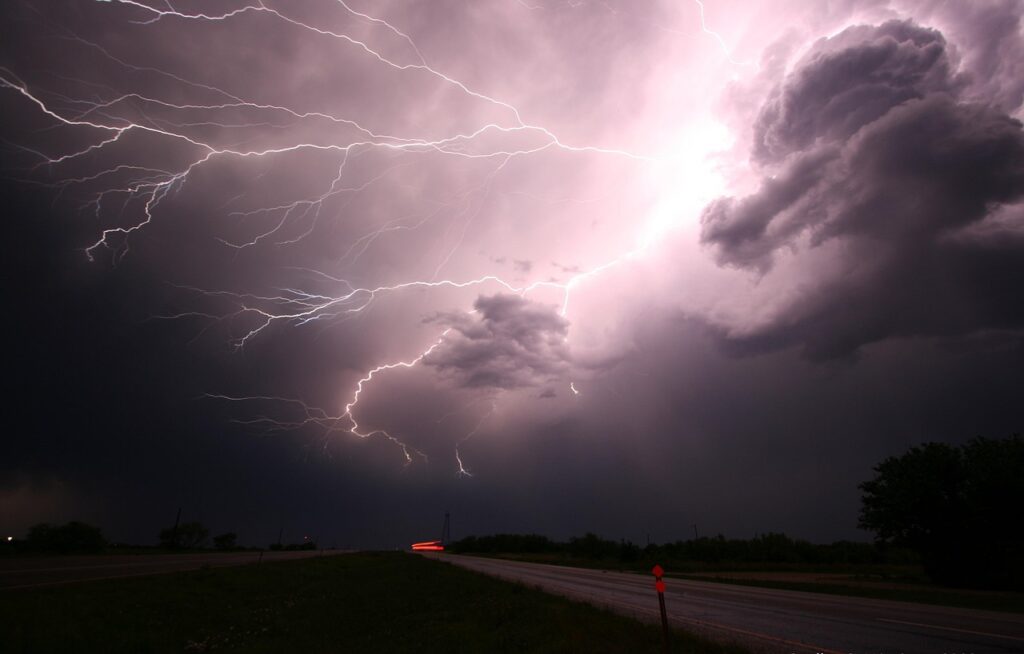
If you secretly light up when the sky goes dark and thunder starts to roll, you might have wondered what that says about you. Most people rush toward beaches and blue skies, but you feel strangely at home when it’s gloomy, loud, and electric outside. It can even feel like your brain wakes up while everyone else is complaining about the weather.
Psychology and neuroscience suggest that this is not just a quirky preference. If you genuinely prefer storms to sunshine, your brain may be handling dopamine and emotional stimulation in a way that sets you apart from the vast majority of people. You are not broken or weird; you are wired differently. And once you understand what is happening in your brain, your love for thunderstorms starts to make a surprising kind of sense.
The Unexpected Comfort of a Dark, Stormy Sky

Think about what happens inside you when a storm rolls in. While others might feel anxious, you feel a strange calm, like the noise outside turns down the noise in your head. The dark sky can feel like a weighted blanket for your nervous system, gently muting the constant visual overload of a bright, sunny day. Instead of feeling drained, you feel grounded, as if the world has finally matched your inner tempo.
This comfort in the storm suggests that your emotional system responds differently to sensory intensity. Sunshine is bright, exposed, and socially coded as “happy weather,” which can sometimes feel like pressure to be cheerful and outgoing. A storm, on the other hand, gives you psychological permission to slow down, turn inward, and feel whatever you actually feel. That contrast alone is a clue that your brain may be tuned for deeper, moodier states rather than constant lightness and noise.
How Dopamine Shapes What You Find Pleasurable
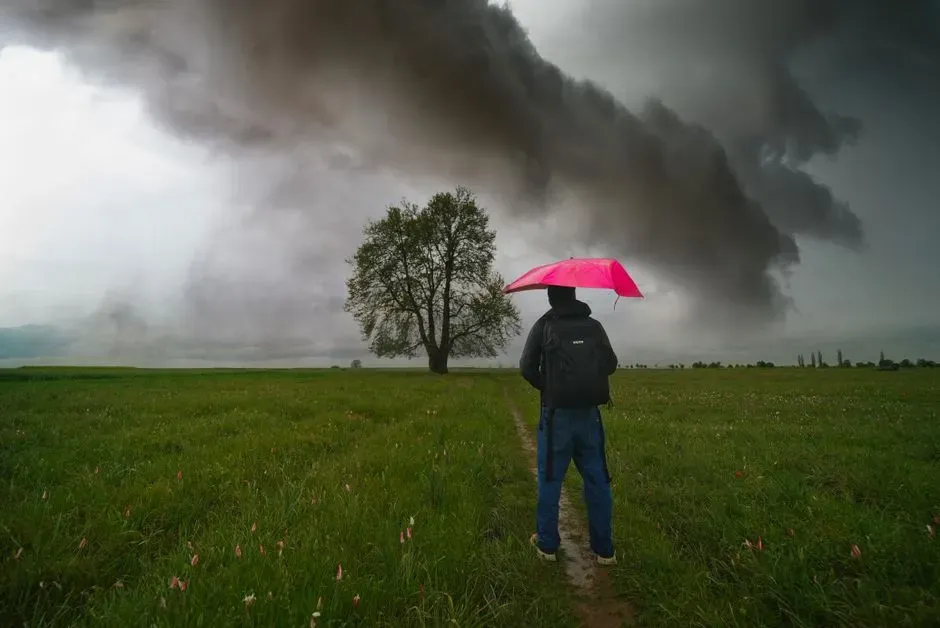
Dopamine is often called the feel-good chemical, but that oversimplifies what it really does. In your brain, dopamine is more about wanting than liking; it helps you pay attention, seek out stimulation, and feel motivated. When something excites you, challenges you, or surprises you in just the right way, dopamine is one of the main systems lighting up behind the scenes. Different brains are wired to chase different kinds of stimulation.
If you are drawn to thunderstorms, it may be that your dopamine system responds more strongly to complex, intense, or slightly unpredictable environments. While a sunny day is stable and predictable, a storm is dynamic – changing winds, rolling thunder, flashing light. Your brain might interpret that as richly stimulating rather than threatening. You could be among the minority whose dopamine circuits are more engaged by that kind of sensory drama than by the easy pleasure of clear skies and sunshine.
Why Roughly Four Out of Five People Prefer Sunshine (And You Don’t)

Most people lean toward sunshine because it feels safe, bright, and socially rewarded. Clear weather makes it easier to go outside, be active, and socialize, all of which the average brain tends to associate with reward. You live in a culture where sunny days are celebrated, featured in travel ads, and used as shorthand for happiness. That constant reinforcement shapes what many people think they should enjoy, and their brains learn to attach dopamine to that image.
If you are in the smaller group that genuinely prefers storms, your internal reward system is out of step with that cultural script. Instead of bright light and open skies, you feel more alive when the environment is intense, dramatic, and slightly mysterious. That does not mean something is wrong with you; it means your reward system may prioritize depth and complexity over simplicity and ease. Where about four out of five people instinctively chase the beach-day feeling, you naturally gravitate toward something more layered, moody, and atmospheric.
Novelty, Uncertainty, and the Thrill of a Storm

Storms are inherently unpredictable, and your brain might love that. The build-up of dark clouds, the sudden crack of thunder, the brief flash of lightning – none of it follows a neat script. For some people, that uncertainty triggers anxiety, but for you, it might create fascination and focus. Your attention sharpens, and you feel pulled into the present moment, almost like your brain has been waiting for this exact kind of intensity.
Dopamine is heavily involved in how you respond to novelty and surprise. If your dopamine pathways are especially sensitive to shifting patterns and changing soundscapes, a thunderstorm feels like a live performance tailored to your nervous system. You are constantly being fed tiny bursts of “what will happen next?” energy. Instead of draining you, that suspense energizes you, giving you a quiet rush that sunny sameness simply cannot match.
Sensory Sensitivity: When Sunshine Is Too Loud

If you are sensitive to sensory input, a bright sunny day can feel surprisingly harsh. The glare bouncing off surfaces, the heat soaking into everything, the pressure to be outside and constantly active – it can all land on your system like a shout instead of a gentle nudge. You might find yourself squinting, overstimulated, or even oddly irritable in weather everyone else calls perfect. Your brain is not being dramatic; it is just processing more intensely.
Storms, by contrast, often dim the light, cool the air, and narrow your sensory world. The visual field gets simpler: gray sky, darker landscapes, fewer shadows. You may notice that your body unclenches when the brightness drops, almost like your eyes and brain can finally relax. The sound of rain hitting windows or rooftops adds a repetitive, predictable rhythm that can feel soothing to a sensitive nervous system, gently massaging an overstimulated brain into a calmer state.
Emotional Depth and the “Stormy” Inner World
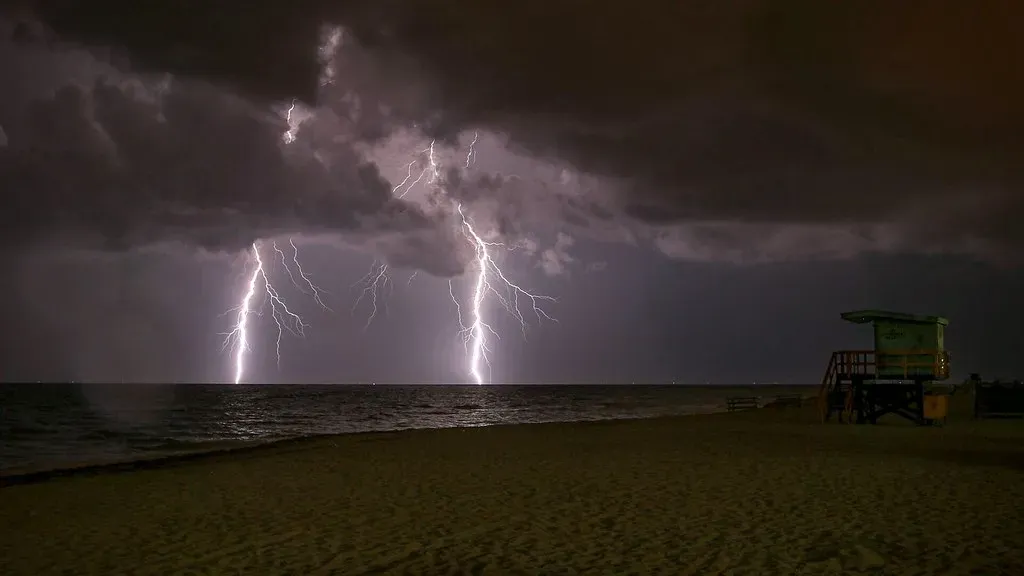
If you love storms, you might also notice that you tend to feel things deeply in general. You are not content skimming along the surface of your experiences; you want to explore the full emotional landscape, including the darker or more complicated corners. Sunny days can sometimes feel emotionally flat, as if they only make space for light, easy feelings. A storm, on the other hand, feels like a weather pattern that respects your inner complexity.
Your brain’s dopamine system may be more responsive to emotional intensity than to simple comfort. You might feel more alive during a storm because the mood outside mirrors the richness inside you. Instead of pushing you to “cheer up” or move on quickly, the storm feels like a companion that lets you sit with your thoughts, memories, or creativity. That alignment between inner weather and outer weather can be quietly powerful, and it is one reason storms may feel deeply satisfying instead of scary.
The Quiet Cocoon: Why Storms Help You Focus and Reflect
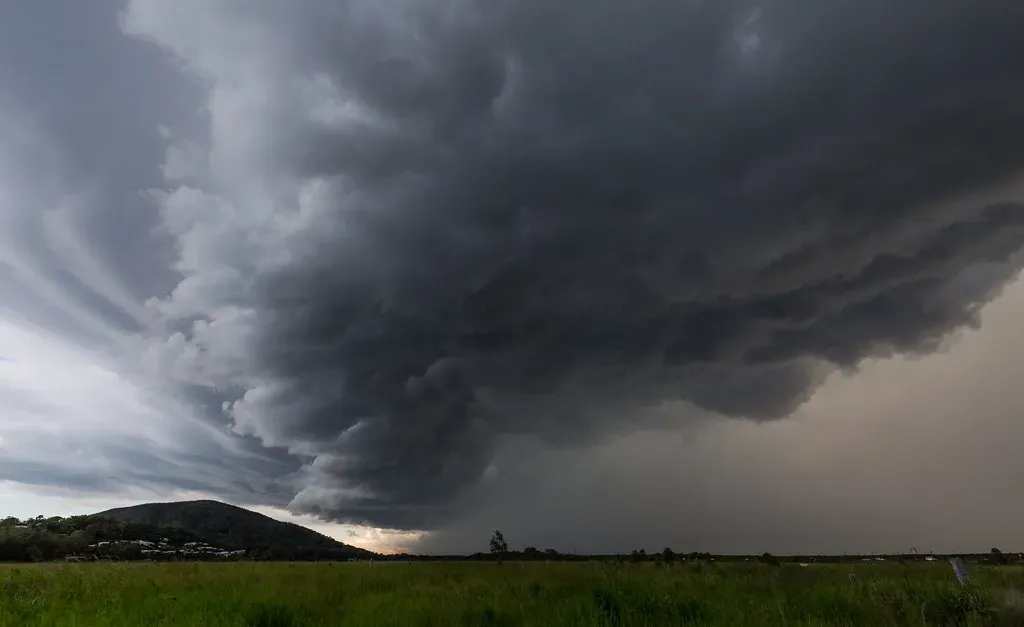
Your dopamine system may be especially responsive to this combination of external drama and internal stillness. The storm gives your brain enough background stimulation to stay engaged, but not so much that you are constantly distracted by a thousand little things. It is almost like having a built-in sound machine and mood lighting created by nature. In that cocoon, you are more likely to experience the gentle, satisfying motivation that helps you think deeply, create, or simply exist without pressure.
Storm Lovers, Anxiety, and the Search for Control

Interestingly, if you live with anxiety, storms can either heighten it or strangely soothe it. If you are drawn to storms, there is a good chance they give you a sense of clarity and containment. The chaos is outside, and you can see it. You are not waiting for something vague and unseen to go wrong; the “bad” weather has arrived, and your nervous system can finally stop guessing. That shift from hidden worry to visible event can feel grounding.
Dopamine interacts with stress and threat systems in your brain, shaping whether a sudden noise or shift feels exciting or terrifying. If a storm makes you feel focused and steady instead of panicked, your brain may be tagging that environment as meaningful rather than dangerous. You might even feel a subtle satisfaction in watching the storm run its course, like witnessing a complete emotional arc from start to finish. That sense of a clear beginning, middle, and end can be oddly reassuring when everyday life feels like an endless scroll of half-finished worries.
Honoring Your Wiring: Turning Storm Preference into Self-Knowledge

Once you recognize that your love of thunderstorms is tied to how your brain processes dopamine and stimulation, it becomes more than a weather preference. It becomes a small but important clue about how you thrive. You might learn that you focus better with background noise, feel calmer in dimmer lighting, or do your best thinking when the mood is cozy and introspective rather than bright and bustling. That is not laziness or moodiness; it is your nervous system telling you what it needs.
Instead of forcing yourself to chase the kind of happiness everyone else seems to celebrate, you can design your life around the environments that actually nourish you. That might mean using rain sounds while you work, embracing slower, quieter weekends, or allowing yourself to feel deeply without apologizing for it. You are not required to love sunshine to be healthy, functional, or joyful. Your brain is tuned differently from most people’s, and when you honor that, your life begins to feel less like you are swimming against the current and more like you have finally found your own river.
Conclusion: When the Storm Outside Matches the Spark Inside
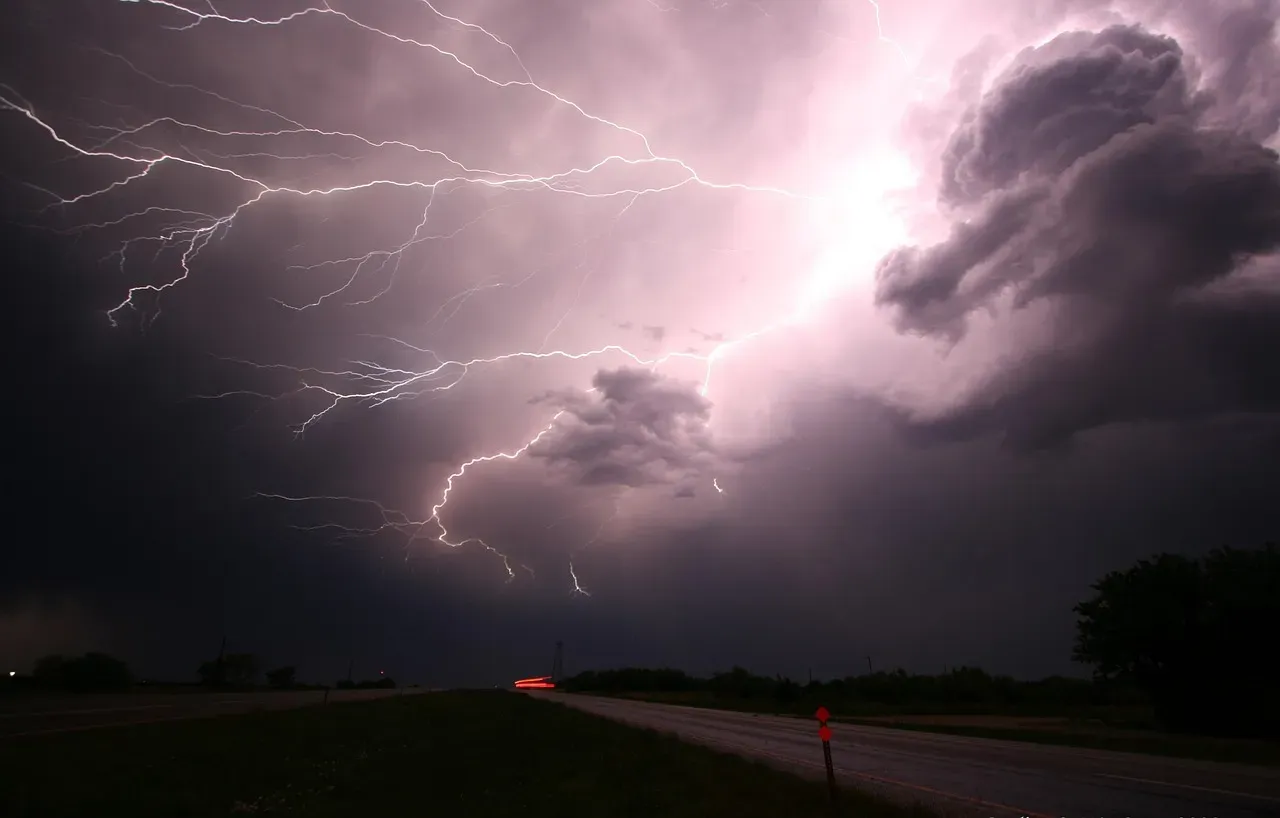
If thunderstorms make you feel more alive than cloudless skies, you are not alone, and you are certainly not broken. Your brain’s relationship with dopamine, sensory input, and emotional depth simply leans away from bright, easy stimulation and toward rich, complex experiences. While many people chase beaches and endless sun, you find your peace and energy in the rolling thunder, the drumming rain, and the dim, moody light that lets your inner world breathe.
Seeing your storm preference as a reflection of your unique wiring can be incredibly freeing. Instead of wondering why you are different, you can start asking how to build a life that works with your brain, not against it. Maybe the next time the sky turns dark and the first rumble echoes in the distance, you will feel a quiet sense of recognition: the world is briefly becoming more like you. And knowing that, does it change how you see yourself the next time the forecast calls for rain?