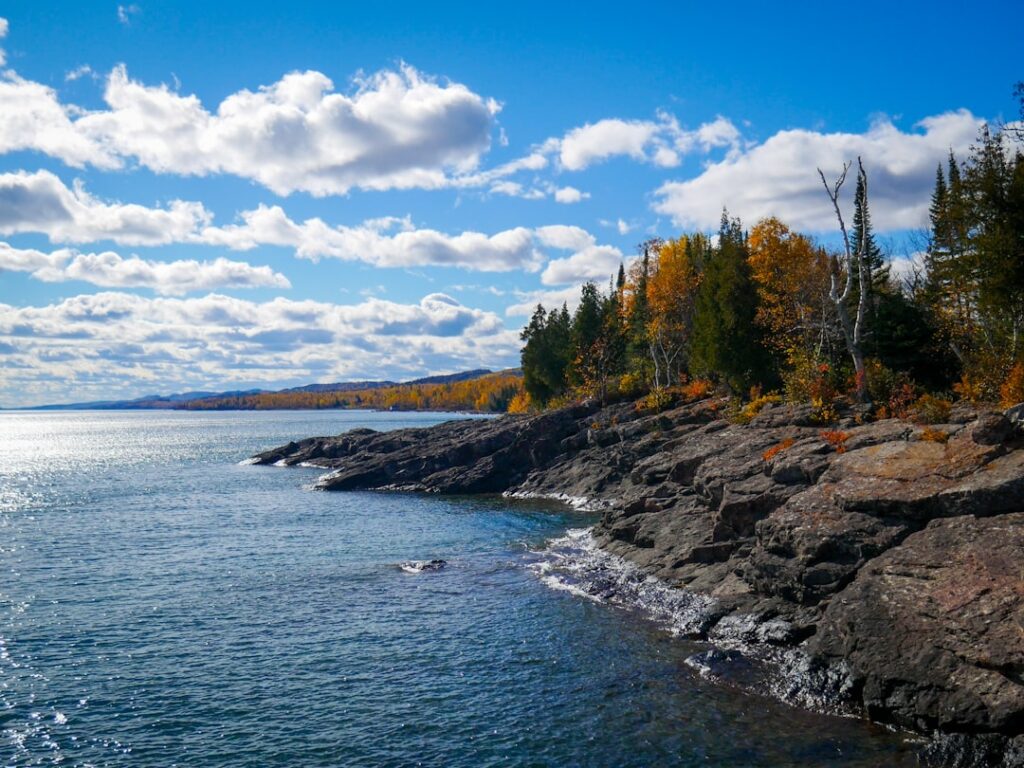
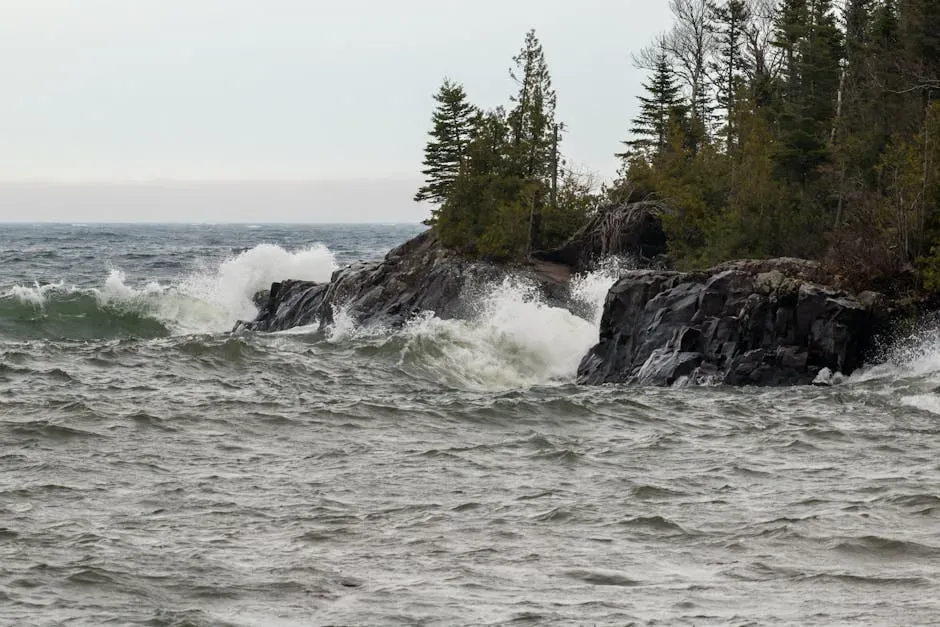
You probably grew up thinking lakes are calm, predictable, and a little bit boring compared to the ocean. Then you meet Lake Superior, and that idea falls apart in minutes. Stand on its shore during a fall storm and you watch walls of water roll in, horizons stretching so far you can’t see land, winds carving waves that feel more like the North Atlantic than a “lake.” It does not look or behave like the quiet freshwater you might have in mind at all.
What’s changed in the last few years is not just your impression, but how scientists themselves talk about Superior. NOAA researchers now routinely describe it as a kind of mini freshwater ocean, and they are using full-blown ocean tools and models to understand what it’s doing. You’re living in a moment where one of the largest lakes on Earth is forcing scientists to rewrite parts of freshwater science, and it has huge implications for climate, coastal communities, and even how you think about “inland” water in a warming world.
When a Lake Starts Acting Like a Sea
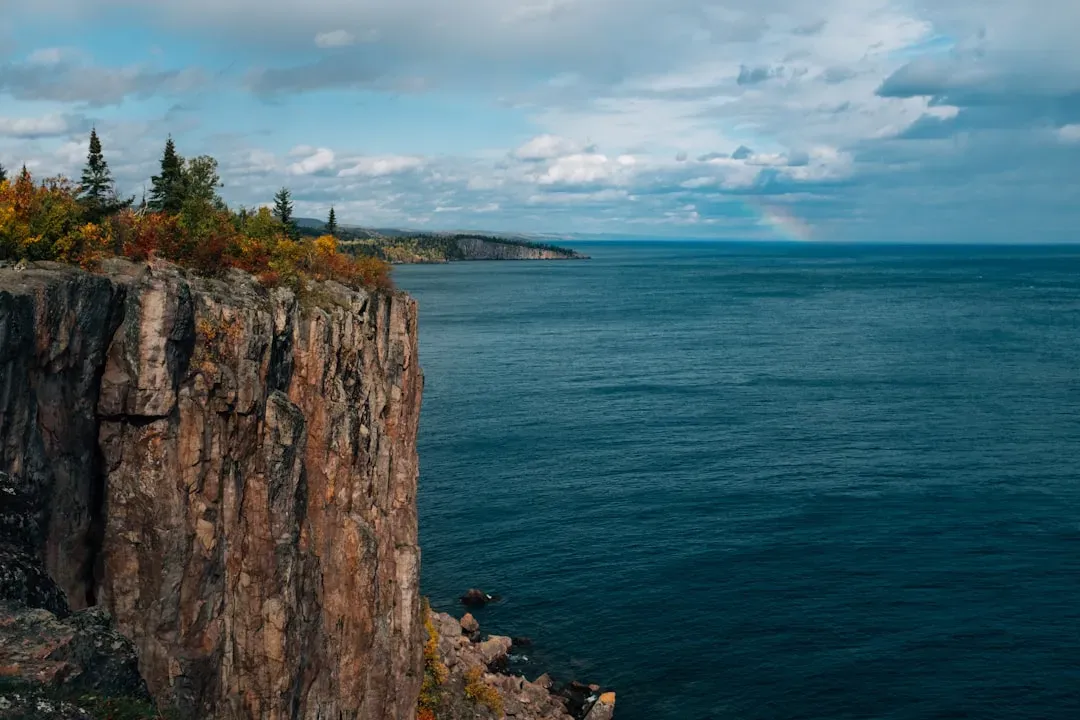
The first shock you get with Lake Superior is visual. You walk up expecting to see the opposite shore, and there is nothing but a hard blue line of horizon, long swell, and a sound that feels like surf. That’s because Superior is enormous: it has the largest surface area of any freshwater lake on the planet and holds around a tenth of the world’s surface fresh water by volume. At this scale, your brain stops classifying it as a lake and just files it under “ocean.”
But the ocean-like feel is not just about size; it’s about behavior. Superior builds steep, powerful waves driven by long fetches of wind, and storms can push those waves to heights that rival coastal seas. Its waters stratify into warm surface layers and cold, deep layers much like the ocean, and those layers interact with storms, winds, and seasons in ways that look less like a simple lake and more like a compact version of a marine basin. When NOAA scientists call it a mini freshwater ocean, they’re not being poetic; they’re acknowledging that the physics you’re dealing with are in the same league as coastal ocean dynamics.
The Hidden “Under-Waves” That Make Superior Feel Oceanic
If you only look at the surface, you miss one of the strangest things about what’s happening in Lake Superior: the waves underneath the waves. Below the choppy surface, Superior develops internal waves where warmer upper water meets much colder, denser deep water. Researchers have gone out with moorings and instruments and watched the thermocline – that boundary between warm and cold – rise and fall like a slow-motion underwater tide. It is the same kind of internal wave system that drives mixing in the open ocean.
For you, this means Superior is not just sloshing around at the top; it is constantly rearranging heat, oxygen, and nutrients through its depths in complex, wave-driven patterns. NOAA-backed studies have even used Lake Superior as a “natural laboratory” for coastal-ocean type internal waves, because the signal is cleaner and easier to observe than in the real ocean while following the same physics. Every time a strong wind event sends a pulse of energy into the lake, you are essentially watching a freshwater test case of the internal-wave machinery that helps control global ocean circulation.
Meteotsunamis, Seiches, and the Day the Water Level Whiplashed
One of the most startling signs that Superior has crossed into ocean-like territory is how it responds to extreme storms. On June 21, 2025, a powerful system raced over the lake and triggered a kind of multi-layered event that looked, on the instruments, unnervingly like something you’d expect at sea: a meteotsunami driven by rapid pressure changes, a wind-driven storm surge, and a strong seiche (a basin-wide sloshing of the lake) all stacked together. Water levels along parts of the shore rose and fell dramatically in a short period, leaving residents and scientists staring at the gauges in disbelief.
Events like this used to be treated as curiosities; now NOAA is actively building them into operational research and forecasting. When you hear “meteotsunami,” you might think only of the ocean, but Superior is teaching you that enclosed freshwater bodies can host very similar physics when the geometry and storm tracks line up. The lake’s size, shape, and depth let certain storm systems resonate with the water column and amplify waves, just like in coastal seas. That forces you to rethink coastal risk on the Great Lakes: you’re not only worrying about wind waves, but about ocean-style resonance events that can ambush shorelines with rapid water level swings.
NOAA’s Ocean-Grade Forecast Systems Move Inland
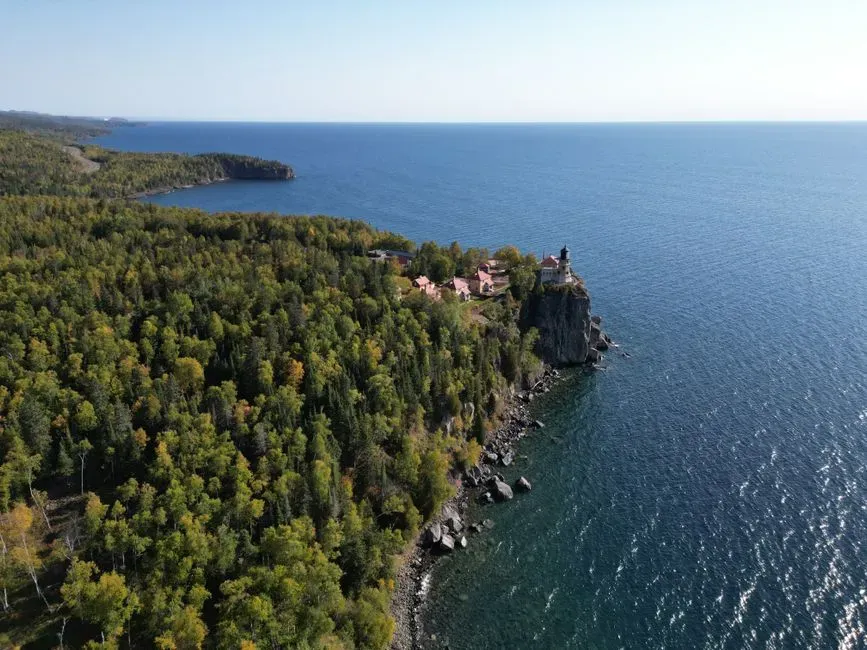
Another way you can see Lake Superior’s new status is in the tools NOAA now uses to track it. Instead of treating it as a simple level pool with a basic wind setup, NOAA has rolled out a high-resolution Lake Superior Operational Forecast System built on the same kind of sophisticated models used for marine coasts. This system simulates currents, water temperatures, and water levels across the entire lake, hour by hour, much like an ocean forecast. It is a clear signal: to manage Superior safely, you need ocean-grade science.
From your perspective, this matters in very practical ways. If you’re a mariner, paddler, or coastal resident, you now have access to detailed forecasts of currents and thermal structure that help you plan and stay safe. If you care about fisheries and ecosystems, those same models become a backbone for predicting habitat changes and stress on species. Superior has forced NOAA to blur the old line between “marine” and “inland,” because the physics, and the risks, are simply too similar to ignore.
Climate Change Is Turning Superior Into a Freshwater Climate Testbed
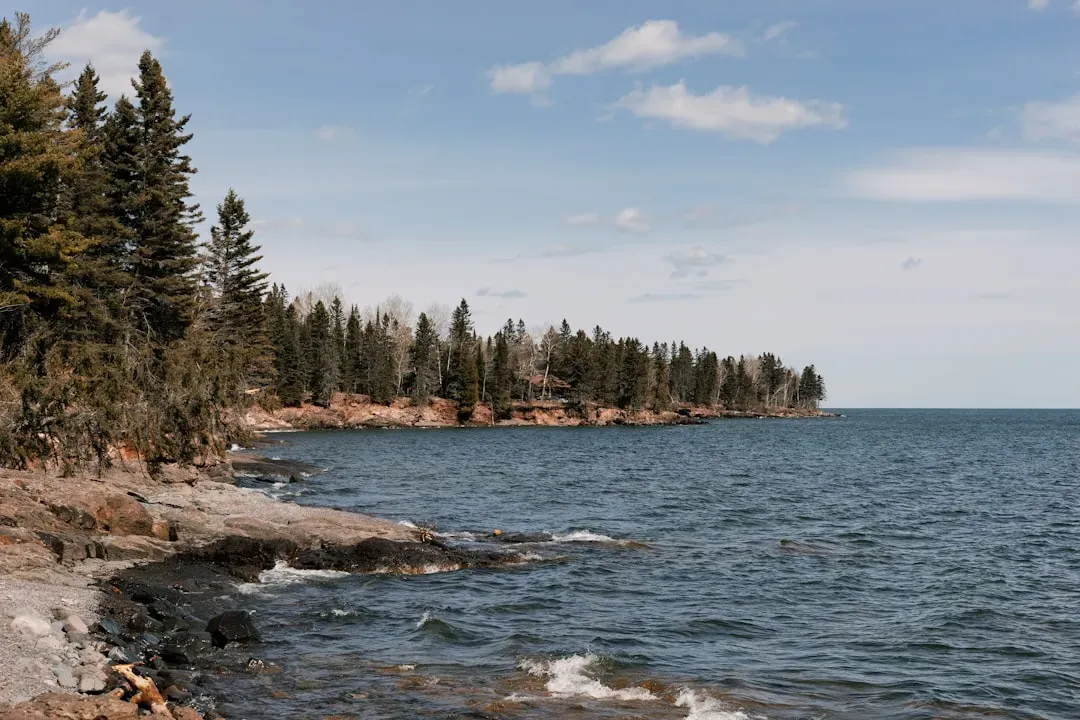
As the planet warms, Lake Superior is not just passively sitting there; it’s actively reacting in ways that mirror what you see in the oceans. Surface waters are undergoing more frequent and intense heatwave conditions, with periods of unusually warm temperatures stretching longer and reaching farther across the lake. That affects everything from ice cover to the timing of spring turnover, and it creates new patterns of stratification that change how internal waves and mixing work. In other words, you are watching a freshwater basin rewire its physical rhythms under climate stress.
NOAA scientists increasingly use the Great Lakes, and Superior in particular, as a testbed for understanding how warming will reshape large water bodies. Because it is fresh, enclosed, and already heavily monitored, Superior gives you a clean view of how heat, carbon-related processes, and circulation shift without some of the complications of the open ocean. The lessons flow both ways: what you learn here about mixing, heat storage, and extreme events feeds back into better global ocean climate models, and those ocean models, in turn, sharpen your ability to predict what Superior will do in the decades ahead.
Why Superior’s “Mini Ocean” Status Changes What You Should Worry About
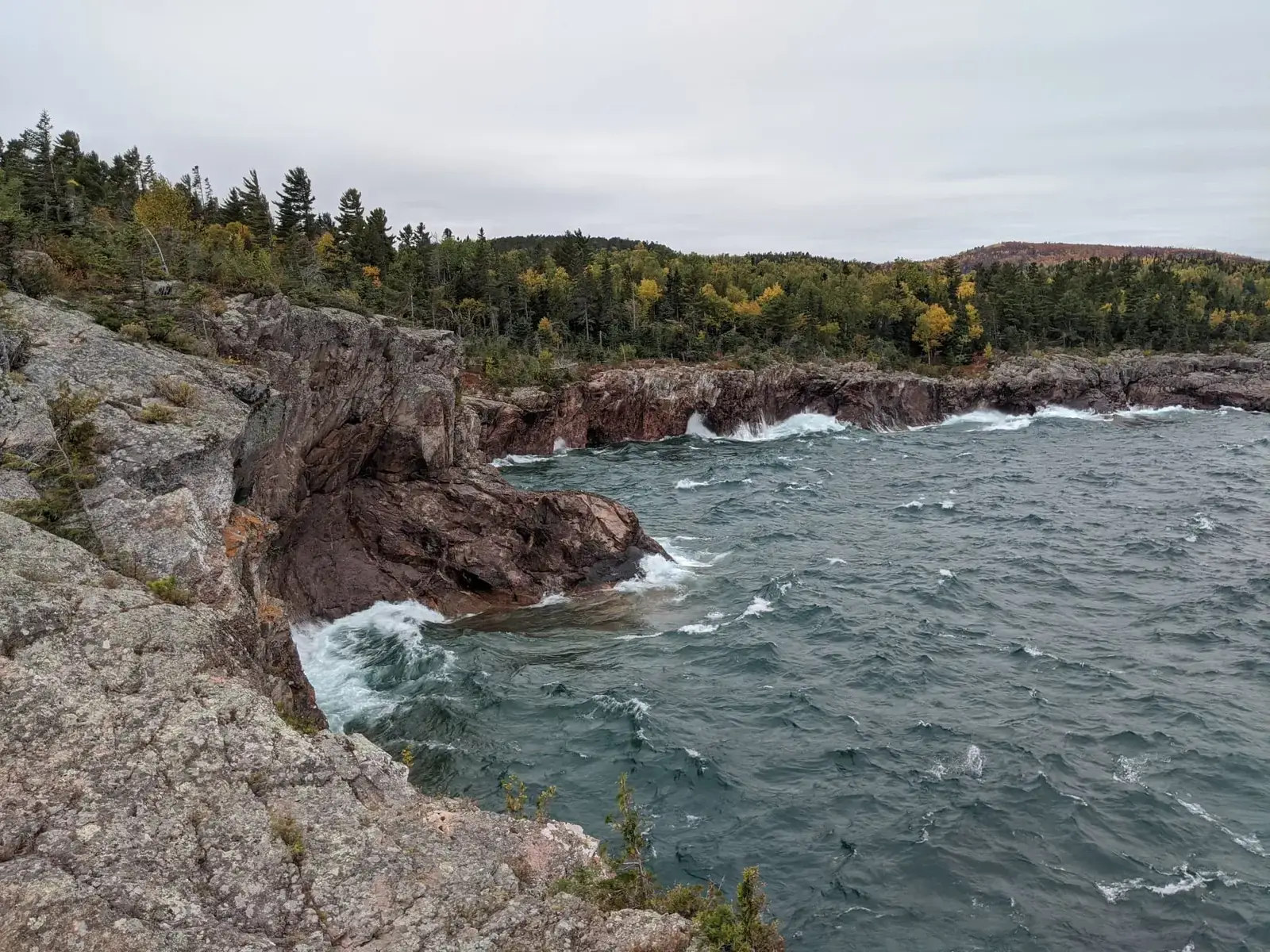
If you live around the Great Lakes, you might already sense that storms feel sharper, shorelines more vulnerable, and the water a little less predictable. Reframing Lake Superior as a mini freshwater ocean helps you understand why. Ocean-like internal waves and basin-wide oscillations change how erosion happens along cliffs and beaches. Meteotsunamis and strong seiches can combine with traditional storm surge to threaten marinas and low-lying communities in ways that old planning rules did not fully capture. The stakes are no longer just local boating conditions; they reach into infrastructure design and emergency management.
For you as a visitor or resident, this means treating Superior with the same respect you’d give a wild, open coast. Forecast guidance from NOAA is not just a nice-to-have; it becomes a crucial part of planning trips, building resilience, and avoiding dangerous surprises. At the same time, the recognition that Superior behaves like an ocean underscores its global importance: this is not some regional pond, but part of a planetary freshwater system that interacts with climate, biodiversity, and even international water policy. Once you see it as a small ocean, it is hard to go back to thinking of it as “just a lake.”
How This Rewrites Freshwater Science for Lakes Everywhere
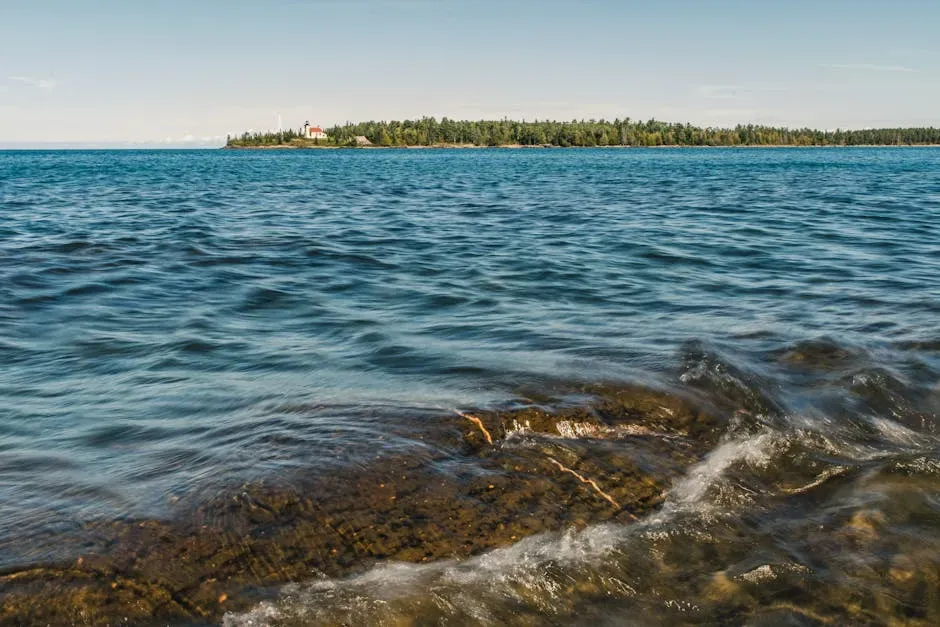
Lake Superior’s new role is not only about itself; it’s about what it teaches you regarding large lakes worldwide. For a long time, freshwater limnology and oceanography sat in mostly separate boxes, with their own methods, assumptions, and models. Now Superior is forcing scientists to merge those toolkits. Ocean-style internal wave physics, advanced circulation models, and meteotsunami theory are becoming standard parts of how you analyze big lakes. That fusion is rewriting textbooks and reshaping how researchers train the next generation of scientists.
The ripple effects touch every large freshwater body you care about, from African rift lakes to deep alpine reservoirs. If Superior can host robust internal wave fields, complex stratification, and ocean-like resonance events, you have to ask where else that might be happening and what you’ve missed by treating lakes as oversimplified bathtubs. When you start from Superior’s example, you open the door to designing better monitoring, more realistic models, and smarter policies for any large lake facing a warming, stormier future. In that sense, Superior is not just rewriting freshwater science; it is setting the syllabus for the next era of global water research.
Conclusion: Meeting the “Ocean” in the Middle of a Continent
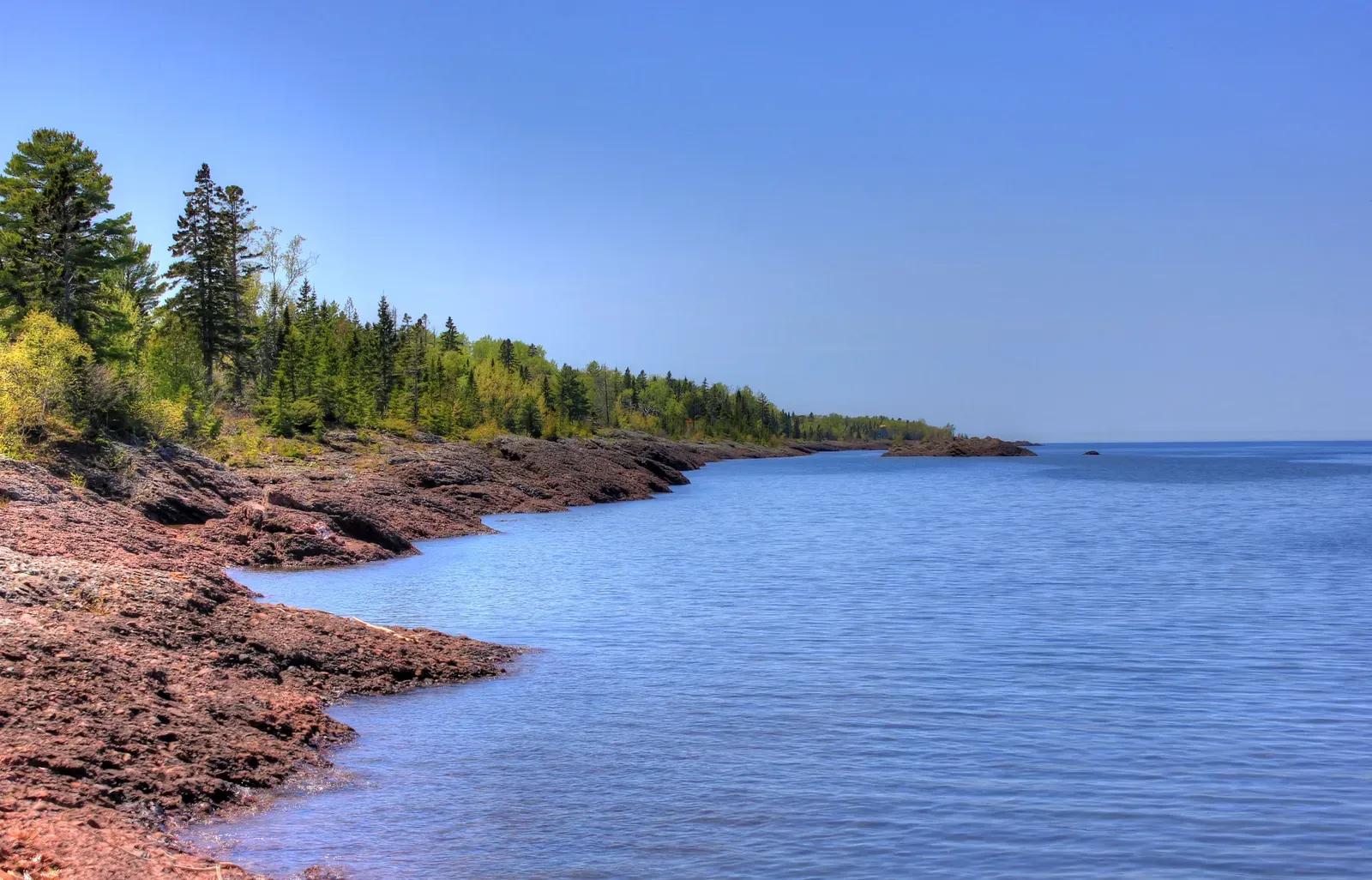
If you ever get the chance to stand on a rocky point above Lake Superior in a gale, you feel something shift in how you understand water. The roar, the endless horizon, the rhythmic heave under your feet – it all tells you that this is not a tame inland lake, but a restless, powerful system closer to an ocean than your childhood maps suggested. NOAA’s work has simply caught up to what your senses are already screaming: the physics here are ocean-class, and you have to study them that way if you want to keep up.
Seeing Superior as a mini freshwater ocean does not just change your vocabulary; it changes what you expect from climate, coasts, and even basic science in the years ahead. You now live in a time when a single lake is helping refine global models, reshape hazard forecasts, and blur the boundary between two entire branches of Earth science. The next time you look out across that steel-blue expanse, you might ask yourself: were you really looking at a lake all along, or at the smallest ocean you’ll ever see?