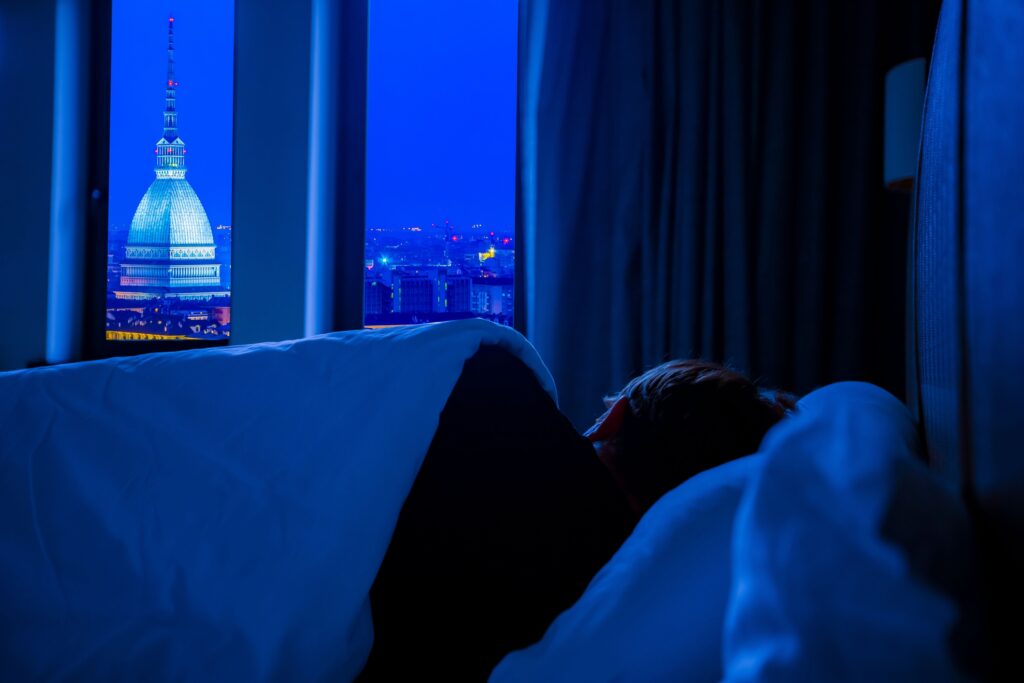

Have you ever noticed how some people absolutely cannot sleep unless the room is pitch black, while others happily doze off with a TV flickering, a streetlamp pouring in, or fairy lights glowing? That intense, almost non‑negotiable preference for total darkness is more than just a quirky sleep habit. It taps into something very old in us, something that goes back to a time when a tiny glimmer of light could mean safety – or signal danger to something watching from the shadows.
Modern psychology and sleep science suggest that our relationship with darkness is deeply tied to how our brains handle safety, uncertainty, and threat detection. People who insist on full, absolute darkness at night may be unconsciously running a very ancient program: clearing the visual field so the brain can focus on the slightest movement, sound, or shift – the same way our ancestors might have done while sleeping in caves or open landscapes. The fascinating twist is that, in a world of locked doors and smoke alarms, some of us still behave as if a predator might be right outside the circle of light.
The Ancient Brain Behind a Modern Bedroom
Long before blackout curtains and sleep masks, nights were genuinely dangerous. Our ancestors lived with predators, rival groups, and environmental threats that were most active in low light. The human nervous system evolved under those conditions, and it never got the memo that we now sleep in apartments and suburban houses. When someone feels deeply uneasy unless the room is completely dark, part of what is happening is that the brain is trying to recreate a predictable, controlled night environment.
In ancestral settings, partial light could be a mixed signal: a dying fire, eyes reflecting in the distance, or movement just beyond the glow. Either deep darkness or clear, controlled firelight was safer than ambiguous shadows. Today, a sliver of streetlight sneaking through the blinds can trigger a low‑level sense of “something is off” in people who are more sensitive to environmental cues. Their brains are not being dramatic; they are applying ancient logic to a modern bedroom.
Why Some Brains Still Scan for Predators in the Dark
The human brain is naturally biased toward detecting threats, especially in unfamiliar or low‑visibility situations. Even in laboratory studies, people are quicker to notice angry or fearful stimuli than neutral ones, and nighttime tends to amplify that bias. Individuals who gravitate toward total darkness often report being hyper‑aware of sounds, shifts in temperature, or the presence of other people when they are trying to fall asleep. It is as if turning off every light sharpens a radar that switches from visual scanning to sound and sensation.
This pattern mirrors a classic survival strategy: when the eyes can no longer reliably distinguish shapes in low light, the brain leans on hearing and subtle bodily cues. Sleeping in full darkness, for some, is not about ignoring the environment but about simplifying it. Without scattered light and moving shadows, it is easier for the brain to pick up on truly unusual changes – like a door opening, a floorboard creaking, or footsteps approaching. That is pure threat‑detection logic, carried forward from a time when missing those signals could be fatal.
Hypervigilance, Safety, and the Dark Room Ritual

Some people who love pitch‑black sleep are also the ones who double‑check the locks, look under the bed as kids, or feel uncomfortable in unfamiliar spaces at night. This is often described as hypervigilance – a heightened state of awareness and scanning for potential danger. While chronic hypervigilance can be exhausting or linked to anxiety and trauma, a milder version can simply show up as a powerful preference for a tightly controlled sleep environment.
Turning off every source of light, closing every curtain, and sealing the room from outside glow can become a ritual that signals safety to the nervous system. Once those conditions are met, the brain “allows” deeper rest because it believes the perimeter has been secured. In that sense, total darkness is less about enjoying the dark and more about creating a boundary that satisfies an old survival algorithm: nothing is moving, nothing is glowing, nothing unpredictable is happening in the visual field – so it is finally safe enough to let go.
Light Pollution vs. the Old Need for a Clear Night

Modern cities are flooded with artificial light at night – streetlamps, billboards, car headlights, neighbors’ windows, and the ever‑present glow of screens. Biologically, our system was never meant to deal with this kind of constant low‑level illumination in the hours that used to be reliably dark. People who cannot stand sleeping with even a hint of light often feel this conflict more intensely, almost like internal static between modern life and an ancient internal clock.
From a physiological perspective, light at night can disrupt melatonin, the hormone that helps regulate sleep timing. But for those with an ancestral‑style threat detection pattern, the problem goes beyond hormones. Broken darkness feels like broken safety: a bright patch from the hallway, a blinking router light, or the glow of a phone can feel wrong in a way that is hard to put into words. Their bodies remember a world where any unexpected light at night might mean fire, danger, or an approaching presence – and they respond accordingly.
Darkness Lovers, Anxiety, and the Fine Line Between Instinct and Stress
It is tempting to say that anyone who needs complete darkness is simply anxious, but that is too simplistic and, in many cases, unfair. Some very calm, emotionally stable people still need full darkness to sleep, and they describe it as a deep, bodily preference rather than fear. What seems more accurate is that these individuals sit slightly closer to the vigilant end of the spectrum: their nervous systems are more attuned to subtle changes, especially at night.
That said, anxiety and trauma can absolutely amplify this tendency. People who have felt unsafe in the past may use darkness as a way to constrain the environment, to minimize stimuli and shut out reminders of the outside world. The key difference is how it feels internally: for some, darkness is claustrophobic and terrifying; for others, it is grounding and calming, like being wrapped in a thick, protective blanket. Both are emotional responses to the same stimulus, shaped by different histories and different ways the brain learned to survive.
Genetic Echoes: Are Some of Us Wired for Night Watch Duty?
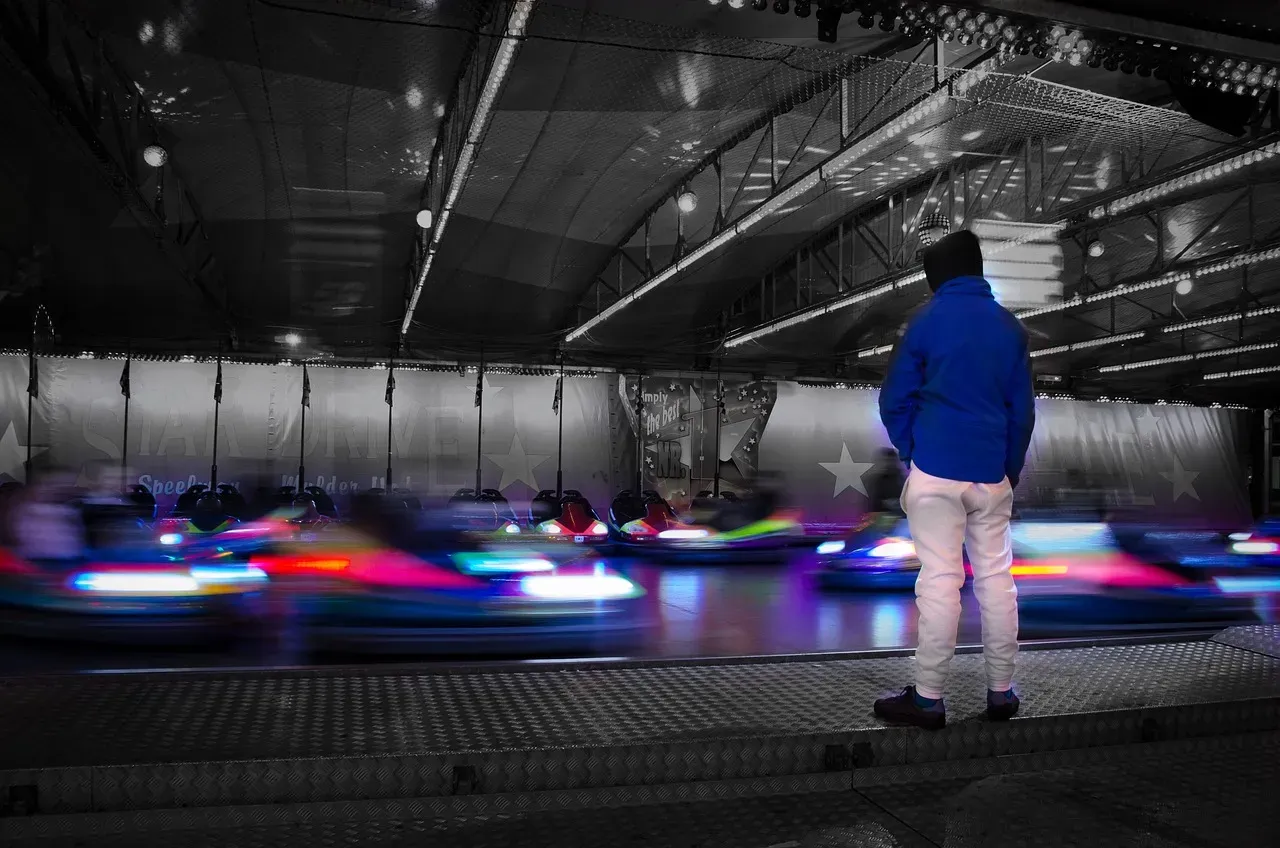
There is a long‑standing idea in evolutionary psychology that human groups may once have had informal “shifts” of vigilance, with some people naturally more alert at night and others better suited to early morning watch. While the evidence is still developing, we do know that people differ biologically in their sleep timing, sensitivity to light, and baseline arousal. Those who insist on a fully dark cave‑like room might be carrying a version of this “night watch” temperament into the twenty‑first century.
If you think about a small group sleeping in an exposed area, having someone whose system stays finely tuned to environmental changes could be a massive advantage. Today, the same traits can feel like an odd quirk: being the one who notices every blinking light, every curtain gap, every digital display at night. Yet, from an ancestral perspective, that person would likely have been praised for their alertness. What feels like over‑sensitivity in a city apartment might once have been the difference between being ambushed and staying alive.
When Complete Darkness Actually Improves Sleep Quality
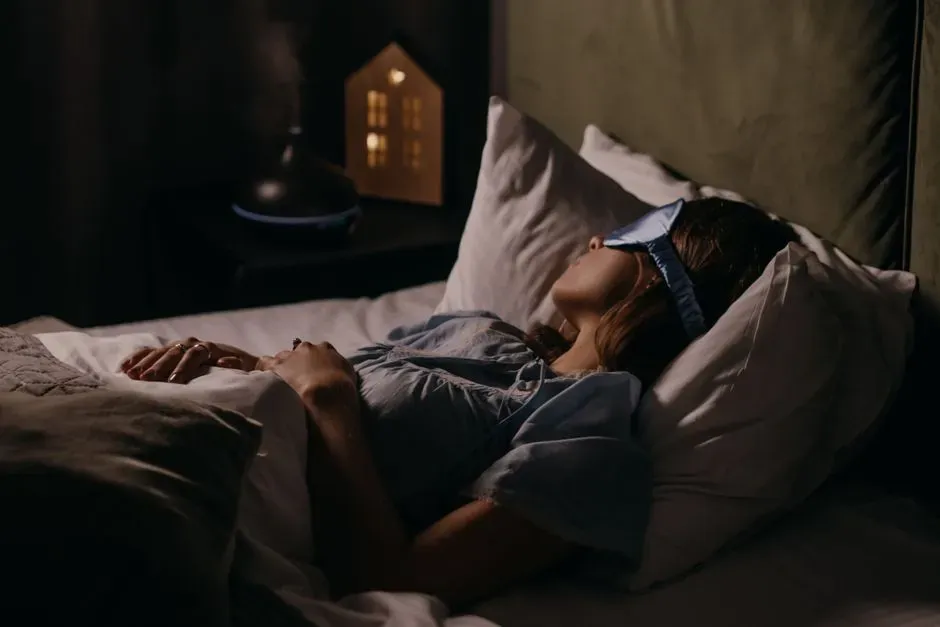
Beyond the ancestral story, there is a very practical side to preferring complete darkness: it often genuinely improves sleep. Research consistently shows that lower light exposure at night supports deeper, more restorative sleep and better functioning the next day. People who aggressively block out light are, in a way, accidentally following best‑practice sleep hygiene, even if their original motivation is unconscious threat detection rather than health optimization.
Plenty of people can fall asleep with a lamp on or a television glowing, but that does not mean their sleep is as deep or continuous as it could be. Those who refuse to compromise on a fully dark room may notice they sleep more soundly and wake up less often once all slivers of light are removed. In that sense, their ancient pattern lines up neatly with modern science: the body seems to perform long‑term maintenance best when the night is really night, not an endless dim extension of the day.
Cultural Comfort With Night: Why Most People Lost the Pattern

So why do only some people cling to this ancestral darkness preference, while many others casually fall asleep bathed in blue light from a phone? Culture plays a huge role. Over the last centuries, especially in industrialized societies, we have steadily tamed the night with lamps, electricity, and screens. Nighttime became less associated with wild threats and more with late‑shift work, entertainment, and productivity. Mentally, many people now think of the night as just “late day” rather than a fundamentally different state.
As this shift happened, the social expectation turned toward comfort with constant light. Children sleep with nightlights, adults fall asleep to shows, city dwellers rarely see true darkness at all. Under those conditions, the old pattern of preferring deep, enveloping dark can look abnormal or excessive, so people may train themselves out of it. The majority adapts to glowing nights and loses touch with the visceral sense that darkness itself is a safety condition, not a threat – while a stubborn minority holds onto that older perspective.
So Is Loving Pitch‑Black Sleep a Strength or a Flaw?
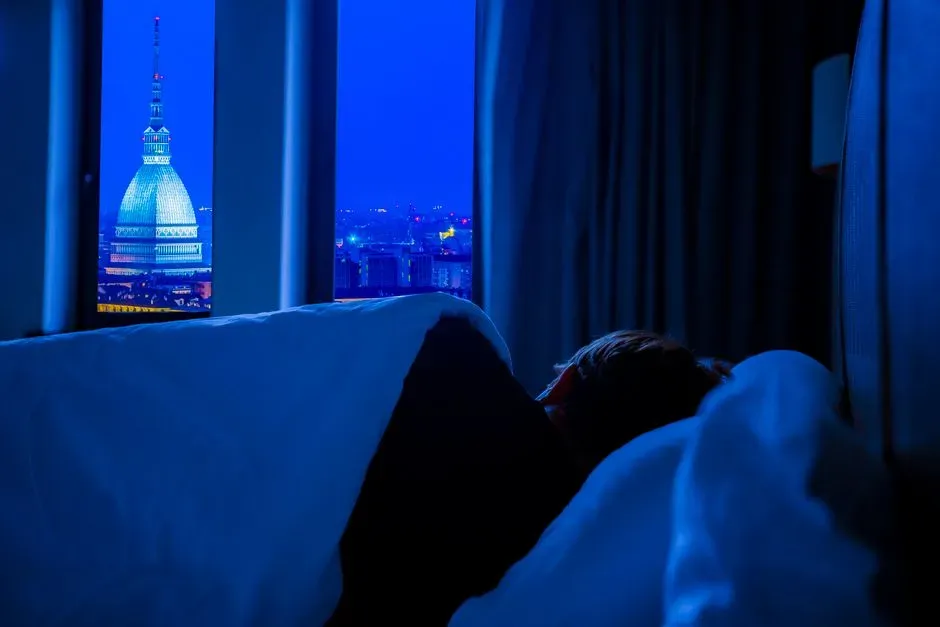
From a psychological point of view, a strong preference for sleeping in complete darkness is neither a defect nor some mystical gift. It is better understood as a valid variation in how humans handle safety, uncertainty, and sensory input. In my own experience, the people who need that cave‑like darkness are often the same ones who notice subtle shifts in mood, environment, or group dynamics before anyone else. That ability can be inconvenient in a brightly lit world, but it is a powerful survival tool in the right context.
In a way, these darkness lovers are carrying an ancestral alarm system that most people have dialed down or tuned out. Rather than trying to override it, it might be wiser to work with it: set up a sleep environment that feels truly safe, then let that ancient watchtower finally rest. After all, in a society that constantly blurs the line between day and night, the instinct to protect the boundary – to insist that night should still be night – may be less a relic and more a quiet act of self‑preservation. If you had to guess, is your need for darkness just a habit, or is it your inner ancestor still standing guard?