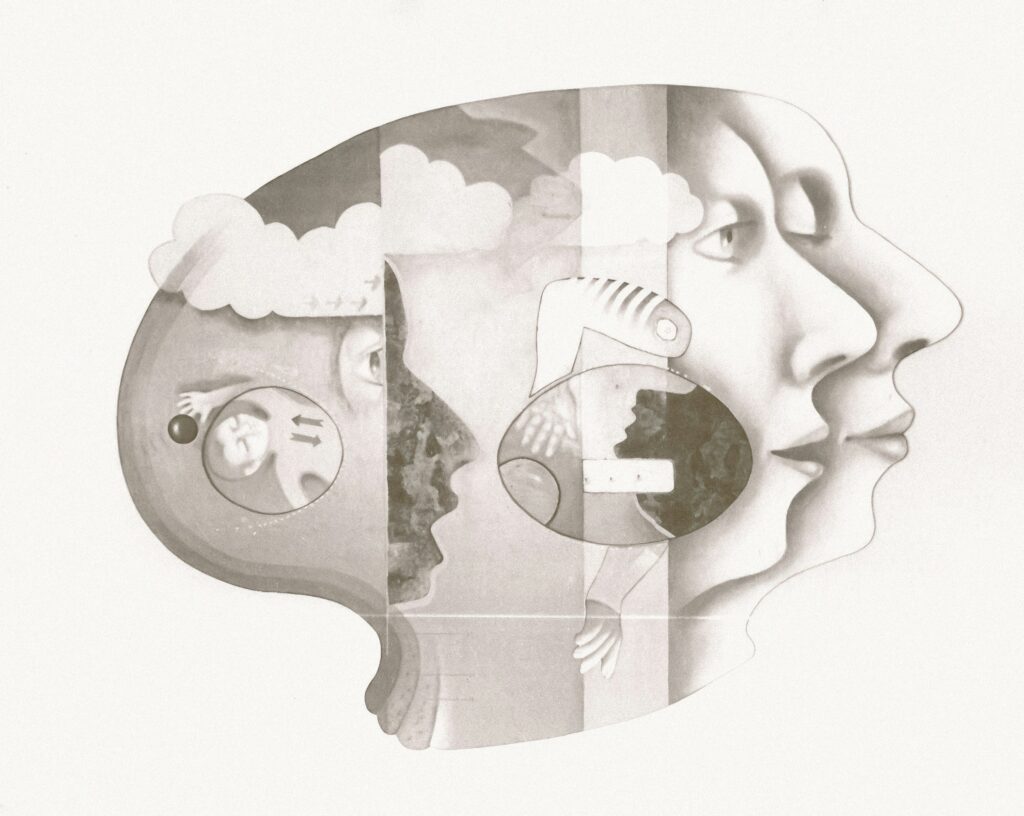

If you light up at the thought of an empty highway at dusk or a trail where you hardly meet another soul, you might have wondered what that says about you. It can feel like a strange contradiction: everyone seems to chase excitement, crowds, and noise, while you feel most alive where things are still and almost eerily quiet. You might even catch yourself asking whether there’s something odd about preferring the hum of your own thoughts to the buzz of other people.
Psychology offers a different story. Liking empty roads and quiet places often has less to do with being antisocial and much more to do with how your nervous system handles stimulation. You are not escaping life; you might simply be protecting an already busy, overworked mind. When you understand what is going on under the surface, those long, silent drives and hidden corners of nature start to look less like quirks and more like self-preservation.
Why Your Brain Craves Silence When Life Feels Too Loud

Think about how you feel after a day of constant pings, messages, meetings, and background noise. Your brain is not just passively watching all that; it is working hard to filter, sort, and respond. Over time, that constant flood can leave you mentally buzzing, even if you have done nothing physically demanding. When your mind is already overloaded, an empty road or a quiet space can feel like stepping into a cool, dark room after staring into bright light for too long.
Psychologically, this often ties to something called sensory load: the total amount of information your brain is trying to process at once. If your sensory load is constantly high, you naturally look for places where there is less to process. That is exactly what you get on an empty highway or a silent forest path – fewer people, fewer sounds, fewer decisions. You are not weird for wanting that; you are simply trying to give your nervous system a chance to breathe.
High Sensitivity: When Your Mind Notices What Others Miss

If you love quiet environments, you probably notice small details other people overlook: the flicker of a fluorescent light, the shift in someone’s tone, a faint hum from a machine in the next room. Your brain may be wired to take in more subtle information, and while that can be a gift, it also means your mental inbox fills up faster. In a crowded place, you are not just seeing a group of people; you are tracking movement, expressions, sounds, and energy all at once.
This trait often overlaps with what psychologists describe as higher sensory sensitivity. You may feel worn out by what seems like a normal level of stimulation to others. Empty roads and quiet places reduce the number of signals your brain has to manage, which can feel incredibly soothing. Instead of constantly managing inputs, you finally get to notice your own thoughts, your breathing, and the surrounding space without being pulled in every direction.
Introversion, But Not As Simple As “You Hate People”
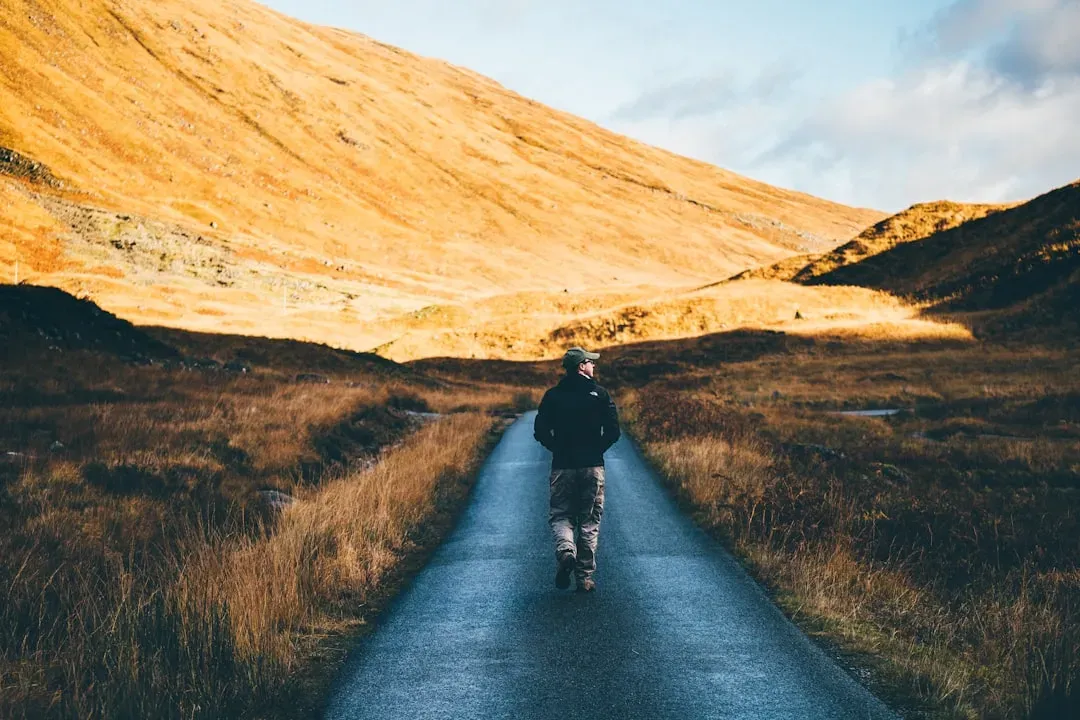
You might label yourself an introvert because you like being alone, but it is usually more nuanced than that. You may actually enjoy deep conversations, meaningful connections, and spending time with people you trust. What drains you is the constant social stimulation that comes with noise, crowds, and small talk on repeat. Empty roads and quiet places give you the alone-time your brain uses to reset after all that input.
When you choose the quiet route, you are not rejecting humanity; you are choosing the conditions where you function best. Instead of seeing yourself as antisocial, it is more accurate to see yourself as someone who has a limited energy budget for stimulation. You spend that budget carefully – on relationships and activities that matter – and you refill it in solitude, often somewhere still and silent where nothing is expected of you.
Overthinking and Rumination: Why Stillness Feels Like Safety

If your mind tends to spin through every scenario, replay past conversations, or plan five steps ahead, you probably live in a constant state of mental motion. Noise and chaos layer new information on top of that nonstop internal activity, leaving you feeling clogged and restless. In a quiet place or on an empty road, there is less competing for your attention, so your thoughts can line up instead of crashing into each other.
You may notice that your best ideas – or your clearest self-reflections – show up in those slow, silent environments. That is not an accident. When there is less coming in from the outside, your brain can finally process what is already there. It is like closing extra tabs on a computer so it can actually run the program you care about. Empty roads and quiet corners often become your unofficial therapy room where your mind can untangle itself without interruption.
Stress, Burnout, and the Need to Step Away From the Noise

Modern life pushes you to stay constantly reachable, responsive, and productive, and your body often pays the price. When stress becomes chronic – tight shoulders, restless sleep, a sense of always being “on” – your nervous system shifts into a sort of survival mode. In that state, even moderate noise or social pressure can feel like too much. That is when the urge to escape to a quiet place can feel almost physical, like needing air.
Empty roads, small back streets, and quiet parks offer a break from that pressure. You are not being dramatic when you feel calmer just by stepping away from traffic, chatter, or screens. Physiologically, your body tends to relax when stimulation drops: your breathing slows, your muscles loosen, and your thoughts stop racing quite so hard. Seeking quiet is not laziness or avoidance; it is often your body’s way of trying to protect you from tipping over into full burnout.
The Hidden Comfort of Predictable, Low-Stimulus Spaces
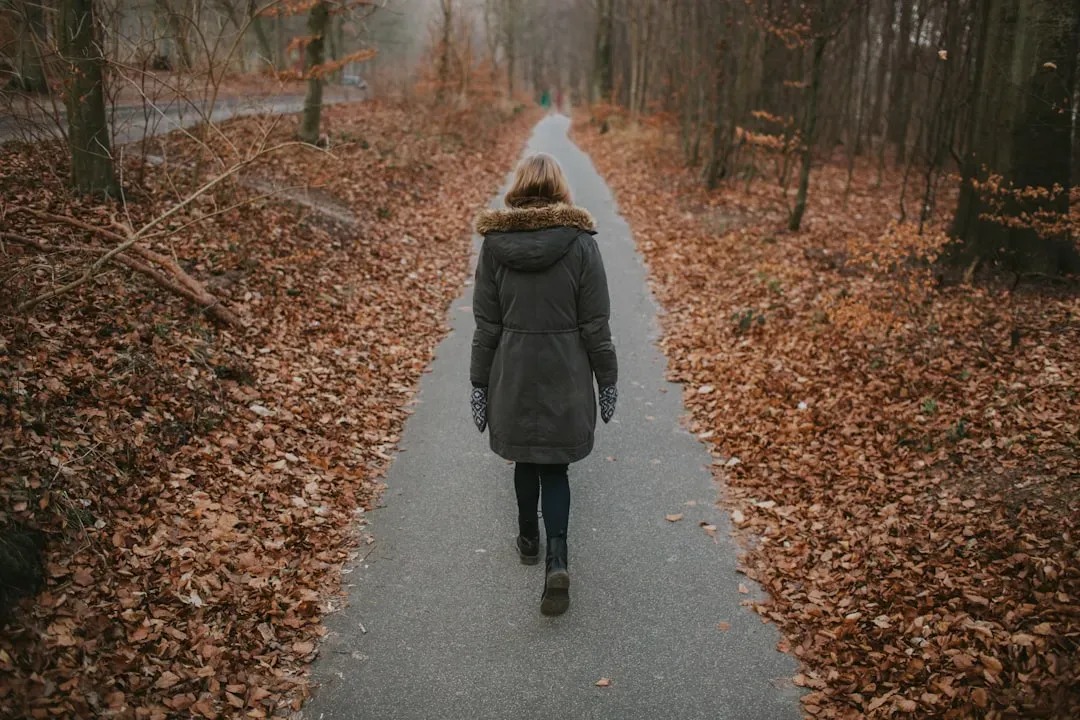
One reason empty roads feel so strangely comforting is predictability. Fewer cars, fewer surprises, fewer decisions. Your brain loves patterns because patterns are easier to handle and safer to navigate. In a busy, chaotic environment, you are constantly scanning for what might happen next. On a quiet road or in a still room, the next moment often looks a lot like the last, which lets your guard finally drop.
This predictability is especially soothing if you tend to be anxious or easily startled by sudden changes. When the world feels unpredictable, low-stimulus spaces act like a soft, steady background. You can ease out of that hyper-alert state and into something closer to genuine rest. Over time, seeking out these stable environments can become your way of quietly regulating your anxiety without anyone else even noticing.
How to Use Quiet Spaces Without Fully Withdrawing From Life
There is a fine line between honoring your need for quiet and using it to hide from everything that feels hard. If you find yourself avoiding people or responsibilities altogether, it might be a sign to gently check in with yourself. Ask whether you are resting or retreating. Resting feels replenishing – like you are coming back to life. Retreating long-term often leaves you feeling more stuck, lonely, or disconnected.
You can make quiet spaces a healthy, deliberate part of your routine. That might mean scheduling regular solo drives, walking a less crowded route, or carving out tech-free time at home. When you treat these moments like maintenance rather than escape, you give yourself the recovery you need while still staying engaged with the parts of life that matter to you – work, relationships, learning, and growth.
Practical Ways to Soothe an Overstimulated Mind Every Day
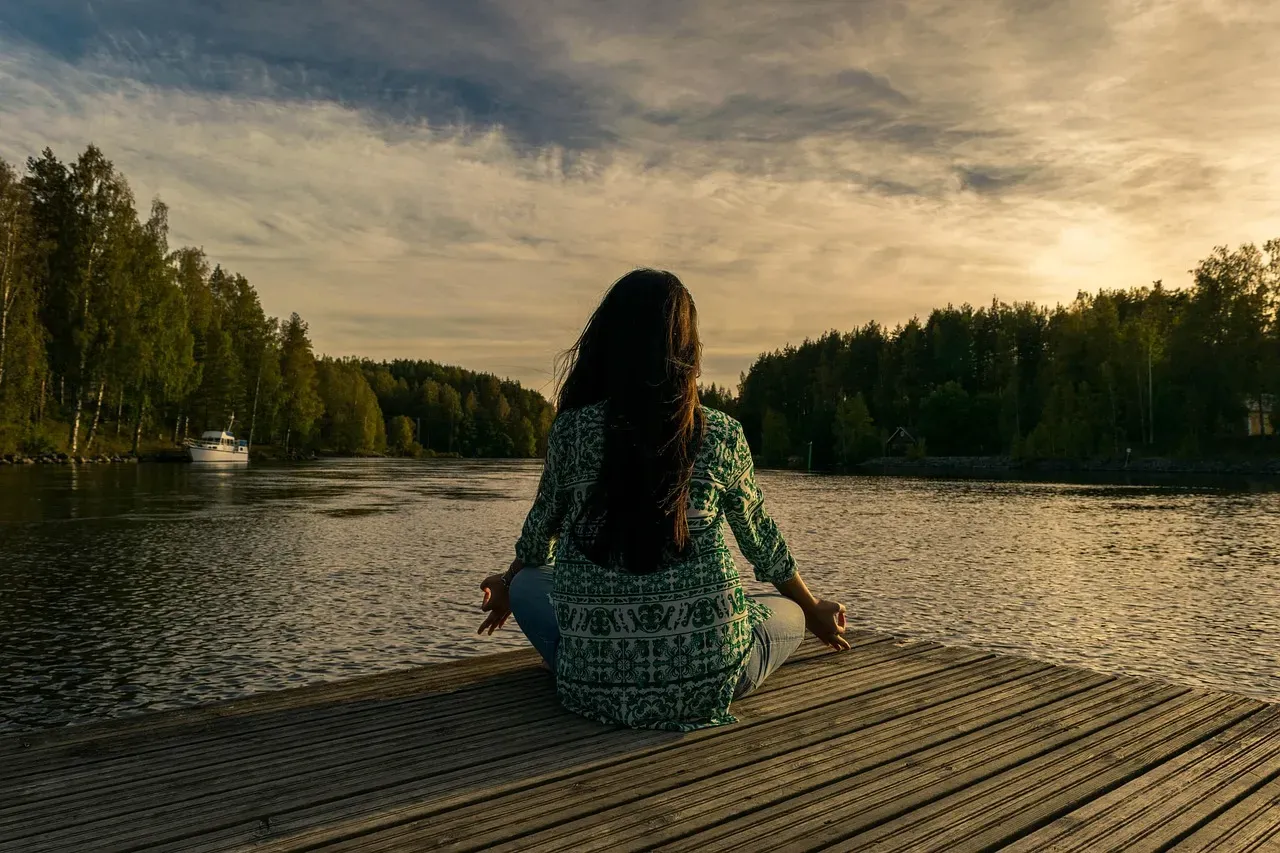
You do not need a remote cabin or a cross-country drive to calm your mind. You can build pockets of quiet into a normal day in small but powerful ways. You might start by eating one meal without your phone, turning off nonessential notifications, or stepping outside for five minutes between tasks. Each tiny reduction in stimulation is like taking a small weight off your nervous system.
It can also help to design your surroundings to be a bit gentler on your senses. Softer lighting, fewer background noises, and a bit of physical space from others when possible can make a noticeable difference. Think of it as creating micro–empty roads in your schedule and environment – simple, open stretches of time and space where your brain does not have to fight for calm. Over time, these little adjustments add up, and you may find yourself less fried and more present, even when life gets loud.
When to Consider Talking to a Professional About Overstimulation

Loving quiet and solitude is not a problem in itself, but sometimes it can signal that your stress, anxiety, or sensory sensitivity is pushing you past what feels manageable. If you notice that normal situations – like a grocery store, a work meeting, or a family gathering – leave you completely drained or panicky on a regular basis, it may be worth reaching out for support. You are not weak or broken for needing help; you are simply recognizing that your system is carrying more than it comfortably can.
A therapist or other mental health professional can help you understand what is fueling your overstimulation and teach you tools to regulate your nervous system more effectively. That might involve learning grounding techniques, setting firmer boundaries, or exploring whether conditions like anxiety disorders, ADHD, or sensory processing differences are playing a role. Getting this kind of support does not take away your love of quiet places; it usually helps you enjoy them more, without feeling like the rest of the world is off-limits.
In the end, your love for empty roads and quiet places says something important: your mind is active, alert, and easily flooded. Instead of fighting that, you can learn to work with it, giving yourself the calm spaces you naturally gravitate toward while still building a life that feels full and connected. The world may reward loudness and constant motion, but there is a quiet strength in knowing when to step back and listen to the softer sounds of your own thoughts. When you picture where you feel most like yourself, is it any surprise that it is somewhere the noise finally falls away?