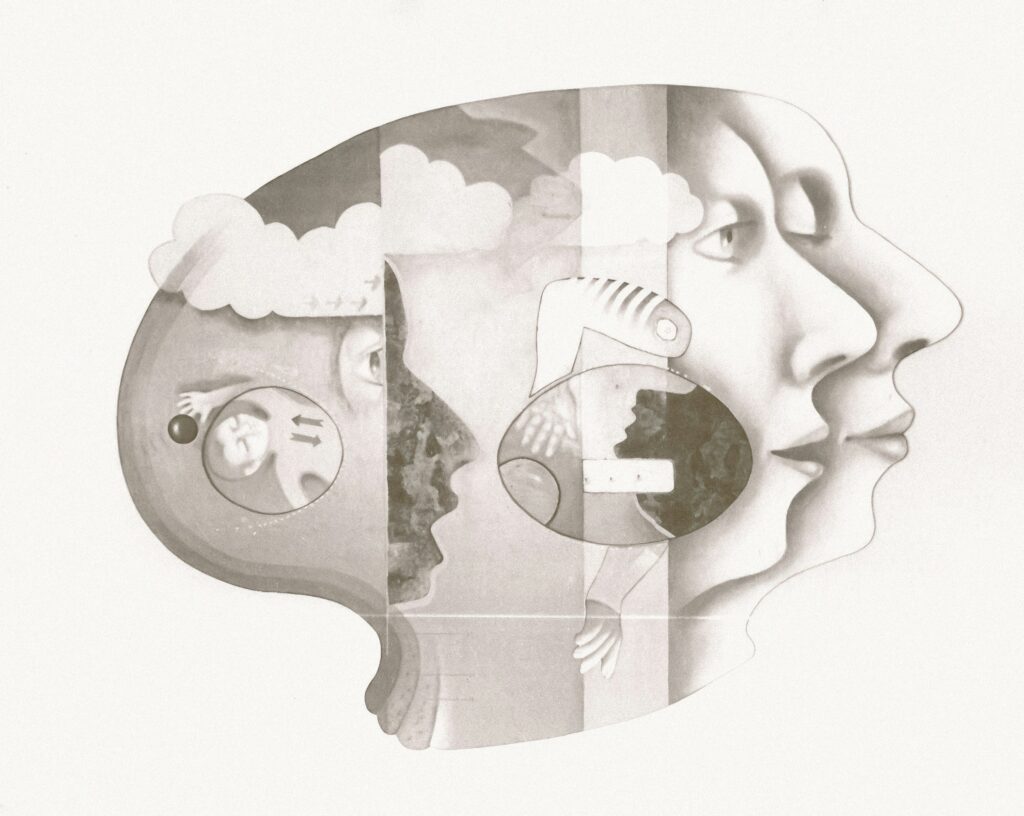

If you walk away from comforting a friend feeling strangely exhausted, then later sit alone with a book and feel your whole system come back online, you might secretly fear there’s something wrong with you. Maybe you’ve even wondered if you’re cold, detached, or just selfish because other people seem to get a warm buzz from helping, while you need a nap. What if the truth is almost the opposite of what you think? What if your brain is working overtime in ways you can’t see – and that quiet time is not avoidance, but recovery.
Psychology has a useful lens for this pattern: cognitive empathy. It is not about being uncaring; it is about how your mind, not just your heart, processes other people’s emotions at a deep, analytical level. If you feel drained after helping but genuinely recharged alone, it might mean your empathy shows up more in thinking, perspective-taking, and silent understanding than in constant emotional entanglement. Once you understand this, you can stop beating yourself up, start protecting your energy, and finally see your solitude for what it is: a feature, not a flaw.
What Cognitive Empathy Actually Is (And How It Differs From “Feeling Too Much”)

Cognitive empathy is basically your brain’s ability to understand what someone else is thinking and feeling without necessarily being swept away by those feelings yourself. Instead of immediately absorbing a friend’s sadness like a sponge, you might find yourself mentally mapping the situation, spotting patterns, and predicting how they might react or what they might need next. It is empathy that leans more on perspective-taking and less on emotional contagion. Where emotional empathy is like standing in the rain with someone, cognitive empathy is like opening an umbrella and figuring out the best route to get them home.
This does not mean you are cold or detached; it means your kindness is processed through analysis as much as emotion. Many people with strong cognitive empathy are the ones others turn to for advice, problem-solving, or “the honest take.” You read between the lines, notice inconsistencies, and anticipate consequences, even if you do not cry alongside them. That style can confuse people who equate empathy with visible emotional reactions, but psychologically, it is still real empathy – just running on a different channel.
Why Helping Others Drains You: The Hidden Cognitive Load

When you help someone, your brain is not just listening; it is simulating their perspective, evaluating options, and holding multiple emotional states in mind at once. That kind of mental juggling requires serious cognitive resources. Imagine having three or four tabs open in your head: their mood, their history, what you know about the situation, and what you are feeling in response. Even if you look calm on the outside, your inner processor is working at high speed, and like any system under sustained load, it starts to overheat.
This is why you might walk away from a long emotional conversation feeling bone-tired, even if you sat still the whole time. You have been doing quiet, intensive work: scanning for the right words, filtering what not to say, predicting how your response will land, and trying to be responsible for their emotional safety. That is not laziness; it is effort. The fatigue you feel is not a sign of selfishness, but evidence that you gave more than people realize.
Why Being Alone Feels Like Plugging Yourself Back In

If social support conversations drain your mental battery, alone time is the charger. When you are by yourself, there is no one else’s emotional data streaming into your system, so your mind can finally close some of those open “tabs.” That might look like zoning out, reading, gaming, taking a walk, or simply sitting in silence. To other people it can seem like you are withdrawing, but psychologically, you are allowing your cognitive and emotional circuits to cool down and reset.
In solitude, your attention belongs only to you; you are not constantly scanning another person’s face for micro-reactions, or filtering your language, or predicting someone else’s needs. That creates a sense of relief and even lightness. You may notice ideas flowing again, your mood lifting, and your body relaxing. This is not you rejecting others – it is you returning to baseline. If you were a phone, that alone time is not a luxury; it is the charging cable you cannot function without.
The Myth Of “Selfishness” And Why Your Brain Style Gets Misjudged

Many cultures quietly celebrate the helper who is always available, always emotionally present, always ready to step in. If you are the kind of person who needs recovery time after heavy emotional conversations, you might feel like you are failing that ideal. People might say you are distant or too logical, especially if you do not mirror their emotions on the surface. When you pull back to rest, it can be unfairly labeled as avoidance, disinterest, or even selfishness.
But if we look at what is actually happening psychologically, your retreat is not about not caring; it is about protecting a limited resource. You literally cannot keep offering high-quality, thoughtful support if your brain never gets to power down. Ironically, the people who appear endlessly available are not necessarily more caring – they may just have different thresholds, or they may crash later in private. Feeling energized alone and tired after helping is not a moral verdict; it is a nervous system pattern. The “selfish” label sticks mostly because people do not see the internal effort you are making.
Signs You’re Likely A Cognitive Empath (Not Cold, Just Wired Differently)

One giveaway sign is that people constantly say you give “surprisingly good advice” or that you “see things others miss,” even if you do not react dramatically in the moment. You might notice that you pick up on subtle shifts in tone, gaps in someone’s story, or long-term consequences they are ignoring. In conflict, you find yourself instinctively viewing the situation from multiple angles, even when you personally disagree. That is classic perspective-taking at work, often stronger in cognitive empaths than in people who simply feel others’ emotions intensely.
Another clue is how you experience socializing in general. Light, surface-level chat may not affect you much, but the moment a conversation turns emotional or complex, you feel a quiet internal tension that lingers afterward. You replay the interaction later, analyzing what you said and what they meant, sometimes long after the other person has moved on. You also might feel a strong pull to “fix” situations, not because you need control, but because your brain naturally scans for solutions. None of this looks selfish; if anything, it is a sign you are taking other minds very seriously.
How To Support Others Without Burning Out Your Own Mind

Being a cognitive empath becomes a problem only when you treat yourself like an unlimited resource. One of the most powerful skills you can build is setting time and energy boundaries around helping. That might mean telling a friend you can talk for half an hour, not three hours, or choosing not to respond to an emotional message late at night. You are not abandoning them; you are choosing to show up when you can think clearly instead of resentfully running on fumes. In the long run, this makes your support more grounded and less driven by guilt.
It also helps to shift your role from emotional sponge to strategic ally. Instead of absorbing every feeling, focus on asking clarifying questions, reflecting back what you hear, and helping the other person find their own next step. This keeps your brain in its natural strength – structured thinking – while limiting the amount of emotional chaos you take on. Simple practices like taking breaks between heavy conversations, grounding yourself with movement, or journaling afterward can also unload some of the mental weight and stop you from carrying everyone else’s story all day.
Reframing Your Need For Solitude As A Form Of Emotional Hygiene

We tend to accept that our bodies need rest, but we rarely extend the same kindness to our minds. For a cognitive empath, alone time is not a quirky preference; it is emotional hygiene. Just like you would wash your hands after working with something messy, you need regular mental rinses after handling other people’s complex feelings. That rinse can be as simple as listening to music, doing something creative, or intentionally switching to a completely different task that engages your brain in a lighter way.
When you start treating solitude as maintenance instead of a flaw, the guilt around it begins to fade. Suddenly, that urge to cancel plans or take a quiet day does not feel like failing your friends; it feels like preparing to show up better next time. You realize that protecting your bandwidth is part of being a responsible, sustainable helper. Instead of asking, “Why am I like this?” you start asking a much healthier question: “What does my mind need to function well?”
Why Embracing Your Cognitive Empathy Can Actually Make You A Better Human

Once you recognize yourself as a cognitive empath, a lot of old self-criticism starts to look misguided. You may notice that the very traits you doubted – your need for space, your tendency to analyze, your quiet processing style – are exactly what make you capable of deep, nuanced understanding. Rather than trying to copy more emotionally demonstrative people, you can lean into your own strengths: clear thinking, big-picture perspective, and the ability to stay relatively steady when others are overwhelmed. That steadiness can be incredibly comforting, even if it does not look dramatic from the outside.
Owning this identity also helps you choose where to invest your energy. You might gravitate toward roles, relationships, and causes where your style of empathy is an asset: mentoring, coaching, complex problem-solving, or being the friend who helps others see options they never considered. You become more intentional about how and when you give, instead of scattering your mental energy everywhere. In my experience, the moment you stop apologizing for needing downtime and start designing your life around how your empathy actually works, you become not only more peaceful but also more genuinely helpful to the people who matter.
Conclusion: You’re Not Selfish – You’re Sensitive In A Different Language

If you feel drained after helping others but alive when you are finally alone, you are not secretly heartless; you are just running a different empathy operating system. Your mind tunes into other people’s experiences through thought, pattern, and perspective, and that depth of processing comes with a real energetic cost. Calling that selfish misses the point entirely. What looks like withdrawal is often just your nervous system stepping out of the noise long enough to breathe, sort, and repair.
In a world that shouts that “real” care must be loud, constant, and visibly emotional, choosing to protect your bandwidth can feel rebellious. But there is something quietly powerful about acknowledging that you help best when you also honor your need for solitude. In my view, the goal is not to be endlessly available; it is to be deeply present when you are there and deeply honest about when you are done. So the next time you feel guilty for needing space after showing up for someone else, ask yourself: is this selfishness, or is this simply what it takes for your kind of empathy to survive?