
If you have ever felt oddly soothed when the sky goes dark, thunder rolls in, and rain starts hammering the windows, you are not weird – you are wired. There is something strangely protective about a storm, as if the world hits pause and you finally get permission to rest. Meanwhile, out in the deep cold of Lake Superior, another animal is responding to changing conditions in a far less comforting way: the so‑called “zombie” siscowet lake trout, emaciated to skin and bone in the abyss where the food has quietly vanished.
On the surface, your cozy thunderstorm naps and a dying trout drifting through black water sound like two different planets. But underneath, both stories are about biology listening closely to the environment – barometric pressure, light, sound, and energy shifts – and making hardwired decisions about survival. When you zoom out, human psychology in a storm and predator–prey dynamics in a dark lake start to look like variations of the same ancient script: the body constantly asking, “Is this a good time to hunt, to hide, to conserve, or to let go?”
Why Your Brain Loves A Storm: The Calm Inside the Chaos
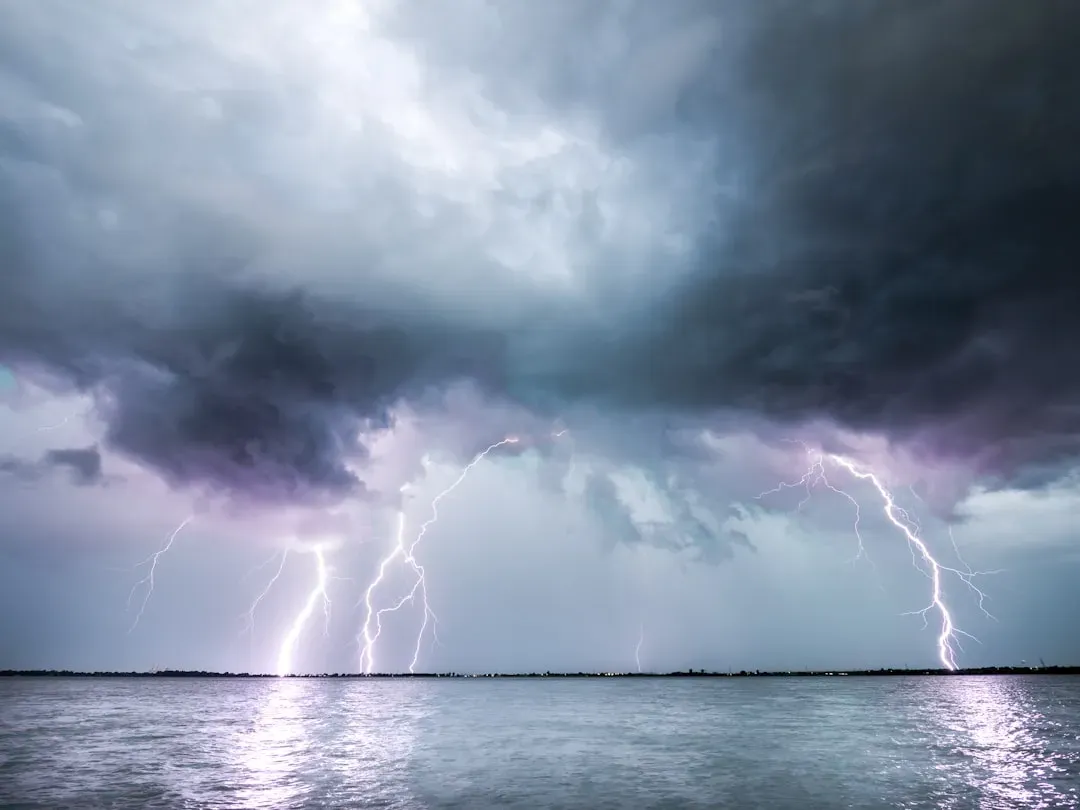
It sounds backward: storms are dangerous, yet many people report feeling calmer, safer, or even sleepy when thunder shakes the house. One big reason is predictability. A raging storm is loud but simple – there is one obvious threat outside, and your brain is no longer scanning a thousand subtle social and digital micro‑threats. Once you realize you cannot go anywhere or “be productive,” your nervous system often lets its guard down and shifts from constant problem‑solving into a rare, allowed stillness.
Another piece is sensory saturation. The sound of heavy rain, low thunder, and steady wind creates a kind of full‑body white noise that can drown out mental chatter. That steady roar can help mask background noises and thoughts, the way a waterfall drowns out everything else nearby. If you grew up somewhere with frequent storms, your brain may have also linked that soundscape with curling up on the couch, reading, or being with family, layering emotional safety on top of the physical experience. Over time, your body learns: storm equals permission to shut down and sink into calm.
Atmospheric Pressure Drops: The Invisible Switch Flipping Your Mood
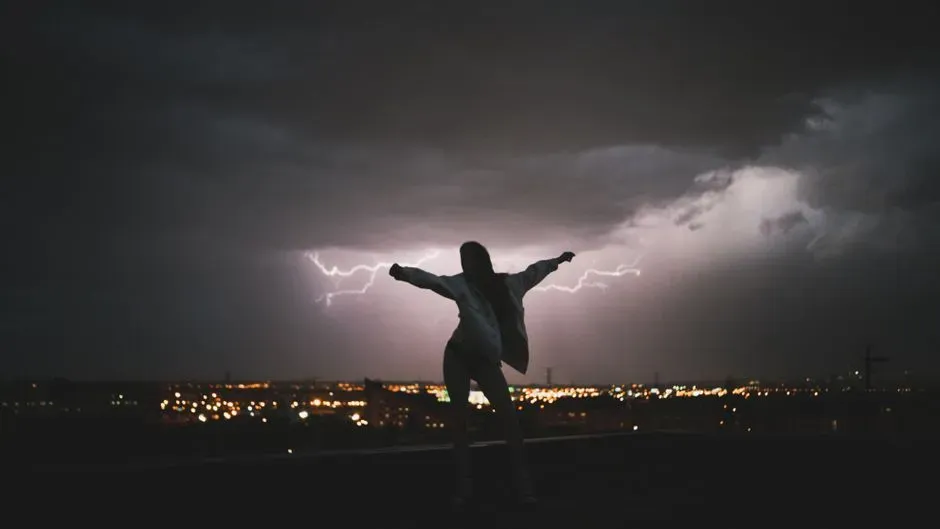
Long before the first thunderclap, the atmosphere starts to change. As a storm system approaches, barometric pressure usually falls, the air can feel heavier or slightly “thick,” and wind and humidity patterns shift. Many people with migraines, joint issues, or vestibular sensitivity notice these changes as headaches, joint pain, dizziness, or emotional agitation. That sensitivity, sometimes called meteorosensitivity, shows that the human body is not blind to pressure; we literally feel the atmosphere moving around us in our tissues and fluid‑filled spaces.
For some, though, that drop in pressure and incoming storm cues do the opposite of agitation – they trigger a feeling that the outside world is finally matching the inside. If you live with chronic anxiety or hyper‑vigilance, the baseline might already feel like a storm. When the real storm arrives, your brain can “relax into” a state it recognizes: danger is now external and concrete, not vague and invisible. The pressure drop, the dimmer light, and the sound of rain work together like a natural dimmer switch on your nervous system, dialing down the constant scanning and letting your body finally exhale.
From Hunters to Hiders: How Predators Use Weather – and How Prey Respond
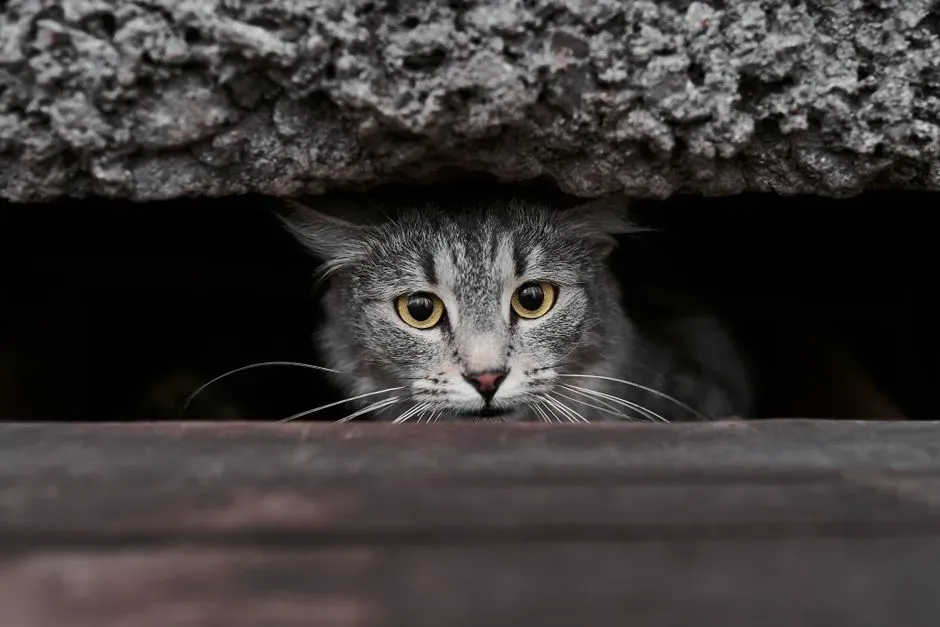
In the animal world, changes in weather are not just background noise; they are tactical information. Many terrestrial predators adjust their hunting behavior around shifts in light, wind, and barometric pressure. For example, lower pressure can mean windier, darker, or noisier conditions, which make it easier for a predator to approach without being seen, heard, or smelled. Prey animals know this too, and they often tighten their movements, seek cover, or become more jumpy when the air feels “off,” because historically those conditions have meant greater danger.
Humans, particularly in our evolutionary past, were part of this predator–prey dance. A drop in pressure ahead of a storm might have meant big herbivores moving differently, water sources changing, or shelter suddenly becoming the top priority. Our nervous systems evolved to interpret changes in sky and air as signals to shift strategy: stay hidden, hunt harder, or move quickly to safety. When you feel your body respond – heart rate changing, energy spiking or dropping – as a storm rolls in, you are essentially running an ancient program written for survival, not modern office life.
Why Calm Can Feel Safer Than Clear Skies: A Predator Logic Hidden in Modern Life
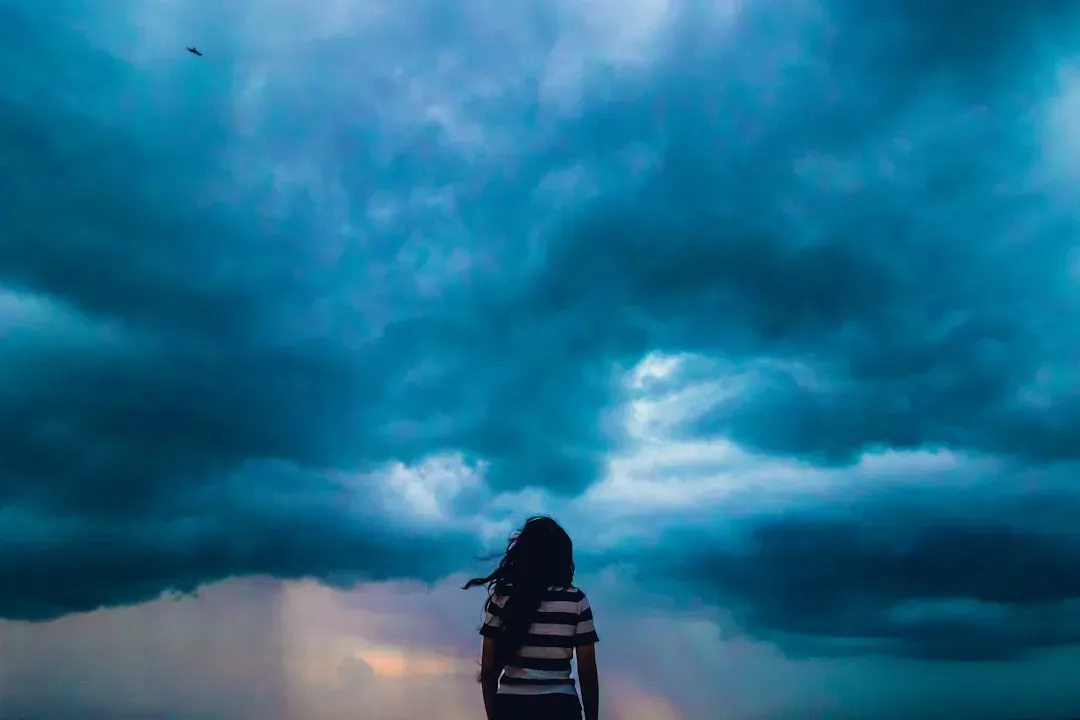
Here is the twist: in many ecosystems, predators do not bother hunting at the peak of a violent storm. Heavy rain and intense wind can reduce visibility and scent to the point that stalking becomes inefficient or even dangerous. So for prey animals, there can be a strange window where the worst of the storm is actually a brief reprieve from being hunted. The real danger is often just before or just after, when conditions are unsettled but still workable for predators. That logic – storm roaring equals short‑term safety – may be baked deeper into animal nervous systems than we realize.
Translating that into human psychology, your sense of calm during a thunderstorm might be echoing that same pattern. When the storm is fully overhead, there is a clear, singular event: stay put, stay low, do nothing risky. The ambiguity that stresses the human brain – too many possible threats from all directions – drops sharply. In that temporary tunnel of focus, your body may instinctively treat the storm like a shield. Predators, literal or metaphorical, are less likely to “hunt” you when everything shuts down, the streets empty, and nobody expects you to show up anywhere. That context can turn the storm into a rare pocket of perceived safety.
Enter the Zombie Fish: When the Abyss Stops Feeding Its Top Predator
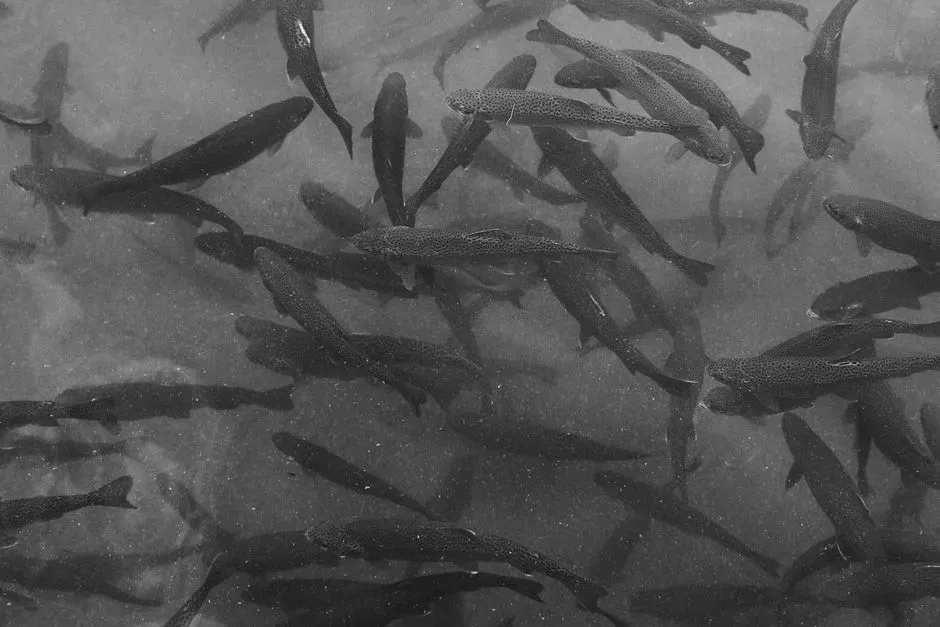
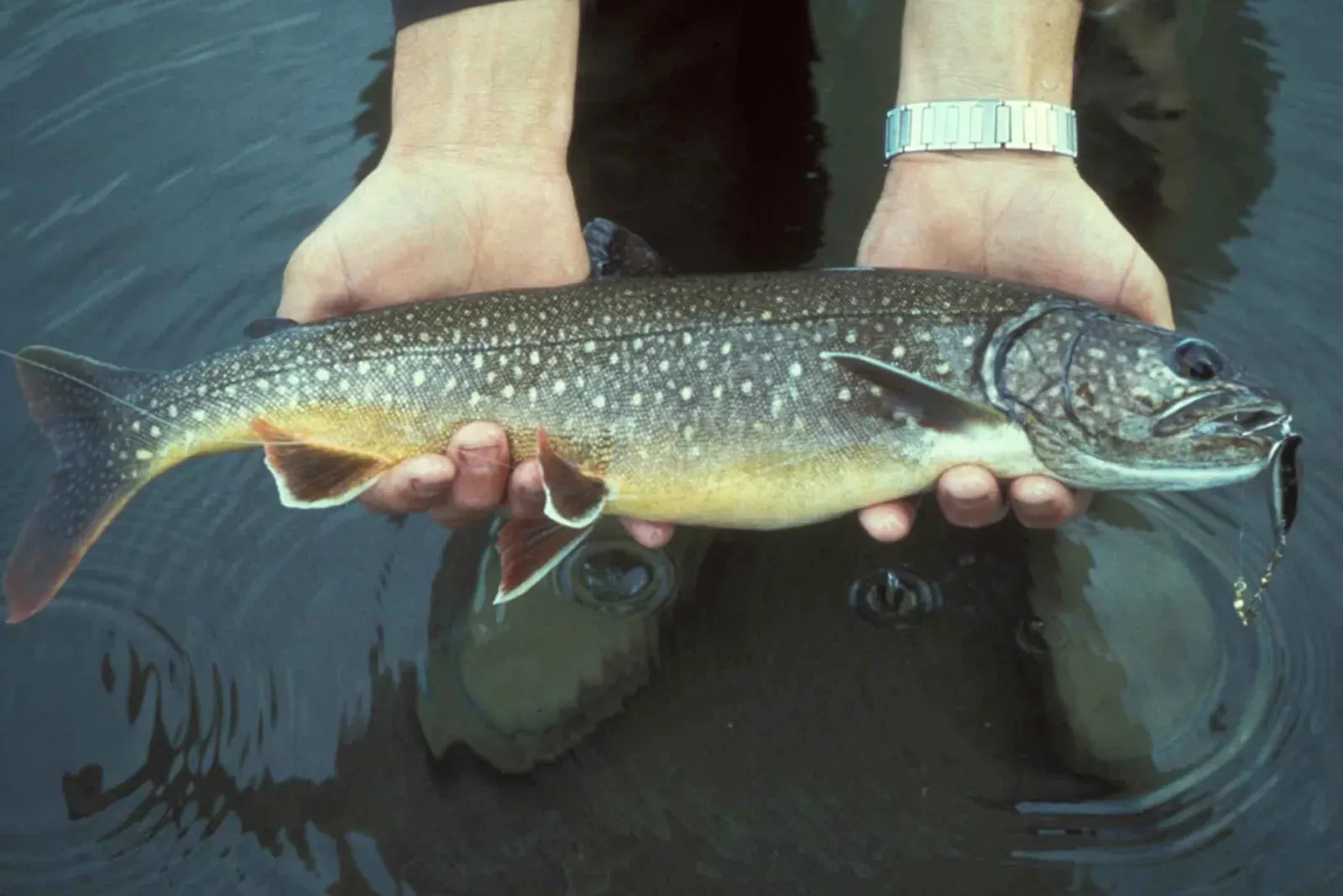
Now jump from storm clouds to the deepest parts of Lake Superior, where conditions are the opposite of your living room: silent, pitch‑black, and near‑freezing. There, biologists from the Michigan Department of Natural Resources and Michigan State University have been documenting a disturbing phenomenon in siscowet lake trout, a deep‑water, fat‑rich form of lake trout that usually thrives in the abyss. Instead of the robust, oily fish you would expect, they began finding extremely thin, hollow‑bellied individuals so wasted that observers started calling them zombie fish.
These siscowet are not zombies in any mystical sense; they are apex predators in slow‑motion collapse. Researchers report that over roughly the last decade, more and more of these emaciated fish have been showing up during deep‑water surveys. Their bodies are built to store large amounts of fat for life in dark, cold, high‑pressure water, but many are now turning up with sunken heads, protruding spines, and almost no reserves to draw on. The working suspicion is brutally simple: there is not enough food in the depths anymore, and the top predator is starving in a place that once reliably sustained it.
How Scientists Think About Zombie Trout: Food Webs, Not Horror Stories
When something at the top of a food web starts to fail, scientists look down the chain. In the case of siscowet lake trout, researchers from Michigan DNR and MSU are exploring several overlapping possibilities: fewer deep‑water prey fish such as ciscoes and sculpins, shifting invertebrate communities, disease, parasitism, contaminants like mercury, and even the indirect effects of invasive species that alter the base of the food web. The consistent theme is that these fish appear to be in an environment where the incoming energy – food – is no longer matching their metabolic demands.
Some surveys have suggested that smaller siscowet have shown declining body condition over time in certain Lake Superior management zones, hinting that whatever is happening is not just random bad luck for a few individuals but part of a trend. The “zombie” label grabs headlines, but researchers are careful to frame it as a sign of a stressed system, not a monster story. In plain language, a predator that once had a reliable buffet in the dark is now scraping by in a deep‑water desert, and its body tells the truth long before population numbers crash completely.
Parallels Between Storm Calm and Zombie Trout: The Body as an Environmental Sensor
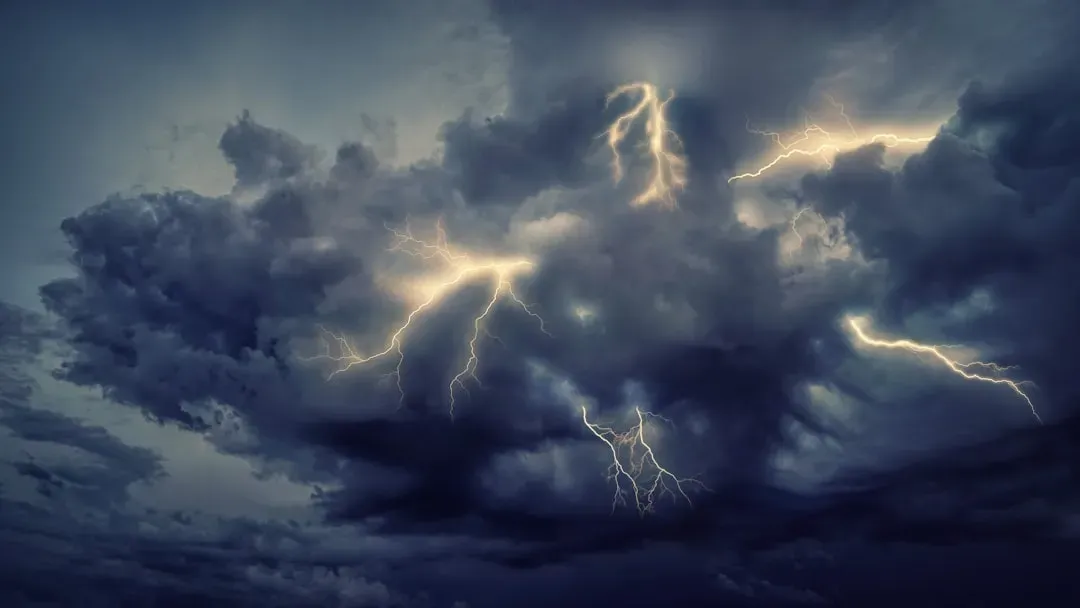
At first glance, your cozy storm‑day calm and a starving trout drifting through the abyss could not be more different. One is a psychological exhale on a couch; the other is a physiological emergency in near‑freezing water. But in both cases, the body is acting as an exquisitely tuned environmental sensor. Just as the trout’s wasting frame reflects a long‑term decline in deep‑water food availability, your sudden ease or anxiety as pressure drops before a storm reflects a nervous system reading subtle atmospheric cues and adjusting its internal settings accordingly.
In a way, both stories are warnings. Your unusual calm during storms might be a hint that your baseline life feels too much like being hunted – by deadlines, expectations, or chronic stress – and only when the outside world clearly shifts into “no‑go” mode do you feel allowed to rest. Meanwhile, the zombie siscowet show what happens when an ecosystem quietly erodes underneath a top predator: the pressure does not show up as panic, it shows up as emptiness, weakness, and eventual disappearance. In both humans and trout, by the time we finally notice the pattern, the environment has already been changing for a long time.
What This Says About Us: A Deeply Opinionated Take on Storms, Stress, and a Starving Lake
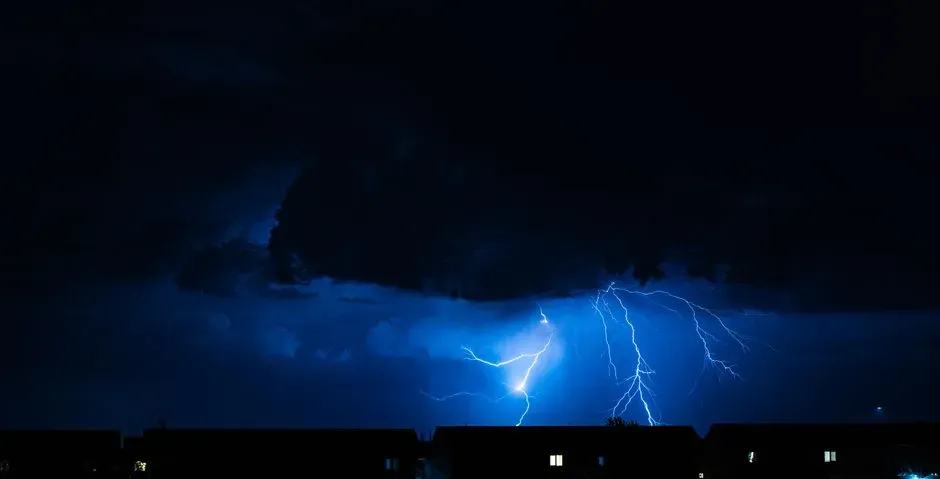
Here is the uncomfortable opinion: if the only time you feel truly safe is when a thunderstorm makes normal life impossible, that says more about the constant background pressure of your everyday environment than it does about the storm. We have built a culture where quiet is suspicious, idleness is shameful, and every clear day is an opportunity to grind harder. No wonder a violent storm feels like mercy. In predator terms, your nervous system may have accepted that the hunt never stops, and only a literal act of nature can convince it to stand down.
Out in Lake Superior, the zombie siscowet are a mirror we would be foolish to ignore. A top predator wasting away in what should be its element is a blunt message: when we push ecosystems past their quiet tipping points – through overfishing, contaminants, species introductions, and climate shifts – the breakdown shows up not as drama at first, but as chronic thinness, subtle declines, and things simply not thriving anymore. I think the storm calm and the zombie trout are both telling us the same thing: living systems are exquisitely sensitive, and they will signal distress long before collapse if we are willing to listen. The real question is whether we wait for the metaphorical thunder – or the empty nets – to finally make us pay attention.