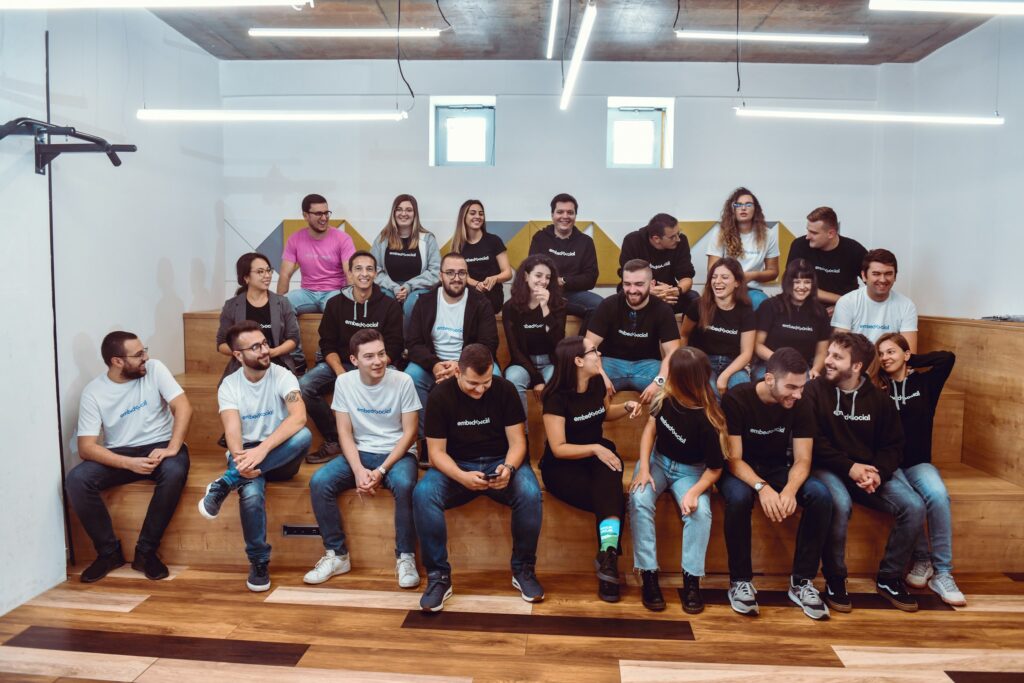

Think about the last time you instantly liked someone because they reminded you of a friend, or felt oddly tense around a stranger who seemed “different.” That snap judgment probably felt personal and specific, but psychology suggests something bigger is happening: your brain is quietly sorting the world into people who are with you, and people who are not. It is fast, automatic, and most of the time, you do not even notice it happening.
This habit of drawing a line between “us” and “them” is not a modern glitch, and it is not limited to politics or social media drama. It is an ancient mental shortcut built into how human groups survived and thrived. The uncomfortable truth is that everyone does it, even the most open-minded among us. The real question is not whether you divide people this way, but what you choose to do once you realize that you do.
Why Our Brains Love Categories (Even When They Hurt People)
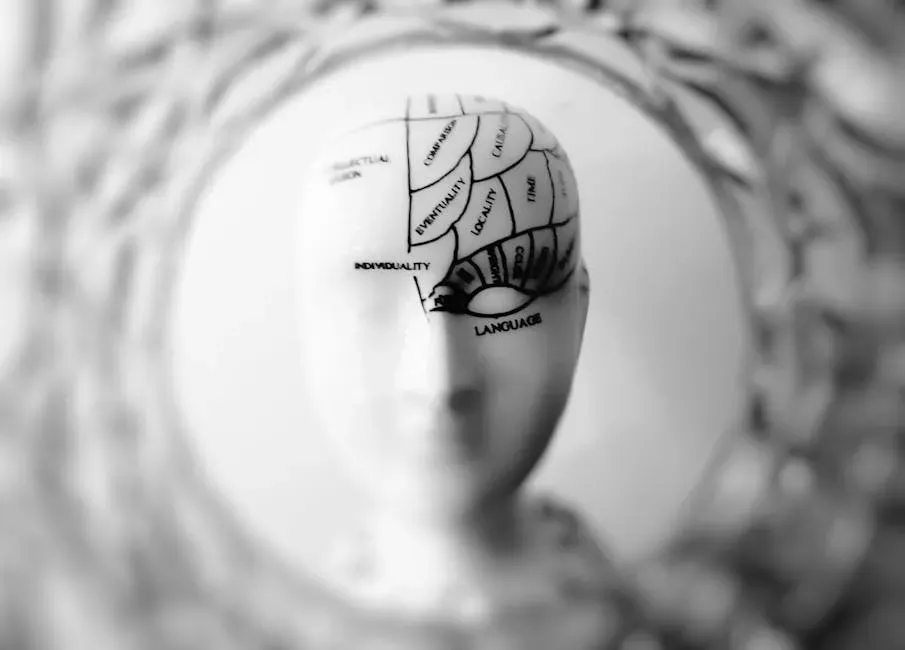
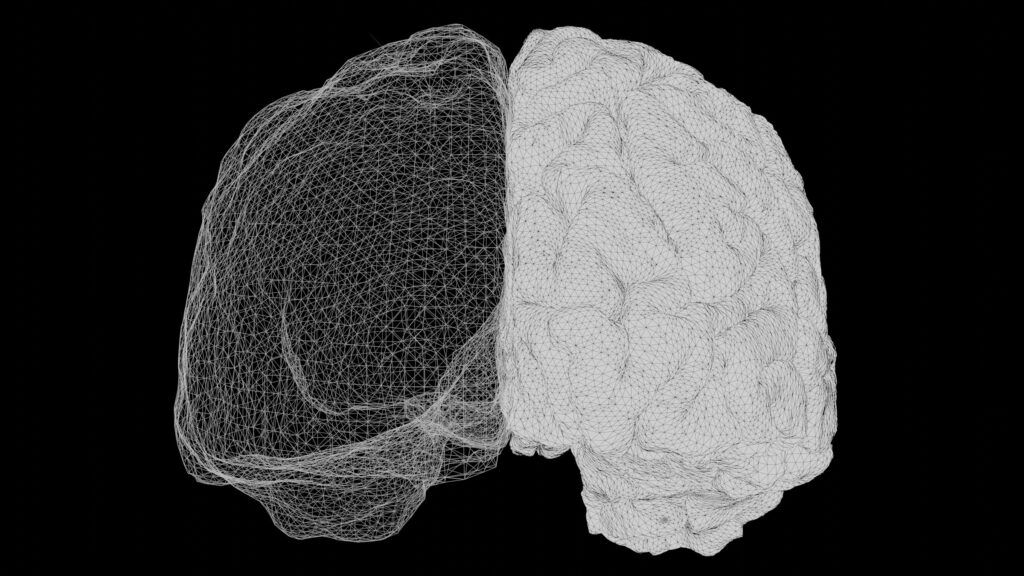
From a purely cognitive point of view, your brain is overloaded. Every second, you are hit with colors, faces, words, sounds, and social cues. To keep from melting down, the mind relies on shortcuts: it groups things into categories so you can navigate the world quickly. You do not think “here is a unique, never-to-be-repeated object”; you think “cup,” “car,” “dog,” “friend,” “stranger.” Social categories are part of this same efficiency system.
The problem is that what helps you make sense of chaos can also distort reality. When people get mentally filed into “us” and “them,” the brain starts exaggerating differences between groups and minimizing differences within them. Everyone in the outgroup starts to feel the same, like a flat character in a story you did not write. That is not because you are cruel by nature; it is because your mental sorting system runs faster than your reflective, ethical side – unless you deliberately slow it down.
The Evolutionary Roots of Ingroup and Outgroup Thinking
Imagine living tens of thousands of years ago in a small band of hunter–gatherers. Your survival depends on the people around you: the ones who share resources, warn you of danger, and defend you when things go bad. In that world, quickly recognizing who is “one of us” could literally mean the difference between life and death. Trusting the ingroup and being wary of outsiders was, in many contexts, a survival strategy, not a moral failing.
Psychologists and evolutionary theorists argue that this environment sculpted the social instincts we still carry. We are wired to bond strongly with our group and to treat that bond as sacred, even when we no longer face the same threats. Modern society is wildly different from the savanna, but the old software is still running in the background. That is why a disagreement on the internet can feel, on a gut level, weirdly like a threat instead of just a difference of opinion.
How Minimal Groups Reveal Our Built‑In Bias

One of the most striking findings in social psychology is how little it takes to trigger “us versus them” behavior. In classic lab experiments, people are randomly split into trivial groups – based on something as meaningless as preference for a painting – and then asked to allocate rewards. Over and over, participants favor their own group, even when it costs them the chance to maximize total benefit for everyone.
This “minimal group” effect shows that group loyalty switches on with almost no substance behind it. You do not need deep history or real conflict; your brain just needs a label. That is a bit terrifying, because it means biases can form around almost anything: sports teams, fandoms, brands, even whether you prefer cats or dogs. But it is also hopeful: if group boundaries are that flexible, maybe they are also changeable once we see what they are doing to us.
The Warm Glow of Belonging – and Its Dark Side

Belonging to an ingroup does something powerful to your emotional world. It gives you a sense of safety, identity, and purpose. Being part of “us” can feel like wrapping yourself in a warm blanket on a cold night: you know where you stand, and that feeling can be deeply comforting, especially when life outside is uncertain or stressful. I still remember moving to a new city and instantly feeling calmer the moment I found “my people,” even if we bonded over something as silly as a shared hobby.
But the same warmth that pulls you in can push others out. When loyalty becomes the highest value, fairness and empathy often get downgraded without you noticing. People will excuse almost anything if “one of us” does it, while demanding the harshest judgment when “they” do the same thing. This emotional double standard is not just an abstract concept – you can see it any time fans defend their favorite celebrity but tear down someone from a rival camp for nearly identical behavior.
Stereotypes, Shortcuts, and Why First Impressions Feel So Right

Once your brain decides who fits into “us” and “them,” it rarely stops at simple labels. It starts to attach traits: “We are honest; they are sneaky. We are open‑minded; they are extreme.” These stereotypes operate like mental shortcuts, allowing you to predict how others might behave without really knowing them. That is efficient, but it is also deeply misleading, because it treats whole groups as if they were single individuals with one shared personality.
First impressions feed off these shortcuts. When you meet someone new, your brain is not seeing a blank slate; it is matching their face, accent, clothes, or beliefs to patterns it already holds. That is why you can feel totally certain about a person you have known for five minutes and then be shocked later when they do not match your expectations. The impression was not just about them – it was about the mental script you carried in with you.
When “Us” and “Them” Turn Dangerous
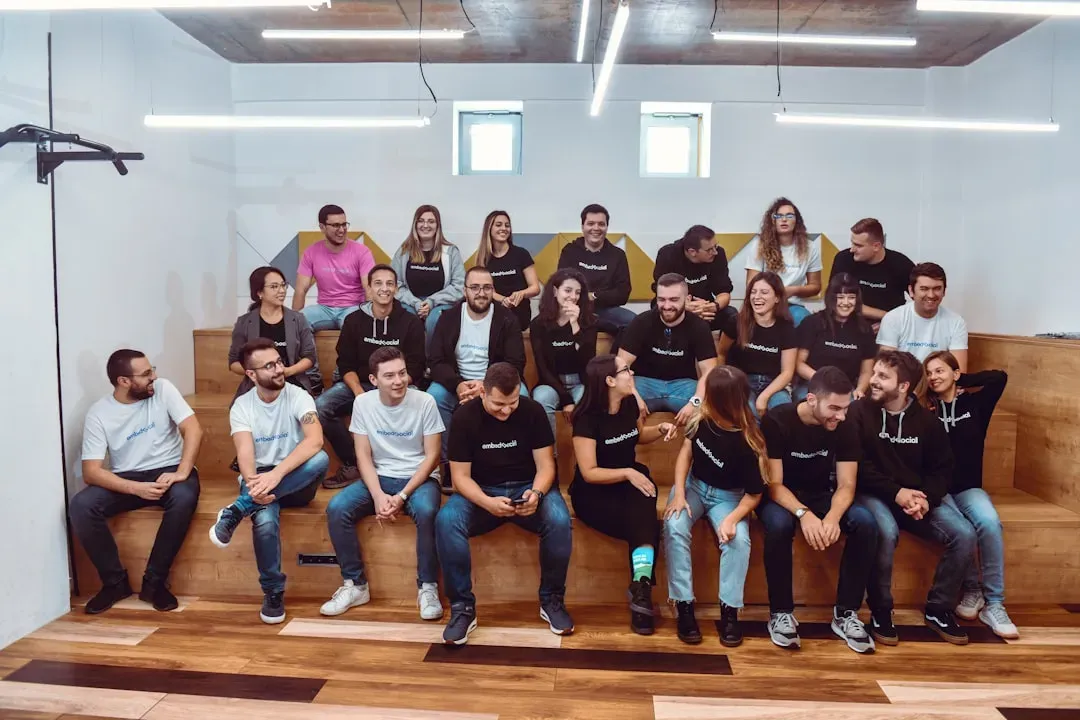
Most of the time, ingroup and outgroup thinking plays out in relatively small, everyday ways: cliques at school, office politics, online rivalries. But under the right conditions – fear, uncertainty, charismatic leaders stoking resentment – the same basic psychology can escalate dramatically. Outgroups can be painted as threats, less deserving, or even less human, which makes it much easier to justify cruelty or indifference to their suffering.
History is full of brutal reminders of what happens when this dynamic goes unchecked, from ethnic violence to large‑scale discrimination written into law. The scary part is that the psychological ingredients involved are not exotic or limited to “monsters.” They are the same building blocks that shape your loyalty to your closest friends and favorite communities. The difference lies in how they are directed, and whether anyone is there to question the story being told about who counts as “us.”
Good News: Our Groups Are More Flexible Than We Think

Here is the hopeful twist: the lines between “us” and “them” are not carved in stone. Studies find that when people are given a shared goal or a larger identity – like being part of the same team, city, or project – old divisions can soften surprisingly quickly. The same mind that once saw an enemy can, under new conditions, see a teammate. Think about how rival fans unite when their national team plays internationally; suddenly a bigger “us” appears.
On a smaller scale, personal contact across group lines can shift perceptions in a quiet but powerful way. When you actually know someone from a group you once saw as “other,” it gets much harder for stereotypes to stick. Their face, their story, their quirks start to override the flat image you held before. It is like switching from a low‑resolution photo to a high‑definition video: once you see the detail, you cannot go back to the blur without feeling that something is off.
How to Notice Your Own “Us vs. Them” Moments in Real Time
The first step out of automatic bias is not guilt; it is awareness. You cannot interrupt a habit you cannot see. One surprisingly effective move is to watch for emotional spikes: moments when you feel a sudden rush of defensiveness about “your” group, or an instant dismissal of someone from “the other side.” Those are red flags that the ancient mental script might be running the show more than you realize.
When that happens, you can pause and ask yourself a few blunt questions: What story am I telling myself about this person or group? How much of it is based on my actual experience, and how much is based on hearsay, media, or old assumptions? I have caught myself doing this in petty situations – like instantly siding with someone who shares my taste in music – and it is humbling. But that small moment of honesty is where choice enters the picture.
Practical Ways to Stretch Your Circle of “Us”
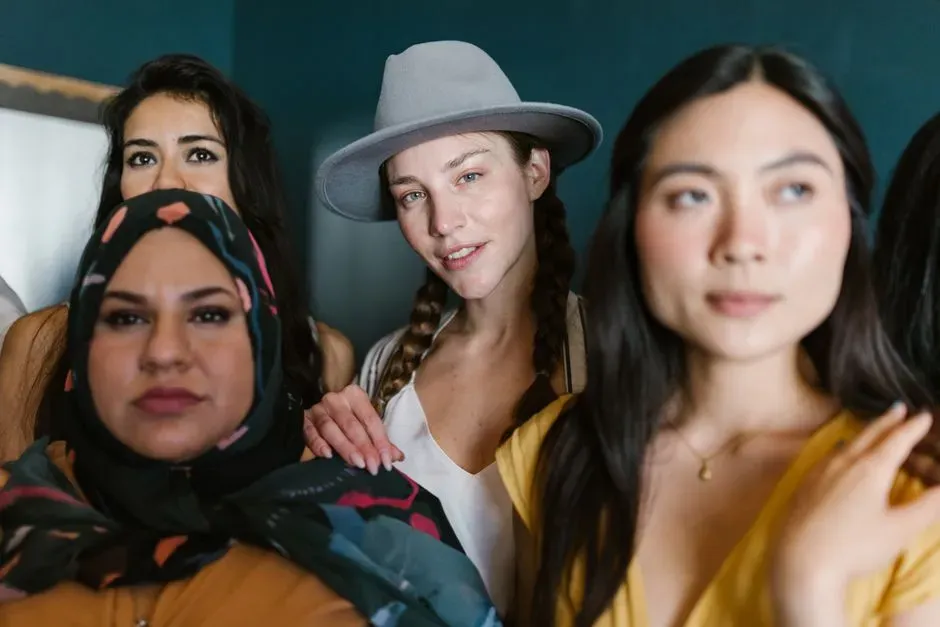
It is easy to say we should be more inclusive; it is harder to build habits that make it real. One practical strategy is to deliberately expose yourself to stories and voices from outside your usual circles, not as a form of punishment, but as a curiosity exercise. Instead of doom‑scrolling people you already agree with, spend a little time reading or listening to someone with a different background or viewpoint and try to understand what their world actually feels like.
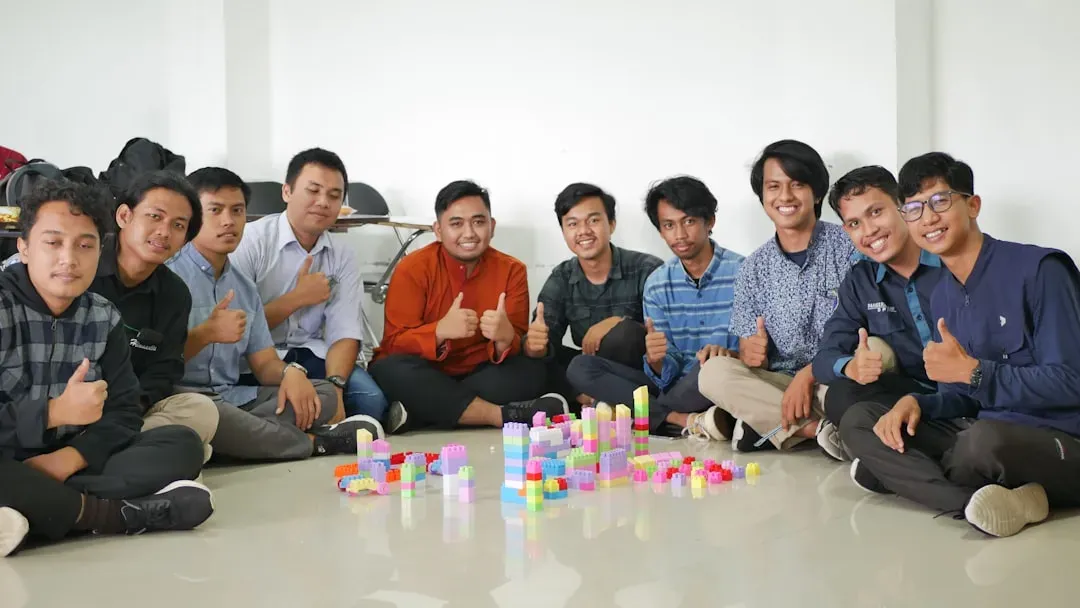
Another concrete move is to look for shared goals, however small. Working with someone from a “them” group on a project, volunteering together, or even playing on the same rec‑league team can quietly rewire how you see them. You do not have to love every opinion they hold, but cooperating toward something you both care about transforms the relationship from “adversary” to “ally in at least one domain.” Over time, those small expansions can turn your idea of “us” into something much larger, and much more interesting, than the version you started with.
Conclusion: Ancient Instinct, Modern Responsibility
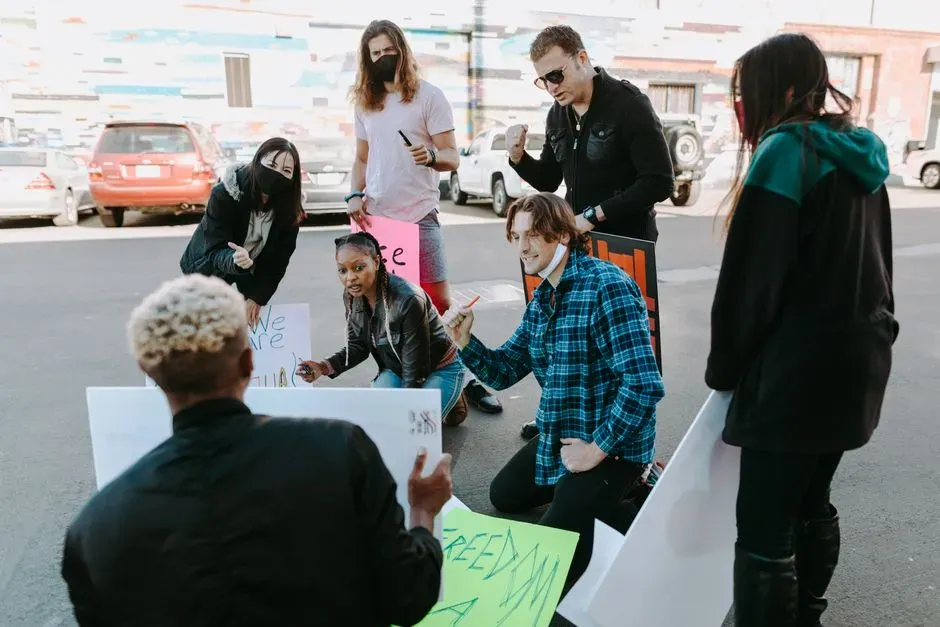
I think we underestimate just how old and stubborn our “us versus them” wiring really is. We talk about prejudice as if it only lives in hateful people, when in reality the raw material lives in everyone’s nervous system, including the kindest among us. That does not excuse harmful behavior, but it does change the story: the real moral test is not whether you have bias, but whether you are willing to see it, name it, and take responsibility for what you do with it.
In a way, modern life is asking us to do something our ancestors never had to do: live in massive, diverse societies while constantly expanding our sense of who counts as “one of us.” That is hard work, and it will never be perfectly finished, but it is also one of the most meaningful projects we have. If we do not wrestle with this ancient habit, it will keep quietly steering our choices from the shadows. If we do, maybe “us” can start to mean something bigger than it ever has before – who do you want to be included when you say “we”?