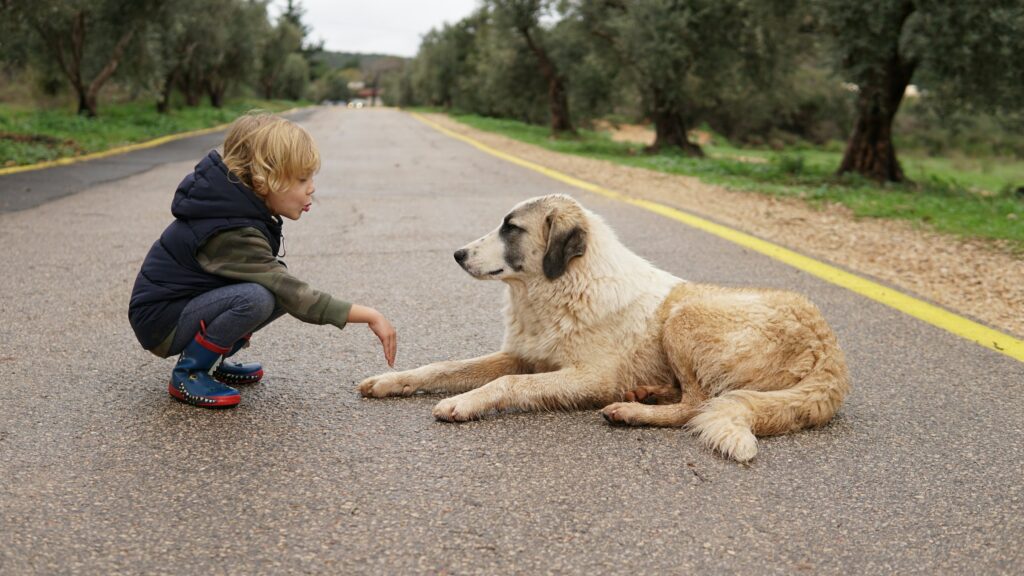

Picture a child frozen on the sidewalk because a neighbor’s gentle dog walked too close. Minutes later, after tossing a ball and giggling at sloppy kisses, that same child is suddenly asking if you can get a puppy. It feels almost magical, like someone flipped a switch inside their brain. In a way, that is exactly what happened: a fast, powerful recalibration deep in the emotional center called the amygdala.
In recent years, psychologists and neuroscientists have been exploring why fear of animals in kids can melt away so dramatically after one warm, extended interaction. It turns out the brain treats living creatures as a special category, updating threat assessments for them much faster than for things like heights, darkness, or loud noises. The science behind that is both surprisingly technical and deeply human, and it has huge implications for how we help kids grow up brave, compassionate, and emotionally resilient.
Why So Many Children Are Afraid of Animals in the First Place
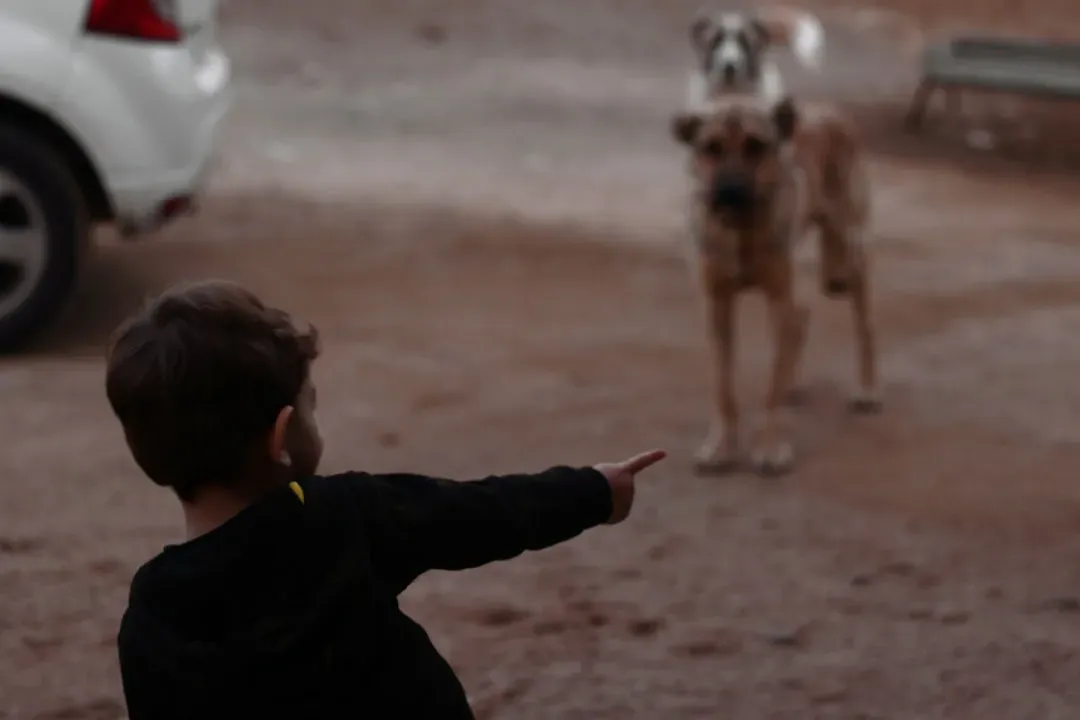
Children are not born terrified of every animal, but their brains are wired to pay special attention to creatures that move, stare back, or make unpredictable sounds. From an evolutionary perspective, that makes sense: for most of human history, animals could either feed you or harm you, so being cautious around them was a survival advantage. Even a child who has never had a bad encounter with a dog may still get uneasy around barking, fast movement, or big teeth on display.
Modern life adds extra layers to that. Kids might learn fear indirectly from an anxious parent who tenses up when a dog walks by, or from dramatic media where animals are shown as dangerous, dirty, or wild. Sometimes all it takes is one frightening moment – a dog jumping up, a cat scratching, a goose chasing – to plant a strong emotional memory. After that, the child’s brain tags “animals like this” as potentially threatening, and the amygdala reacts quickly whenever a similar creature appears again.
The Amygdala: Tiny Structure, Huge Emotions
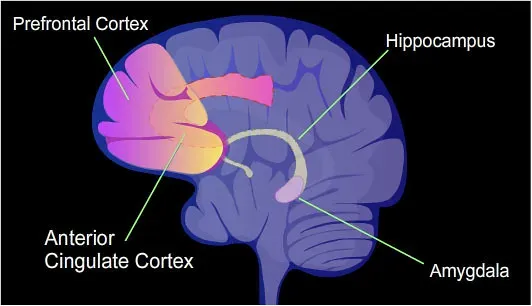
At the center of this story is the amygdala, two small almond-shaped structures buried deep in the brain. Despite their size, they play a starring role in detecting threats, generating fear, and tagging experiences with emotional significance. When a child sees a dog run toward them, the amygdala helps decide whether this is a harmless friend or something to be afraid of, often before the child has time to think it through logically.
What makes the amygdala so powerful is its speed. It receives rough, rapid information from the senses and can trigger a fear response – faster breathing, tense muscles, a racing heart – before the more thoughtful parts of the brain can weigh in. That is why a child may scream and hide even if they know, intellectually, that “this is a nice dog.” Their thinking brain and their emotional brain simply are not on the same page yet.
Why the Brain Treats Living Creatures as a Special Category
The brain does not handle all threats equally. There is strong evidence that humans are especially tuned to living things – particularly animals and other humans. Our visual systems, our attention, and our emotional circuits are all more reactive to moving, animate beings than to static objects like chairs or buildings. You notice a spider on a wall or a bird swooping low far faster than you notice a harmless stain on the floor.
This “animate advantage” is not just about noticing; it also affects learning. Because animals are unpredictable, our brains seem to prioritize updating our expectations about them. If a dog that once barked now lies calmly and accepts gentle pets, the child’s nervous system treats that as important new data. That makes intuitive sense: rapidly revising your opinion about a living thing that can either bite you or befriend you is far more urgent than updating your feelings about, say, an elevator or a thunderstorm.
How a Single Extended Positive Interaction Can Rewrite Fear
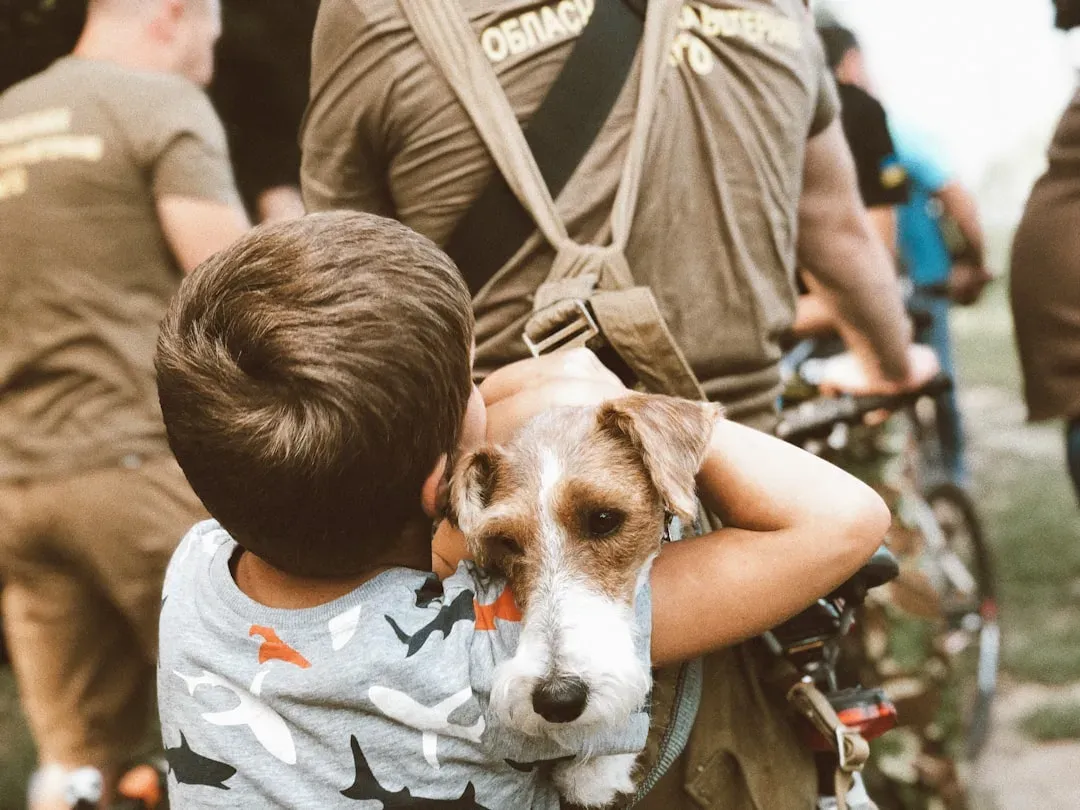
Here is where things get fascinating for parents and caregivers: one long, positive encounter with the feared animal can change everything. When a child spends twenty or thirty minutes around a calm, well-managed animal – watching it, slowly approaching, eventually touching or playing with it – their brain collects a flood of disconfirming evidence. The feared creature is not attacking, not chasing, not even particularly interested in hurting them. Instead, it is sniffing, wagging, purring, or just quietly existing.
During that extended window, the amygdala is still on alert but gradually learns that the expected threat is not materializing. That mismatch between “what I was bracing for” and “what actually happened” is powerful. With enough time and repetition within that single interaction, the emotional weight of “dog equals danger” starts to shift toward “dog equals okay” or even “dog equals fun.” The child does not just “get used to it” – their brain genuinely updates its internal threat map.
Exposure, Not Forcing: The Subtle Art of Doing This Safely
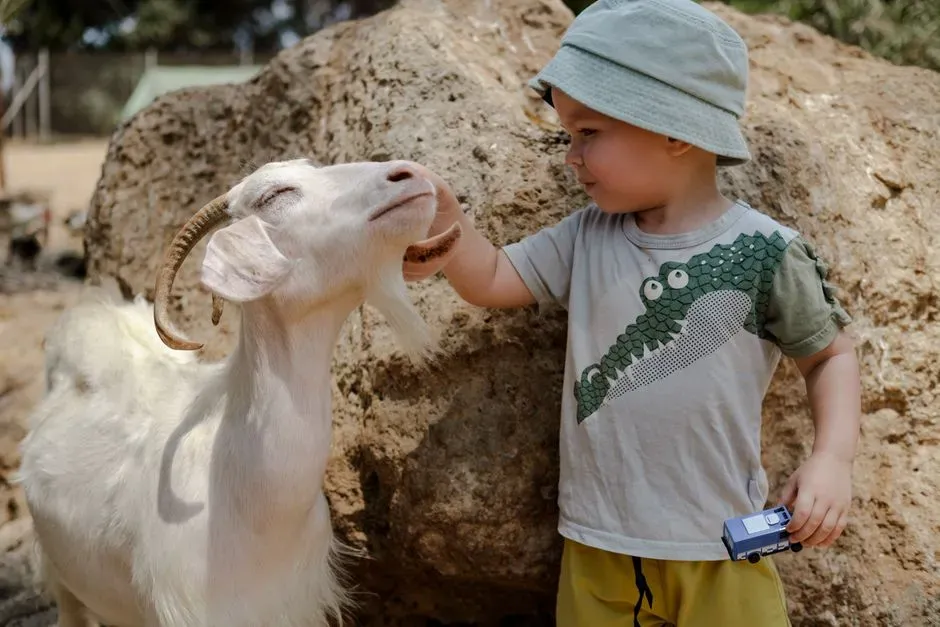
It is tempting to think the cure is simply to push kids toward animals until they stop being scared, but that approach backfires quickly. If a child is overwhelmed – forced to pet a dog while crying or cornered by an animal they cannot escape – the amygdala learns the opposite lesson. Instead of updating toward safety, it doubles down on danger, and the fear may become more entrenched. The key is controlled, gentle exposure that respects the child’s pace.
In practice, that might mean starting with watching the animal from a distance, then moving a little closer, then maybe tossing a treat, touching the animal briefly, and finally engaging in play. The extended positive interaction is not just about time; it is about giving the child predictability and choice. When they decide when to step closer, when to reach out a hand, and when to stop, their brain encodes not just “this animal is safe” but also “I can handle this.” That combination is what actually dissolves fear.
Why Animal Fears Often Shift Faster Than Other Childhood Fears

Parents are often stunned that a child who has been terrified of dogs for years can suddenly become comfortable after one afternoon with a particularly patient golden retriever. Yet the same child may stay scared of thunderstorms or elevators for months, even with repeated reassurance. Part of the reason is that you cannot easily orchestrate a long, controlled, positive interaction with thunder or a malfunctioning elevator in the same way you can with a living, responsive animal.
Animals, unlike storms or heights, can respond to the child’s behavior, offering gentle feedback and cues. A dog that rolls over, a rabbit that nuzzles a hand, a horse that lowers its head all send clear signals of non-threat and even affection. The amygdala seems especially sensitive to this social, reciprocal information. That rich interaction makes it easier for the brain to conclude, fairly quickly, that the old fear template no longer fits and needs to be revised.
The Role of Adults: Modeling Calm, Curiosity, and Respect

As obvious as it sounds, the adults in the room can either turbocharge this process or quietly sabotage it. When kids see a parent approach an animal calmly, speak gently, and set firm but relaxed boundaries, they learn that this is something to be explored, not escaped. On the other hand, if a parent stiffens, yanks the child away, or loudly warns about danger every time a dog appears, the child’s amygdala takes that as extra confirmation that fear was justified.
The sweet spot is a kind of confident respect: acknowledging that animals are not plush toys, modeling how to read their body language, and showing kids how to say “no” or step back if they feel overwhelmed. From my own experience, the moment I stopped saying “Don’t be scared, it’s fine” and started saying “I can see this feels scary; let’s watch from here together and you can decide when you’re ready” was the moment kids actually moved forward on their own. The brain seems to update fear much more easily when a child feels seen, not shamed.
When Fear Does Not Vanish Instantly (And Why That Is Okay)

The story that children “almost always” lose their fear after one extended positive interaction is inspiring, but it is not a magic spell. Some kids have more sensitive nervous systems, a history of traumatic encounters, or co‑occurring anxiety that makes fear more sticky. For them, one long session with a calm dog might soften the edges of terror but not erase it. They may need several extended interactions, spread out over weeks or months, before their amygdala fully trusts the new information.
That does not mean the process is failing; it just means their brain is more cautious about updating its threat ledger. In these cases, working with a therapist who understands exposure and child anxiety can make a big difference. What matters most is that each interaction is overwhelmingly safe, predictable, and at least somewhat positive, even if the child only manages to stand at the doorway and watch. Over time, each of those experiences is like a small vote in favor of safety, and eventually the balance can shift.
From Fear to Affection: How the Same Circuit Can Build Empathy
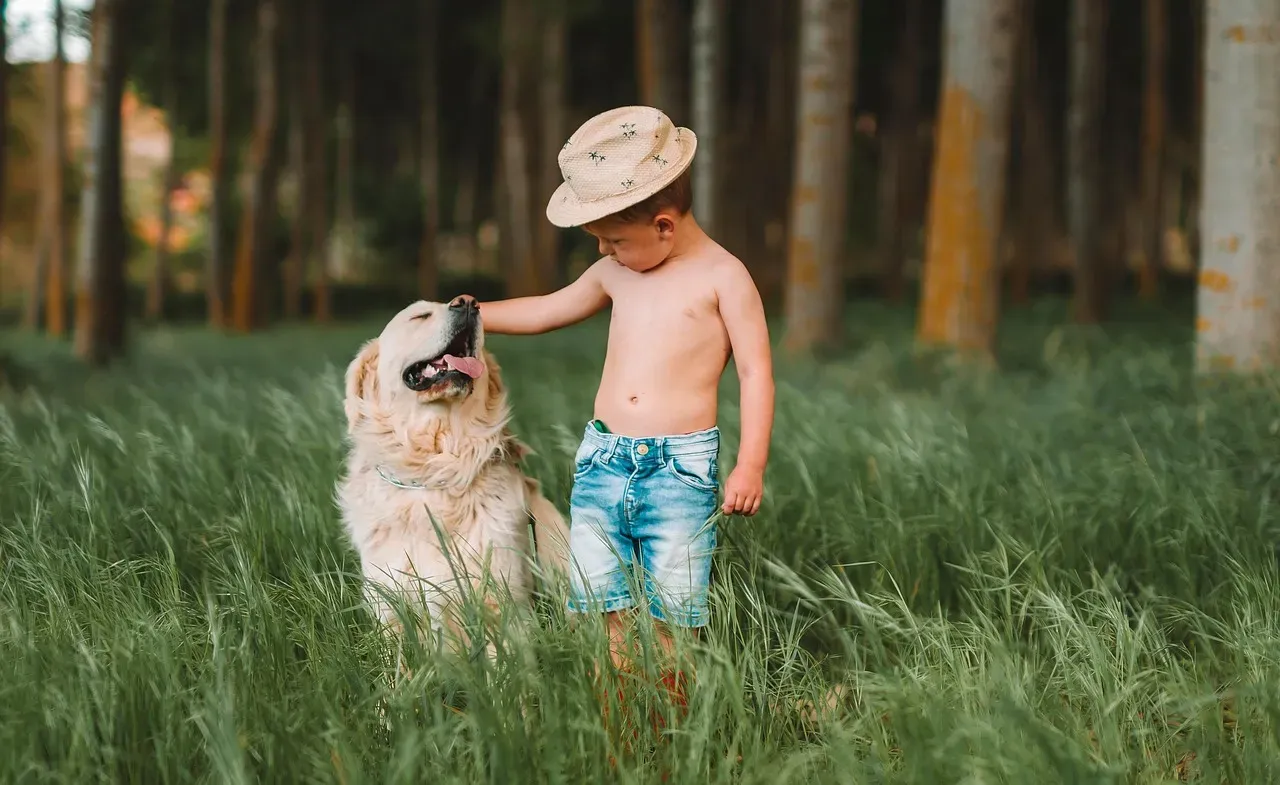
One of the most beautiful side effects of helping a child overcome fear of animals is what happens next. Once the amygdala stops screaming “danger,” the child is free to notice other things: the softness of fur, the warmth of a sleepy body, the shimmer of personality in an animal’s eyes. The same neural systems that once fueled vigilance can now support empathy and attachment. A dog is no longer just a possible threat; it becomes a friend, a playmate, even a member of the family.
This shift matters far beyond cute photos. Kids who feel comfortable around animals often show more spontaneous caretaking behaviors and curiosity about other living beings. They ask if the dog is scared of thunder, if the cat feels lonely, if the rabbit likes being held that way. That widening circle of concern is one of the quiet ways emotional development unfolds. The brain that once braced for attack now leans toward understanding and connection, and that is a powerful transformation to witness.
Conclusion: A Fast-Changing Brain, If We Give It the Right Moments
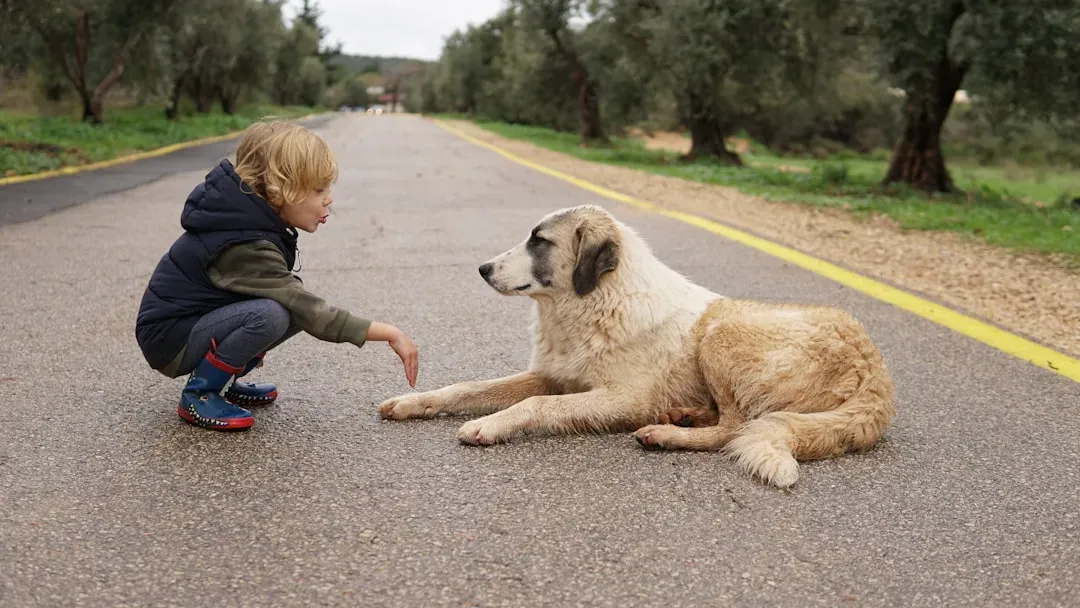
Underneath all the technical talk about amygdalas and threat assessments is a simple, hopeful truth: children’s brains are remarkably willing to change their minds when reality gives them a fair chance. The idea that one extended, gentle, positive encounter with an animal can flip long‑standing fear is not just heartwarming; it is a reminder that the emotional patterns we see in kids are rarely permanent. With the right conditions – time, safety, respect, and a responsive living creature – their inner alarm systems can reset far faster than most adults expect.
If anything, we tend to underestimate how ready children are to outgrow their fears when we stop forcing, start listening, and create the right experiences. I am firmly of the opinion that we should lean into that plasticity: not by throwing kids into the deep end, but by patiently walking with them into new, slightly scary, deeply rewarding encounters with other living beings. The next time a child hides behind your legs at the sight of a dog, you might quietly wonder: how different could things look after just one really good afternoon together?