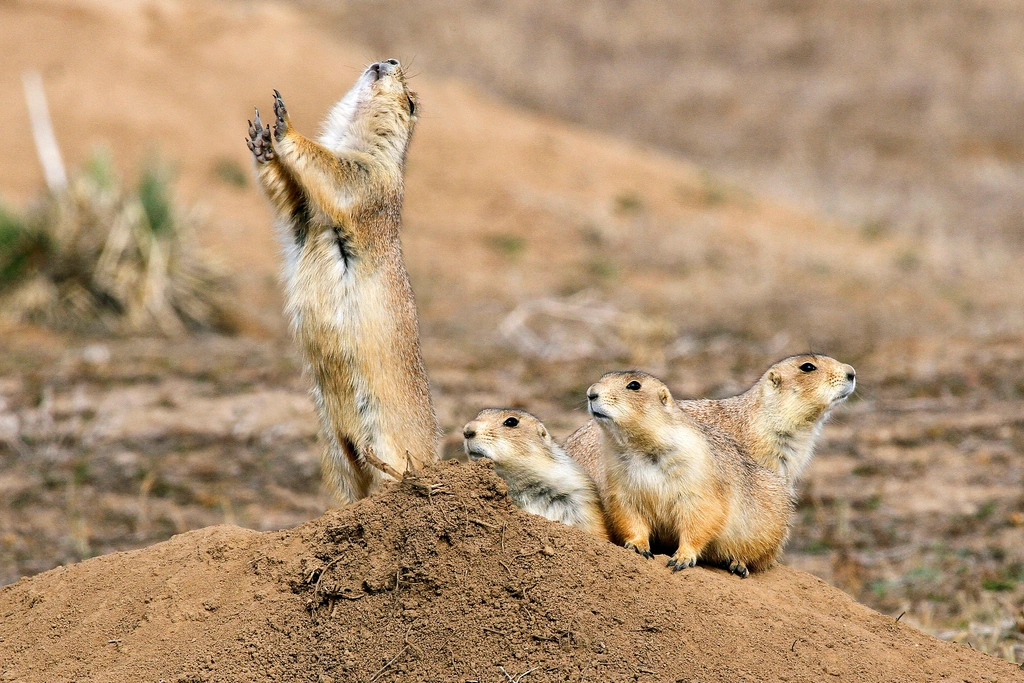

Imagine standing on a sun-drenched grassland, the air buzzing with life, when suddenly a chorus of high-pitched chirps erupts from tiny creatures darting between the burrows. At first, it sounds like random noise, but what if those calls are more than just simple warnings? What if, hidden within those squeaks and chitters, lies a language as intricate and nuanced as our own? Prairie dogs, the unassuming architects of North America’s prairies, have stunned scientists with their astonishing ability to communicate using a system that mirrors the grammar rules found in human language. Their world is alive with meaning, coded in sounds we are only just beginning to decipher.
The Unexpected Sophistication of Prairie Dog Communication
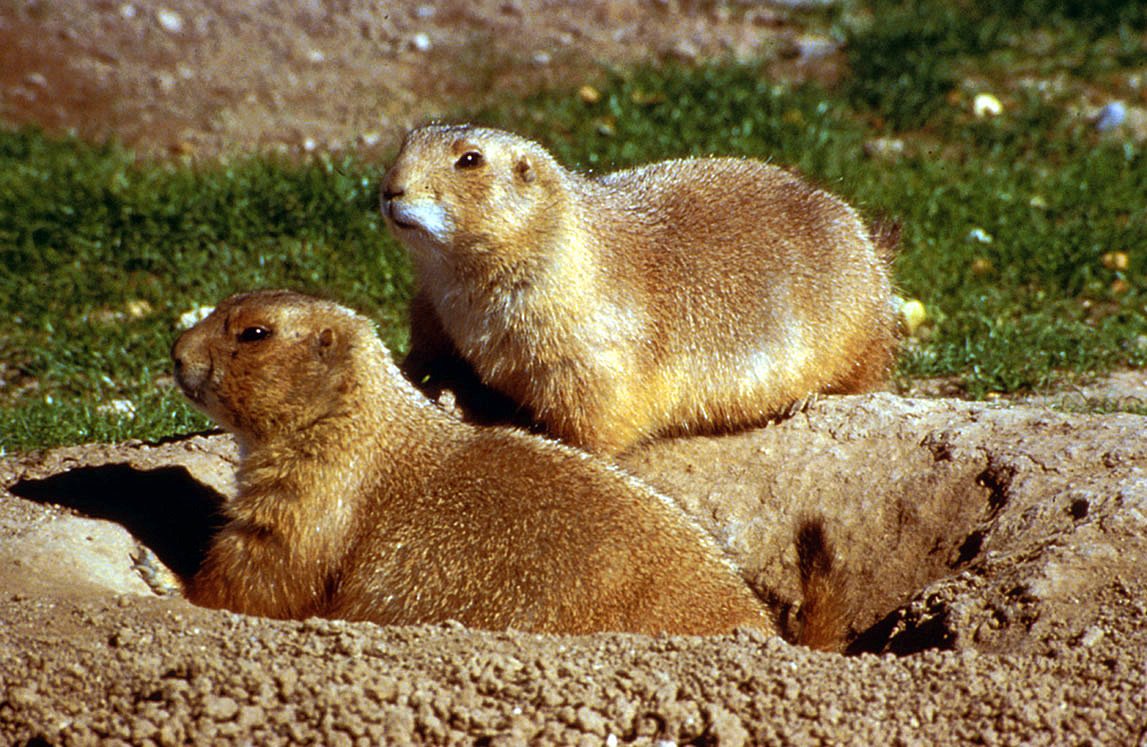
Prairie dogs may appear to be just another rodent, but their vocalizations have baffled and fascinated researchers for decades. Unlike the simple alarm calls of many animals, prairie dog sounds are packed with detail and structure. These creatures can describe not only the presence of a predator but also its species, size, color, and even how fast it’s moving. Each call is a tightly woven tapestry of information, a testament to the complexity of their social lives. Their communication system is so advanced that it challenges our understanding of what animal language can be.
How Scientists Deciphered Prairie Dog Language
Unlocking the secrets of prairie dog speech required years of patient observation and cutting-edge technology. Biologists set up microphones around colonies, recording thousands of calls during predator encounters. By playing back these sounds and analyzing the prairie dogs’ reactions, scientists discovered distinct patterns that corresponded to specific threats. Advanced computer analysis revealed that these calls weren’t just random noises but followed consistent rules and structures. It was a groundbreaking moment, suggesting that prairie dog language operates with its own internal logic, much like a spoken human language.
Describing the World in Vivid Detail
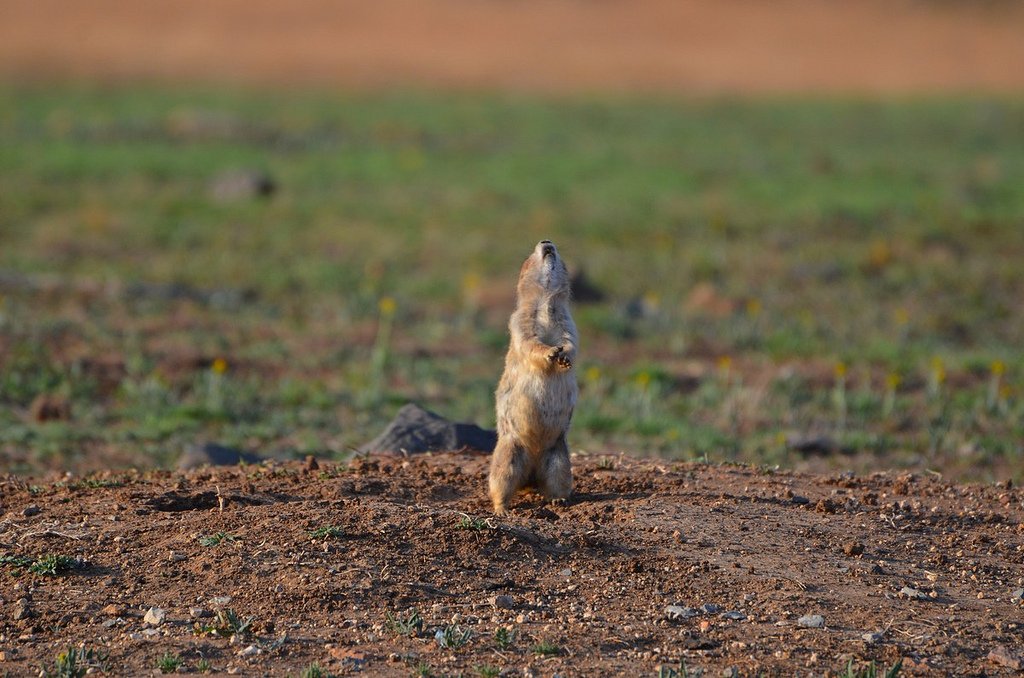
One of the most surprising discoveries about prairie dog language is how descriptive it can be. When a human walks through a colony, the prairie dogs don’t just sound a generic alarm—they communicate details such as whether the person is tall or short, what color clothes they’re wearing, and even if they’re carrying an object. This level of specificity is rare in the animal kingdom. It’s as if each prairie dog is a tiny reporter, broadcasting live updates about the world around them to their neighbors, ensuring everyone is prepared for whatever danger—or curiosity—approaches.
Grammar and Syntax: More Than Random Chatter
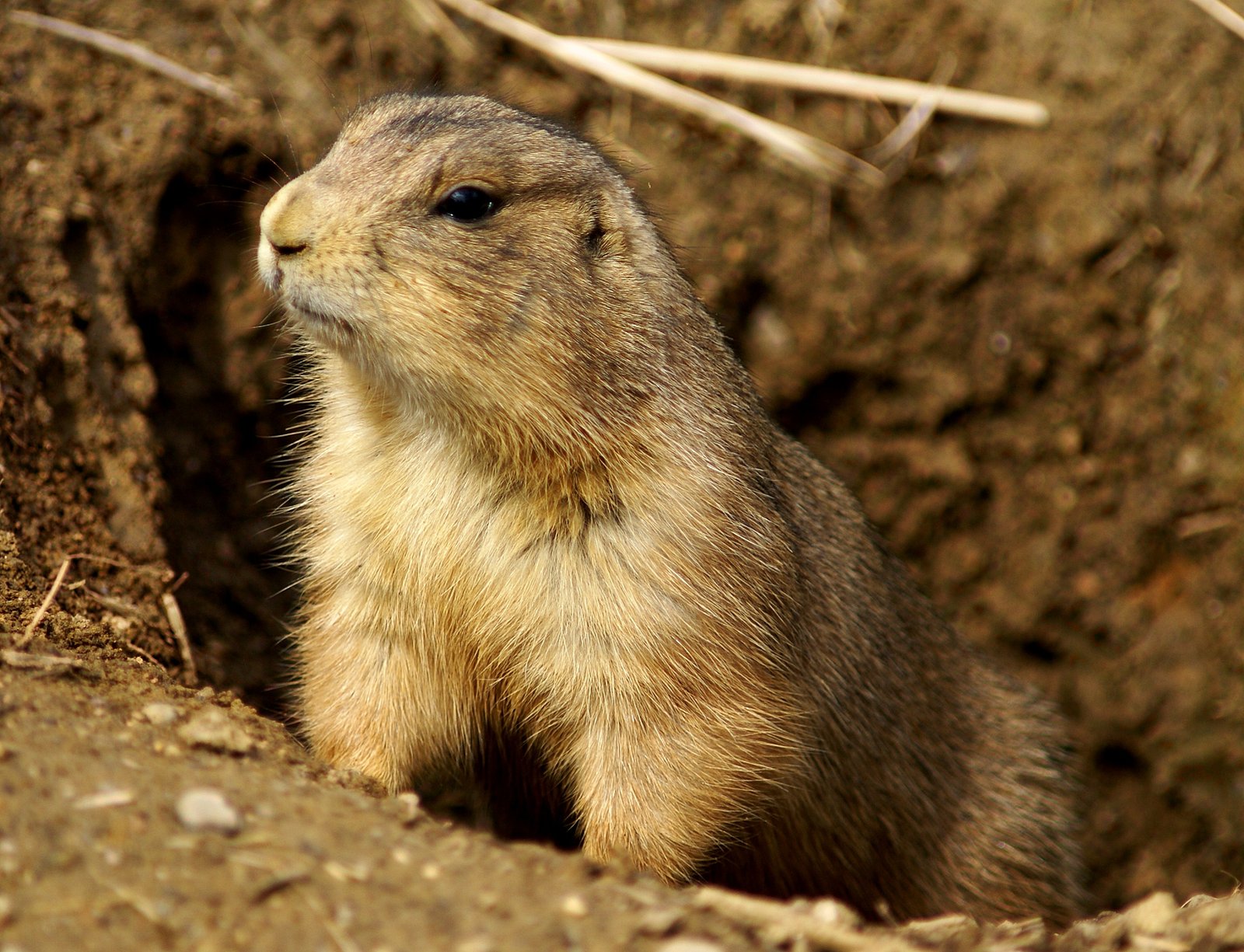
Perhaps the most remarkable aspect of prairie dog communication is the presence of grammar-like rules. Each call is constructed from different sounds arranged in a specific order, much like words in a sentence. If the order is changed, the meaning can shift dramatically, just as it does in human language. This discovery shattered the old belief that animal calls are simple, fixed signals. Instead, prairie dog chirps are more like sentences, where a change in structure can indicate a new meaning, such as the difference between “there is a coyote” and “the coyote is running.”
Regional Dialects and ‘Accents’ in the Prairie
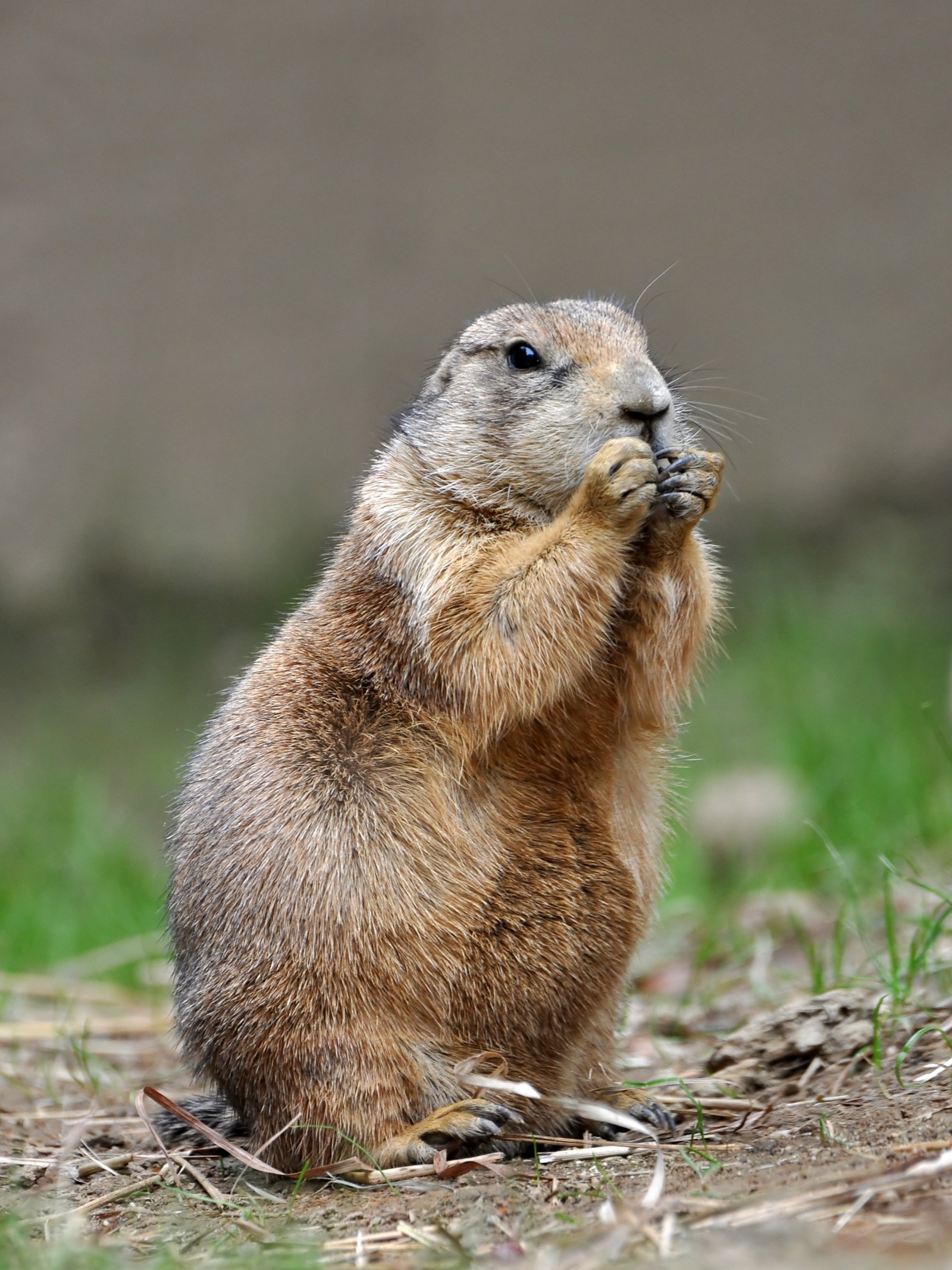
Just as humans from different places have distinct accents and dialects, prairie dogs from various colonies develop their own ways of speaking. A call in one town might sound subtly different from the same call in another, even when describing the exact same threat. These differences can be so pronounced that a prairie dog might have trouble understanding a visitor from another colony. This linguistic diversity shows how prairie dog communication evolves with their environment and community, highlighting a vibrant culture beneath the surface of the grasslands.
Why Such a Sophisticated Language?
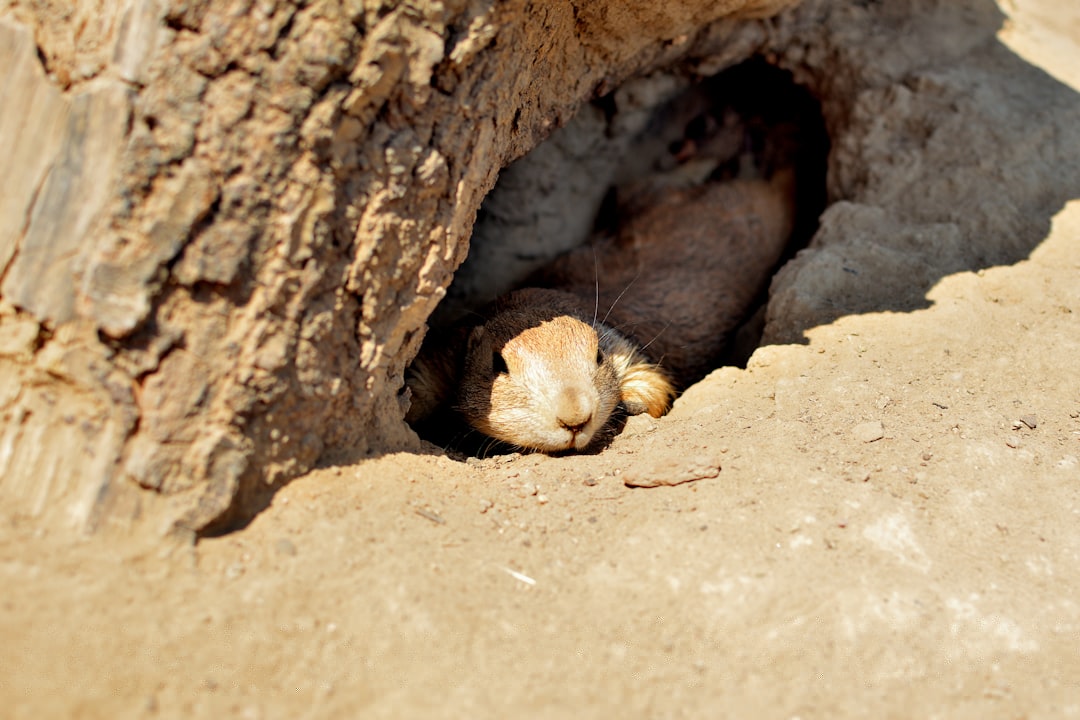
The question arises: why do prairie dogs need such a complex way of communicating? Living in tightly knit colonies with hundreds of members, prairie dogs rely on teamwork and social bonds to survive. Their language helps them coordinate, warn each other, and even teach young pups about dangers. In a world filled with predators like hawks, snakes, and coyotes, having a rich vocabulary and clear grammar can mean the difference between life and death. Their language is not just for survival, but also for strengthening the social fabric of their communities.
Prairie Dogs: Social Architects of the Plains
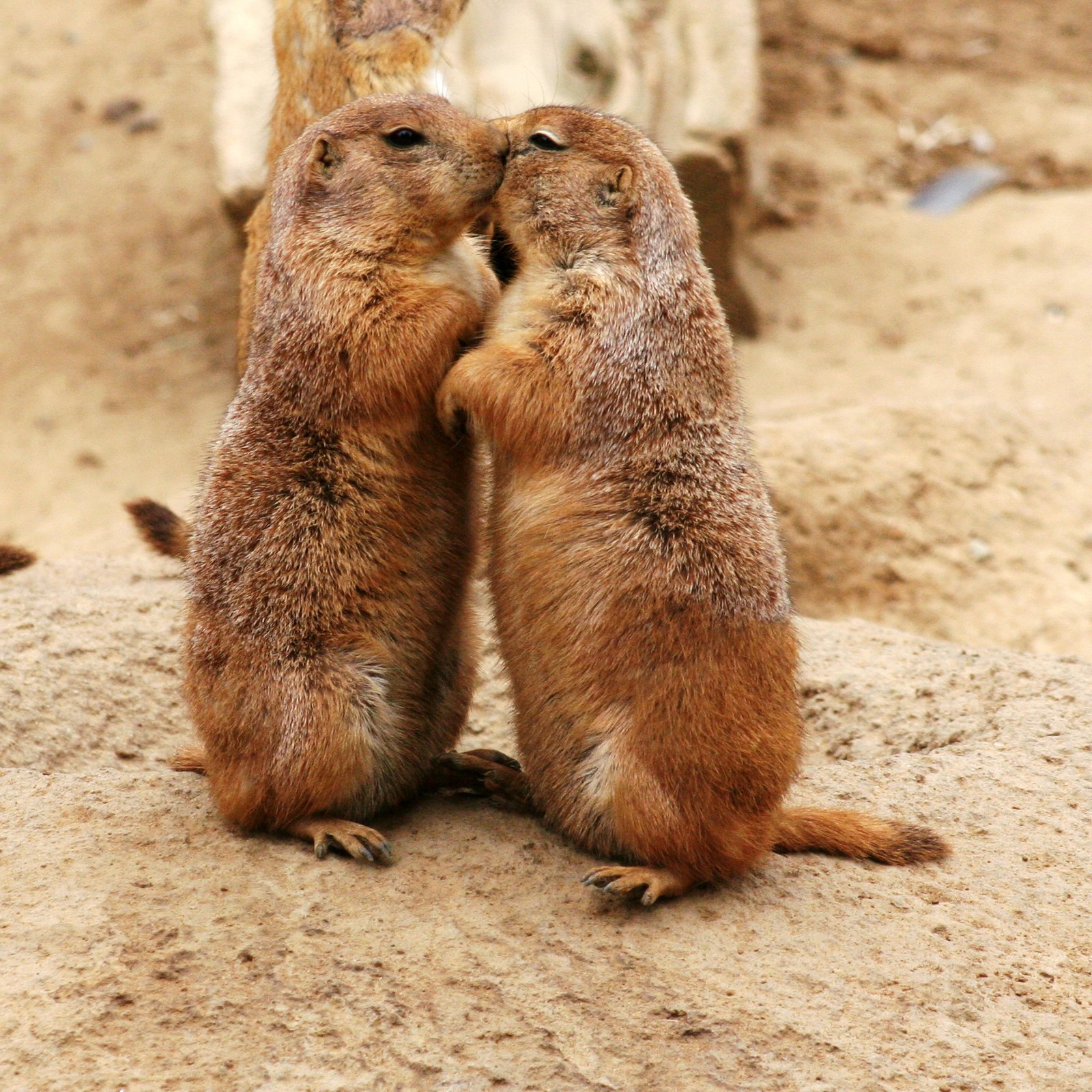
At the heart of every prairie dog town is a strong sense of community. Their language is a reflection of their highly social nature, which includes grooming, playing, and even mourning the loss of a colony member. Communication is constant, whether they’re alerting others to danger or simply chatting during quiet moments. In many ways, their spoken world is a mirror of their social world—complex, dynamic, and deeply interconnected. These interactions make prairie dog colonies some of the most socially advanced animal societies on the continent.
Learning the Language: A Prairie Dog’s Upbringing
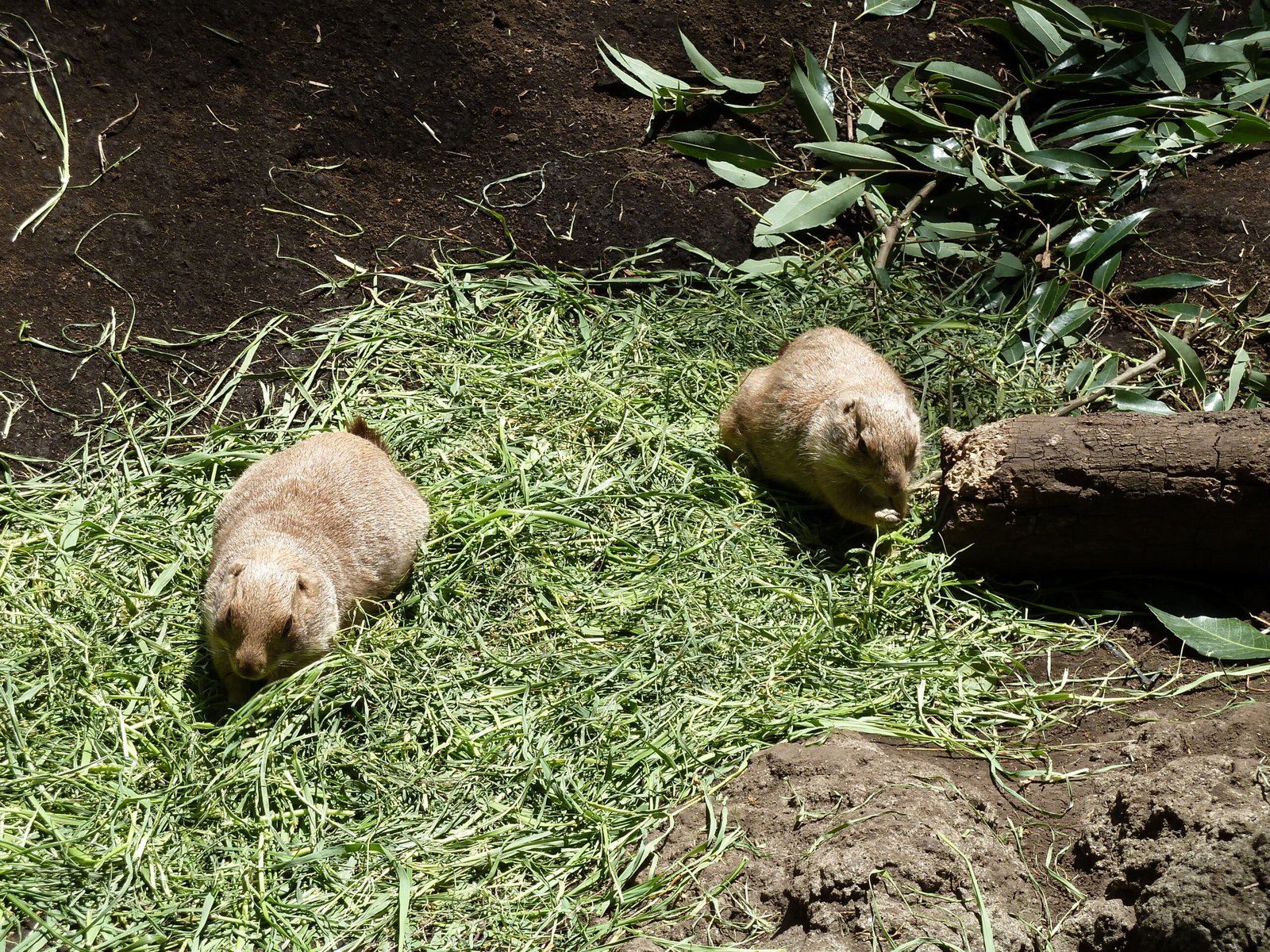
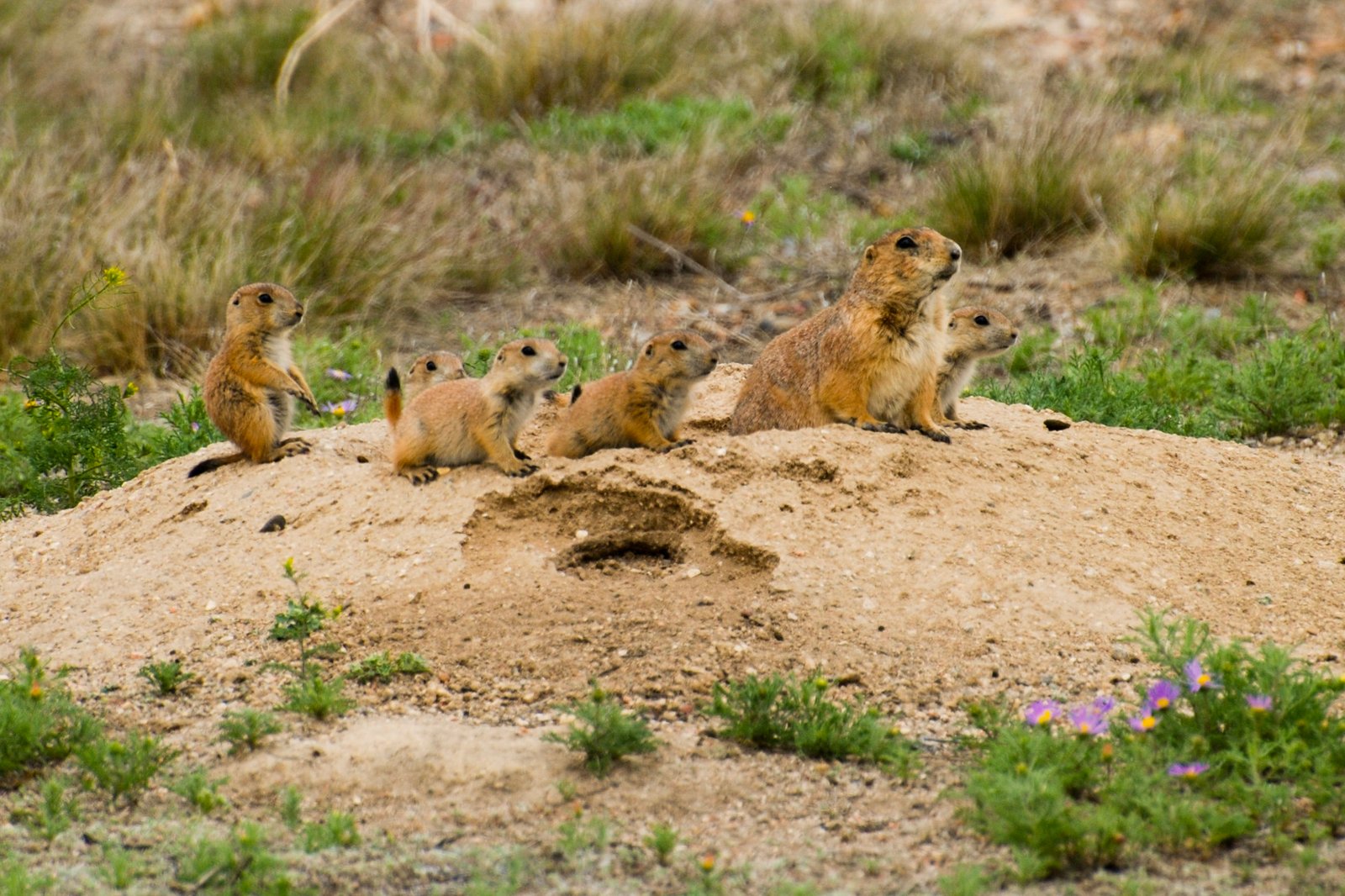
Young prairie dogs aren’t born knowing the colony’s dialect; they learn it through constant exposure and practice. Baby prairie dogs listen closely to the adults, gradually picking up the subtle differences in calls and the rules for putting them together. This process of learning by listening is surprisingly similar to how human children acquire language. The young practice by mimicking adults, making mistakes and refining their communication over time until they master the local “grammar.” This ability to learn and adapt language is a sign of true intelligence.
Implications for Understanding Animal Intelligence
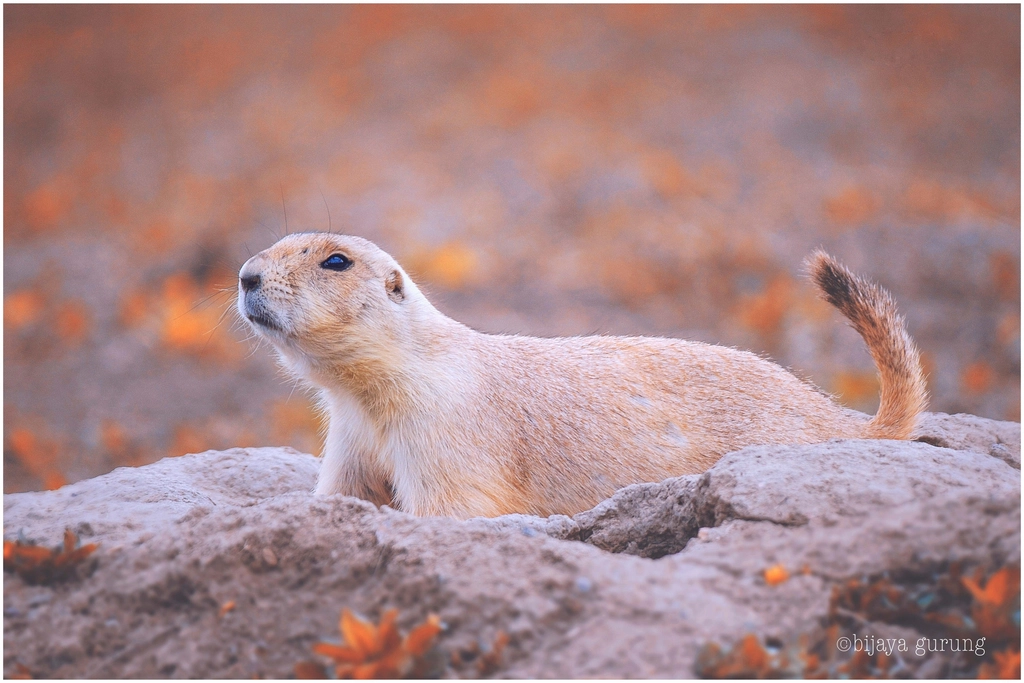
The discovery of grammar-like rules in prairie dog language forces us to rethink what animals are capable of. For centuries, humans believed that true language was our exclusive domain, setting us apart from the rest of the animal kingdom. Prairie dogs, however, blur these boundaries, showing that intelligence and complex communication can evolve in unexpected places. Their language offers a glimpse into the roots of our own ability to share ideas, tell stories, and build societies.
What Prairie Dogs Teach Us About Ourselves
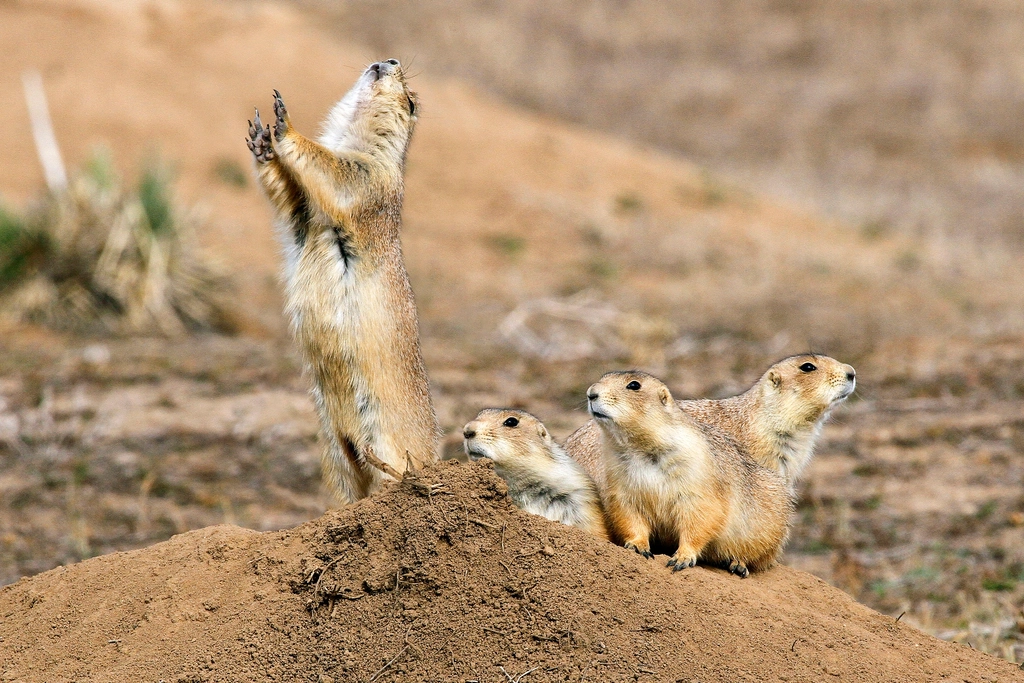
In the end, prairie dogs are more than just furry residents of the grasslands—they are living proof that language and social complexity are not uniquely human traits. Their world is filled with meaning, emotion, and connection, reminding us that the gap between humans and animals may not be as wide as we once thought. Next time you hear the chatter of a prairie dog colony, imagine the stories being told just beneath the surface. What other secrets might the animal world be hiding, waiting for us to listen?