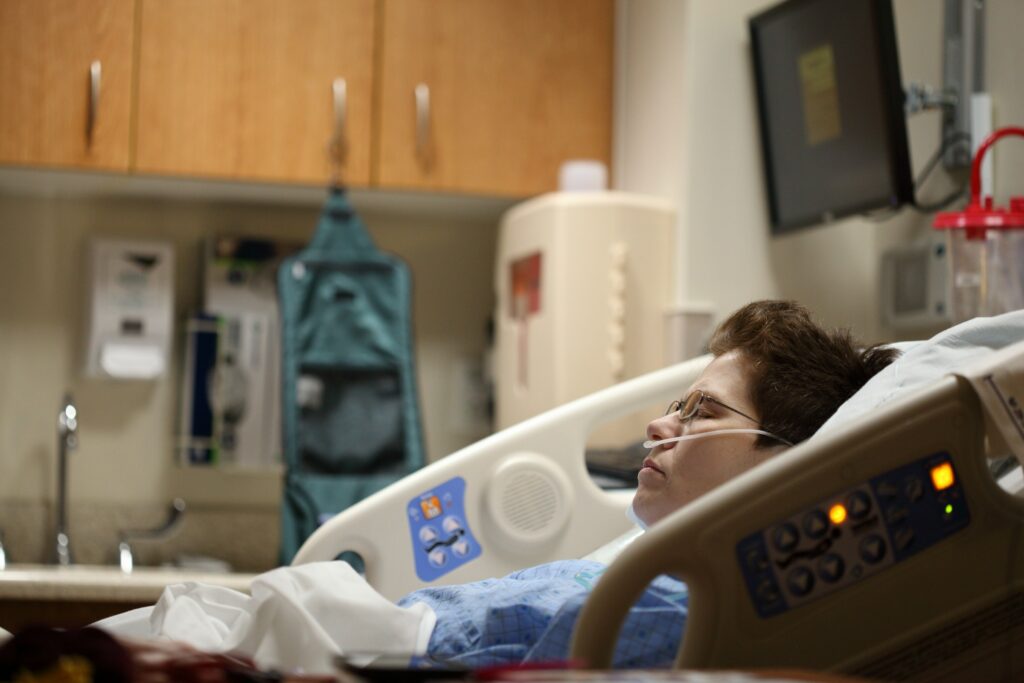

Imagine lying in a hospital bed, completely still, unable to move, speak, blink on command, or give the slightest sign that you are “in there” – and yet, in your mind, you hear every word, understand every conversation, and even try to respond. For a long time, medicine assumed that if someone could not show any outward sign of awareness, then there was none. That assumption has now been shattered by a series of brain-scanning studies that are as unsettling as they are inspiring.
Using nothing but brainwaves, some patients diagnosed as being in a vegetative state have followed complex instructions and even answered questions. No hand squeeze. No eye movement. No nod. Just patterns of neural activity lighting up inside the skull. It forces us to confront a deeply uncomfortable possibility: consciousness can be completely hidden from all external observation, and yet still be fully present. Once you really let that sink in, our entire way of thinking about brain injury, personhood, and even death suddenly feels a lot less stable than it did before.
The Shocking Discovery: “Unresponsive” Does Not Mean “Unconscious”
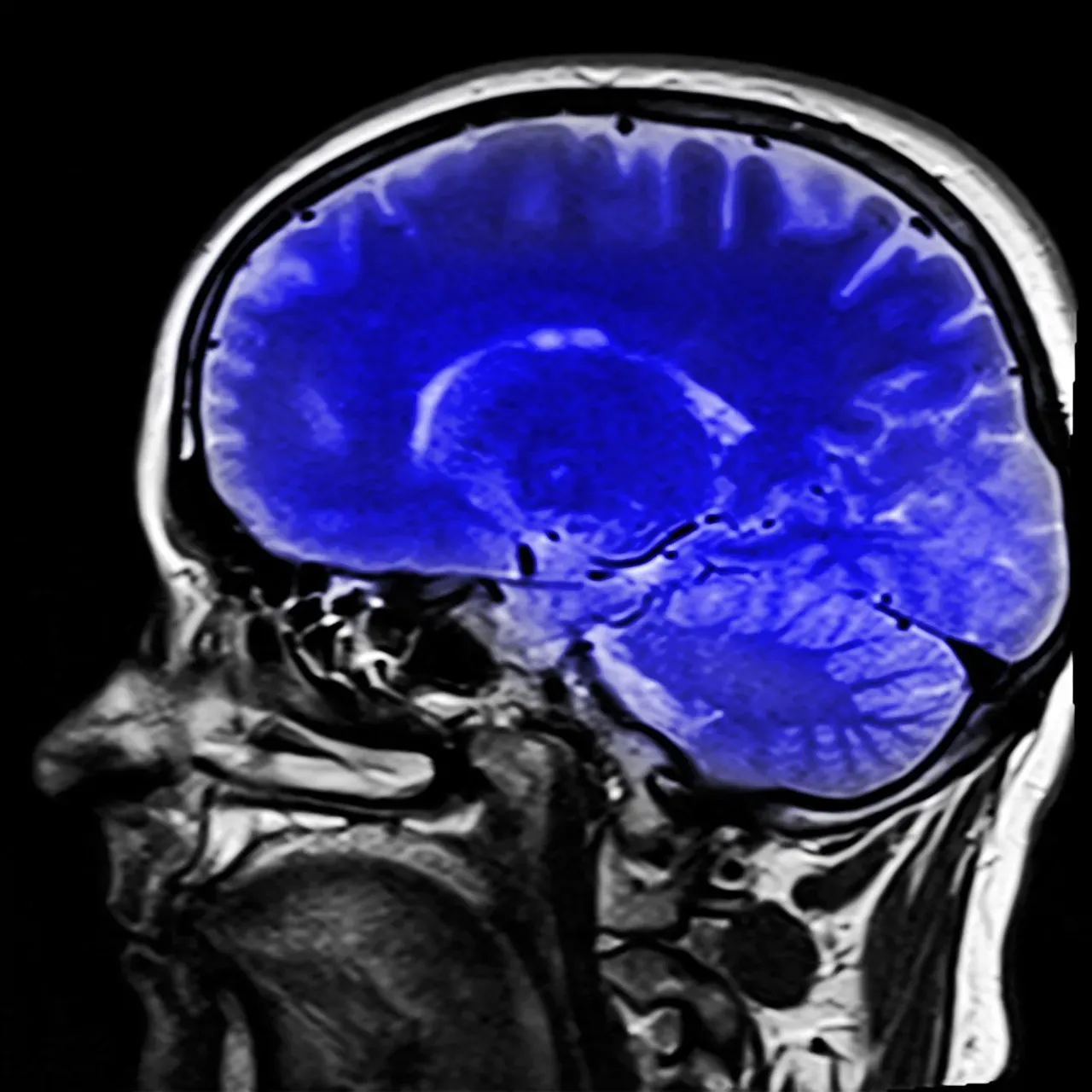
For decades, the basic rule of thumb was simple: if a patient doesn’t respond in any observable way, they’re probably not conscious. Family members were often told that, while reflexes might remain, the person they loved was essentially gone. What turned that view upside down were functional neuroimaging studies, where patients diagnosed as vegetative were asked to imagine specific activities while their brains were scanned.
In several cases, these patients showed distinct, reproducible patterns of brain activity that matched exactly what healthy, conscious volunteers displayed when given the same mental tasks. When asked to imagine playing tennis, one part of the brain lit up; when asked to imagine walking through their home, a different network activated. These weren’t random blips. They were structured, reliable patterns – the kind that usually only appear when a person understands instructions and follows them on purpose.
How Brain Imaging Turned Thought Into a “Yes” or “No” Signal
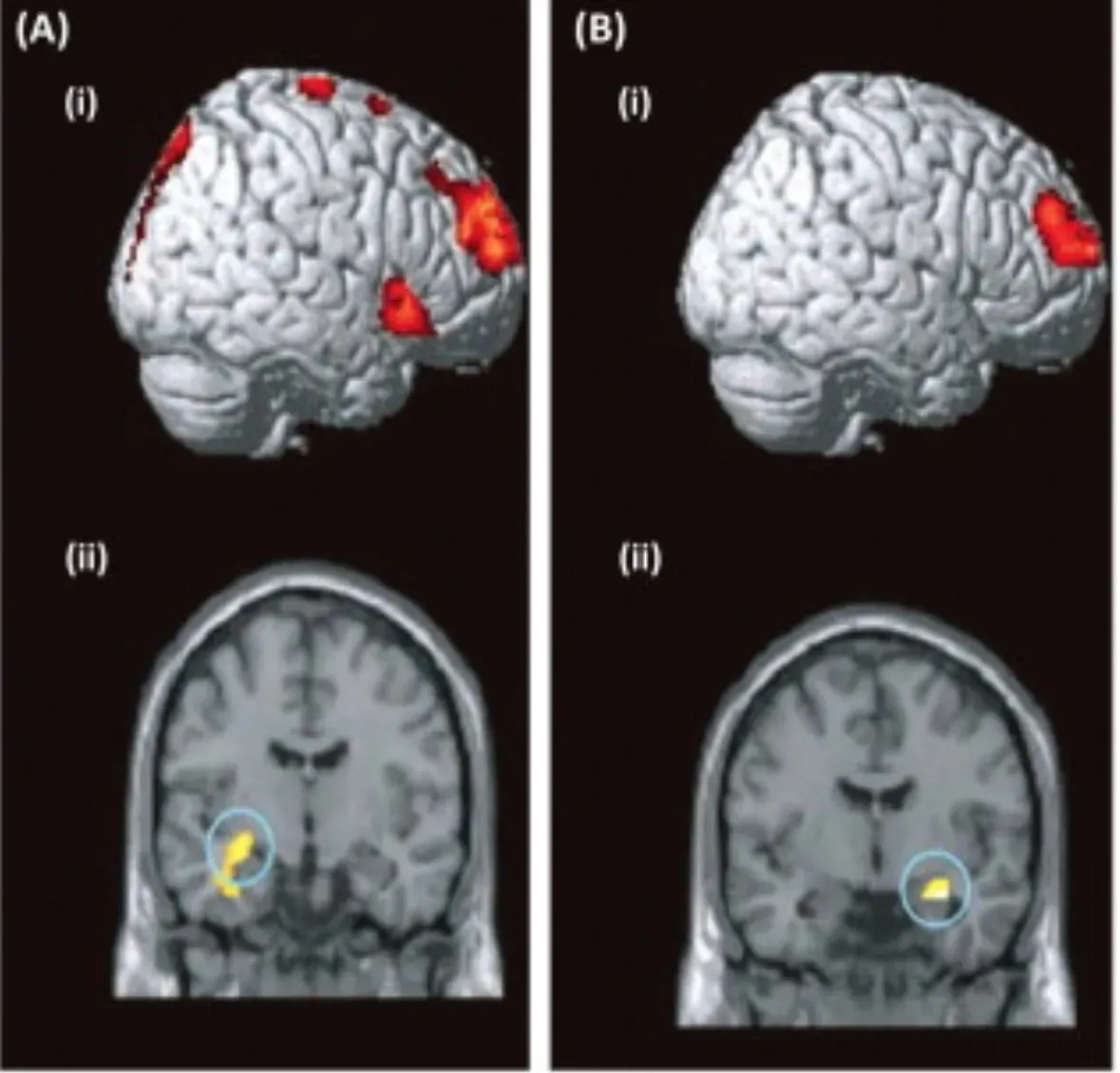
The key to unlocking hidden consciousness was surprisingly elegant: turn abstract thoughts into code. Researchers asked patients to assign one mental image to “yes” and another to “no.” For example, imagining playing tennis might stand for “yes,” while imagining walking around the house might stand for “no.” Each of these tasks triggers a different, easily recognizable pattern of brain activation in a scanner.
By switching between these two mental images when asked questions, a patient could, in principle, communicate entirely through brain activity. In some landmark cases, patients diagnosed as vegetative correctly answered a series of yes-or-no questions about their lives using this method. The brain scans clearly showed the “yes” pattern when the true answer was yes and the “no” pattern when the true answer was no. From the outside, their bodies remained motionless. Inside the scanner, their minds were speaking loud and clear.
When Diagnosis Fails: The Hidden Fraction of Misclassified Patients
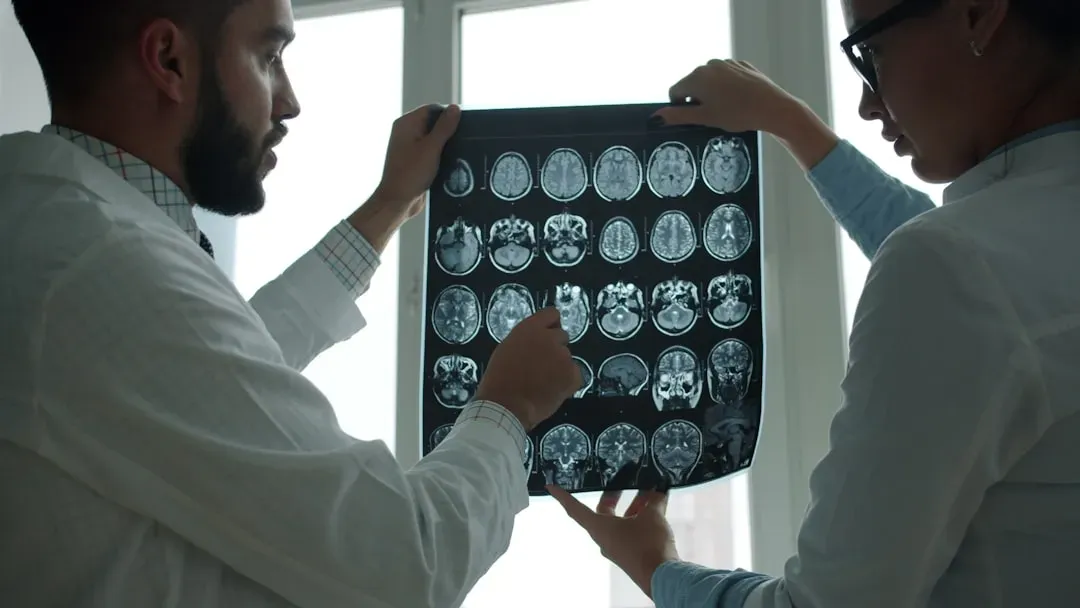
One of the most unsettling outcomes of this research is the realization that standard bedside exams can be wrong in a non-trivial number of cases. Studies comparing clinical diagnoses to more advanced assessments, including brain imaging and detailed behavioral testing, have repeatedly found that a meaningful minority of patients labeled as vegetative actually show signs of at least minimal awareness when examined more carefully. In other words, some people thought to be entirely unaware are, in fact, still partially “in there.”
This isn’t usually because clinicians are careless; it is because the human body is a terrible communication device once the usual output channels are damaged. A patient may be awake, aware, and trying to move, but if motor pathways are destroyed or disrupted, no effort ever makes it to the muscles. To an observer, that looks exactly like complete unresponsiveness. The technology simply exposes how fragile our traditional tools of diagnosis really are, and how much silent error may have been hiding in plain sight for years.
Consciousness Without Behavior: A Direct Challenge to Old Assumptions
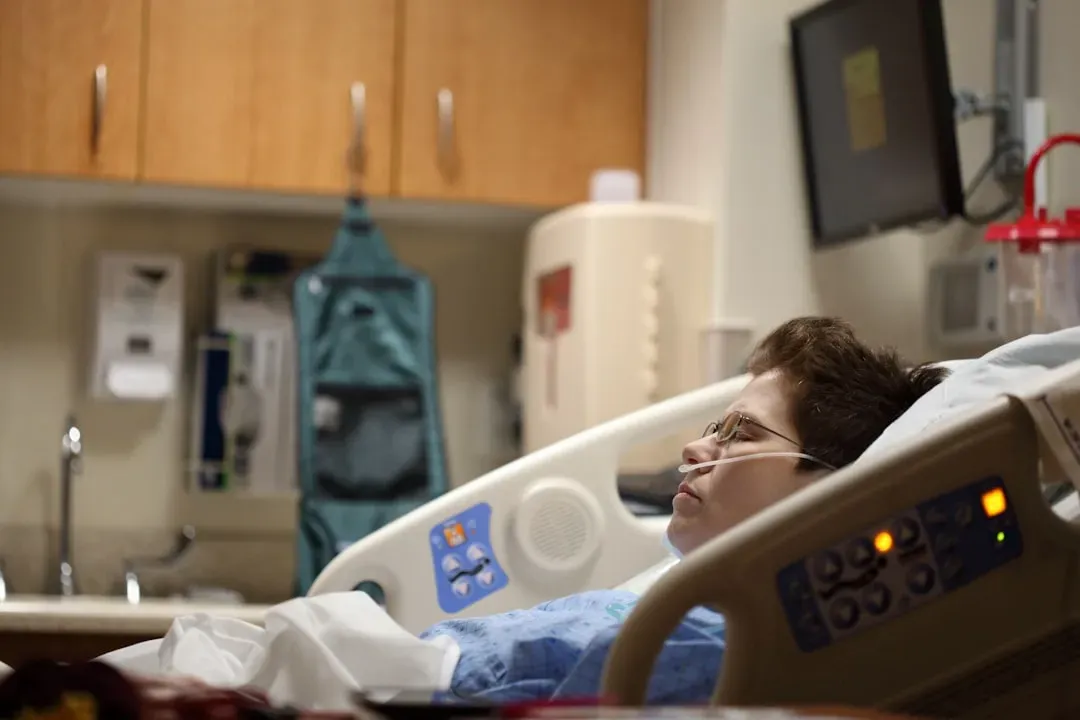
Most of us intuitively equate consciousness with behavior: if you are awake and aware, you should be able to show it somehow. These patients blow that intuition apart. They appear, by every standard clinical test, to be deeply unresponsive. Yet, when their brains are monitored directly, they respond to instructions, understand language, and sometimes show consistent preferences. Consciousness, it turns out, can exist in a stealth mode that our eyes and hands simply cannot see.
This raises a sobering philosophical point: if we rely only on external observation, we may be blind to entire categories of conscious minds. We are used to thinking that consciousness leaves obvious behavioral footprints, like speech, movement, or at least a blink on command. But these cases show that the mind can continue to operate – process meaning, follow rules, choose answers – even when the body has no remaining way to express it. From the perspective of the patient, that gap between inner life and outer silence might be the most terrifying prison imaginable.
The Emotional Earthquake for Families and Clinicians

On a human level, this science lands like an emotional earthquake. Imagine being a loved one who has spent months talking to a patient you were told could not possibly understand you, only to learn later that they might have heard every word. For some families, this brings an overwhelming rush of hope: maybe they can connect, maybe there is a way to communicate, maybe the person they love has not been fully lost. For others, it brings a bittersweet mix of regret and guilt, replaying every bedside conversation in a harsher light.
Clinicians feel that weight too. These findings force them to question long-held assumptions and to re-examine decisions about pain management, withdrawal of life-sustaining treatment, and rehabilitation priorities. It is one thing to manage care for someone believed to be permanently unaware. It is something entirely different to know that, in at least some cases, a conscious mind may be locked inside a body that cannot respond. That realization adds moral gravity to every decision, from casual bedside remarks to life-or-death choices.
Limits, Uncertainties, and the Risk of Overpromising
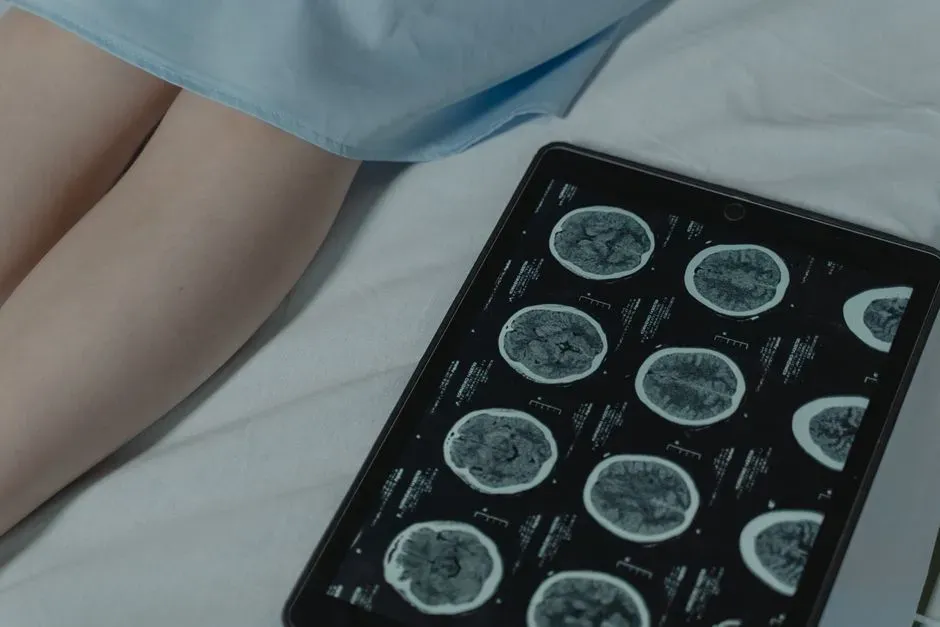
As powerful as these studies are, it is crucial not to romanticize or exaggerate them. Only a subset of patients show this kind of covert command-following, and even in those who do, communication is usually slow, limited, and exhausting. Many patients with severe brain injuries truly are unconscious and will never show signs of awareness, no matter how sensitive the tools. The challenge is that from the outside, those two groups can look almost identical, at least at first glance.
There is also the practical problem that advanced brain imaging is expensive, technically demanding, and not available in every hospital. And even when it is available, negative results can be hard to interpret: if a patient does not produce a clear “yes” or “no” pattern, does that mean they are not conscious, or that they simply did not understand the task, were too fatigued, or had momentary fluctuations in attention? The science is not a magical window into the soul; it is a messy, probabilistic tool that can still miss a hidden mind. We have to hold both truths at once: these methods can reveal astonishing signs of life, and they can also fail to detect consciousness that is still there.
Ethical Shockwaves: Pain, Autonomy, and End-of-Life Choices
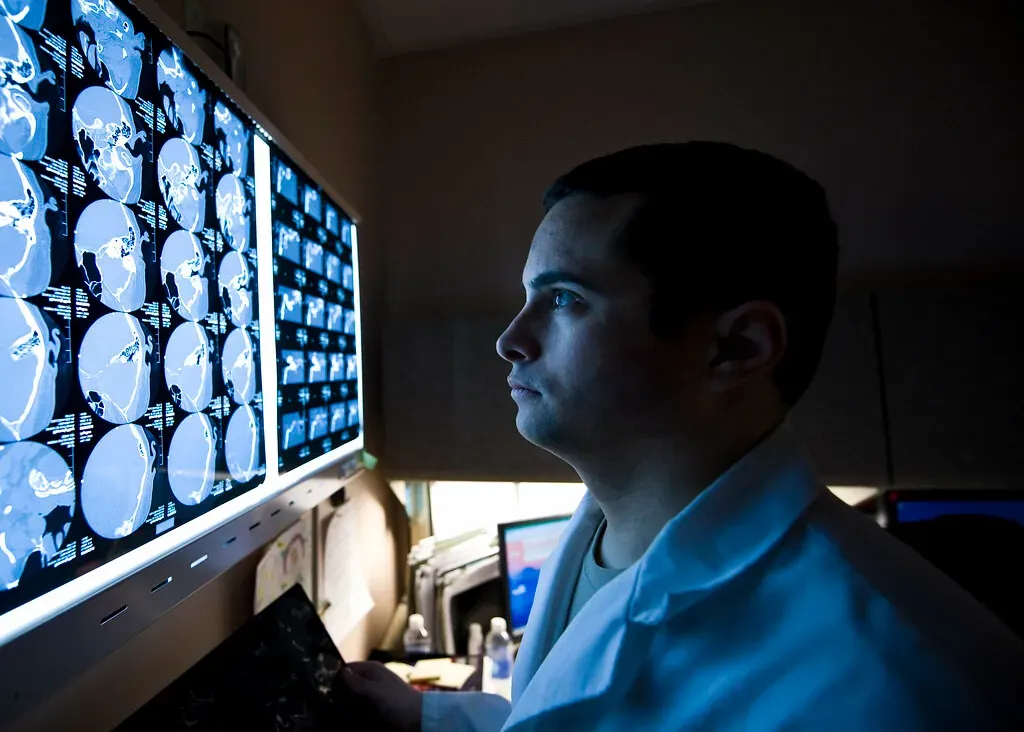
If some patients we once thought were unaware are instead secretly conscious, then everything about how we treat them has to be reconsidered. Pain becomes a huge ethical concern. A person who is fully unconscious does not suffer in the usual sense. A person who is conscious but unable to move or speak can experience prolonged, unrelieved distress with no way to signal it. That possibility alone demands more careful approaches to pain control, environmental stimulation, and how we talk around the bedside.
Autonomy is another flashpoint. If a patient can answer questions reliably through brain activity, should they have a say in their own care, even if the process is slow and technically complicated? Some research teams have asked patients questions about their preferences and found that at least a few can indicate consistent choices. That raises hard questions about consent, advance directives, and the right to refuse or request treatments. We are edging toward a world where a person, unable to move a single muscle, might still one day vote, sign documents, or express their will through patterns of neural activity alone.
Hidden Minds Beyond the ICU: What This Means for Our View of Consciousness
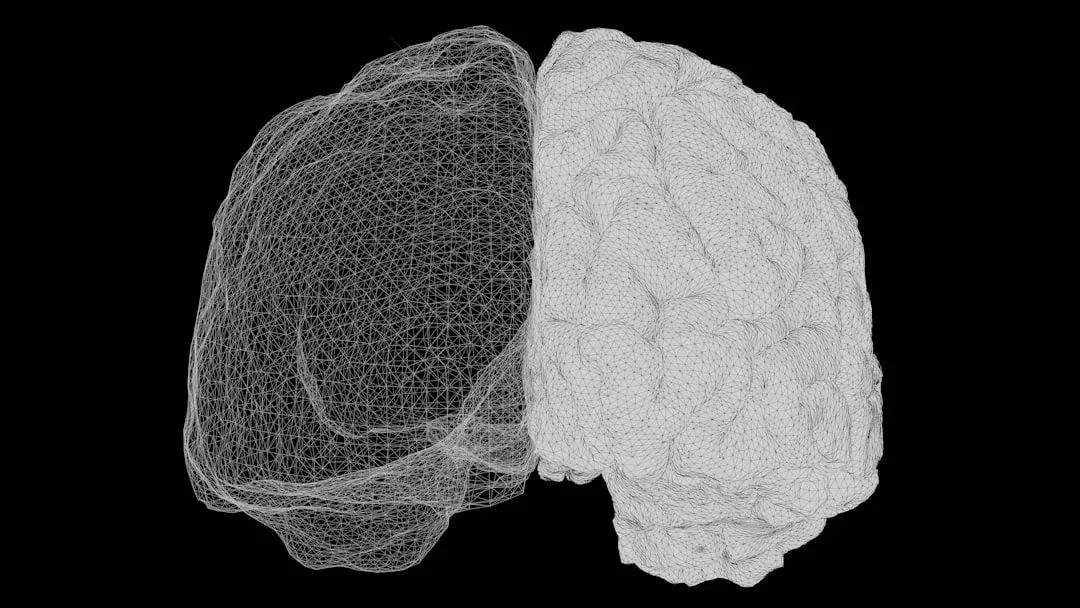
The implications of hidden consciousness reach far beyond intensive care units. These findings suggest that our usual methods of detecting awareness – watching for movement, listening for speech, checking reflexes – are rough proxies at best. If a mind can be present yet completely undetectable by standard observation, then consciousness is not just a matter of behavior; it is a dynamic pattern of brain activity that may or may not leak out into the world through muscles and facial expressions.
That idea has ripple effects everywhere, from how we think about anesthesia awareness and locked-in syndrome to how we speculate about non-human animals and even future artificial systems. We are being forced into a more humble stance: we cannot be as sure as we once were about who is conscious and who is not, simply by looking. Consciousness, it turns out, can be a ghost behind the eyes – entirely real, fully feeling, but invisible to every test that does not look directly at the brain itself.
The Future: Toward Brain-Computer Interfaces for the “Silent” Conscious
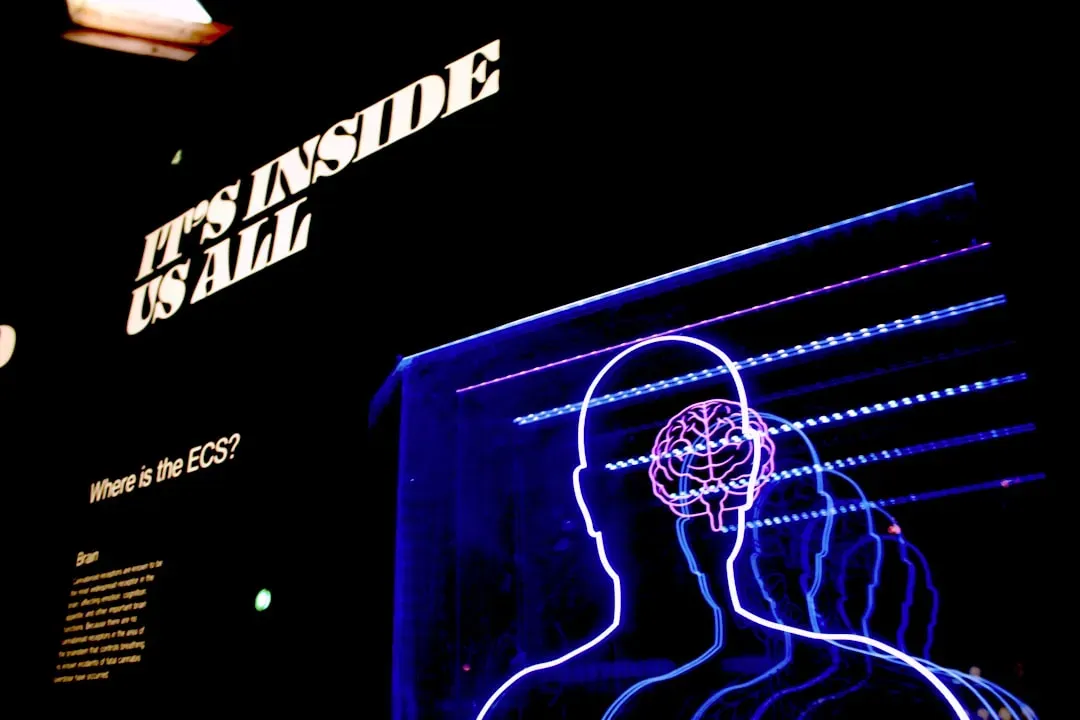
Looking ahead, the most hopeful line of work builds on these discoveries to create more practical brain-computer interfaces for patients who are conscious but cannot move or speak. Instead of relying solely on large, expensive scanners, researchers are exploring portable technologies like EEG headsets that can detect simpler patterns of brain activity at the bedside. The dream is to give patients a way to answer questions more flexibly, express needs, and maybe even interact with loved ones in real time.
Progress will likely be uneven, and the early tools will be limited, clunky, and far from perfect. But even a basic communication channel – the ability to consistently say “yes,” “no,” or “I am in pain” – could radically transform quality of life for a group of people who have, until now, been written off as unreachable. I think the most honest view is both cautious and hopeful: we should not pretend this will magically restore full conversation or independence, but we also should not underestimate what even a tiny crack in the wall of silence would mean for someone who has been effectively voiceless for years.
Conclusion: The Hidden Light Inside the Dark Room
To me, the most striking lesson from all of this is brutally simple: absence of evidence is not evidence of absence, especially when it comes to consciousness. For a long time, we treated a lack of visible response as proof that no one was home. These brainwave studies have kicked down that door. They show that in at least some cases, a fully aware mind can be trapped in total bodily silence, following instructions, answering questions, and listening to every word, while the outside world assumes there is nothing there.
My personal opinion is that we’ve been far too confident, for far too long, in our ability to judge who is conscious just by looking. The safer, more humane stance is to accept that we might miss hidden minds and to design our systems with that humility in mind. If consciousness can be completely hidden from external observation, then every unresponsive patient deserves the benefit of that doubt, and every decision about their fate should be made with that possibility firmly in view. In the end, the question that lingers is uncomfortably direct: if you were the one lying there, aware but unseen, how sure would you want others to be before deciding you were gone?