
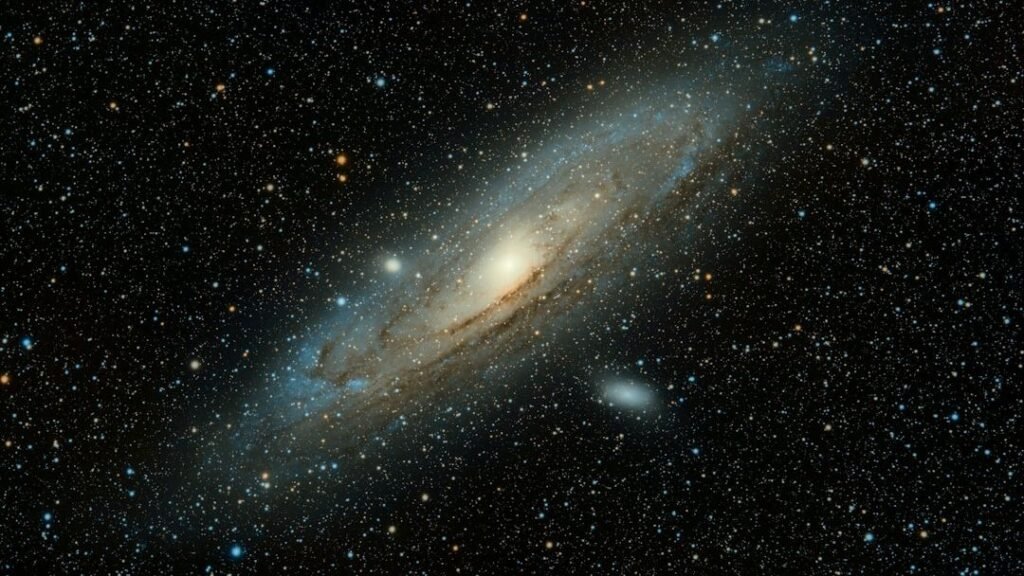

Imagine a universe where every star has gone out, every galaxy has faded, and nothing truly new can ever happen again. Not because of some violent explosion, but because everything has simply…run down. That’s the idea behind the heat death of the universe: not fire and chaos, but a slow, relentless slide into cosmic boredom. It’s one of the most unsettling endings scientists seriously consider, precisely because it’s so quiet.
What makes this idea so haunting is that it doesn’t rely on exotic speculation; it falls straight out of physics we use every day. The same rules that govern a melting ice cube or a cooling cup of coffee also apply, in principle, to galaxies and black holes. When you realize that, the heat death scenario stops feeling like science fiction and starts feeling like an uncomfortable, almost inevitable long-term forecast.
Why “Heat Death” Sounds Wrong but Isn’t
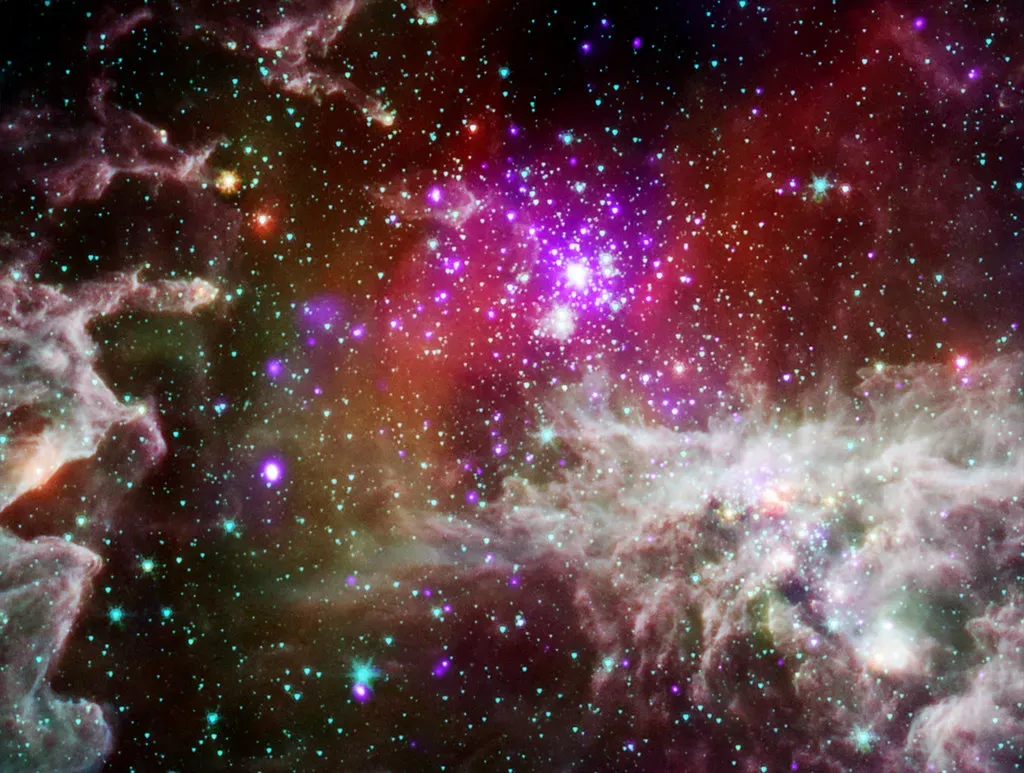
At first glance, “heat death” sounds like everything burning up in one final inferno, but it actually means almost the exact opposite. It describes a universe that has reached maximum sameness in its energy distribution, where no large temperature differences remain to drive motion, structure, or useful work. Think of it as the ultimate lukewarm: nothing especially hot, nothing especially cold, just a smoothed-out cosmic gray. In that state, there’s still energy, but it’s useless, like loose change scattered so widely you can’t buy anything with it.
The word “death” here is more about the end of change than the end of matter. Right now, the universe is full of contrasts: blistering stars and icy dust clouds, dense galaxies and thin intergalactic gas. Those contrasts are what allow stars to shine and planets to exist. Heat death is what you get when those contrasts are erased over unimaginable spans of time. The universe doesn’t explode, it just runs out of reasons to do anything interesting.
The Second Law of Thermodynamics: The Cosmic Party Pooper
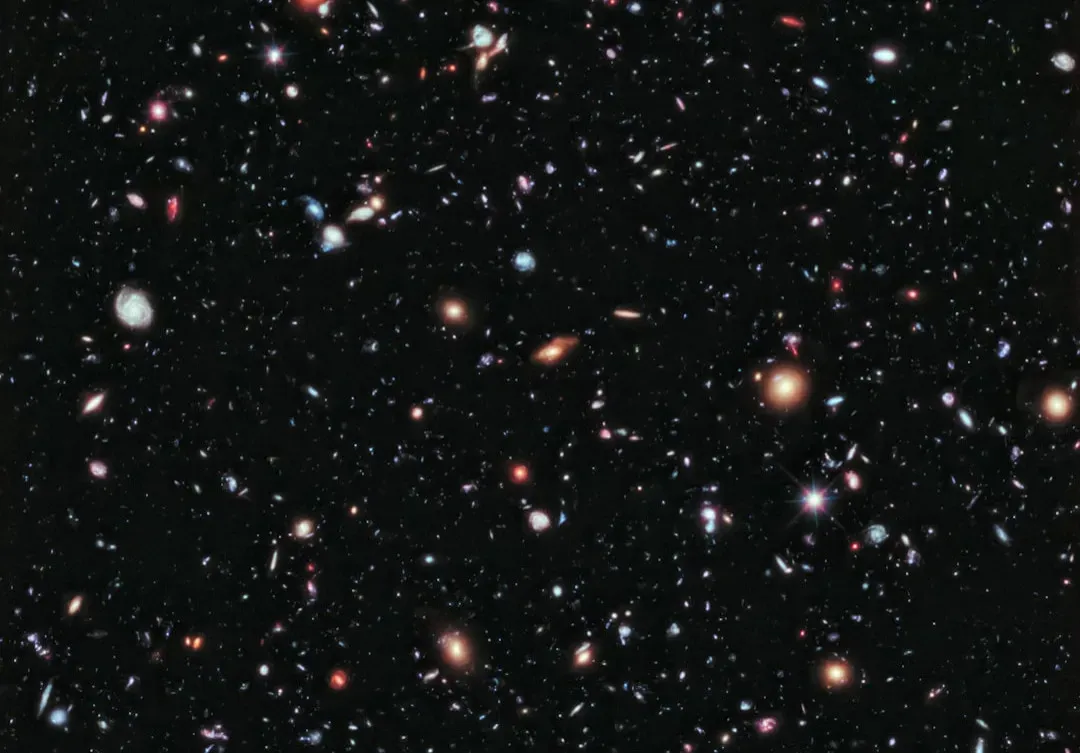
The backbone of the heat death idea is the second law of thermodynamics, which says that in an isolated system, disorder – called entropy – tends to increase. Our universe, as far as we can tell, behaves like a gigantic isolated system: no outside, no escape, no cosmic reset button. Over time, energy naturally spreads out, and big organized structures decay, unless you keep pumping in effort. It’s the same principle that explains why your room gets messy if you never tidy it, or why a hot pan cools down on the counter instead of heating up spontaneously.
In cosmic terms, entropy increasing means the universe moves from a state of striking contrast and structure toward one of bland uniformity. Galaxies merge, stars burn their fuel and die, and even black holes slowly evaporate over insanely long timescales. Each step in this process nudges the universe toward higher entropy and fewer opportunities for anything complex or organized. The second law doesn’t care about our feelings – it just keeps pushing everything toward equilibrium, whether we like the destination or not.
From the Big Bang to a Cold, Thin Future
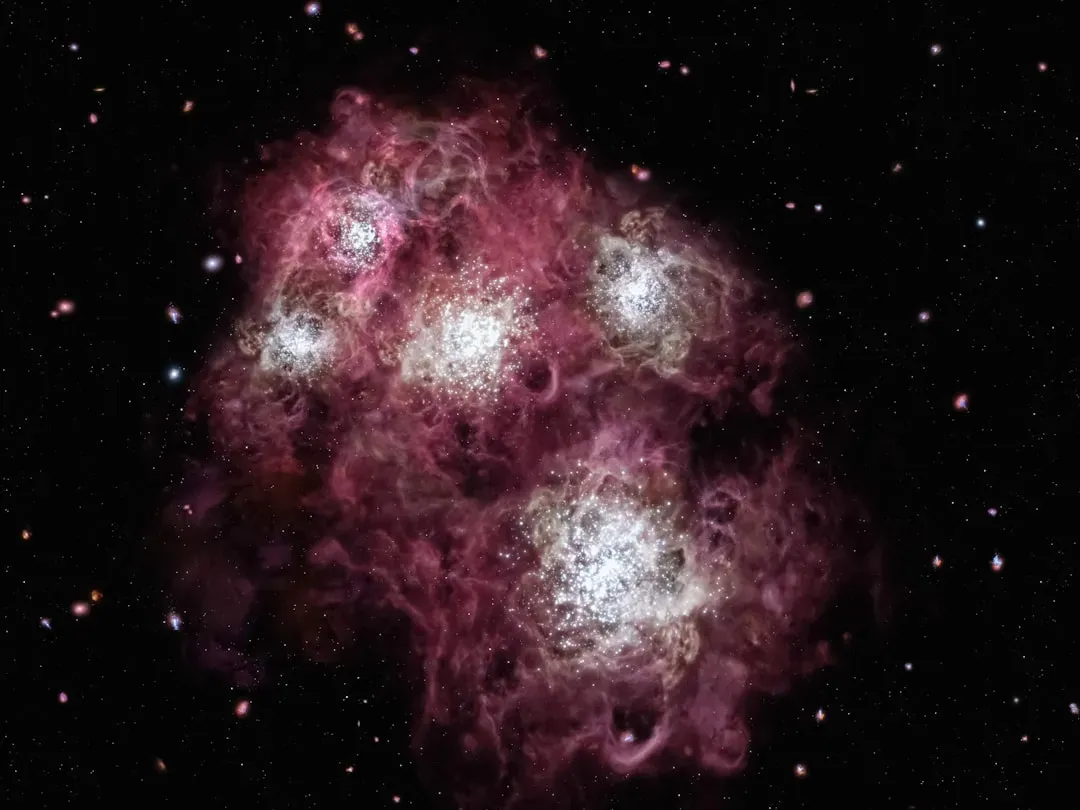
The universe started out incredibly hot, dense, and surprisingly simple right after the Big Bang. Over billions of years, it expanded and cooled, forming galaxies, stars, planets, and eventually people who worry about the end of everything. This cooling and clumping phase is exciting because it’s where complexity blossoms: nuclear fusion lights up stars, heavy elements are forged, and chemistry gets creative. But all of this is powered by energy gradients – differences between hot and cold, dense and sparse.
As the universe keeps expanding, those crucial differences gradually weaken. Stars burn through their fuel and leave behind white dwarfs, neutron stars, and black holes. New star formation slows as raw gas is used up or blown away. Eventually, most of the easily accessible energy has already done its job, and what remains is thinly spread and hard to use. The same expansion that once allowed galaxies to form slowly turns into the thing that thins everything out beyond repair.
What the Far Future Looks Like (If Heat Death Wins)
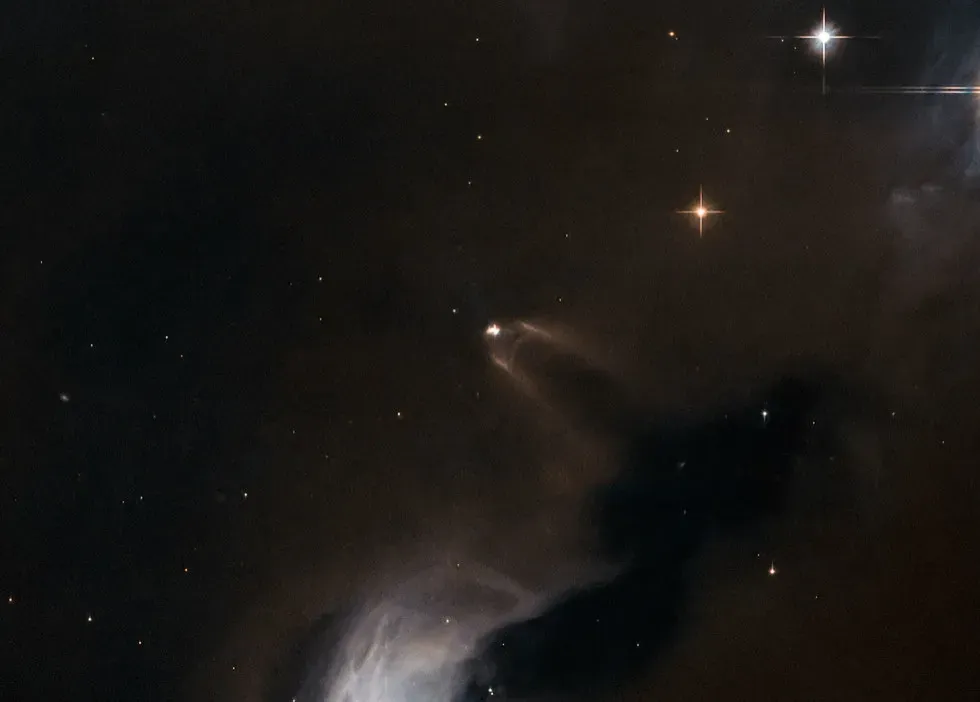
If you fast-forward far enough, the night sky wouldn’t be a glittering canvas of stars; it would be mostly empty and dark. The last red dwarf stars would take an incredibly long time to burn out, but burn out they eventually would. After that, only stellar corpses would remain: white dwarfs cooling into black dwarfs, dead neutron stars, and black holes. Galaxies themselves might get pulled apart by the accelerating expansion of space, leaving lonely structures scattered too far apart to significantly interact.
On even longer timescales, black holes slowly lose energy through a process called Hawking radiation, shrinking and eventually vanishing in faint flashes. By then, the universe would be a very thin soup of low-energy particles and radiation, spread across a space that keeps stretching. Temperature differences would be so tiny that nothing could extract meaningful energy from anything else. In principle, there might still be particles bouncing around, but in practice, the universe would be effectively asleep.
Could Anything Survive or Adapt to the Heat Death Era?
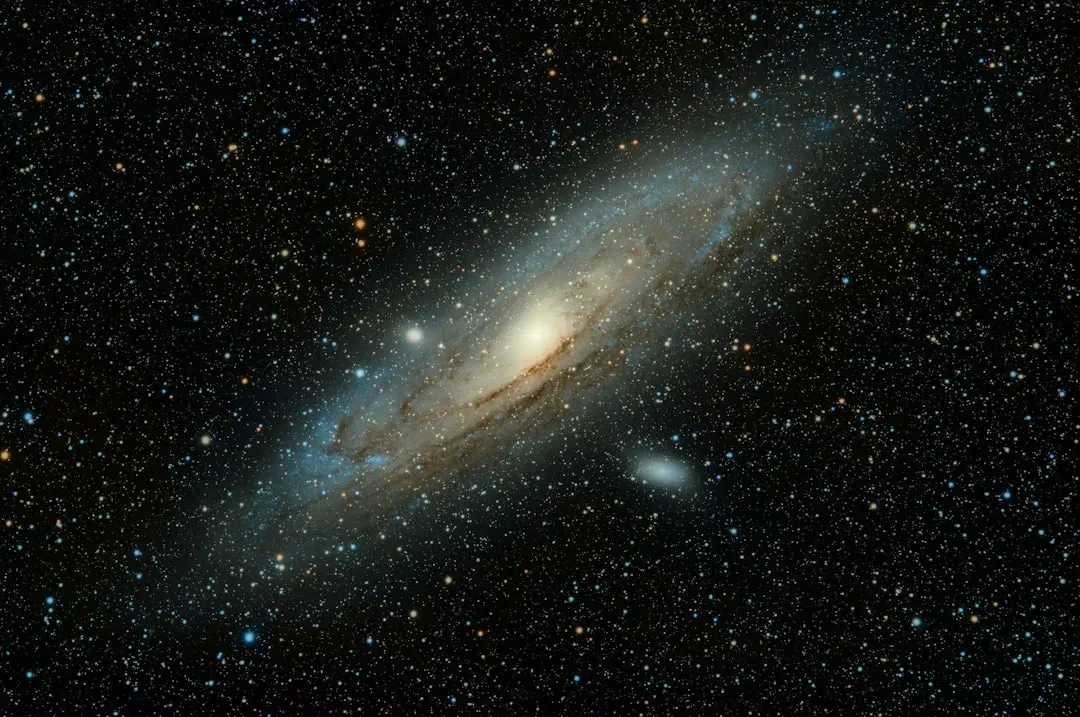
When people first hear about heat death, the natural question is whether some ultra-advanced civilization could outsmart it. Science fiction loves to play with ideas like uploading minds into energy-efficient systems or hopping between universes. Physically, though, the outlook is bleak: as entropy rises and usable energy drops, it becomes harder and harder to run anything, no matter how clever. You can’t power a computer, a spaceship, or a brain if there’s nowhere left to dump waste heat and no energy gradient to exploit.
Some speculative ideas suggest that future beings could stretch out their thinking indefinitely by slowing their activity, sleeping for eons between short bursts of computation. But even those concepts depend on still having some usable energy sources and meaningful temperature differences. In a near-heat-death universe, those resources are vanishingly scarce. It’s a bit like trying to run a city forever on the leftover crumbs in your kitchen: you can ration for a while, but you can’t win against the basic arithmetic.
Are There Alternatives to Heat Death?
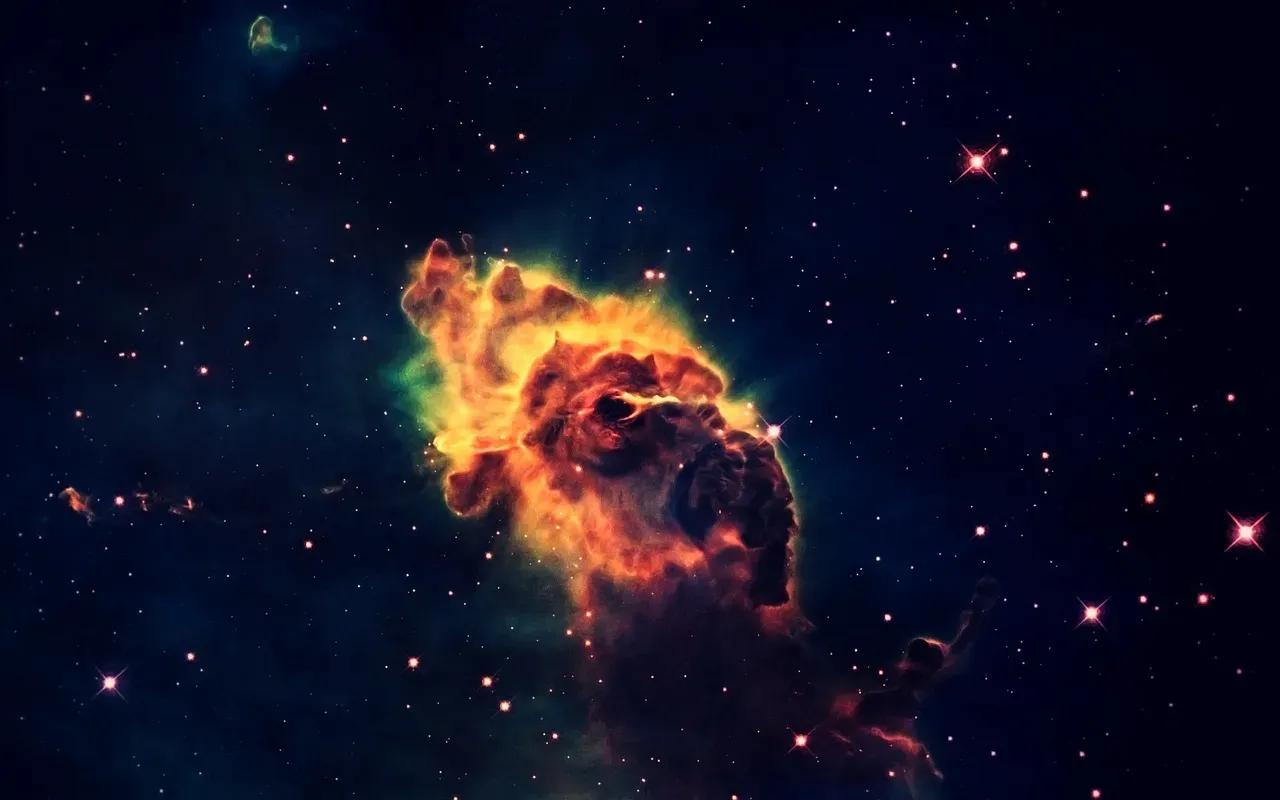
Heat death is not the only cosmic endgame scientists have discussed, but it currently looks like the front-runner based on what we observe. Other ideas include a “Big Rip,” where dark energy grows so strong that it tears galaxies, stars, and even atoms apart. Another older concept was a “Big Crunch,” where expansion reverses and the universe collapses back in on itself. As our measurements of cosmic expansion and dark energy got more precise, the crunch scenario started to look less likely, while the slow, chilly fade gained ground.
That said, our picture is still incomplete. Dark energy – the mysterious thing driving the universe’s accelerated expansion – is not well understood, and if its behavior changes in unexpected ways, the long-term forecast could change too. There’s also the possibility that our universe is part of a larger multiverse, with different regions following different rules, though that’s speculative. For now, heat death is the simplest outcome that fits the data: the universe keeps expanding, energy keeps spreading out, and eventually there is nothing much left to do.
Why Think About an Ending So Far Away?
The timescales involved in heat death are so vast that they make human history look like a flicker of a candle in a stadium. That distance can weirdly be comforting: whatever happens billions or trillions of years from now doesn’t threaten your dinner plans tonight. Still, there’s something emotionally heavy about knowing that even the universe itself has an expiration date on meaningful structure. It challenges the idea that anything, anywhere, is truly permanent.
On the flip side, this cosmic finiteness can sharpen how we see the present. The fact that we live in a universe that hasn’t yet gone dark, one rich in stars and chemistry and life, makes our brief window of time feel strangely precious. The same physics that predicts eventual heat death is also what allowed galaxies and people to exist in the first place. If anything, the long, cold future throws the improbable warmth of right now into sharper focus.
Living in a Brief, Bright Moment
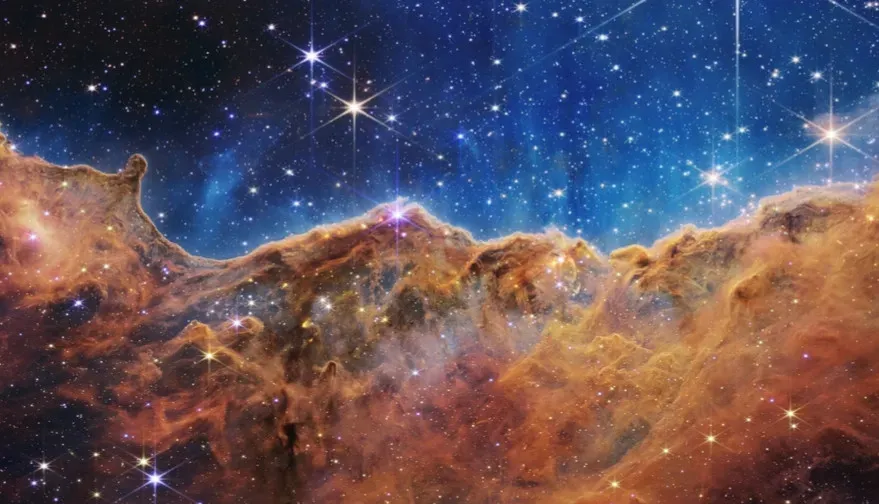
The theory of heat death paints a picture of a universe that doesn’t end with a bang, but with an endless, thinning whisper. It flows naturally from the second law of thermodynamics and the observed expansion of space, turning everyday physics into an almost mythic timeline. In this story, stars, galaxies, and even black holes are temporary features, stepping stones on the path toward a calm, nearly featureless cosmic sea. No grand reset, no final showdown – just a slow surrender of structure to entropy.
That future may be unimaginably distant, but understanding it reshapes how the present looks. We happen to exist at a time when the universe is structurally rich, energetically active, and capable of supporting conscious observers who can wonder about where it all leads. The idea of eventual heat death doesn’t erase meaning from what we do; if anything, it highlights how unusual and fleeting our current era is. In a cosmos destined for quiet, the fact that it ever got loud at all is the truly remarkable part.


