
Most of us wake from a vivid dream with a strange aftertaste of meaning, a feeling that what we just saw was more than random mental noise. For centuries, those moments have been dismissed as superstition or wishful thinking, overshadowed by the hard edges of science and statistics. Yet a growing number of researchers are quietly asking whether some dreams might contain genuine clues about the future – subtle hints, not mystical prophecies, embedded in how our brains process information. Their work does not claim magic or fate, but something more unsettling: that the human mind may be better at forecasting reality than we consciously realize. The real question is not whether every dream predicts anything, but whether a small fraction of them might be picking up patterns that our waking minds miss.
The Hidden Clues Our Brains May Already See
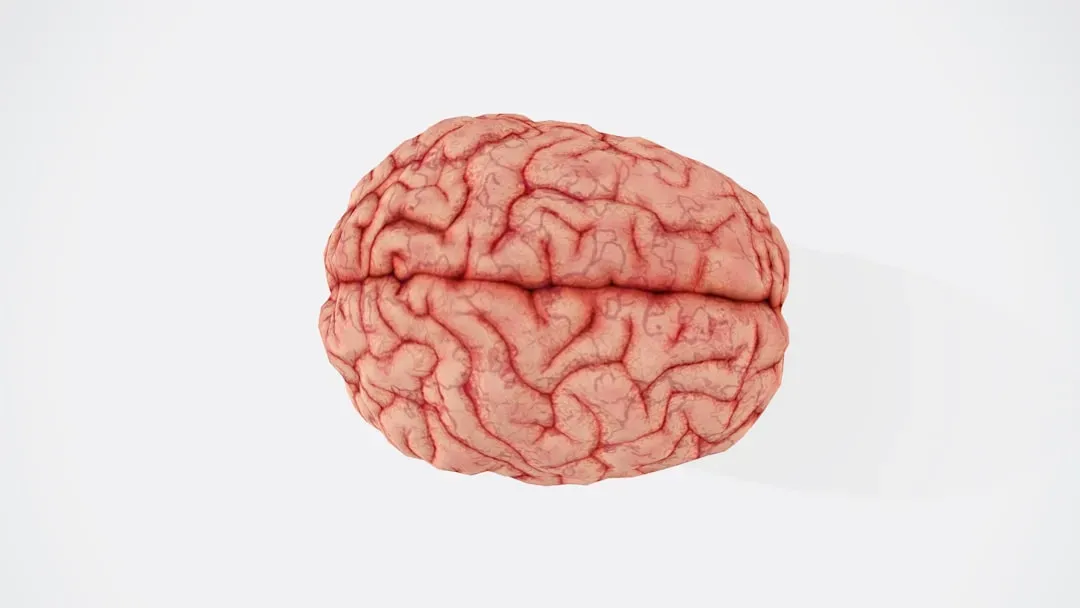
Imagine waking from a dream of a crowded subway station and, the next day, hearing that a major transit strike has shut down your city. Most of us would shrug and chalk it up to coincidence, but researchers studying dream precognition are not quite so quick to dismiss it. They argue that our brains constantly absorb oceans of information – snippets of conversation, news headlines we barely notice, subtle shifts in other people’s behavior – and that dreams may recombine these pieces into striking narratives. What feels like a spooky premonition, in this view, could be your brain performing an overnight data analysis you were never aware of starting.
In small laboratory studies, volunteers have been asked to record dreams before being shown randomly selected images or events, with some analyses claiming a slight but measurable overlap between dream themes and later stimuli. The suggested effect is weak and controversial, nowhere near the level of certainty you would want for a medical test or financial forecast. Still, even a tiny edge – something just a little better than blind chance – would force us to rethink what dreaming is actually doing. Instead of being pure psychological theater, dreams might be one way the brain quietly tests future scenarios in the background, like a simulation running on a hidden processor.
From Ancient Omens to Modern Sleep Labs

Long before EEG caps and MRI scanners, people in ancient Mesopotamia, Greece, China, and Mesoamerica kept meticulous records of dreams, treating them as royal intel from the future. Entire priestly classes specialized in interpreting dream symbols, linking, for example, images of overflowing rivers with upcoming floods, or tooth loss with misfortune in the family. While those old guidebooks mixed myth and culture-specific symbolism, they also reflected an early recognition that dreams often pull together anxieties about crop failures, war, illness, and shifting power. In a way, ancient dream interpreters were the first human “data scientists” of the night, hunting for patterns in what people saw behind closed eyes.
Modern researchers have traded temple courtyards for sleep labs, but the questions remain oddly similar: Do dreams warn us? Are they random, or are there repeatable patterns? Using polysomnography and large online dream diaries, scientists now track how dream content changes after major events – earthquakes, pandemics, elections, or economic shocks. When a big crisis hits, dreams suddenly fill with certain themes: falling, being chased, losing control of vehicles, or facing invisible threats. Those trends do not prove that dreams foresaw the event itself, but they do show that our unconscious minds respond rapidly to even faint ripples of change, sometimes before we consciously admit how worried we are.
What the Neuroscience of Dreaming Reveals
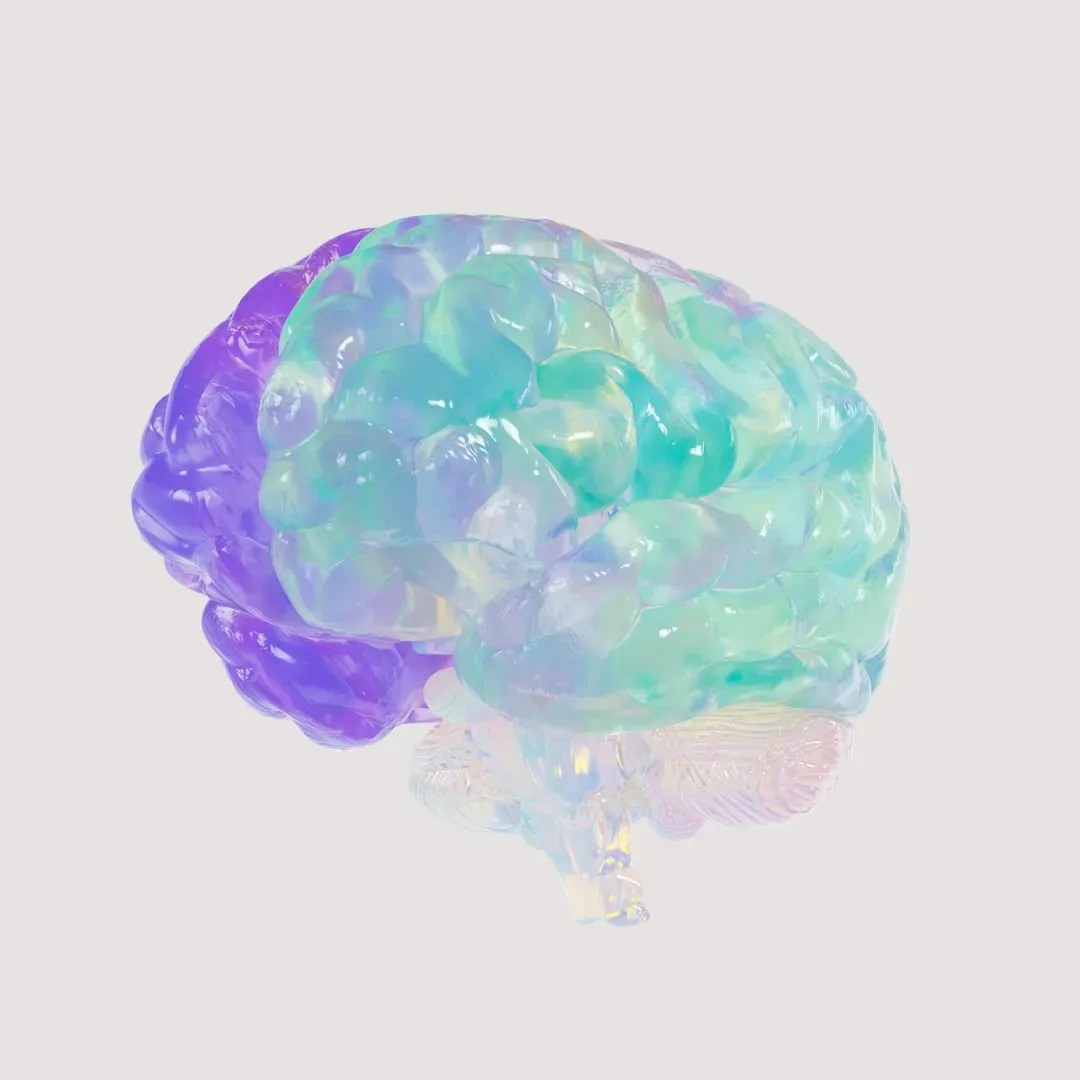
Under the surface, the idea that dreams might hint at the future actually fits surprisingly well with what we know about sleep and memory. During rapid eye movement, or REM sleep, the brain’s emotional centers light up, while regions responsible for logical control loosen their grip. At the same time, neural circuits involved in memory consolidation are busy replaying fragments of our day, stitching them together with older memories and imagined outcomes. In other words, your nightly cinema is built from both real experience and speculative “what if” scenarios.
Some neuroscientists describe this process as a kind of internal modeling engine. The brain tries out possible futures – social conflicts, dangerous situations, emotional confrontations – and tags the most intense ones for later attention. If your environment is subtly shifting toward a real-world crisis, whether that is a brewing breakup, an impending layoff, or mounting climate stress in your region, those quiet cues feed into the dream generator. The result is not a crystal-clear prophecy but a vivid scenario that feels strangely on the nose when events later unfold in a similar direction. It is less like reading a script of tomorrow and more like watching a rehearsal of what might be coming.
The Evidence: Coincidence, Pattern, or Something More?

Of course, the skeptical view is powerful and necessary: with billions of dreams and countless daily events, some “hits” are inevitable by pure chance. Psychologists point out that people tend to remember the rare dream that appears to match the future and forget the overwhelming number that do not. This is known as selective recall, and it plays perfectly into our love of eerie stories. Controlled experiments trying to test dream prediction have often struggled with small sample sizes, subjective interpretations, and weak statistical effects that are hard to replicate. Many mainstream scientists remain unconvinced that dreams offer any genuine window into the future beyond normal unconscious pattern detection.
Even researchers open to the possibility stress that any predictive element is likely to be subtle and statistical, not dramatic and exact. Think of it more like a weather forecast with a small increase in probability, rather than a timestamped vision of a specific storm. A few studies in fields like parapsychology report tiny above-chance correlations between dream content and later randomly selected target images or events, but these remain on the scientific fringe and are heavily debated. For now, the strongest consensus is that dreams are excellent mirrors of our ongoing concerns and the invisible pressures building in our lives, and that any “prediction” they seem to offer probably comes from that psychological groundwork rather than some mysterious time-bending force.
Why It Matters More Than Just Spooky Stories

Whether or not dreams can truly “see” the future, the idea touches on something far more practical: our chronic habit of ignoring early warning signs. In medicine, finance, and climate science, disasters almost never come out of nowhere; they are usually preceded by scattered indicators, weak signals, and quiet changes in behavior. Our waking minds, overloaded with information and denial, often push those signals aside. Dreams, unconstrained by politeness or rationalization, may drag those buried worries to the surface in extreme, emotional form.
That makes dreams a potentially powerful, if messy, tool for self-monitoring. Nightmares of flooding, fire, or buildings collapsing, for example, may not be psychic alarms about a specific date and place, but they can reflect mounting stress about real vulnerabilities – aging infrastructure in your town, a fragile job, an unstable relationship, or climate risks you keep scrolling past in the news. Compared with traditional forecasting tools like models and surveys, dreams are deeply personal, narrative, and emotional, which can make them easier to ignore but also harder to forget. If you wake up shaken by the same scenario over and over, it might be your brain’s way of insisting that something in your life or environment needs attention, long before a spreadsheet would flag it.
Global Perspectives on Dreaming and Foresight

Across cultures, the notion that dreams can warn of future events has never really disappeared, even when official science rolled its eyes. In many Indigenous traditions, dreams about animals, weather, or ancestral figures are still treated as guidance about hunting, community decisions, or environmental changes. Rather than separating “symbolic” meaning from “real” events, these viewpoints treat both as intertwined, part of a shared reality where the mind and world echo each other. That does not mean their dreams are objectively predictive in a laboratory sense, but it does show how different societies use dreams as tools for decision-making and risk awareness.
Interestingly, when researchers set up global dream-reporting platforms online, they sometimes find that certain themes spike simultaneously in very different regions when a major world event is brewing or underway. During disease outbreaks or political unrest, people from different countries often report similar types of anxiety dreams – crowds, confinement, contamination, or communication breakdowns. Those patterns suggest that, at a collective level, dreams can serve as an emotional seismograph for global tension. Whether or not they “predict” specific outcomes, they offer a raw, unfiltered map of what humanity is quietly sensing and fearing before it shows up fully in polls or policy documents.
How Ordinary People Are Turning Dreams into Data

What is new in the last decade is not so much the idea that dreams might warn us, but the technology to actually test that idea on a large scale. Smartphone apps now let users log dreams the moment they wake up, tagging emotions, key images, and locations. Some platforms anonymize and aggregate that data, looking for surprising spikes in certain symbols or fears across cities or age groups. In effect, millions of private notebooks are becoming one massive, searchable dream archive.
A few experimental projects have tried to compare these dream trends to later real-world events, asking whether certain clusters – say, more recurring images of crowded hospitals or empty shelves – tend to rise ahead of specific kinds of crises. The work is in its infancy and riddled with confounding factors, but it hints at a strange possibility: that our half-remembered, personal stories of the night could form an early-warning layer on top of conventional datasets. For individuals, regularly recording dreams can also highlight recurring themes that align with health, work, or relationship issues, encouraging action before things reach a breaking point. You would not bet your retirement account or emergency plan on a single dream, but paying attention to persistent patterns may be a quietly rational move.
The Future Landscape of Dream Prediction Science

Looking ahead, the tools for studying dreams are becoming more precise, even if the questions stay wonderfully unruly. Wearable sleep trackers and home EEG headbands can already estimate when you enter REM phases, and researchers are experimenting with gentle sound or light cues to influence or stabilize dream content. On the analysis side, advances in natural language processing and machine learning make it possible to sift through vast volumes of dream reports, identifying clusters of meaning that no human analyst could spot alone. These systems might someday correlate dream patterns with emerging news, environmental data, or social media signals to see whether certain dream motifs reliably precede particular categories of events.
This raises as many ethical issues as scientific ones. Who owns the intimate stories you tell in the dark, and how should they be protected if they become part of commercial or governmental forecasting tools? There is also the risk of over-interpretation, turning every nightmare into a supposed omen and feeding anxiety instead of easing it. Scientists working in this area stress the need for strong privacy safeguards, transparent methods, and a clear distinction between playful exploration and actionable prediction. The most exciting possibility is not a world where companies sell “prophetic dream” subscriptions, but one where insights from dreams join climate models, public health surveillance, and behavioral research as one more lens on how human minds anticipate change.
What You Can Do with Your Own Dreams

You do not need a lab or an app to start engaging more thoughtfully with your dreams. One simple step is to keep a notebook or notes app by your bed and jot down a few lines whenever you wake from something vivid, without worrying about grammar or interpretation. Over weeks or months, look for recurring settings, emotions, or storylines – being unprepared for an exam, losing your way in a city, watching rising water, or missing a crucial message. Those patterns often point directly at long-running concerns in your waking life that you might be downplaying. Treat them less as supernatural warnings and more as blunt feedback from a part of your brain that refuses to be polite.
Another step is to pair your dream awareness with basic, real-world preparedness. If you keep dreaming about being trapped during a disaster, for instance, that might be a nudge to learn your local evacuation routes, update emergency supplies, or check building exits at your workplace. If relational conflict or loss dominates your nights, it could be time for difficult but necessary conversations, counseling, or boundary-setting. You can also support scientific efforts by participating in reputable dream research projects when they are available, contributing anonymous data that helps answer these big, unsettling questions. Whether or not dreams ever earn a formal role as predictive tools, taking them seriously as psychological signals can make life a little safer, more self-aware, and strangely more connected to the quiet intelligence of your own mind.
Suhail Ahmed is a passionate digital professional and nature enthusiast with over 8 years of experience in content strategy, SEO, web development, and digital operations. Alongside his freelance journey, Suhail actively contributes to nature and wildlife platforms like Discover Wildlife, where he channels his curiosity for the planet into engaging, educational storytelling.
With a strong background in managing digital ecosystems — from ecommerce stores and WordPress websites to social media and automation — Suhail merges technical precision with creative insight. His content reflects a rare balance: SEO-friendly yet deeply human, data-informed yet emotionally resonant.
Driven by a love for discovery and storytelling, Suhail believes in using digital platforms to amplify causes that matter — especially those protecting Earth’s biodiversity and inspiring sustainable living. Whether he’s managing online projects or crafting wildlife content, his goal remains the same: to inform, inspire, and leave a positive digital footprint.