
You are walking down a familiar street when you suddenly swear you heard your name, felt your phone buzz, or glimpsed a stranger’s face that looked uncannily like someone you know. Moments later, you realize none of it actually happened. That tiny moment of doubt captures a huge scientific truth: your brain is not a passive camera recording the world; it is an active storyteller, constantly guessing what is out there and filling in the gaps. Over the past two decades, neuroscience has moved from thinking of perception as simple input processing to seeing it as a bold, predictive act. This shift changes how we understand everything from optical illusions to anxiety, and even why people can experience entirely different “realities” while looking at the same scene. To understand your daily life – even your sense of self – you have to understand how much of it is built inside your skull.
The Brain as a Prediction Machine, Not a Camera
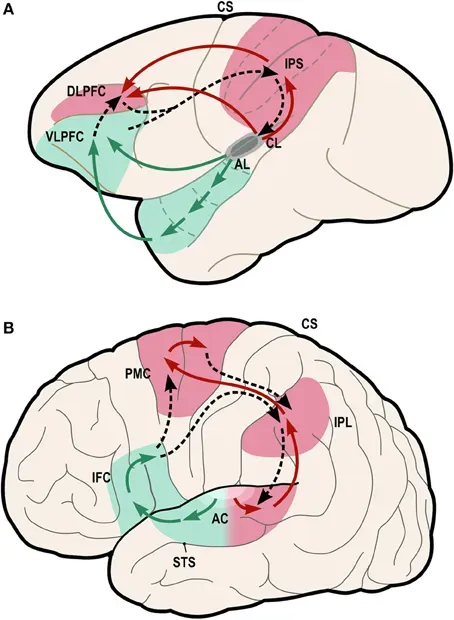
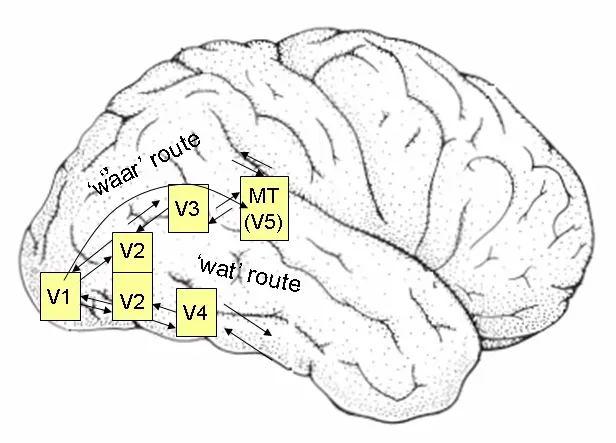
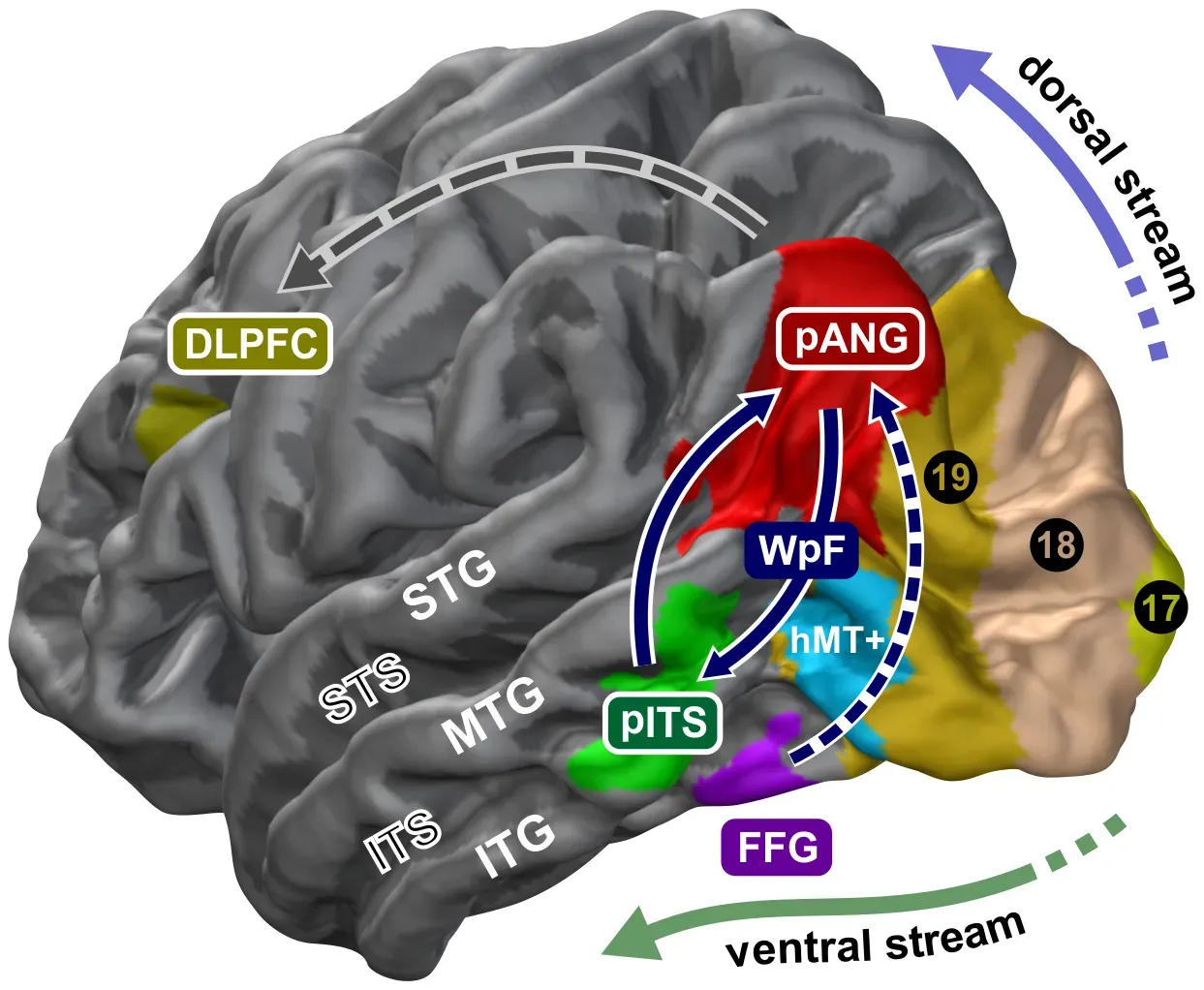
One of the most surprising findings in modern neuroscience is how little of your visual cortex is devoted to simply receiving information from your eyes. A large portion is actually sending signals backwards, from higher regions that store expectations and prior knowledge down to areas closer to the raw sensory input. In other words, your brain is constantly predicting what it is about to see, hear, or feel, and then comparing those predictions to the incoming data.
This framework, sometimes called predictive processing, means perception is more like controlled hallucination than perfect recording. The world you experience is the brain’s best guess at what caused the signals hitting your senses at any moment. Most of the time those guesses are extremely good, which is why you can navigate a crowded sidewalk or drive in traffic without conscious effort. But the very same machinery that makes your perceptions so efficient can also lead you astray in systematic and sometimes dramatic ways.
How Your Expectations Literally Change What You See
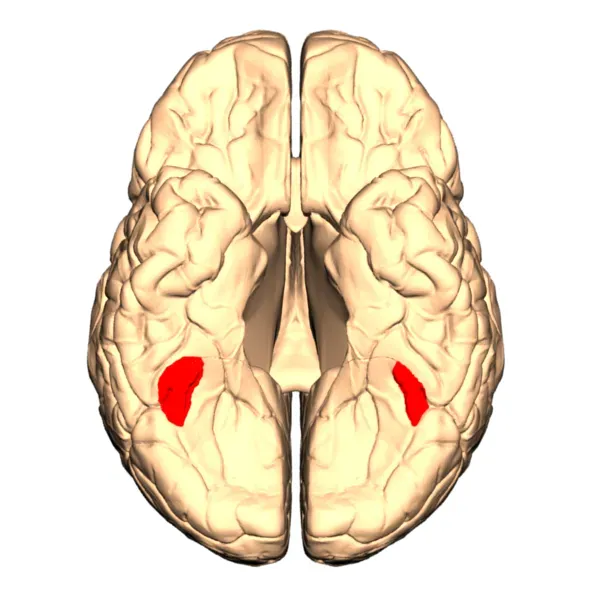
Once you start looking for it, you can feel your expectations sculpting your perceptions in real time. Think about walking into your kitchen in the dark and “seeing” the outline of a chair you know is there before you can actually make it out clearly. Your brain uses prior experience – what was in the room last time, what usually sits by the wall, how objects behave – to pre-fill the scene like a sketch artist adding guidelines before the ink.
Classic psychology experiments show this effect over and over. When people are briefly shown ambiguous shapes or letters, what they report depends heavily on context and what they expect to see next. If you are primed with words about animals, a vague shape becomes a cat; if you are primed with sports terms, it may suddenly look like a ball in motion. The incoming data is the same, but the story your brain tells about it is different, and that story is what you experience as reality.
Illusions as Windows Into the Brain’s Hidden Algorithms
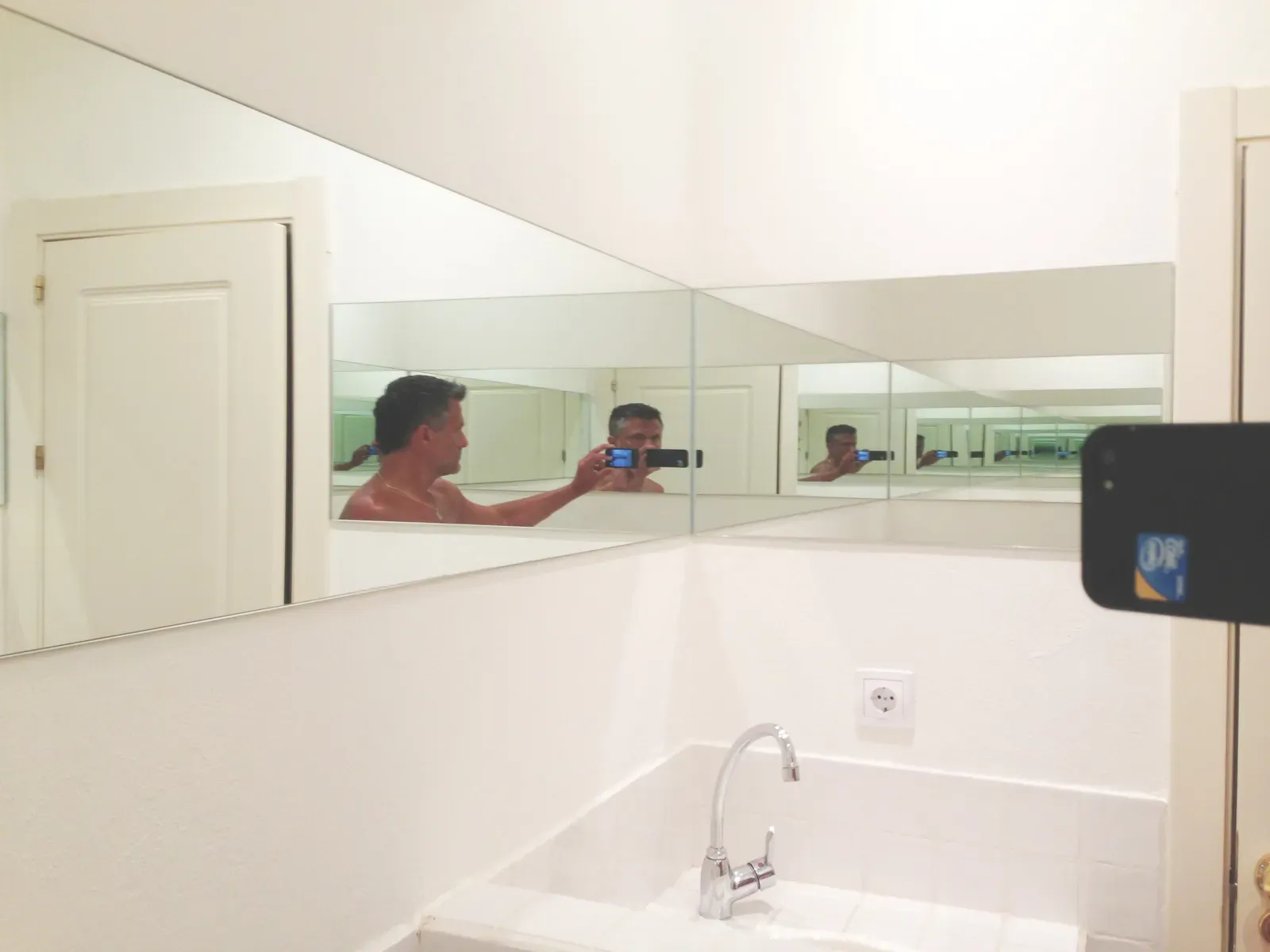
Visual illusions are not just party tricks; they are diagnostic tools for understanding how the brain builds its best guesses about the world. Take simple brightness illusions where identical gray squares appear lighter or darker depending on the background. Your brain “corrects” for what it assumes must be shadows or lighting differences and then presents you with a version of the scene it thinks is more likely in the real world. The end result feels effortless, but it is the outcome of a complex set of assumptions about light, surfaces, and depth.
Motion illusions and impossible figures push this logic even further. When you see a still image that appears to shimmer or rotate, it usually exploits the way neurons in your visual system are tuned to detect motion in particular directions. The image tricks these detectors into firing as if something were actually moving. Your conscious experience – the sense that something is swirling – is the byproduct of those early neural computations, not the outside world itself. Illusions are revealing precisely because they show you the brain failing in ways that expose its usual hidden rules.
When Prediction Goes Wrong: Hallucinations and Misdetections
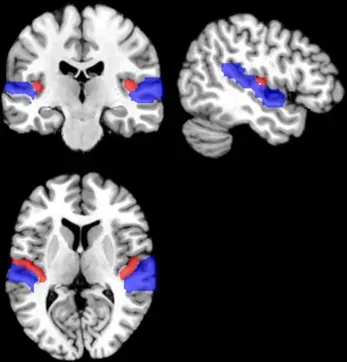
If perception is a negotiation between what your senses tell you and what your brain expects, then hallucinations can be seen as situations where expectations win too strongly. In some psychiatric conditions, or under the influence of certain drugs, the balance between top-down predictions and bottom-up signals appears to be altered. The brain may lean heavily on its internal models, interpreting random noise or weak signals as meaningful voices, faces, or patterns. The person genuinely experiences these as real because they are the end point of the same perceptual machinery that usually works so well.
Even in everyday life, you experience milder versions of this when you think you feel your phone vibrate but it did not, or you hear your name in a crowded room when no one called you. In noisy environments or under stress, your brain turns up the gain on certain expectations, like “someone might be trying to reach me” or “someone might be talking about me,” and ambiguous signals get interpreted accordingly. These false positives can be annoying, but they are also a clue that your brain would rather risk seeing something that is not there than miss something that might be important.
The Emotional Brain: How Feelings Bend Your Reality
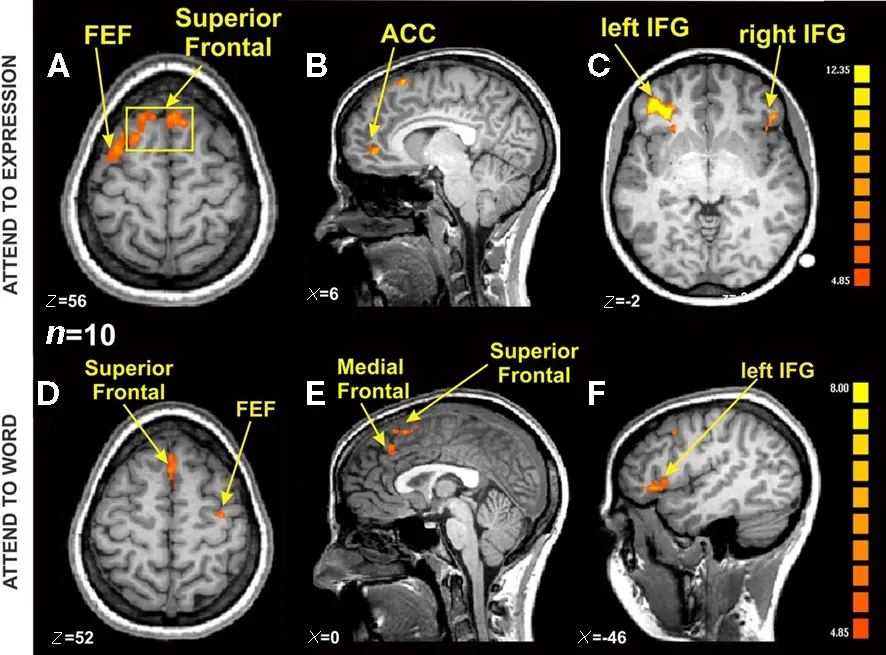
Your emotional state is not separate from perception; it is one of the key ingredients that shapes what you experience. When you are anxious, neutral faces can look subtly threatening, and ordinary sounds can seem ominously loud or sudden. Brain imaging studies show that areas involved in emotion, such as the amygdala, interact closely with sensory regions, biasing what they respond to and how strongly they respond. You are not just seeing a world and then feeling anxious about it; anxiety is already bending the world you see.
This matters for more than just mood. In chronic pain, for example, the brain’s predictions about the body can become overly tuned to danger, interpreting harmless sensations as painful or alarming. Similarly, in depression, people often report that colors seem dull or food tastes flat, and scientists have found changes in how reward and sensory circuits communicate. Your brain’s model of the world always includes a model of you in that world, with all your fears, hopes, and habits, and that self-model feeds back into what feels real.
The Deeper Significance: From Naive Realism to Constructed Worlds
For most of human history, the default assumption has been a kind of naive realism: the idea that we see the world as it truly is, more or less directly. Modern neuroscience has forced a major revision of that comforting story. The evidence now points to a brain that constructs a world based on probabilities, prior experience, and limited sensory samples, constantly testing and updating its own internal models. This shift is as profound for psychology and philosophy as heliocentrism was for astronomy, because it moves the apparent center of reality from “out there” to the interaction between brain and world.
Compared with older views of perception as a simple chain from eye to brain, the predictive, constructive view explains a wider range of phenomena: illusions, hallucinations, cultural differences in perception, and even why people can disagree so deeply about shared events. It does not mean there is no external world or that everything is purely subjective, but it does mean your access to that world is always filtered through biological and personal history. In effect, there is a negotiation going on between reality as it exists and reality as your brain expects it to be, and what you experience is the best compromise it can manage in real time.
Shared Realities and Conflicting Perceptions in a Connected Age

Once you accept that each brain is building its own version of reality, it becomes easier to understand how groups of people can live side by side yet feel like they inhabit different worlds. Cultural background, language, and media exposure all shape the expectations and categories your brain relies on to interpret events. Two people watching the same video or reading the same headline may literally perceive different things because their predictive models highlight different details and assign different meanings. The growing complexity and speed of information in modern life only amplify these divergences.
At the same time, the fact that we can communicate, coordinate, and build science together shows that our constructed realities overlap enough to be shared and tested. Measurements, experiments, and peer review act as tools to check our individual models against something more stable. In a way, the scientific method is a collective attempt to correct for the quirks of brains that create reality on the fly. Recognizing that your perception feels absolute but is actually provisional can be unsettling, but it can also open space for curiosity and humility when confronting someone else’s point of view.
Living With a Brain That Builds Your World
Knowing that your brain is constantly constructing reality does not mean you should distrust every experience, but it does invite a different kind of attention. You can start noticing moments when your expectations are especially strong – when you are tired, fearful, or certain you already know what is happening – and treat those perceptions as hypotheses rather than final verdicts. Simple habits like double-checking what you think you saw, pausing before reacting, or deliberately seeking other perspectives are ways of gently testing your own internal models against more evidence.
On a more hopeful note, the same plasticity that lets the brain slip into distorted predictions also allows it to learn new ones. Practices such as mindfulness, cognitive therapy, and even carefully designed virtual reality experiences are being explored as ways to reshape unhelpful perceptual habits. You cannot step outside your brain to see the world from nowhere, but you can participate in how your brain learns to see. And once you realize your reality is partly a construction, the question quietly shifts from “Is this the world?” to “Is this the most useful way my brain could be building it right now?”
Suhail Ahmed is a passionate digital professional and nature enthusiast with over 8 years of experience in content strategy, SEO, web development, and digital operations. Alongside his freelance journey, Suhail actively contributes to nature and wildlife platforms like Discover Wildlife, where he channels his curiosity for the planet into engaging, educational storytelling.
With a strong background in managing digital ecosystems — from ecommerce stores and WordPress websites to social media and automation — Suhail merges technical precision with creative insight. His content reflects a rare balance: SEO-friendly yet deeply human, data-informed yet emotionally resonant.
Driven by a love for discovery and storytelling, Suhail believes in using digital platforms to amplify causes that matter — especially those protecting Earth’s biodiversity and inspiring sustainable living. Whether he’s managing online projects or crafting wildlife content, his goal remains the same: to inform, inspire, and leave a positive digital footprint.