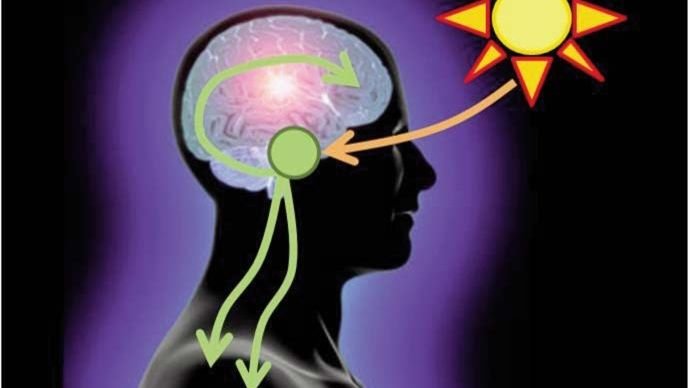
Some questions feel almost too big to ask, yet we keep asking them anyway: What is consciousness? Why do we stare at the night sky and feel small, yet somehow more alive? In labs around the world, neuroscientists are starting to show that curiosity is not just a personality quirk or a childhood phase, but a deeply embedded feature of the human brain. This urge to explore and make sense of the unknown shapes how we learn, how we connect, and even how we experience time and meaning. As researchers map the neural circuits of curiosity, they are discovering that our drive for wonder is tightly linked to reward, memory, and our sense of self in a vast universe. Those findings are quietly rewriting how we think about human nature itself.
The Hidden Clues Inside a Curious Brain
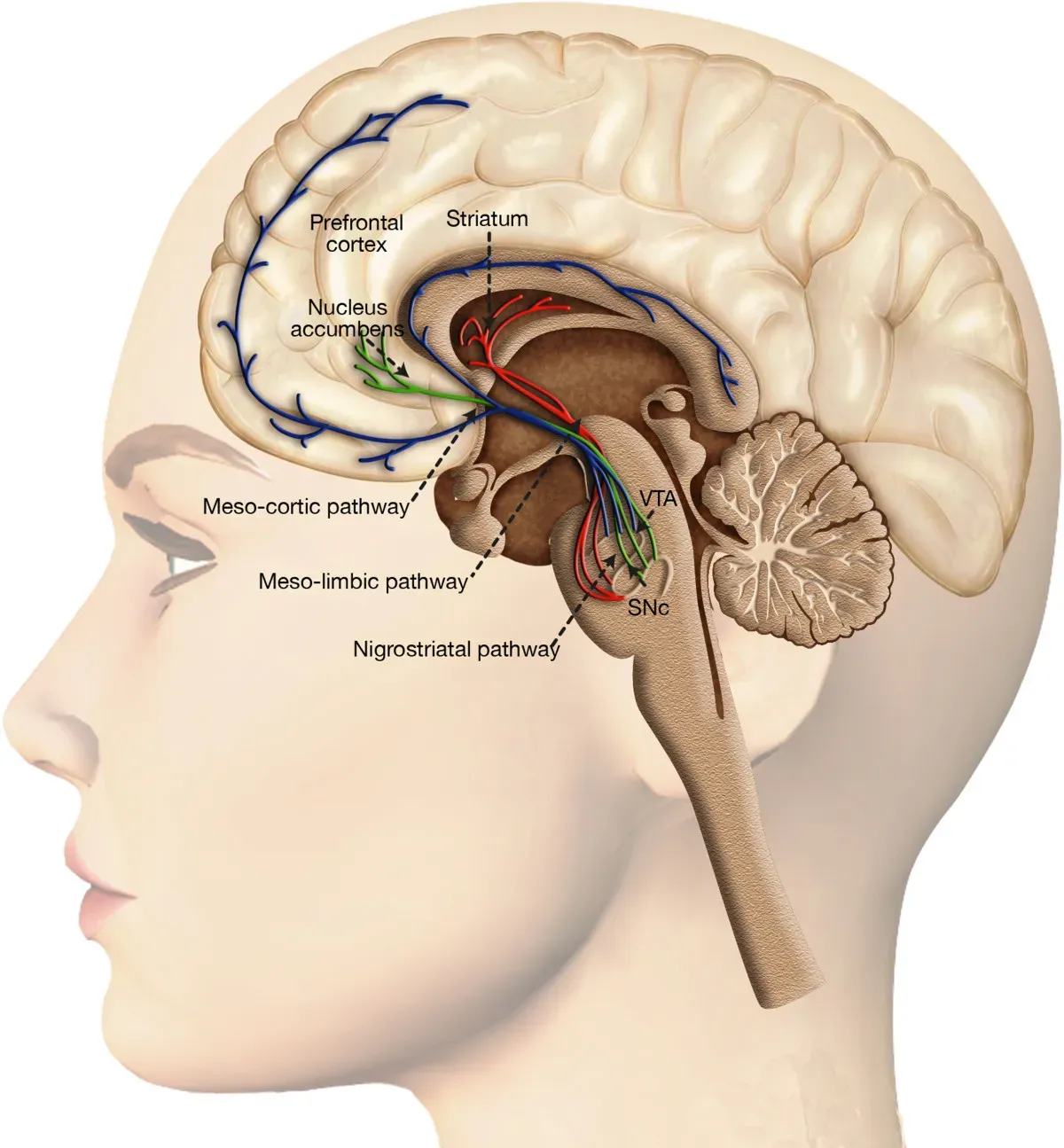
One of the most surprising discoveries of the last decade is that curiosity lights up the brain’s reward system almost like a powerful drug. When people are shown trivia questions or strange images that spark their interest, areas such as the ventral striatum and midbrain dopamine circuits become more active, the same systems involved when we anticipate food, money, or social approval. In simple terms, when you are curious, your brain is betting that the answer will feel good, and it starts paying closer attention. That heightened state is not just emotional; it changes how your neurons fire and how different brain regions talk to each other. I still remember sitting in on a lab session where volunteers were given bizarre facts to guess; you could almost feel the tension in the room rise right before they heard the answers.
Curiosity also leaves fingerprints in the hippocampus, the key region for forming new memories. Studies using functional MRI have shown that when people feel more curious about a particular question, they not only remember the answer better, they also remember unrelated information they see around the same time. It is as if curiosity opens a wider recording window in the brain, letting more details slip into long-term storage. That might explain why you can recall where you were when you first learned an astonishing science fact, but not what you had for lunch the day before. These hidden neural clues suggest that wonder is not a distraction from learning; it is the engine that drives it.
From Survival Instinct to Stargazing: Why Curiosity Evolved

Long before we gazed through telescopes or built particle accelerators, curiosity was a survival tool. For early humans, exploring a new valley, tasting a new plant, or watching the behavior of predators and prey could mean the difference between life and death. The brain that was slightly more inclined to explore, test, and remember patterns had a real edge, even if that instinct sometimes led to risk. Over generations, that edge likely shaped our species into compulsive pattern-seekers, obsessed with cause and effect. You can still feel echoes of that ancient pressure when you cannot resist checking what made a sudden sound in the dark.
What is remarkable is how this survival instinct has been repurposed for abstract questions about reality itself. Today, the same neural circuitry that once pushed us to track animal migrations now fuels our urge to understand black holes, quantum entanglement, and the possibility of alien life. Brain imaging studies suggest there is no strict divide between being curious about a rustle in the bushes and being curious about whether the universe had a beginning; the same reward and memory systems turn on in both cases. In that sense, stargazing is just curiosity using a new set of tools and symbols. Our physiology has not changed much in tens of thousands of years, but the playground for our wonder has expanded from forests and rivers to galaxies and multiverses.
How Wonder Shapes Learning, Memory, and Meaning
When teachers and parents talk about motivating students, they often focus on discipline or external rewards, but the neuroscience of curiosity paints a different picture. Experiments show that when people are allowed to follow their interests, they learn faster and retain information longer, even when the material is difficult or dense. Brain scans reveal stronger connectivity between areas responsible for attention, reward, and memory when a person is deeply engaged. You can think of curiosity as the brain switching into a high-efficiency mode, making each minute of learning count more. That is why five minutes of truly fascinated reading can sometimes outcompete an hour of forced study.
Curiosity also plays a quiet role in how we build meaning across a lifetime. People who frequently seek out new experiences and questions tend to report a stronger sense of purpose and mental flexibility as they age. Some research even links sustained curiosity with better resilience against cognitive decline, possibly because it keeps neural networks active and adaptable. On a more personal note, the times I have felt most alive as a journalist have been those moments of chasing a question that would not leave me alone, when every new fact rearranged my sense of the story. For many of us, wonder is not just about collecting facts; it is about knitting those facts into a story that makes existence feel less random.
The Physics of Awe: When the Brain Meets the Cosmos
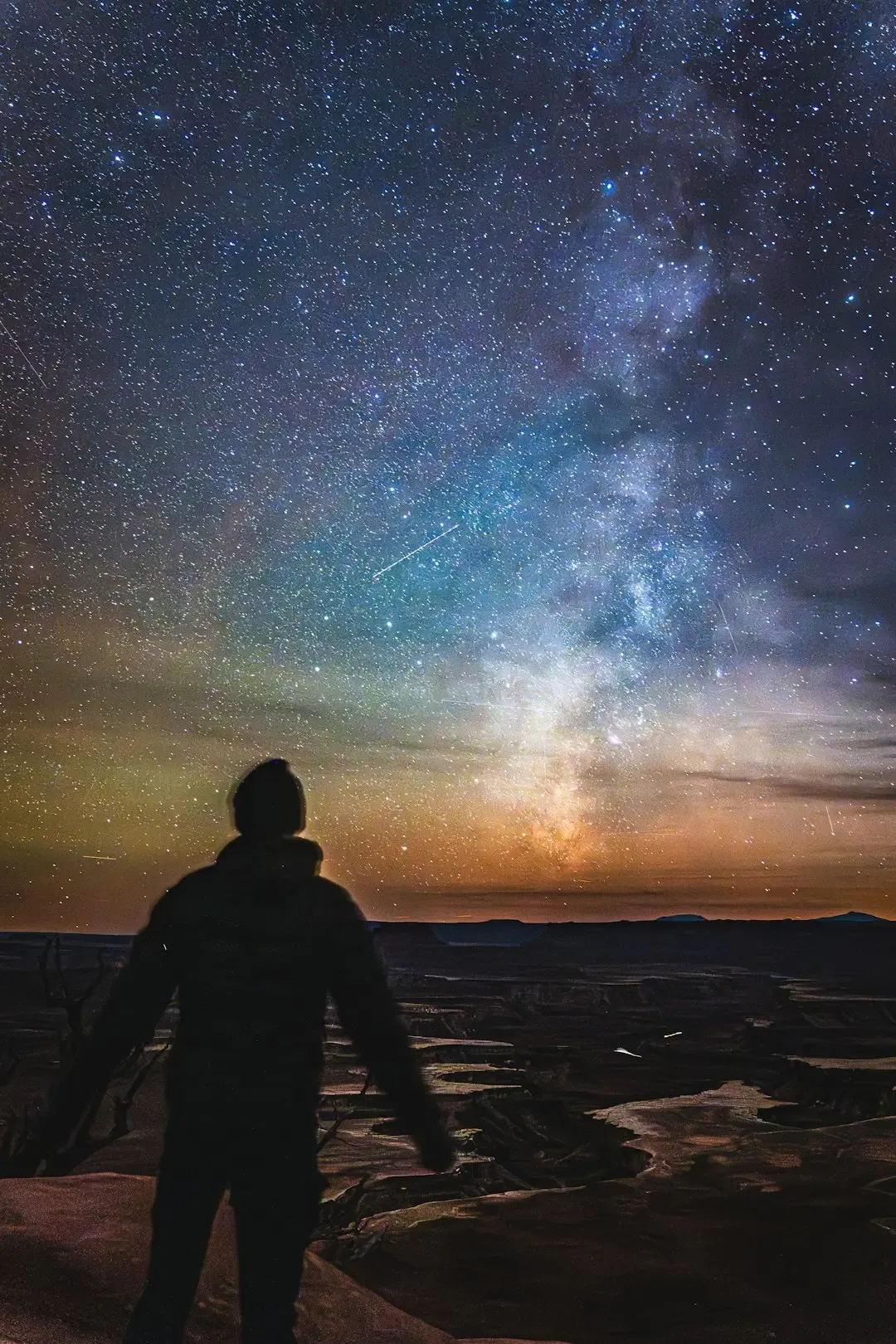
Awe is often described as curiosity’s older, stranger sibling: that jaw-dropping feeling when we confront something vast that we cannot easily explain. Neuroscientists studying awe find overlapping but distinct patterns compared with everyday curiosity. Regions involved in self-referential thinking, such as parts of the default mode network, tend to dial down, while systems linked to sensory processing and attention ramp up. In practical terms, awe seems to quiet the constant mental chatter about ourselves, making room for a more expansive awareness. Many people report that time feels slower and boundaries feel looser during intense awe, whether they are watching an eclipse or listening to a powerful piece of music.
These altered states raise provocative questions about consciousness and our place in the universe. Some psychologists argue that awe evolved to help us update our mental models when we encounter something radically outside our expectations, like a sudden storm or a massive herd of animals on the move. Today, that same mechanism may be at work when we see the first image of a black hole or simulations of the early universe. While the details are still under active study, early findings suggest that regular experiences of awe can make people feel more connected to others and more willing to think beyond short-term self-interest. In a world facing global-scale challenges, that shift in perspective might be more than just a pleasant side effect of stargazing.
Why It Matters: Curiosity as a Public Resource, Not a Luxury

It is tempting to treat curiosity as a personal hobby, something you indulge in if you have spare time, but the science argues the opposite. When curiosity-rich environments are built into schools, workplaces, and communities, learning outcomes improve, innovation grows, and people report feeling more engaged. Traditional models that prize rote memorization and rigid routines often dampen the very brain states that support deep understanding. You can see this tension in classrooms where children who ask too many questions are labeled as disruptive rather than recognized as having a powerful cognitive asset. If curiosity is hardwired into our physiology, ignoring it is like trying to drive with the parking brake on.
From a broader scientific perspective, curiosity is the raw fuel behind major breakthroughs in fields from medicine to astrophysics. Many landmark discoveries began as side questions that seemed impractical at the time, chasing anomalies that did not fit existing theories. Without that willingness to explore the weird corners, science would stagnate into simple fact-collecting. There is also a social justice angle: research on curiosity suggests that when people are given fewer opportunities to explore and ask questions, their cognitive potential is artificially capped. Treating wonder as a public resource means designing systems that do not just allow questions, but actively invite them, especially from those who are usually left out of scientific conversations.
Consciousness, Mystery, and the Edges of What We Know
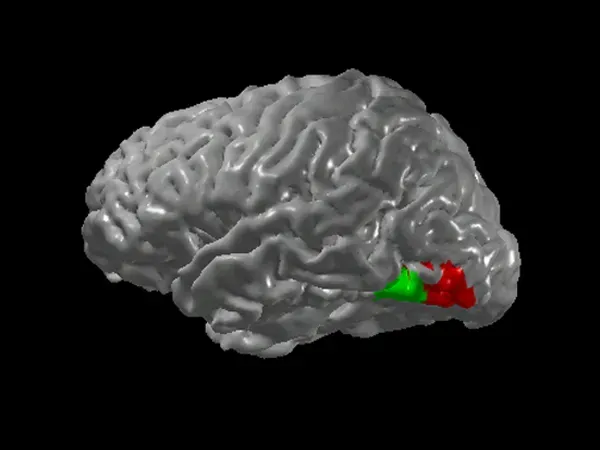
Perhaps the most haunting twist in this story is that a curious brain is trying to understand itself. Consciousness research sits at the crossroads of neuroscience and physics, probing how subjective experience arises from biological processes. Some theories emphasize the role of information integration in the brain, while others look at how neural oscillations create a unified sense of self over time. A few more speculative ideas even explore whether consciousness might be linked to deeper structures in the universe, such as fundamental information or quantum processes. While evidence for grand unifying theories is still thin, the willingness to tackle such questions reflects just how far our instinct for wonder can stretch.
For curious readers, this means that your urge to question reality is not a distraction from science but one of its driving forces. Labs studying near-threshold perception, altered states, and brain-body interactions are slowly mapping experiences that used to be dismissed as purely philosophical. Each experiment feels like pointing a small flashlight into a dark cathedral, revealing only pillars and arches while the full ceiling remains hidden. The mystery is not a failure of science; it is the natural frontier where our current tools are still catching up to our questions. In that sense, your restless curiosity is already participating in the next chapter of understanding consciousness and the universe.
The Future Landscape: Technologies That Will Hack Our Sense of Wonder

Looking ahead, emerging technologies are poised to both amplify and exploit our curiosity in ways we are only beginning to grasp. Advanced brain imaging and neural recording tools are giving researchers millisecond-by-millisecond views of how curiosity unfolds, potentially leading to personalized learning systems that adapt in real time to your level of engagement. Artificial intelligence systems are already tuned to keep us clicking and scrolling by predicting what will spark our interest next, sometimes nudging curiosity toward shallow novelty rather than deep understanding. There is a growing debate over whether these digital environments are stretching our attention spans or slicing them into fragments. The same circuits that pushed our ancestors to explore new landscapes are now being targeted by recommendation algorithms.
On the more hopeful side, immersive technologies such as virtual and augmented reality could offer powerful new ways to trigger awe and exploration. Imagine stepping inside a simulation of a cell, a black hole’s accretion disk, or your own visual cortex, with sensory feedback tuned to enhance insight rather than simple entertainment. Global scientific collaborations are also using open data and citizen science platforms to invite ordinary people into cutting-edge research, from classifying galaxies to tracking environmental changes. These projects turn curiosity into a shared tool rather than a solitary pastime. The challenge will be ensuring that the next wave of tools respects our cognitive wiring instead of hijacking it.
How to Live with More Wonder: A Practical Call to Action

If curiosity is built into your brain, the question becomes how to work with it rather than against it in daily life. One simple step is to give small questions more room instead of immediately reaching for quick answers or distractions. Let yourself sit with a mystery for a few minutes longer, whether it is a strange cloud pattern or an odd headline about a new physics experiment. Many researchers recommend building tiny habits around wonder, such as keeping a running list of questions and trying to genuinely explore one each week. It feels almost like strength training for your neural curiosity circuits.
You can also plug your personal wonder into larger scientific efforts. Joining a citizen science project, visiting public lectures, supporting science museums, or simply sharing well-researched articles with friends all help build a culture that values questions. Some practical ideas include:
- Setting aside a short weekly “deep dive” session into a topic you know nothing about.
- Encouraging kids and peers to ask follow-up questions instead of rewarding only correct answers.
- Supporting institutions and policies that fund basic research, even when applications are not obvious yet.
Each of these acts treats curiosity as something worth protecting and growing. In a world that often rewards certainty and speed, choosing to stay curious is a quiet, radical move.
Suhail Ahmed is a passionate digital professional and nature enthusiast with over 8 years of experience in content strategy, SEO, web development, and digital operations. Alongside his freelance journey, Suhail actively contributes to nature and wildlife platforms like Discover Wildlife, where he channels his curiosity for the planet into engaging, educational storytelling.
With a strong background in managing digital ecosystems — from ecommerce stores and WordPress websites to social media and automation — Suhail merges technical precision with creative insight. His content reflects a rare balance: SEO-friendly yet deeply human, data-informed yet emotionally resonant.
Driven by a love for discovery and storytelling, Suhail believes in using digital platforms to amplify causes that matter — especially those protecting Earth’s biodiversity and inspiring sustainable living. Whether he’s managing online projects or crafting wildlife content, his goal remains the same: to inform, inspire, and leave a positive digital footprint.