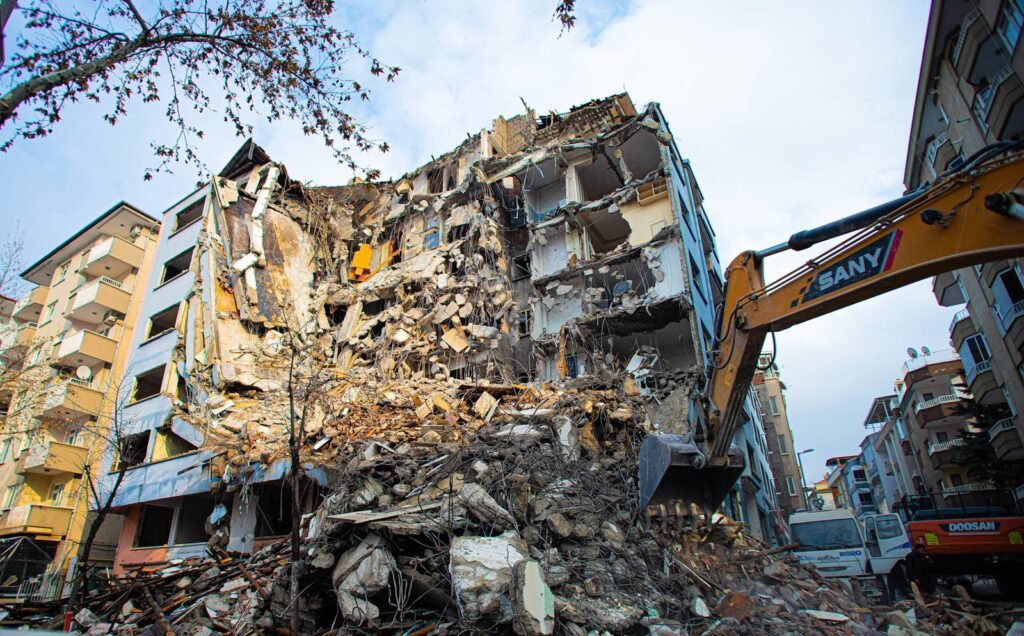

Imagine a world where the ground trembles so often that people barely pause mid-sentence. In New Zealand, this is not just a wild idea—it’s daily life. Nestled on the edge of two restless tectonic plates, New Zealanders have grown up with the earth’s rumble as a routine backdrop. The quakes are so frequent that, astonishingly, an app exists just so locals can check, confirm, and—more often than not—shrug off the latest tremor with a touch of nonchalance. If you think living with constant seismic shakes sounds terrifying, think again. For many Kiwis, it’s as ordinary as a passing rain shower. Welcome to a country where the earth is never quite still and technology is helping people adapt, stay informed, and even laugh in the face of nature’s might.
The Shaky Isles: Why Does New Zealand Shake So Much?
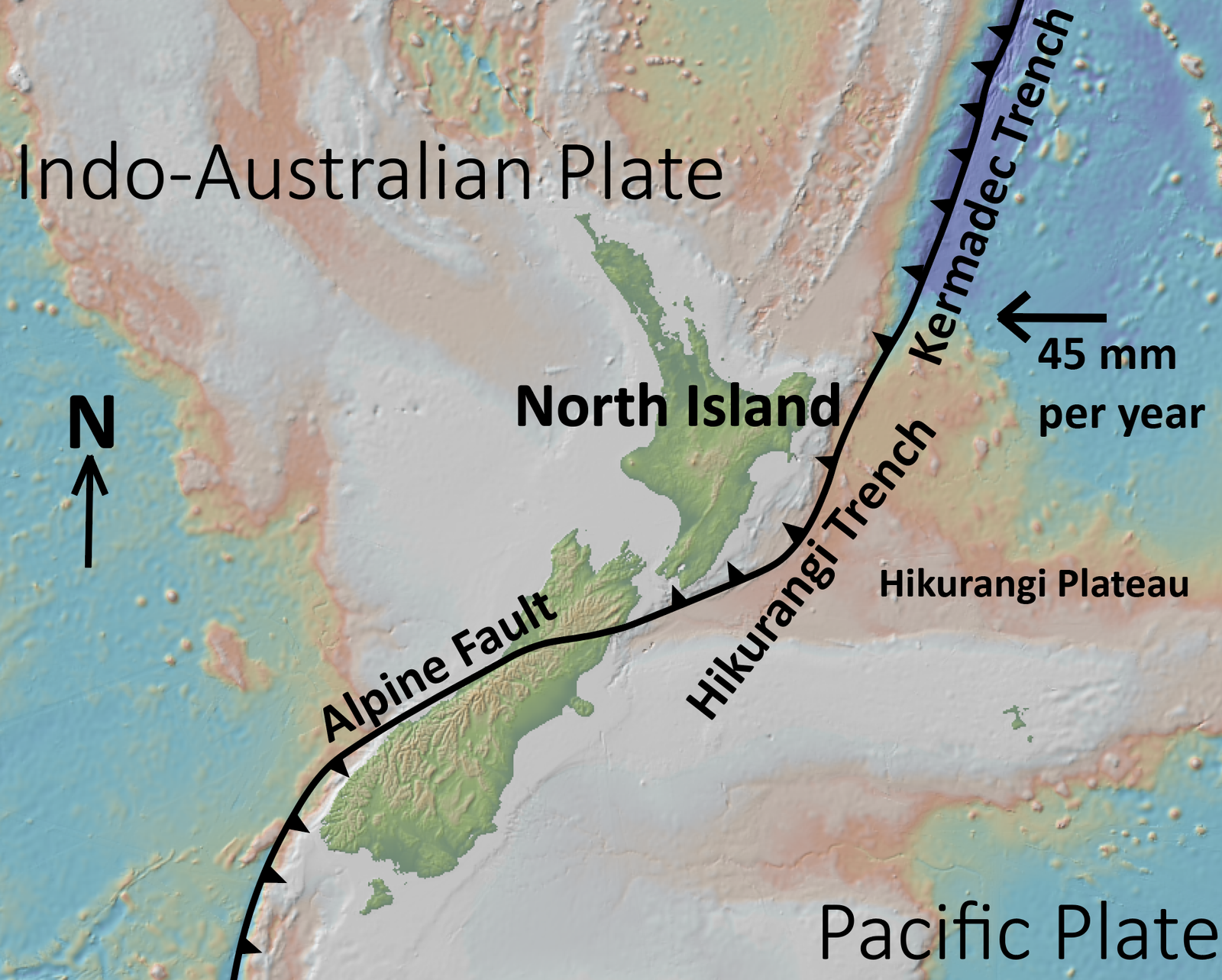
Earthquakes aren’t just rare, dramatic events in New Zealand—they are woven into the very landscape. The country sits directly on the boundary between the Pacific and Australian tectonic plates, two massive slabs of the Earth’s crust that are constantly grinding, colliding, and sliding past each other. This collision zone is known as the “Ring of Fire,” an area infamous for its dramatic geological activity. The plates don’t move smoothly, but rather build up tension that is released suddenly, causing earthquakes that range from gentle tremors to destructive jolts. Unlike places where an earthquake is a once-in-a-decade story, here, it’s something you might feel several times a week—or even a day. This restless geology has shaped not only the landscape but the culture, attitudes, and everyday routines of those who call New Zealand home.
Life on a Fault Line: How Earthquakes Shape Everyday Life

Living with earthquakes means New Zealanders have learned to expect the unexpected. Children are taught earthquake safety drills from their earliest school days: “Drop, Cover, Hold.” Emergency kits with torches, water, and food are common in households, and buildings are designed to sway rather than shatter. Even casual conversations might be interrupted by a quick, “Did you feel that one?” before continuing as if nothing happened. There’s a shared resilience and humor in the face of frequent shakes—a sense that, since the earth won’t stop moving, there’s no choice but to move with it. It’s not unusual for social media to light up with jokes and memes after a quake, turning a moment of tension into a burst of national camaraderie.
The Science Behind the Tremors: What Triggers New Zealand’s Quakes?
At the heart of New Zealand’s seismic activity are its fault lines—the most famous being the Alpine Fault, which runs almost the length of the South Island. Faults are cracks in the Earth’s crust where stress builds up until it’s suddenly released. The Pacific Plate, with its relentless push against the Australian Plate, creates the perfect recipe for frequent earthquakes. Some quakes are shallow and sharp, while others originate deep below the surface and are felt more gently. Scientists use sensitive instruments to monitor these movements, tracking thousands of earthquakes each year—most of which are too small to be felt. This relentless activity is not just a scientific curiosity; it’s a constant reminder of the powerful forces shaping the land.
Introducing GeoNet: The App Locals Can’t Live Without
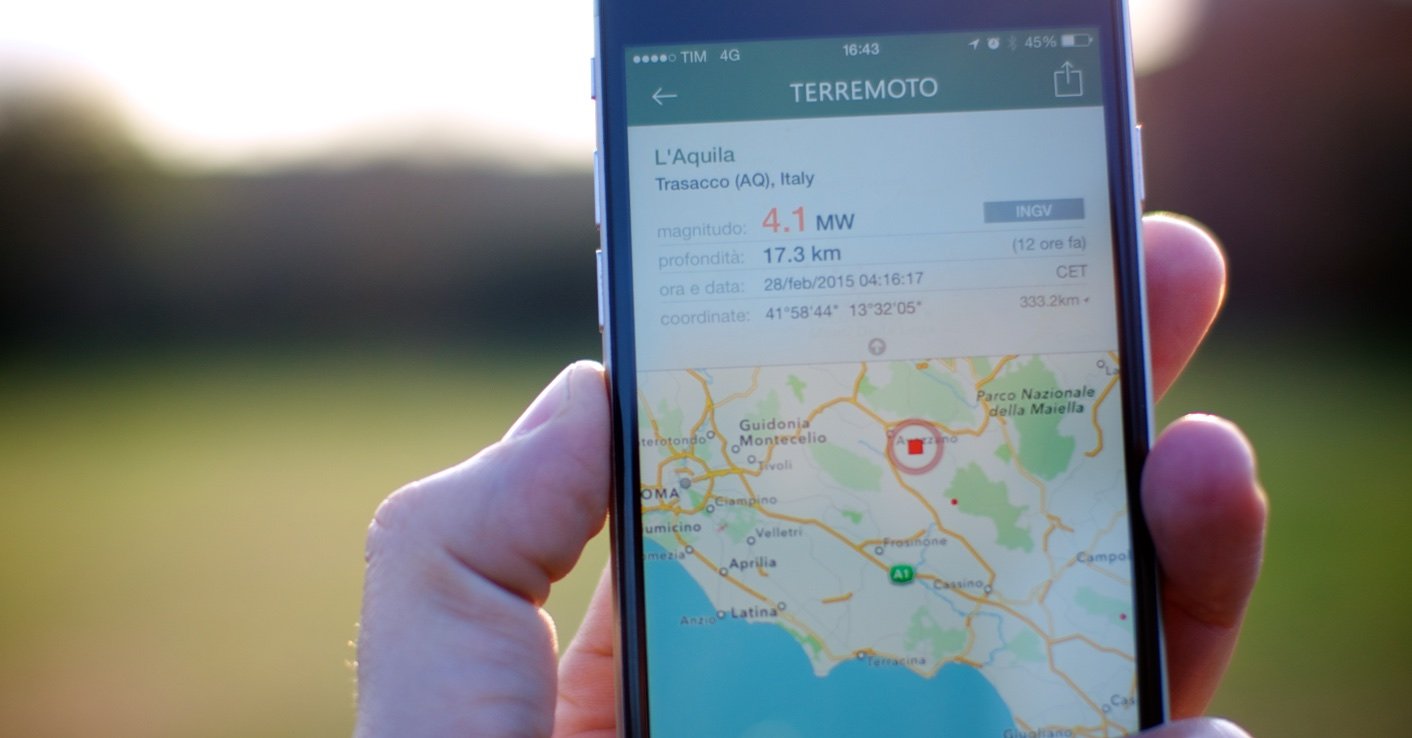
With the ground always shifting, it’s no wonder technology has stepped in to help. Enter GeoNet: a uniquely Kiwi app that delivers real-time earthquake alerts, maps, and information straight to your phone. Whenever the ground moves, thousands of New Zealanders instinctively reach for the app, eager to check the magnitude, depth, and location. The app allows users to report what they experienced, creating a crowdsourced snapshot of each quake’s impact. Rather than panic, many locals use GeoNet to confirm what they already suspected: “Ah, just a 3.2 near Wellington. No biggie.” The app has become a cultural touchstone—a digital companion in a land where the earth never sleeps.
Earthquake-Proofing: How Buildings Stand Tall Amid the Shakes
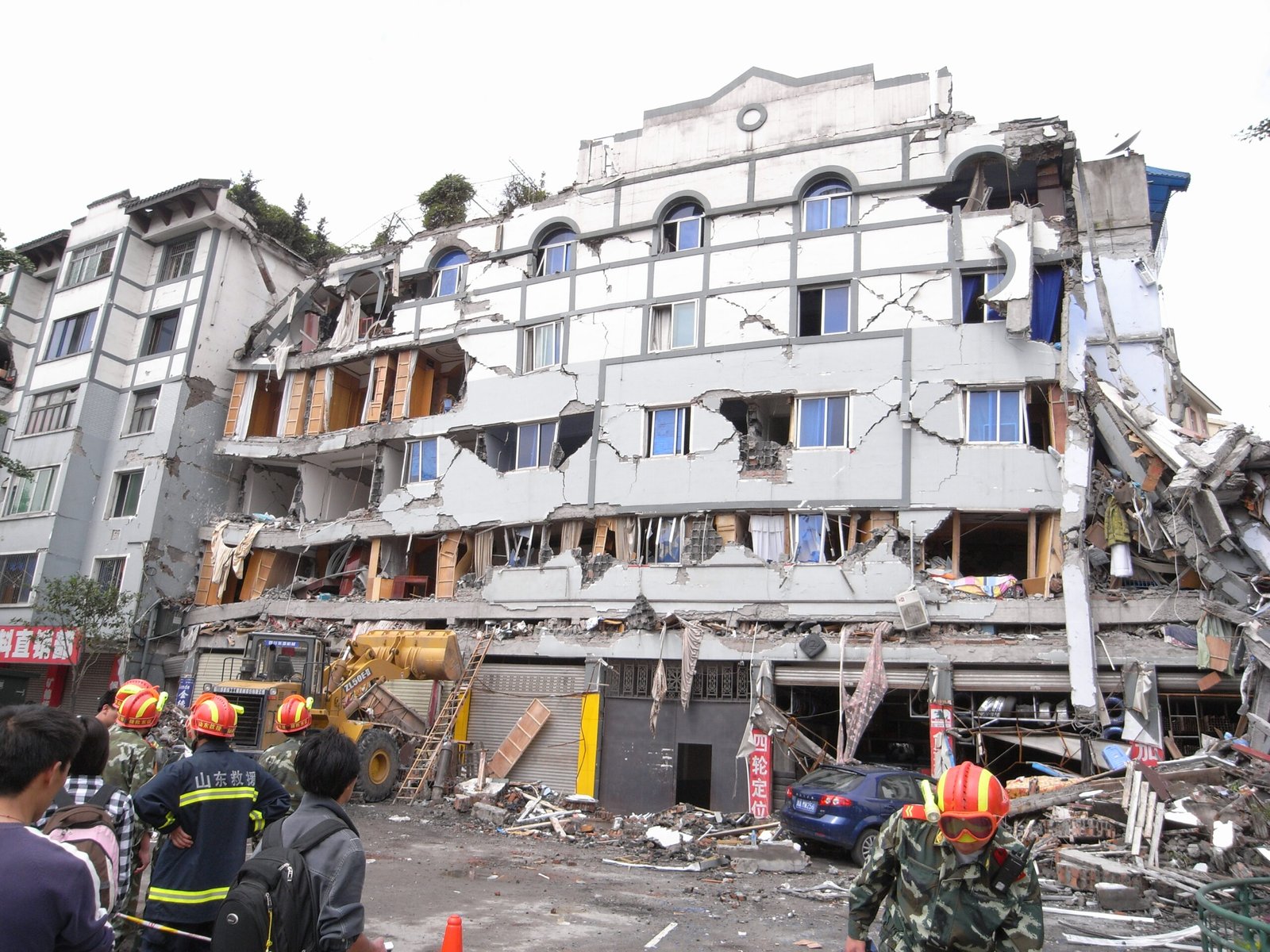
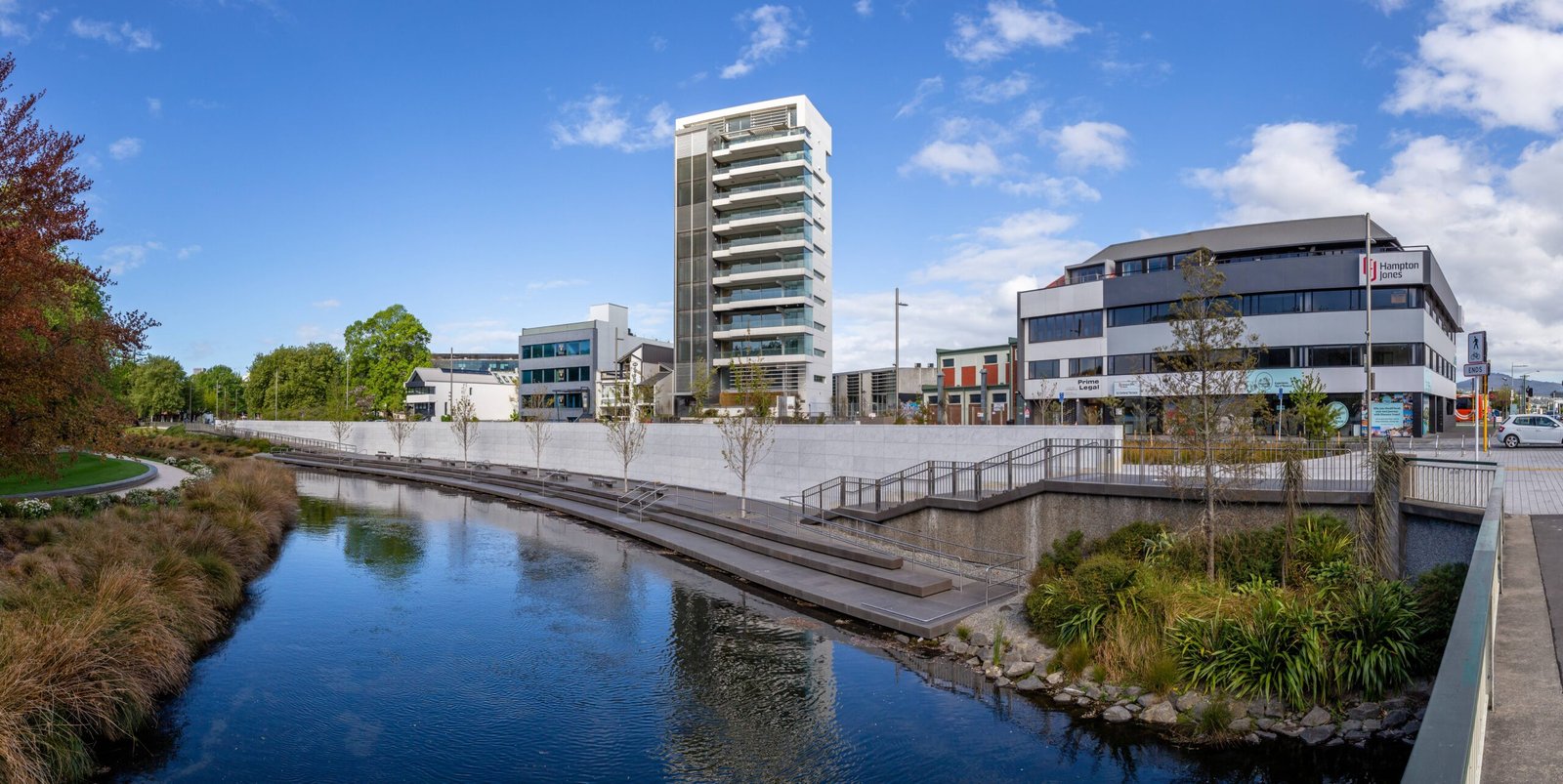
New Zealand’s architecture has evolved in response to its seismic reality. Modern buildings are designed with flexibility and strength, incorporating engineering marvels like base isolators and shock-absorbing foundations. These features allow structures to sway gently during a quake, dispersing the energy rather than snapping under pressure. Older buildings, especially in cities like Wellington and Christchurch, undergo retrofitting to bring them up to current safety standards. The result is a striking skyline where resilience is just as important as beauty. Even family homes are often bolted to their foundations, with shelves secured and heavy items anchored. For New Zealanders, earthquake-proofing isn’t just about safety—it’s about peace of mind.
From Scare to Shrug: The Kiwi Attitude Toward Earthquakes

Perhaps the most remarkable thing about New Zealand’s earthquakes is the way people respond to them. While a sudden jolt might send visitors diving under tables, locals often react with little more than a raised eyebrow. This isn’t bravado—it’s a testament to adaptation and community spirit. Over time, frequent small quakes have bred a sense of calm and preparedness. Instead of fear, there’s a quiet confidence that comes from knowing what to do and trusting in the systems in place. Humor plays a big role too, with lighthearted banter and “quake bingo” lists making the rounds online. In a land that never stands still, laughter is a powerful coping tool.
Seismic Science: How Researchers Monitor and Predict Quakes

Behind the scenes, teams of scientists work tirelessly to understand New Zealand’s seismic puzzle. Using a network of seismographs and GPS stations, they monitor every twitch and tremble of the earth. Data from these instruments feed into sophisticated models, helping researchers map fault lines, estimate the likelihood of future quakes, and even issue early warnings. While predicting the exact timing of earthquakes remains a challenge, advances in technology are offering hope. The information gathered not only protects lives but also helps engineers design safer buildings and informs public policy. The work is ongoing, driven by a passion to unlock the mysteries beneath their feet.
When the Big One Hits: Stories of Resilience and Recovery
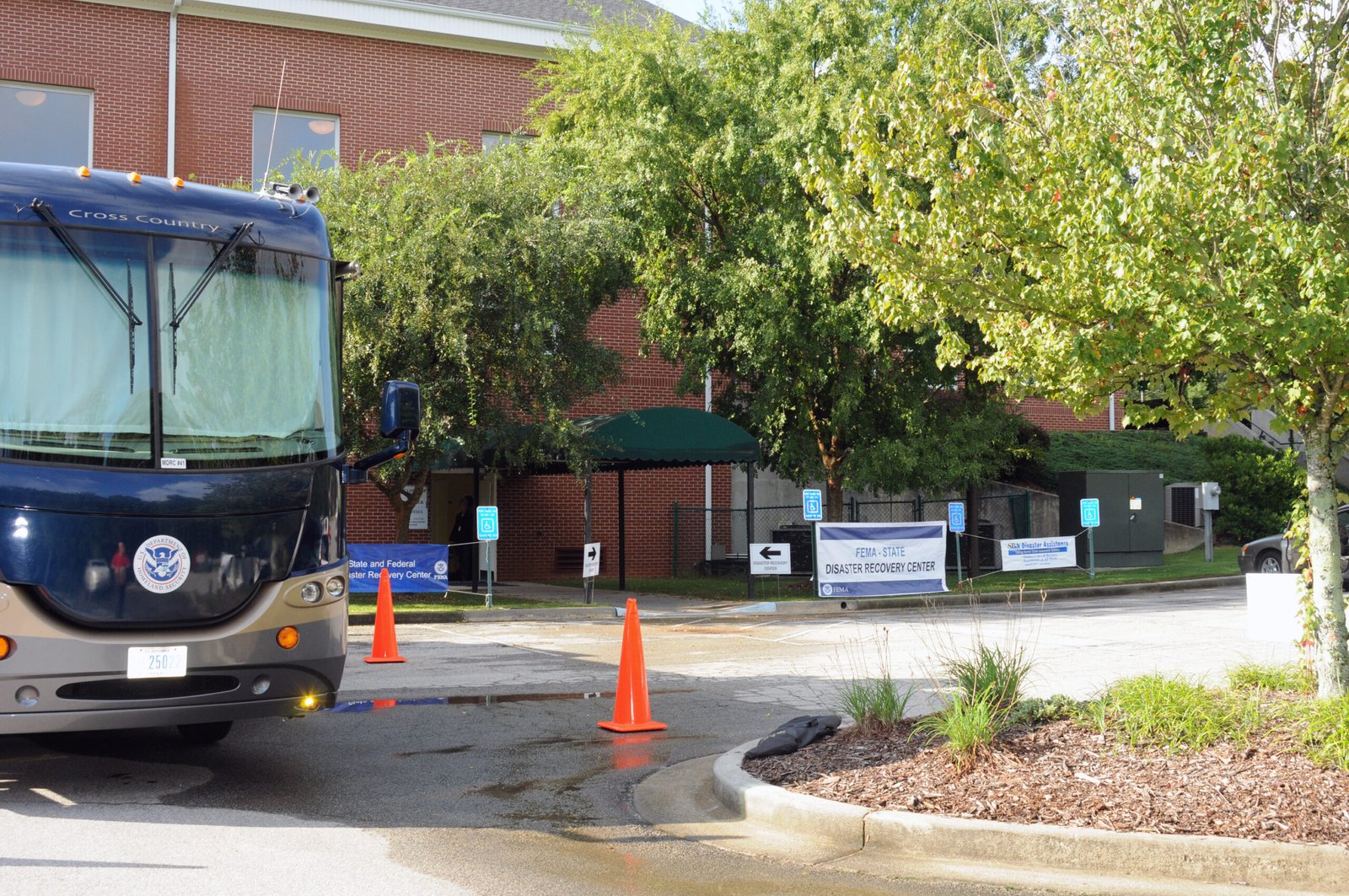
New Zealand’s history is marked by a handful of devastating earthquakes that have left lasting scars. The 2011 Christchurch earthquake, for example, claimed lives, toppled historic buildings, and reshaped an entire city. Yet in the aftermath, stories of heroism, compassion, and determination emerged. Communities rallied, neighbors helped neighbors, and the country came together to rebuild. These events serve as stark reminders of nature’s power, but also of human resilience. For many Kiwis, the lessons learned from past quakes inform every drill, building code, and emergency plan. The scars remain, but so does a deep sense of unity and purpose.
Kids, Schools, and Earthquake Education

In New Zealand, earthquake education starts early. Schools regularly hold drills where students practice diving under desks and covering their heads. Teachers explain the science of earthquakes in simple, engaging ways, turning a potentially frightening subject into a lesson in empowerment. Kids learn how to pack emergency kits and what to do if they’re home alone during a quake. This culture of preparedness extends to families, who discuss safety plans and even turn drills into games. By normalizing earthquake safety, New Zealand’s next generation grows up informed, confident, and ready to face whatever the earth throws their way.
The Upside of a Shaky Land: Fertile Soils and Stunning Landscapes
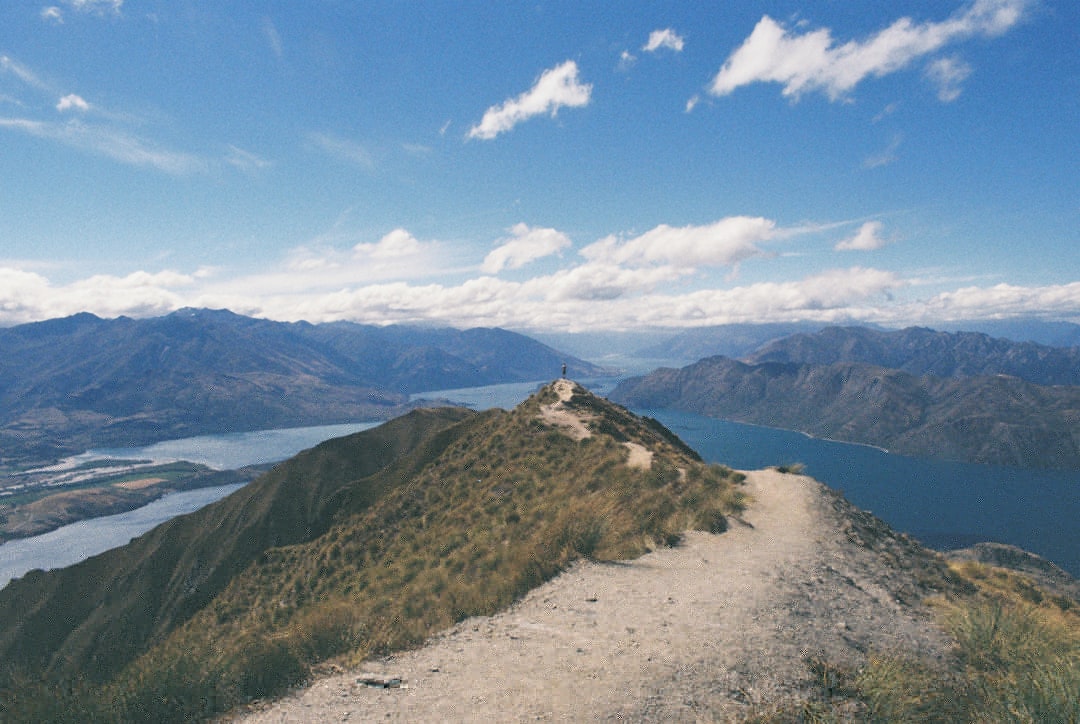
While earthquakes can be destructive, they also play a vital role in shaping New Zealand’s breathtaking scenery. The same geological forces that cause the ground to shake are responsible for creating dramatic mountain ranges, rolling hills, and fertile plains. Volcanic activity, fueled by shifting plates, enriches the soil, making it ideal for farming and vineyards. Tourists flock to geothermal wonders like Rotorua, where steaming vents and bubbling mud pools are daily reminders of the power beneath. In a sense, the quakes that disrupt daily life also give New Zealand its unique beauty and bounty—a silver lining to the constant rumble.
Adapting to a Moving World: What the Future Holds

As technology and science continue to advance, New Zealand’s relationship with earthquakes is evolving. Early warning systems, improved building codes, and public education are making communities safer and more resilient. The GeoNet app and similar tools empower individuals to stay informed and prepared. Researchers are exploring new frontiers in earthquake prediction, offering hope for even better protection in the future. Yet amidst all this progress, one thing remains unchanged: the earth will keep moving, and New Zealanders will keep adapting. Their story is one of ingenuity, courage, and an unbreakable bond with the land they call home.
New Zealand’s never-ending dance with earthquakes has shaped not only its landscape but its people, culture, and ways of life. Every tremor is a reminder of the planet’s power and unpredictability, yet also of human resilience and creativity. The next time the ground shakes, Kiwis will likely reach for their phones, check the app, and smile—knowing that in this extraordinary corner of the world, a little shake is just part of the rhythm of life.