
You have probably been told that when your heart stops, that’s it. Lights out. End of story. But over the past few years, a wave of studies has started quietly pushing back against that simple, comforting narrative. When doctors hook dying patients up to sophisticated brain monitors, they’re seeing something unnerving: in some people, meaningful brain activity and vivid, organized experiences seem to continue well after the moment you’d usually call “death.”
You are not reading a science fiction plot. You are looking at a real scientific puzzle that researchers are now taking seriously. That does not mean anyone has proved that you float out of your body or stroll into a heavenly landscape. It does mean this: your inner experience during the first minutes after you “die” is much less straightforward than you’ve been taught, and consciousness is starting to look a lot harder to shut off than a light switch.
What Scientists Are Actually Seeing When People “Die”
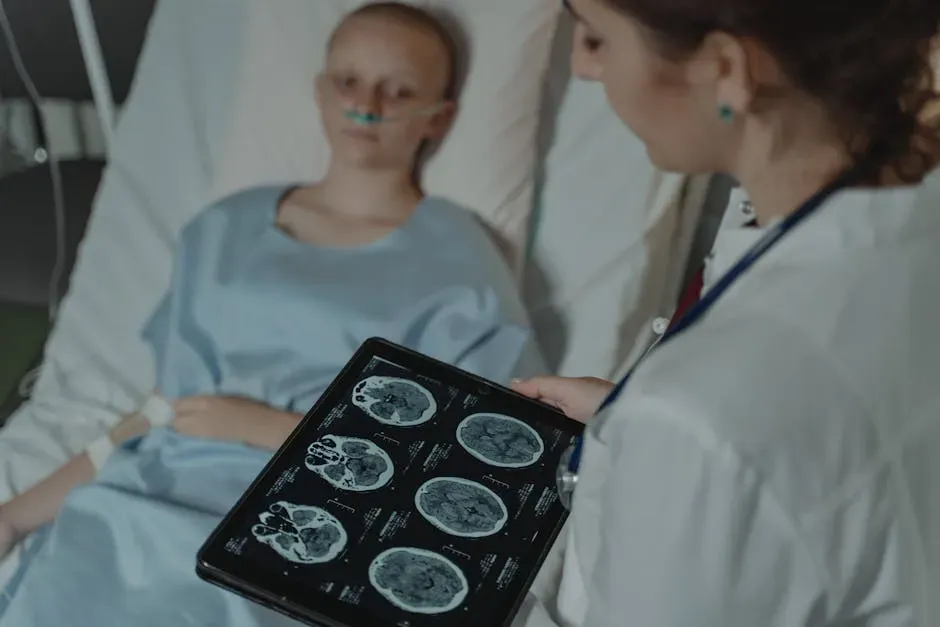
When you picture death in a hospital, you probably imagine a flatline on a monitor and frantic staff calling the time. For a long time, that flatline was assumed to equal a silent brain and the absolute end of consciousness. Yet large resuscitation studies have now followed hundreds of people whose hearts stopped and who were technically dead for minutes, sometimes close to an hour, before being brought back. A surprising number of them later reported clear, structured experiences while their brains appeared to be in deep shutdown.
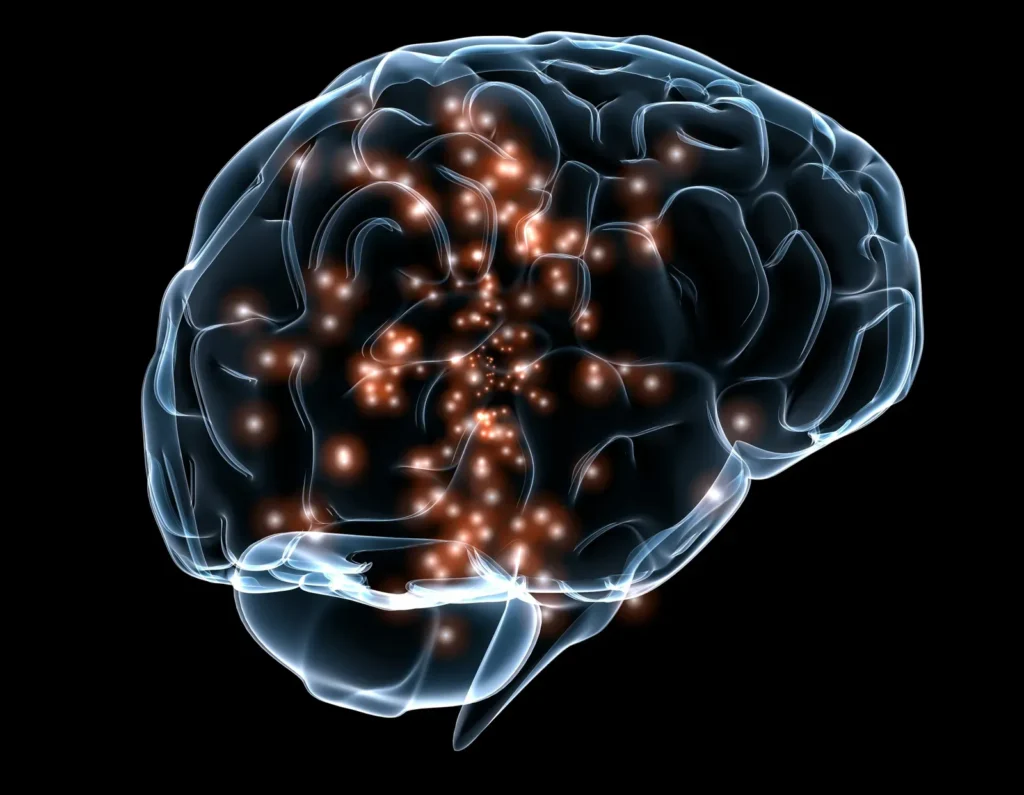
In some of these studies, a subset of patients had their brain activity monitored in real time while CPR was underway. Even though their EEG readings often dipped to what looked like an electrical flatline, you see something odd: in roughly about four out of ten monitored patients who survived, bursts of organized brain waves reappeared, sometimes many minutes into resuscitation. These patterns are not random noise; they look similar to the rhythms linked to conscious thought and memory in waking life. That does not prove you were “awake” in the usual sense, but it suggests that your brain, on the edge of death, might be doing more than anyone expected.
Near-Death Experiences: Strange Stories, New Data
You have probably heard classic near-death experience stories: leaving your body, moving through a tunnel, feeling overwhelming peace, meeting deceased relatives, seeing your life flash before your eyes. For decades, those accounts were brushed off as hallucinations or cultural stories pasted onto scrambled brain activity. What is different now is that you can lay some of those reports next to objective brain measurements taken at the same time, instead of relying purely on memory and folklore.
When researchers interview cardiac-arrest survivors and score their answers, you see repeating themes that cut across age, culture, and belief. A significant minority recall vivid, ordered experiences that feel “more real than real,” while another group remembers only a sense of awareness or watching the scene from a distance. When you combine these testimonies with the monitored brain bursts during CPR and even brief surges of high-frequency activity just before and shortly after death in some terminal patients, you end up staring at a serious question: are you glimpsing a built‑in, end‑of‑life state of consciousness that science is only starting to map?
Does Consciousness Really Persist – Or Is the Brain Playing Tricks?
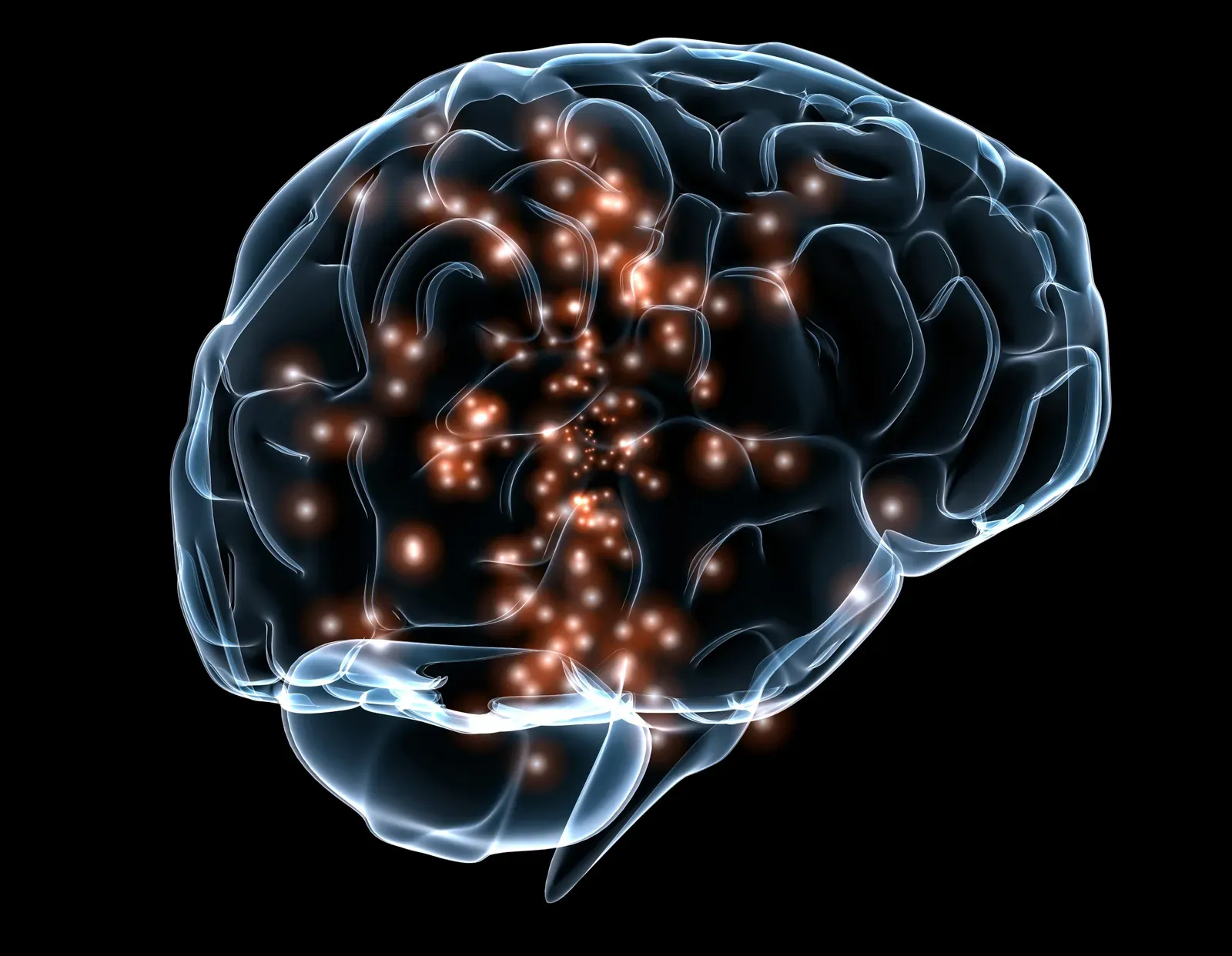
If you are skeptical, you are not alone. Many neurologists argue that even dramatic near-death experiences do not prove that consciousness survives death. They point out that as your brain loses oxygen, it can enter unstable, storm-like states where networks briefly fire in powerful, disinhibited waves. In that window, your brain might stitch together a rich inner experience, which you later remember as if it happened outside time, even though it arose before or during early stages of shutdown, not after everything truly stopped.
You should also know that current research has limits. In the biggest studies so far, scientists have not yet been able to precisely match a specific near-death report to a specific burst of brain activity in the same patient at the exact same second. That matters. Without that tight pairing, you cannot honestly say that your consciousness continues after the brain has gone fully and irreversibly silent. So far, the evidence supports something more modest but still astonishing: your brain may retain the capacity for organized, conscious‑like activity for longer after clinical death than anyone thought, and your memories of that edge-of-death state can be strikingly detailed.
How This Changes Your Picture of Dying

Once you accept that death is not a sharp on/off switch but a biological process, your picture of your final moments changes. Instead of imagining an instant blackout, you can imagine a fading, shifting landscape in which some parts of your brain fail while others briefly flare into intense activity. In this view, dying is less like flipping a breaker and more like a city losing power block by block, while a few neighborhoods suddenly glow brighter before they go dark.
From your perspective on the inside, this could feel like time stretching or even stopping. Some people describe an expanded sense of clarity, a panoramic review of their lives, or a feeling of being outside their body watching the medical team work. Whether you interpret that as your mind detaching from the brain or as the brain’s last, complex act of self‑organization, the key takeaway is the same: what you experience as you die may be richer, more structured, and more meaningful than the flat line on a monitor would lead you to believe.
What It Might Mean for Your Fears, Values, and Beliefs
If you quietly dread death, these findings can land in two very different ways. On one hand, it might be unsettling to think that you could be aware, in some fashion, while doctors are trying to bring you back. On the other hand, many people find comfort in the idea that your dying brain may generate a state marked more by peace, connection, and insight than by panic and chaos. You are not guaranteed a blissful send‑off, of course, but the pattern of reports is, at the very least, not dominated by horror.
This kind of research also nudges you to think differently about what really matters while you are alive. If your mind, in its final moments, tends to highlight relationships, ethical choices, and key turning points, you may want to pay closer attention to those now. Some scientists remain strictly neutral about any spiritual interpretation, while others are open to the possibility that consciousness might not be fully explainable as brain chemistry alone. You do not have to pick a side today, but you do have to recognize that your old, simple materialist script is under serious, thoughtful review.
How Researchers Are Trying to Test the “After” in Afterlife
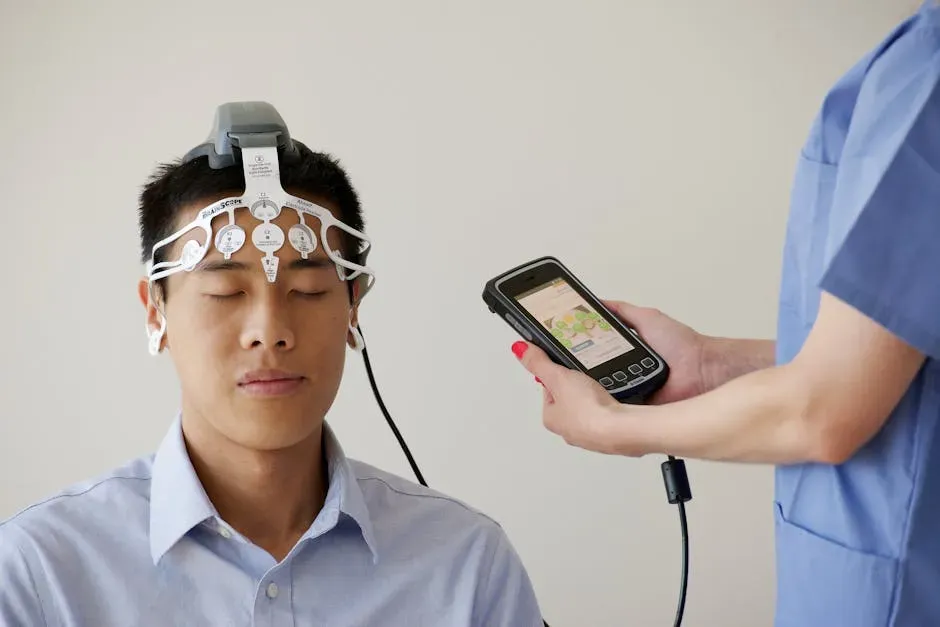
You might wonder how on earth you could ever scientifically test what happens after death, given that by definition the subject is gone. The current answer is that researchers focus on the narrow window when you are clinically dead but still potentially resuscitable. They use brain monitors, blood oxygen sensors, and carefully timed interviews to squeeze as much hard data as possible out of those fragile minutes. Some studies have even tried placing hidden visual targets in emergency rooms or operating theaters, to see whether patients who report leaving their bodies can describe what they could not have seen from the bed.
So far, those more adventurous tests have produced, at best, suggestive hints rather than slam-dunk proof. You do not have a clean, repeated case where a person with a truly flat brain reliably reports specific, verifiable details from outside their sensory range. What you do have is a growing pile of peer‑reviewed data showing that awareness during resuscitation is real, that organized brain activity can return surprisingly late in the game, and that some near-death experiences have elements that are difficult to squeeze into classic explanations like hallucinations, drugs, or wishful thinking. Science is not confirming an afterlife for you – but it is refusing to close the door.
What This Means for End‑of‑Life Care and Your Loved Ones
Once you take seriously the idea that a dying person might retain some level of awareness, even during CPR or in the minutes after a flatline, the ethics of how you treat them shift. You start to see that talking to a patient, explaining what is happening, and preserving their dignity may matter more than you assumed, even if they seem completely unresponsive. You might be providing comfort to a mind that is still listening behind a failing body.
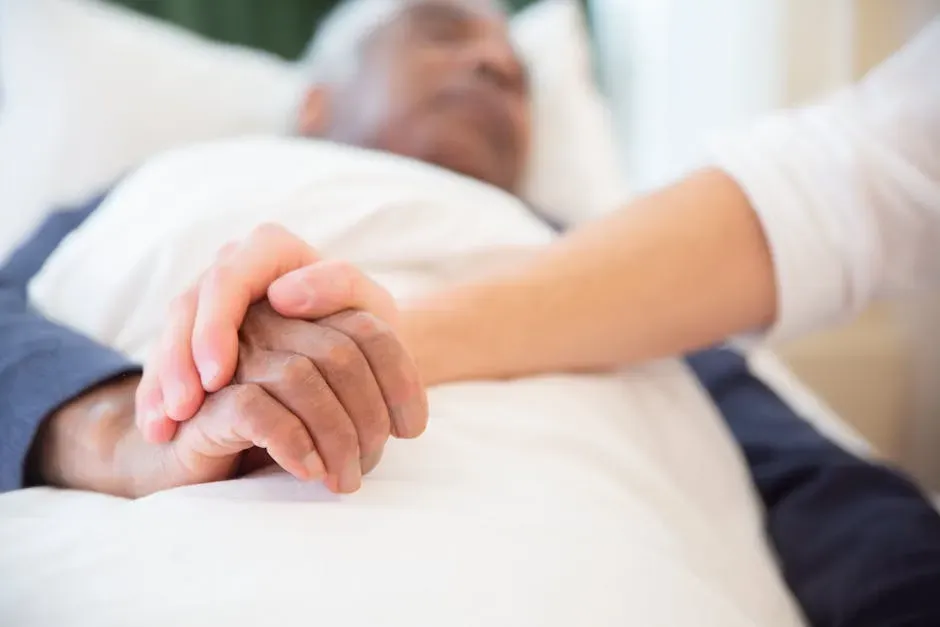
For you as a family member, this research suggests that staying present, holding a hand, or speaking softly to a loved one at the edge of death is not just a sentimental ritual. It might be part of the final story their mind weaves. Hospitals and intensive care units are slowly beginning to adapt, encouraging staff to assume awareness until there is no longer any realistic doubt. You may not be able to control when or how death comes, but you can help shape the atmosphere in which that last, mysterious chapter unfolds.
How to Think About Your Own Death Without Losing Your Mind

Even with all this new information, the truth is that you still do not know what, if anything, happens to your consciousness after the brain has irreversibly shut down. The data show that experience can persist around the edges of clinical death, not that you go on forever. So how do you live with that mix of tantalizing hints and stubborn uncertainty without either clinging to wishful fantasies or giving in to cold despair?
One helpful move is to treat death the way you treat any other profound unknown in your life: with honest curiosity, a healthy respect for evidence, and an awareness of your own biases. You can acknowledge that your brain appears to be more resilient and more mysterious at the point of death than textbooks once claimed, without turning every near-death story into proof of your favorite afterlife theory. At the same time, you can let these findings soften your fear a little. If consciousness does not simply snap off like a switch, but instead passes through a complex, possibly meaningful transition, then your final journey may be less like falling into a void and more like crossing a strange border you have been preparing for all along.
Conclusion: A Door That Is No Longer Fully Closed

When you step back from all the data, arguments, and personal stories, you are left with a surprisingly simple picture: death, as you have been taught to imagine it, is too crude. Your brain can show organized activity far beyond the moment your heart stops; your mind can apparently generate vivid, structured experiences in that twilight zone; and modern instruments are just starting to catch up with what survivors have been trying to describe for decades. None of this proves that you will drift off into a conscious existence beyond your body, but it does prove that the frontier between life and death is more porous and more interesting than anyone wanted to admit.
So where does that leave you today? It leaves you in a world where you are invited to hold two truths at once: that your time here is finite and precious, and that the final moments of that time may contain layers of experience and mystery you cannot yet explain. You do not need to know exactly what happens to live more fully now, to treat the dying with more reverence, and to stay open to the possibility that consciousness is stranger, deeper, and more persistent than you ever guessed. If the door at the end of your life is not fully closed, what might you choose to do with the time you still have on this side of it?