
Deep beneath our feet, far below the crust and mantle we learn about in school diagrams, scientists are beginning to suspect that an echo of an ancient ocean still lingers at the edge of Earth’s core. Not an ocean in the way we picture it, with waves and light and life, but a vast, strange reservoir of hydrogen-rich fluid locked away in the crushing dark. Recent studies of seismic waves and high-pressure experiments are converging on a provocative idea: water once dragged deep into the planet may have chemically transformed and pooled at the boundary of the core itself. If true, it would rewrite key chapters of our planet’s history, from how the core formed to how long Earth can sustain its magnetic field. And like any good mystery, the deeper scientists look, the more complicated and fascinating the story becomes.
The Hidden Clues
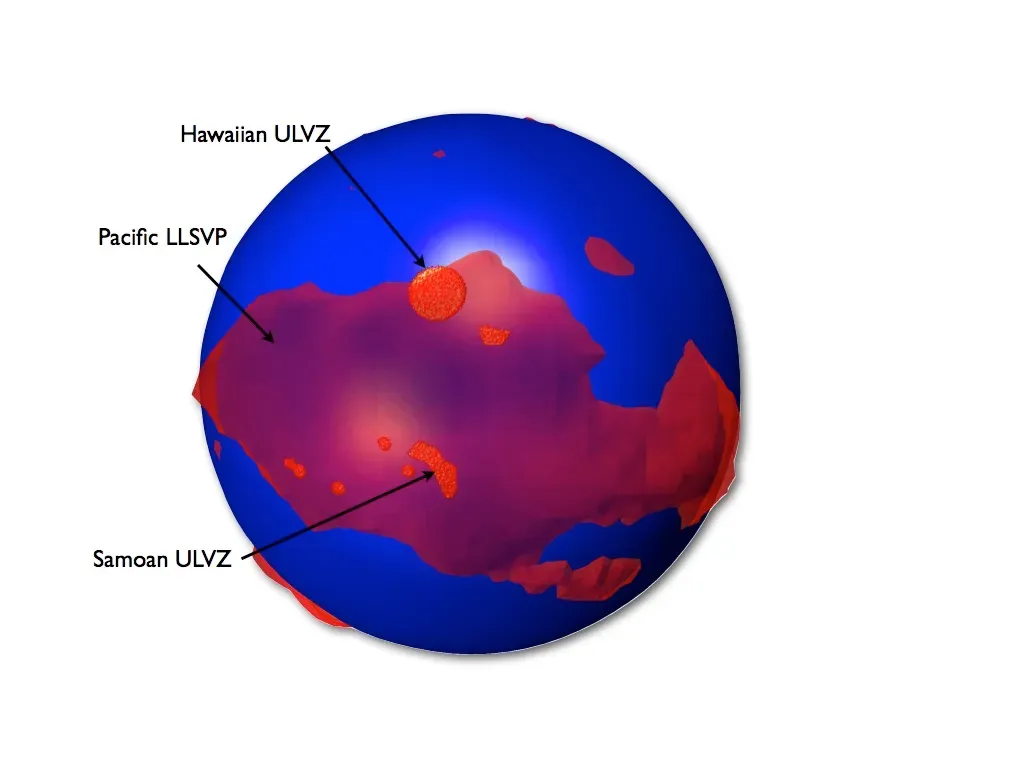
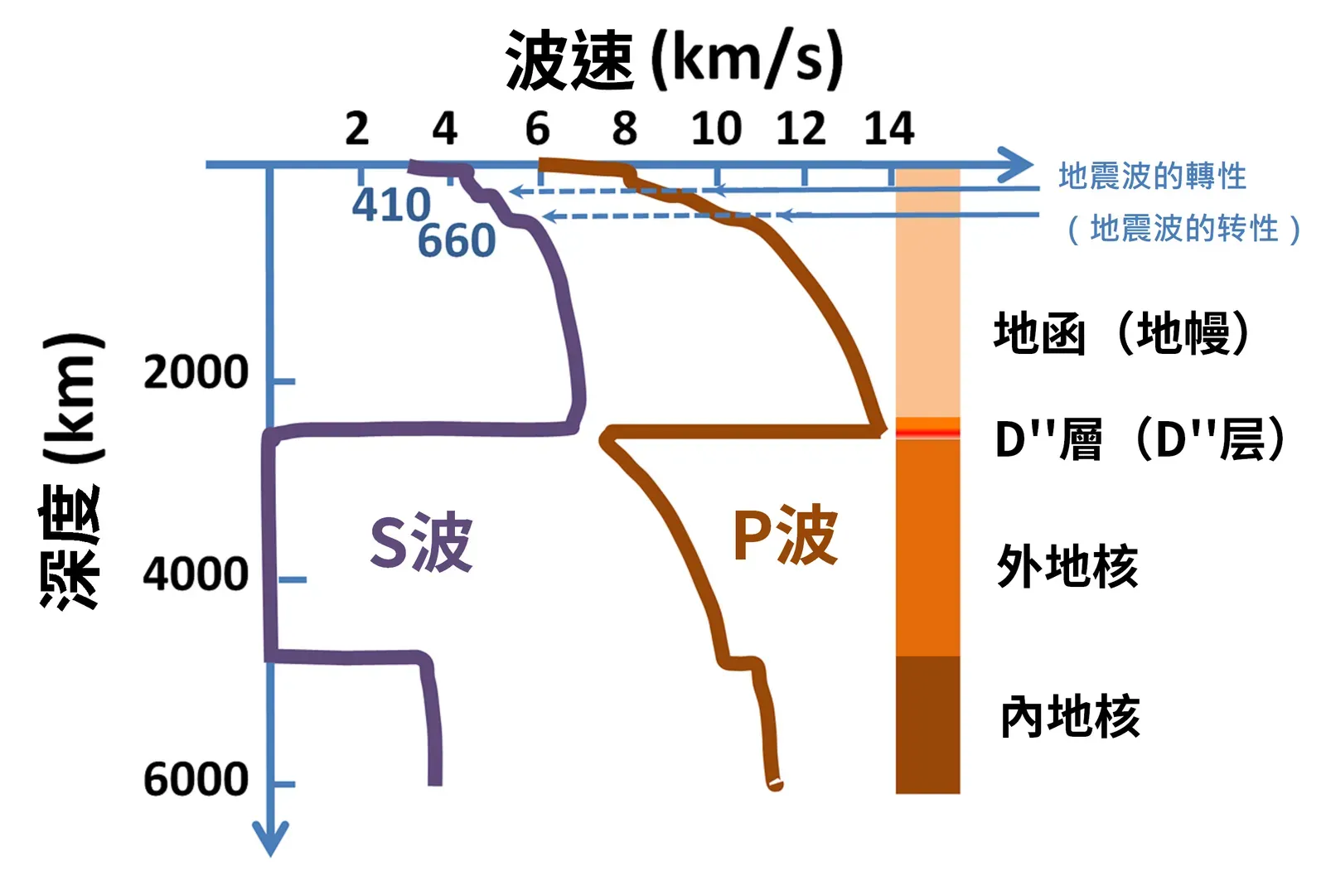
The first hints that something unusual might be hiding near Earth’s core came not from drilling or sampling, but from listening. When powerful earthquakes send seismic waves through the planet, those waves speed up, slow down, or bend depending on what they pass through, much like sound changing in water versus air. Over the past few years, seismologists have noticed odd signatures at the boundary between the liquid outer core and the solid mantle above it, suggesting patches that behave neither like simple molten metal nor typical rock. These regions, sometimes called ultra-low velocity zones, appear surprisingly dense and chemically distinct from their surroundings.
At the same time, laboratory experiments have started to provide a missing piece of the puzzle. Using diamond-anvil cells and laser-heating systems, researchers can now squeeze tiny samples of minerals to pressures and temperatures comparable to those near the core–mantle boundary. Under these extreme conditions, minerals that once held water as hydroxyl groups begin to break down, releasing hydrogen that can dissolve into molten iron and form exotic compounds. The emerging picture is that over billions of years, subducting slabs may have delivered staggering quantities of water deep into the mantle, where it was stripped apart and partially segregated at the edge of the core. The anomalies in seismic data line up eerily well with areas where such chemically altered, fluid-like material might pool, hinting at a hidden, ancient “ocean” in a form we are only just learning to imagine.
From Ancient Oceans to the Core’s Edge
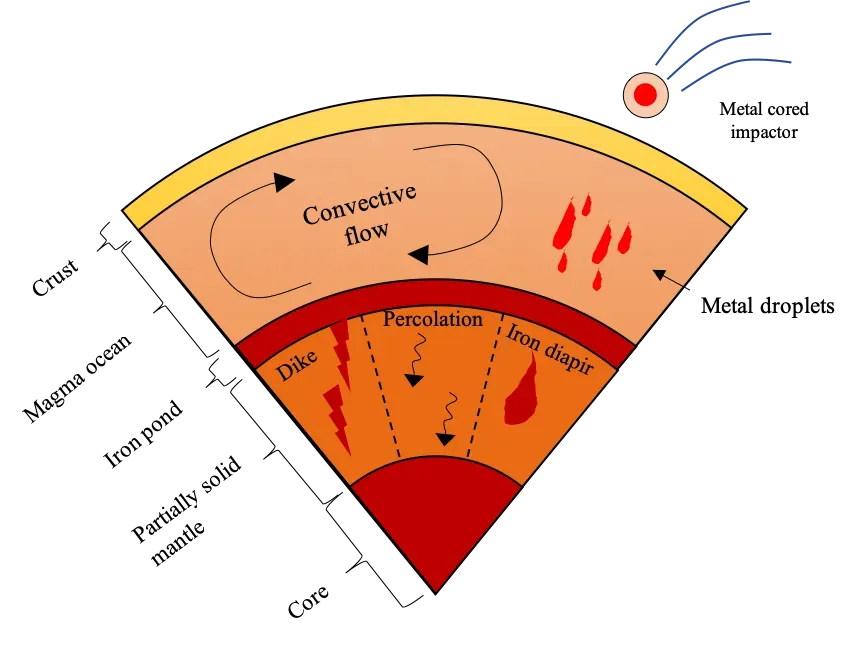
To understand how an ancient surface ocean could end up at the doorstep of Earth’s core, you have to follow the long conveyor belt of plate tectonics. Oceanic plates act like moving lids on the planet, and as they migrate, they carry water-rich sediments and hydrated minerals into deep trenches, where they sink back into the mantle. Over hundreds of millions of years, this process cycles the equivalent of entire oceans’ worth of water into the planet’s interior, though most of it is thought to be released and recycled at shallower depths through volcanism. The revelation now is that not all of that water came back up; some portion likely kept sinking, bound into minerals stable only at crushing pressures.
New modeling suggests that, over geologic time, even a relatively small retained fraction could add up to something enormous, potentially rivaling or exceeding the volume of modern surface oceans. Once deep enough, that water does not remain as liquid water, but instead reacts with iron and other elements to form hydrogen-rich metallic liquids and strange super-ionic phases. These phases conduct electricity, change density, and behave in ways that challenge our intuitions built from everyday water. In that sense, the “ocean” at the core’s edge is like a ghost of the early seas, chemically transformed yet still strongly linked to the surface water cycle that shaped the first continents and perhaps the earliest stirrings of life.
What the Experiments Are Really Showing
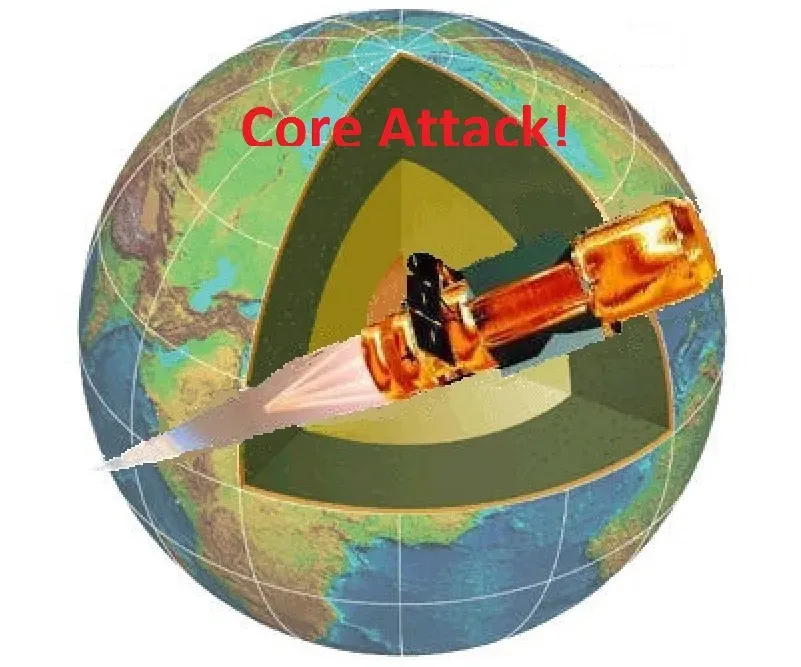
Some of the most compelling support for this hidden-ocean hypothesis comes from recent advances in high-pressure physics and synchrotron X-ray imaging. Scientists now routinely compress iron alloys, silicate minerals, and water-bearing samples to pressures millions of times higher than atmospheric levels, while heating them with lasers to temperatures found near the core. When they do, they observe that hydrogen readily dissolves into molten iron, altering its density and sound velocity in ways that strikingly resemble the seismic anomalies seen deep inside Earth. Additionally, the boundary between metal and silicate can become unstable, leading to pockets or layers of fluidized material that match the expected thickness of mysterious structures at the core–mantle interface.
Equally important, researchers are beginning to pin down how much hydrogen Earth’s core might realistically contain. Some studies argue that a significant share of the core’s so‑called “light elements” could be hydrogen derived from primordial water and recycled oceanic material. In rough terms, this could mean an amount of hydrogen equivalent to many times the water mass of modern oceans, though not present as familiar liquid but locked in metallic and super-ionic states. These findings are helping reconcile long-standing discrepancies between the predicted and observed density of the core, giving the hidden-ocean idea a stronger physical footing. While no one claims definitive proof yet, the convergence of seismic, experimental, and modeling work is nudging the scientific community to take this once-speculative notion much more seriously.
Why It Matters: Rethinking Earth from the Inside Out
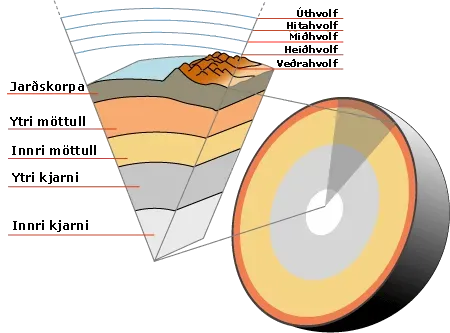
On the surface, a strange hydrogen-rich layer near the core might sound like just another geophysical curiosity, but its implications stretch across almost every big question in Earth science. For one thing, the composition of the core is central to understanding how Earth’s magnetic field is generated and maintained through the churning motion of conductive fluids. If hydrogen and other light elements are present in larger amounts than previously thought, that changes the way heat flows out of the core, which in turn shapes the vigor and longevity of the geodynamo. A more hydrogen-rich outer core could help explain why Earth has kept a robust magnetic field for billions of years, while similar-sized planets like Mars lost theirs long ago.
The idea of an ancient interior ocean also reframes the story of how volatile elements such as water, carbon, and hydrogen have cycled between Earth’s surface and deep interior. Traditional models saw the deep mantle and core as relatively closed boxes with limited interaction after early formation, while surface oceans and atmosphere evolved mostly at the top. Now, scientists are envisioning a far more dynamic exchange, where water not only shapes the crust and mantle but leaves a lasting fingerprint at the core itself. This has knock-on effects for how we think about climate stability, long-term volcanic activity, and even the conditions that made Earth uniquely habitable. The deep interior stops being just a static backdrop and becomes an intimate, if invisible, player in life’s story.
The Hidden Clues in Seismic Echoes
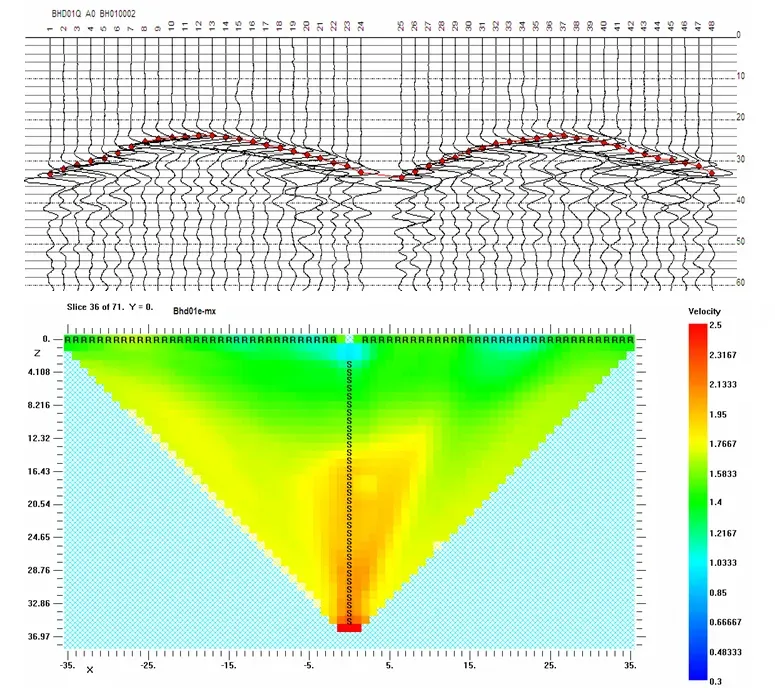
One of the most surprising aspects of this research is how much we can infer from waves that no human will ever directly experience. Seismologists treat Earth almost like a gigantic medical patient, using the planet’s own quakes as an imaging tool, similar to how doctors use ultrasound. When waves encounter that suspected hydrogen-rich, fluid-like layer, they slow down sharply and sometimes scatter, leaving subtle but consistent fingerprints in seismic records collected from stations around the globe. By stacking many events and applying sophisticated inversion techniques, scientists map these anomalies with growing precision, turning raw, noisy vibrations into detailed portraits of the deep interior. Each new dataset reveals that these odd patches are more common and more intricate than once assumed.
What makes these seismic clues so compelling is how they line up with other constraints. Regions of strong anomaly often cluster beneath major subduction zones, where ancient seafloor has been diving into the mantle for tens of millions of years. This geographic overlap supports the idea that the hidden ocean is not evenly smeared around the core, but partly fed by long-term plate tectonic processes. Some researchers have compared it to seeing the shadow of past oceans projected onto the deep interior. Even though models and interpretations differ, there is a growing consensus that the core–mantle boundary is far more chemically and structurally diverse than the neat textbook diagrams suggest.
Global Perspectives: Other Worlds, Other Hidden Oceans
Thinking about a secret, chemically transformed ocean near Earth’s core naturally leads to a bigger question: if it can happen here, where else might it occur? Planetary scientists are increasingly interested in how deep water and hydrogen interact with the cores of other rocky worlds, from Mars to so‑called super-Earth exoplanets. Some smaller worlds may have lost much of their surface water to space, yet retained significant hydrogen locked within their interiors, subtly influencing their magnetic fields and volcanic activity. In a way, this could mean that dry, barren planets still carry ghost oceans deep within, shaping their evolution long after their surfaces froze or boiled away. Earth’s hidden ocean may therefore be less an oddity and more a clue to a common planetary pattern.
This perspective has practical implications for the search for life beyond Earth. When astronomers evaluate an exoplanet’s habitability, they often focus on distance from its star and the likelihood of surface liquid water. But if deep internal water cycles play a crucial role in maintaining a planet’s magnetic field, recycling nutrients, and stabilizing climate over geological timescales, then the interior story becomes just as important as what we see from space. By building better models of how water is stored and transformed in Earth’s deep mantle and core, scientists can refine their expectations for distant worlds. The hidden ocean beneath our feet becomes a template for thinking about hidden oceans on worlds we may never visit directly.
The Future Landscape: Tools to See the Unseeable
Probing a hypothetical ocean at the edge of Earth’s core demands tools that are as ambitious as the questions themselves. In the coming years, global seismic networks are expected to grow denser and more sensitive, especially as low-cost sensors and community-based monitoring spread into regions that once had sparse coverage. This richer data will let researchers track ever-fainter wave patterns, including rare phases that skim along the core–mantle boundary and carry detailed information about its structure. At the same time, powerful supercomputers are making it possible to simulate how seismic waves move through complex, mixed materials, so scientists can test different hidden-ocean scenarios against real observations. The result will be virtual experiments on a planetary scale, run in silico rather than in the lab.
In parallel, laboratory techniques will continue to push deeper into the pressure–temperature space of Earth’s interior. Advances in laser heating, X-ray diagnostics, and dynamic compression will clarify how hydrogen behaves in iron and silicate mixtures across a range of conditions, reducing the uncertainties that currently leave room for competing interpretations. There is also growing interest in combining geophysical evidence with geochemical tracers measured in volcanic rocks that may carry faint signatures of core–mantle interactions. If these lines of evidence converge, the hidden-ocean hypothesis could shift from a provocative idea to a foundational part of Earth science. Even then, questions about how stable this layer is, how it circulates, and how it has changed over billions of years will keep researchers busy for decades.
How You Can Engage with Earth’s Hidden Depths
While most of us will never set foot in a high-pressure physics lab or decode seismic waveforms, there are still real, tangible ways to stay connected to discoveries happening far below our feet. Publicly funded geological surveys, space agencies, and research institutions rely on broad support to keep long-term monitoring networks and experimental facilities running. Following their work, sharing results, and backing policies that value basic research helps ensure that questions about Earth’s interior do not get sidelined by shorter-term concerns. Educational outreach programs and open data initiatives mean that motivated students, teachers, and citizen scientists can explore seismic records or visualization tools and see hints of these deep mysteries for themselves. Turning curiosity into engagement is one of the most powerful contributions a non-specialist can make.
There is also a broader mindset shift that discoveries like this invite. Recognizing that our planet still holds profound secrets, even after centuries of study, can foster a sense of humility and wonder that is often missing from everyday life. It reminds us that climate, ecosystems, and technology all rest on a foundation shaped by slow, hidden processes far out of sight. Staying informed about deep Earth research, supporting science education, and encouraging interdisciplinary work between geoscientists, astronomers, and climate experts helps weave these interior stories into the way we think about the future. Next time you look at the ocean or feel the pull of a compass needle, it might be worth pausing to imagine the ghostly, ancient ocean that could be swirling in metallic darkness thousands of kilometers below.
Suhail Ahmed is a passionate digital professional and nature enthusiast with over 8 years of experience in content strategy, SEO, web development, and digital operations. Alongside his freelance journey, Suhail actively contributes to nature and wildlife platforms like Discover Wildlife, where he channels his curiosity for the planet into engaging, educational storytelling.
With a strong background in managing digital ecosystems — from ecommerce stores and WordPress websites to social media and automation — Suhail merges technical precision with creative insight. His content reflects a rare balance: SEO-friendly yet deeply human, data-informed yet emotionally resonant.
Driven by a love for discovery and storytelling, Suhail believes in using digital platforms to amplify causes that matter — especially those protecting Earth’s biodiversity and inspiring sustainable living. Whether he’s managing online projects or crafting wildlife content, his goal remains the same: to inform, inspire, and leave a positive digital footprint.