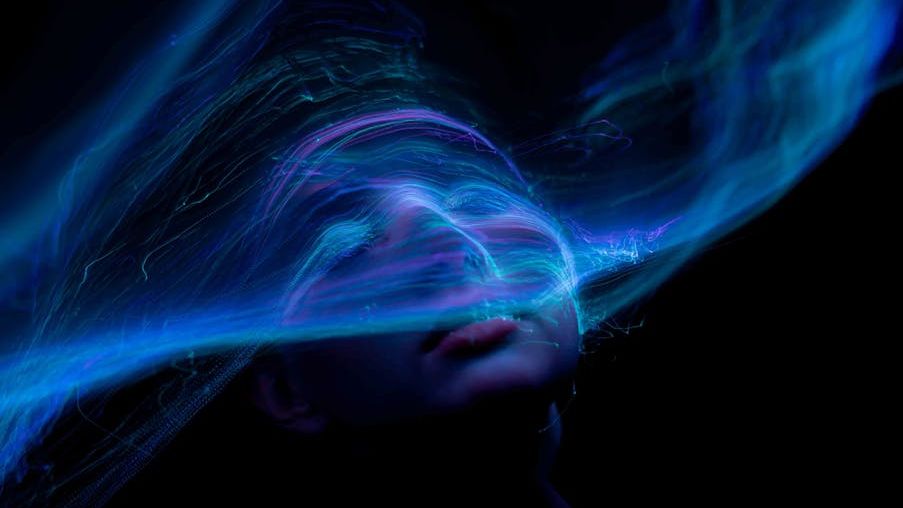
Every so often, a highly trained scientist says something that sounds more like a spiritual sermon than a medical lecture. When a neurosurgeon, whose job is literally to operate on the brain, starts talking about the soul leaving the body near death, it grabs attention in a way no self-help quote ever could. It raises a disarming question: if the person who understands the wiring of our consciousness better than almost anyone is not convinced that the brain is the whole story, what exactly are we missing?
I still remember the first time I read a neurosurgeon calmly describe a patient’s “awareness” during a period when their brain activity, by all standard measures, was essentially absent. I put my phone down and just sat there. Part of me wanted to dismiss it as a quirk, a misinterpretation. Another part of me, the one that has watched a loved one slowly fade at the edge of life, felt an almost painful sense of curiosity. Maybe, just maybe, there is more happening at the border between life and death than a tidy medical chart can capture.
The Strange Moment When the Brain Goes Quiet but Awareness Remains
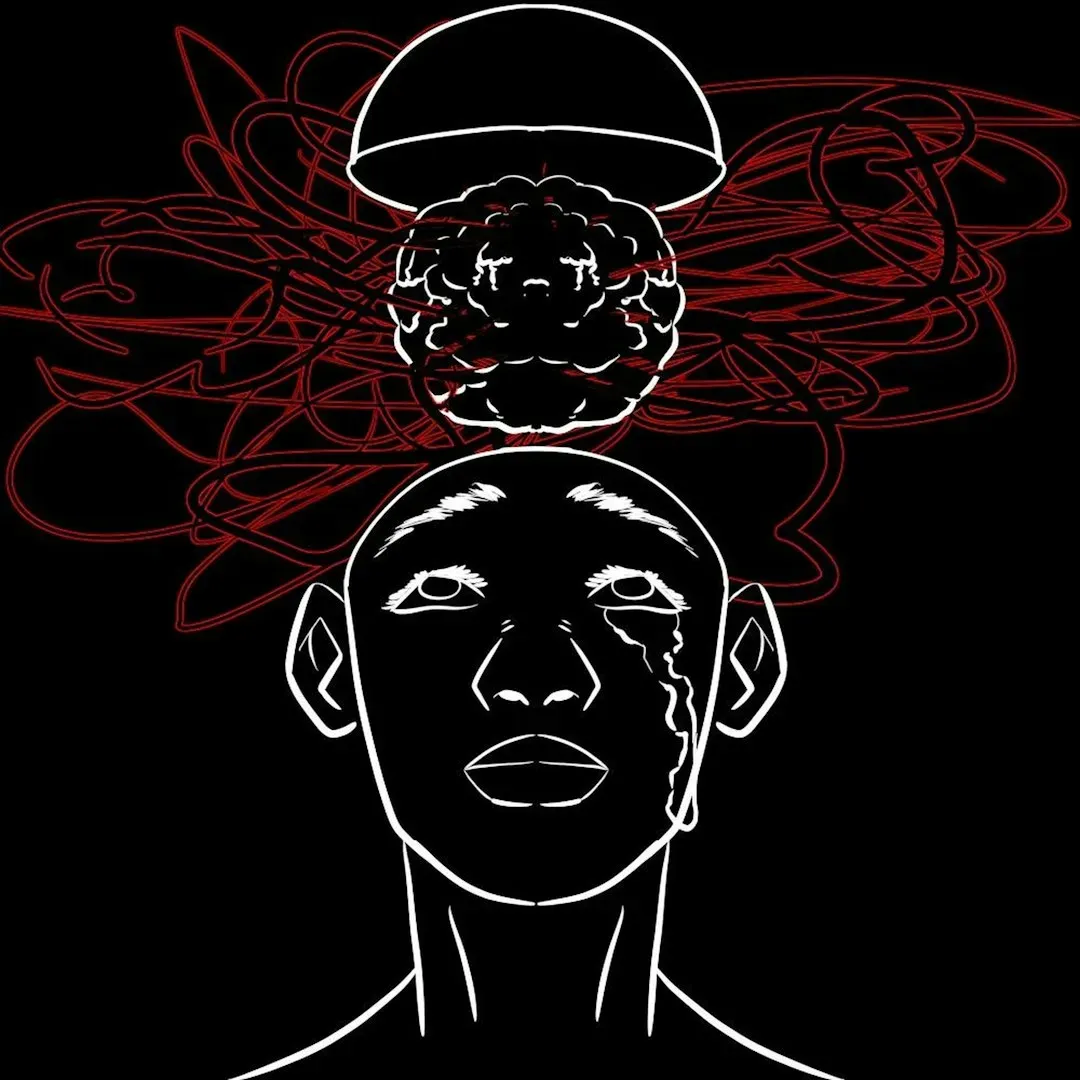
Here’s the unsettling part: stories of clear, vivid experiences when the brain should be offline are not just coming from mystics; they’re showing up in medical case reports and research interviews. Patients describe watching their own resuscitation from above, hearing conversations later verified by staff, or feeling pulled through a tunnel while machines around them were recording dangerously low, or sometimes absent, detectable brain activity. These episodes are often called near-death experiences, and for some neurosurgeons, they’ve become impossible to ignore.
If all our thoughts and feelings were just the final sparks of a dying brain, we would expect those experiences to be disorganized, random, and fading – more like a glitchy computer crash than a coherent story. Yet many accounts are surprisingly structured and emotionally rich. That gap between what neuroscience currently predicts and what some patients report is exactly where a few bold neurosurgeons are willing to say: perhaps consciousness, or what many would call the soul, is not fully bound to the physical brain in the way we once assumed.
What a Neurosurgeon Actually Means by “Soul”
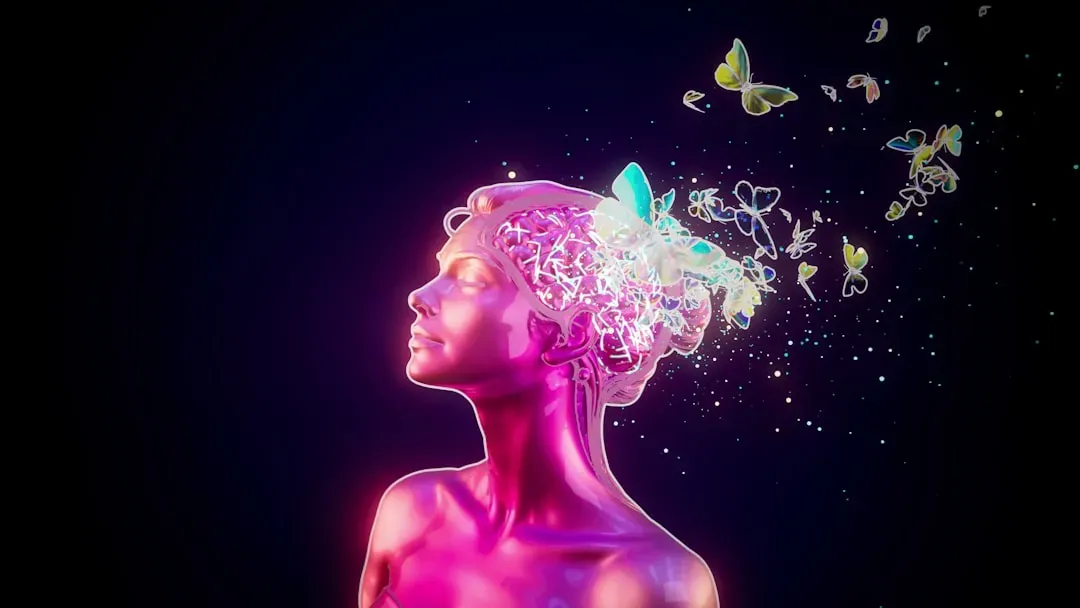
When a neurosurgeon talks about the soul transcending the body, they’re not always referring to a religious image of a glowing ghost drifting toward the clouds. More often, they’re reaching for language to describe something stubbornly real yet scientifically slippery: a sense of self that seems to persist, observe, and make sense of reality even when the brain’s usual systems are offline. They see patients who wake up after cardiac arrest, recall complex scenes, and then ask, almost embarrassed, whether they’re losing their minds.
From a technical perspective, some neurosurgeons frame this “soul” as consciousness that might not be strictly produced by the brain, but instead filtered or expressed through it. Think of the brain less as a factory and more as a receiver or a lens. Damage the lens and the image looks distorted, but that does not necessarily mean the image itself has ceased to exist. This is a radical departure from traditional materialism, and it pushes the conversation into uncomfortable but fascinating territory where neuroscience brushes up against philosophy and spirituality.
The Science of Dying Brains: Surges, Patterns, and Puzzling Clarity
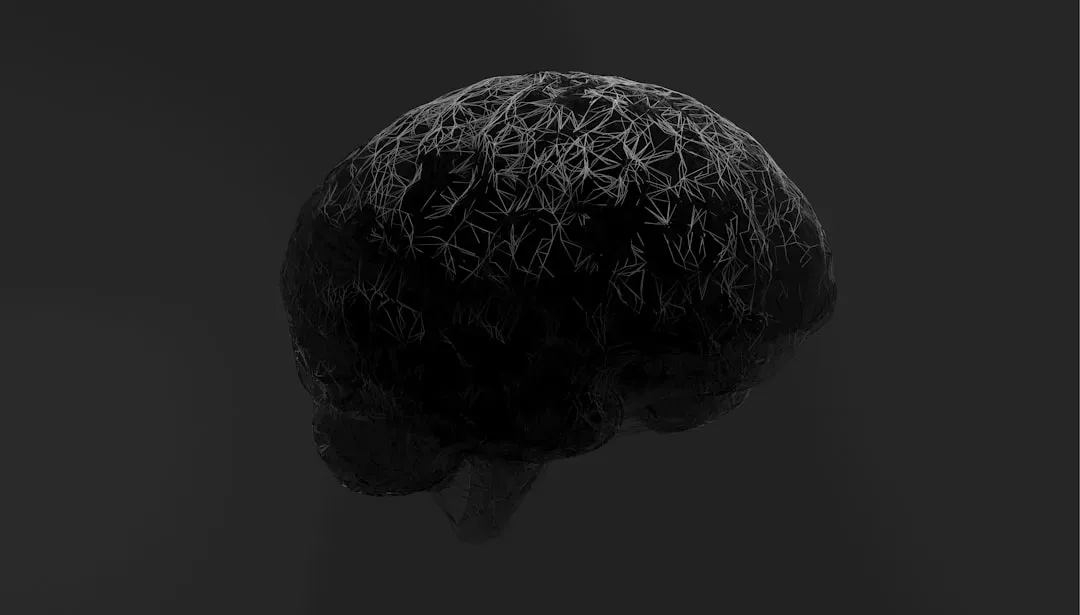
Modern brain monitoring has revealed something eerie: in some people who are close to death, there can be brief surges of highly organized brain activity right around the time of cardiac arrest or shortly after blood flow drops. Instead of a simple fade to black, there can be a flare of complex patterns, almost like the brain is making one last, intense broadcast. These bursts have been observed in both animals and humans, leading researchers to wonder if they might be linked to the intense, hyper-real experiences people sometimes report.
Here’s where things get complicated. These neural surges still occur inside a very fragile, oxygen-starved brain on the brink of shutdown. They might turn out to be nothing more than the final, desperate firing of neurons. But they might also be windows into how consciousness reorganizes under extreme stress. Neurosurgeons who take patients’ reports seriously argue that, at the very least, our current models of consciousness are not complete. The soul-transcending idea becomes one possible interpretation when the data refuses to neatly fit a purely mechanical explanation.
Near-Death Experiences: Illusion, Chemistry, or Glimpse Beyond?
Critics are quick to propose more grounded explanations for near-death experiences, and some of those arguments are genuinely compelling. Lack of oxygen, surges of certain neurotransmitters, and the brain’s attempt to make sense of collapsing sensory input can all produce vivid, dreamlike states. Under drugs like ketamine or certain anesthetics, people sometimes report tunnels, lights, presences, and a distorted perception of time – phenomena strikingly similar to spiritual descriptions at the edge of death.
Yet even with those explanations, stubborn questions remain. Some patients accurately report details they should not have been able to know if their consciousness had been fully confined to a failing brain. Others describe encounters and insights that permanently reshape their personality and values in a way that feels more like a deep psychological reboot than a random hallucination. Neurosurgeons who listen closely to these accounts often come away with a sense that calling it all illusion is too simple, even if we still lack a satisfying, testable theory of what exactly is going on.
For some neurosurgeons, the idea that the soul or consciousness can exist independent of the body finds unexpected support in physics and information theory. They point out that at the most fundamental level, reality is not made of solid stuff so much as patterns, relationships, and information. In that sense, your mind might be less like a physical object and more like a complex pattern temporarily hosted in biological tissue. If information in the universe cannot be truly destroyed but only transformed, it raises the provocative possibility that whatever you are at the deepest level also cannot simply vanish.
Of course, translating high-level physics into specific claims about personal survival after death is a risky leap, and honest scientists admit that. Still, the analogy is powerful. If your consciousness is like a unique melody played on the instrument of your brain, is it impossible that the melody could be preserved, echoed, or re-expressed in some form, even after the instrument is broken? Neurosurgeons who talk about the soul transcending the body are essentially arguing that our current view of the “instrument” is too narrow, and that the melody itself might have more staying power than we think.
How Believing in a Transcendent Soul Changes the Way We Live and Die
Belief that the soul can transcend the body is not just an abstract theory; it tangibly changes how people cope with illness, loss, and grief. Patients who come back from the edge often say they lose their fear of death, feel more connected to others, and care far less about status or possessions. From the neurosurgeon’s side of the operating table, that shift can be striking. They see hardened skeptics become quietly open, not fanatical, just less certain that death is a hard stop.
On a personal level, even as someone who leans heavily on science, I’ve noticed how powerful it is to hold death as a transition rather than a wall. It does not magically erase the pain of losing someone, but it changes the texture of that pain. It feels less like an erasure and more like a change of form, like watching a wave collapse back into the ocean. Neurosurgeons who publicly share a belief in a transcendent soul are, in a way, inviting us to live as if our core self is bigger than any single heartbeat or neural signal.
The Skeptical Pushback: Brains, Bias, and the Risk of Wishful Thinking
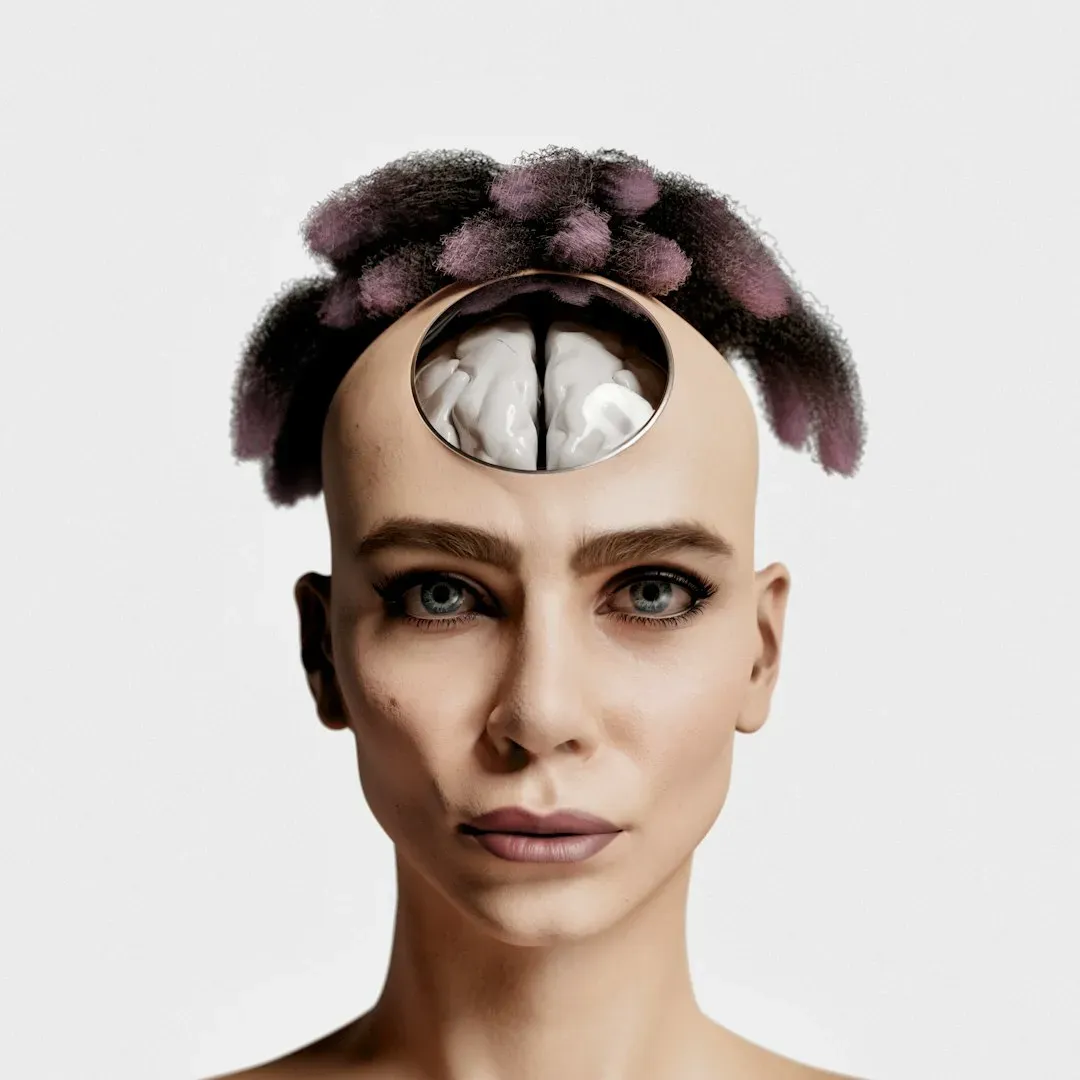
Not all neurosurgeons agree, of course. Many argue that jumping from puzzling experiences to a formal belief in a soul that survives death is a bridge too far. They point out that humans are experts at pattern-finding and meaning-making, especially when facing the terror of nonexistence. Confirmation bias, cultural stories, and personal grief can nudge even very smart people toward comforting conclusions. From this view, the brain is still the full engine of consciousness, and when it stops, the show is over.
This skeptical stance serves an important role, because it forces anyone claiming that the soul transcends the body to stay intellectually honest. It demands rigorous evidence, careful ruling out of mundane explanations, and humility about the limits of our instruments. Yet even some skeptics admit a certain unease: our current science of consciousness is still in its early stages. We are like people trying to explain the internet while holding a single unplugged router. The sharpest critics and the most spiritual neurosurgeons may disagree passionately, but both sides quietly know that the final word has not been written.
Opinionated Conclusion: A Brave, Unfinished Story at the Edge of Science
If you ask me where I land, I think the neurosurgeon who believes your soul transcends your body is not being unscientific – they’re being honest about the mystery. The data we have does not prove that consciousness survives death, but it also does not comfortably fit the idea that the brain is the only player in the game. To insist that we already know the full truth feels more like ideology than science. When a specialist who has literally held the living brain in their hands says, in so many words, that something deeper seems to be going on, I think that deserves more than an eye-roll.
At the same time, I do not think we should dress uncertainty up as certainty or pretend that inspiring stories are the same as hard evidence. The most responsible position, for now, lives in a tension: open to the possibility of a soul that transcends the body, grounded enough to keep doing the slow, careful work of science. One day, our understanding of consciousness may make today’s debates look quaint. Until then, I find it strangely comforting to imagine that when the brain’s lights go out, the story of who you are might not end – it might just move to a chapter we do not yet know how to read. If you had to bet right now, which way would your heart lean?