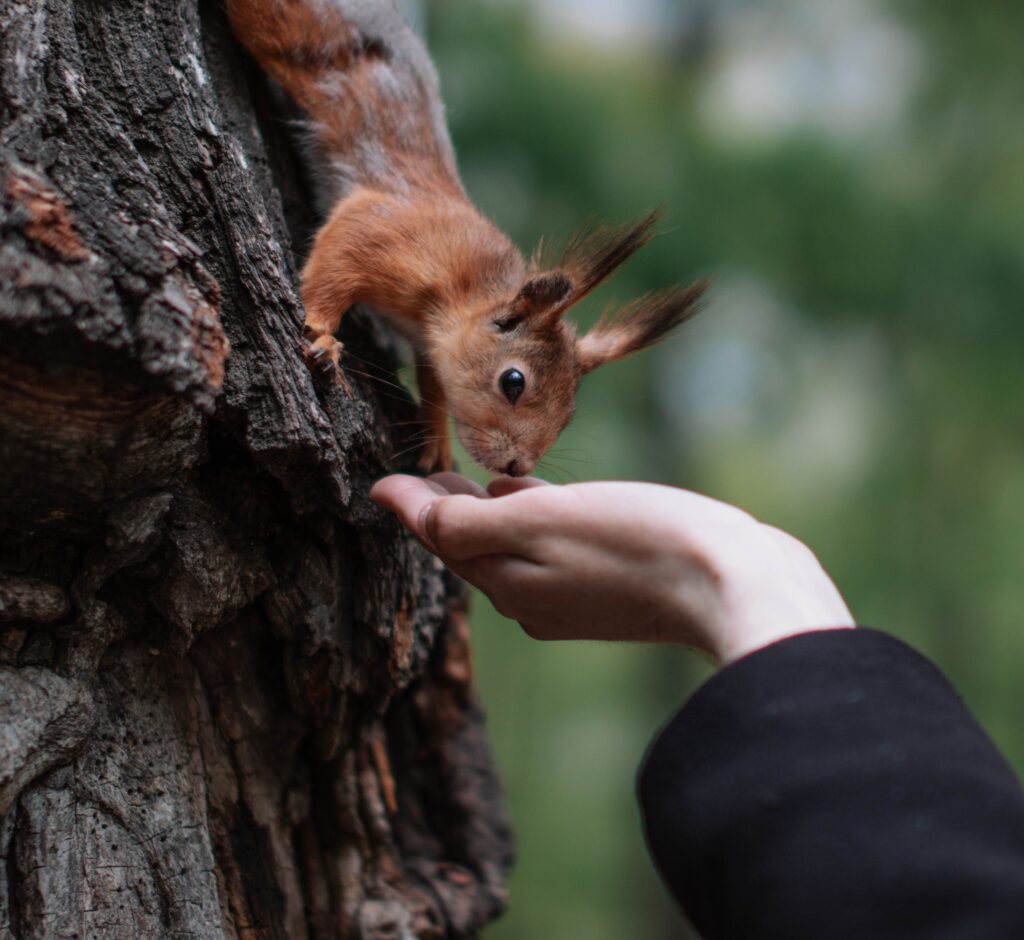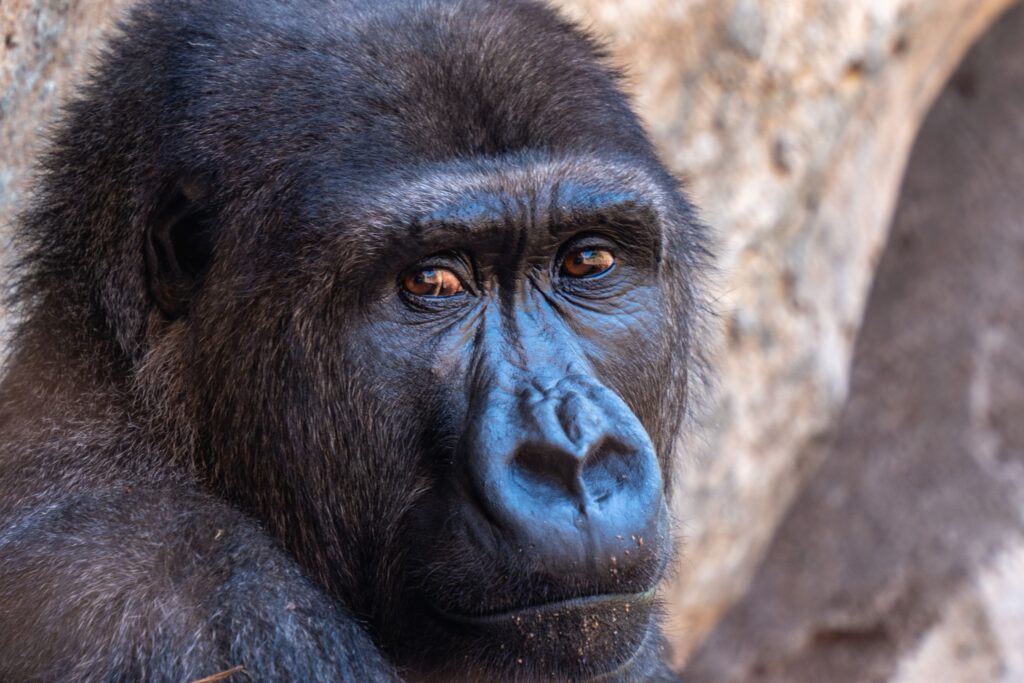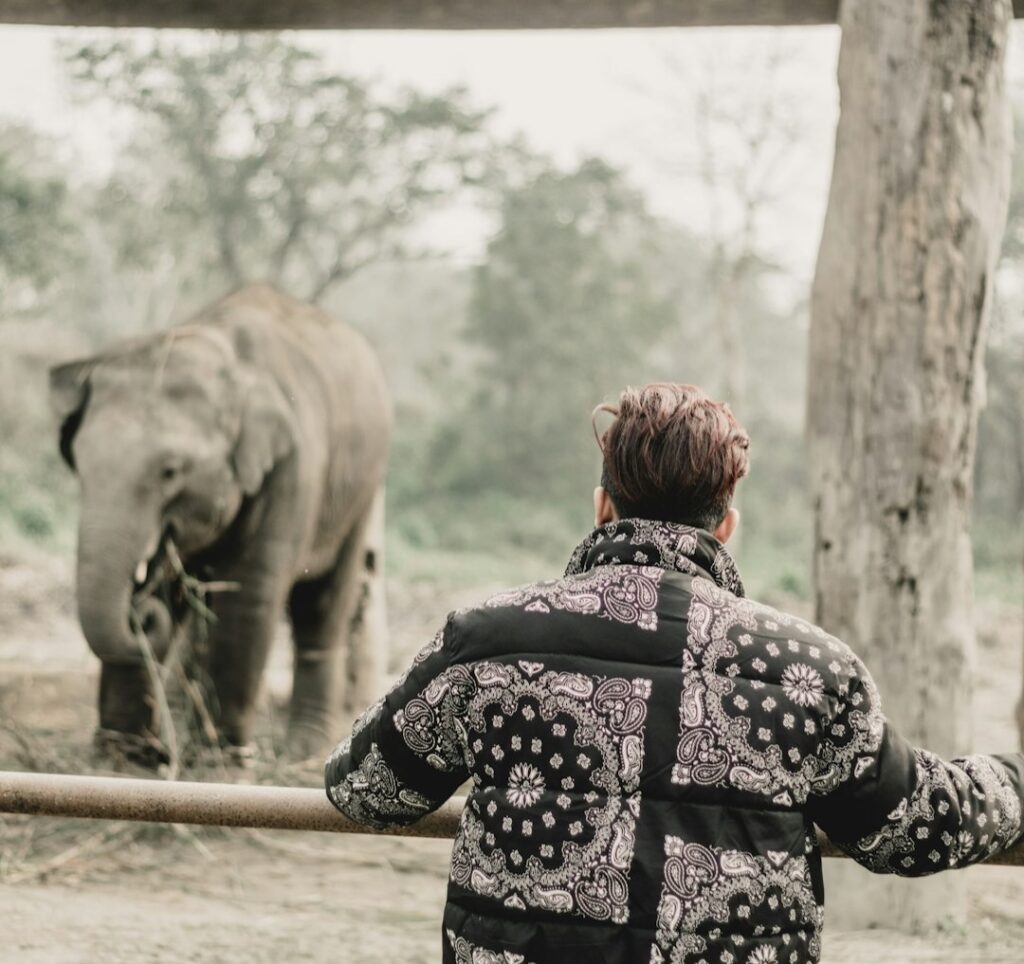

You know that strange, almost dreamy calm you feel when you watch a whale glide through the ocean, a bison cross a field, or even a horse grazing and slowly shifting its weight? You are not imagining it, and it is not just “liking animals.” Your brain is sliding into a rare mode that modern life almost never lets you touch: passive attention, a state where you are fully present, quietly focused, and not trying to do or fix anything. In this state, your mind is alert but not hustling, engaged but not grasping, aware but not racing ahead to the next task. For a brain wired on notifications, deadlines, and constant micro-decisions, this is like stepping into another climate. Watching a large animal move slowly through open space happens to be one of the most reliable natural shortcuts into it – and once you understand why, you can start to invite this state into the rest of your life on purpose.
The Science of Passive Attention: When Your Brain Stops Pushing
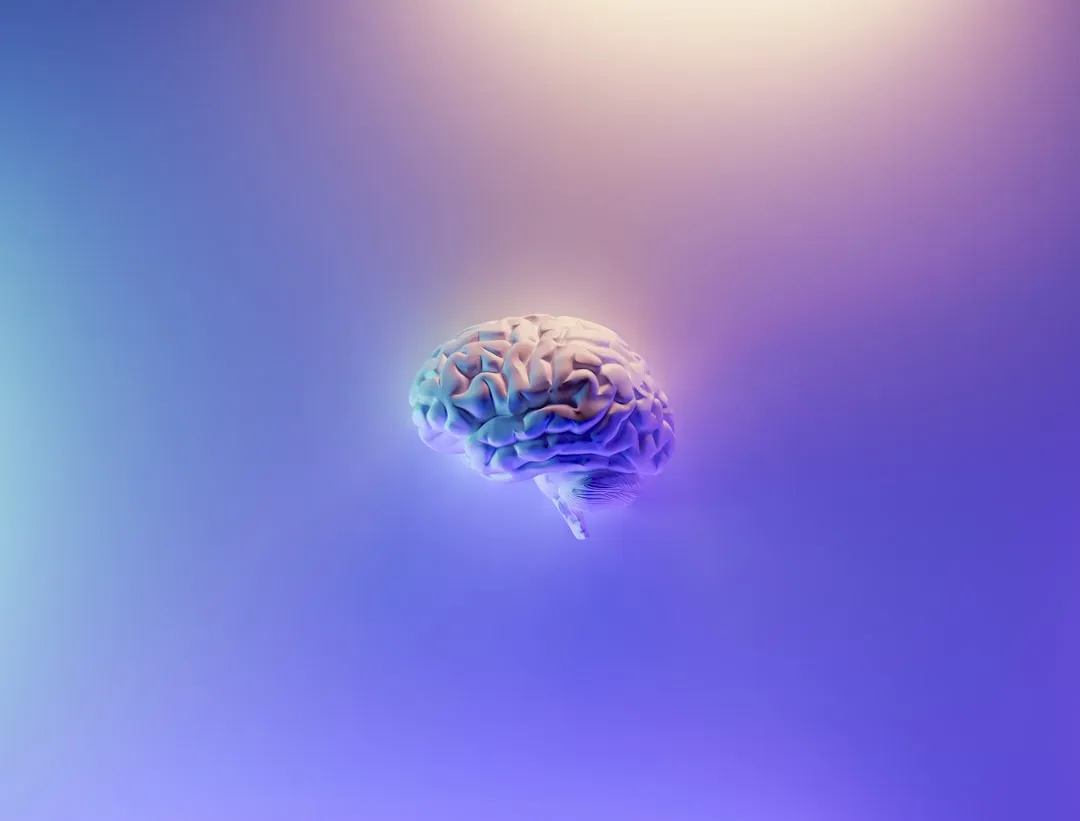
At first glance, “passive attention” sounds like zoning out, but that is not what is happening in your brain. In passive attention, you are tuned in, but the thing you are attending to does not demand quick reactions, judgments, or problem-solving. Your nervous system gets to downshift from high-alert, multitasking mode into a quieter, more receptive state, where sensory input comes in without being constantly evaluated. Neuroscientists link this shift to changes in brain networks that toggle between effortful focus and more relaxed, open awareness. When you stare at your inbox, you recruit circuits that assess, compare, predict, and decide. When you softly track a slow, smooth movement – like the steady walk of an elephant or the drifting of a manta ray – those circuits can ease off. You are still paying attention, but in a way that does not keep yanking your stress responses into the red.
Why Big, Slow Animals Hit You So Deeply
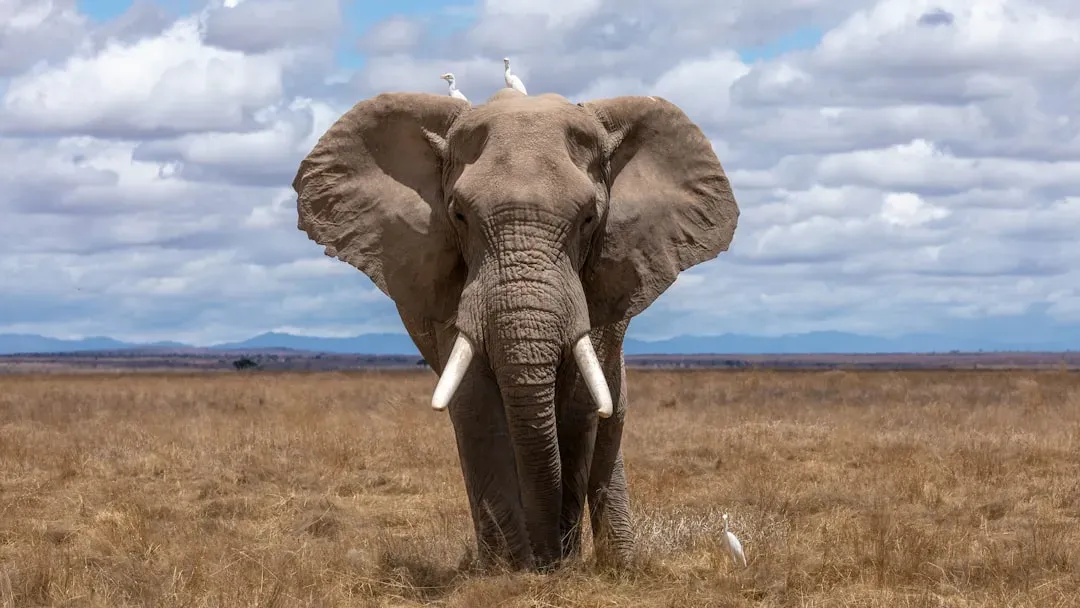
There is something uniquely disarming about watching a big body move calmly through space. A large animal feels inherently powerful, yet it is not rushing, not panicked, not braced to attack or flee. Your nervous system reads that combination – mass plus ease – as a powerful signal that the environment is safe enough to relax in, at least for the moment. You also instinctively track movement. From an evolutionary point of view, that used to help you survive: you watched predators, prey, and your group. Slow, predictable motion is extra soothing because it is easy for your vision system to follow; there are no sudden jumps or shocks. When the movement belongs to a large, grounded creature, it anchors your awareness like a moving mountain, giving your restless mind something simple and steady to hold on to.
From Threat Mode to Safety Mode: Your Nervous System’s Quiet Switch
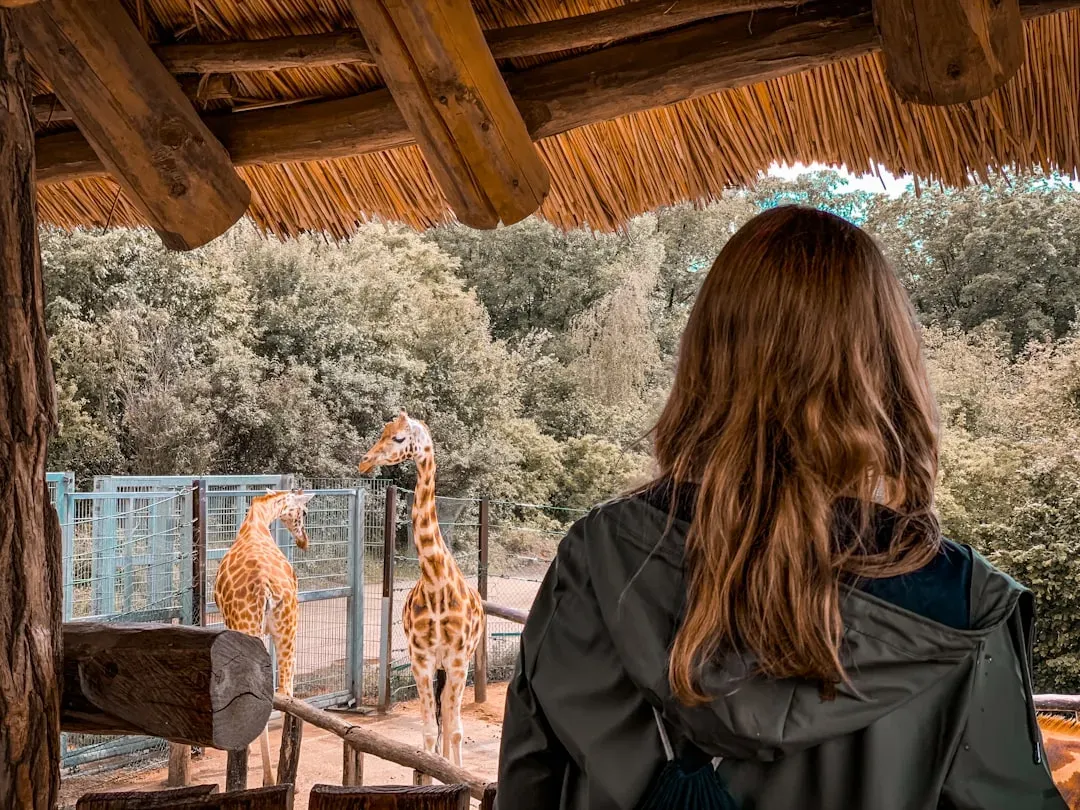
Most days, your body spends more time than you realize in a subtle version of threat mode. You might not feel outright fear, but you are braced: shoulders slightly tense, breath a little shallow, brain constantly scanning for problems. Emails, traffic, social media, and money worries all keep flicking the “what now?” switch in your nervous system, and you rarely get a full, undistracted sense of safety. When you watch an animal that clearly is not in a hurry, your body takes that in. If a huge creature is relaxed enough to stroll, graze, or float without urgency, your ancient wiring assumes the environment cannot be that dangerous right now. Your heart rate eases, your muscles let go a little, and your breathing often deepens without you doing anything on purpose. You are not forcing calm; you are absorbing it, almost like your nervous system is mirroring what it sees.
How Slow Movement Resets Your Attention System
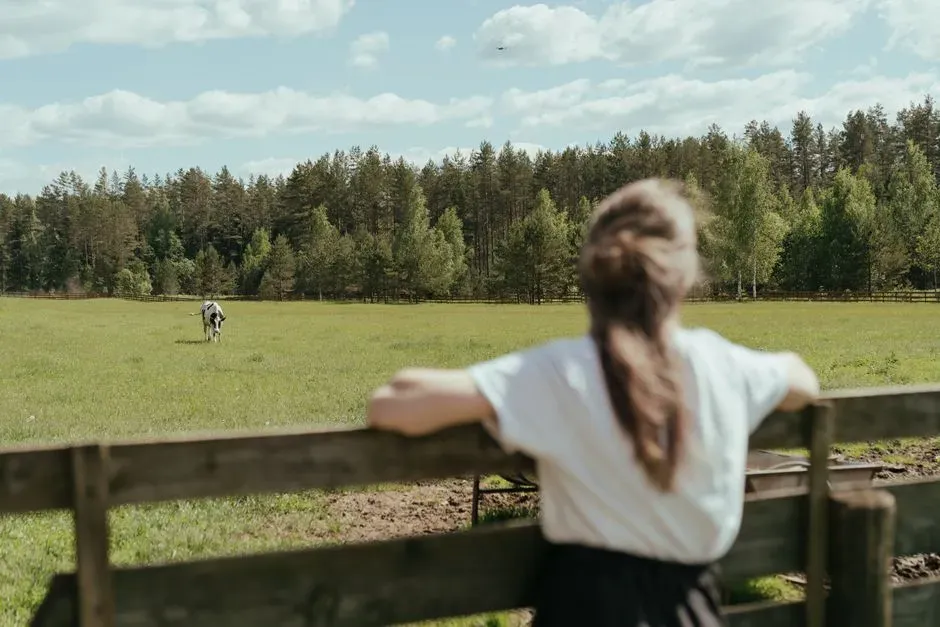
Your attention is constantly being hijacked by sharp edges: bright colors on screens, sudden alerts, fast cuts in videos, endless scrolling. These stimuli train your brain to expect rapid change and to keep scanning for the next hit. Over time, it gets harder for you to stay with one thing that is not actively shouting for your focus, which is why silence and stillness feel uncomfortable for so many people now. Slow, continuous movement does the opposite. When you track a whale surfacing and sinking again, or a cow walking across a pasture, the motion is smooth and predictable. Your eyes can follow it with almost no effort, and your attention stops hopping. That gently trains your brain back toward sustained focus without strain. It is like stretching a muscle that has been locked in a cramped position all day; you relearn what it feels like to pay attention without being yanked around.
Modern Life Almost Never Lets You Get There

Passive attention is one of the hardest states to reach in the modern world for a simple reason: almost nothing in your environment is designed to leave you alone. Apps beg for engagement, feeds are built to keep you swiping, and even many “relaxing” activities come with scores, streaks, or performance pressure. Your brain rarely gets to just watch without also doing. You might also notice that even your leisure is filled with intensity – fast-paced shows, competitive games, loud social spaces. None of that is bad on its own, but it means your nervous system spends very little time in that quiet, rested-alert place. When you finally stumble into it – maybe on a hike watching deer in the distance, or at an aquarium watching jellyfish – you feel an almost shocking sense of peace, because your brain has been starved for that kind of rest.
Animals as Moving Meditation: A Simple Way to Practice
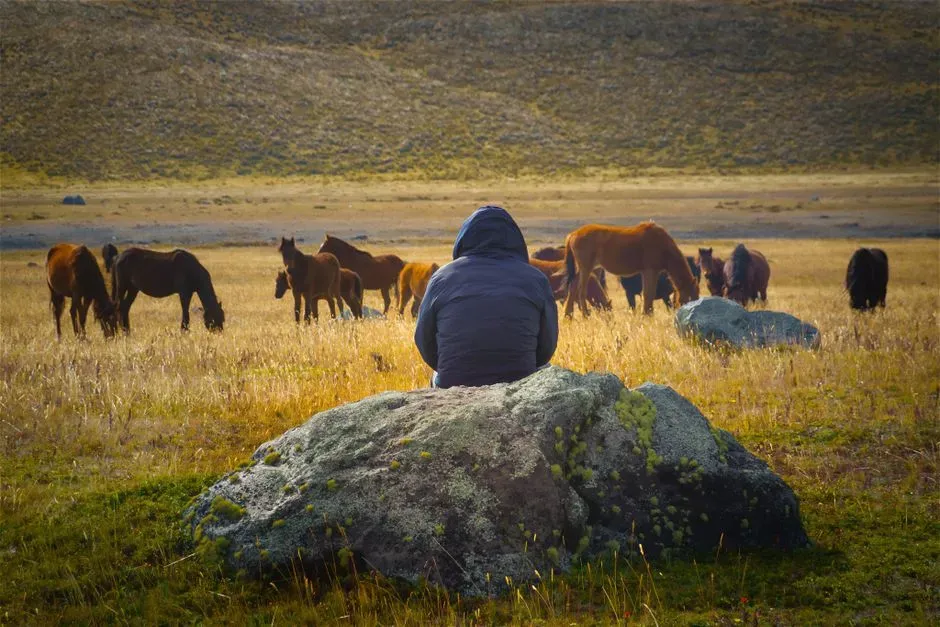
If you treat these moments with animals as a kind of moving meditation, you can deepen the effect. Instead of just glancing at a horse in a field or a video of a bear fishing and then moving on, you let yourself linger. You notice the slow shift of weight, the swing of a tail, the smooth arc of a fin, and gently bring your wandering mind back whenever it drifts, without scolding yourself. You do not need rare wildlife to do this. Birds floating on a lake, dogs trotting at an easy pace, even a line of ants carrying food can invite the same mode if you approach it intentionally. The key is the quality of your attention: relaxed, curious, not trying to get anything done. In a world obsessed with productivity, giving yourself permission to watch something alive just because it feels good is quietly radical.
How to Bring This State Into Your Everyday Life
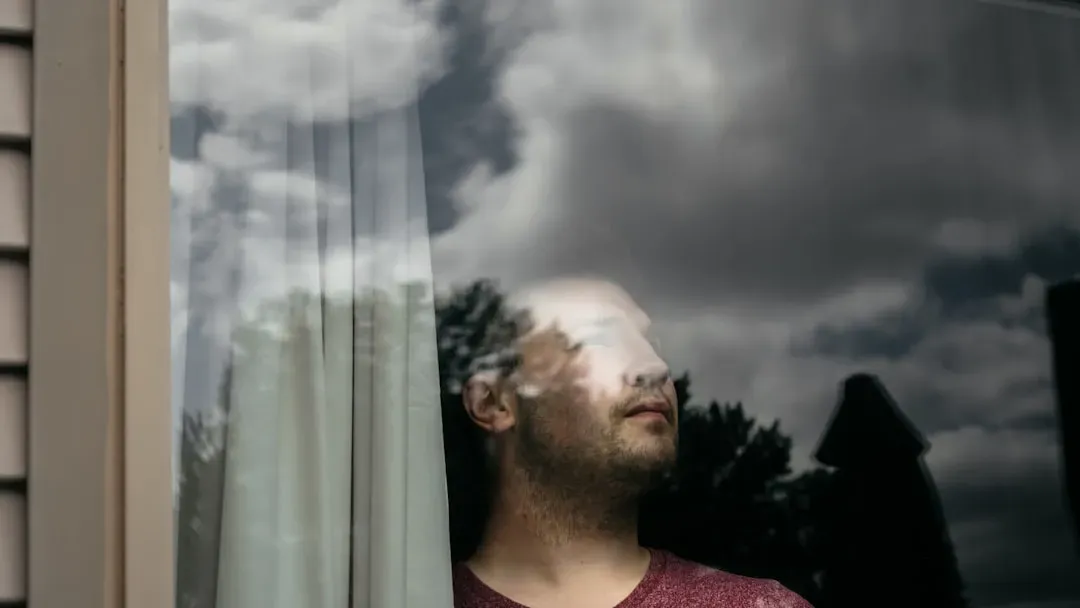
You will not always have a whale, buffalo, or elephant handy, but you can still nudge your brain into passive attention using the same principles. Whenever you can, step outside and watch something natural move at its own pace: trees swaying, clouds drifting, water flowing, shadows slowly shifting with the sun. You give your attention a soft landing place, which is what it has been craving. Indoors, you can recreate elements of this using simple tools. A candle flame, a slowly turning fan, curtains moving in a breeze, or a looping video of underwater life can all serve as practice targets. The point is not to escape reality, but to give your brain regular chances to step out of hyperactive, always-on mode, so when you return to your tasks, you feel more grounded and less frayed.
When Calm Becomes Insight: What You Notice in Passive Attention

Once you stay in this calm, passive-attention state for a little while, something interesting often happens: your thoughts start to reorganize themselves. With no pressure to solve anything, ideas bubble up more naturally, and knots in your thinking sometimes loosen on their own. You may suddenly see a problem differently or realize that something you were obsessing over matters less than you thought. You might also notice your body more clearly. Tiny tensions in your jaw, shoulders, or belly show up once the overall noise drops, and you finally have space to release them. Feelings you have been too busy to feel can surface in a gentle way – sadness that needs to be felt, gratitude you had not paused to acknowledge, quiet contentment that was hiding underneath the stress. This is not about forcing big breakthroughs; it is about giving your inner world time to breathe.
Protecting This Rare Mental Space in a Distracting World

Because this state is so rare and so fragile, you almost have to protect it on purpose. That might mean setting tiny boundaries: putting your phone on airplane mode for ten minutes while you watch your dog wander around the yard, or taking a solo walk where you promise yourself you will not listen to anything, just look and notice. You are not “wasting time”; you are restoring a capacity your brain desperately needs. Over time, you can start treating passive attention like a basic mental hygiene habit, not a luxury. Just as you brush your teeth or stretch your back, you give your mind a few minutes each day to rest in gentle awareness. That way, when you do find yourself standing in front of a vast field, watching a large animal move calmly across it, you recognize the feeling not as a rare accident, but as a familiar homecoming.
Conclusion: Let Yourself Be Led Back to Calm
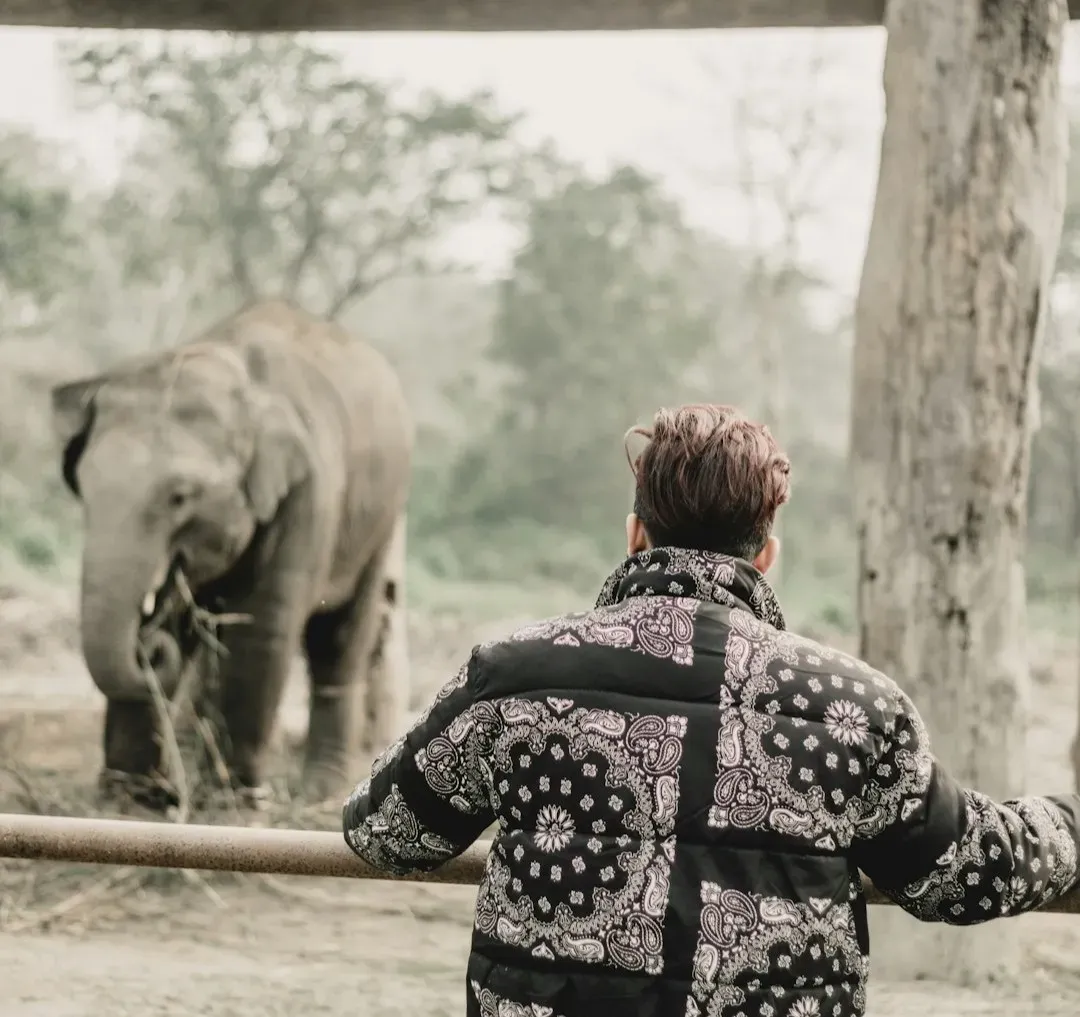
The next time you feel that strange, full-body exhale while watching a slow, powerful animal move through open space, you will know what is happening: your brain is slipping into passive attention, a state that modern life almost never offers you on its own. You are not being lazy, childish, or indulgent; you are touching a deep, ancient pattern of safety, presence, and quiet focus that your nervous system still remembers. You cannot live in that state all the time, and you do not need to. But if you learn to notice it, seek it out, and gently recreate it in your daily life, you give yourself a kind of inner refuge that stays with you, even when everything around you is loud and demanding. So the real question is this: the next time your brain shows you that glimpse of calm, will you rush past it – or finally let yourself stay a little longer?