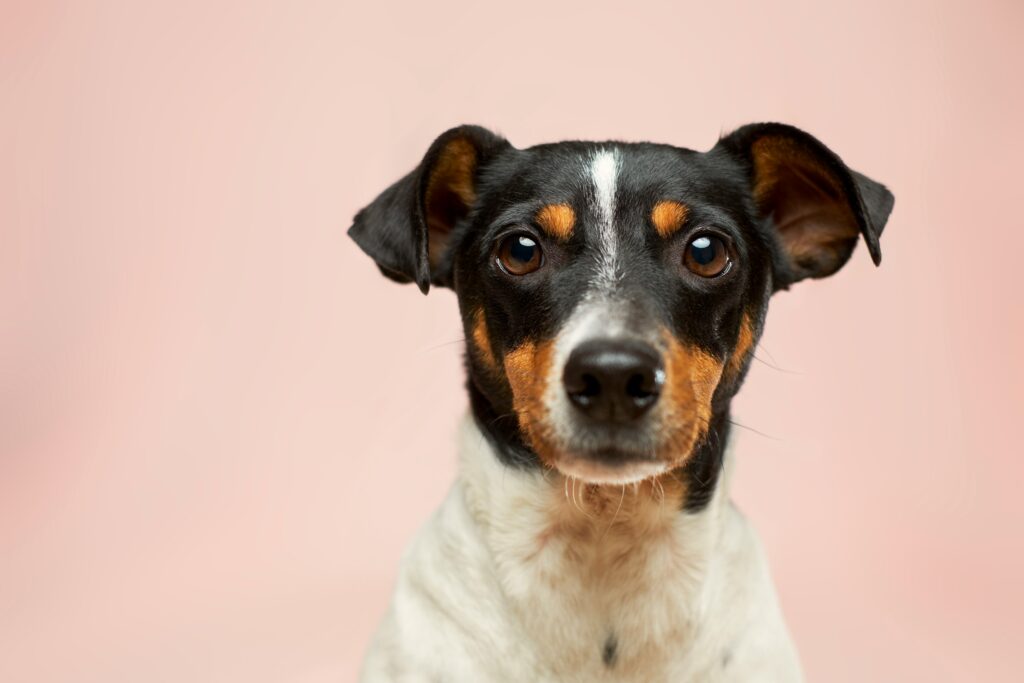

If you have a dog, you already know that eerie feeling: you have not touched the keys, no car door has slammed, and yet your dog is suddenly at the hallway, tail twitching, head tilted, like it knew you were coming long before anyone else did. From a neuroscience perspective, that is not magic and it is not coincidence. Your dog is reading you like a book, starting with your scent and ending with a pretty sophisticated emotional conclusion about how you are doing today.
Once you understand what is happening inside your dog’s brain in those seconds before you even step inside, you will never look at that greeting the same way again. You will realise that, while you are fumbling for the lock, your dog has already analysed your emotional state, compared it to memories of you, and quietly adjusted how it is going to behave with you the moment you appear. In a way, your relationship is being renegotiated every time you walk through the door – and your dog usually gets there before you do.
Your Scent Is Your Emotional Signature
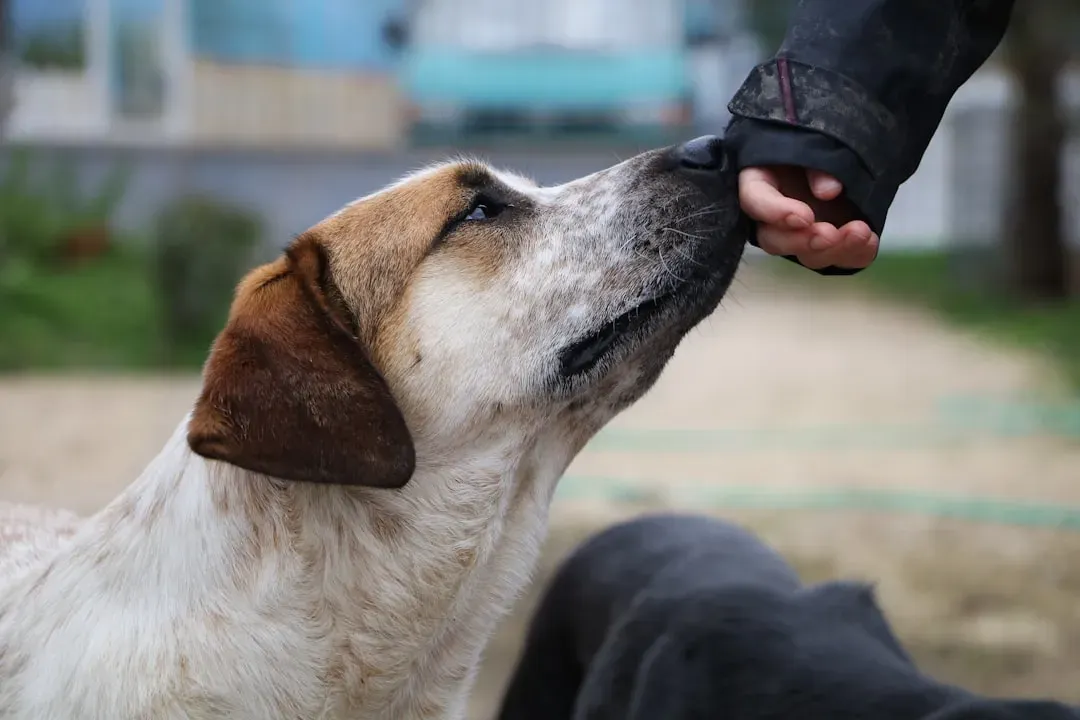
You do not just smell like “you” to your dog; you smell like a constantly updating emotional status report. Your sweat, your breath, and even the natural oils on your skin change subtly depending on whether you are stressed, relaxed, sick, excited, or exhausted. Your dog’s nose is tuned to those tiny shifts in a way you can barely imagine, picking up what you cannot consciously sense on yourself.
Think of your scent as the canine equivalent of a detailed profile page that keeps refreshing in real time. When you have had a rough day, you are not only frowning and moving differently; you are literally emitting a different chemical message. To a dog, that message comes through loud and clear before it ever sees your face. So when it rushes to the door a few seconds early, it is not just reacting to your footsteps – it has already “smelled” the emotional version of you that is about to walk in.
Your Dog’s Nose Is a High‑Speed Data Scanner
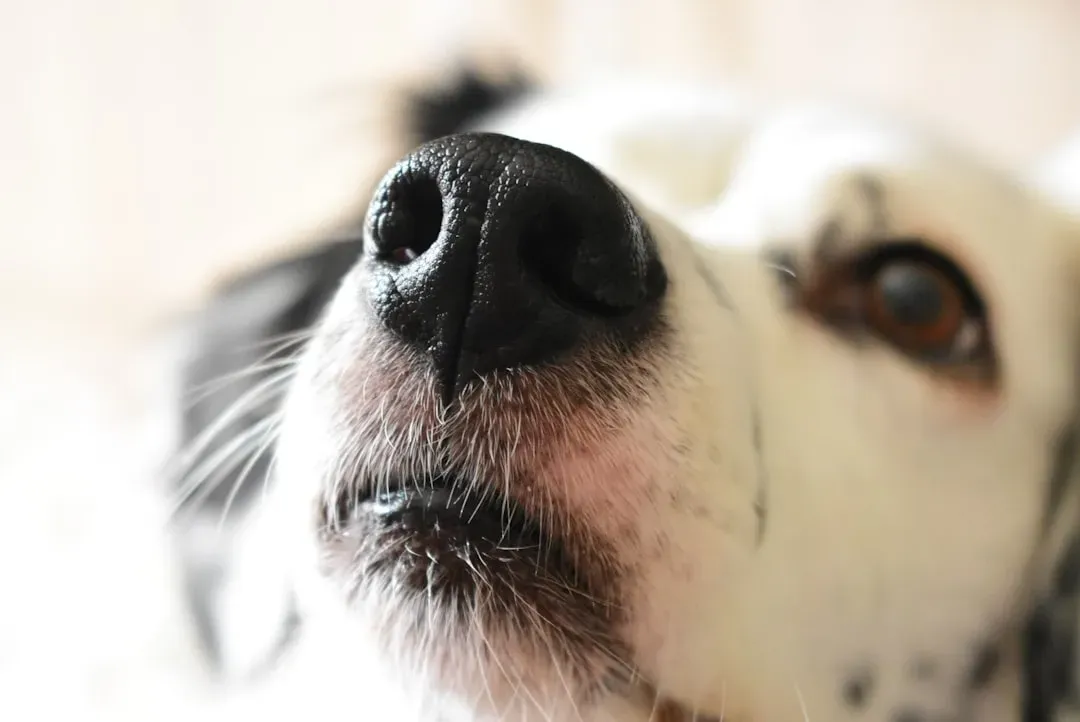
When you come home, your dog is not just taking a casual sniff like you might smell a cup of coffee. Its nose and the part of its brain that processes smell are working like a high‑speed scanner running a full diagnostic check. Dogs have far more scent receptors than you do, and the region of their brain devoted to smell takes up a much larger share of their neural real estate.
In practice, this means your dog can pull multiple layers of meaning out of a single whiff of you. It is not “owner is here,” it is “owner, after work, slightly stressed, smells like rain, has met unfamiliar dog, also smells faintly of that friend who brings snacks.” In a fraction of a second, that information is sorted, compared with past experiences, and merged into a prediction about what you are likely to do next. By the time you turn the handle, the dog has already sketched your emotional outline for that moment.
Smell Goes Straight to the Emotional Core of the Brain
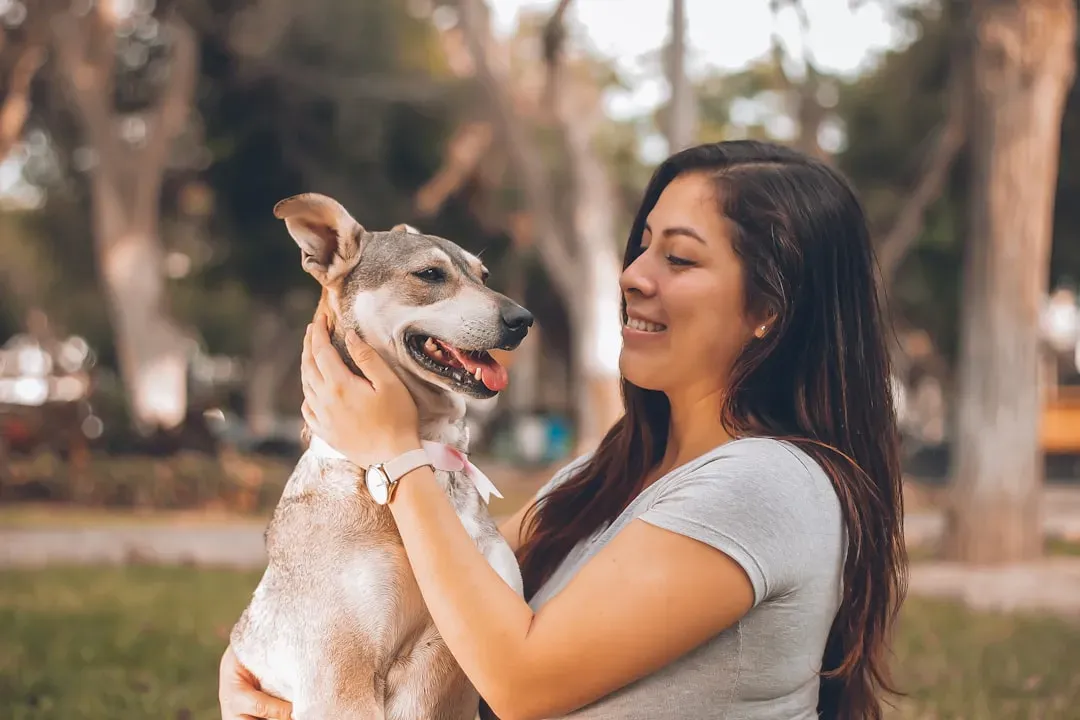
Here is the wild part: in your dog’s brain, smell is wired right into the emotional centres. Odours do not just go to a neutral processing hub; they connect directly to regions involved in memory and feeling. So when your dog smells you, it is not only recognising you, it is reactivating the emotional history it has with you – what you have done together, how those moments felt, and what usually follows a scent like the one you are carrying today.
This is why your dog can react so fast and so precisely, often before you even realise what mood you are in yourself. Your scent does not need to be translated into words or concepts; it is experienced as a blend of familiarity, comfort, excitement, or concern. In a sense, your dog is not just smelling you; it is feeling you through its nose, and that feeling shapes its next move before you cross the threshold.
Recognition Happens Before Vision Kicks In
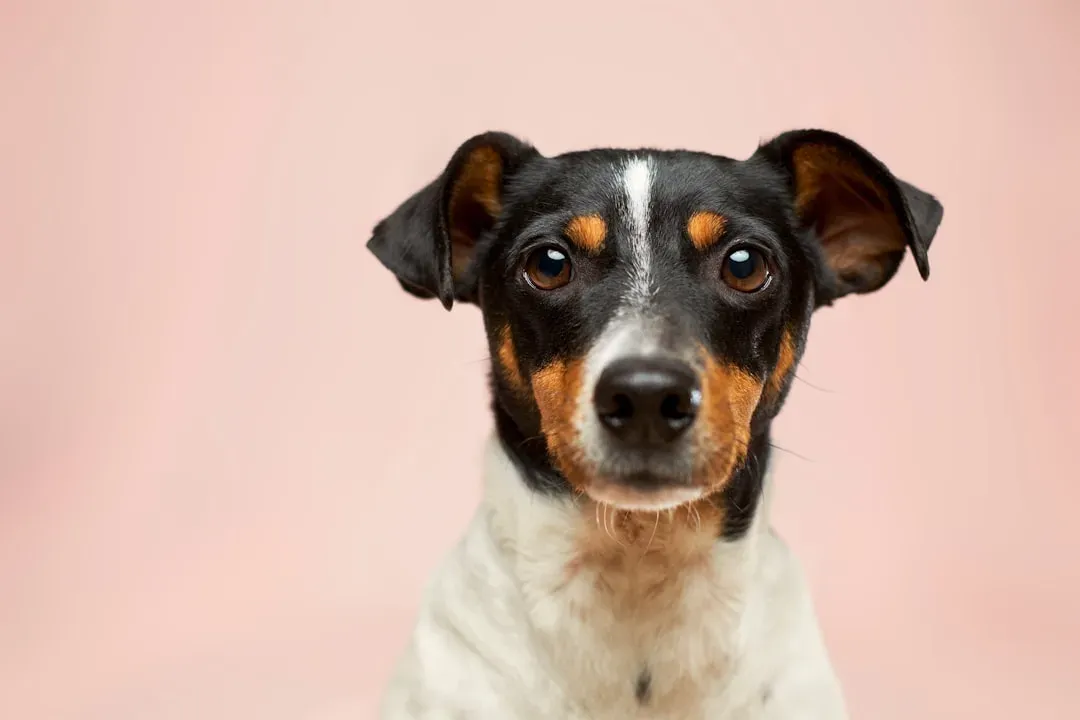
You might assume your dog recognises you when it sees your face or hears your voice, but in many cases the process starts earlier and deeper with smell. Odour molecules drift under the door, down stairwells, or through cracks in old frames long before your key even touches the lock. Your dog’s nose catches those molecules and reacts to them like an early alert system.
By the time you make a sound, your dog may already have run a full recognition sequence and emotional check. Vision then just confirms what the nose already “knew.” To you, it looks like your dog suddenly bolts to the door the moment you appear, but what you are really seeing is the last step in a chain reaction that started quietly with a faint trace of your scent in the air.
Your Dog Tracks Changes in You Over Time
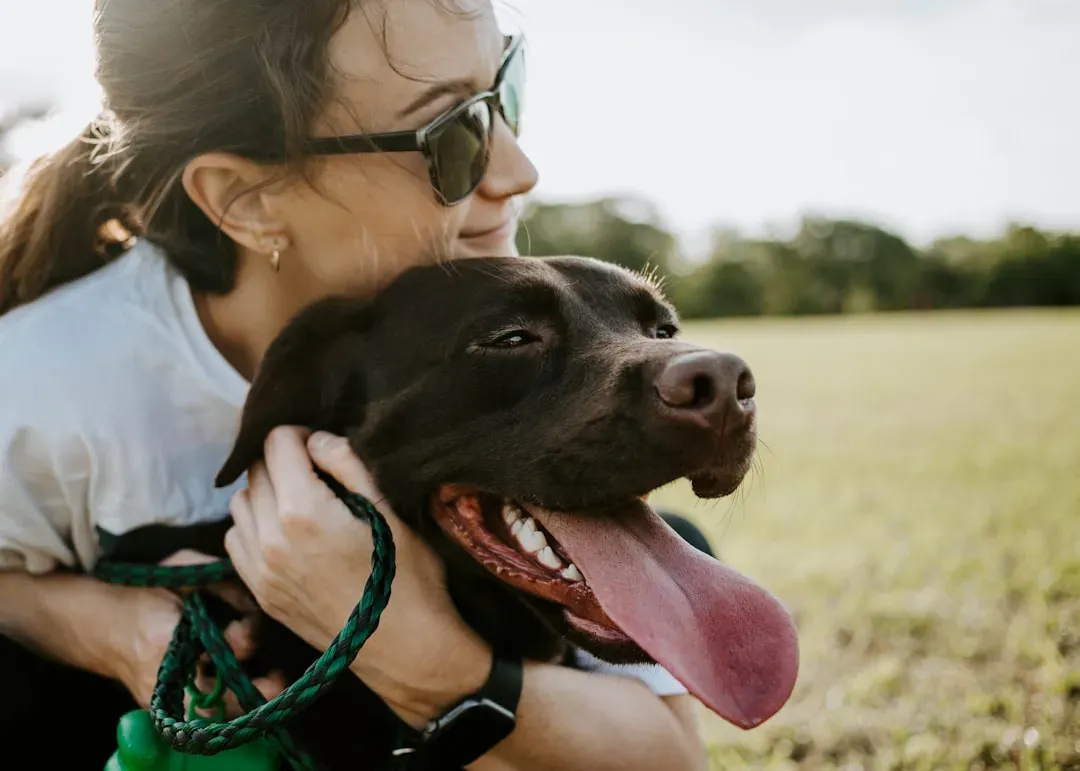
Because your dog constantly links your scent to what happens next, it slowly builds up a rich, personal database about you. Over days, months, and years, it learns what you smell like when you come home relaxed versus when you are burned out, when you are sick versus when you are fine, and even how you smell when you are anxious about something that has not happened yet. Every time you walk in, the dog updates its “you profile” a little more.
That is why your dog can sometimes behave differently on days when you think you are hiding your feelings well. You may not be slamming doors or raising your voice, but your body chemistry has already given you away. To the dog, today’s version of you smells a lot like other days when you were upset or distracted, so it adjusts accordingly. It might approach more gently, hang back a bit, or stick to you like glue, all based on how its memory banks match today’s scent to your past emotional states.
Behaviour Adjusts Before You Step Inside
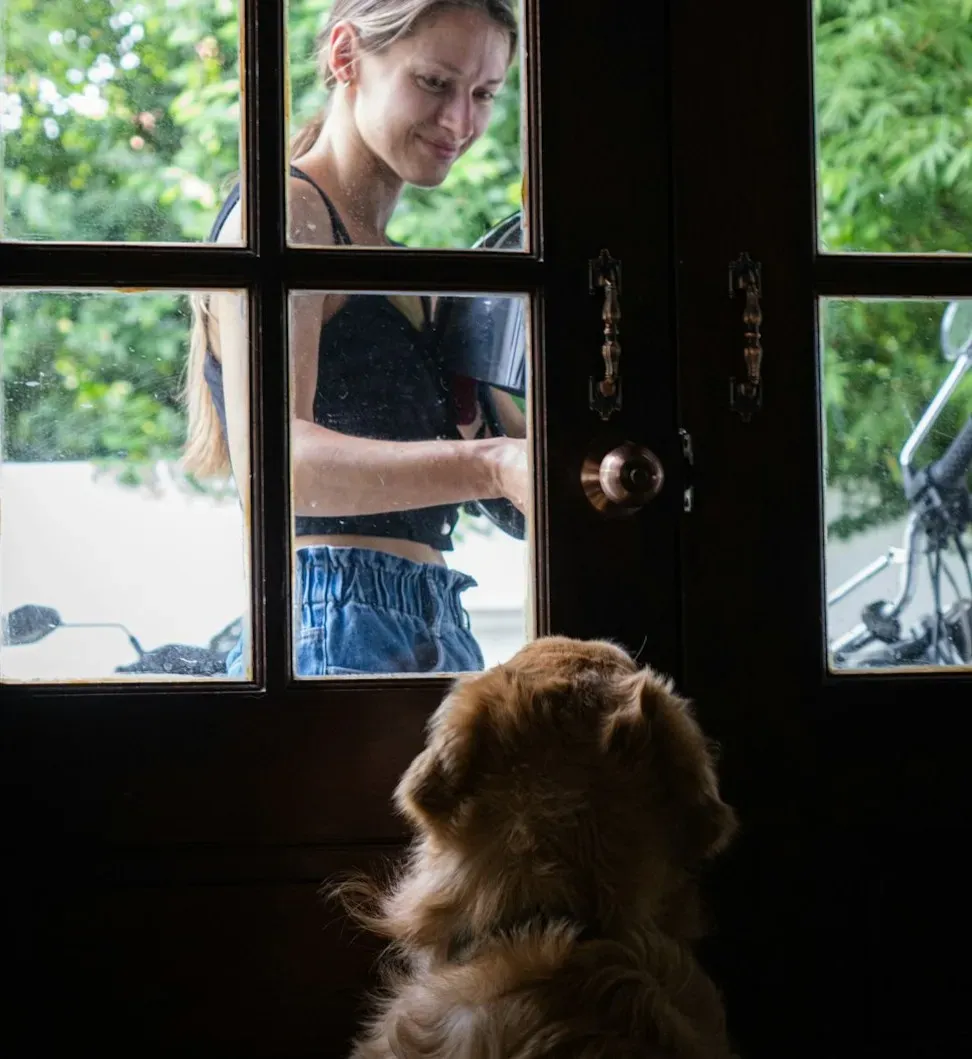
Here is where it gets really personal: your dog does not just register your emotional state; it uses that information to change its own behaviour before you even open the door. If your scent says you are calm and playful, you might get an explosive greeting – bouncing, spinning, grabbing toys, zooming around like you are both at a party. If your scent flags you as tense or drained, the same dog might stay a step back, approach more slowly, or greet you with quieter, more cautious affection.
You can think of this as your dog running a real‑time risk and reward calculation. It is not doing this in words, of course, but through learned patterns: “When you smell like this, certain reactions get better results, others do not.” Over time, your dog fine‑tunes its greeting style to you specifically. That means the version of your dog that meets you tonight is partly shaped by the emotional signals you have been sending every time you come home.
You Are Training This Emotional Radar Without Realising It
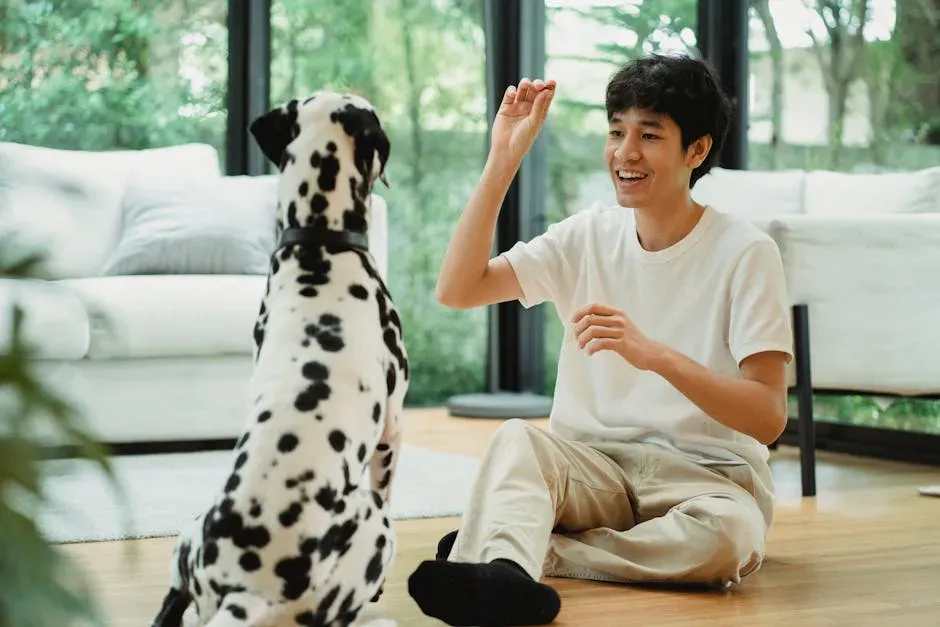
Whether you mean to or not, you teach your dog what your different emotional scents predict. When you are stressed and come in snapping or distracted, your dog’s brain links that particular blend of odours to tension and maybe less attention. When you arrive laughing and relaxed, that different blend gets filed under “safe to be wild, affection likely, play possible.” Your reactions are the feedback that trains the system.
Over many small, ordinary days, your dog becomes an expert at connecting your scent to your behaviour. Now, when it smells you coming, it is already predicting which version of you is about to appear and how to get through the next few minutes smoothly. You may feel like you are the one reading the dog’s body language, but on a chemical level, the dog has been reading you first and for much longer.
Practical Ways You Can Respond to What Your Dog Already Knows
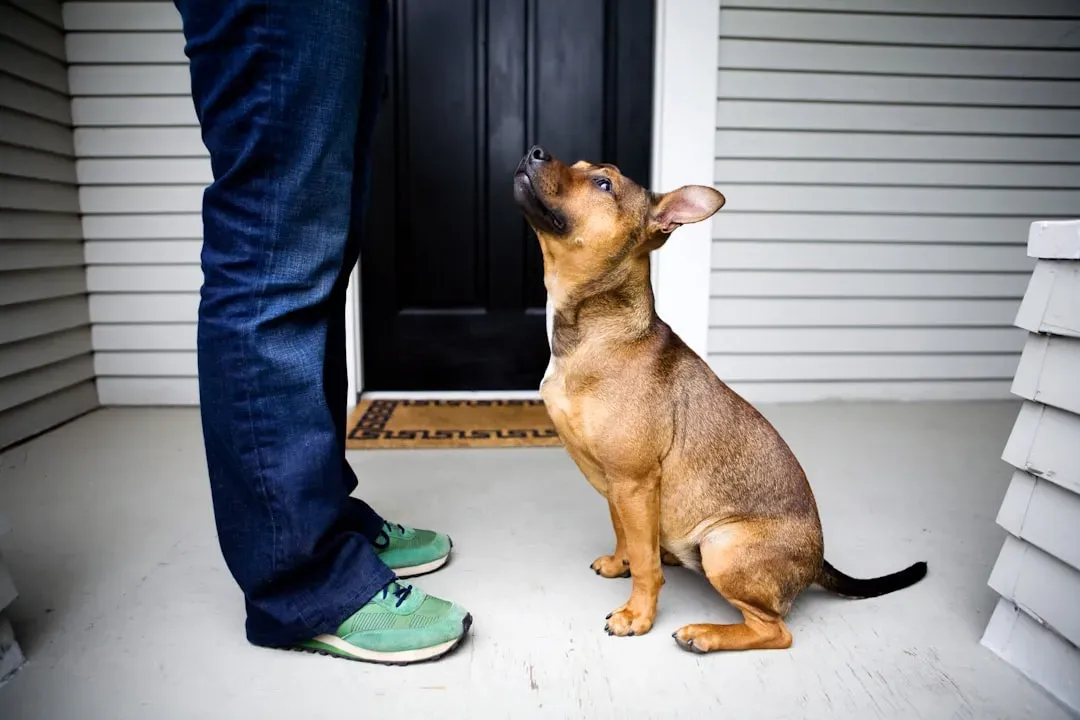
Once you realise your dog has already “checked you in” emotionally before you touch the handle, you can use that knowledge in simple, practical ways. On days when you know you are walking in carrying stress, you can consciously slow down your entry, soften your voice, and give your dog a calm, reassuring touch instead of brushing past. That small adjustment tells your dog that, even though you smell like a tough day, it is not in trouble and your bond is still secure.
You can also build small arrival rituals that help both of you reset: a thirty‑second kneel to say hello, a quiet moment on the couch, or a quick sniff‑walk outside. These tiny, consistent habits give your dog predictable outcomes to attach to the many versions of your scent. In return, you get a partner that is not only thrilled to see you, but is also actively trying to match its behaviour to what you need in that moment – often before you have put your keys down.
Conclusion: Your Dog Is Reading the Room Before the Door Opens
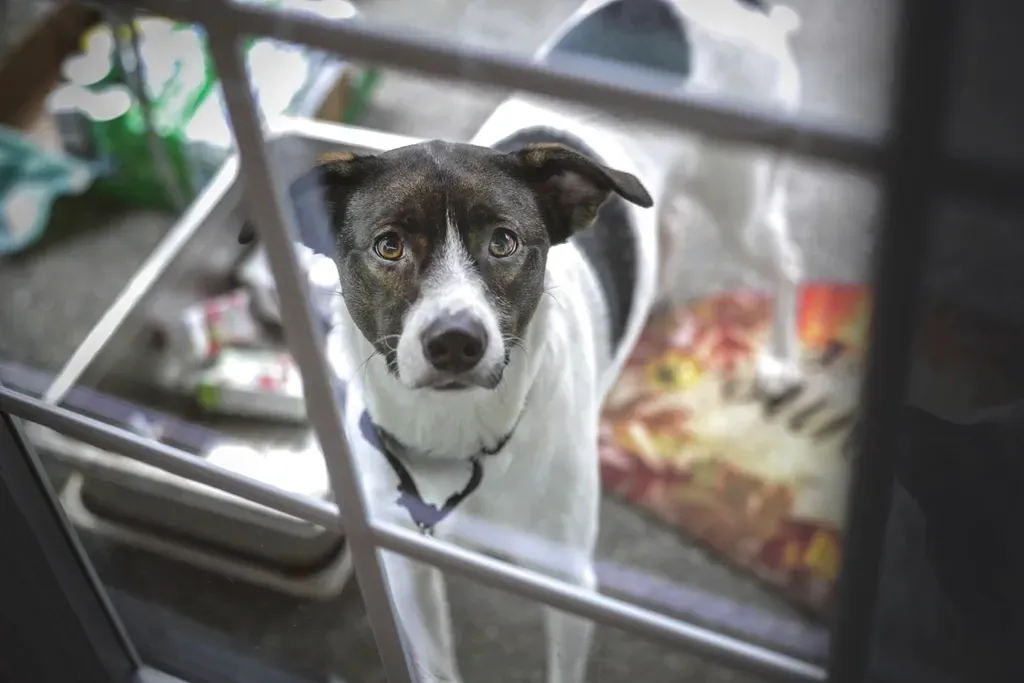
When you pull up outside your home, your dog is already listening for you – but more importantly, it is smelling you. That smell is not just a label; it is a living, shifting emotional fingerprint that your dog has learned to decode with surprising precision. Long before you step inside, it has read that fingerprint, dug through years of shared experience, and quietly adjusted how it is going to greet you.
The next time you walk through the door and see your dog’s response, remember that what you are seeing is the end of a process that started with invisible molecules and ended with a very real emotional decision. Your dog is not just happy you are back; it has already taken your emotional temperature and chosen how to meet you there. Knowing that, how might you want to show up – for both of you – the next time you turn the key?