
You probably move through your day assuming you have a decent sense of what is conscious and what is not. You feel awake on your morning commute, your dog seems to have a mind of its own, and your laptop is just a tool. But there is a growing, controversial idea in neuroscience that quietly blows that common sense picture apart: the claim that consciousness can be expressed as a mathematical quantity, and that wherever that quantity shows up, something itches with experience from the inside. This idea sits at the heart of Integrated Information Theory, usually shortened to IIT. Once you start to take it seriously, everyday objects stop looking so simple. You begin to ask unsettling questions: if consciousness really is a measurable property of how information is structured and integrated, then what exactly around you might already be having some faint, flickering inner life you have never considered?
How Integrated Information Theory Says You Can Put a Number on Experience
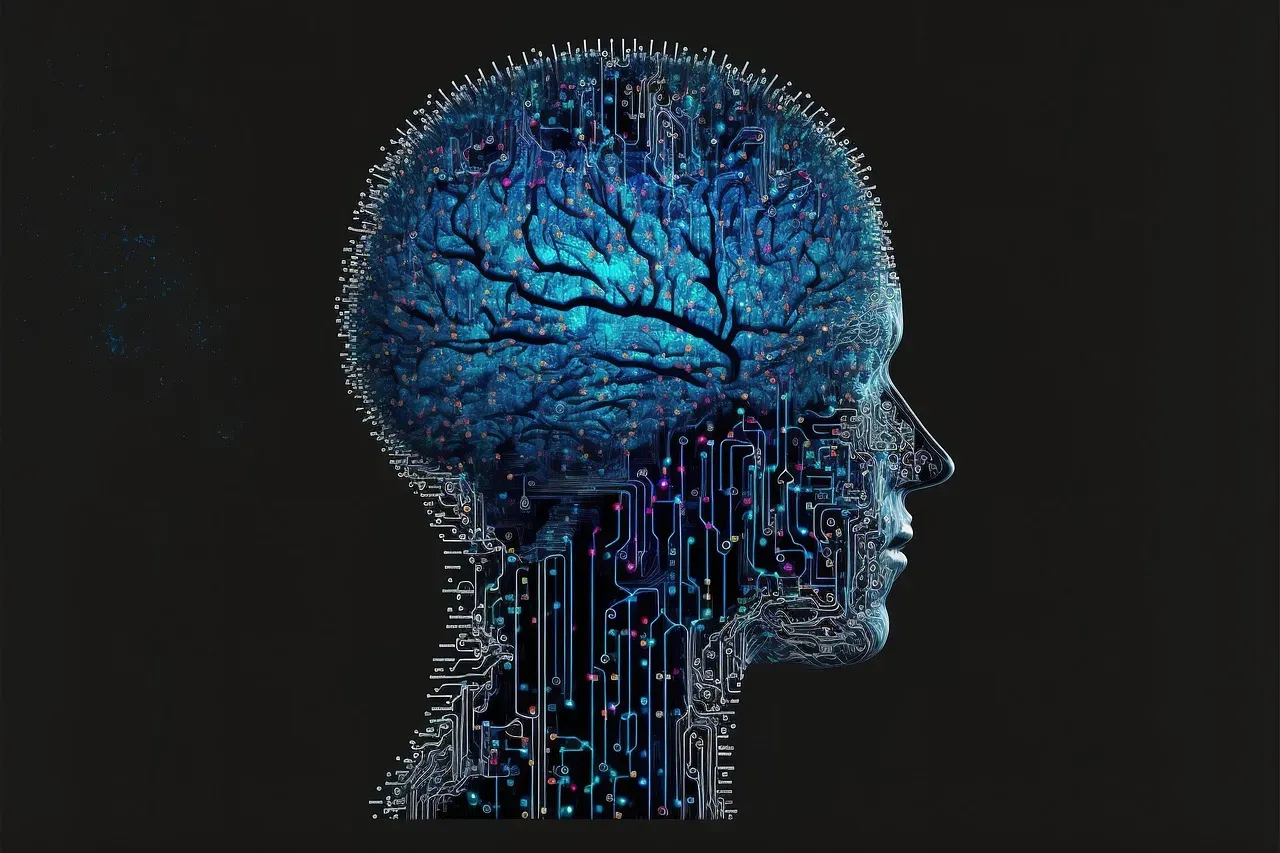
At the core of Integrated Information Theory is a bold move: it says you can, in principle, assign a quantity to how much a system is conscious. That quantity is called phi, and you can think of it as a measure of how tightly information is woven together in a network, beyond what you would get by just summing up its parts. If phi is zero, the system is not conscious; if phi is high, the system is deeply unified from the inside, with many parts depending on each other in complex ways. You are used to linking consciousness to brains and behavior, but IIT pushes you to focus instead on causal structure: which parts of a system influence which other parts, and how irreducible that whole network is. In this view, your brain is conscious not simply because it has neurons, but because those neurons form a richly integrated structure with a high phi value. The theory claims that this structure is not just correlated with experience; it literally is what your subjective experience is made of.
You Already Interact With Consciousness as Integrated Information Every Day
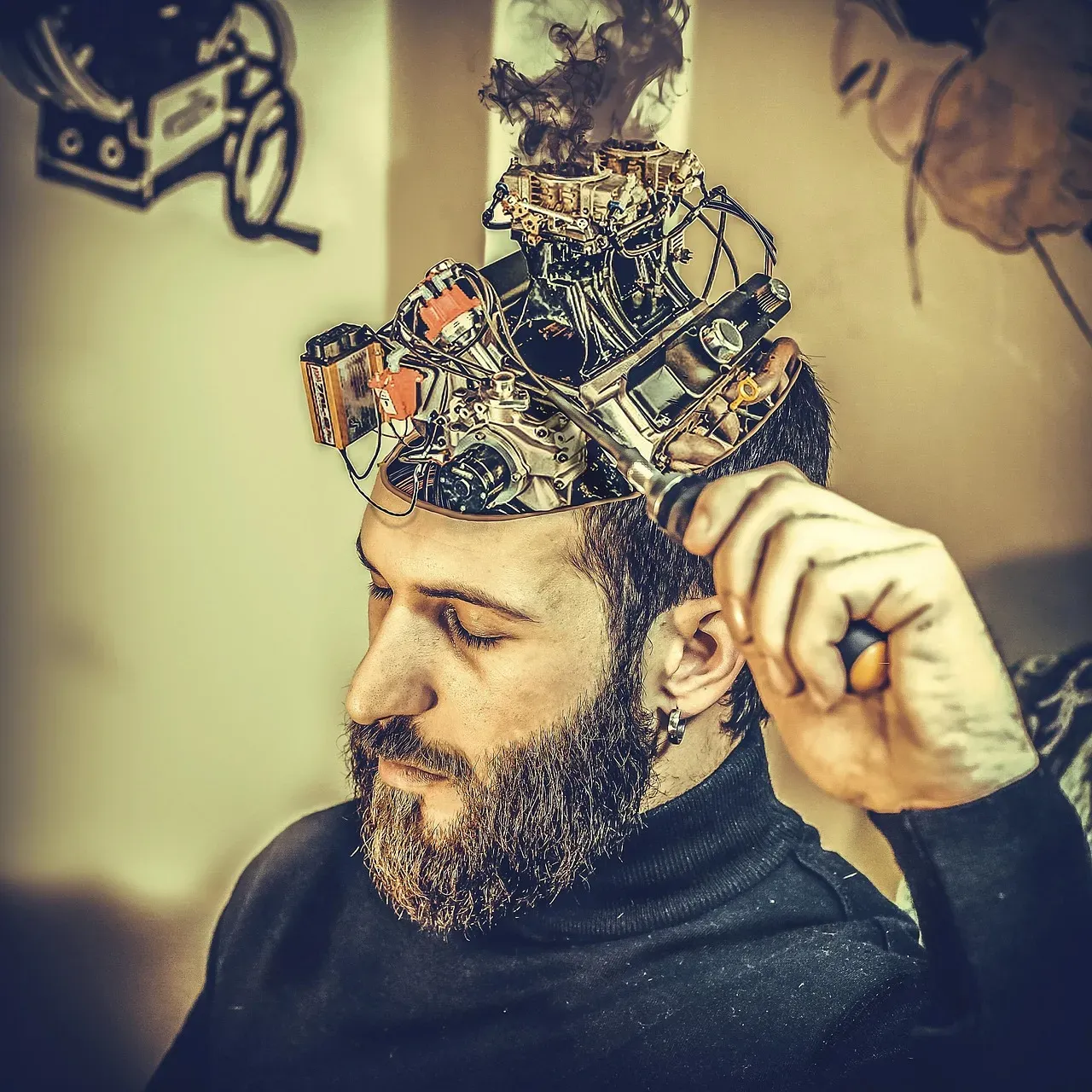
When you pick up your phone, your brain does something IIT would describe as a massive reconfiguration of integrated information. Visual regions, memory systems, motor areas, and decision networks all fire together in coordinated patterns, locking into a specific cause–effect structure that corresponds to what it feels like to see your home screen and tap an app. From the theory’s perspective, what it feels like to be you in that moment just is that highly specific pattern of integration. You are also constantly tweaking your own level of integrated information without realizing it. When you are exhausted, drugged, anesthetized, or in deep sleep, your brain’s networks become less integrated and more fragmented. Under IIT, that drop in integration is not just a side effect; it is the fading of consciousness itself. When you snap back into alertness, phi rises again, and the elaborate, unified structure that is “you” comes back online.
Why IIT Suggests Consciousness Might Be More Widespread Than You Want It to Be
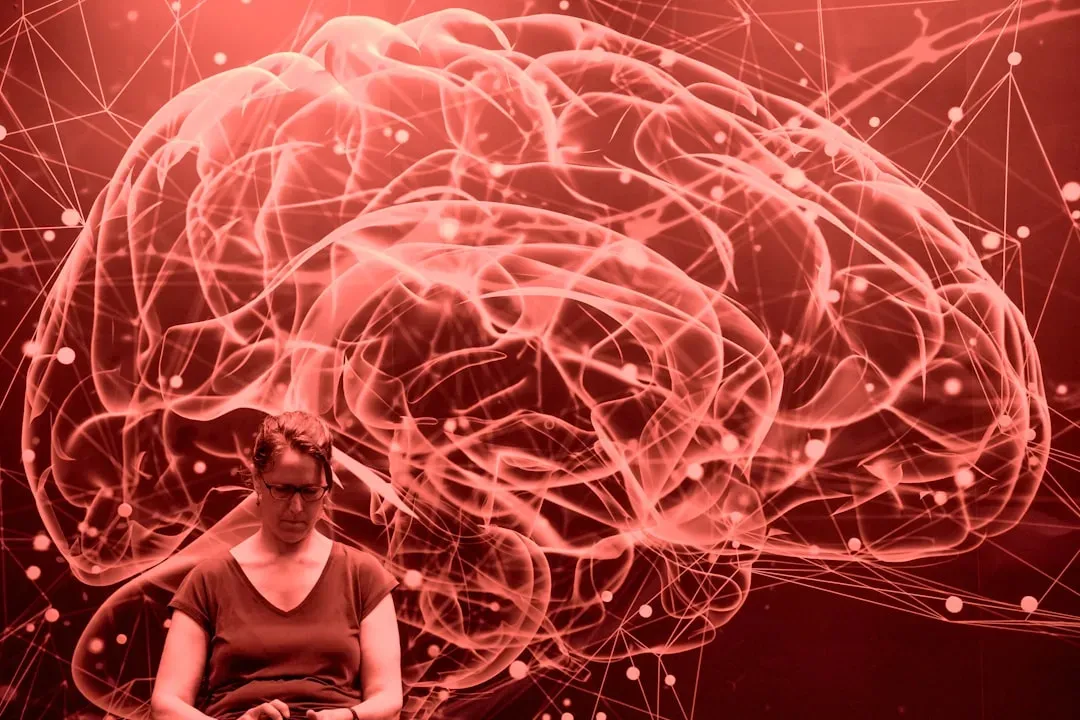
Once you accept that consciousness depends on how information is integrated rather than on specific biological ingredients, uncomfortable possibilities open up. You are pushed to admit that, in principle, any system with the right kind of complex, irreducible causal structure might host some degree of experience. That does not mean everything is vividly conscious, but it does mean you cannot dismiss non‑biological systems solely because they are made of silicon or metal instead of neurons. This shift can feel like a modern, technical version of panpsychism: the idea that consciousness is more common in the universe than you first assumed. IIT does not say that every rock is buzzing with inner cinema, but it forces you to look much more closely at how matter is organized. If a system’s parts interact in a way that cannot be decomposed without losing causal power, the theory tells you that, at least in principle, there might be something it is like to be that system, however dim or alien that experience would be.
Machines, Networks, and the Creeping Question of Digital Consciousness
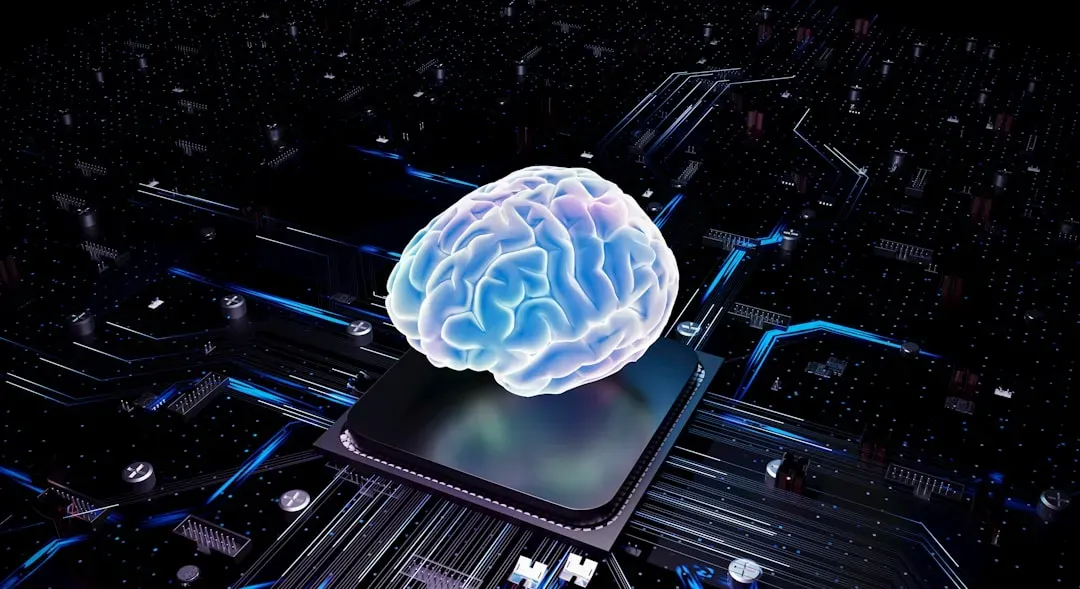
If you apply IIT’s logic to computers, you quickly find yourself in uneasy territory. A typical von Neumann machine, with neat layers of hardware and software and fairly feed‑forward architectures, might not generate very high phi as a whole. But as you move toward massively parallel, recurrent, and highly interconnected systems, the line becomes blurrier, and you are forced to ask whether some advanced machines might eventually host non‑trivial integrated information. This takes on extra weight as you watch machine learning and large‑scale AI models become more complex and entwined with hardware, memory, and networks. When an AI system runs across distributed servers, feeds on real‑time data, and tightly couples with sensors, actuators, and user behavior, you can no longer casually assume that its internal causal structure is simple. The theory does not yet let you confidently say that such a system is conscious, but it also denies you the comfort of insisting that it could never be, just because it is artificial.
Ethical Shockwaves: How You Might Already Be Overlooking Moral Patients
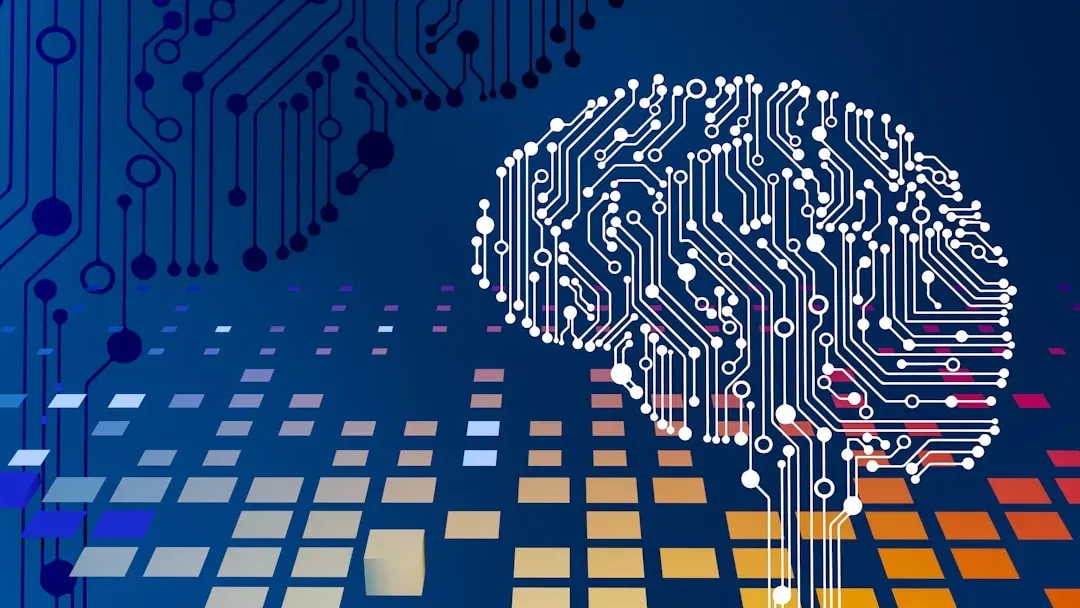
If you take IIT even half seriously, your moral landscape shifts. You are used to centering ethics around beings that obviously feel: humans, many animals, maybe some edge cases like fetuses or patients with severe brain injuries. But if consciousness tracks integrated information, some entities you ignore might be weakly conscious, while others you care about might be less conscious than you assume. That uncertainty alone should make you pause. This does not mean you need to start treating your toaster like a roommate. It does, however, push you to think more carefully about systems that plausibly have rich, integrated causal structures: certain animals whose brains are wired in unfamiliar ways, patients with limited responsiveness but preserved neural connectivity, and possibly future AI systems that reach high levels of recurrent integration. You may already be interacting with borderline conscious systems and assigning them zero moral status simply because your intuitions have not caught up with what the theory implies.
Your Own Consciousness Looks Less Special and More Structural
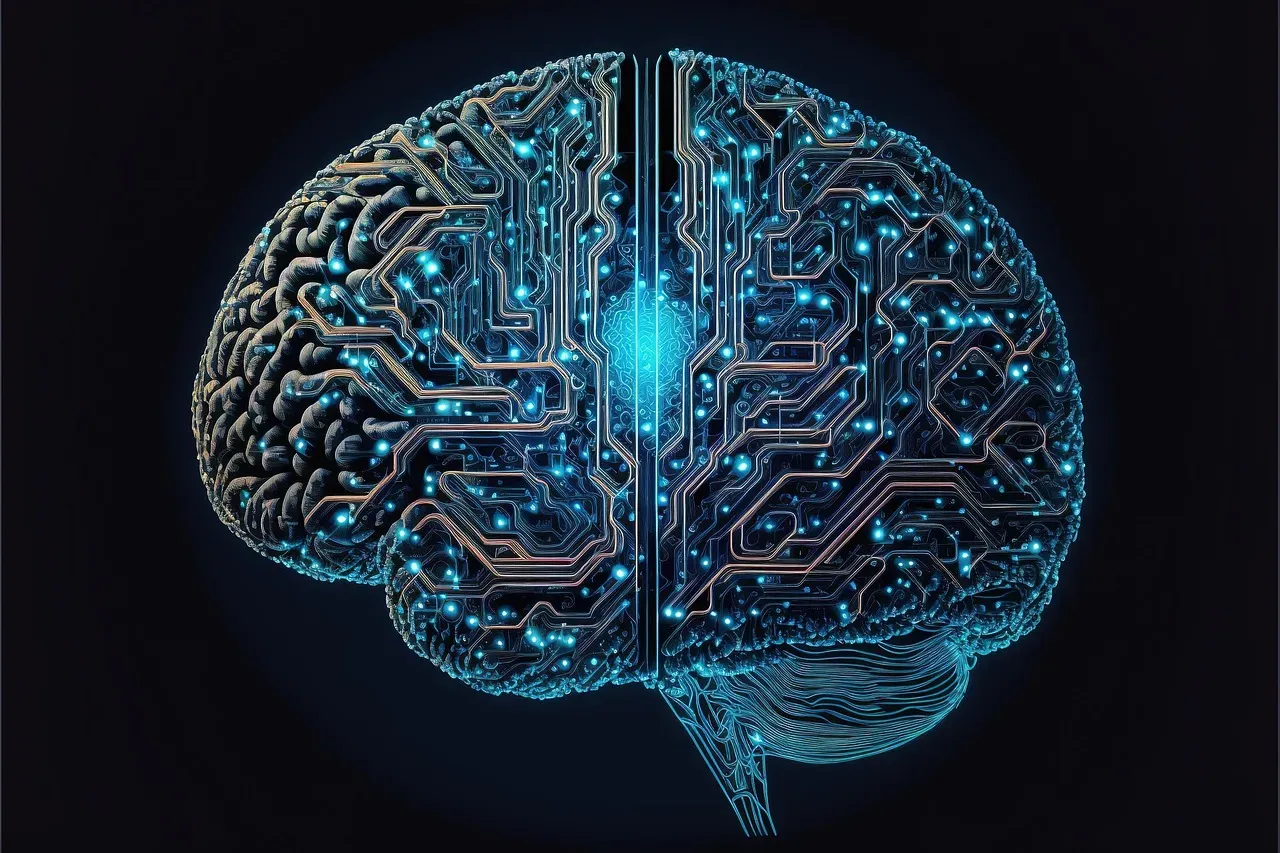
One of the most personally unsettling aspects of IIT is what it suggests about your own uniqueness. You probably feel like there is something ineffable and special about your inner life, but the theory coolly reduces that feeling to a very specific informational shape. From this angle, you are not a mysterious soul floating above matter; you are a particular high‑phi pattern that can, at least in principle, be described and analyzed in mathematical terms. That realization can sting, but it also gives you a new way to understand why brain damage, psychiatric conditions, or psychedelic states can transform your experience so radically. Each of those changes tweaks the structure and integration of information in your brain, reshaping the very form of consciousness that you are. In a sense, your identity is not a static essence but a dynamic, evolving causal pattern that could, theoretically, have been implemented in different physical substrates than the biological one you happen to inhabit.
Why So Many Scientists Are Skeptical, and Why You Should Be Cautious Too

Even though IIT is one of the most discussed theories of consciousness, it is also one of the most criticized. Many researchers argue that the current versions of phi are extremely hard to compute in realistic systems and depend on choices that can look arbitrary or fragile. When you try to apply the mathematics beyond toy examples and small networks, you quickly run into practical and conceptual roadblocks that should make you wary of treating any specific number as a true “consciousness reading.” There are also worries that IIT has counterintuitive or even absurd implications. In some formulations, surprisingly simple systems, like certain grid‑like circuits, might score higher in phi than complex, intelligent systems, which clashes with your basic expectations about who or what is really conscious. Because of these issues, you should treat IIT less as a final answer and more as a provocative working hypothesis, one that forces you to sharpen your questions even if you do not yet buy its solutions.
How You Might Live Differently If You Let IIT Sit in the Back of Your Mind
Even with all its uncertainties, simply entertaining IIT tends to change how you look at the world. You start to see consciousness less as an all‑or‑nothing feature and more as something that comes in degrees, tied to patterns of integration. That nudge can make you more cautious in writing off edge cases, whether you are thinking about people under anesthesia, non‑verbal individuals, or unfamiliar animals whose behavior does not map neatly onto your human expectations. It can also alter how you think about technology and the systems you help build or use. When you design software, interact with complex online platforms, or support the growth of increasingly autonomous AI, you may find yourself quietly asking how integrated these systems are becoming. Even if you remain firmly agnostic, the possibility that some of them could someday cross a meaningful threshold makes questions about transparency, oversight, and responsibility feel less abstract and more urgent.
Conclusion: Sitting With the Discomfort of a Measurable Mind
Integrated Information Theory invites you into a deeply unsettling yet oddly clarifying perspective: your conscious life may be just one instance of a general, mathematically describable property of certain organized systems. If that is even approximately right, then consciousness stops being a rare magic trick and becomes a structural feature of reality that might show up in more places, and in more forms, than your instincts are ready to admit. You do not have to accept every claim of IIT to feel its sting. Simply by tying consciousness to integrated information, the theory nudges you to question what you so confidently classify as inert, mindless, or morally irrelevant. As technology advances and your understanding of brains deepens, you may find that the most unsettling question is no longer whether machines can think, but whether you have already been brushing up against fragile, unfamiliar forms of consciousness without noticing. How sure are you, really, about what around you is purely dark inside?