
You know that wild, tail-thrashing, full-body wiggle your dog does when you walk in the door, even if you only left for ten minutes? Neuroscience is increasingly clear: that is not an act, not a default script, and definitely not your dog faking enthusiasm to get treats. It is the visible edge of a deep, brain-level bond that simply does not wear down with repetition the way so many human emotional responses do. Where people get used to almost everything, dogs seem wired to keep loving like it is day one.
Once you look under the hood, you see just how different canine and human emotional “architectures” really are. Our brains tend to dial things down with time and familiarity, a process called habituation, but a dog’s brain often stays lit up by the same beloved person, day after day, like a song that never stops feeling good. This article dives into what we know so far: oxytocin circuits, reward pathways, domestication, facial recognition, and why your dog sometimes seems to out-love you. Along the way, I’ll share a few personal observations, because like a lot of people, I’ve learned as much about attachment from a muddy, overexcited dog as from any psychology textbook.
Why Human Emotion Habituates But Your Dog’s Greeting Often Doesn’t
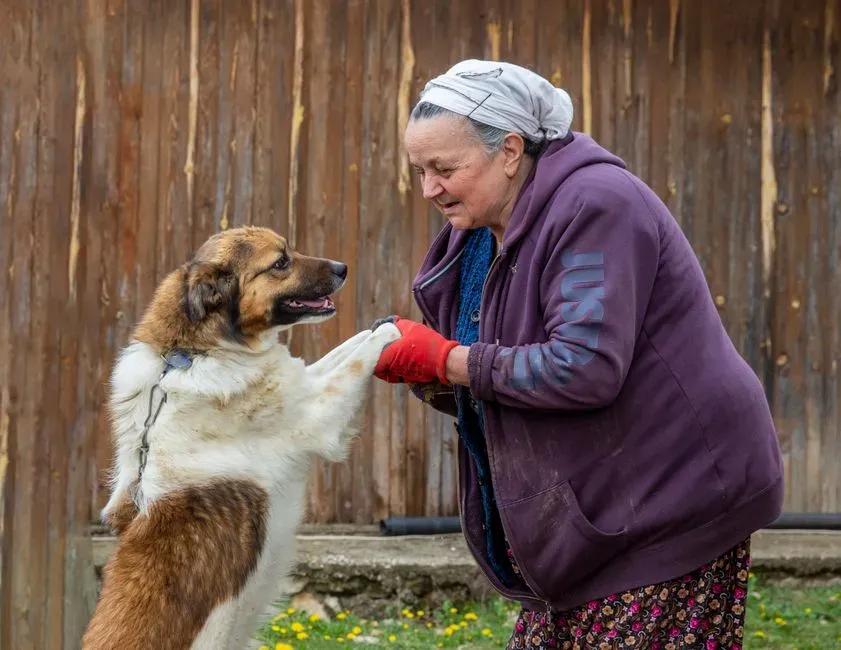
Human brains are efficiency machines. When we encounter the same stimulus over and over, our neural response usually shrinks, a process neuroscientists call habituation. That is why a new car feels thrilling at first and then slowly fades into “just my car,” or why a song that once gave you goosebumps eventually becomes background noise. From an energy standpoint, it makes sense: the brain saves its strongest responses for novelty, surprise, and potential threat or opportunity.
Dogs, however, often do not seem to apply this same brake when it comes to their favorite humans. While some aspects of their behavior certainly habituate, their greeting rituals stay surprisingly intense across weeks, months, and even years. Brain imaging studies suggest that the scent and sight of a familiar, bonded human keep activating reward and social attachment regions in dogs with striking consistency. Instead of emotional responses sliding down a curve of boredom, the bond-related circuitry in many dogs behaves more like a stable beacon, still bright on day fifty, five hundred, and five thousand.
The Brain’s “Bond Architecture”: Oxytocin, Reward, and Attachment Circuits
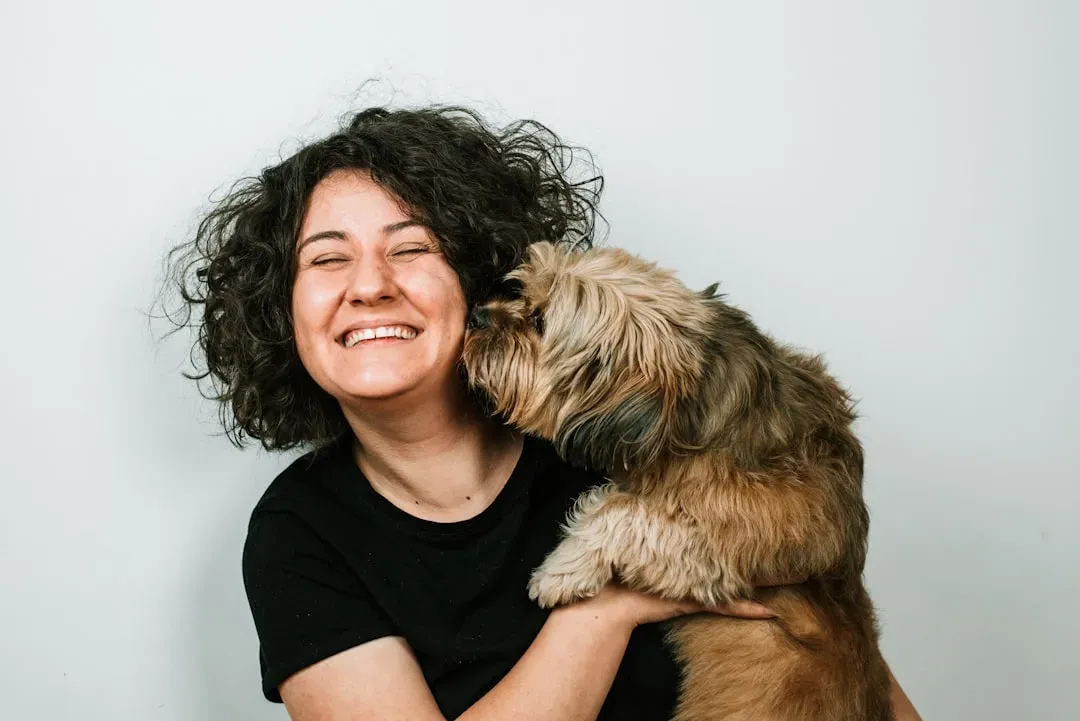
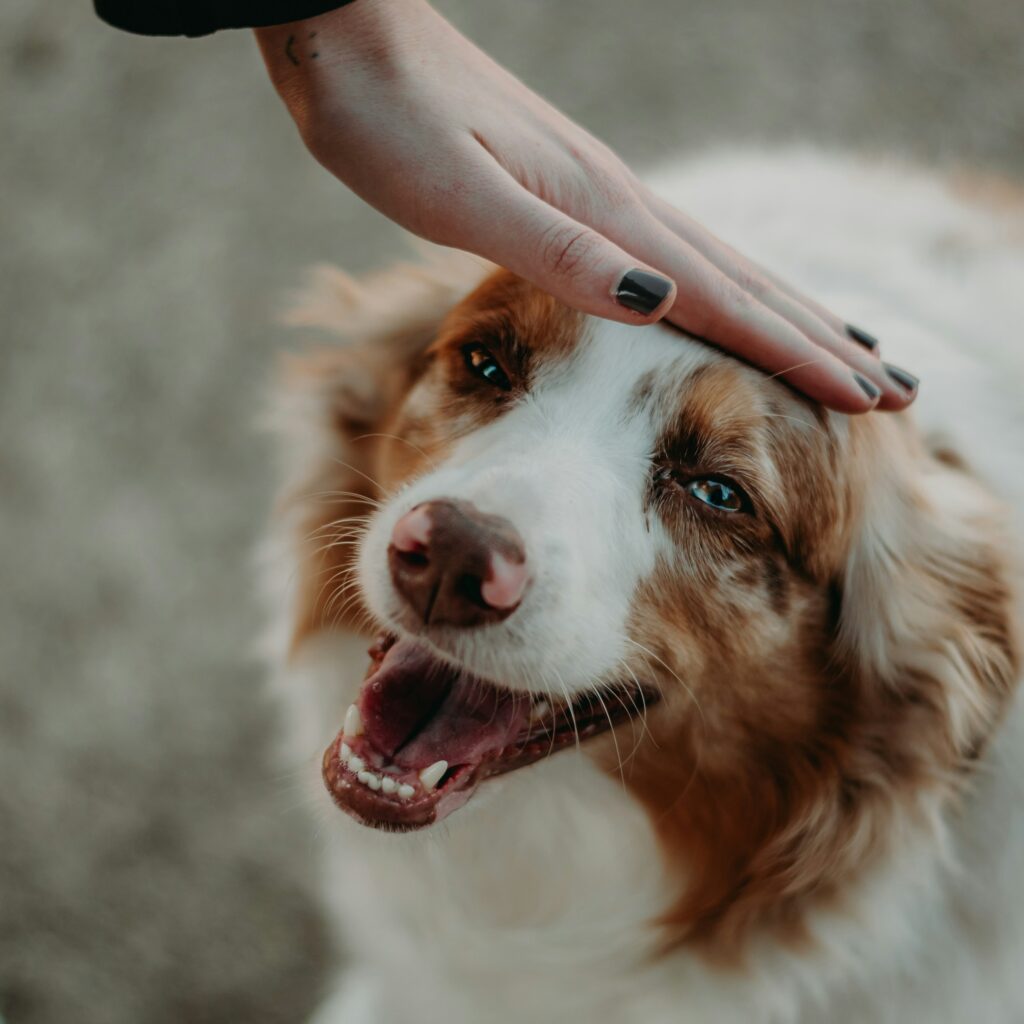
When neuroscientists talk about “bond architecture,” they are really talking about how different brain systems are wired together to support attachment. In both humans and dogs, oxytocin plays a starring role. This hormone, released during affectionate interactions, social touch, and mutual eye contact, reinforces feelings of trust and connection. In dogs, simply looking into their person’s eyes or being petted can raise oxytocin levels in both species, creating a feedback loop that strengthens the bond rather than allowing it to fade.
These oxytocin surges link directly into reward circuits, including brain regions like the caudate nucleus that light up for things the animal finds valuable. Functional MRI studies show that when dogs smell the scent of their human, areas associated with pleasure and motivation often activate powerfully, sometimes even more than for food. Over time, repeated pairing of “my person” with this rewarding neurochemical cocktail appears to consolidate into a robust attachment pattern, one that is less about momentary novelty and more about a stable, emotionally charged relationship map in the brain.
Why Your Dog’s Greeting Is Not a Performance or Manipulation
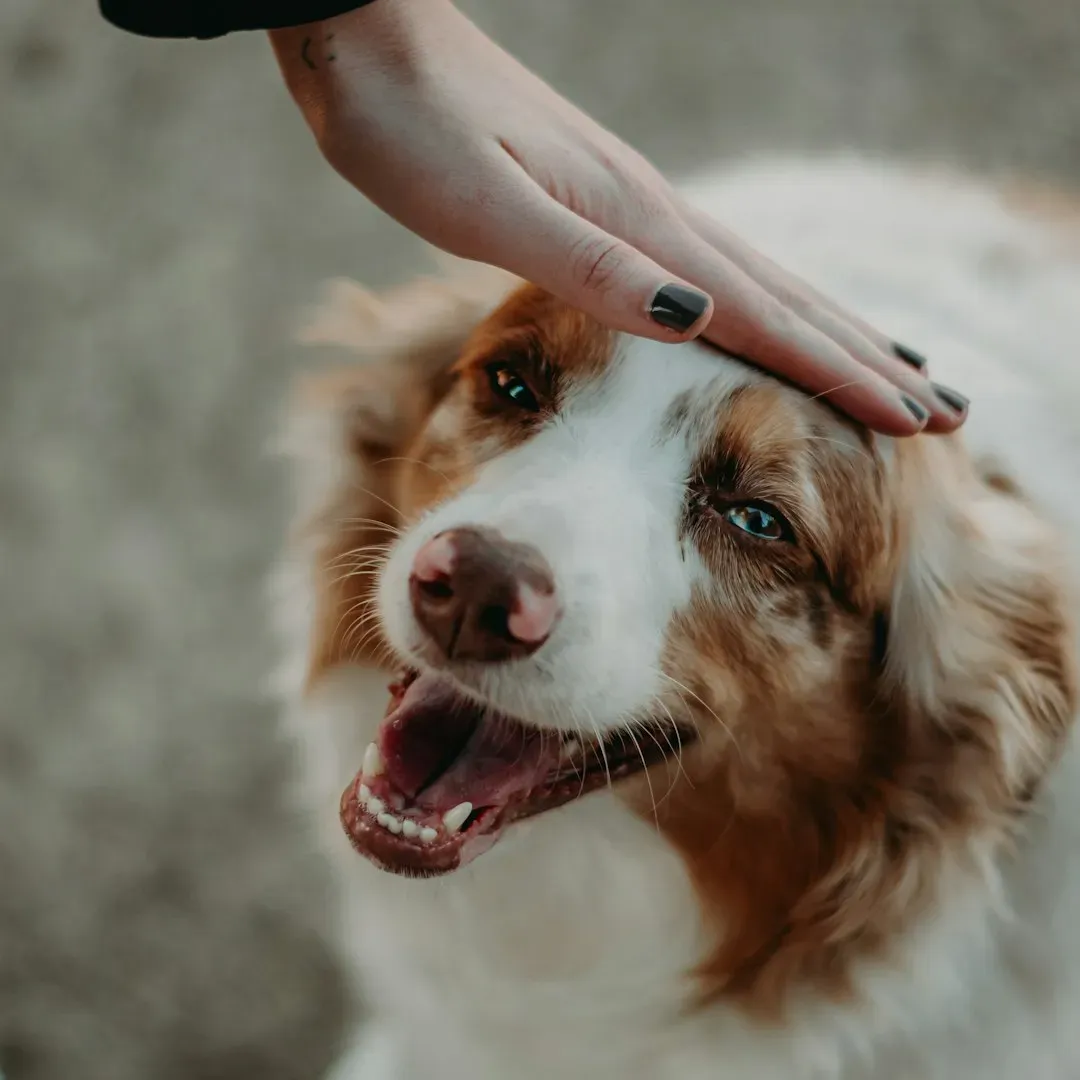
It is tempting to think your dog is putting on a show: big wagging, jumping, spinning, maybe even some dramatic whining, all as a way to get attention or snacks. While of course dogs learn that enthusiastic greeting can lead to good things, the core emotional response is not an act. The same subcortical systems that process social reward, attachment, and arousal are firing in those moments. There is genuine, embodied excitement, not just a cold calculus that “if I act excited, I get a biscuit.”
Unlike humans, who can consciously fake enthusiasm with a polite smile or an exaggerated hug, dogs do not have the same capacity for planned emotional performance. Their brains are heavily driven by real-time states of arousal and affect. Studies looking at heart rate, stress hormones, and neural activation during reunions show that dogs experience real physiological shifts when they see a beloved human again. That bouncy front-door welcome is more like an involuntary emotional reflex than a rehearsed social strategy, which is exactly why it feels so disarmingly sincere.
The Role of Scent and Memory: Why You Never Become “Background Noise”
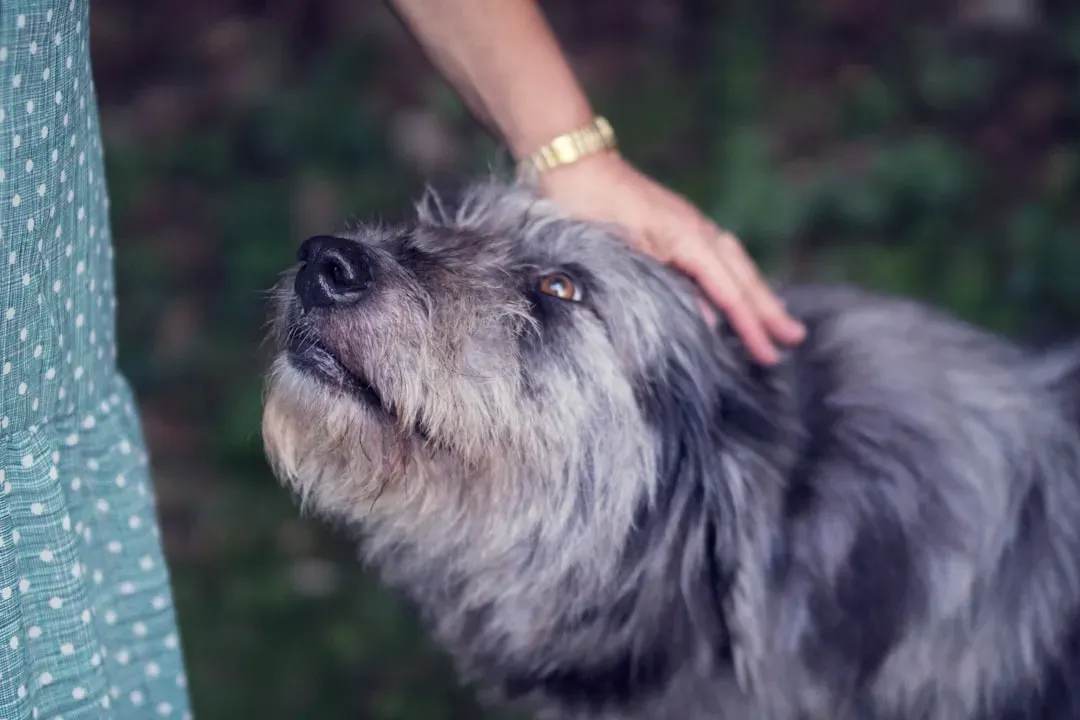
One of the biggest differences between human and dog perception is smell. A dog’s world is layered in scent in a way we can barely imagine. Your unique smell signature is bound up with safety, comfort, play, food, and a whole history of shared experiences. Neurologically, your scent is not just data; it is a multi-sensory bookmark tied to emotional memories stored in the dog’s brain. When that scent hits, it does not quietly register; it often activates networks related to recognition, expectation, and reward.
Over time, this repeated pairing of “your scent plus good things” appears to form a stable, emotionally loaded memory trace. Instead of the brain gradually dampening its response like it might with a repetitive sound or a neutral environment, the emotional memory stays strong. The greeting intensity you see is the behavioral side of that process: your dog is not just noticing that you returned, it is re-encountering a powerful associative package of smell, memory, and positive affect that its brain has little reason to down-regulate.
Dogs and Humans Process Time and Absence Very Differently
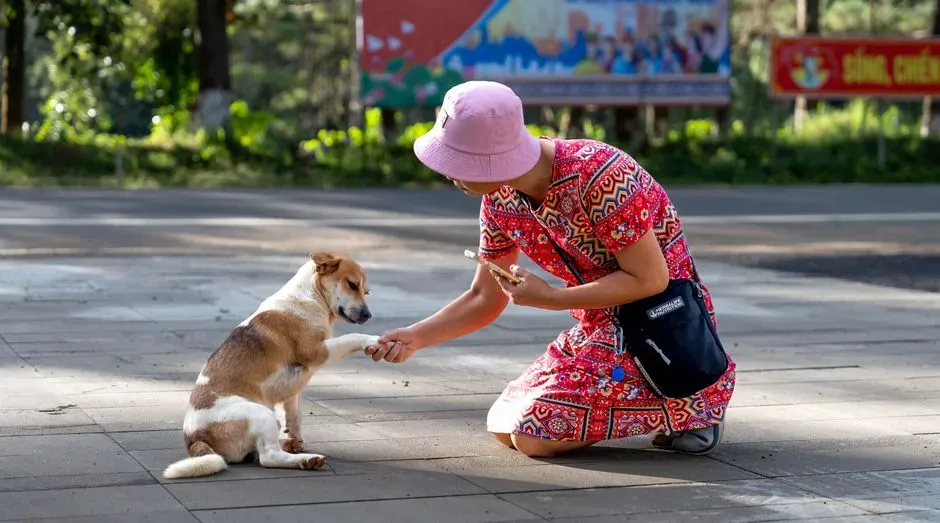
Humans bring a thick layer of narrative, context, and expectation to every reunion. You might think, “It has only been an hour, nothing special,” and your emotional system follows that story, dampening your outward reaction. Dogs do not operate with that same narrated timeline. While they can tell that some time has passed, their emotional response to reunion is not strongly scaled to the clock the way ours tends to be. For many dogs, gone is gone, and return is return, whether it has been ten minutes or ten days.
Neuroscience suggests that while dogs can form long-term memories and anticipate events, they are less governed by abstract time concepts and more by direct experience. That means the emotional spike at reunion is not heavily filtered through “Is this socially appropriate?” or “Is this proportionate to the length of separation?” The brain circuits that respond to partner return in social mammals are designed to flare when the loved individual reappears, with survival advantages rooted in group cohesion. In dogs, those circuits simply have not been wrapped in the same layers of social inhibition and mental commentary that humans specialize in.
Domestication: How We Helped Build a Brain That Loves Like This
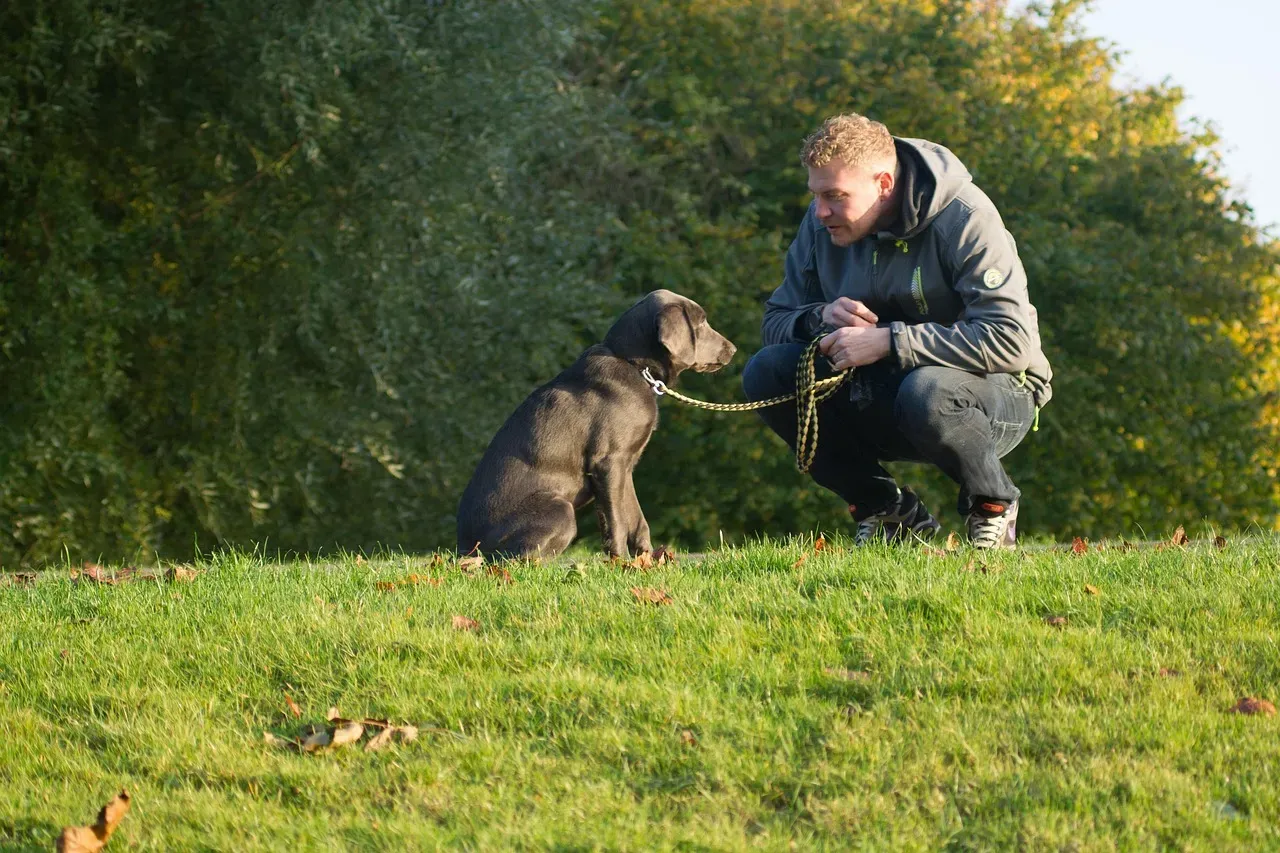
The way dogs greet us today is not an accident; it is the result of thousands of years of coevolution with humans. Early wolves that were less fearful, more curious, and more tolerant of human presence had advantages around shared food and protection. Over generations, humans then unconsciously favored animals that were more attuned to our signals, more affiliative, and more responsive to social contact. Bit by bit, this shaped not just behavior, but brain structure and neurochemistry related to social bonding.
Modern dogs have neural systems that are unusually tuned to human cues compared with most other species. They are especially good at reading our body language, following our gaze, and responding to our emotional states. This deep social attunement makes the human-dog bond intensely rewarding on both sides. When your dog explodes with joy at your return, you are seeing a living artifact of domestication: a brain built to treat humans as primary social partners, with attachment mechanisms that fire just as strongly, or sometimes even more strongly, than those reserved for other dogs.
The Social Brain: Dogs Recognize Us Like Family, Not Furniture
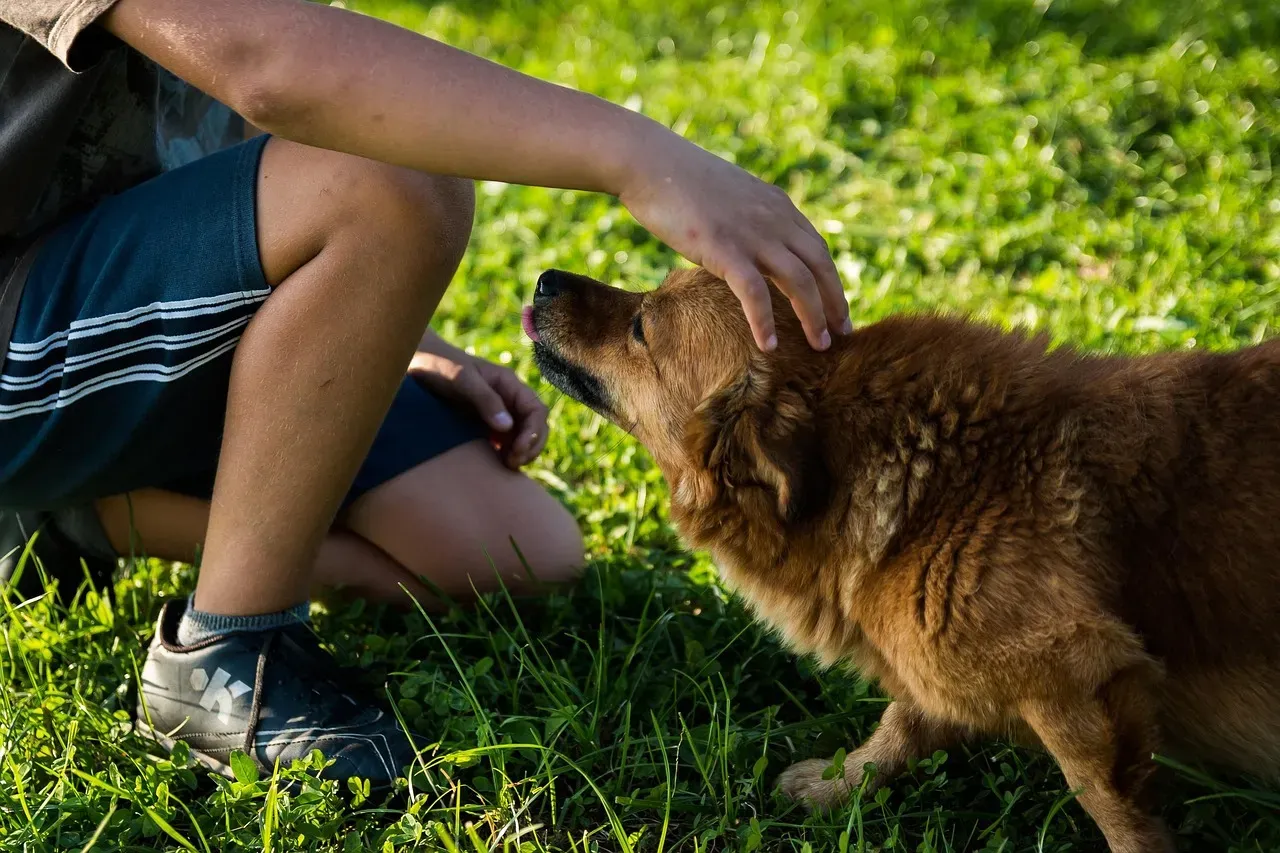
Human brains devote serious resources to recognizing and valuing familiar faces, especially faces of close others. Dogs, while not visual specialists in the same way, do show strong neural and behavioral signs that they distinguish their person from strangers and even from less-bonded humans. Brain imaging work reveals that regions linked to social reward and attention are more active when a dog hears the voice or sees signals from its preferred human compared with unfamiliar individuals. In simple terms, your dog’s brain does not file you under “environment”; it files you under “inner circle.”
This framing matters for how greetings play out over time. The brain does not generally habituate to core social figures in the same way it does to neutral or background stimuli. Instead, consistent, warm interaction tends to strengthen the emotional salience of that figure. Many people casually say their dog loves them “like family,” but from a neuroscience perspective that is not just sentiment. The networks involved in attachment, reassurance, and social safety treat you as a central node, making every reunion a reactivation of that deep social representation rather than a mere acknowledgment of something familiar in the room.
Why Dogs Sometimes Seem More Consistent Than People
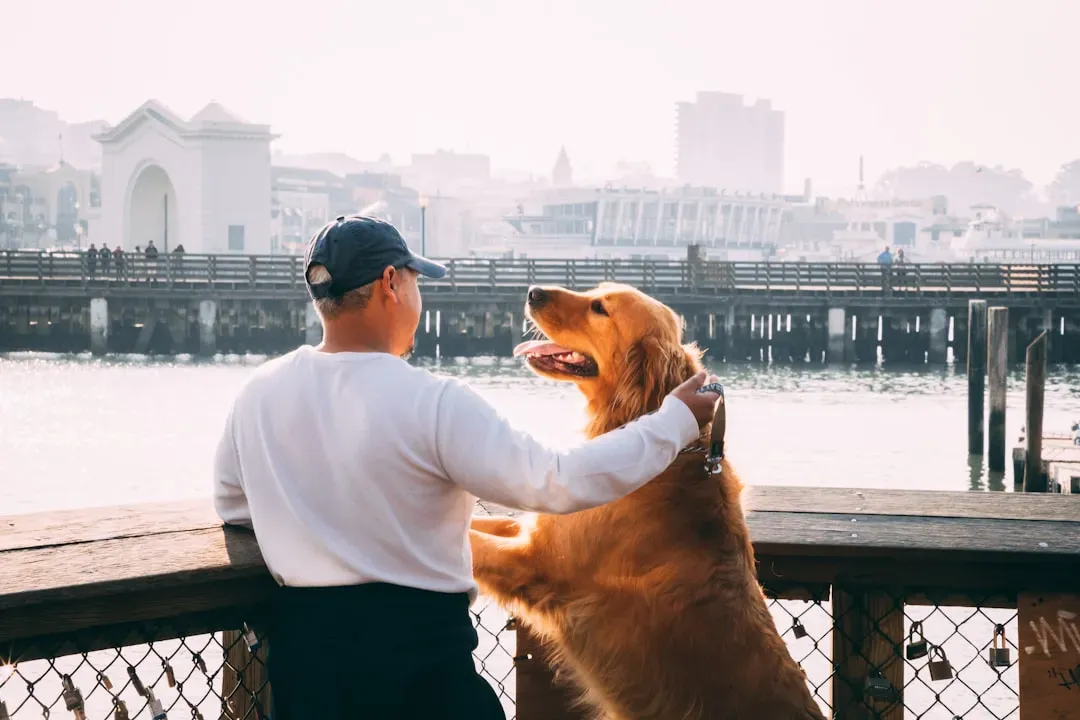
If you have ever felt like your dog is more reliably happy to see you than most humans in your life, you are not imagining it. Human emotional systems are heavily influenced by mood, stress, social norms, and complex interpersonal history. Even if we care deeply about someone, our greeting may be muted by a rough day, self-consciousness, or cultural expectations around not being “too much.” Our brains overlay attachment with layers of inhibition and mental filtering that can dull the visible warmth of reunion over time.
Dogs simply do not run this many social calculations. Their greetings are shaped by current physiological state, conditioning history, and deep bond circuitry, but not by subtle worries about appearing clingy or reading hidden meanings into the last conversation. From a neural standpoint, dogs often display a cleaner readout of attachment: if the bond is strong, the greeting is strong, and it stays that way across days and years. It is one reason so many people feel emotionally anchored by their dogs; they are experiencing an affection signal that is less diluted by the complexities of human social life.
What This Means for How We Treat Our Dogs (and Ourselves)
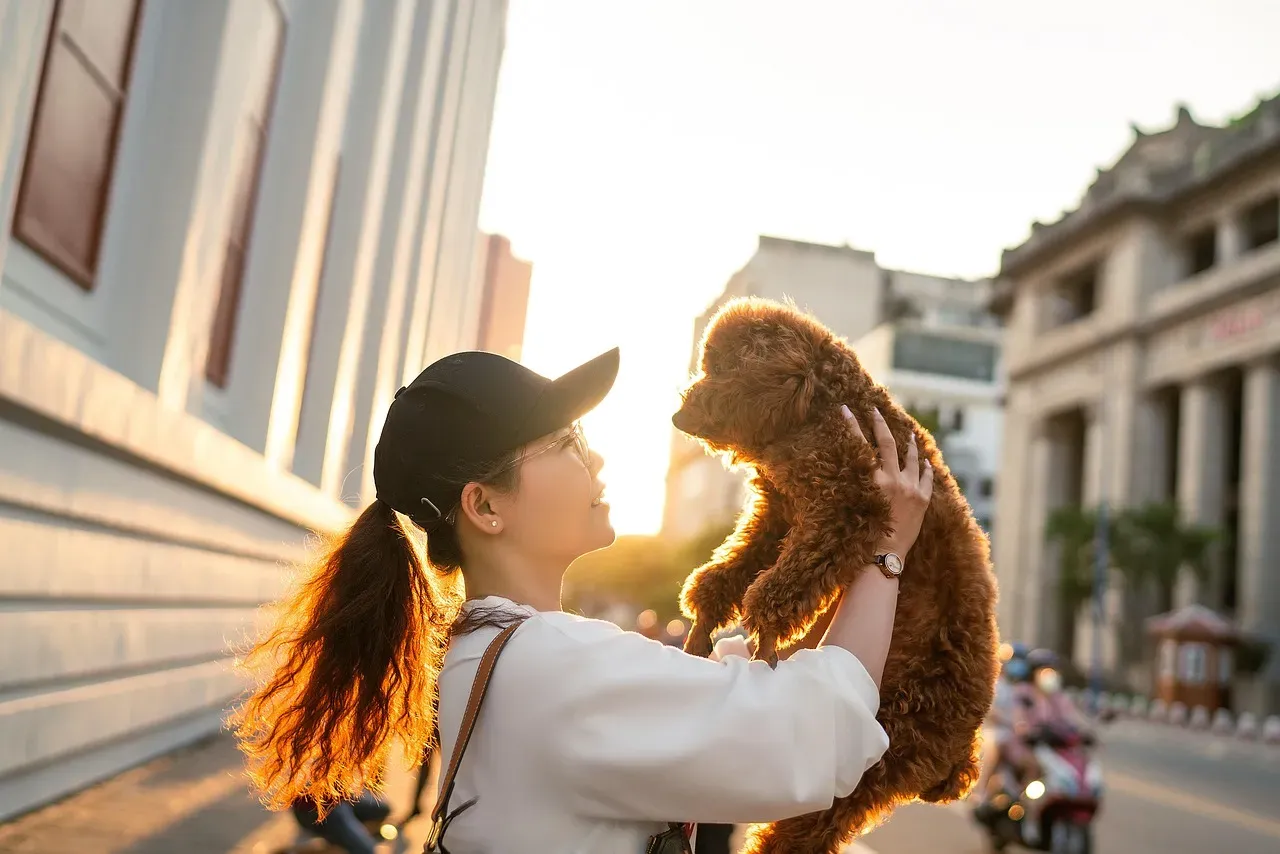
Understanding that your dog’s greeting is rooted in stable, non-habituating bond architecture places a kind of responsibility on us. That explosive joy at the door is not just a quirk; it is a sign that your presence is a core regulator of your dog’s emotional world. Consistent kindness, predictable routines, and affectionate interaction are not indulgent extras; they are the inputs that maintain that neural architecture in a healthy, secure way. From the dog’s brain perspective, you are not optional, you are central.
At the same time, there is something humbling and a bit confronting about realizing that an animal may be showing you a form of unwavering, day-fifty-is-like-day-one attachment that many humans struggle to sustain. It can highlight how quickly we adapt, numb out, or withhold visible affection in our own relationships. One of the quiet gifts of living with a dog is the daily reminder that consistent, enthusiastic appreciation of another being never really goes out of style, at least not in a brain wired like theirs.
Opinionated Conclusion: The Dog Is Not Overreacting – We Are Underreacting
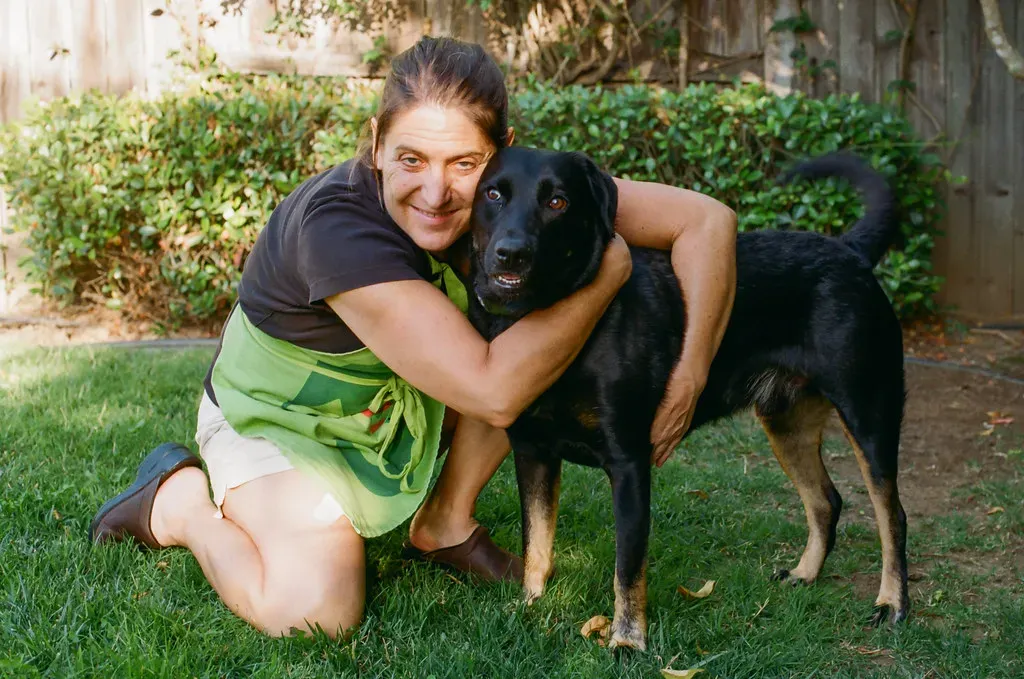
When a dog greets you on the fiftieth day with the same wild delight as on the first, it is easy to laugh it off as over-the-top or to treat it as cute background noise while you check your phone. Neuroscience suggests the opposite: the dog is expressing a bond design that simply does not get bored of loving you. The intensity is not a glitch; it is a feature of a social brain that has no interest in downgrading a primary attachment figure to “normal.” If anything, it throws into relief how much human emotional life is dampened by habit, distraction, and self-consciousness.
I think we should take that seriously. Not by trying to become dogs, obviously, but by letting their unembarrassed enthusiasm challenge our own lowered emotional volume. If an animal with fewer words and far less control over its own life can show up day after day with genuine excitement just because we exist, what does it say that we so often greet the people we love with polite neutrality? Maybe the real question is not why the dog never tones it down, but why we ever decided toning it down was normal in the first place. Did you expect the science of attachment to make the dog look more rational than us?