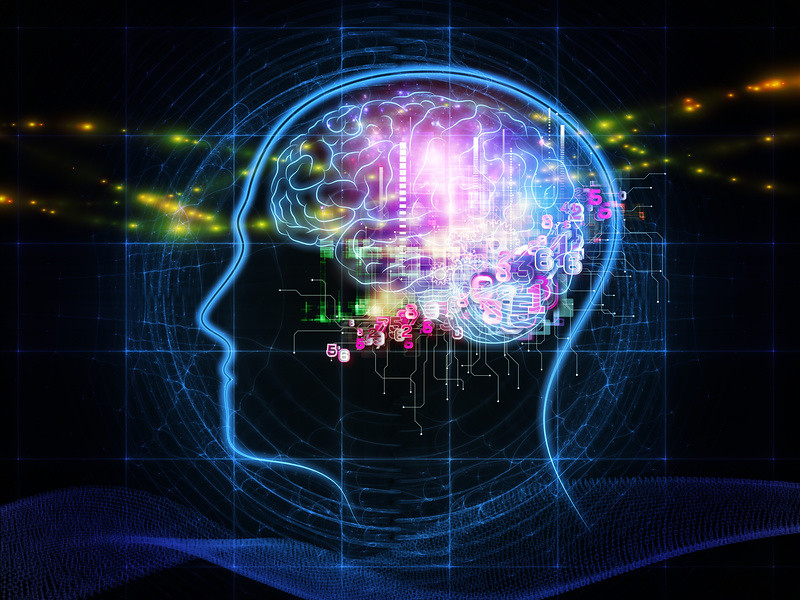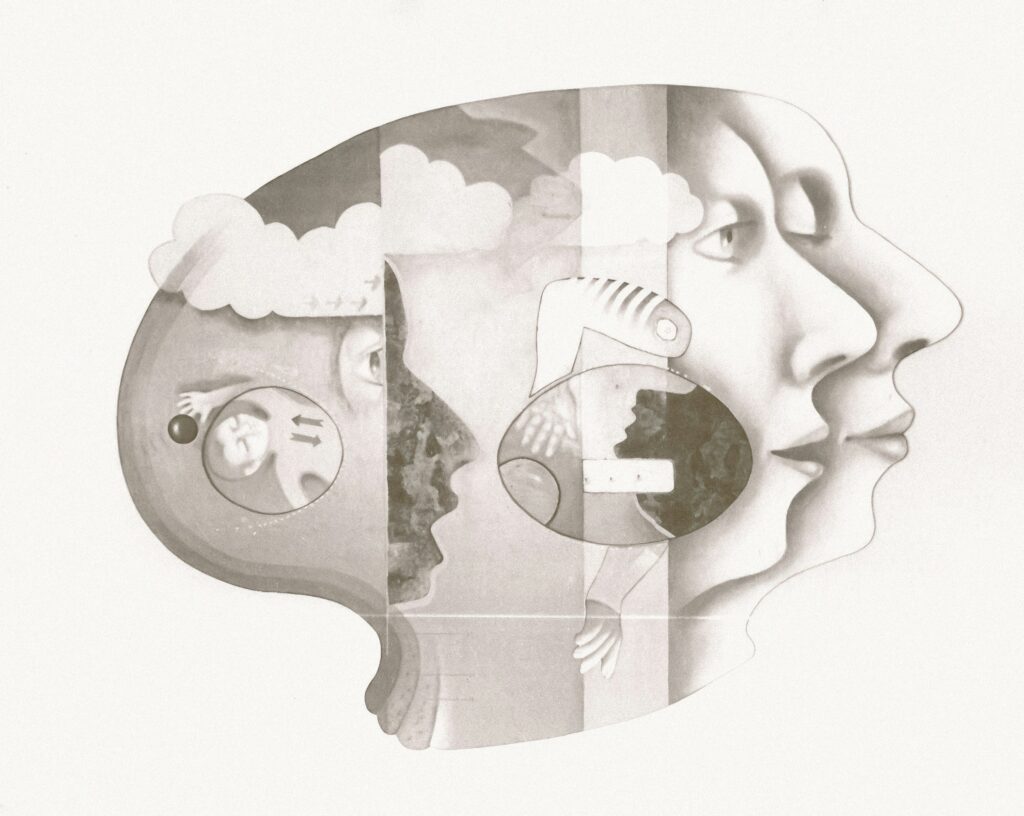

You know that surreal instant when a car swerves in front of you, a glass starts to fall, or you slip on the stairs and it suddenly feels like the world is moving through syrup? You are still in real time, but your experience of it stretches out, almost like someone hit slow motion on your life. It can feel spooky, almost supernatural, as if your mind briefly stepped outside of time.
Neuroscience gives you a very different, and much more grounded, explanation. In those split seconds, your brain is not bending time; it is cranking up how much information it captures, processes, and stores per moment. You are not slowing the world down; you are turning your internal camera up to a much higher frame rate. When you understand what is really happening under the hood, you can start to see your brain less like a fragile passenger and more like a highly tuned emergency-response system that quietly has your back.
That Weird Slow-Motion Feeling Is a Memory Illusion, Not Real-Time Slowdown

When you feel time stretch during a crisis, your first assumption is that you are literally experiencing events more slowly. It feels as if the outside world has dropped into half-speed and you are calmly watching everything unfold. However, what is actually happening is that, during fear or danger, your brain lays down a much denser, richer memory trace of the event than it does in ordinary life. Later, when you recall it, that memory contains more detail than usual, so playback feels like it took longer.
You can think of it like watching two videos: one shot at a basic frame rate and one shot in high-speed slow motion. If you play both clips back in the same length of time, the high-speed one shows more frames and therefore more detail, so your brain interprets it as having lasted longer. In a crisis, your brain records your experience more like that high-speed clip. When you remember it, the dense record of details tricks you into feeling that time itself must have stretched, even though during the moment, your internal clock was not actually running slower.
Your Amygdala Hits the Alarm and Pushes the Cortex Into Overdrive
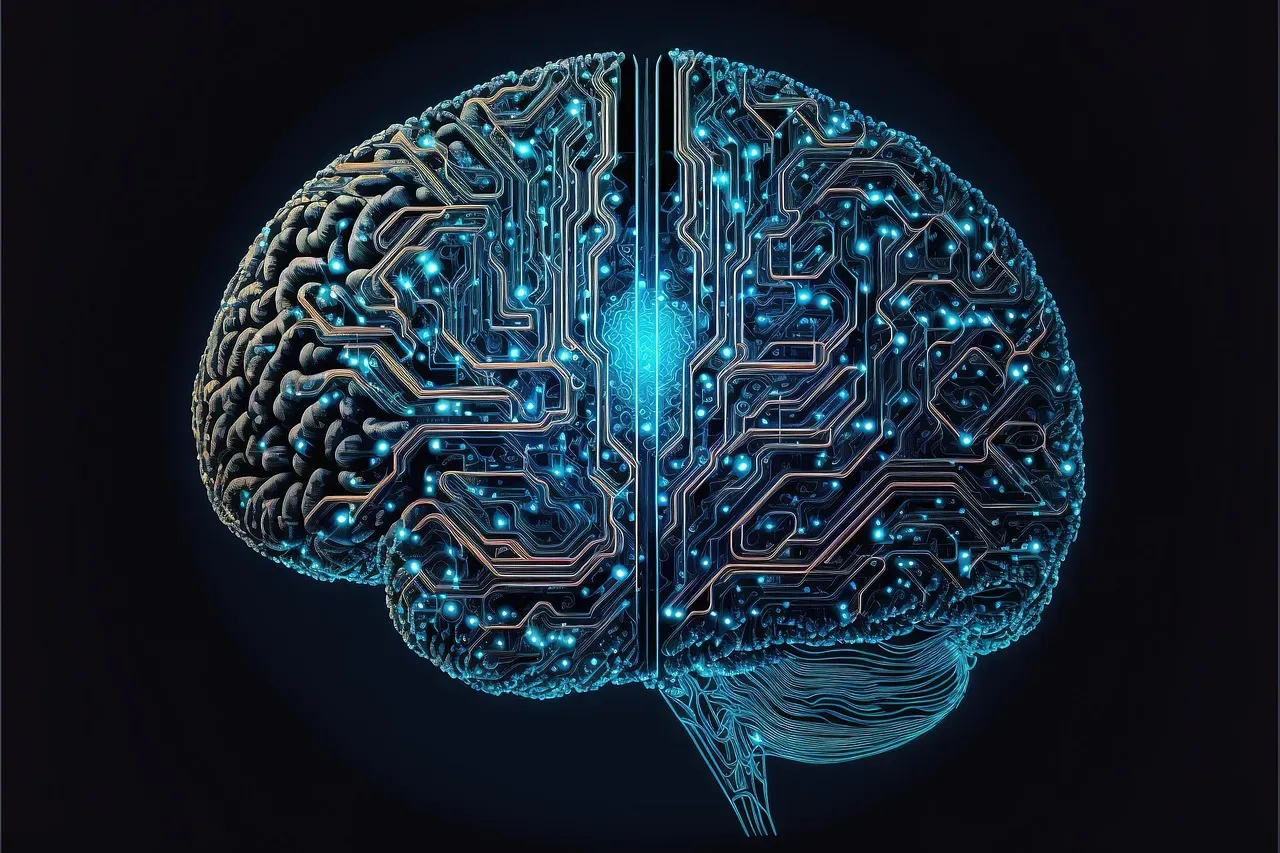
The whole process starts with your threat-detection system, especially a small, almond-shaped region deep in your brain called the amygdala. When you suddenly face danger – a loud crash, a fast-approaching object, an unexpected lurch – your amygdala flags that signal as important and urgent. It links incoming sensory information with emotional weight, particularly fear and anxiety, and sends rapid alerts through your brain’s networks. This is the moment when your body might jolt, your heart rate spikes, and your attention snaps into sharp focus.
Once that alarm goes off, your higher brain regions, especially areas of your cortex involved in vision, attention, and decision-making, get flooded with priority messages. You start devoting more computational power to analyzing exactly what is happening: where the object is moving, what it might hit, how much time you might have, and what actions you could take. Instead of letting your cortex drift through background chatter, you suddenly give it a single, very specific job – survive this – and your brain responds by letting in more detail per moment than it usually allows.
“More Detail Per Frame” Means Sharper Senses, Not Magic Powers
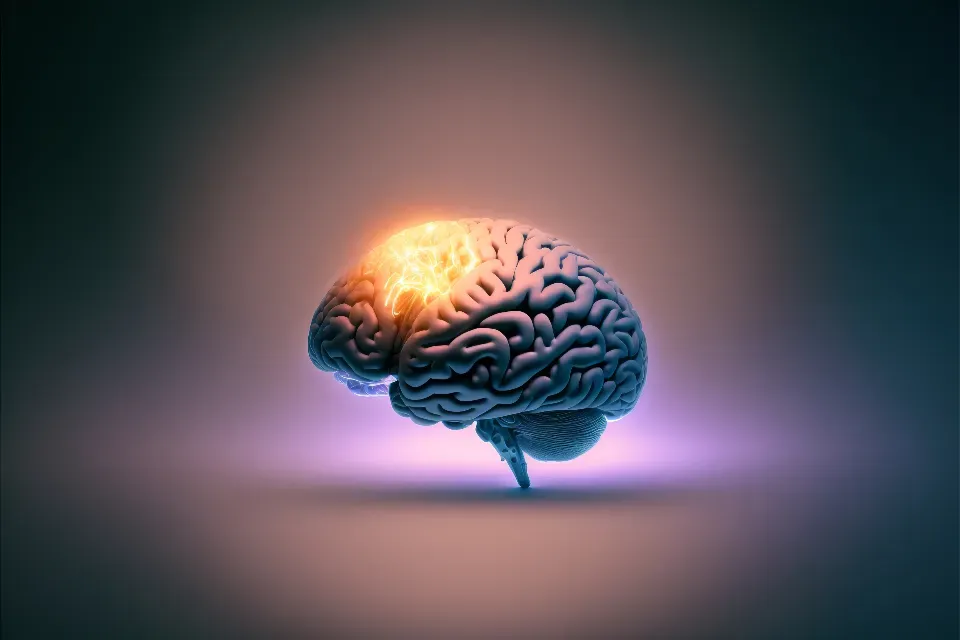
“More detail per frame” can sound a bit abstract, but you have felt it. In those moments, your vision can feel unusually sharp, sounds jump out of the background, and tiny movements that you usually ignore suddenly seem obvious. What is happening is that your brain is increasing the gain on sensory processing and gating less information out. Normally, it constantly filters out a huge amount of input to keep you from being overwhelmed. In a crisis, it loosens that filter and lets more raw data through to your conscious awareness.
That change makes your moment-by-moment experience feel richer and more saturated with information. You notice small details – like exactly how the steering wheel feels in your hands or the precise angle of a falling object – that you would not normally register. It does not mean you are seeing the future or bending time. It means your internal camera has temporarily gone from something like a casual smartphone video to a high-speed action camera, grabbing many more snapshots of the world as it unfolds.
Your Internal Clock Is Pretty Stable, but Your Attention Is Not
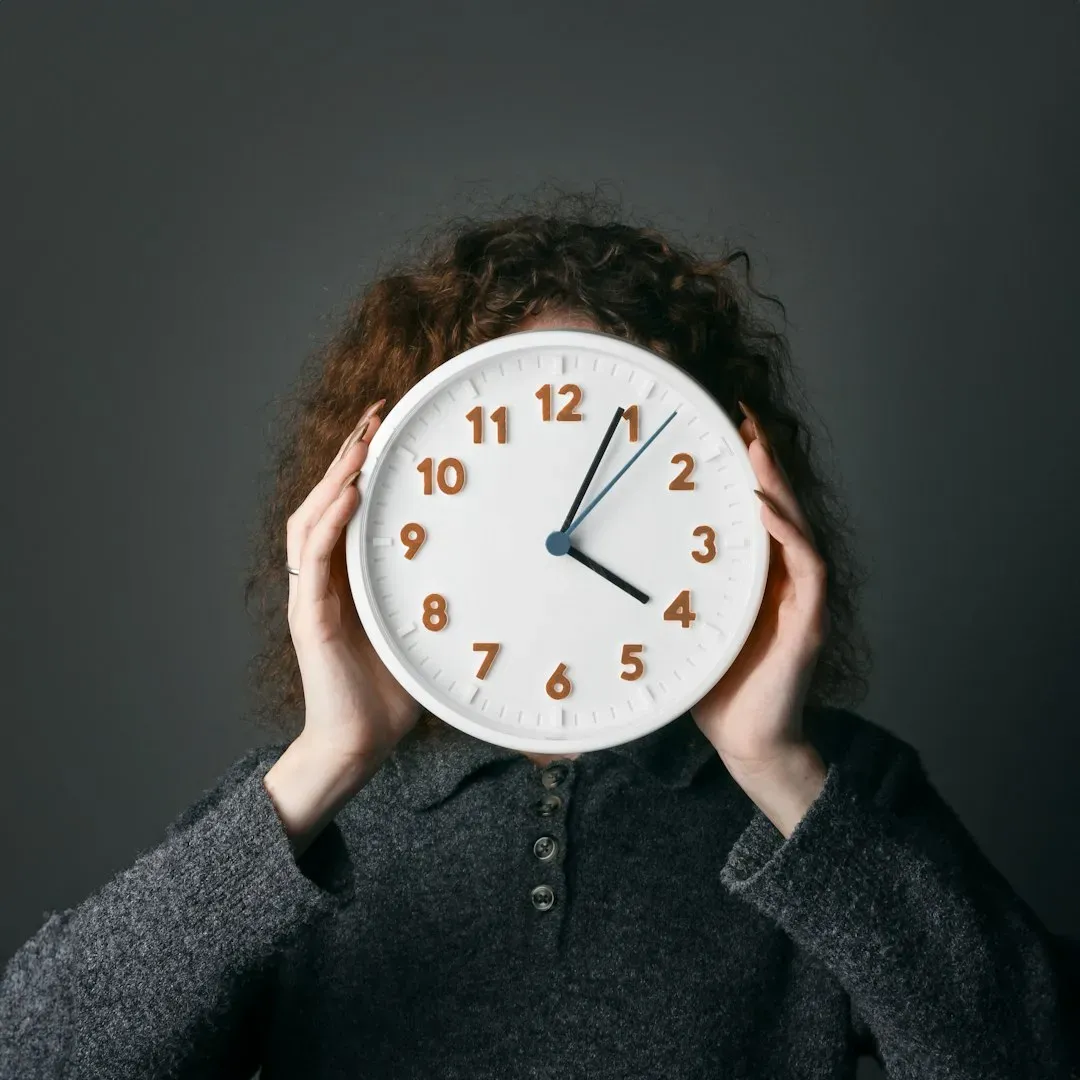
One of the most surprising findings from lab experiments is that, even when people swear time slowed down during a terrifying fall or an intense event, their ability to perceive flickering lights or rapid flashes – the kind of task that would reveal an internal time slowdown – does not actually improve in real time. Your basic timing mechanisms stay fairly steady. What changes far more dramatically is where your attention goes and how densely you encode what is happening right now.
Attention is like a spotlight, but it is also like a budget. In everyday life, you spread that budget across many things: thoughts about the future, background noise, worries, random daydreams. In a crisis, you suddenly throw all of that budget onto one single scene. By focusing almost everything you have onto one unfolding moment, your brain can pull in, process, and save many more details than it usually would. Later, that intense, high-resolution memory makes you feel as if the clock must have stretched to fit all of that content in.
Stress Hormones Help You Remember, but They Also Distort Time

Inside your body during those split seconds, you are not just thinking differently; you are chemically different. Threat triggers the release of stress hormones like adrenaline and related compounds that ramp up your alertness, speeding your heart, sharpening your focus, and priming your muscles to move. These changes are part of your fight-or-flight response, and they exist to help you survive by letting you react quickly and powerfully when you need to most. You are not just imagining that edge; your biology is literally shifting to a new mode.
Those same chemicals also shape how you store memories. Intense emotional arousal helps your brain tag certain experiences as highly important, making them far more likely to be remembered in vivid detail. The trade-off is that emotionally charged memories are often less accurate in their timing and sequence than they feel. You can feel utterly sure that an event lasted longer than it did, simply because your brain saved more snapshots of it. In other words, the very systems that help you remember the crucial moments also help create this powerful illusion that time slowed down.
Why You React Faster Than You Think You Can
One thing you may notice in these slow-motion moments is that you seem to move before you consciously decide what to do. Maybe you jerk the steering wheel out of the way, catch the phone before it hits the ground, or duck just in time. Often, your memory of the event is that the decision almost made itself. That is because your brain uses fast, largely unconscious pathways to trigger actions when speed matters more than careful reasoning. Motor areas and deeper circuits can fire a response based on partial information, well before your full conscious story catches up.
The strange part is how your mind then stitches this together afterward. When you look back, it feels as if you slowly watched it happen, thoughtfully decided, and then acted. In reality, your rapid reactions were already underway, and your conscious experience plays back the event with extra detail and emotional color layered on top. It is like watching an instant replay of a game in super slow motion and feeling as if you had that much time to plan the move, even though, in real life, it all happened in the blink of an eye.
How This Slow-Motion Effect Can Go Wrong in Anxiety and Trauma

The same brain systems that protect you in a real crisis can become a burden when they fire too easily or too often. If your brain starts tagging a lot of situations as dangerous, you can end up living in a near-constant state of heightened alert. You might find that everyday moments feel overly intense, that you jump at small triggers, or that memories of past frightening events replay in your mind with that same stretched-out, slow-motion quality. In anxiety and post-traumatic stress, the high-detail, high-emotion recording system gets activated more than is helpful.
When that happens, your perception of time and safety can both become distorted. A brief, harmless incident might feel like it lasted forever, or a flashback might drag you back into a moment that your brain refuses to file as “over.” Understanding that this effect is rooted in your brain’s attempt to protect you can be validating. It shows you that your reactions are not a sign of weakness, but of a system that needs help recalibrating. Therapy, grounding techniques, and sometimes medication can help your brain learn that it does not need to run in slow-motion emergency mode all the time.
How You Can Work With Your Brain’s Emergency Mode Instead of Fighting It
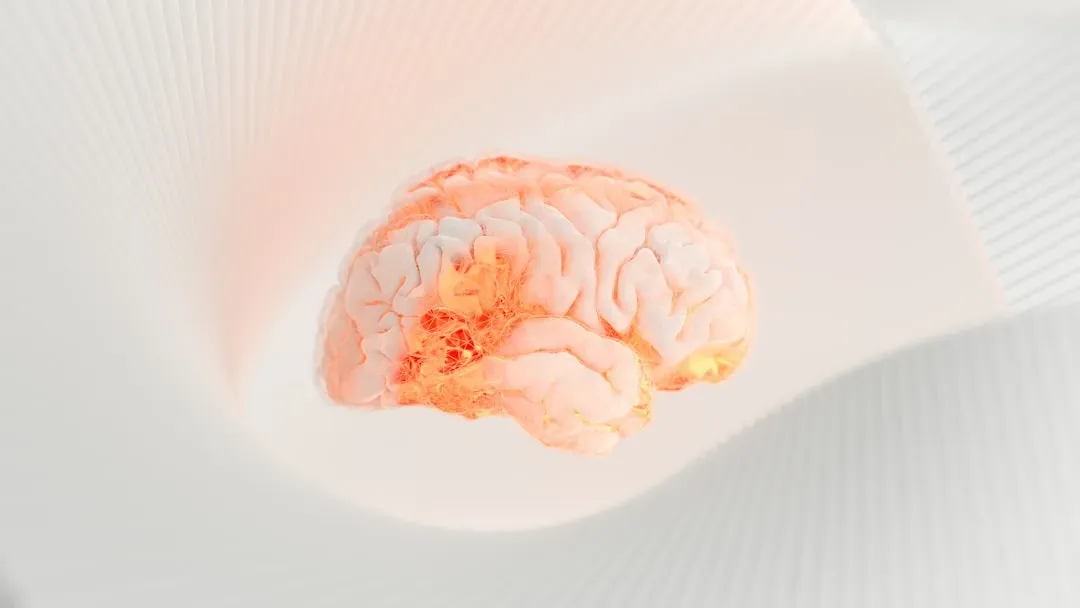
Knowing this science actually gives you some leverage the next time you feel that slow-motion sense creeping in. Instead of panicking about the feeling itself, you can quietly recognize that your brain is simply turning up its “frames per second” and focusing your attention on what matters most. You can deliberately ride that wave by zeroing in on the information you truly need: where to move, what to hold onto, how to breathe, who to protect. You are not broken in that split second; you are running a very old survival program that kept a lot of your ancestors alive.
Outside of true emergencies, you can also train your nervous system to ramp up and ramp down more smoothly. Practices like controlled breathing, mindfulness, and body-based relaxation techniques help you teach your brain that it is safe to turn the volume back down when the danger has passed. Over time, you get better at switching between high-intensity focus and everyday awareness, instead of feeling trapped in a stretched-out, hyper-detailed version of reality. You begin to trust that, when you really need it, your brain will flood your cortex with more detail per frame – and that afterward, you can gently guide it back to normal speed.
In the end, that eerie slow-motion feeling in a crisis is not evidence that time is breaking; it is evidence that your brain is working very hard, very fast, on your behalf. You are experiencing a burst of dense perception and rich memory encoding that only shows up when something truly matters. The world is not slowing down for you, but your mind is giving you a high-resolution snapshot of a critical moment so you can survive it and remember it. Knowing that, how do you feel now about the last time everything seemed to move in slow motion – did you ever guess it was your brain quietly stepping up its game rather than time itself stepping aside?