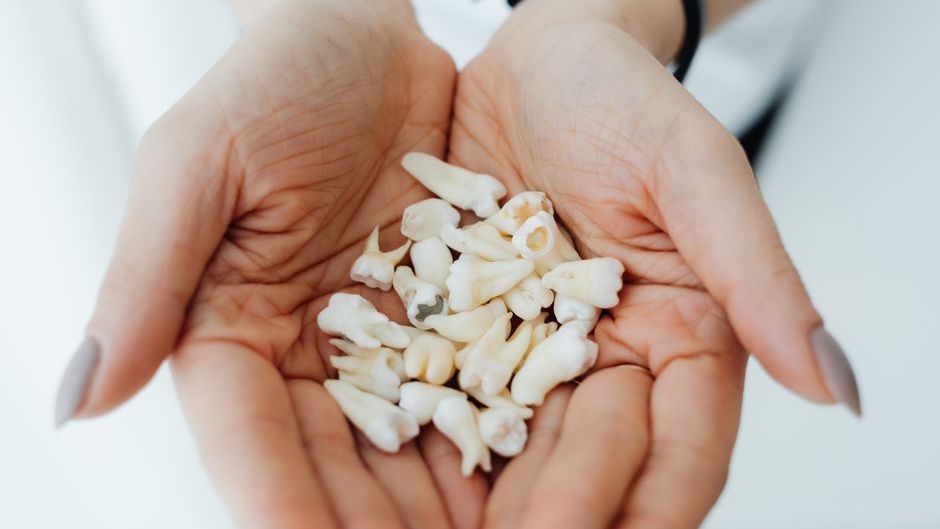

You wake up in a cold sweat, your heart pounding, your tongue probing every tooth to make sure they’re still there. For a few shaky seconds, you’re convinced your mouth is empty. Then relief hits: it was just that same weird nightmare again, the one where your teeth crumble, crack, or fall out in your hands. It feels dramatic and random, but your brain is not in the business of doing random, especially not on repeat.
Neuroscience is slowly revealing that recurring dreams are not arbitrary horror shorts; they’re patterns. Teeth-falling dreams, in particular, seem to cluster around times when life feels unstable, overwhelming, or quietly terrifying. One increasingly discussed idea is that your brain may be using this specific nightmare as a kind of emotional dress rehearsal for the ultimate loss of control: death – especially the death of someone you deeply care about. It sounds dark, but the story is less about doom and more about a brain that is desperately trying to prepare you for the one thing you can never fully control.
The Teeth-Falling Dream: Why This One Shows Up Again and Again

Think about how strangely specific this dream is: your teeth do not just hurt, they break, fall, dissolve, or drop out in front of a mirror or a crowd. Neuroscientists and dream researchers have noticed that this nightmare is one of the most common across cultures, popping up in people who live wildly different lives but share one thing in common: stress and a sense of vulnerability. Your teeth are bound up with how you look, how you speak, how you eat, how you’re seen, so losing them in a dream hits multiple psychological pressure points at once.
In waking life, if all your teeth suddenly fell out, you’d be thrown into panic because something basic, visible, and foundational had collapsed. The dream simulates that shock in a safe, reversible way. Many people report these dreams during big transitions: a breakup, job loss, serious illness in the family, or a looming sense that something is about to go very wrong. It is as if the brain keeps replaying the same bizarre scenario to say: here is what it feels like when you lose something you absolutely rely on – and there’s nothing you can do to stop it.
How the Sleeping Brain Rehearses Worst-Case Scenarios

One of the most striking ideas from modern sleep science is that dreams work a bit like a mental simulator, letting you rehearse emotional challenges without real-world consequences. The brain regions involved in emotion, fear, and threat detection stay surprisingly active while you sleep, even as rational, logical control areas quiet down. That combination creates a space where your mind can run full-intensity scenarios that would be too draining or disruptive to experience in real life on repeat.
In that sense, a recurring nightmare is not just your brain torturing you; it is training you. When you repeatedly dream of humiliation, danger, or loss, your nervous system gets used to feeling those emotional spikes and then coming back down to baseline. With teeth-falling dreams, the specific “disaster” is both personal and symbolic. The brain is essentially saying: let’s expose you again and again to the shock of losing something you cannot quickly fix, so when some version of that shock shows up when you are awake, it is not completely unfamiliar territory.
Teeth as a Symbol for Control, Identity, and Permanence

Teeth are small, but psychologically they’re huge. They stand for youth, beauty, strength, and basic competence; they’re part of the face you present to the world. When your teeth fall out in a dream, it is not subtle – it is a brutal, visual collapse of control over your own body and image. You can’t hide it, you can’t fix it instantly, and you can’t pretend it is not happening because it is literally falling into your hands.
From a neuroscience perspective, the brain loves symbols because they compress complex emotional themes into simple images. Losing teeth in a dream can be the brain’s shorthand for losing stability, losing a sense of self, or losing the illusion that you can hold everything together by sheer effort. Death – especially the death of someone close – is the ultimate version of that: it strips away your ability to fix, protect, or reverse the situation. Teeth dreams become a kind of emotional metaphor that your brain can replay while it quietly associates that feeling with deeper, more existential fears.
The Link Between Teeth Dreams and Anticipatory Grief
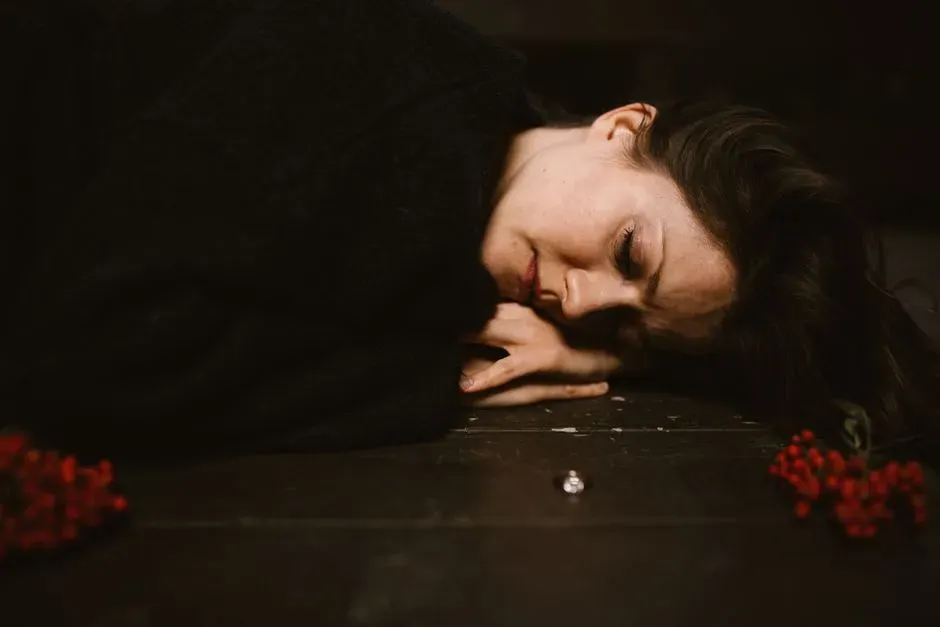
Anticipatory grief is what happens when you start emotionally grieving before a loss has fully arrived – like when someone you love is sick, aging, or clearly moving toward some irreversible change. You might not talk about it openly; you might even shove it far down because it feels too heavy. But your brain is still tracking it, still running internal calculations about what it will mean when that person is gone or when the relationship changes in a way you cannot undo.
In that emotional background, the teeth-falling dream can become a rehearsal space for losing control over life and relationships. You cannot stop the teeth from falling out; you also cannot stop time or illness or unexpected tragedy. The emotional signature is similar: a rush of panic, a desperate wish to reverse what’s happening, and a crushing realization that some things are simply outside your command. When these dreams surface repeatedly around times of looming loss, it is reasonable to see them as your brain trying to get you used to the psychic weight of saying goodbye, long before the real moment comes.
Stress, Anxiety, and Why the Brain Chooses Such a Brutal Image
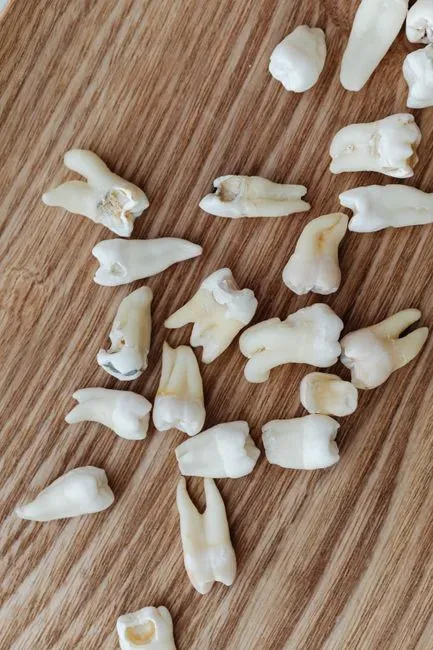
High stress and anxiety crank up the brain’s threat-detection systems, priming you to notice danger and worst-case scenarios even when you’re supposed to be resting. During sleep, that same heightened sensitivity can translate into more intense, vivid, or recurring dreams. The brain does not think in tidy, polite metaphors; it goes straight for images that you cannot ignore. Teeth falling out hit that mark perfectly: they are graphic, personal, and shocking enough that you feel them in your gut.
When someone close to you might die – or you’re secretly terrified they could – the emotional load is enormous and often inexpressible. Instead of calmly narrating that fear in words, your brain may compress it into one jarring scene that captures the same helpless terror. In my own life, I noticed my teeth dreams spiked when a family member went through a health scare. I was telling myself I was “handling it,” but my brain clearly had a different opinion and chose a visceral, unforgettable symbol to make its point.
Why These Dreams Feel So Real (and Stick With You All Day)
Teeth-falling dreams are notorious not just because they are disturbing, but because they feel intensely real. You wake up convinced you felt the crunch, tasted blood, or saw your reflection with gaps where your smile used to be. This realism comes from brain areas involved in sensory processing and body awareness remaining active during certain sleep stages. Your mind is not just imagining a random cartoon; it is constructing a full-body experience that your nervous system temporarily believes.
That ultra-real quality is part of why the emotional impact lingers long after you wake up. Your brain stores not just the visuals, but the fear, shame, and helplessness that came with them, as if it were logging a real event. Over time, repeated exposure to that emotional script can make you more familiar with the feeling of sudden loss, much like rehearsing a difficult play over and over so opening night does not destroy you. You do not consciously remember every run-through, but your emotional circuitry does, which is exactly what your brain seems to be aiming for.
What Your Brain Wants You to Do With This Emotional Rehearsal

If your brain is rehearsing the loss of control and the possibility of losing someone close to you, it is not because it wants you to live in fear. It is usually because there are feelings you have not allowed yourself to fully process while awake: dread, sadness, anger, or the knowledge that you will not be able to fix everything for the people you love. Dreams push those emotions to the surface in exaggerated form, daring you to acknowledge them instead of endlessly distracting yourself.
One practical, very human way to respond is to treat the dream as a message, not a prophecy. Ask yourself where in your life you feel things slipping out of your command, or who you are quietly afraid of losing. That might lead you to have real conversations, seek support, or simply admit you are scared. In a strange way, the dream is your brain’s rough draft; your waking life is the place where you get to decide how you will show up when real loss eventually enters the room – as it always does.
Turning a Disturbing Dream Into a Wake-Up Call About Love and Control
It is tempting to dismiss teeth-falling dreams as just bizarre brain noise, but doing that underestimates how fiercely your mind works to protect and prepare you. I think these dreams are brutally honest reminders that your control over life is partly an illusion, and that the people you love most are not guaranteed to stay. That sounds harsh, but it is also clarifying: if your brain is rehearsing their loss at night, maybe it is nudging you to value their presence more fully during the day.
Personally, I see these nightmares less as bad omens and more as uncomfortable gifts. They force you to feel the bottom dropping out in a way that is safe, reversable, and strangely educational. The question is not whether your brain is rehearsing loss – it clearly is, in its own dramatic style. The real question is what you choose to do with that rehearsal: will you ignore it and keep pretending you are in control of everything, or will you let it soften you, deepen your connections, and remind you that love is urgent precisely because nothing is permanent?