You know that weird, magnetic pull your eyes have toward a spider in the corner of the room? You tell yourself to ignore it, to go back to your laptop or your book, but your gaze keeps snapping back like it’s on a bungee cord. It feels irrational, maybe even embarrassing, and you might label it a “phobia” and move on. But modern neuroscience is pointing to something deeper and far older: your brain is running ancient survival software that simply never got the memo that you live in a relatively safe, modern world now.
Instead of seeing this as a flaw, you can think of it as a built‑in security system that is doing its job a little too enthusiastically. Your brain is wired to prioritize anything that even remotely resembles a potential threat, especially creatures like spiders and snakes that once could have killed you or your ancestors. That relentless pull of attention is not you being weak; it is millions of years of evolution quietly overriding your to‑do list. When you understand how this circuit works, you can stop blaming yourself and start working with your own biology instead of fighting it.
Your Brain Has a “Threat Spotlight” You Do Not Control
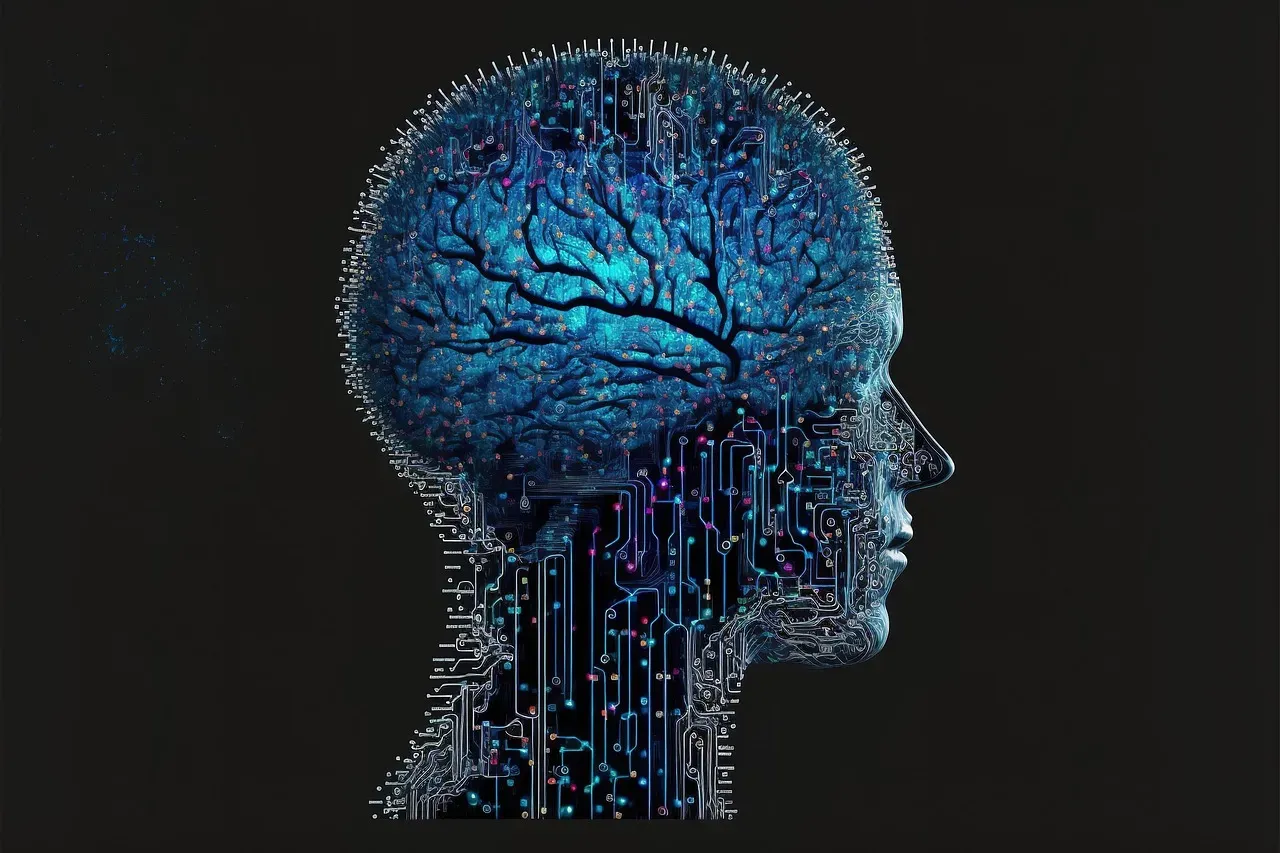
When a spider appears in your field of vision, you do not consciously decide to pay attention to it; the decision is made for you, in milliseconds, by parts of your brain that are older than language. Deep in your midbrain and limbic system, structures like the amygdala and the superior colliculus act like a threat spotlight, yanking your attention toward anything that looks even slightly dangerous. You notice the spider first, and only afterward do you come up with a story to explain why you are staring at it.
This is why telling yourself to “just relax” rarely works. Your conscious mind is like a rider on a powerful horse: you can nudge and steer, but when the horse sees something it thinks is deadly, it will jump first and ask questions later. That jump is the spotlight of attention locking onto the spider. You are not weak for being unable to look away; you are simply experiencing your threat‑detection system doing exactly what it evolved to do: detect, fixate, and keep you informed until it is sure you are safe.
The Ancient Visual Shortcuts That Flag Spiders as “Urgent”
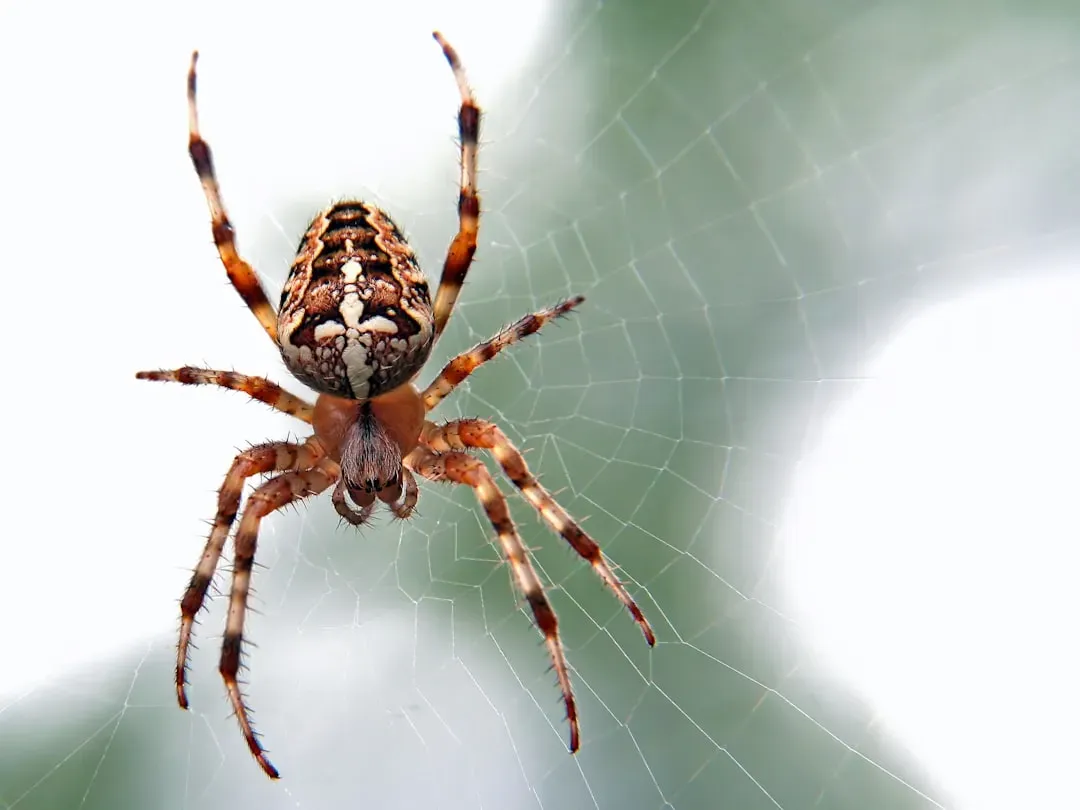
Your brain is constantly taking visual shortcuts to save time, and one of its favorite tricks is scanning for certain shapes and movement patterns that historically signaled danger. Researchers have found that people tend to notice spider‑like shapes more quickly than neutral objects, even when they are hidden among many other images. You are not seeing “a neutral small animal”; your visual system is tagging the combination of spindly legs, body shape, and sudden movement as high priority before you can even think about it.
This shortcut made a lot of sense when failing to notice a spider could mean a painful bite or infection. Today, especially in places where dangerous spiders are rare, that shortcut is massively overcautious. Still, your brain is not interested in precision here; it is interested in being early. It would rather give you one thousand false alarms than miss the one real threat. So the spider in your bathroom gets the same early‑warning treatment as a serious hazard, and your attention remains glued to it like a smoke detector that will not stop beeping just because you know it is the toaster, not a house fire.
It Is Not Always a Phobia: Hyper‑Vigilance Comes Built‑In

You might assume that if you cannot look away from a spider, you must have a specific phobia. Sometimes that is true, but often it is not. A full‑blown phobia usually involves intense fear that disrupts your daily life, leads you to avoid entire situations, and triggers strong physical reactions like shaking, nausea, or panic. Many people who feel compelled to watch a spider do not reach that level of distress; they simply feel an uncomfortable pull of attention and a mild to moderate sense of unease.
What you are feeling in those moments is closer to hyper‑vigilance than phobia. Your nervous system is on guard, scanning and re‑scanning the source of potential danger, as if it is saying, “Keep that in sight until we know exactly what it is going to do.” The fixation is less about fear and more about monitoring. You might not even label yourself as “afraid,” but you still find it nearly impossible to casually look away and forget the spider is there. That is your built‑in security guard refusing to clock out early.
Your Attention System Treats Threats Differently From Everything Else

Most of the time, you can choose where to place your attention: you can focus on your phone, your work, or the person in front of you. Threats are the exception. The brain treats them as non‑negotiable, giving them special access to your attention system. Signals from threat‑detection areas feed directly into regions that control eye movements and visual focus, which means your gaze can be redirected even if you consciously want to look elsewhere.
Think of your attention like a town hall that usually votes on what to focus on next. Threat signals, however, come in with emergency powers and override the normal voting process. A spider in the corner gets priority over your emails, no matter how much you want to finish them. You feel this as a tug of war: one part of you is trying to stay on task, while another, older part refuses to stop updating you on the spider’s exact location and behavior. Until the threat system gives the all‑clear, the emergency channel tends to stay open.
The Circuit Was Designed for the Wild, Not Your Living Room
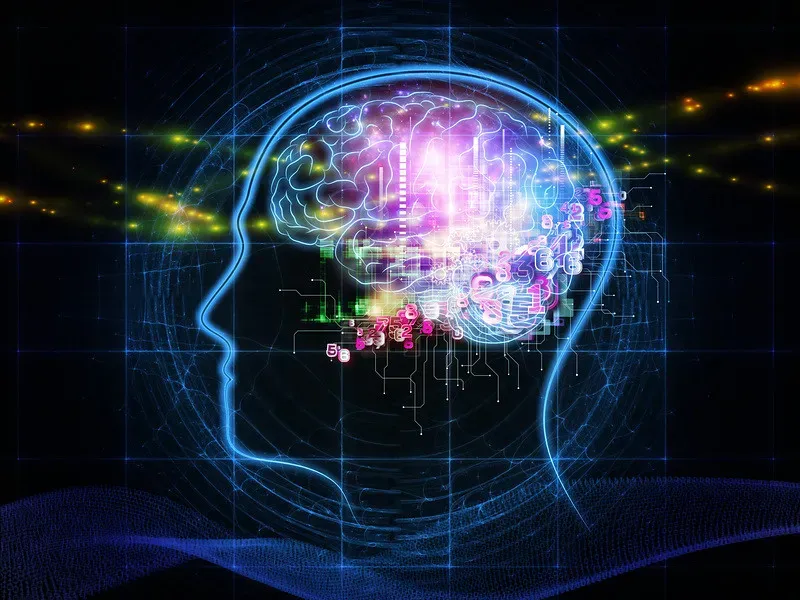
The threat‑detection circuit locking your eyes onto that spider evolved in a world where a bite could mean infection, sickness, or even death, especially without antibiotics or quick medical help. In that context, overreacting was smart. If you lived in a forest or savanna, it made sense to watch dangerous creatures closely until they were far away, dead, or clearly harmless. Your ancestors who took their eyes off problems too soon were less likely to pass on their genes.
The problem is that the circuit never got upgraded for modern environments. You now live with bug spray, shoes, vacuum cleaners, and medical care, but the underlying warning system has no idea. It does not factor in statistics or context; it only knows that spider‑like shapes have been associated with danger for a very long time. So it treats the spider in your shower as if you are still camping barefoot in the wild. That mismatch between ancient design and modern reality is what makes your reaction feel excessive, even though the circuit is technically doing what it was built to do.
Your Body Joins In: Why Your Heart Races While You Stare
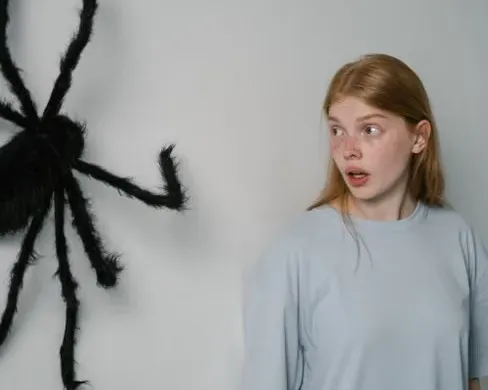
Once your attention locks onto the spider, your body tends to follow suit. Stress hormones start to rise, your heart rate may tick upward, and your muscles subtly tense. Even if you tell yourself you are fine, your body is quietly preparing for a limited menu of options: freeze, flee, or fight. Staying visually locked onto the spider is part of the freeze response, a way of gathering information while you decide whether to move or stay still.
You might notice that you hold your breath or breathe more shallowly while you watch the spider. That is your nervous system trying to reduce movement and noise, as if you are hiding from a predator. The spider is not actually hunting you, but your internal alarm responses are not nuanced enough to make that distinction in the moment. All they know is that there is a possible threat, and the safest short‑term plan is to watch it closely while keeping your own body ready to bolt.
Why Knowing It Is “Irrational” Does Not Turn the Circuit Off

You have probably had this experience: you see the spider, you feel the jolt, you remind yourself it is tiny and mostly harmless, and yet your eyes stay locked on it anyway. That frustrating gap between what you know and what you feel comes from the way your brain is layered. Logical, verbal reasoning lives mostly in your cortex, especially the prefrontal areas, while rapid threat responses are handled deeper down. Information can flow between them, but not always fast enough to overrule a fired‑up alarm.
When you tell yourself the fear is irrational, your thinking brain is technically right, but your survival circuitry does not speak that language. It operates on experience, repetition, and simple rules like “better safe than sorry.” It is a bit like trying to reason with a smoke alarm that goes off every time you cook. Explaining that dinner is not a fire will not silence it; the system only quiets when the conditions that triggered it change. In the case of the spider, that usually means it leaves, you remove it, or you learn over time that nothing bad happens even when it is there.
How You Can Gently Retrain an Outdated Survival System
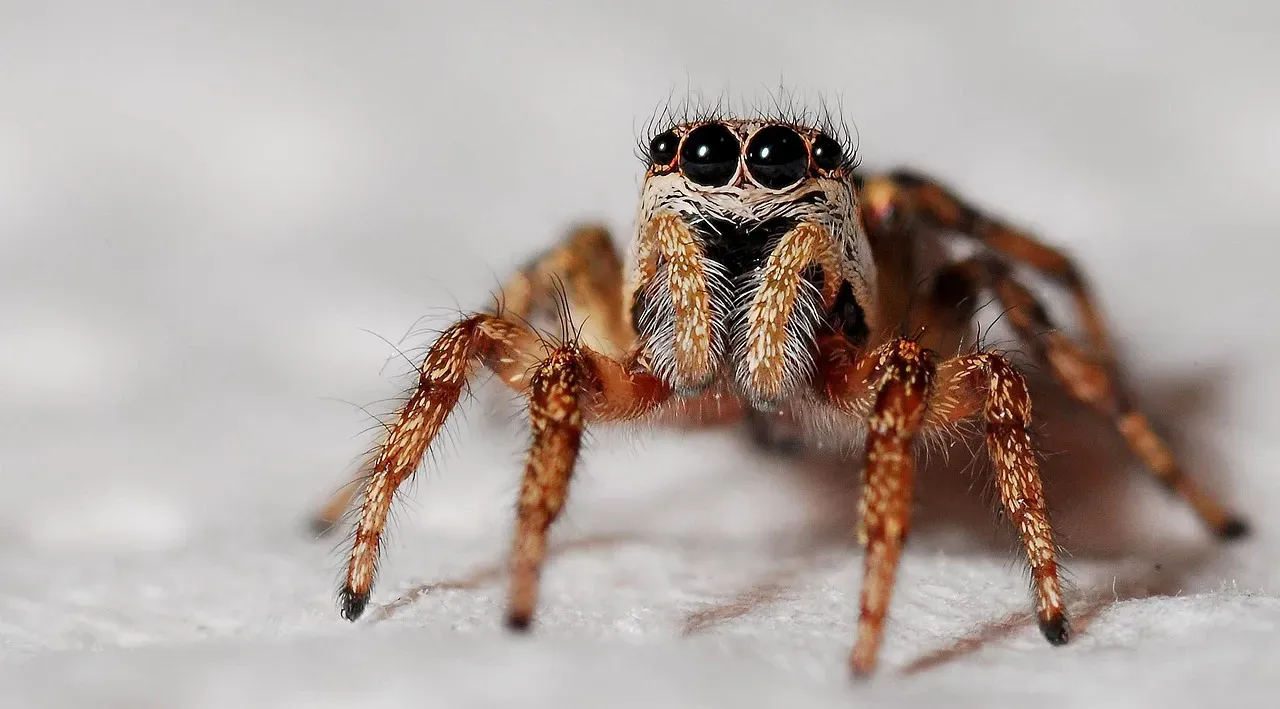
The good news is that, while you cannot uninstall this ancient circuit, you can update how strongly it reacts. One of the most effective approaches is gradual exposure: giving your brain safe, controlled experiences with spiders so the threat system learns new patterns. That might mean starting with cartoon spiders, then photos, then videos, and eventually brief encounters with real spiders from a distance. Each time nothing bad happens, your nervous system gets a tiny piece of evidence that its alarm may be too loud.
Alongside exposure, you can train your body to stay calmer while the circuit is active. Slow breathing, grounding techniques, and deliberately shifting your gaze for a few seconds at a time can all help your brain realize that looking away does not equal danger. You are not trying to bully yourself into being fearless; you are gently showing your survival system that the world has changed. Over time, the spotlight softens. You may still notice the spider – because that is how you are built – but the overwhelming inability to look away can fade.
From Self‑Blame to Self‑Understanding
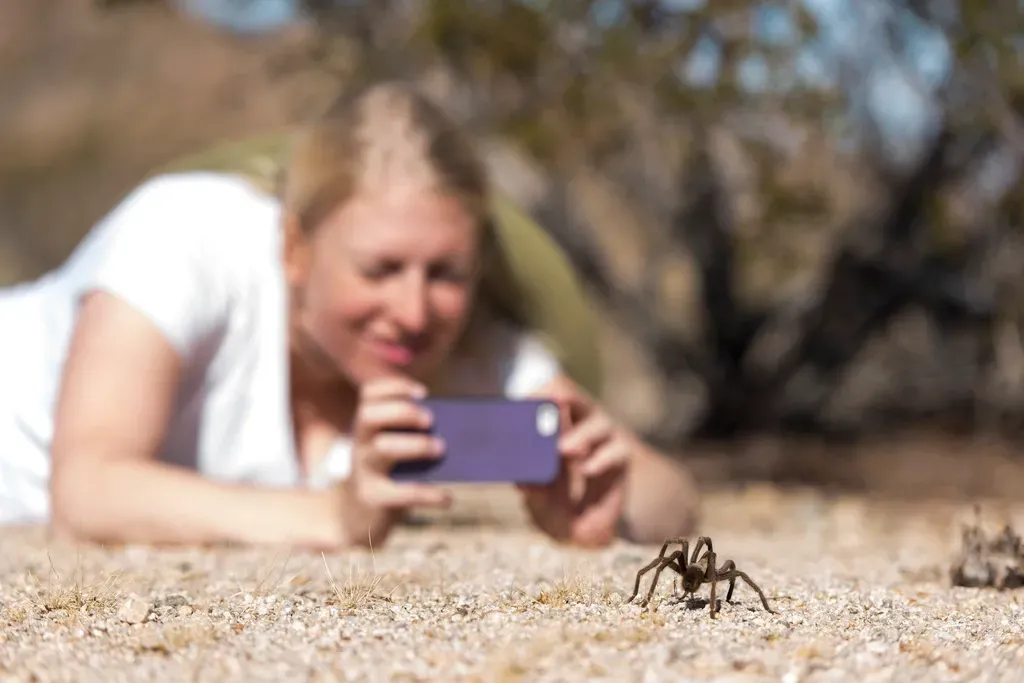
When you see your reaction to spiders as a character flaw, you set yourself up for shame and frustration. You might think you are weak, overdramatic, or childish for being so fixated on something so small. But once you understand that an ancient, deeply wired threat‑detection circuit is driving that behavior, the story changes. You are not broken; you are equipped with a survival system that is simply a bit out of date for your current surroundings.
This shift in perspective matters, because it turns the problem into something you can work with rather than something you have to hide. You can be curious instead of judgmental when your eyes latch onto a spider. You can notice the racing thoughts and bodily tension and think, “My brain is trying to protect me,” rather than, “What is wrong with me?” From that place of understanding, strategies like gradual exposure, breathing exercises, and even professional support become tools for updating old software instead of weapons in a fight against yourself.
Conclusion: Your Eyes Are Doing What They Were Built to Do

The next time you find yourself unable to look away from a spider, imagine that you are watching a very old program run on very new hardware. Your brain is scanning for threats using rules that kept your ancestors alive but have not been revised for apartments, indoor plumbing, and pest control. That locked‑on gaze is not proof that you are irrational; it is proof that your nervous system takes your safety seriously, even when it overshoots.
You do not have to resign yourself to living at the mercy of this circuit, though. By understanding how it works, noticing it without judgment, and slowly giving it new evidence, you can help it calm down and update itself. You may never be the person who casually cups a spider in their hands, but you can become someone who feels less hijacked by that intense pull of attention. And maybe, the next time your eyes snap back to that tiny creature on the wall, you will think less, “What is wrong with me?” and more, “Wow, my ancient brain is really trying its best, isn’t it?”