

You know that prickly feeling you get on the back of your neck, when you suddenly feel exposed for no obvious reason? Maybe you are just walking down an empty hallway, or sitting alone in your living room, and something inside you whispers that someone is there, just out of sight. You look around, nothing. You tell yourself you are being silly, but the unease hangs in the air like static. That moment is not just your imagination acting up for no reason; it is your brain doing exactly what it evolved to do, and it is doing it all day, every day, whether you notice it or not.
Neuroscience suggests that this sense of being watched, even in a quiet, empty room, is often your brain running a constant survival simulation in the background. You can think of it as a full-time security system that never clocks out, scanning for threats, predicting what might happen next, and sometimes erring on the side of overreaction. That may feel uncomfortable, but from an evolutionary perspective, it has been incredibly useful. When a false alarm cost you a few seconds of anxiety, but a missed predator could cost you your life, your brain learned to lean heavily toward caution.
The Ancient Survival Code Running in Your Modern Brain
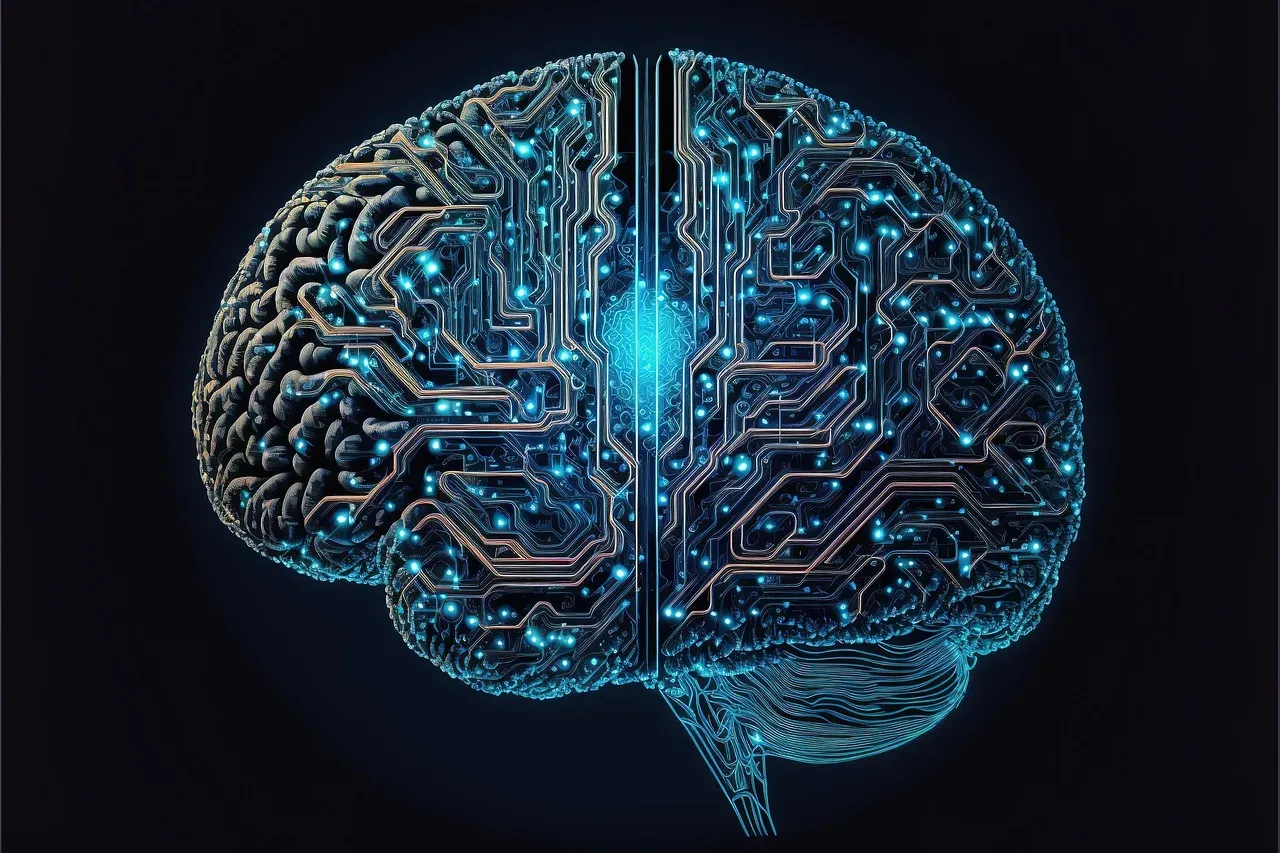
When you feel strangely watched in an empty space, you are brushing up against a very old piece of biological code. Your brain did not evolve in quiet offices, suburban streets, or well-lit apartment buildings; it evolved in environments where rustling in the bushes might mean nothing or might mean a predator. In that world, your ancestors survived by reacting fast to the slightest hint of danger, long before they could verify whether the threat was real. That bias toward quick, protective reactions is still wired into you today.
Instead of wild animals, your modern threats might be social judgment, crime, or simple embarrassment, but your nervous system does not always distinguish between kinds of danger very well. When something feels uncertain or ambiguous, your brain often treats it as risky until proven otherwise. That is why an empty hallway at night can feel loaded, while the same hallway at noon feels harmless. The environment did not suddenly become safer; your brain simply has more reassuring context in daylight, so the survival simulation can quiet down a little.
Your Brain’s “Threat Radar” Is Always On, Even When You Relax
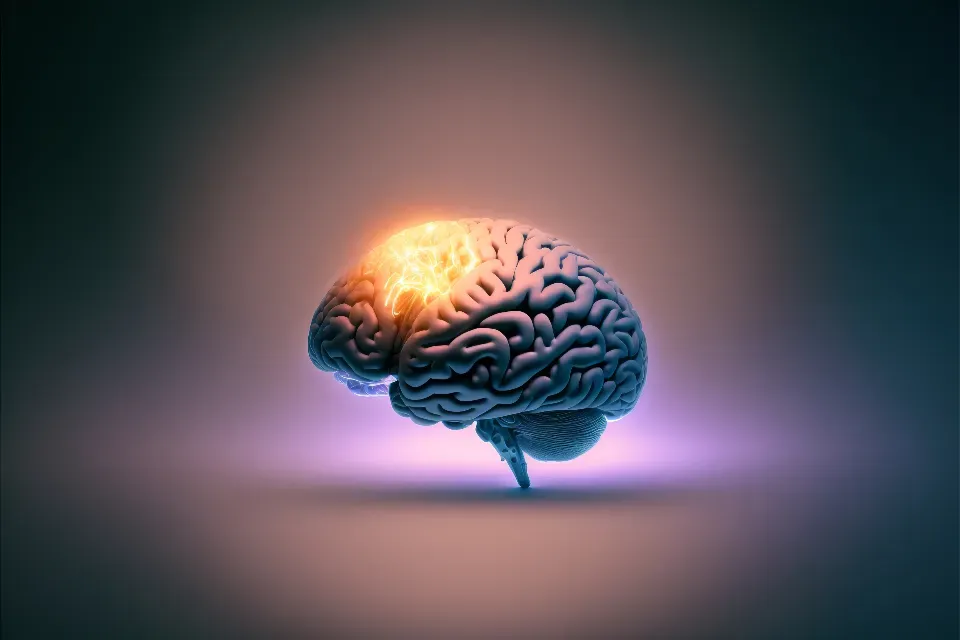
Even when you think you are relaxed and not paying attention, your brain is working behind the scenes like a radar system sweeping the horizon. Regions involved in attention, emotion, and body awareness keep monitoring sounds, shadows, and subtle changes in your surroundings. You may not consciously register the hum of the fridge or the faint creak of a floorboard, but your nervous system does, and it constantly updates its judgment about whether you are safe. That is the 24-hour simulation in action, quietly scanning for patterns that resemble past threats.
This is why a tiny noise at night can feel so much louder than the same noise during the day. In low light and quiet, there is less information for your brain to work with, so your internal radar gets jumpier and more sensitive. Your mind fills in gaps with possibilities, many of them unpleasant, because it would rather imagine a watcher who is not there than ignore one who is. If you have ever gone from calm to tense in a split second, heart racing over nothing you can name, you have felt that automatic threat system ramping up on its own.
How the “Feeling of Eyes on You” Emerges from Prediction, Not Magic

The sensation that someone is staring at you from behind is not a special supernatural ability; it is mostly your brain’s prediction machinery at work. Your mind constantly builds models of what is likely to be around you based on previous experiences, context, and tiny cues like sounds or air movement. When those models lean toward the idea of another person nearby, you can get a vivid, bodily feeling before you have any clear visual proof. It can feel mysterious, but it is really your prediction system firing first and asking questions later.
You also carry around strong expectations about when and where people usually appear. A quiet staircase in an empty building late at night breaks your usual pattern for safety, so your brain becomes more willing to predict a hidden observer, just in case. If you have recently watched a scary show, read a disturbing story, or heard about a crime, your mental models get even more skewed toward detecting other people in ambiguous situations. You are not being irrational; you are running a forecasting engine that would rather imagine a watcher than miss one.
The Role of Memory, Trauma, and Anxiety in Amplifying the Sensation

If you live with anxiety, have gone through trauma, or simply tend to worry, the feeling of being watched can become much more intense and frequent. Your brain’s survival system learns from past experiences, especially frightening ones, and it does not easily forget. When you have been hurt, threatened, or humiliated before, your mind starts over-tagging similar settings as risky. A stairwell like the one where you once felt unsafe, or a dim street that resembles a bad memory, can trigger that same old survival script, even when nothing is currently happening.
Over time, this can create a loop where your brain treats almost any quiet, ambiguous space as dangerous territory. You notice a vague sense of unease, interpret it as proof that something must be wrong, and your anxiety spikes, which makes your body feel even more on edge. That extra tension then feeds right back into the feeling that you are being watched. It is like turning up the volume on your internal alarm system so high that every small signal becomes a blaring siren. You are not imagining the fear; your nervous system has simply been trained to expect the worst.
Social Brains: Why You Assume People Are Looking, Judging, and Evaluating

Your brain is not just wired for physical survival; it is also heavily tuned to social survival. Being ignored, rejected, or mocked by others has always carried real consequences for humans, so your mind treats social threats as seriously as physical ones. That is why you might feel watched when you walk into a quiet café, sit alone at a party, or even post something online. Your brain quietly runs simulations of how others might see you, judge you, or respond to you, long before anyone actually does anything.
When you grow up in environments where criticism, scrutiny, or rejection were common, that social survival system becomes even more sensitive. You may find yourself scanning constantly: Are they looking at me? Do I look stupid? Did I say something wrong? Even when you are technically alone, your brain can replay past interactions and imagine new ones, almost like a private audience in your head commenting on your every move. That inner crowd can feel as real as any person in the room, feeding the sense that you are never truly unseen.
When the Survival Simulation Glitches: Hypervigilance and Mental Health
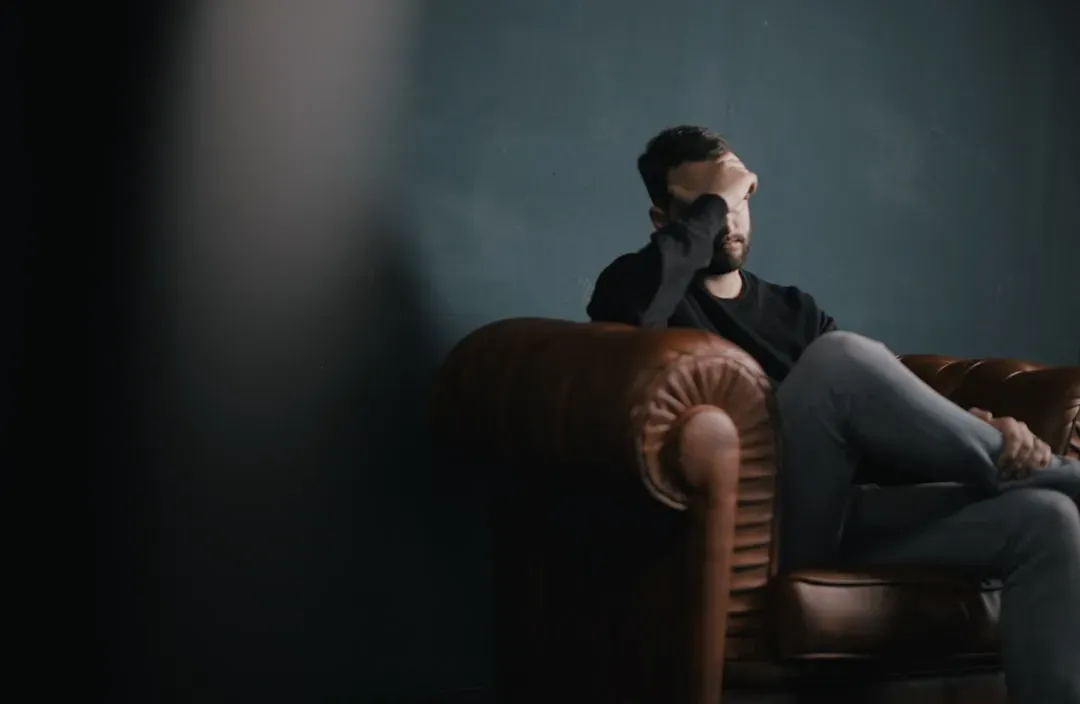
There is a point where your always-on survival simulation stops being helpful and starts wearing you down. If you feel constantly watched, constantly unsafe, or always on alert, you might be experiencing hypervigilance. In that state, your nervous system is stuck in a high-threat mode, scanning relentlessly for danger even in safe places. It can show up in conditions like post-traumatic stress, some anxiety disorders, and other mental health challenges where the alarm system does not properly switch off.
Hypervigilance makes the world feel sharper, harsher, and more hostile than it really is. You may jump at small sounds, avoid certain spaces, or feel exhausted by how much energy you spend monitoring everything. This is not a character flaw or a sign of weakness; it is your survival simulation locked into overdrive. If you recognize yourself in that description, it is worth talking to a mental health professional, because there are evidence-based ways to help your nervous system recalibrate, teach your brain that some spaces really are safe, and slowly turn the volume down.
Practical Ways to Soothe Your Brain’s Overactive “Watcher” Mode

While you cannot and should not try to completely turn off your brain’s survival simulation, you can help it relax when it is clearly overshooting. One useful approach is to gently reality-check your surroundings. You can ask yourself: What do I actually see and hear right now? What is the most likely, ordinary explanation for this feeling? By naming specific details – the closed door, the locked windows, the murmur of distant traffic – you give your brain more data, which often helps it downgrade the threat level.
Your body can also lead the way. Slow, deliberate breathing, feeling your feet on the floor, or placing a hand on your chest can signal to your nervous system that things are safe enough in this moment. You are not trying to argue the fear away with logic alone; you are giving your brain and body new sensory evidence that nothing is happening right now. Over time, practices like mindfulness, therapy, regular movement, and enough sleep can all make your internal alarm system less jumpy, so that the feeling of being watched shows up less often and fades more quickly.
Why You Should Respect the Feeling Without Letting It Rule You

That eerie sense of being watched is not proof that something is out there in the dark, but it is proof that your brain is looking out for you in the only way it knows how. Instead of shaming yourself for being paranoid or silly, you can see that flicker of fear as a safety feature that just happens to be a little dramatic sometimes. Your ancestors survived because their brains made them cautious in moments that felt off, and you carry that same protective gift today, whether you like it or not.
At the same time, you do not have to let that feeling dictate your life. You can learn to pause, notice it, thank your brain for trying to protect you, and then check whether the current situation truly warrants that level of fear. The more you practice this, the more flexible your survival simulation becomes, shifting from a rigid, bossy alarm to a useful advisor you can listen to or override. In the end, the goal is not to silence the sense of being watched, but to understand it so well that it stops owning you.
So the next time your skin prickles in an empty room, you will know it is not just you “being weird” – it is your ancient neural security system running its round-the-clock simulation. You get to decide how to respond to that feeling, whether you lean into it, gently question it, or use it as a cue to ground yourself back in the present. In a way, your brain is always on your side, even when it overshoots. Knowing that, how differently might you treat that uneasy whisper that says someone is there, when logically, you know you are alone?