
You know that strange, almost sacred quiet that settles over you when you stand where the waves meet the sand? You tell yourself you are just relaxed, maybe a little nostalgic, but something deeper is happening under the surface. Your brain is actually shifting into a different mode, engaging systems that rarely all light up together anywhere else in your daily life. That soft sense of peace you feel is not just a nice mood; it is your nervous system entering a measurable, distinct state. When you understand what is really going on in your brain at the ocean’s edge, the experience stops being a vague luxury and starts looking more like a form of self-maintenance. You are not just watching water; you are running a full-system reset that modern life quietly works against. Once you see the ocean this way, it is hard to stand there and not feel like you are doing something powerful and intentional for your mind.
The Ocean As a Rare, Multi-Sensory “Perfect Storm” for Your Brain

When you stand facing the sea, your brain is hit with a combination of sights, sounds, smells, and bodily sensations that almost never occur together in any other single environment. You are seeing a wide, open horizon, hearing rhythmic waves, feeling wind on your skin, maybe tasting a bit of salt in the air, and sensing the subtle movement of the ground as water rushes in and out. Your nervous system processes all of this as one coherent, stable context rather than random input. This matters because your brain loves patterns and predictability. The repeating crash of the waves, the steady line of the horizon, the gentle movement of the tide all send the same underlying message: things are changing, but they are changing in a safe, regular way. That is very different from the chaotic, unpredictable noise of a city street or a busy phone screen. At the shore, your senses are fully engaged, but not overloaded, and your brain can finally exhale.
How Blue Space Calms Your Threat System
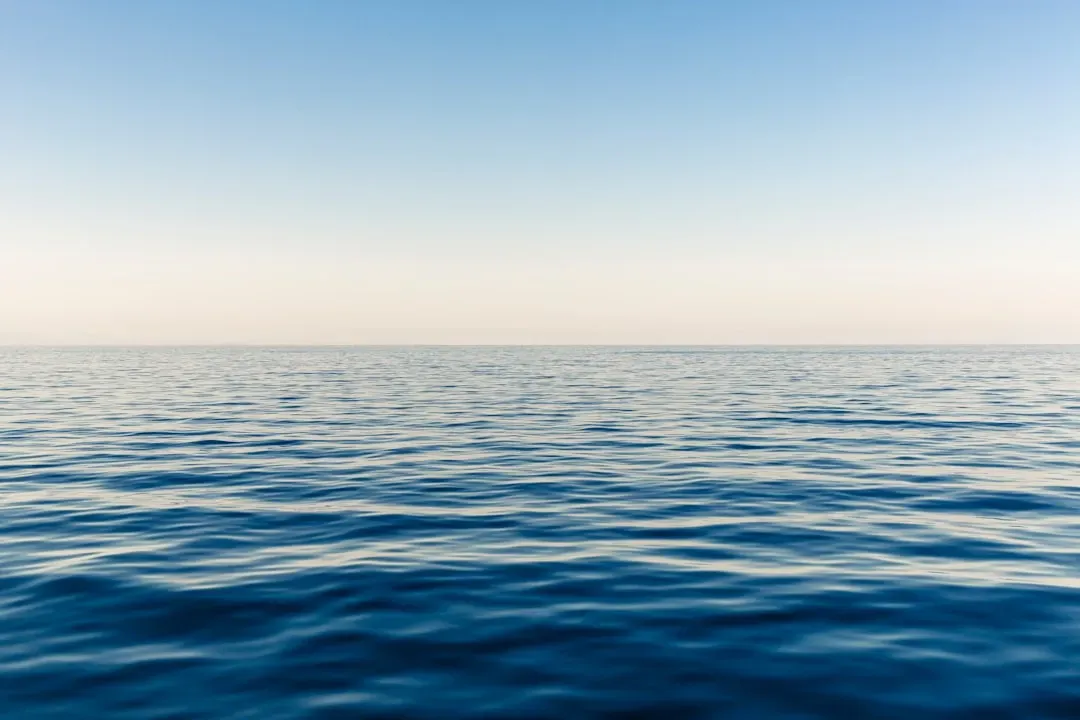
You have probably heard that being in nature can lower stress, but the ocean seems to have a special edge. Your brain’s threat-detection systems are constantly scanning for danger, especially in enclosed, noisy, or visually cluttered places. When you look out at an open body of water with a clear horizon, you are giving those same systems an environment with very few hiding places for threats. Your brain unconsciously reads that openness as safety. At the shore, sounds and motion are also slow and predictable. The crash of each wave is loud but non-threatening because you know what is coming next. Over time, that regularity turns down the volume on your internal alarm systems. You feel it as your shoulders dropping, your jaw unclenching, and your breathing deepening. You are not just calm in a vague way; your brain’s stress circuits are quite literally running at a lower level.
The Rhythm of Waves and Your Nervous System
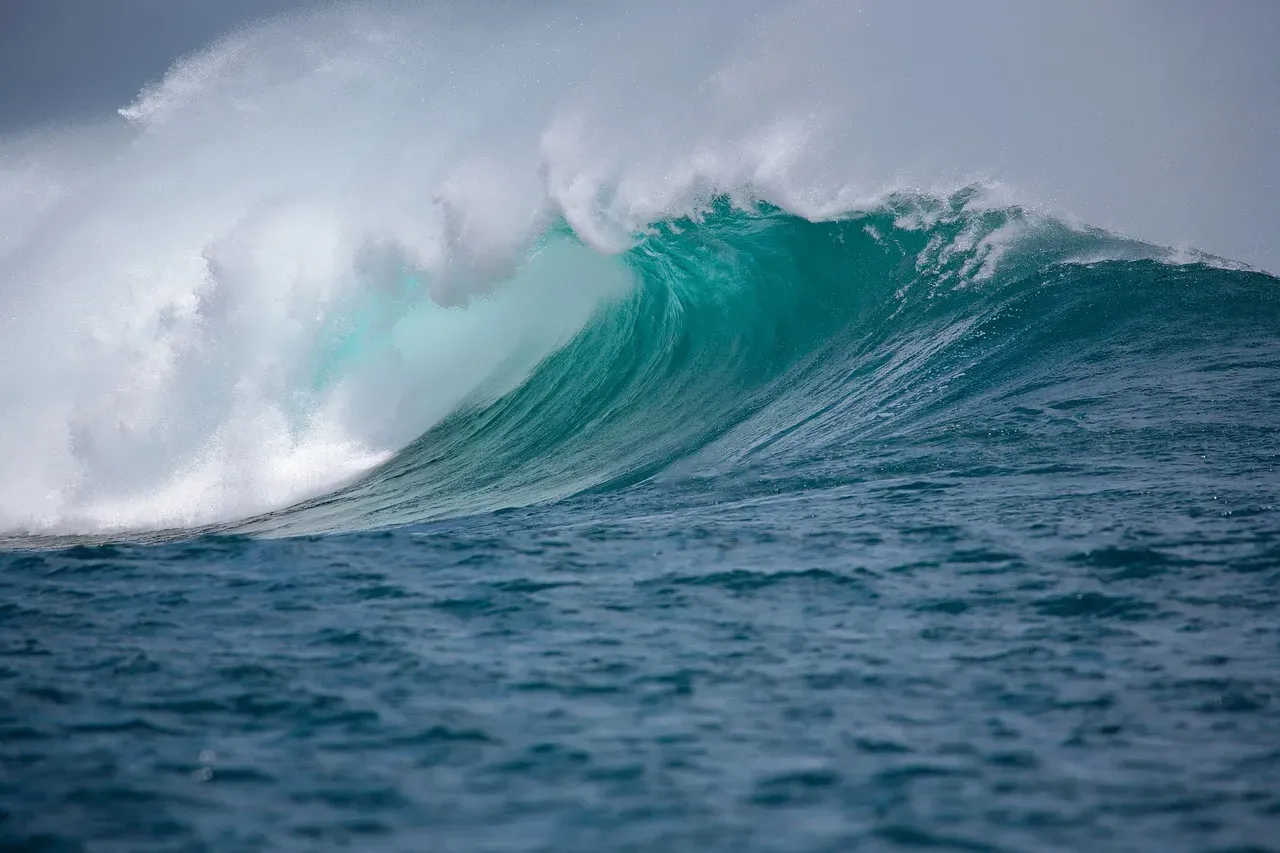
If you pay close attention, you will notice that your body starts to move with the waves without you even trying. Your breathing often syncs with the rhythm of the water: inhale as the wave draws back, exhale as it crashes forward. This rhythmic synchronization is not just poetic; it is a direct way your nervous system finds regulation. Your body has internal clocks, and external patterns like waves help them line up and stabilize. When your breathing becomes slower and more regular, a key part of your nervous system known as the parasympathetic system becomes more active. This is the branch responsible for rest, digestion, and recovery. As it turns on, your heart rate can drop, your muscles loosen, and your mind feels less jumpy. The sound of the surf is basically a natural metronome helping your whole system re-synchronize without any app, device, or technique.
Wide Horizons, Soft Focus, and Mental Quiet
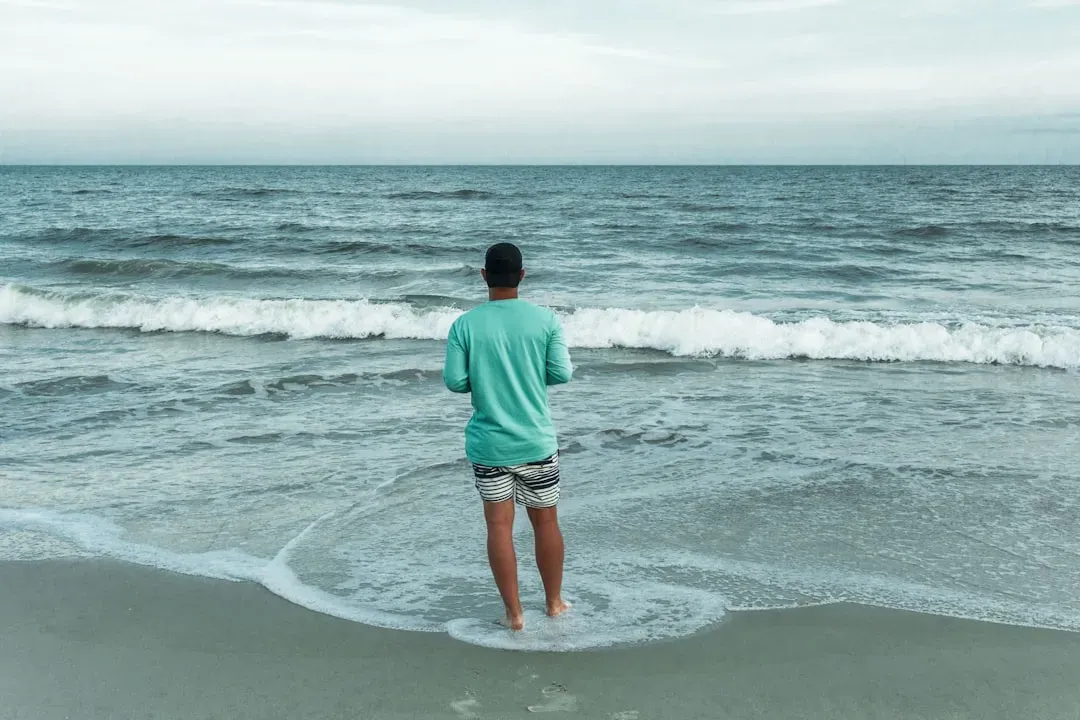
Most of your daily visual life forces your eyes into a narrow, intense focus: screens, documents, signs, faces at close range. That tight focus is linked to heightened alertness and sometimes to anxiety, because it is the mode your brain uses when you are hunting for problems. When you look out over the ocean, your eyes naturally shift into what scientists sometimes call a more panoramic or soft-focus mode. You are taking in a lot of space with very little effort. That wider gaze is associated with lower levels of internal tension and more relaxed attention. You are still awake and aware, but you are not on edge. It is similar to the way your eyes and mind feel when you stare at the sky or into a campfire, except the ocean adds constant, dynamic motion. The result is a state where your mind can wander, drift, and connect ideas without being yanked around by every tiny visual detail in front of you.
Why the Ocean Frees Up Your Overloaded Attention
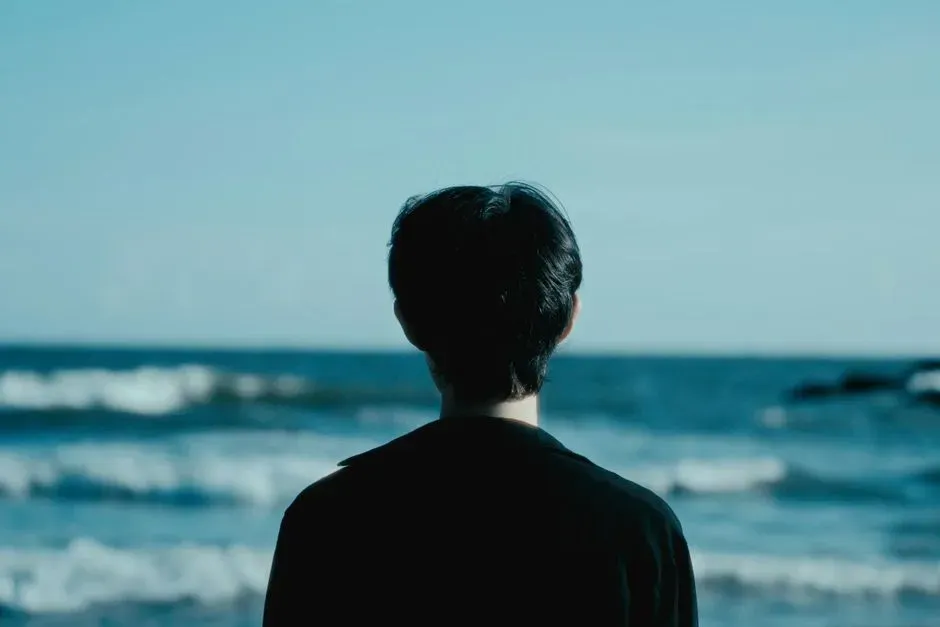
In your everyday life, your attention is pulled in ten directions at once: notifications, conversations, work tasks, background noise, and random distractions. Your brain’s “executive” centers are working overtime to prioritize, filter, and decide what to care about. At the edge of the ocean, the number of meaningful demands on your attention drops sharply. There is almost nothing that needs a decision, nothing that requires a reply, nothing that asks you to perform. This does not leave your mind empty; it leaves it free. The waves, clouds, and shifting light give your brain something gentle and interesting to track without needing to solve anything. That kind of soft engagement lets deeper mental processes, like memory consolidation and emotional processing, come forward. You might suddenly remember something important, see a problem in a new way, or finally feel an emotion you have been holding at arm’s length for weeks.
Peace as a Measurable State, Not Just a Feeling

When you say you feel peaceful at the ocean, you are describing something that can, at least in broad strokes, be measured. Scientists can look at things like your heart rate and its variability, your breathing patterns, your stress hormone levels, and even brain-wave patterns linked to relaxed but awake states. In many people, these markers shift in a consistent direction in calming environments, including coastal ones. Your sense of peace is your lived experience of that shift. You would not say you are just in a “good mood” when your fever drops or your blood pressure normalizes; you would say your body is in a healthier state. The same is true, in a simpler way, for your time by the sea. That grounded, spacious feeling is not only an emotion floating in your mind. It is the subjective side of a quieter, more regulated nervous system that is temporarily using less energy to fight, flee, or freeze.
Why the Ocean Feels So Uniquely Different From Other Places

You might feel calm in a forest or a quiet park, and those environments are powerful in their own ways. But the shore brings together several elements that rarely coexist elsewhere: a vast horizontal line, constantly moving water, broad unobstructed space, predictable sound, and direct contact with elements like wind and mist. Your brain is processing an enormous amount of sensory input, yet almost all of it is smooth, flowing, and non-threatening. That combination creates what you could think of as a whole-brain reset. Visual systems relax into wide-angle mode, auditory systems lock into rhythm, balance systems register gentle motion, touch senses feel wind and water, and internal stress systems finally stand down. You might find other peaceful spots in your life, but the edge of the ocean is like a custom-built environment where many of your restorative systems are nudged on at the same time.
How to Intentionally Use the Ocean for Mental Recovery

Once you see the shoreline as more than a pretty backdrop, you can start using it more deliberately. The next time you stand by the water, you might choose to leave your phone in your pocket and let your senses do the work. You can let your gaze rest on the horizon instead of scanning the beach, listen to the repeating pattern of the waves, feel the air on your skin, and notice how your breathing starts to match what you are seeing and hearing. You do not have to turn it into a strict routine, but small intentional choices amplify the effect. You might walk barefoot for a minute to feel the temperature and texture of the sand, or simply stand still and let yourself do nothing at all. These small acts tell your brain it is safe to downshift. Over time, you may find that you return from the ocean not just with pretty photos, but with a nervous system that feels more reset than if you had stayed home and scrolled.
What This Means for How You Think About Peace

When you treat peace as just a mood, you leave it to chance. Some days you have it, some days you do not, and it feels like the weather. Understanding peace as a measurable state of your brain and body changes that. You start to see it more like sleep or nutrition: not always in your full control, but heavily influenced by what you do, where you go, and how you expose your senses to the world around you. The ocean becomes less of a vacation and more of a tool. You might not live near a coast, and you might not be able to visit as often as you would like. But even knowing what the ocean is doing to your brain gives you a template for finding or creating calmer states elsewhere: wider views, rhythmic sounds, fewer demands, and environments that feel open and safe. The next time you find yourself standing at the edge of the water, you will know you are not just “in a good mood” – you are entering a different state of mind and body entirely. Did you ever imagine a patch of sand and water could be doing that much work for you?