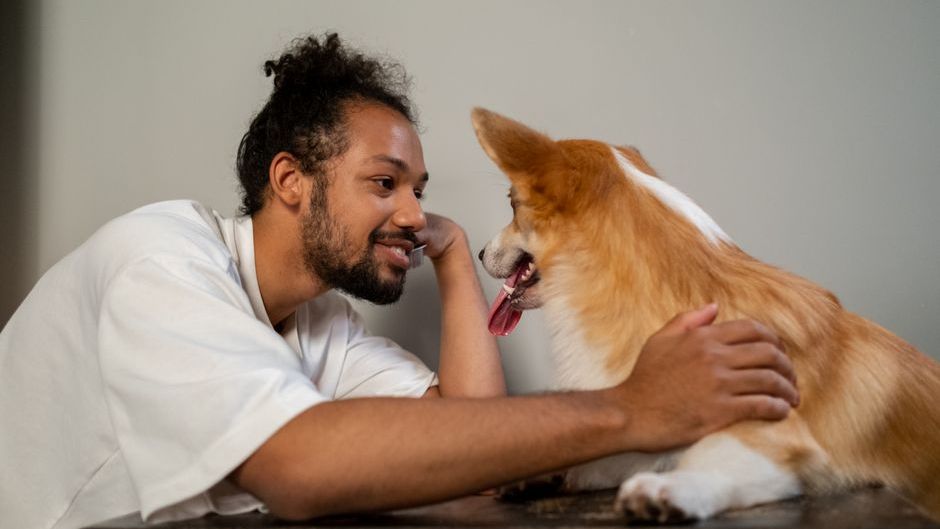

You know that slightly awkward moment when you realize you’ve been narrating your entire morning routine to your dog like they are your roommate? Or when you ask your cat if they had a good day, then answer for them because of course they did? A lot of people secretly worry this means they’re a bit odd or childish. But from a neuroscience point of view, that habit might actually be a sign of a rare, highly evolved social ability that very few mammals on the planet share.
Most mammals never look another species in the eyes the way your dog stares back at you when you say their name. They don’t search another species’ face for emotional clues or interpret the tilt of their head as a response in a “conversation.” Yet humans and a tiny fraction of other mammals do exactly that. What looks like silly baby talk to a golden retriever is actually your brain running some of its most complex social software. Once you see what is happening under the hood, talking to your pet stops looking weird and starts looking like a quiet superpower.
The Rare Social Trick Hidden in Pet Talk
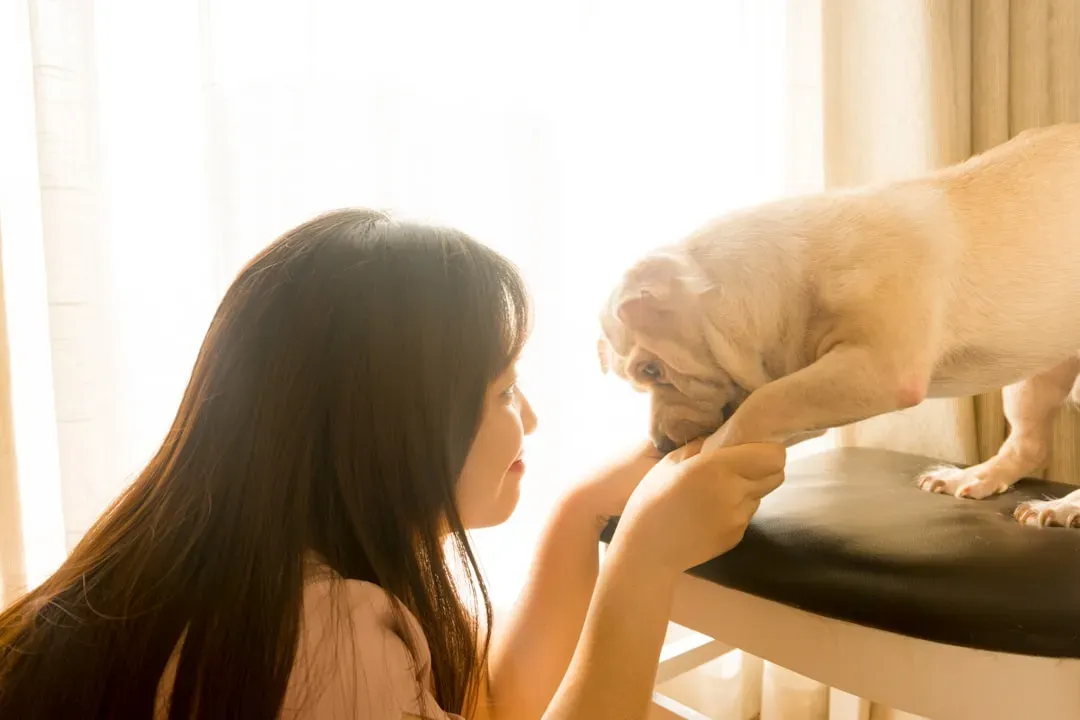
Here is the surprising part: when you talk to your pet as if they understand you, your brain is not doing something random or childish. It is engaging a powerful form of social cognition usually reserved for humans talking to other humans. You are automatically treating your pet as a social partner with thoughts, feelings, and intentions, not as a simple object that moves around your house. In cognitive science, that kind of mental move is often described as attributing a mind or mental states to another being, and it takes serious neural machinery to pull off consistently.
Across tens of thousands of mammal species, only a tiny slice shows anything like the deep two-way social understanding that humans use daily. Many mammals can recognize others or remember familiar individuals, but building an ongoing relationship, sharing attention, and sustaining something that looks like a back‑and‑forth social exchange is shockingly rare. When you stand in your kitchen and ask your dog why they are judging your snack choices, you are instinctively leaning on a level of social consciousness that most mammals simply do not access. You are doing something closer to what you would do with a child, a close friend, or a partner than what most animals ever do with any member of any species.
Inside the Brain: How Social Cognition Lights Up With Pets
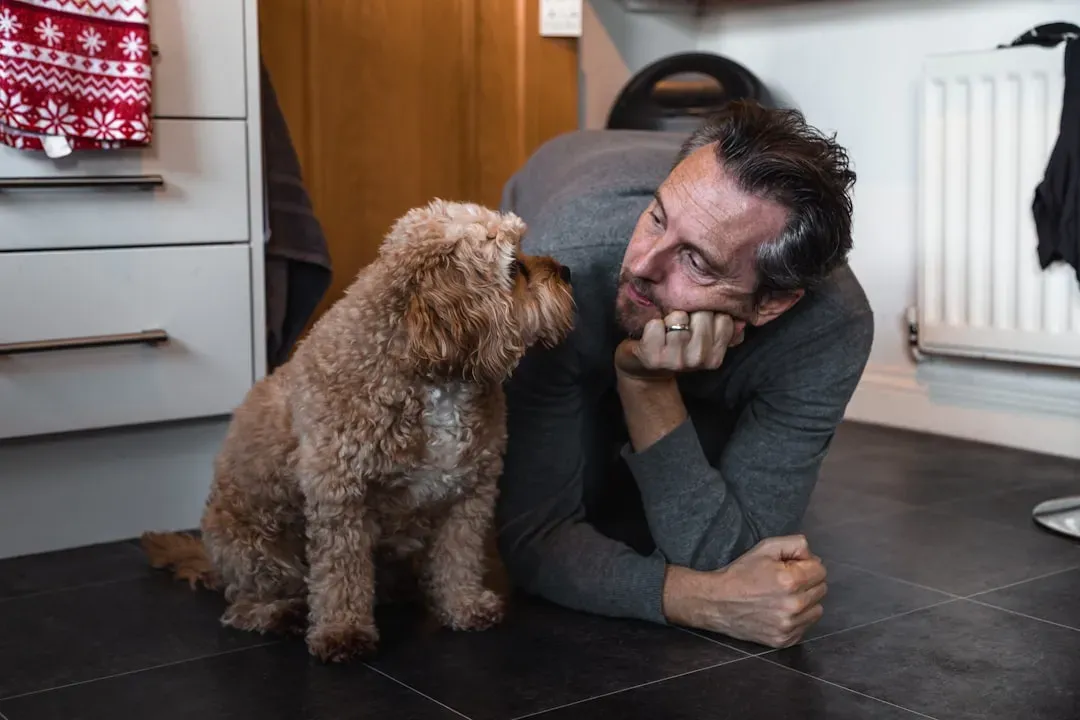
When neuroscientists study social cognition, they often focus on brain regions that switch on when we think about other minds. Areas in and around the prefrontal cortex and parts of the temporal lobes become active when people imagine what someone else believes, feels, or intends. Functional brain imaging has found that similar social circuits can light up when people look at pictures of their own pets, hear pet-related sounds, or even imagine interacting with them. In other words, the brain sometimes treats our pets as genuine social partners, not just as decorative animals we happen to feed.
This social activation is closely tied to systems that process faces, voices, and emotional expressions. Many owners effortlessly read extremely subtle cues from their pets, like a tiny shift in ear position or tail tension, and respond emotionally as if they were picking up on a friend’s micro-expression. That kind of decoding relies on brain networks originally shaped to understand human faces and social signals, now being flexibly applied across species. Talking to your pet taps those circuits again, looping you into a social feedback system that feels natural, even though one half of the “conversation” does not use human language at all.
Why Only a Tiny Fraction of Mammals Share This Ability
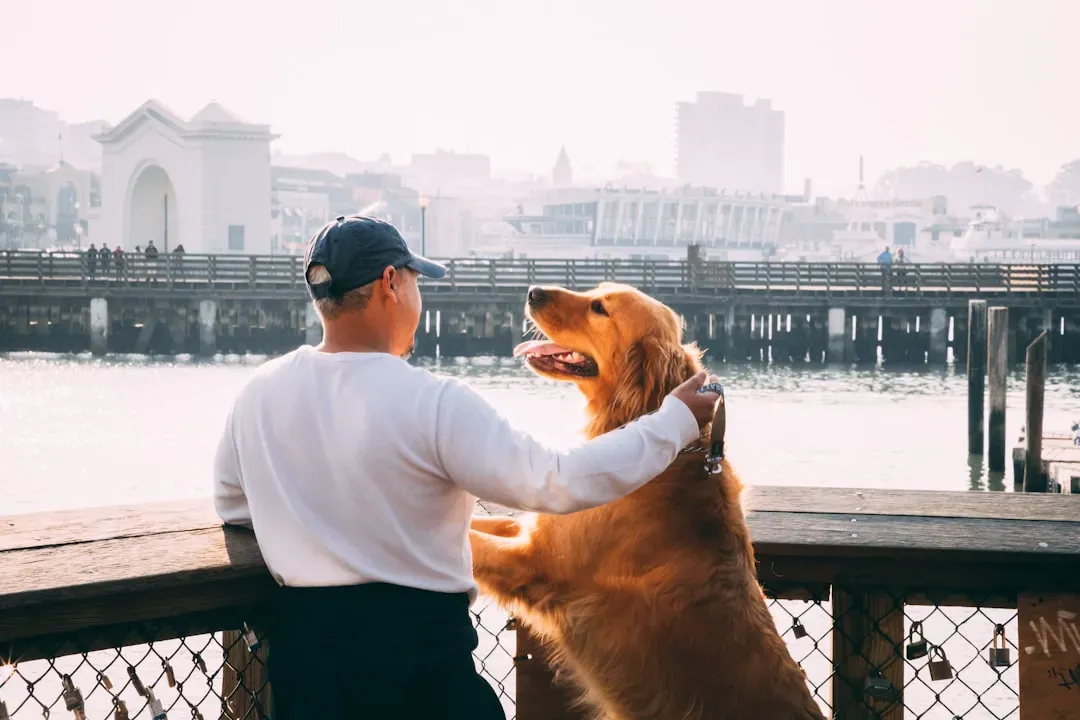
Out in the wild, most mammals do not need to build complex, layered relationships beyond basic mating, parenting, and group coordination. Many species get by just fine with simple cues: follow, flee, fight, or feed. The ability to represent rich internal lives in others, to imagine what those others might think or feel, and then to adjust your behavior around that imagined inner world is cognitively expensive. That helps explain why it seems to show up deeply and reliably in only a narrow band of mammals, including humans and a small group of species with unusually complex social lives.
Within that already rare group, the willingness to extend sophisticated social cognition across species boundaries is even more exceptional. Most animals keep their most subtle social attention for their own kind, and sometimes just for a small inner circle within that group. Humans, on the other hand, form emotional bonds with dogs, cats, rabbits, horses, and even animals they have only seen on screens. When you slide your dog into the same mental category as “friend who had a long day,” you are doing something that almost no other mammal does, even among the socially advanced ones. It is like running elite social software on hardware that evolution originally built for surviving in small bands of humans on the savannah.
Anthropomorphism: Flaw, Feature, or Hidden Superpower?
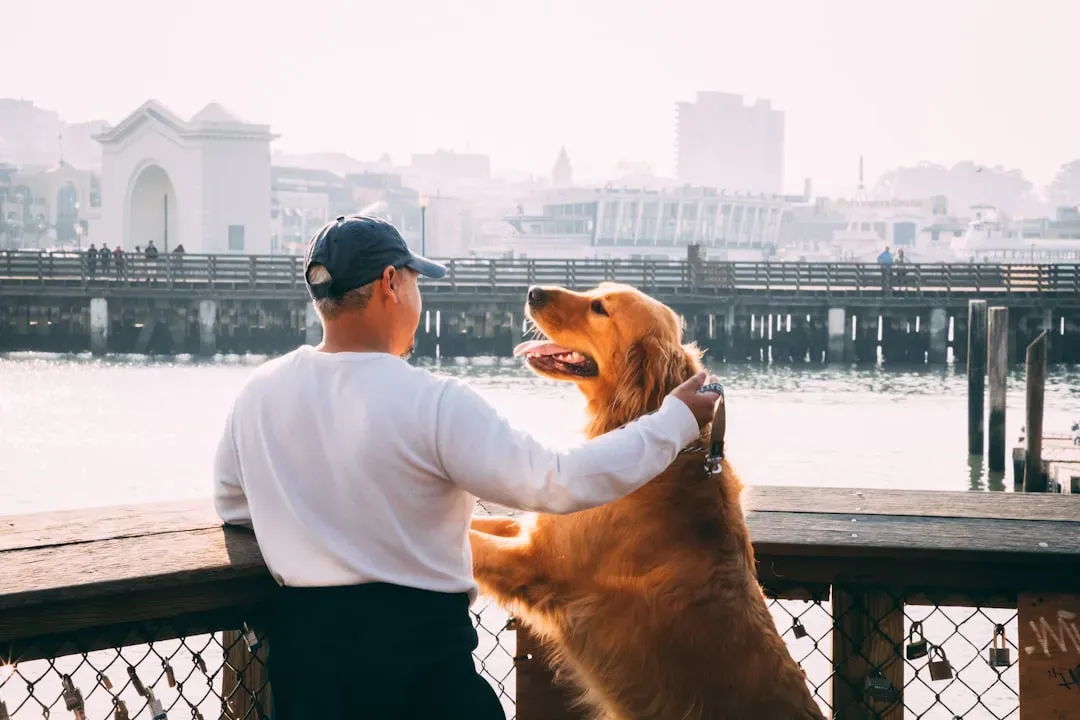
A lot of people have been told that treating pets “like people” is naive, unscientific, or silly. From a strict biological standpoint, assigning human motives to a dog or cat can definitely be misleading; your cat is probably not planning a revenge arc if you switch their food brand. But looking at the brain, that same tendency to anthropomorphize reveals a remarkable flexibility in how we connect with the world. Instead of shutting off complex social cognition outside of our species, we spill it everywhere, including onto the animals we love. This might not be perfectly accurate in every detail, but it is a powerful way of extending care.
There is a good argument that this habit has helped humans thrive. The same mental tools we use to imagine what a dog might be “thinking” can also be used to imagine what strangers, future generations, or even abstract groups might feel. That imaginative reach underpins compassion, long‑term cooperation, and moral concern beyond our immediate tribe. In that sense, your habit of asking your cat if they are happy may be part of the same deeper pattern that lets humans care about people they will never meet. If that is a flaw, it is a very productive one.
The Human–Dog Bond: A Two‑Way Social Highway
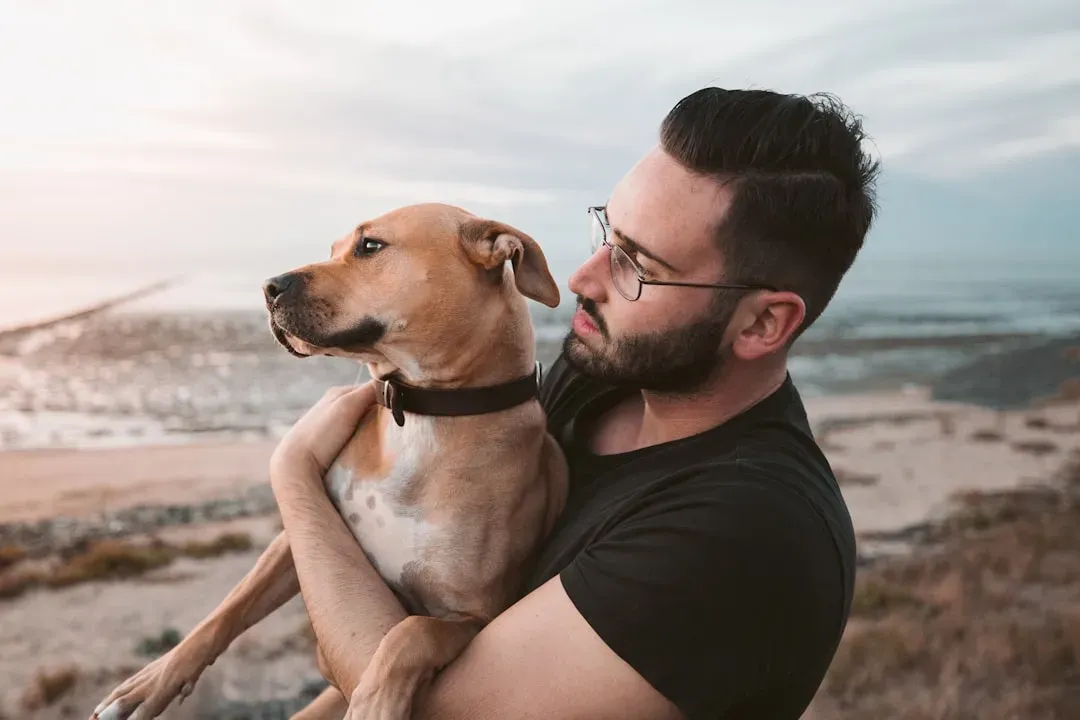
Dogs are the clearest example of how talking to pets mirrors human social cognition. Over thousands of years of domestication, dogs have become experts at reading human signals: gaze direction, voice tone, gesture, and posture. Studies show that dogs often follow a pointing finger, respond to eye contact, and adjust their behavior based on whether a human seems attentive or distracted. When you speak to your dog, they are not just hearing noise; they are constantly testing what the emotional tone means for them and for the relationship between you.
On the flip side, dog owners tend to read extraordinary nuance into their dogs’ behavior, often accurately. Owners routinely notice subtle shifts that indicate pain, stress, excitement, or concern, and they respond accordingly. This creates a feedback loop where both sides are continuously adjusting to the other’s emotions and intentions, even without shared language. Talking to a dog plugs straight into that loop, shaping both your behavior and theirs in a dance that feels conversational, because at a neural and emotional level, it essentially is.
Cats, Horses, and Other Pets: Different Styles, Same Deep Wiring
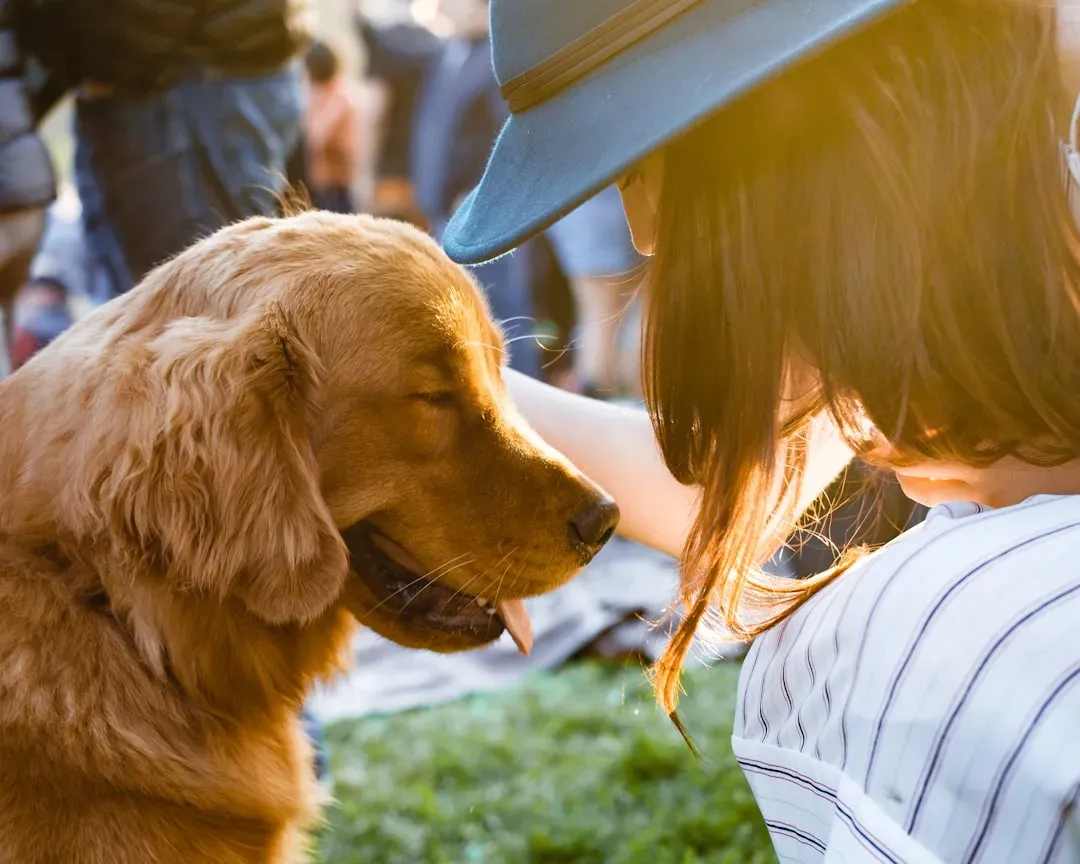
Not all pets are as openly socially responsive as dogs, but that hardly means the brain treats them as lifeless decorations. Cat owners know the subtle art of interpreting tail flicks, slow blinks, and little chirps, and they often speak back as if engaged in a very dry comedy routine. Horses respond to human body language, posture, and tone of voice, and many riders regulate their own emotions through quiet muttering or calm reassurance directed at the horse. In all these cases, humans are applying rich social cognition to interpret and shape a cross‑species relationship, even if the style of interaction looks different from that with dogs.
The key is that the human brain is still running the same general playbook: assume there is an inner life over there, read the signals, respond as if in dialogue, and adjust based on past experience. Talking out loud becomes a natural extension of this mental process, almost like a soundtrack for what the brain is already doing quietly. Different species may reward this with different feedback patterns, but the underlying human wiring is remarkably consistent. You do not need a pet that acts like a cartoon sidekick to justify talking to them; your brain treats that animal as a social partner long before your mouth catches up.
The Emotional Upside: Regulation, Attachment, and Mental Health

There is a reason so many people open up to their pets about things they would not tell their family. Speaking to a pet activates emotional and attachment systems that help regulate stress, calm the nervous system, and create a feeling of not being alone. For a lot of people, talking to a pet is like gently leaning on an emotional railing when everything else feels unstable. The pet may not understand the details, but the act of directing words and feelings toward a trusted, nonjudgmental companion changes how the brain processes those emotions.
In psychological terms, pets often function as attachment figures, especially for people who are isolated, anxious, or going through loss. The brain treats them as safe emotional bases, and talking to them strengthens that sense of secure connection. The conversation is not about exchanging information; it is about anchoring yourself in a relationship that feels steady and kind. Far from being a sign that you lack real human relationships, this can be a way of topping up your social resource tank so you have more to give elsewhere.
Children, Imagination, and the Social Training Effect

Watching children talk to pets, toys, or imaginary friends offers a window into how social cognition develops. When a child scolds a stuffed animal or confides in the family dog, they are practicing the same skills they will later use with peers and adults. They are taking another perspective, testing how words feel when spoken aloud, and experimenting with emotional cause and effect. That kind of imaginative play is not just cute; it is training for the brain’s social networks.
Adults who keep talking to pets are not stuck in childhood; they are continuing to use and refine these same capacities. There is a certain humility in being willing to treat another creature, even a nonhuman one, as worthy of your full social attention. It keeps your perspective-taking muscles active, nudges you toward empathy, and reinforces the sense that minds other than your own matter. In a world that constantly pushes people toward numbness and distraction, those tiny, earnest conversations with a sleepy cat or a hyper dog might be doing more for your social health than you realize.
Are We Overestimating Pets’ Minds – And Does It Even Matter?

It is fair to ask whether we sometimes go too far in assuming human-like minds in our pets. A dog probably does not grasp the idea of a career setback, and a cat is unlikely to be secretly proud of your new fitness routine. If we insist on perfectly accurate mental models, our habit of chatting to pets and reading deep intentions into their behavior will always fall short. From a strict scientific angle, this tendency can blur the lines between evidence-based knowledge about animal minds and wishful thinking.
But social life has never been only about strict accuracy. A big part of what makes humans socially extraordinary is our willingness to act as if others have rich inner lives, even when we cannot fully prove it. That stance encourages care, patience, and moral concern, and it extends beyond pets to other people, other cultures, and even future generations. So yes, we probably do overestimate what our pets understand in a literal sense. At the same time, the emotional truth of those relationships and the brain systems behind them are very real, and they shape us in ways that are hard to dismiss as mere fantasy.
Conclusion: Talking to Your Pet Is Not Weird – It Is Advanced
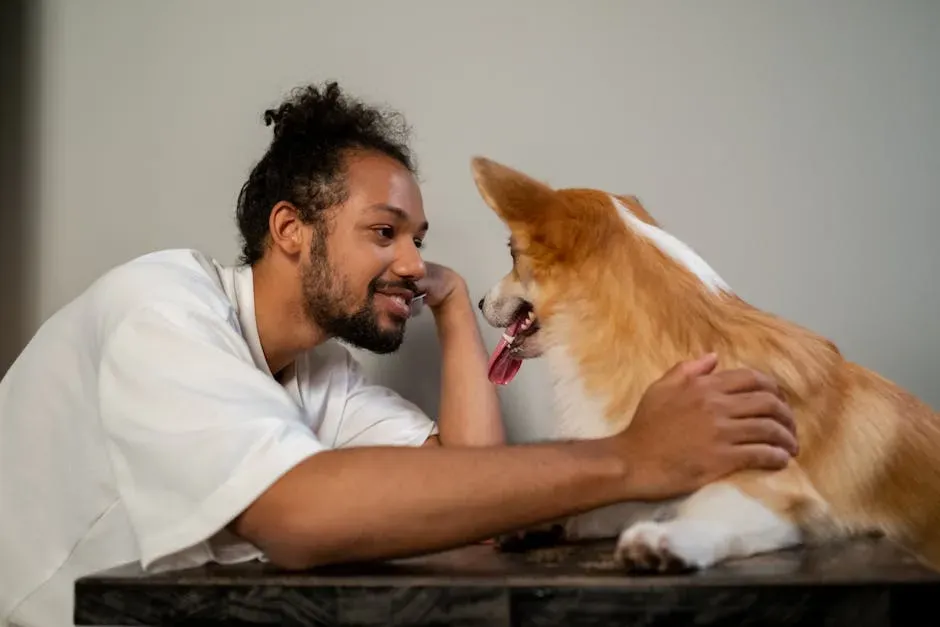
When you put all of this together, talking to your pets stops looking like a quirky side habit and starts looking like a quiet expression of a rare, high‑level social skill. You are using neural machinery that only a small fraction of mammals ever bring fully online, and you are using it in a way that crosses species boundaries with ease. Personally, I think that is one of the most charming things about our species: we are so wired for connection that we cannot help but invite dogs, cats, and other animals into our deepest social circles. If that looks strange from the outside, that might say more about our culture’s discomfort with emotion than about the behavior itself.
In my view, the real mistake is not in talking to pets, but in pretending we are too sophisticated to need that kind of bond. The older I get, the more it seems that the people who chat with their animals, narrate their lives to them, and treat them as small furry confidants understand something essential about being human. They are unapologetically using the full power of their social brain, even when the rest of the world is telling them to toughen up and keep it all inside. So the next time you catch yourself asking your dog for advice, maybe the better question is not “Am I weird?” but “Why on earth would I want to be any different?”