
If you feel most like yourself when the world goes quiet and everyone else is going to bed, you might have wondered if something is wrong with you. From a neuroscience point of view, the answer is far more interesting: your brain may simply be tuned to process risk, threat, and safety on a different schedule than most people. That doesn’t make you broken; it might mean your nervous system has learned that the night is when you can finally let your guard down and think clearly.
Researchers looking at circadian rhythms, brain arousal systems, and anxiety circuits are starting to see that night owls, especially those who prefer being alone after dark, show different patterns in how they anticipate danger and scan the world for potential problems. You may be calmer at midnight than you are at noon, more focused when the streets are empty than when the office is buzzing. Understanding what is going on under the hood helps you stop pathologizing yourself and start working with your unique wiring instead of against it.
Your Brain’s Internal Clock May Not Match the Social Clock
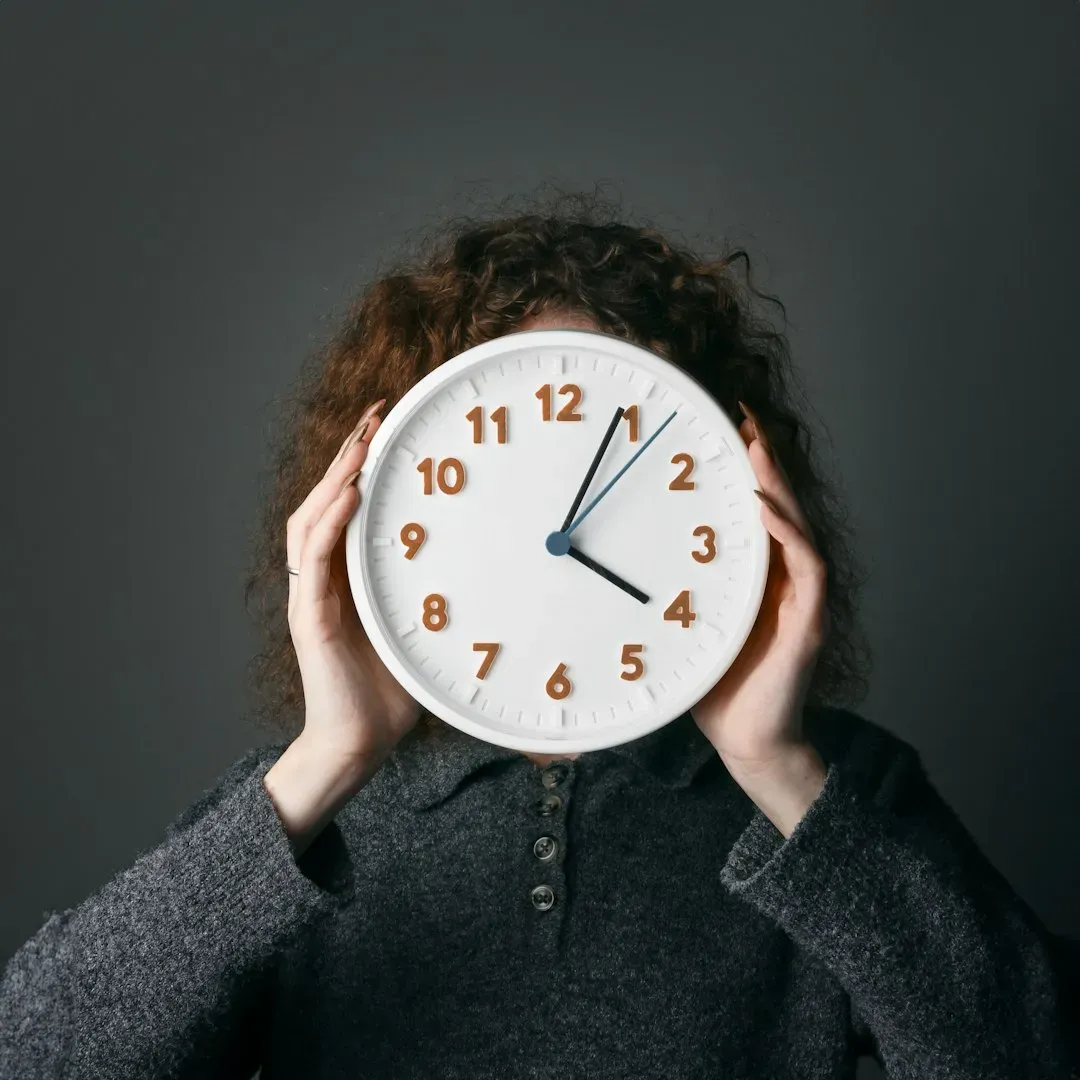
One of the most surprising findings in modern sleep science is that not everyone’s internal clock is set the same way. You probably know this instinctively: some people bounce out of bed at dawn ready to conquer the world, while you might not feel fully “online” until late evening. Neuroscientists describe this as your chronotype, and it is strongly influenced by genes, brain chemistry, and how your brain responds to light and darkness over many years.
If you crave solitude at night, your brain may be shifting its peak alertness and emotional processing window toward the late hours. Instead of treating this as laziness or avoidance, you can look at it as your own built‑in schedule, one that just happens to conflict with the nine‑to‑five world. You are not simply choosing to stay up; your biology is nudging you toward a different rhythm, and forcing yourself into a standard timetable can feel like wearing someone else’s shoes all day: technically possible but constantly uncomfortable.
Threat Detection Circuits Stay Busy When the World Is Awake

When your brain is on the lookout for threats, it relies heavily on regions like the amygdala and the salience network, which constantly scan your environment and your own thoughts for anything that could signal danger. For a lot of people, these systems are more active during daytime, when traffic is heavy, social demands are high, and notifications never stop. If you tend to be sensitive or anxious, your brain may quietly label busy daytime life as “high‑threat mode,” even if nothing dramatic is happening.
At night, when the noise drops and you are finally alone, those same circuits can relax and process what happened during the day without being bombarded by new input. You might notice you think more clearly, reflect more deeply, or even feel safer when it is dark and quiet. It is not that nighttime itself is objectively less risky; it is that your brain finds the constant daytime stimulation more overwhelming and shifts its sense of safety to when external demands are low.
Cortisol, Adrenaline, and Why You Feel Wired at the “Wrong” Time

Your body’s stress hormones follow daily rhythms too, and that plays a big role in when you feel “on edge” versus when you feel strangely calm. For many people, cortisol rises in the morning to help them wake up, then gradually falls through the day. If you prefer to be alone at night, you may notice that you feel unusually tense or overstimulated during typical work hours, like your internal accelerator is stuck, and everyone else seems fine with the pace except you.
Later in the evening, when the world slows down, your adrenaline may finally drop and your mind stops racing, which makes you feel almost relieved. This can create a powerful association: daylight equals inner pressure, nighttime equals release. Over time, your brain can start to anticipate this, keeping you wired and on guard when the sun is up and allowing you to fully exhale only when you are alone in the dark. You are not imagining the difference; your nervous system is literally running a different stress schedule than the people around you.
Nighttime Solitude as a Safety Strategy, Not Just a Preference

Wanting to be alone at night can look like avoidance from the outside, but inside, it often feels like self‑protection. If social settings, crowded spaces, or constant small talk keep your internal alarm system buzzing, then isolating yourself after dark can be your way of regaining control over how much threat you have to process. In a sense, you are giving your brain a quieter, more predictable environment so it can finally stand down from high alert.
You might have noticed that you think more clearly, create more freely, or feel more emotionally honest when there is no one else around and the world feels paused. That is your brain saying: with fewer variables to track, we can finally focus. Instead of judging yourself for “disappearing” at night, you can view it as a deliberate recalibration: you are reducing perceived threat so your mind can sort, file, and recover from the day, the way someone would tidy up a cluttered room once everyone has left.
Rumination, Overthinking, and Why Night Can Feel Both Safe and Heavy

There is a twist, though: the same reduced stimulation that makes you feel safer at night also gives your brain more room to wander inward. If you are prone to worry, you might notice that once you are alone in the dark, your thoughts get louder. Neuroscientists connect this to systems like the default mode network, which handles self‑reflection and mental time travel. When external demands are low, this network can dominate, pulling you into replaying conversations or rehearsing future disasters.
So you may experience nighttime as a strange emotional mix: the outer world finally feels safe enough for you to relax, but your inner world starts surfacing unfinished fears and memories. This does not mean you are broken or doomed to “spiral” whenever the sun goes down. It means your brain is trying to complete emotional processing that it could not do while it was busy fending off daytime stressors. Learning to guide that process – through journaling, breathing exercises, or gentle routines – can turn nights from a mental battlefield into something closer to a workshop where your mind quietly repairs what got dented during the day.
How Your Brain’s Reward System Makes the Night Feel Extra Good
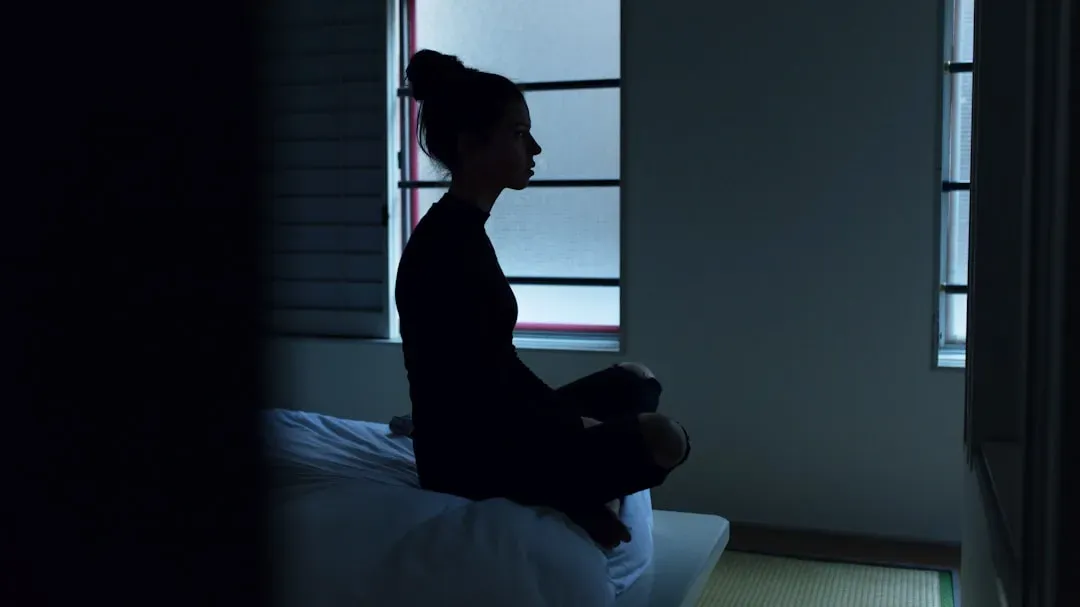
If you have ever felt a quiet thrill when everyone else is asleep and the world finally feels like it belongs to you, that is your reward system joining the party. The same brain pathways that respond to pleasure, novelty, and relief can become linked to late‑night solitude. Over time, your brain may start to treat being alone at night almost like a small addiction: the more relief and control you feel, the more your mind craves that experience again.
This does not mean you are doing something unhealthy by enjoying the night, but it helps to see how powerful the pull can become. If your best ideas, deepest conversations with yourself, and most peaceful moments all happen after midnight, your brain learns that those hours are precious. You may start resenting daytime obligations because they feel like they are stealing time from where your nervous system actually recovers and feels rewarded. Noticing that pattern gives you a chance to spread some of that reward into earlier hours, instead of waiting all day for one narrow window when you finally feel like yourself.
Working With Your Wiring Instead of Fighting It
Once you understand that your preference for being alone at night reflects how your brain processes threat and safety, you can shift from self‑criticism to strategy. Instead of trying to become a fake morning person overnight, you can tweak your days so your nervous system feels less under siege. That might mean building in small pockets of solitude during daylight – short walks, headphones‑on work sprints, or micro‑breaks where you are unreachable – so your threat system is not running flat out until evening.
You can also experiment with gradually nudging your schedule earlier in tiny steps, pairing any earlier bedtime or wake time with something genuinely pleasant so your reward system does not feel punished. Think of it like re‑training a skittish animal: you would not drag it into a noisy room and expect instant calm; you would slowly build trust. In the same way, when you respect your biology and work with realistic adjustments, you give your brain the message that the world can be safe not just at midnight, but at other times too.
When to Seek Help and When to Simply Accept Your Nighttime Nature

There is a difference between being a night‑loving introvert and being trapped in a pattern that is wrecking your health or relationships. If staying up late and spending every night alone is leaving you exhausted, missing work, or completely disconnected from people you care about, your nervous system may need more structured support. Persistent insomnia, racing thoughts every single night, or a sense of dread about the coming day are all signs that talking with a sleep specialist or therapist could give your brain a safer, more stable foundation.
On the other hand, if you function well, meet your responsibilities, and simply feel most alive in the quiet hours, then you may not need to “fix” anything at all. You can honor your nighttime nature while still respecting your body’s need for enough sleep and your life’s need for some daytime connection. The key is to be honest with yourself: is this pattern serving you or slowly draining you? Answering that question clearly is more important than forcing yourself into someone else’s ideal schedule.
Conclusion: Your Night Brain Is Not Wrong – It Is Just Different

If you love being alone at night, you are not failing at being a normal human; you are living with a nervous system that experiences threat, safety, and reward on a different timetable than the cultural default. Your brain might find daytime overstimulating, your stress hormones might peak at unhelpful hours, and your emotional processing may prefer the shadows to the spotlight. Once you see that clearly, you can stop calling yourself lazy or antisocial and start asking a better question: how do you build a life that respects your wiring while still caring for your health and relationships?
You may never become the person who joyfully schedules breakfast meetings at sunrise, and that is perfectly fine. What matters more is learning to lower your sense of threat during the day, protect your sleep at night, and use your love of quiet hours as a strength rather than a secret shame. You have a brain that does some of its deepest work when the world goes dim; the challenge is not to extinguish that, but to shape it so it supports the life you actually want. In the end, what would it change for you if you saw your midnight mind not as a problem to fix, but as a different kind of intelligence to understand?