
Imagine waking up one morning to find your favorite forest eerily silent, the songs of native birds replaced by an unsettling quiet. The culprit? Not climate change or pollution, but a stealthy invader—an organism that doesn’t belong and refuses to play by the rules. Invasive species are nature’s serial killers, reshaping entire ecosystems and leaving devastation in their wake. Their rise isn’t just a scientific oddity—it’s an ecological crisis that’s unfolding right before our eyes, upending food chains, outcompeting native species, and challenging the very balance of our natural world.
What Makes a Species “Invasive”?
Invasive species aren’t just foreign; they are relentless disruptors. A species becomes invasive when it’s introduced, either accidentally or intentionally, to a new environment where it faces few natural predators or competitors. This lack of checks and balances allows it to multiply rapidly and dominate local ecosystems. Unlike native species, which have evolved in harmony with their surroundings, invasives often outcompete, prey on, or bring diseases to the locals. It’s a bit like introducing a super-athlete into a league of amateurs—the balance is immediately thrown off. The real danger lies in their ability to adapt quickly, exploit resources, and trigger chain reactions that ripple through the entire ecosystem.
The Silent Spread: How Invasives Travel the Globe
Human activity is the main driver behind the global march of invasive species. Ships’ ballast water, international trade, pet releases, and even ornamental gardening have all played a role in transporting organisms far from home. Seeds hitch rides on hikers’ boots, insects stow away in cargo, and aquatic life travels across oceans in the hulls of ships. These journeys often go unnoticed until the invaders have gained a foothold. Once established, their populations explode, and eradication becomes nearly impossible. This silent spread is why invasive species are now found on every continent, including the most remote islands and frozen tundras.
Case Study: The Ruthless March of the Cane Toad

Few stories are as shocking as that of the cane toad in Australia. Introduced in 1935 to combat sugar cane pests, the cane toad quickly became a menace itself. With toxic skin that can kill predators, a voracious appetite, and rapid reproduction, these amphibians have devastated native wildlife. Local snakes, lizards, and even crocodiles have been poisoned after attempting to eat them. The cane toad’s march across Australia is a chilling example of how a well-intentioned introduction can spiral into ecological disaster, leaving native species in decline and local food chains in tatters.
Plants That Choke the Land: Kudzu and Beyond
Some of the most notorious invaders are plants that smother landscapes. Kudzu, often dubbed “the vine that ate the South,” was brought to the United States for erosion control. It now engulfs trees, power lines, and entire buildings, blocking sunlight and suffocating native plants. In Europe, Japanese knotweed invades riverbanks and roadsides, while in Africa, water hyacinth clogs vital waterways, strangling aquatic life. These plants spread relentlessly, altering soil chemistry, increasing fire risk, and rendering habitats unrecognizable.
Predators Unleashed: The Lionfish Invasion
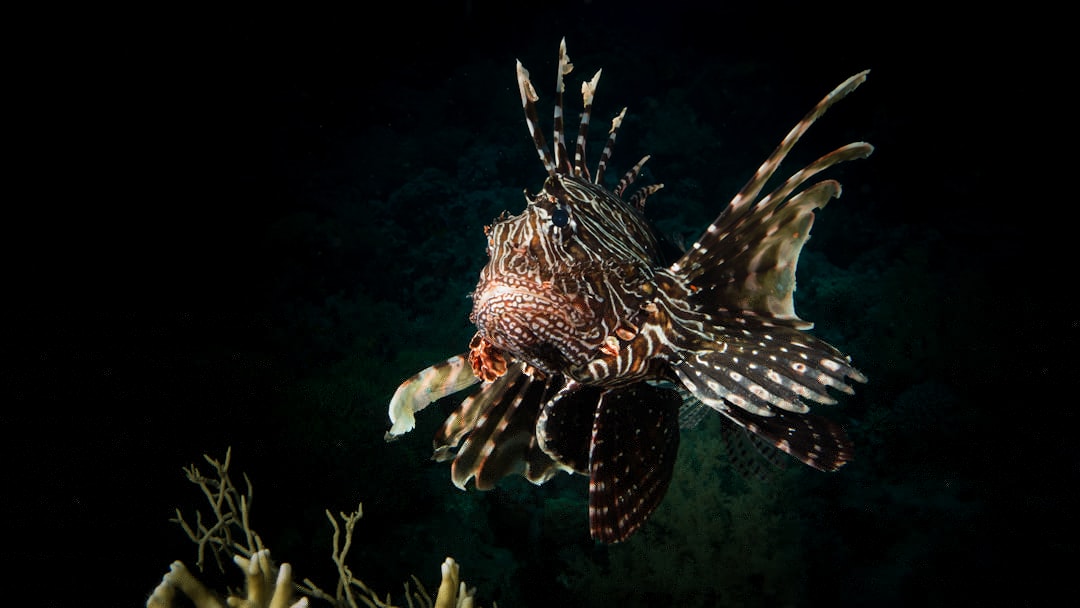
The lionfish, with its striking stripes and venomous spines, is a stunning but deadly invader. Native to the Indo-Pacific, it has colonized the Atlantic and Caribbean, where it faces no natural enemies. Lionfish consume vast numbers of young reef fish, crippling coral ecosystems and reducing fish populations critical for local fisheries. Their unchecked spread is a testament to the havoc a single predator can wreak when set loose in a new environment. Efforts to control them, including organized culling and promoting lionfish as a menu item, have only slowed the onslaught.
Small But Deadly: The Red Imported Fire Ant
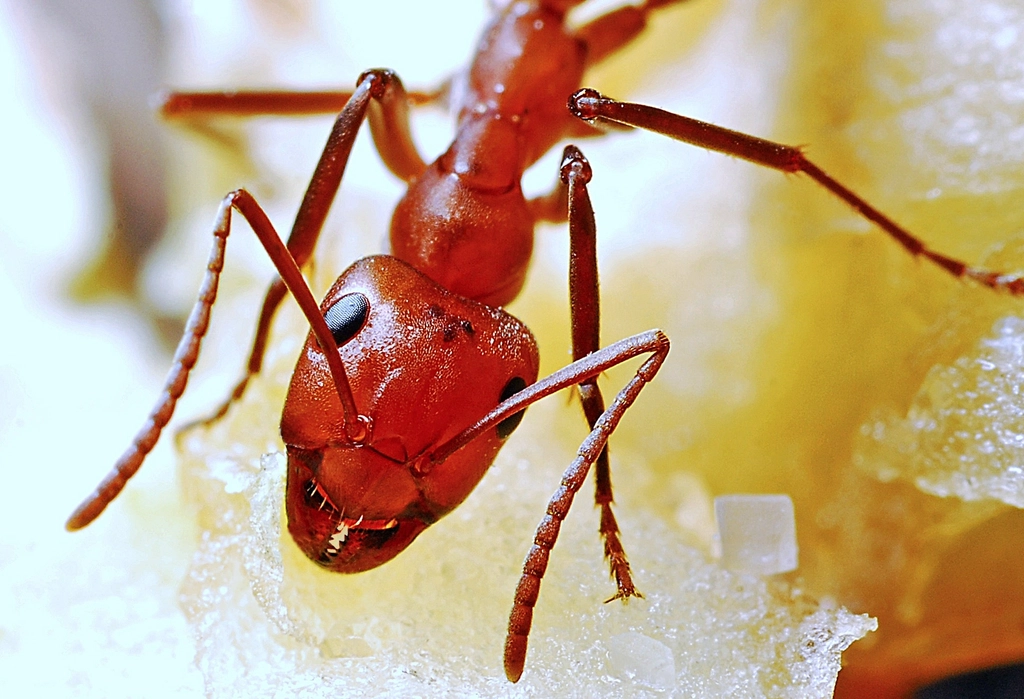
Tiny but ferocious, the red imported fire ant has transformed the landscapes it invades. Native to South America but now found across the southern United States and beyond, these ants build massive mounds and attack anything that disturbs them with painful, venomous stings. Their presence disrupts agriculture, threatens native insects and animals, and even poses risks to people. Fire ants outcompete local species, destroy crops, and can cause electrical failures by nesting in sensitive equipment.
Freshwater Foes: Zebra Mussels and Their Iron Grip
Zebra mussels, originally from Eastern Europe, have become notorious invaders of North American lakes and rivers. These small, striped mollusks attach themselves to any hard surface, from boat hulls to water pipes. Their populations explode, outcompeting native mussels and filtering out plankton, which disrupts food chains. Water intakes clog, infrastructure corrodes, and entire aquatic ecosystems shift. The cost of managing zebra mussel invasions runs into billions of dollars each year, and their ecological footprint keeps expanding.
Forest Invaders: Emerald Ash Borer’s Deadly Toll
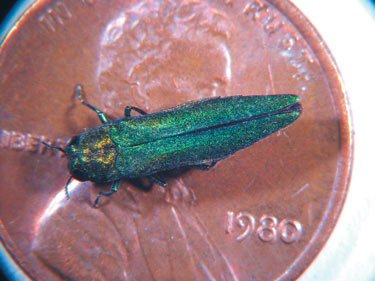
Emerald ash borer, a jewel-green beetle native to Asia, has decimated millions of ash trees across North America since its introduction. Larvae burrow beneath the bark, cutting off vital nutrients and killing trees within a few years. The loss of ash trees affects everything from shade in city parks to biodiversity in forests. Birds, insects, and mammals that rely on ash trees for food and shelter are left vulnerable. The emerald ash borer’s rampage serves as a stark warning of the lasting impact one insect can have on entire forest ecosystems.
Invasive Pathogens: Disease on the Move
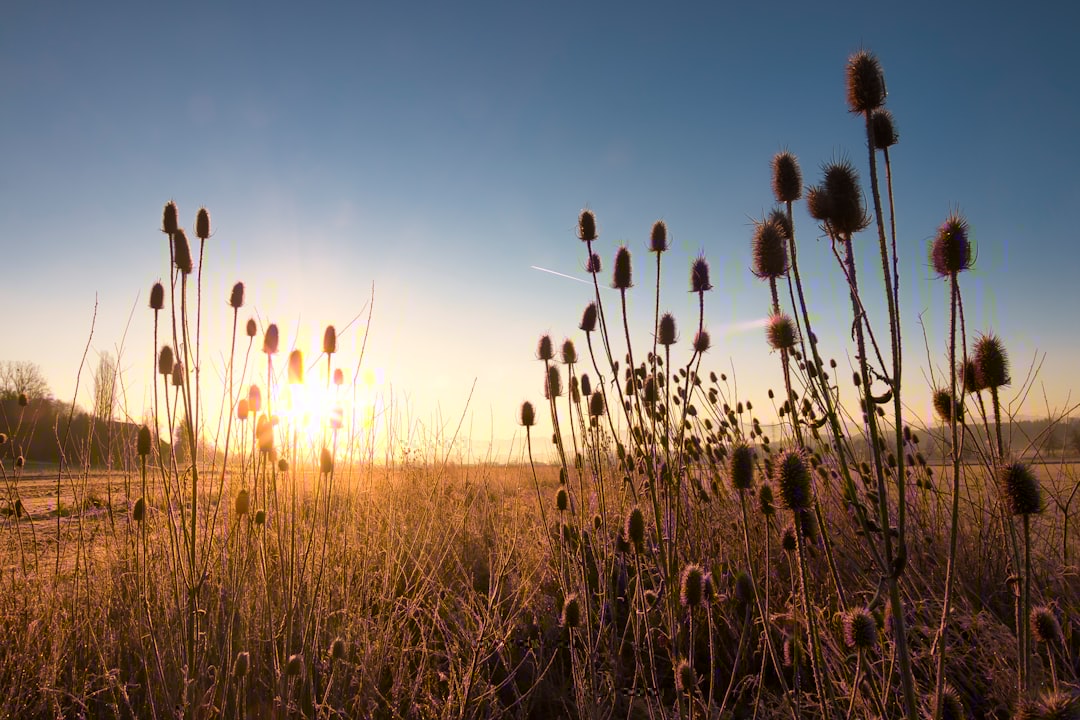
Not all invaders are visible to the naked eye. Invasive pathogens, like the chytrid fungus devastating amphibians worldwide or the fungus behind Dutch elm disease, have silently altered ecosystems. These microbial killers hitch rides on plants, animals, and even in the wind, spreading across continents with ease. Once established, they can wipe out entire species, reduce biodiversity, and shift ecosystem dynamics in unpredictable ways. The emotional toll is profound—losing ancient trees or iconic animals to invisible invaders feels both shocking and heartbreaking.
Economic and Social Ripples of Invasions
The chaos wrought by invasive species isn’t limited to nature. They carry a hefty price tag, costing the global economy hundreds of billions of dollars annually. Farmers battle crop-destroying pests, fisheries collapse under the weight of new predators, and municipalities scramble to repair clogged infrastructure. Even tourism suffers when beloved natural landmarks are overrun or transformed. The emotional and cultural loss, as traditional landscapes vanish, is impossible to quantify. Every community touched by invasives feels the shockwaves in daily life.
Fighting Back: Science, Innovation, and Community Action
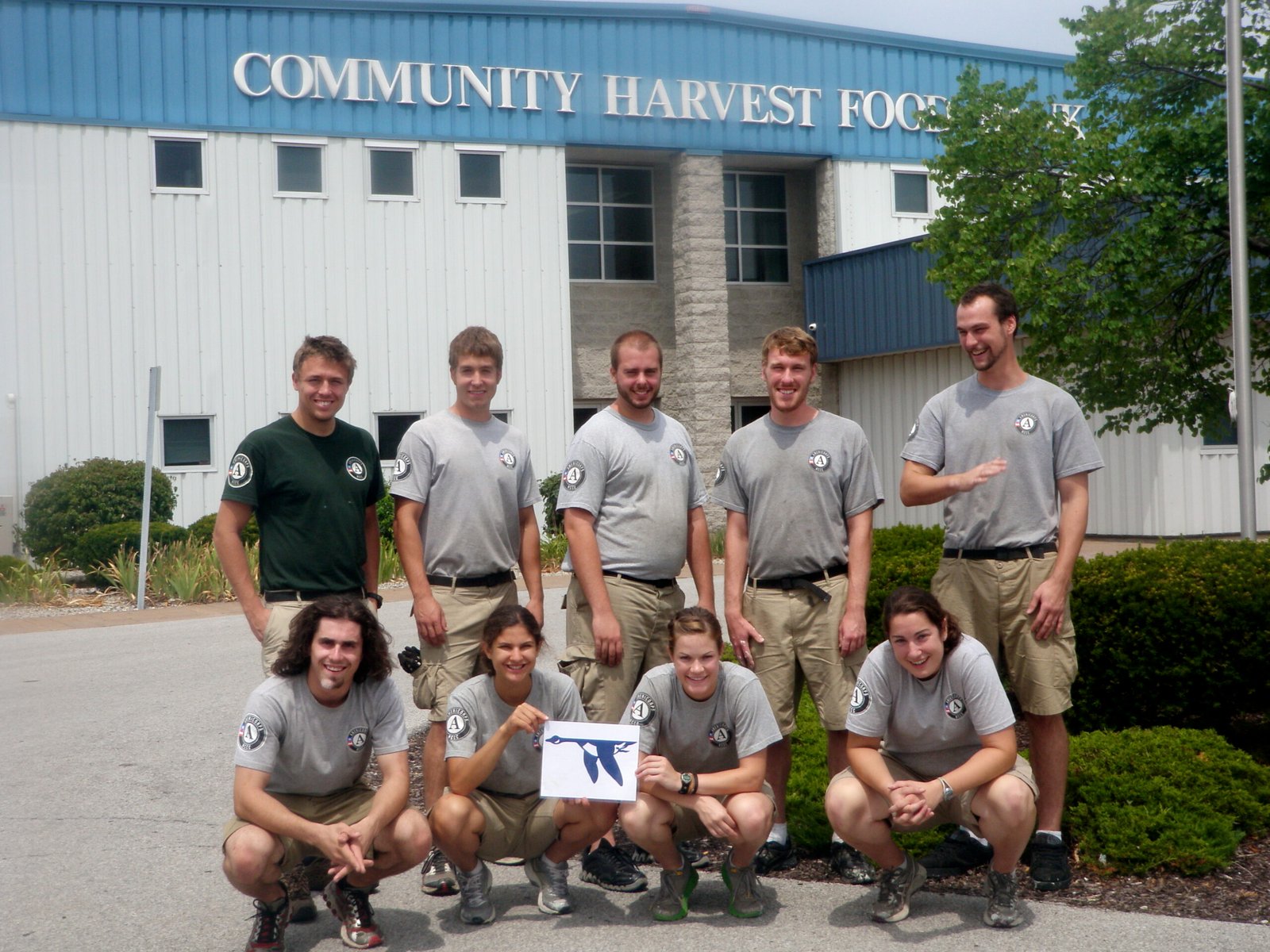
The battle against invasive species is fierce, but not hopeless. Scientists deploy cutting-edge solutions like biological controls, genetic tools, and early detection systems. Communities organize invasive species removal days, and governments enforce stricter biosecurity measures. Education is key—by learning to recognize and report new arrivals, everyone can play a role in protecting local ecosystems. The fight demands global cooperation and relentless vigilance. Every victory, no matter how small, is a testament to resilience and determination.
The Unpredictable Future of Invasive Species
The story of invasive species is still being written. Climate change, global trade, and shifting land use patterns may help new invaders gain a foothold in unexpected places. Scientists warn that we should expect more surprises, both in the species that emerge and the ecosystems most at risk. The challenge is daunting, but so is the collective power of awareness and action. Protecting the balance of our natural world will require courage, empathy, and a willingness to learn from the mistakes of the past. What would you do if the next invader was already lurking in your own backyard?