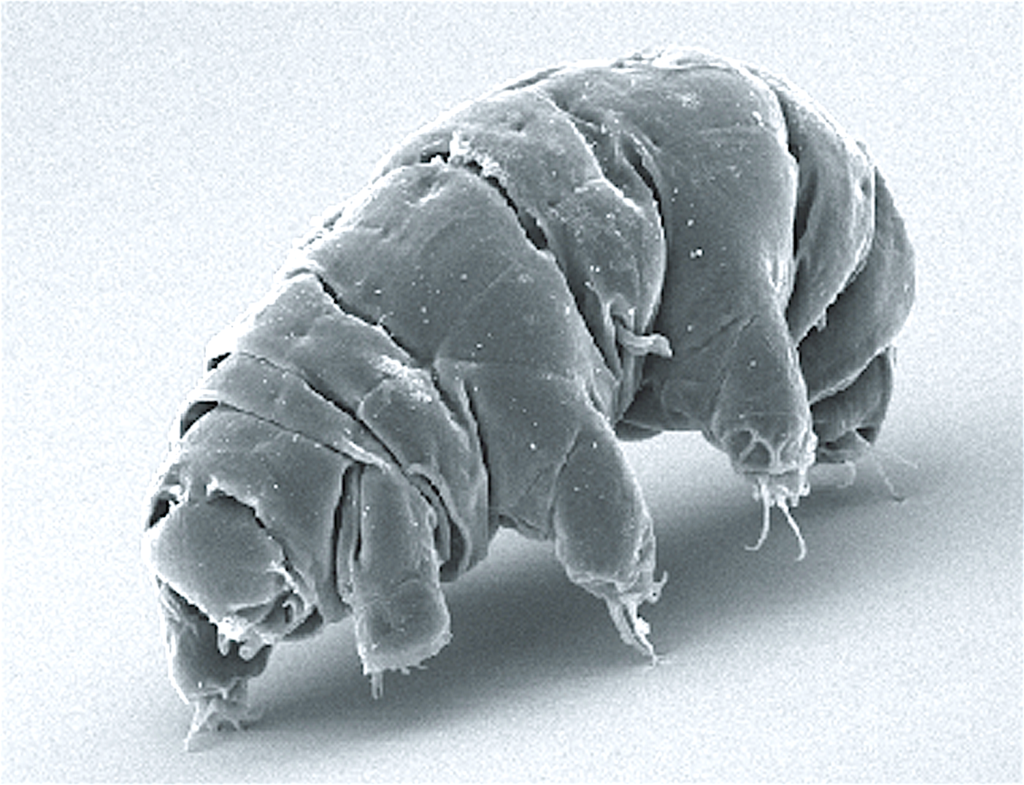
Imagine a tiny, chubby, eight-legged creature so tough it can shrug off the vacuum of space, brutal radiation, and freezing temperatures close to absolute zero. Now imagine NASA sending those creatures into open space for over a year, fully expecting to test one thing, but coming back with a very different, and frankly more unsettling, kind of answer. That is essentially what happened with tardigrades and long-term space exposure: the headline experiment was about survival, but the real story turned out to be what life looks like after such an extreme ordeal.
In the end, yes, tardigrades survived conditions that would shred almost any other known animal. But when scientists started reviving the specimens, they saw subtle but important changes that raised bigger questions about biology, evolution, and even whether complex life could realistically endure deep space journeys. The mission’s original goal was to test durability; what it accidentally illuminated was the cost of that durability, and what that might mean for us if we ever seriously try to send life to other worlds.
What Tardigrades Actually Are (And Why NASA Keeps Throwing Them at Space)
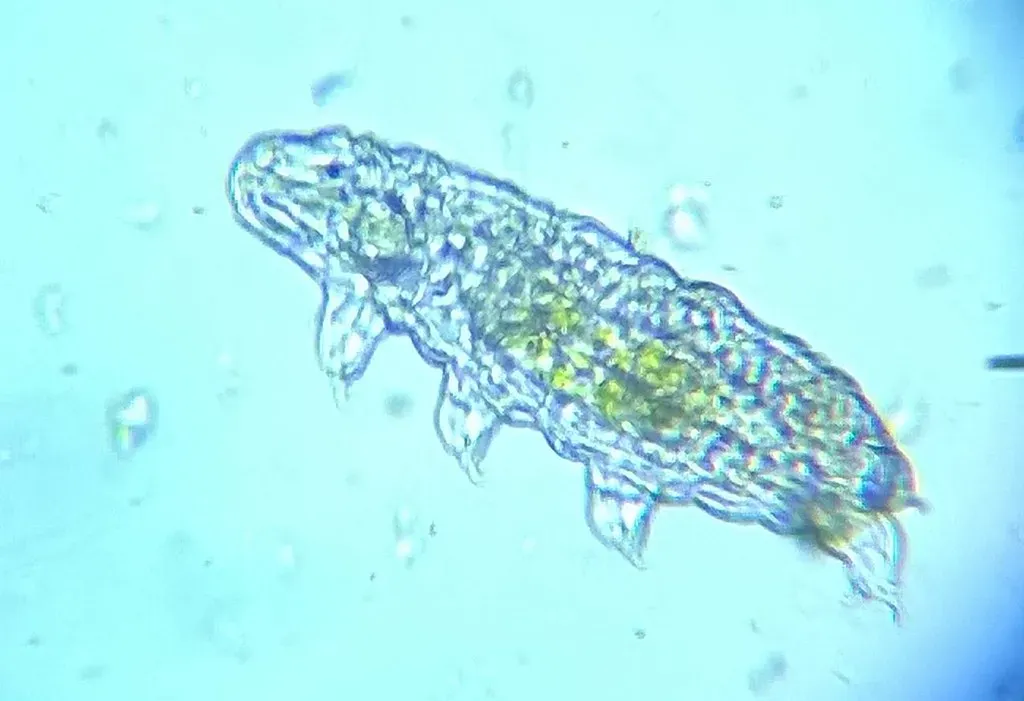
Tardigrades, often nicknamed water bears or moss piglets, are microscopic animals found pretty much everywhere on Earth: in soil, on moss, in deep sea sediments, in glacial ice, even on your rooftop. Under normal conditions, they are surprisingly ordinary: they walk slowly, feed, reproduce, and need water to stay active, just like any other tiny invertebrate. The reason they keep showing up in space research is not that they are alien, but that they are the closest thing we have to biological tanks that still count as complex animals.
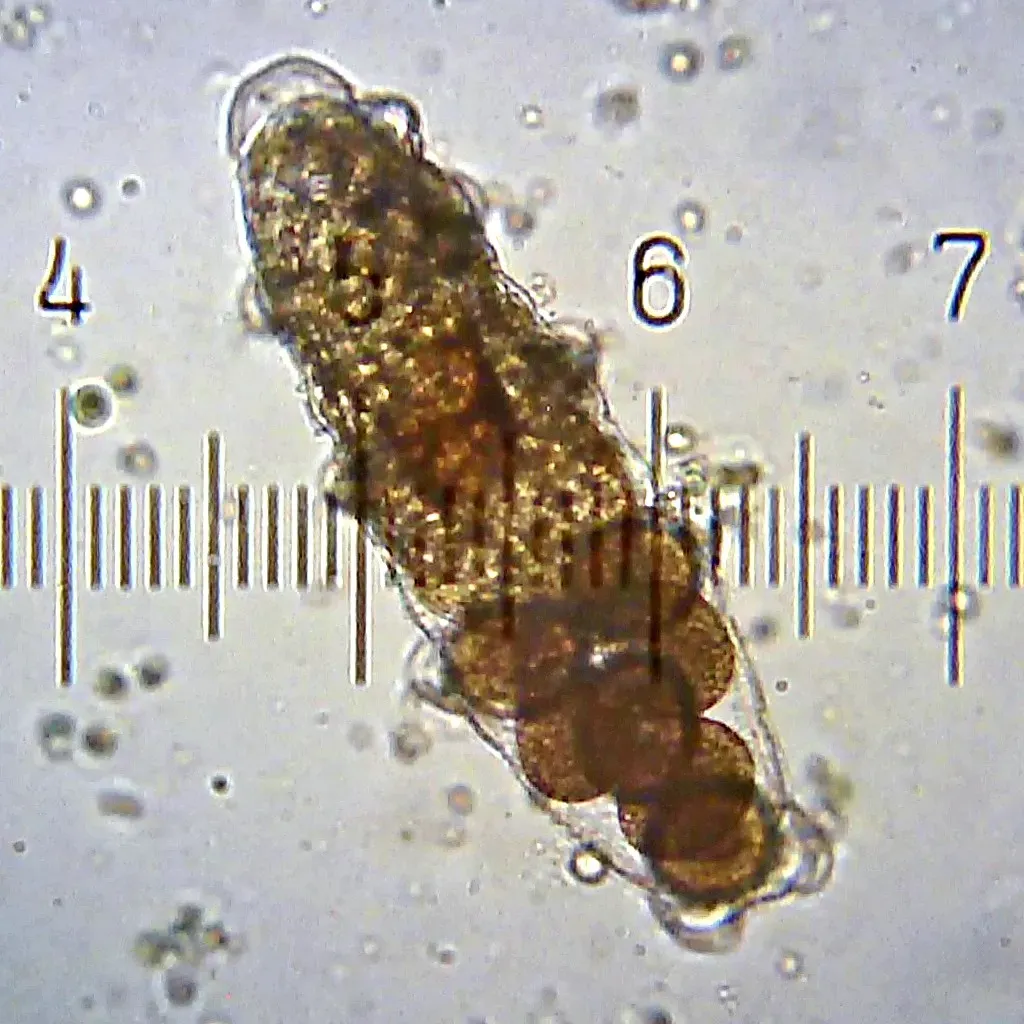
What makes them special is their ability to enter a state called a tun, where they dry out, curl into a tiny ball, and shut their metabolism down to almost nothing. In this suspended state, they can tolerate extremes that active animals cannot: intense radiation, near-complete vacuum, huge temperature swings, and long periods with no water or nutrients. For NASA and other space agencies, tardigrades are like crash-test dummies for life: if these resilient creatures cannot survive or if they come back damaged, that sets a very harsh upper limit on what we should expect for more fragile species, including us.
From Short Space Stints to Over a Year in the Void
Early experiments had already shown that tardigrades could survive short exposures to space, especially in low Earth orbit where they were blasted with radiation and left in vacuum for brief periods. Most of those early tests ran for days or a few weeks, and they were already shocking, because some animals revived and even reproduced after rehydration. That alone forced scientists to rethink how delicate life really is when it is allowed to hit pause on its own metabolism.
But a mission extending exposure to over a year pushed things into new territory. Now researchers were not just asking whether a tiny animal could momentarily endure space; they were pushing toward timescales more relevant to long interplanetary journeys, or even accidental transfer of life on rocks knocked off planets. When you let a living organism sit in open space for more than twelve months, you are stress-testing everything from its DNA repair systems to the stability of its proteins and membranes. That kind of timescale turns survival from a cool curiosity into a serious question about whether life’s fundamental machinery can hold up in space-like conditions over truly long durations.
The Experiment’s Intended Goal: Pure Survival Metrics
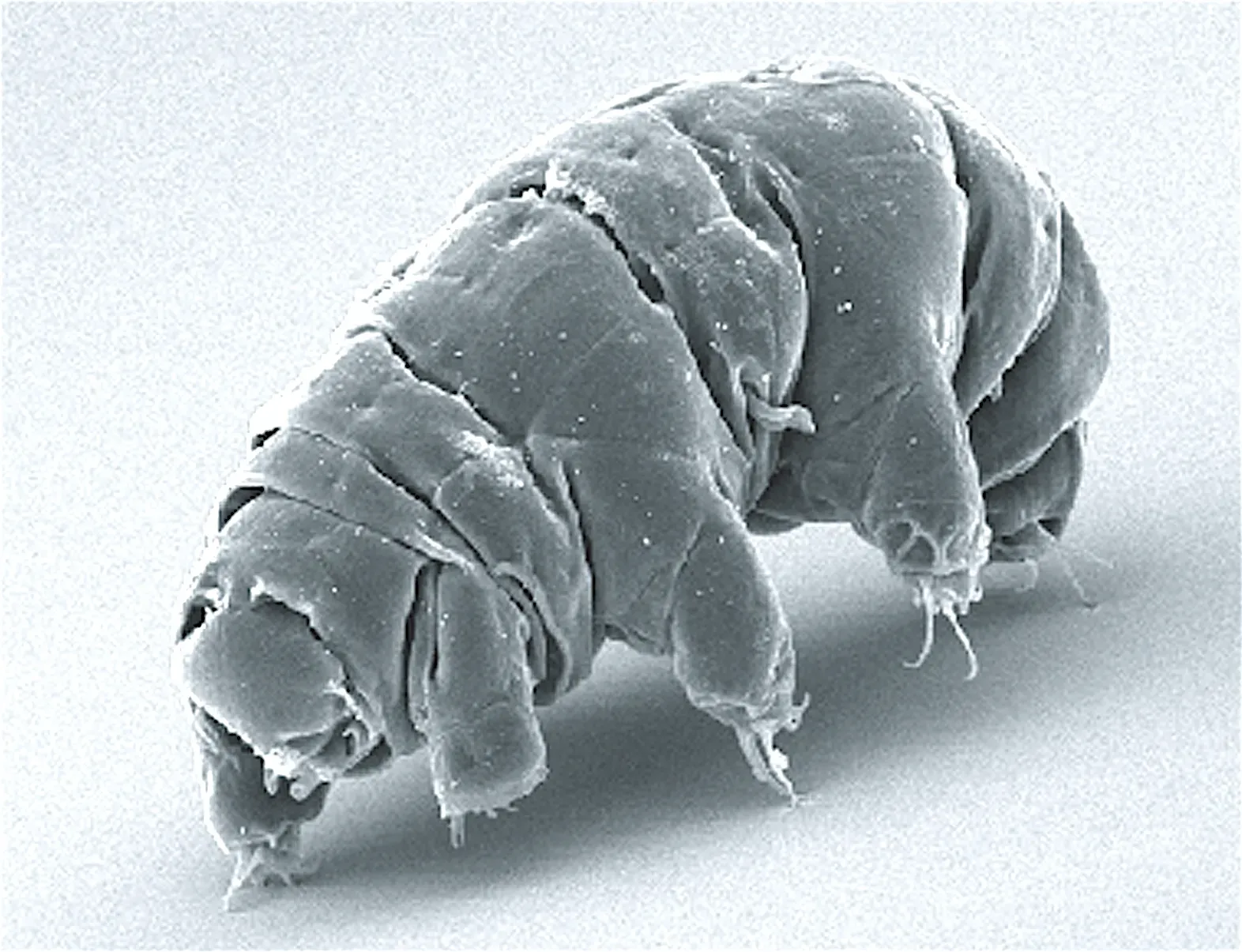
The original mission design was remarkably straightforward at its core: put tardigrades in different protective configurations, expose them to open space for over a year, then bring them back and see how many survive when rehydrated. NASA and collaborating scientists wanted hard numbers about survival rates under varying levels of shielding, radiation intensity, and vacuum exposure. The logic was practical and very engineering-minded: if we know how a known tough organism performs, we can set expectations and safety margins for more sensitive life forms, biological payloads, and even future closed ecosystems.
In other words, the experiment was meant to behave like a stress test for hardware, except the hardware here was living tissue and DNA. Survival curves, dose–response relationships, and thresholds of failure were the expected outputs. The mission was not primarily pitched as a study of subtle developmental changes or long-term generational effects. It was designed around the yes-or-no question: after more than a year in space, do these animals revive and function at all? What came back, however, refused to stay confined to that simple metric.
What Happened When the Tardigrades Were Revived
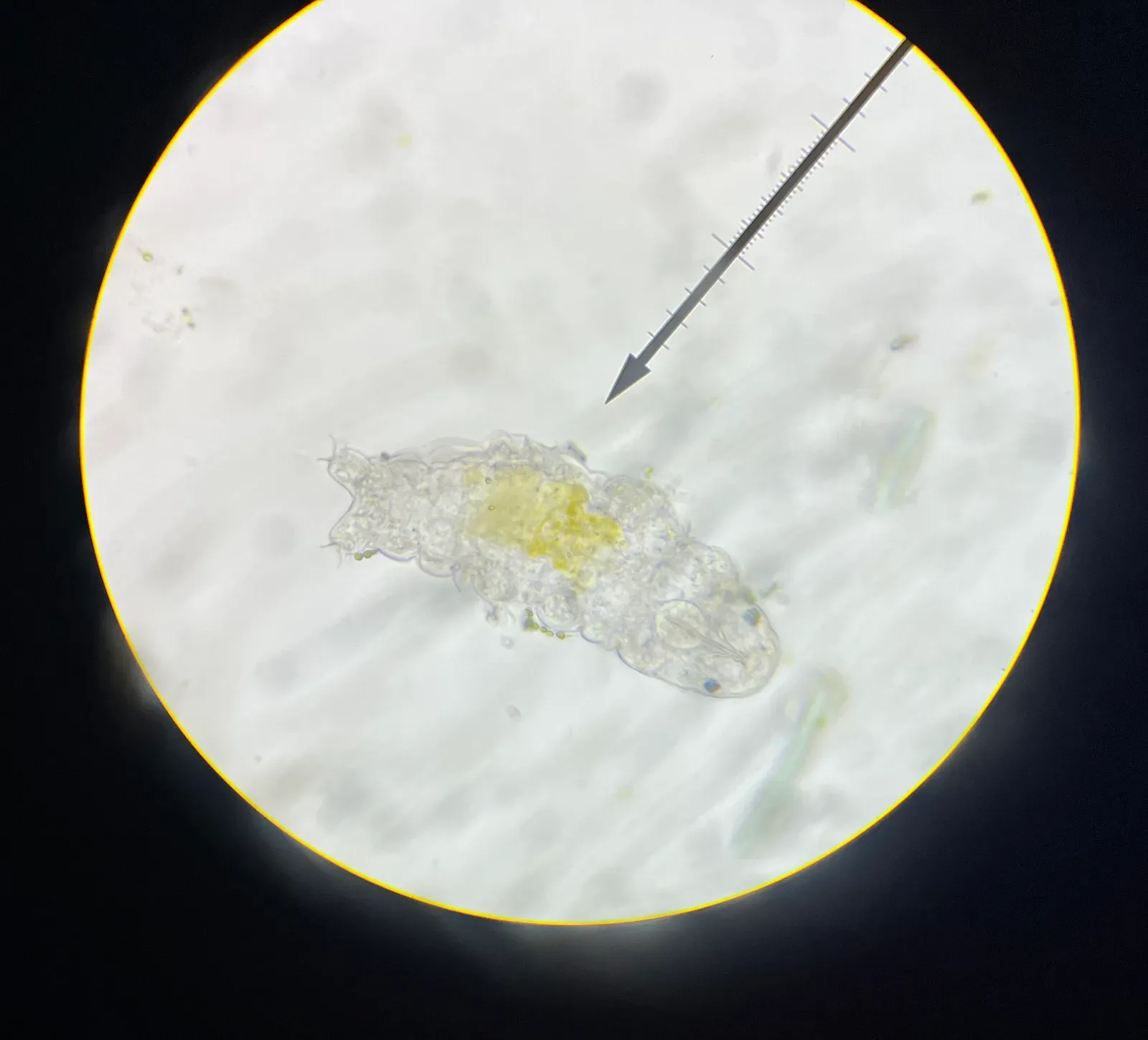
When the specimens were finally brought back to Earth and carefully rehydrated, the headline outcome was as dramatic as you might expect: some tardigrades did indeed revive after more than a year in open space, confirming that their tun state and protective biology are not just impressive on paper but astonishingly robust in practice. Under a microscope, seeing those tiny, seemingly mummified specks swell, unfold, and start crawling around after such a brutal exposure is frankly unsettling. It blurs the line between life and something that feels almost suspended outside time.
But the story did not end at the simple observation that a fraction of them got up and walked again. Researchers began to notice that the revived survivors did not all behave or develop exactly like control animals that had never left Earth. Some showed delayed activation, reduced mobility, or lower reproductive output compared to reference groups. In a few cases, developmental abnormalities and altered life histories hinted that surviving the mission was not the same as coming back unscathed. Survival, it turned out, was only the first, most obvious layer of what space had done to them.
The Unexpected Findings: Subtle Damage, Altered Life Histories, and Hidden Costs
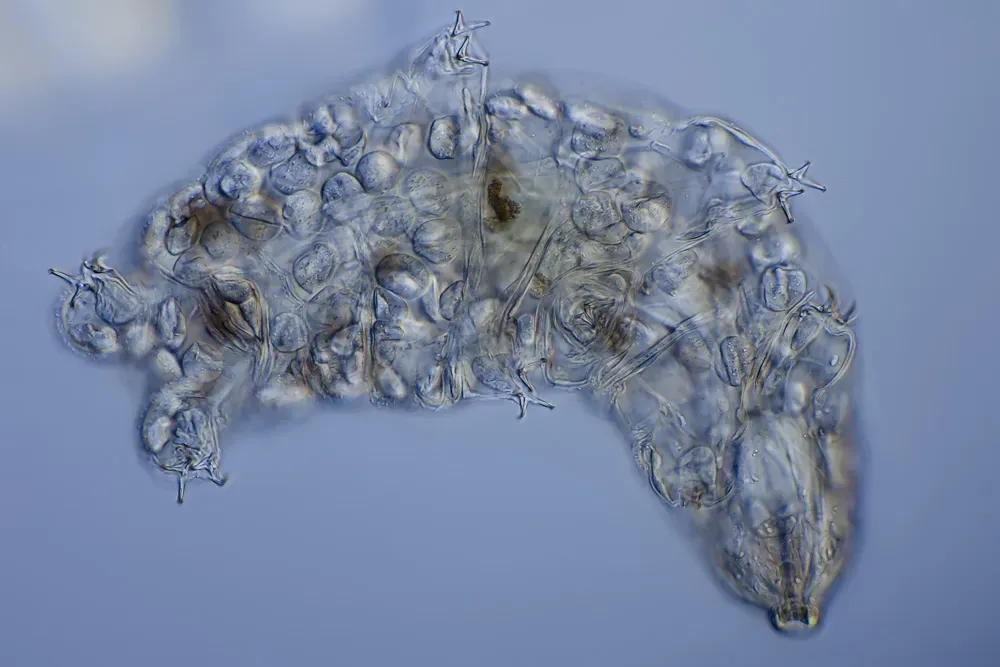
The mission had been framed around survival percentages, but the more unsettling and scientifically rich result was the quiet accumulation of damage at the microscopic and generational level. DNA, even when wrapped in protective molecules and proteins, had faced relentless cosmic and solar radiation for over a year, and while tardigrades are armed with remarkable repair mechanisms, those systems are not magic. Some revived animals carried genetic or cellular damage that manifested as reduced fertility, odd development, or lowered long-term resilience compared to their ground-based cousins.
Instead of a simple story where these animals were declared essentially invincible, the data pointed toward a more nuanced and frankly more interesting reality: tardigrades can take an extraordinary beating and get back up, but they pay a price. When scientists track subsequent generations, they sometimes see altered patterns that reflect that hidden cost, like echoes of space still rippling through lineages that never left Earth. The true surprise was not that some survived, but that survival came bundled with quiet, lingering compromises that the mission had not originally set out to quantify.
What This Means for Human Deep Space Travel and Planetary Protection
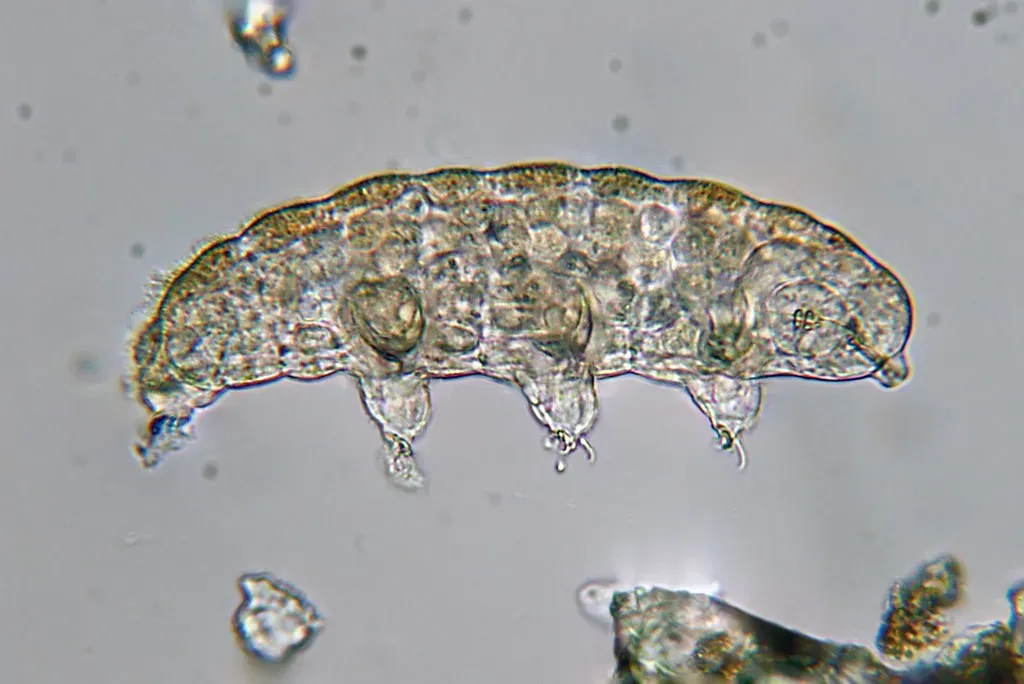
For anyone dreaming about human missions to Mars or beyond, these tardigrade results offer both hope and a warning. On the optimistic side, they show that complex multicellular life can, in principle, endure long stretches in extremely hostile conditions, especially if shielded and put into some kind of low-activity state. That suggests that with clever engineering, protective shielding, and carefully managed habitats, we might be able to keep our own biology within manageable risk ranges even during multi-year journeys.
The warning, however, is that just because life emerges on the other side of a journey does not mean it emerges unchanged or undamaged. If a hyper-resilient animal like a tardigrade picks up subtle but significant genetic and physiological scars after a year of exposure, what happens to human embryos, long-term fertility, or multi-decade health trajectories for crews living under chronic radiation? On top of that, these experiments force us to take planetary protection more seriously: if tiny animals and their dormant forms can ride through harsh space and still revive, the possibility of accidentally contaminating other worlds, or Earth itself, becomes much harder to dismiss as purely theoretical.
The Bigger Question: Could Life Spread Between Worlds This Way?
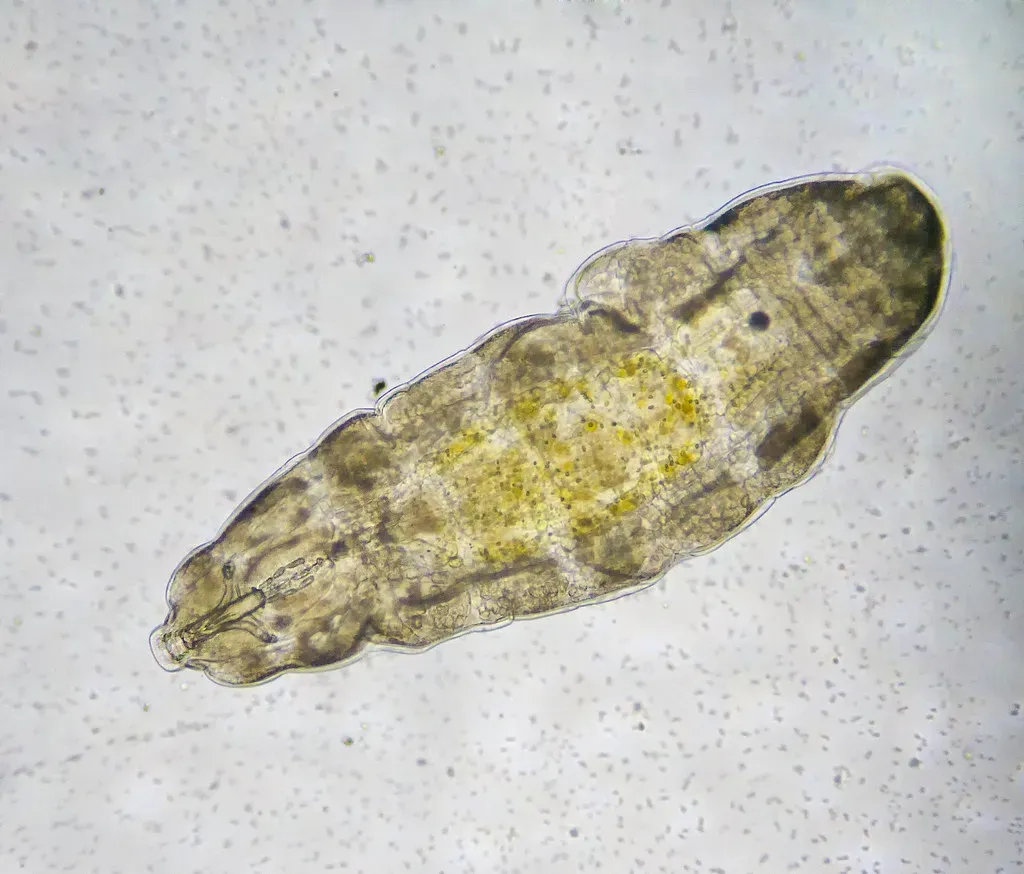
The idea that life might hop between planets, riding inside rocks or protected within microscopic survivors, has long been debated under the name panspermia. Tardigrades surviving over a year in open space does not prove that life routinely travels this way, but it does remove one of the easiest objections: that space is simply too harsh for anything living to endure for meaningful lengths of time. If these tiny creatures can handle a year in a highly exposed scenario, one has to ask what might be possible with partial shielding inside a rock, comet, or thick layer of dust.
Still, it is important not to overreach. Surviving a year in low Earth orbit is not the same as surviving millions of years drifting between stars or even the rougher radiation environments around other planets. The data from these tardigrade missions support a cautious view: interplanetary or interstellar transfer of life is not impossible in principle, but it likely requires rare, specific conditions and would probably winnow down life forms to only the most extreme survivors, often carrying heavy genetic baggage. Personally, I find that more intriguing than a simple yes-or-no answer; it paints a picture of a universe where life can be stubborn but also deeply shaped and scarred by the journeys it undertakes.
Conclusion: Survival Is Not the Whole Story
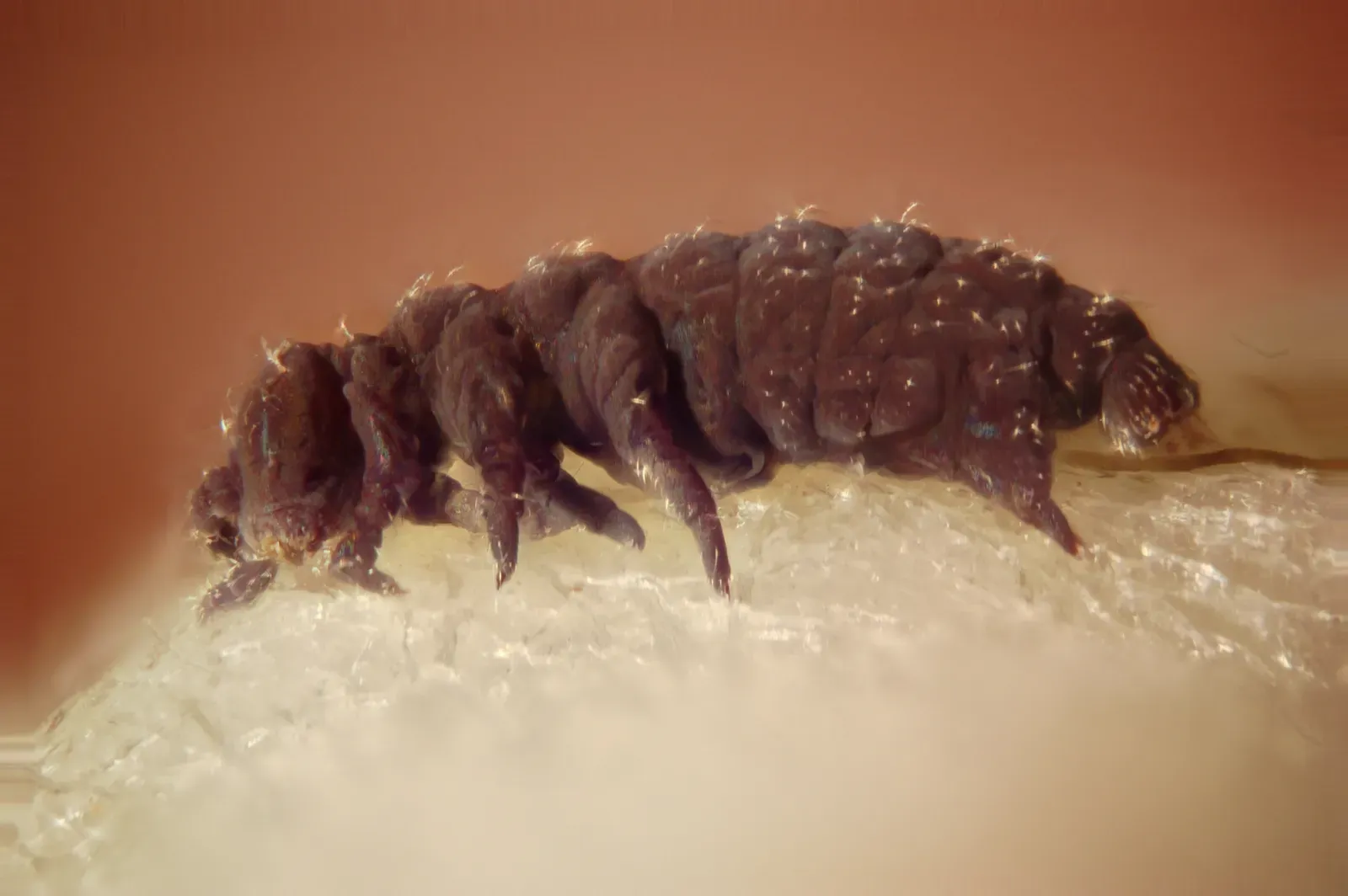
For me, the most striking lesson from NASA’s long-duration tardigrade experiments is that the headline question was almost too simple. Asking whether tardigrades could survive over a year in open space gave us a dramatic yes, but the more meaningful insight came from looking at what kind of life staggers back from that ordeal. The revived specimens showed us that endurance can coexist with quiet damage, hidden trade-offs, and long-term shifts that we are only beginning to understand. That is a profoundly humbling message if we are planning to haul human bodies, ecosystems, and maybe even future generations across the solar system.
In my view, we should stop talking about whether life can survive space as if it is a binary question and start asking what survival actually costs, biologically and ethically. Tardigrades surviving open space for over a year are not a simple success story; they are a warning label printed in microscopic form, reminding us that space does not let you pass through for free. As we plan ambitious missions and dream about seeding or protecting life on other worlds, we would be wise to remember these tiny animals that came back changed. When you picture our future in deep space, do you imagine sheer survival, or something healthier and more whole than that?