

Imagine waking up each morning to a world that your brain constructed while you slept. Every sight, sound, and sensation you experience is filtered through a three-pound organ that somehow transforms electrical signals into the rich tapestry we call consciousness. Scientists today stand on the brink of revolutionary discoveries about how your brain creates the very reality you inhabit.
Each conscious person has a sense of “being me,” which invariably gives rise to the question of where that sense originated – from within or outside the body. How do human brains give rise to this experience? That’s the big mystery, right? This fundamental question drives researchers worldwide to explore the deepest secrets of human consciousness. Let’s dive in to discover what modern science reveals about this ultimate mystery.
The Hidden Architecture of Conscious Experience
Your brain operates as a sophisticated prediction machine, constantly crafting your perception of reality milliseconds before you’re even aware of it. Perceptive information reaches our brain milliseconds before the conscious executive can experience them. This means the “present” moment you’re experiencing right now actually happened in the past.
By studying brain scans of awake people, those under anaesthesia, and patients with disorders of consciousness, scientists found that losing consciousness reduces information integration and diversity in brain networks. This indicates that the brain’s ability to connect and process information is significantly compromised when consciousness is lost. Essentially, consciousness emerges from your brain’s remarkable ability to weave together disparate pieces of information into a unified experience.
The neural architecture supporting this phenomenon spans multiple brain regions working in concert. Conscious perception is believed to require more sustained, reverberatory neural activity, most likely via global feedback from frontal regions of neocortex back to sensory cortical areas that builds up over time until it exceeds a critical threshold. At this point, the sustained neural activity rapidly propagates to parietal, prefrontal and anterior cingulate cortical regions, thalamus, claustrum and related structures that support short-term memory, multi-modality integration, planning, speech, and other processes intimately related to consciousness.
Reality Construction: Your Brain’s Greatest Magic Trick
What you perceive as solid reality is actually your brain’s best guess about what’s happening in the world around you. Memory is not merely a passive record of past events; it plays a dynamic role in shaping our present experience and perception of reality. Our memories influence how we interpret the world around us, how we respond to stimuli, and how we navigate social interactions. Your brain constantly draws upon past experiences to fill in gaps and make sense of incomplete information.
People intuit that the mind, consciousness included, is really separate from the physical. However, modern neuroscience reveals this separation to be an illusion itself. Your sense of experiencing a unified, continuous reality emerges from complex neural processes that operate largely below the threshold of awareness.
The brain does not store memories as static images or recordings; instead, memories are reconstructed during retrieval, influenced by various factors such as emotional state, external context, and personal biases. The dynamic nature of memory means that our past experiences are constantly being reinterpreted and integrated into our present perception of the world. This interplay between memory and perception is central to understanding human consciousness and how we experience reality.
The Illusion Factory: How Your Brain Tricks Itself

Optical illusions reveal the active construction process behind perception, demonstrating that your brain doesn’t simply record reality like a camera. Illusions are conflicts between perception and cognition, where what we see does not agree with what we believe we should see. This mismatch can be either because cognition has misunderstood how perception works or because perception has misjudged the visual input.
Illusions are fundamental to the way that we perceive the world – the way that, frankly, we exist as human beings. Illusions are a feature and not a bug. These fascinating phenomena occur because your brain prioritizes speed and efficiency over accuracy. It makes rapid decisions based on limited information, filling in details based on expectations and prior experience.
The brain then injects previously learned knowledge and context with top-down processing. Optical illusions skillfully exploit both of these processes. A classic example is the Checker Shadow illusion, where two squares of the same colour appear radically different due to the context supplied by surrounding shadows. One of the best demonstrations of how context strongly influences what we perceive as reality. Your perceptual system trades perfect accuracy for rapid interpretation, creating the rich but sometimes deceptive experience of consciousness.
Neural Networks: The Web of Consciousness
Recent research hypothesizes that there is a neural network of consciousness in which the paraventricular nucleus formally serves as the control nucleus of arousal, which is closely related to the maintenance of consciousness, and the neurons in the posterior cerebral cortex. This intricate network operates like a symphony orchestra, with different brain regions playing specialized roles while maintaining perfect coordination.
The substrate for the generation of consciousness is a neural network that unites various types of neurons located in various brain structures. Many neuroscientists attach a key role in this process to the cortical and thalamocortical neural networks. Think of consciousness as emerging from the dynamic interactions between billions of neurons rather than residing in any single brain location.
Competition prevents more than one or a very small number of percepts to be simultaneously and actively represented. This is the core hypothesis of the global workspace theory of consciousness. Your conscious experience at any moment represents the winner of an ongoing neural competition, where different perceptions and thoughts vie for access to your awareness.
Memory: The Foundation of Self
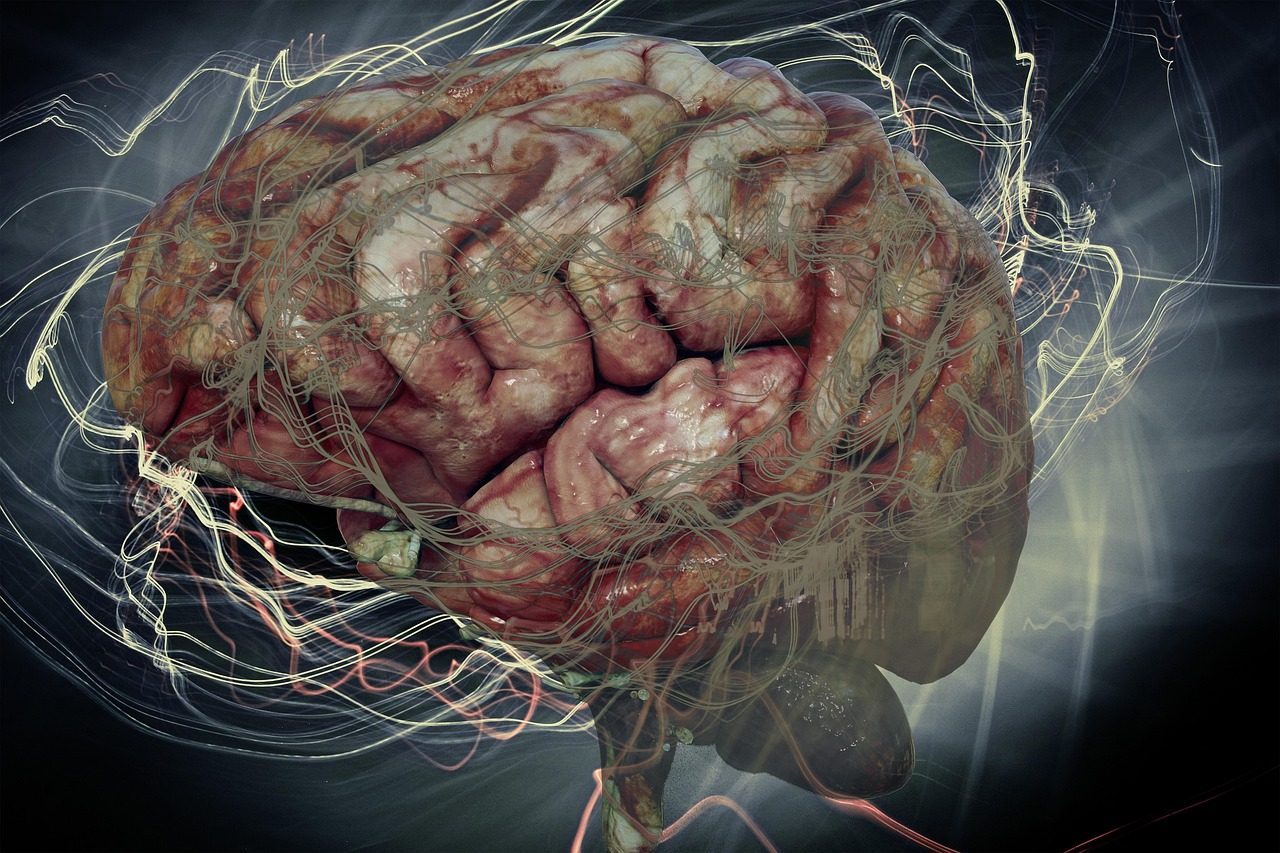
Your memories don’t just record the past – they actively shape your present consciousness and sense of self. The persistent modification of neuronal connections via long-term potentiation (LTP) and long-term depression (LTD) is deemed the primary mechanism of memory formation. However, memory formation involves far more complex processes than simple neural rewiring.
Research on the Tripartite Mechanism of Memory delves into the collaborative roles of neurons, the neural extracellular matrix, trace metals, and neurotransmitters in memory formation, storage, and retrieval. Scientists discovered that certain metals binding within the matrix can alter its structure, forming complexes that serve as the fundamental units of memory. These metal complexes have the ability to interact with neurotransmitters, resulting in the formation of emotional memory units.
Emotional memory can also distort our perception of reality. Traumatic memories, for instance, may be remembered with intense emotional salience, leading to altered perceptions of safety, trust, and social interactions. Your emotional memories don’t just influence what you remember – they fundamentally shape how you perceive and interact with the world around you.
The Quantum Connection: Consciousness at the Deepest Level
Some researchers propose that consciousness might emerge from quantum mechanical processes within the brain. Conscious memory processes in the brain should differ from unconscious processes by the presence of the typical characteristics of many-body quantum systems, most notably the formation of transiently stable attractors exhibiting long-range coherence. This suggests consciousness might operate at the fundamental level of reality itself.
There is ample evidence that second-order phase transitions play a significant role in these processes, which manifests itself in the occurrence of scale-free neuronal avalanches where immense numbers of neurons shift simultaneously and abruptly between attractors. The transition between two consecutive attractors, which are ordered states exhibiting long-range coherence, is indicated by a short period of disorder. According to the conceptual framework, the whole transition process goes along with a reorganization of the field in such a way that the formation of an attractor leaves a characteristic fingerprint in this omnipresent background field.
While quantum theories of consciousness remain controversial, they offer intriguing possibilities for understanding how subjective experience might emerge from physical processes. These theories suggest that consciousness might be a fundamental property of the universe rather than something that emerges solely from complex neural computation.
The Hard Problem: Bridging Mind and Matter
The philosopher David Chalmers maintains that a neural correlate of consciousness, unlike other correlates such as for memory, will fail to offer a satisfactory explanation of the phenomenon; he calls this the hard problem of consciousness. Despite tremendous advances in neuroscience, explaining why we have subjective experiences at all remains one of science’s greatest challenges.
To date, no scientific theory has provided a definitive explanation of psychological phenomena like consciousness. This challenge stems from a fundamental distinction between consciousness research and other scientific inquiries: unlike observable natural phenomena, consciousness cannot be studied directly through empirical observation alone. As an integral part of our cognitive experience, consciousness inevitably influences researchers, making it difficult to maintain the detachment of an objective observer.
Despite all that’s been learned about brain function and the bodily processes it governs, we still don’t understand where the subjective experiences associated with brain functions originate. The mystery lies not just in understanding what consciousness does, but in explaining why there’s something it feels like to be conscious at all.
Future Frontiers: Technology and Enhanced Understanding
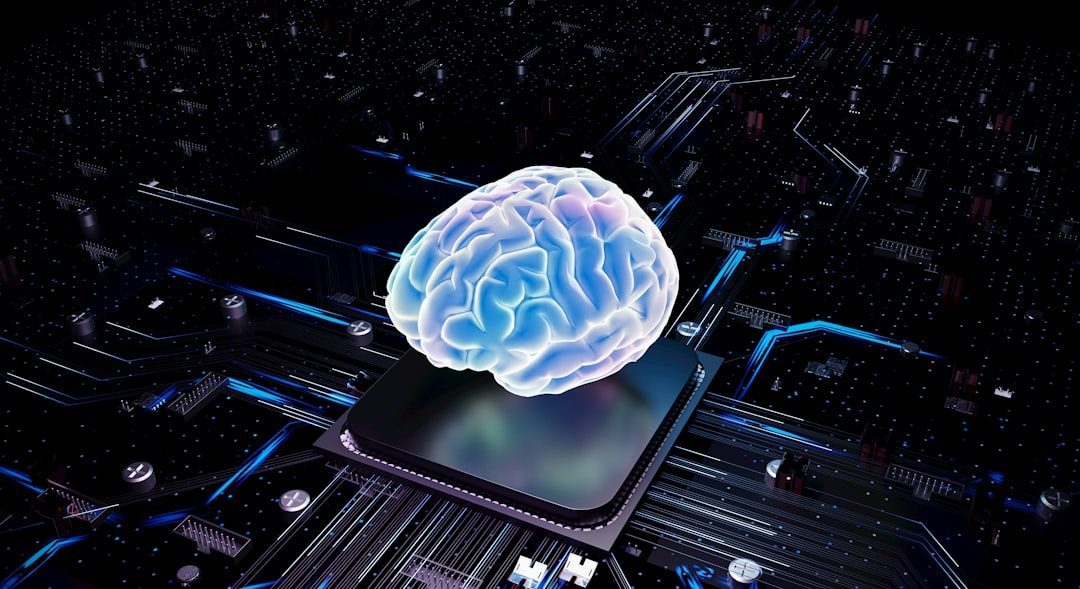
BCI technology originated in medicine and bioengineering, primarily serving as a tool for treatment and motor rehabilitation. Its applications include assisting individuals with motor impairments, replacing damaged biological structures with technologies such as brain-controlled robotic arms and wheelchairs. Notable cases have demonstrated patients with paralysis successfully using BCI technology to control robotic arms and perform complex tasks. This marked the beginning of a technologically enhanced lifestyle where intelligent devices operate under the direct control of human consciousness.
Future breakthroughs are likely to result from the following: increasing attention to the development of testable theories; adversarial and interdisciplinary collaborations; large-scale, multi-laboratory studies; new research methods including computational neurophenomenology, novel ways to track the content of perception, and causal interventions; and naturalistic experimental designs potentially using technologies such as extended reality or wearable brain imaging.
These technological advances promise to unlock new insights into consciousness while raising profound ethical questions about the nature of mind and identity. As we develop the ability to interface directly with consciousness, we must grapple with fundamental questions about what it means to be human.
The Paradox of Self-Awareness
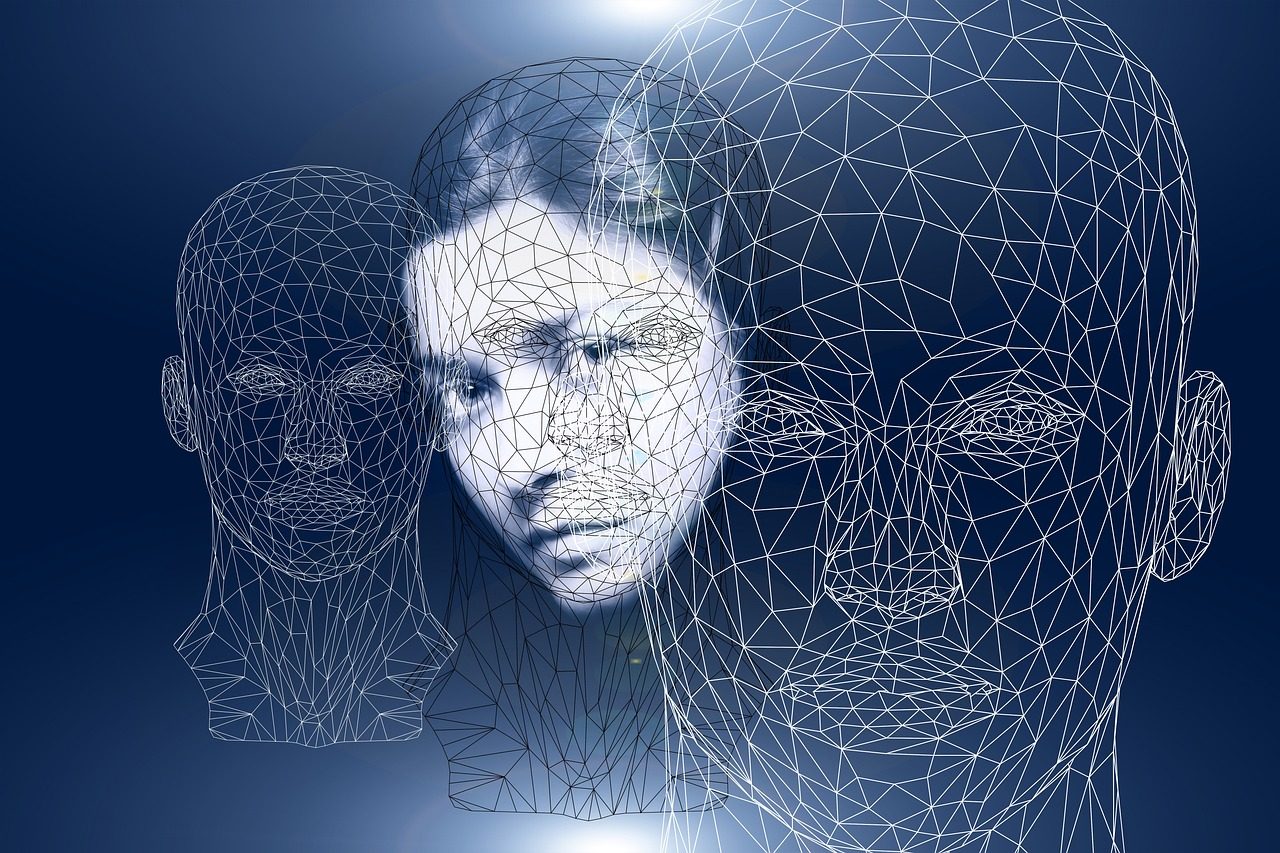
Perhaps the most remarkable aspect of consciousness is its ability to contemplate itself. Your brain has evolved the extraordinary capacity to study its own nature, creating a feedback loop of self-reflection that defines human experience. Consciousness research may benefit from a stronger focus on the phenomenological, experiential aspects of conscious experiences. Solving consciousness – even partially – will have profound implications across science, medicine, animal welfare, law, and technology development, reshaping how we see ourselves and our relationships to both AI and the natural world.
This self-referential nature of consciousness creates unique challenges for scientific study. You’re simultaneously the observer and the observed, the experimenter and the experiment. If people change their mind in this way, it can’t possibly be that in reality consciousness has changed. It must be that there is something within the human psyche that colors how we see consciousness.
The paradox deepens when you consider that your conscious experience might be fundamentally different from what you think it is. Your brain creates not just reality, but your sense of experiencing that reality – including your sense of being a unified self observing the world.
Conclusion: The Endless Mystery
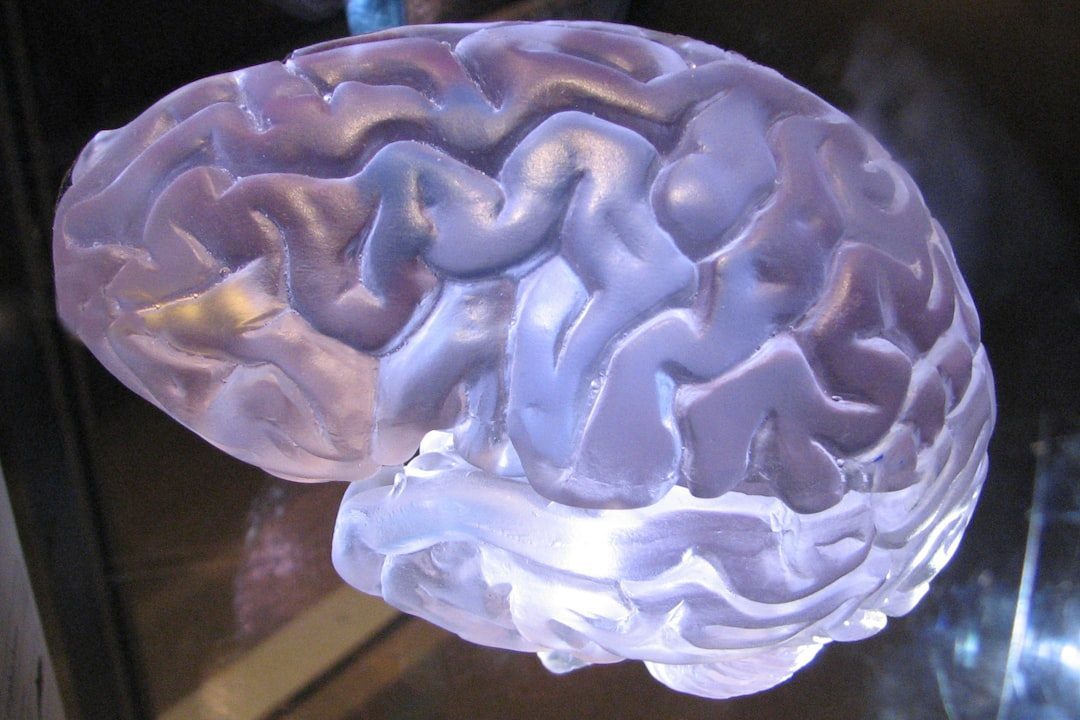
The study of consciousness represents humanity’s boldest attempt to understand itself from within. Every discovery reveals new layers of complexity, suggesting that the mystery of consciousness might be as infinite as consciousness itself. Your brain doesn’t simply contain consciousness – it actively creates it moment by moment through processes we’re only beginning to understand.
As we stand at the threshold of revolutionary breakthroughs in neuroscience and artificial intelligence, the ancient questions about mind and reality take on new urgency. Understanding consciousness isn’t just an academic pursuit – it will fundamentally reshape medicine, technology, and our understanding of what it means to be human.
The next time you wake up and experience that familiar sense of “being you,” remember that you’re witnessing the universe’s most extraordinary achievement: matter becoming aware of itself. What do you think about this incredible phenomenon happening inside your own head right now? Tell us in the comments.


