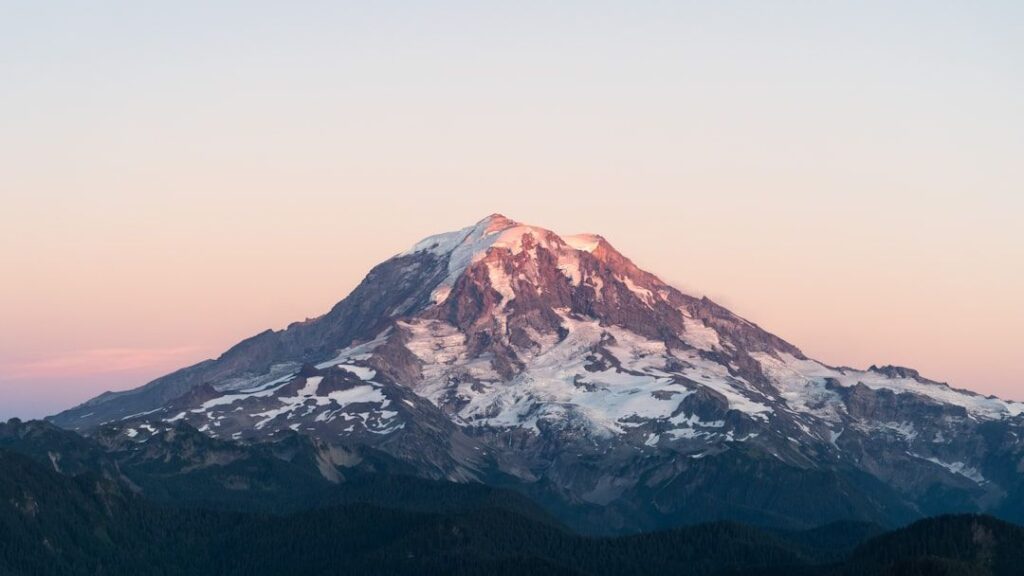
If you live in the Pacific Northwest, it is unsettling to hear that Mount Rainier’s seismic behavior has shifted after decades of relative calm. For a long time, the volcano has quietly rumbled at a predictable, low-level pace in the background of daily life, more a postcard backdrop than an active threat in most people’s minds. Now, scientists are picking up a different kind of chatter beneath the mountain, and that change alone is enough to snap a lot of folks to attention.
That does not mean an eruption is imminent, and it does not mean disaster is around the corner. It does mean, however, that the volcano’s internal plumbing is doing something new, or at least something we have not seen in several decades of modern monitoring. In a region that has seen its share of geologic surprises, a shift like this becomes front-page news for geologists and emergency planners. The real story is less about panic and more about preparation, technology, and how seriously the United States Geological Survey (USGS) takes any hint that Rainier is changing its tune.
Why A “Pattern Change” At Mount Rainier Grabs Scientists’ Attention
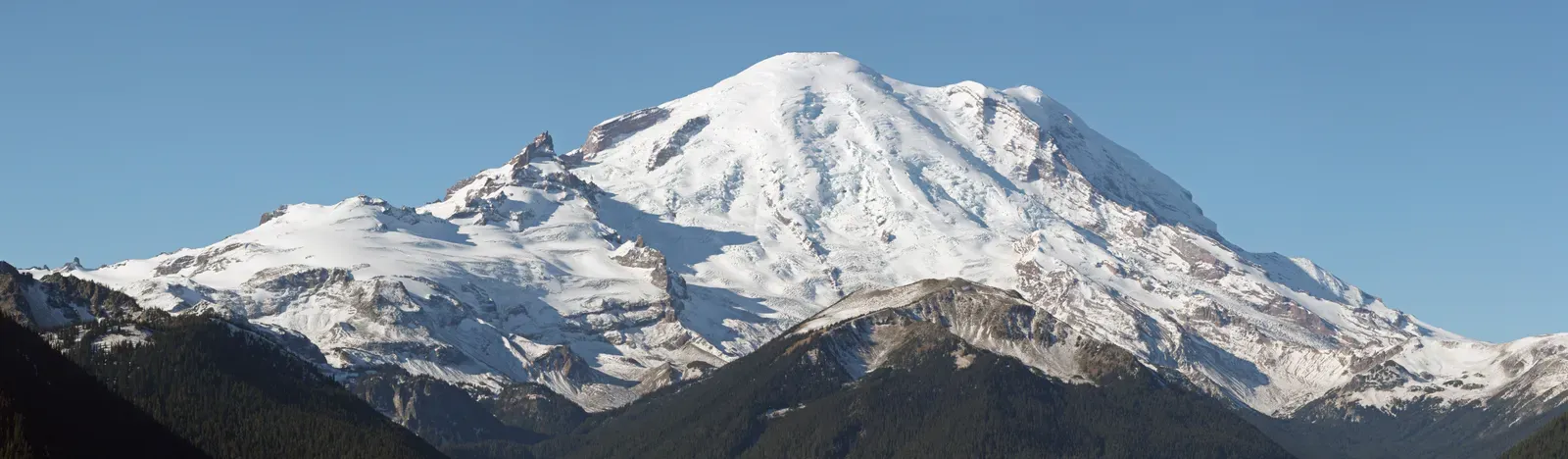
One of the most surprising facts about volcano monitoring is that stability itself becomes a kind of baseline fingerprint. For roughly about four decades, Mount Rainier’s seismicity has followed a fairly modest, background pattern: scattered small earthquakes, mostly deep and weak, with only occasional, short-lived flurries. When that background suddenly shifts in frequency, depth, or character, experts treat it the way a doctor treats a new heart murmur in a long-time patient. It is not proof of a crisis, but it absolutely demands a closer look.
What has people talking is not one single giant earthquake or a dramatic swarm that shakes cities. Instead, it is the more subtle change in how often tiny quakes are occurring, where they are clustering, and how their waveforms look compared to the past. Seismologists care deeply about those patterns because they can reflect changes in fluid movement, pressure, or cracking within the volcano’s edifice. After decades of relatively consistent data, a statistically meaningful shift stands out like a bright red line on a previously flat graph.
How 24/7 USGS Monitoring Actually Works Beneath The Snow And Ice
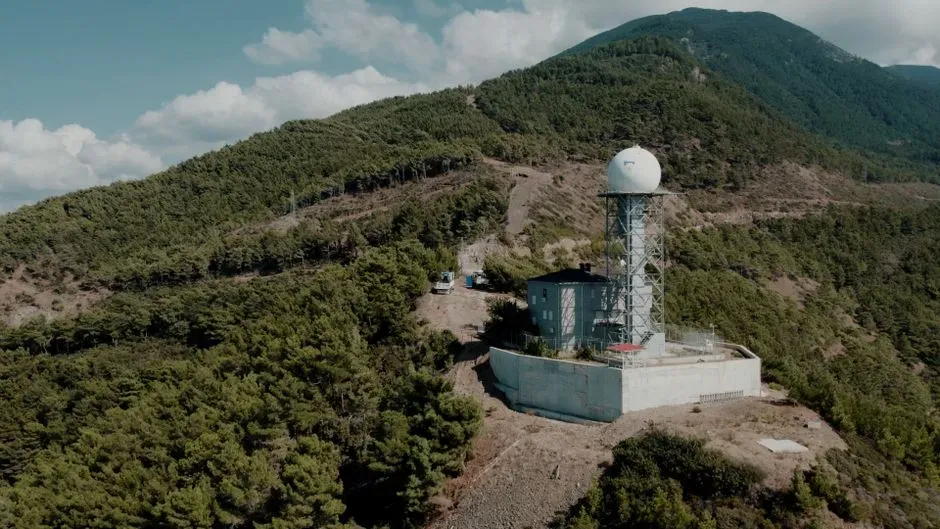
When people hear that USGS is watching Mount Rainier “around the clock,” they sometimes imagine a scientist staring at a blinking screen in a dark control room like a movie scene. In reality, most of the work is done by a sprawling, high-tech monitoring network and automated systems that feed into regional observatories. Rainier bristles with seismometers, GPS instruments, and other sensors that quietly record every tiny twitch of the ground and every small change in the volcano’s shape. Those streams of data are transmitted in near real time to the Cascades Volcano Observatory and partner centers.
Software constantly scans those data for unusual patterns and sends alerts when something departs from the norm, whether that is a bump in earthquake rates or a subtle change in ground deformation. Human experts then dig in, cross-check the signals, and compare them against decades of archived records. Taken together, it is like having a full-time medical team constantly checking the volcano’s pulse, blood pressure, and breathing. That is the key reason scientists are comfortable saying they would expect to see clear warning signs before any major unrest, even if the mountain has just done something new.
From Background Buzz To New Rhythm: What “Changed Seismic Pattern” Really Means
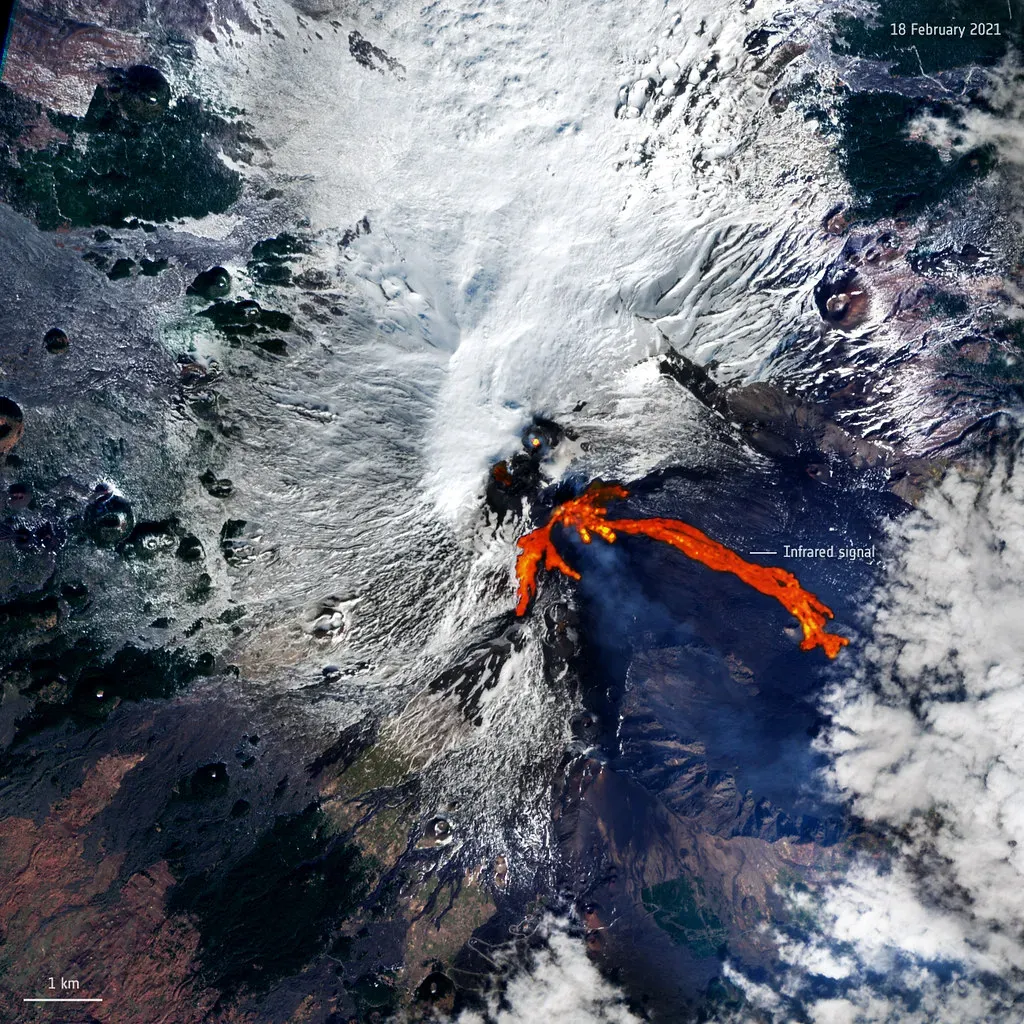
When you hear that the seismic pattern has changed after about forty years of stability, it is easy to imagine something dramatic, like a switch being flipped from calm to chaos. In practice, the story is more nuanced. A change in pattern might mean that earthquakes have become slightly more frequent over weeks or months, or that more events are occurring at a particular depth beneath one flank of the volcano. It can also mean an increase in a specific type of small earthquake that suggests more fluid or gas movement than usual.
Seismologists dig into that detail with almost obsessive care, sorting events by magnitude, location, depth, and waveform shape. They look for trends: Are quakes slowly migrating upward? Are more of them occurring in clusters, or are they spread out? Is the energy release changing with time? Most of the time, such changes are still considered “low-level unrest” and do not prompt higher alert levels. Still, any deviation from a decades-long seismic habit is like a new verse in a familiar song, and scientists want to understand what instrument just joined the band.
Volcano Or Ice? Untangling Glacial Noise From True Magmatic Signals
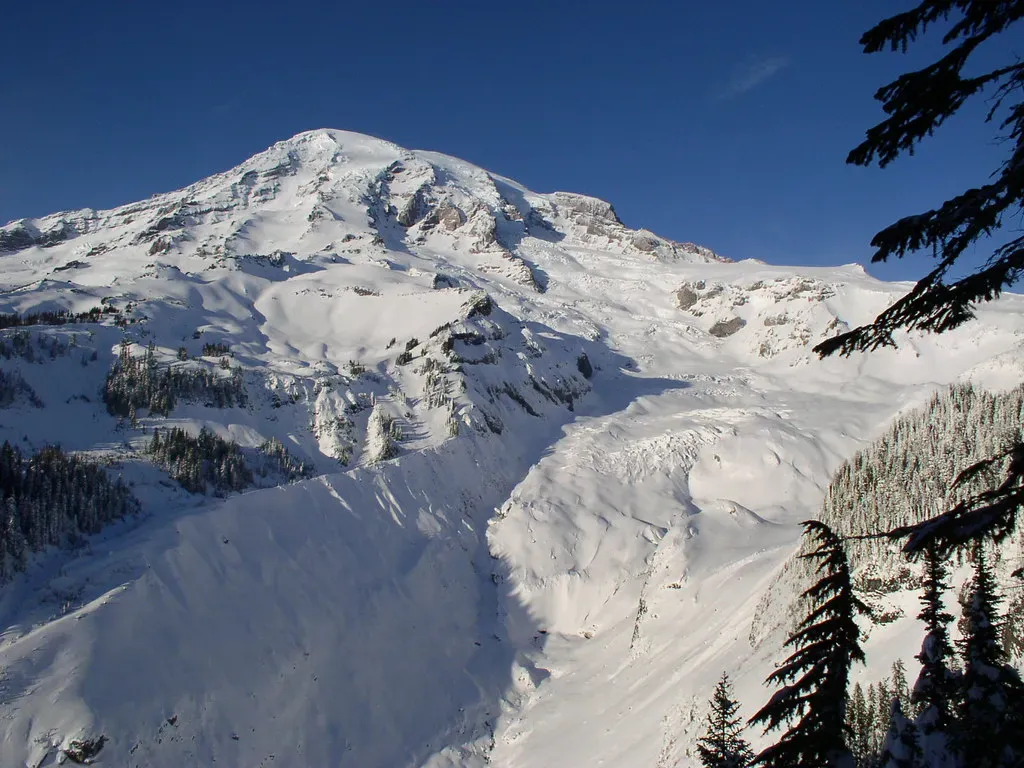
Mount Rainier is not just a volcano; it is a heavily glaciated volcano, wrapped in thick ice and snow that are constantly shifting. That matters because ice movement and rockfalls can generate tremors that, at first glance, look similar to volcanic earthquakes. A sudden crack within a crevasse, or a chunk of glacier lurching downslope, can send seismic waves into the monitoring network. One of the trickiest parts of working at Rainier is separating those “cryospheric” signals from the deep magmatic ones that really speak to the state of the volcano’s interior.
To do that, scientists rely on a mix of experience, pattern recognition, and cross-checking with other instruments and satellite imagery. Glacial quakes tend to cluster near the surface and often line up with known ice flows or steep slopes, while volcanic quakes can originate several kilometers down. The waveforms also tend to have distinguishable shapes once you know what to look for. This is one reason why a genuine change in volcanic seismicity at Rainier carries more weight: it is happening against a backdrop of noisy ice-and-rock activity that experts have learned to filter out over many years.
The Shadow Of St. Helens: Why People Fear A Sudden Eruption
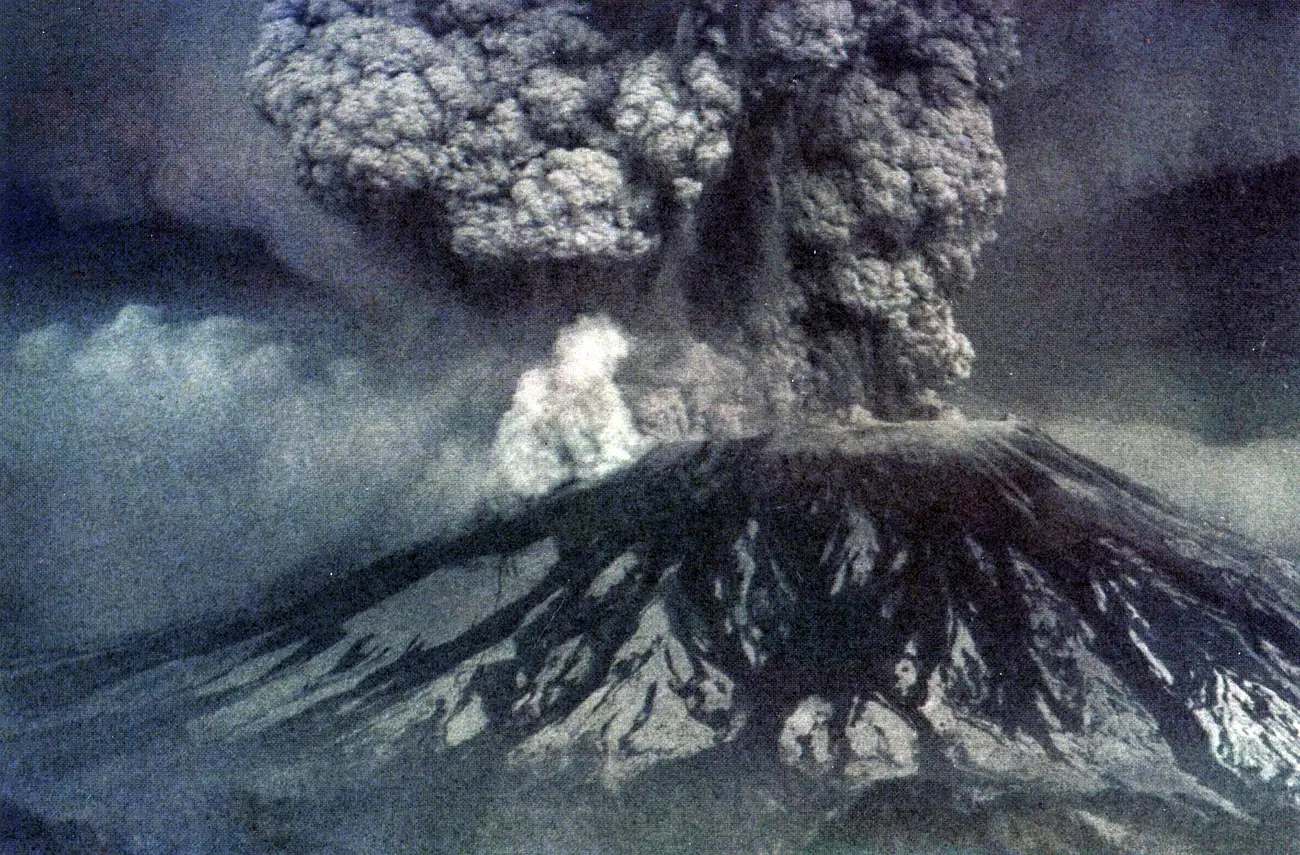
Anyone who grew up in Washington or Oregon has at least heard the stories of the 1980 eruption of Mount St. Helens, and that memory colors how people react to any news about Rainier. The mental picture is often of a peaceful mountain suddenly tearing itself apart with little warning. In reality, St. Helens did provide weeks of escalating unrest beforehand, including increasing earthquake activity and visible changes at the surface. That event permanently changed how the public thinks about Cascade volcanoes and how seriously agencies treat unusual signals.
Mount Rainier is a different beast in many ways: taller, more heavily glaciated, and closer to densely populated areas, with a serious lahar (volcanic mudflow) hazard for downstream communities. Because of that risk, even low-level changes in seismic behavior draw extra scrutiny and a lot of media attention. But the lesson from St. Helens is not that volcanoes erupt without warning; it is that early warning only matters if we are watching and prepared. The current round-the-clock monitoring at Rainier is precisely the system that did not exist at the same level before 1980, and that alone dramatically changes the risk landscape.
Risk, Reality, And What This Means For People Living Near Rainier
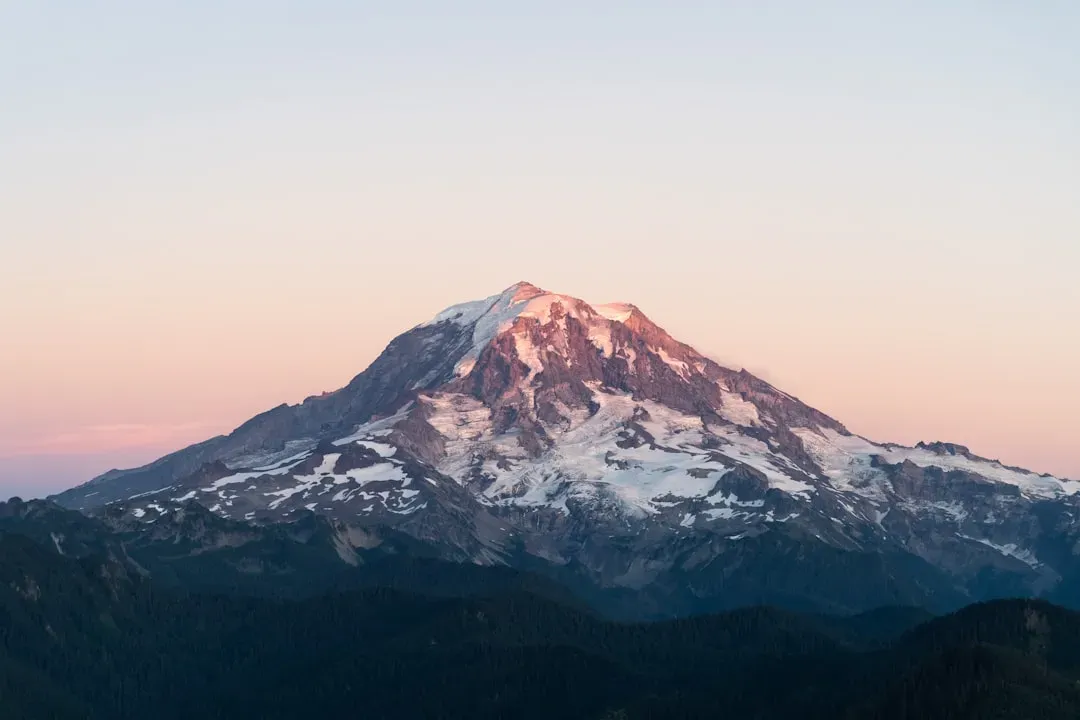
Hearing that a long-stable volcano is acting differently can make people in Tacoma, Puyallup, or even Seattle quietly wonder if they should be packing a go-bag tomorrow. The honest, science-based answer is that a changed seismic pattern is a reason for heightened attention, not panic. Volcanoes can experience stretches of increased internal activity that never lead to an eruption, more like a restless night than a full-blown illness. The key is whether the unrest intensifies, spreads, and is accompanied by other warning signs such as deformation, gas changes, or surface phenomena.
For communities downstream, the most realistic near-term action is not to obsess over each small earthquake, but to make sure they understand lahar evacuation routes, local alert systems, and basic emergency plans. In my own experience living near an active fault zone, the scariest part is not the hazard itself but how unprepared people are to respond. If anything, this change at Rainier is a nudge to treat volcano preparedness the way we treat fire drills: boring when nothing happens, priceless when something does. The mountain has always carried risk; more data just means less guesswork.
Opinionated Conclusion: A Wake-Up Call, Not A Doomsday Clock
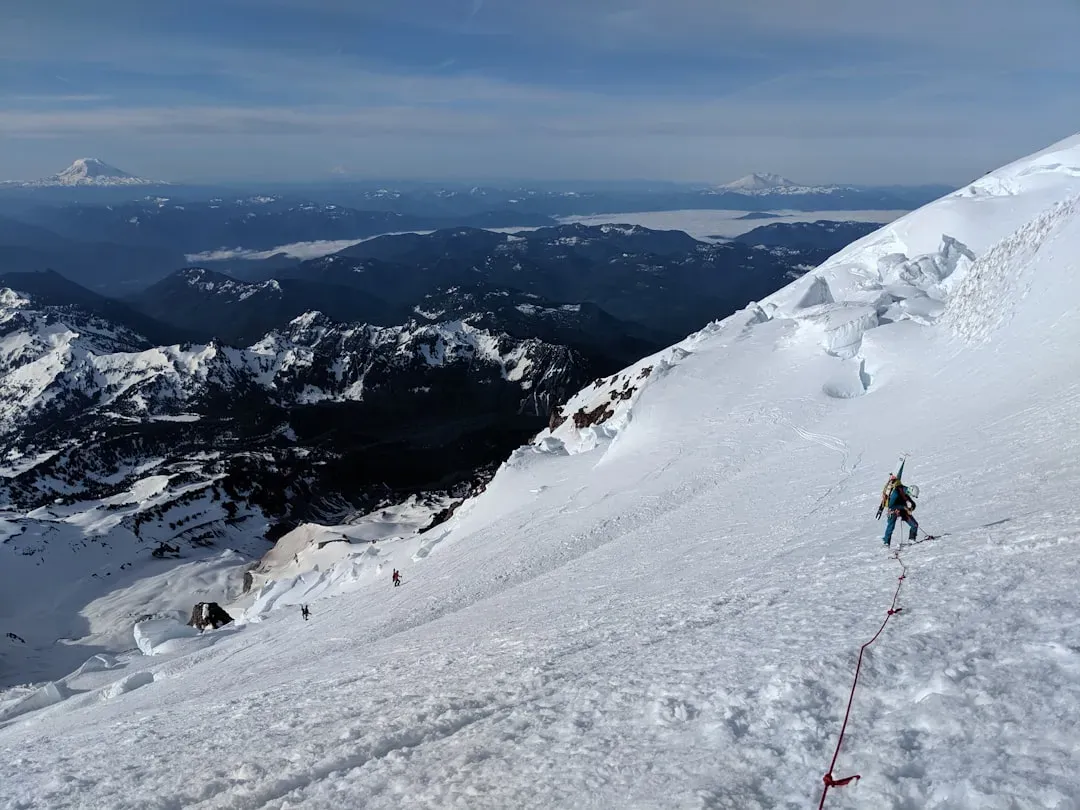
Personally, I think the most dangerous reaction to this kind of news is either shrugging it off as hype or spiraling into worst-case thinking. A shift in Mount Rainier’s seismic pattern after about forty years of stability is not a movie trailer for an imminent eruption, but it is also not background noise to be ignored. It is a reminder that this spectacular peak is a living volcano with a complex, changing interior, and that our comfortable sense of permanence is partly an illusion. The fact that USGS is monitoring it around the clock is not a sign that things are out of control, but proof that we are taking the right precautions.
If anything, this is the moment to lean into science rather than fear, and into preparation rather than denial. I would argue that the real story here is not that Rainier is suddenly more dangerous, but that our awareness has finally caught up with the reality that it was never truly asleep. The mountain has always held the power to reshape valleys and futures; what has changed is our capacity to listen to the faint whispers beneath the ice. Maybe the better question for all of us is not whether Rainier will erupt someday, but whether we will be ready when it turns up the volume. Did you expect the biggest shift would be in how closely we are finally paying attention?