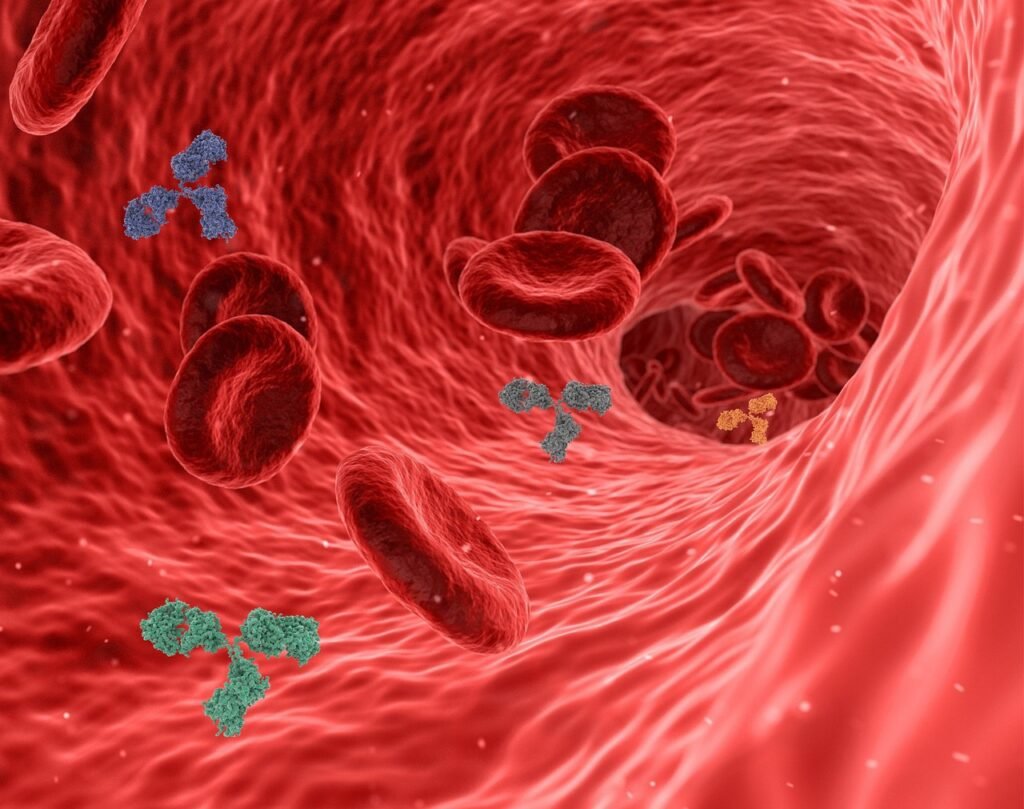
Animals have always inhabited the earth alongside humans, yet not all of them have enjoyed the same level of admiration or affection. Many species endure reputations that focus more on misconceptions than on their true roles in the ecosystem. This article sheds light on these misunderstood creatures, exploring their contributions and unveiling how they are more helpful than harmful.
Opportunistic but Essential: Vultures
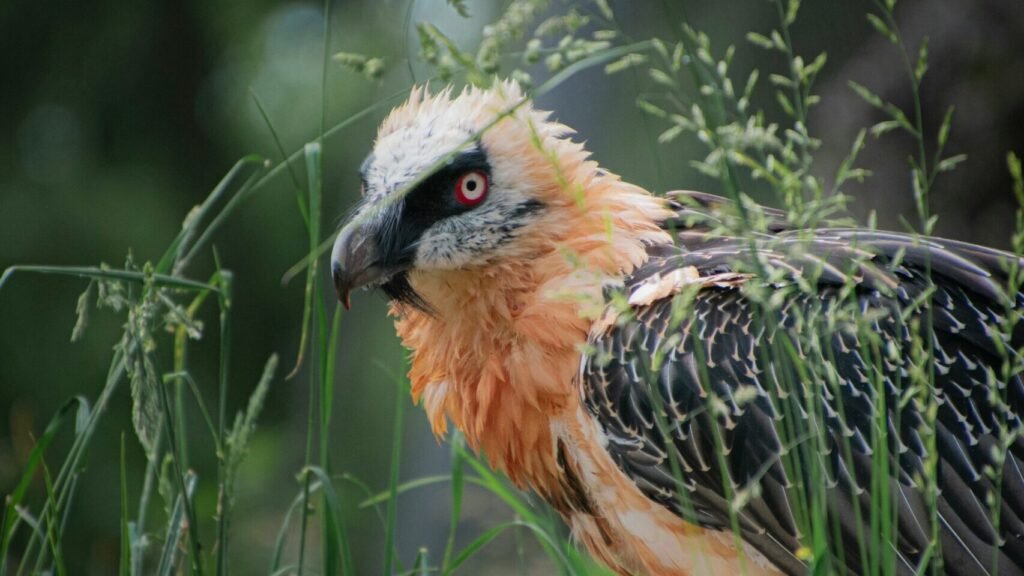
Vultures often conjure images of death and decay, yet they play an indispensable role in ecosystems. As nature’s cleanup crew, vultures efficiently dispose of carcasses that could otherwise spread diseases to humans and animals. These scavengers possess strong stomach acids that neutralize pathogens, preventing outbreaks of harmful diseases such as anthrax and rabies.
Majestic and Misjudged: Bats

Bats often inspire fear due, in part, to their association with myths and legends. In reality, they are crucial for pest control and plant reproduction. One bat can consume up to 1,000 food items in an hour, significantly reducing the need for chemical pesticides. Many species also serve as pollinators and seed dispersers for various plants, including bananas and agaves, playing a critical role in tropical ecosystems.
The Tiny Purifiers: Spiders
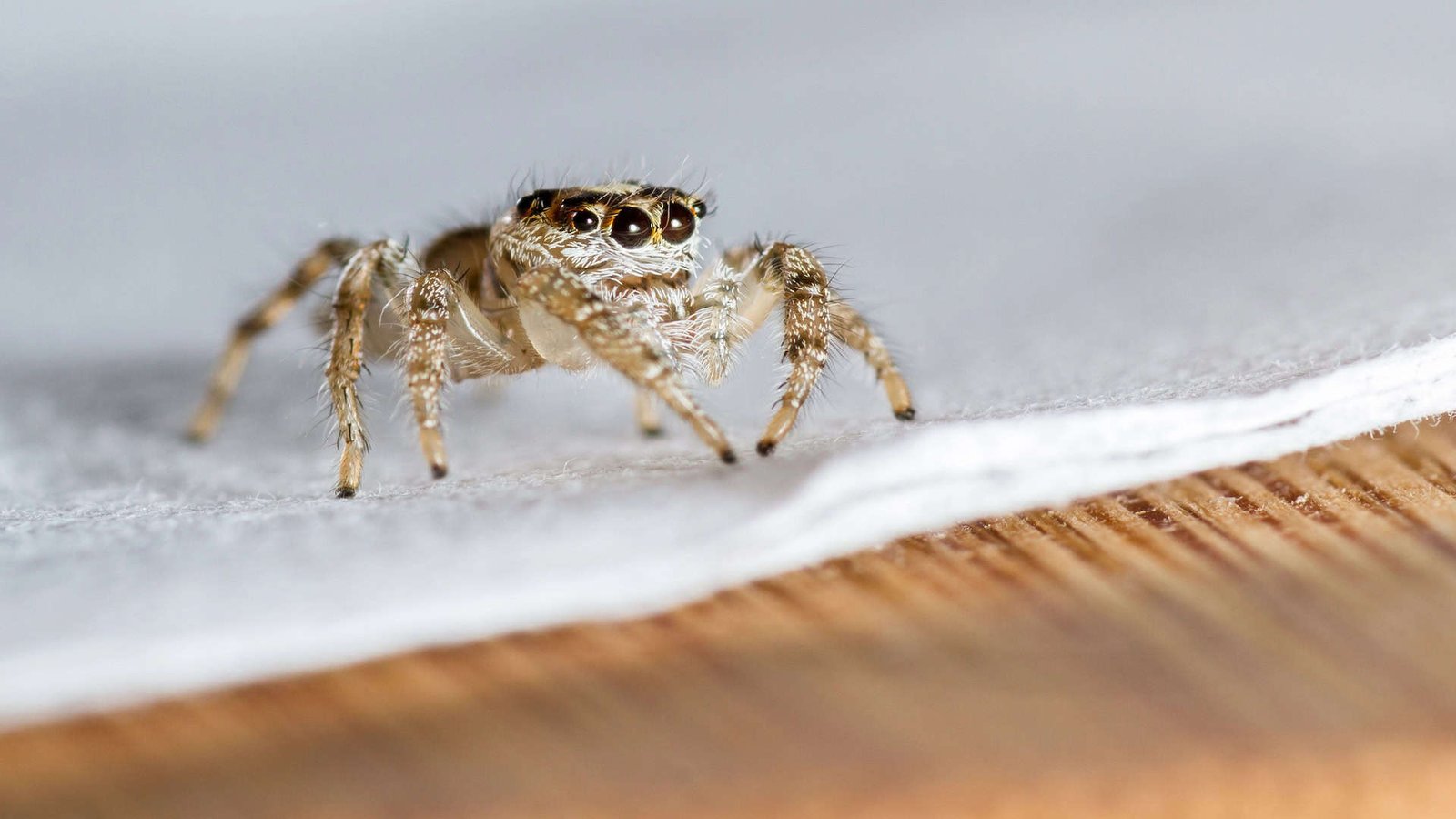
Despite being widely feared, spiders contribute significantly to controlling pest populations. By preying on insects such as mosquitoes, flies, and agricultural pests, spiders help maintain balanced ecosystems and indirectly protect human health and agricultural output. Many spiders possess venom that is harmless to humans, focusing their predation efforts on critters far more bothersome than they themselves.
Slimy Soil Scientists: Earthworms

Often dismissed as simple ground-dwellers, earthworms are vital to soil health and fertility. They aerate the soil through their burrowing and enhance nutrient cycling through their digestion. By decomposing organic material, earthworms enrich the soil, making it more fertile and productive for agriculture, which is essential for sustainable crop production.
Misunderstood Mariners: Sharks

Sharks are often viewed through a lens of fear driven by popular culture, yet they are crucial for marine ecosystems. As apex predators, they help keep prey populations healthy and in balance. This prevents any one species from monopolizing resources and maintains the biodiversity and resilience of ocean habitats. Healthy shark populations contribute to coral reef health and the overall vitality of the marine ecosystem.
The Humble Honeybee: More Than a Sting

Beyond their feared stings, honeybees are keystone species in pollinating a wide range of flowering plants. This process is vital for food production and the global agricultural system. Approximately one-third of the food consumed by humans depends on pollination by bees. In addition, honeybees contribute to biodiversity by supporting various ecological networks.
Guardian of the Crops: Snakes
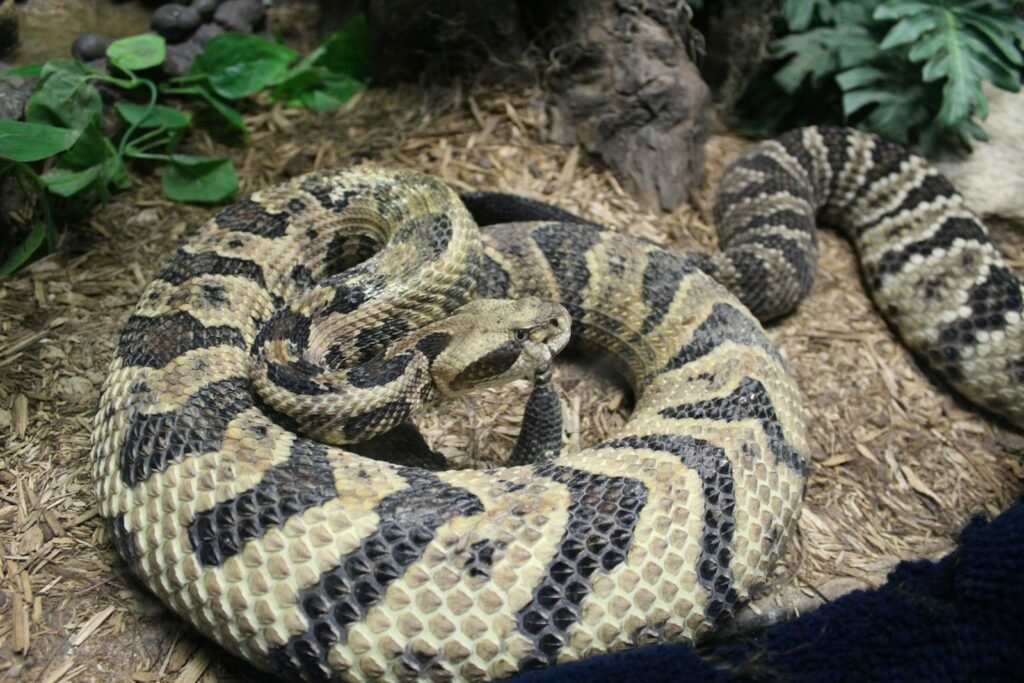
Snakes are often vilified, yet they help control populations of agricultural pests such as rodents. By preying on these pests, snakes reduce the need for chemical pesticides, thus promoting more sustainable farming practices. Most snakes are non-venomous and pose little threat to humans, and even venomous species will usually avoid human contact.
The Plucky Opossum: Nature’s Tick Eaters

Opossums have adapted to thrive in various environments, including urban areas, where they quietly go about their business of pest control. These nocturnal creatures are known to consume thousands of ticks, reducing the spread of tick-borne diseases. Opossums also consume cockroaches, beetles, and other pests, providing an ecological service often overlooked.
Beneficial Builders: Beavers

Beavers are remarkable environmental engineers, their dam-building activities providing numerous ecological benefits. By creating wetlands, beavers increase biodiversity, provide habitats for countless species, and improve water quality. Their influence on the landscape can lead to habitat restoration and increased water availability during droughts.
The Gentle Giants: Elephants

While elephants can be formidable in size and strength, they are integral to the ecosystems they inhabit. Elephants disperse seeds in their dung, which facilitates plant growth and forest regeneration. Their habitual trails create pathways in dense forests, benefitting other animal species, and their water-digging skills help in locating water sources for various creatures.
Mollusk Monitors: Mussels

Mussels are vital to aquatic environments thanks to their natural filtration systems. These bivalves clean and purify water by filtering out nutrients and particles, fostering healthier water systems for fish and other aquatic life. Mussel beds also provide habitat and refuge for numerous other species, underpinning aquatic biodiversity.
Microbiome Maintainers: Termites

Termites are often viewed as pests, but they play a crucial role in breaking down tough plant materials, recycling nutrients back into the ecosystem. Their digestive system hosts a range of microbes that help decompose cellulose, facilitating nutrient cycling and enhancing soil fertility. Termites can also be beneficial for forest health and ecosystem balance.
Deceptively Dangerous: Black Widows
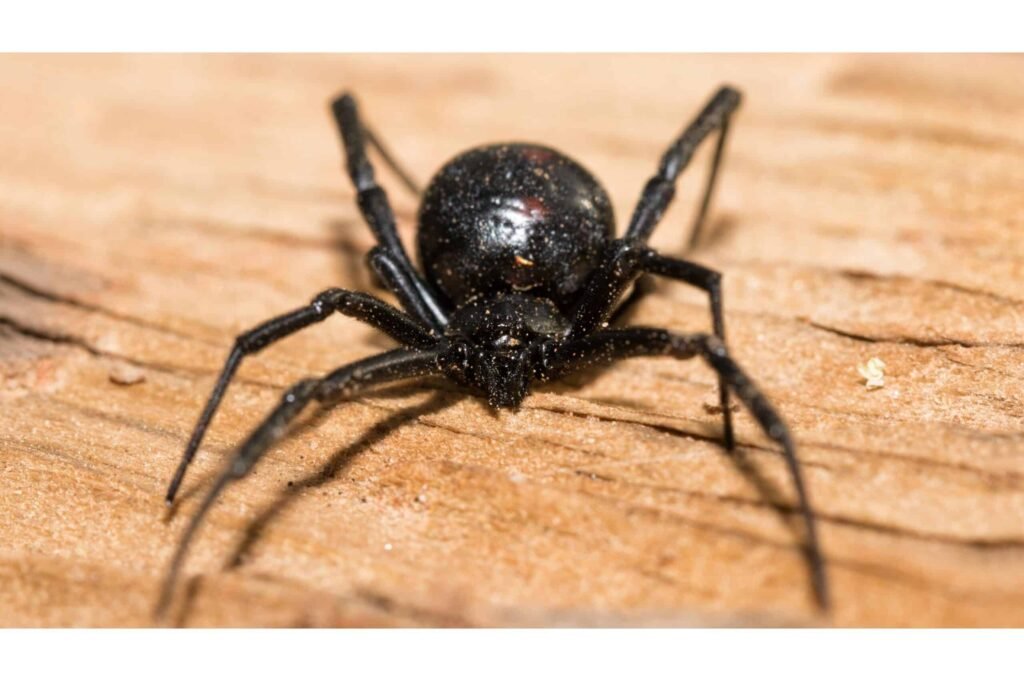
Black widow spiders are notoriously misunderstood and feared due to their venom’s potency. However, these reclusive spiders prefer to remain hidden, posing little threat to humans. Black widows help manage insect populations by preying on pests like flies and mosquitoes. Their ecological contributions far outweigh the potential threat posed by their venom.
The Adaptable Survivors: Raccoons

Raccoons may be seen as nuisances due to their proclivity for urban foraging, yet they play a role in managing ecosystems. Through their diverse diet, raccoons help control pest populations and contribute to seed dispersal. Their adaptability makes them important participants in both natural and urban ecosystems.
Positive Parasites: Leeches
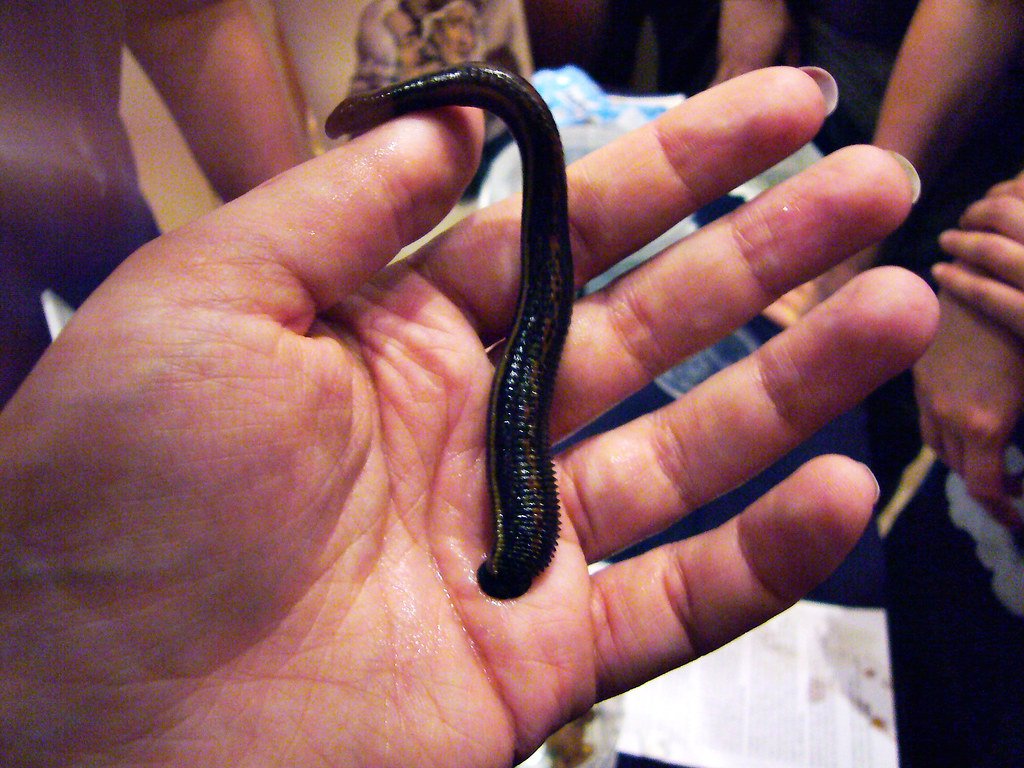
Although often associated with blood-sucking, leeches have long been used in medicine, particularly in surgeries to restore blood flow and promote healing. In natural ecosystems, they help control fish populations and are indicators of healthy water systems. Leeches contribute to ecological balance by serving as both predator and prey within aquatic food webs.
The Placid Pachyderms: Hippos
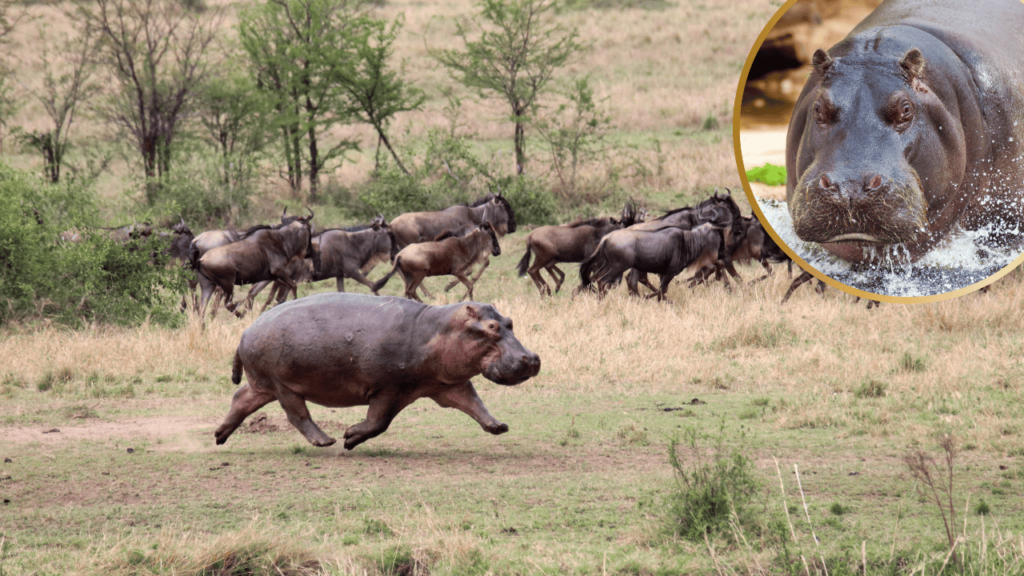
Despite their size and formidable appearance, hippos are beneficial to river ecosystems. As they graze on land and deposit nutrient-rich dung in water systems, hippos enhance aquatic ecosystems by providing vital nutrients that benefit aquatic plants and animals. This activity supports an abundance of biodiversity and contributes to the health of African river systems.
Nurturers of the Night: Nocturnal Birds
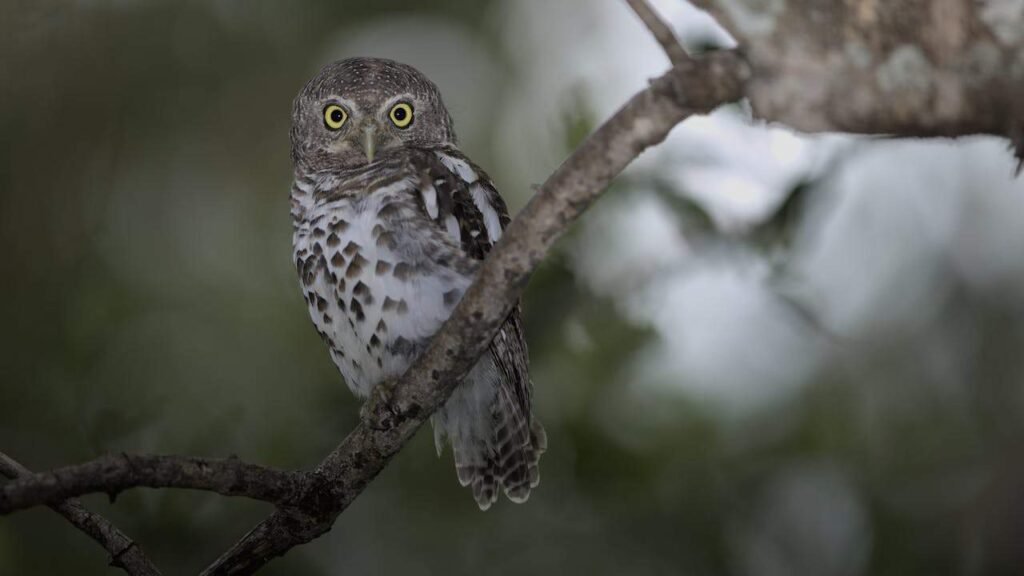
Nocturnal birds, including owls and nightjars, are often shrouded in mystery. However, their role as pest controllers during nighttime proves invaluable, naturally reducing populations of insects and rodents. By silently navigating through the night, they maintain ecological balance and protect crops from pests.
Spotted Stewards: Hyenas
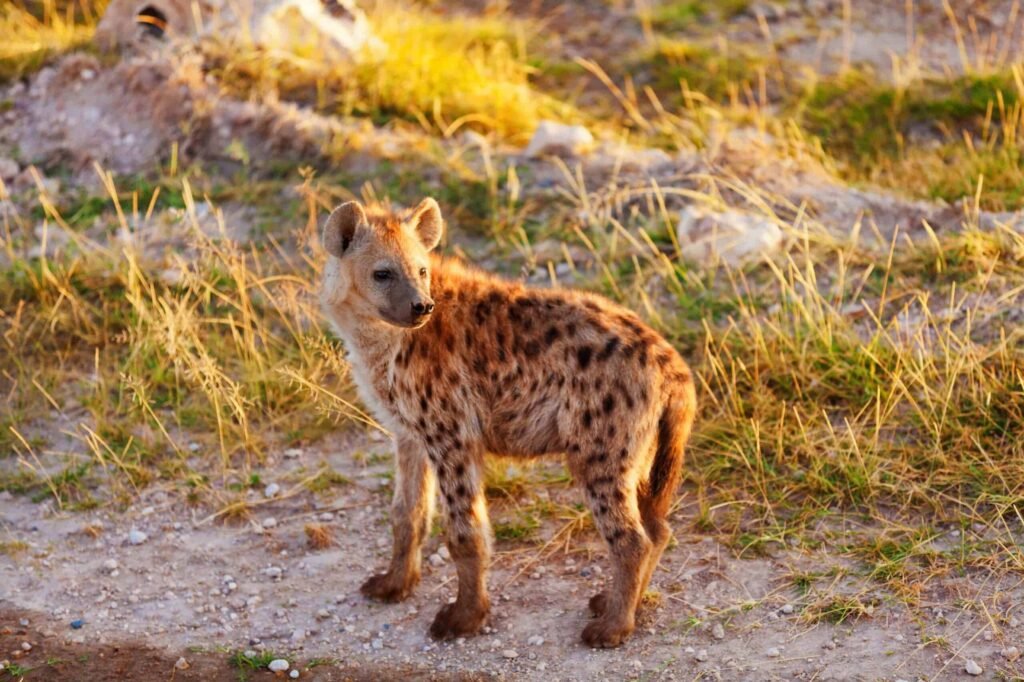
Hyenas are often mischaracterized as ruthless scavengers but in reality, they play a pivotal role in Africa’s ecosystems. By consuming carcasses and preventing the spread of disease, hyenas act as nature’s sanitarians. Their hunting skills are also impressive, contributing to population control of various species, and ultimately sustaining ecosystem health.
Sly Restaurateurs: Foxes

Foxes, often depicted as cunning tricksters, serve as beneficial predators in many ecosystems. By controlling populations of rodents and other small mammals, foxes help maintain agricultural productivity and balance within their habitats. Their playful antics and adaptive nature allow them to thrive in diverse environments, from forests to urban areas.
Conclusion: A New Perspective

Misunderstood animals often play vital roles in the intricate web of nature. By understanding their contributions, we can appreciate their importance and shift our perspectives from fear to respect. Embracing these creatures and their environmental roles fosters biodiversity, promotes ecosystem health, and paves the way for coexistence, underscoring the value of every creature on our planet.