
Every great bridge begins with a simple, almost stubborn question: can we really cross that? From deep mountain gorges to restless straits and crowded urban skylines, today’s most daring bridges answer with steel, concrete, and a quiet kind of audacity. They are not just shortcuts across water or void; they are test beds for new materials, wind dynamics, and digital monitoring systems that push the limits of what we think is safe. In an era of rising seas, heavier traffic, and more extreme weather, these structures are also frontline experiments in resilience. Together, these ten spectacular bridges tell a story of how humans learned to draw lines through empty space – and how the next generation of bridges may need to be smarter, stronger, and stranger than anything we have built before.
The Golden Gate Bridge: Where Elegance Meets Relentless Wind
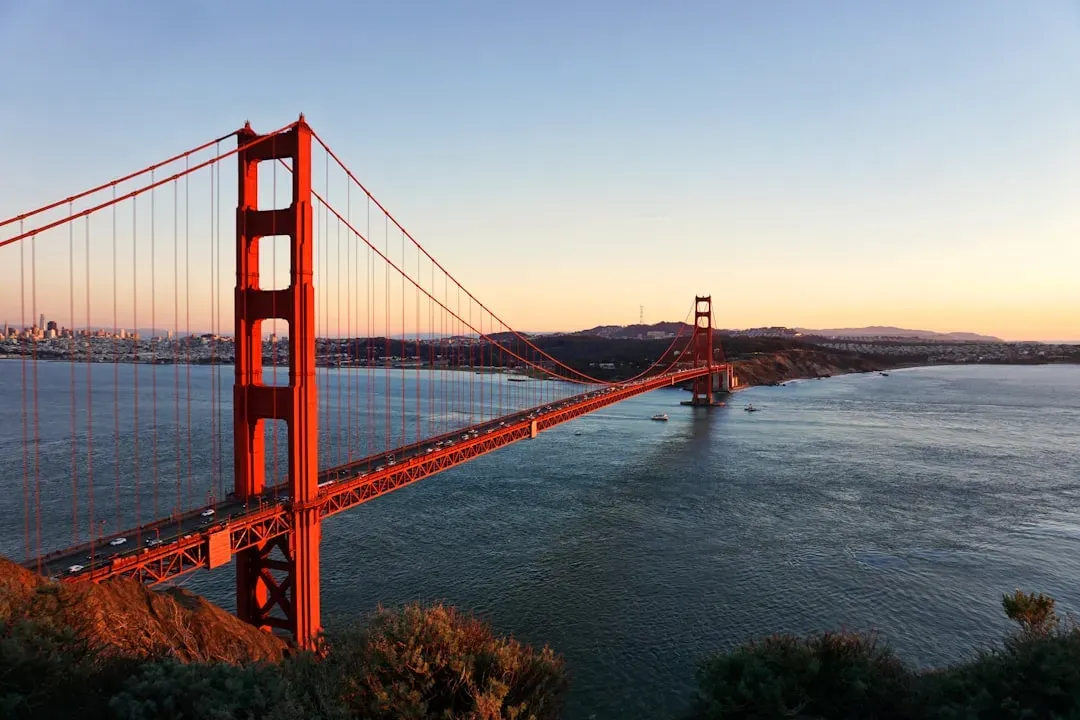
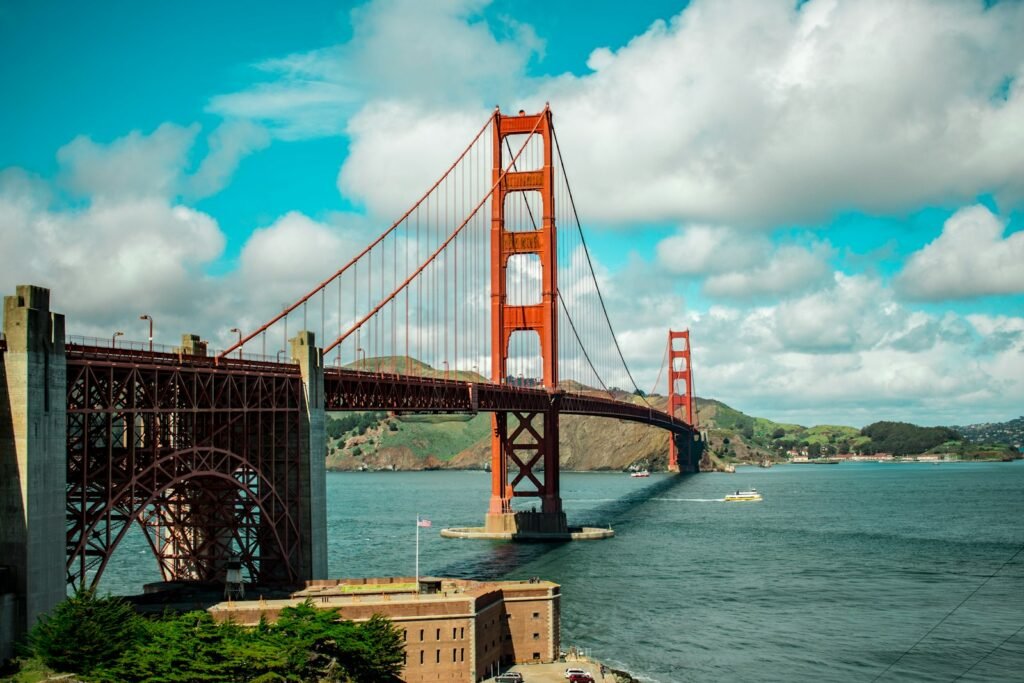
Standing at the mouth of San Francisco Bay, the Golden Gate Bridge still feels impossibly light for something that can shrug off fierce Pacific storms. When it opened in the late nineteen‑thirties, many engineers doubted such a long, slim suspension span could survive the bay’s powerful winds, tidal currents, and seismic threats. Its iconic orange‑red paint, chosen to stand out in fog, now masks a complex web of stiffening trusses, cables, and retrofitted supports designed to help it flex rather than fracture. In that sense, the bridge is less a frozen monument and more a living laboratory, repeatedly strengthened and updated as our understanding of earthquakes and aerodynamics has evolved. You could say its greatest magic trick is not its beauty, but the way it has quietly absorbed nearly a century of new science without ever losing that cinematic silhouette.
Modern upgrades have included seismic isolation bearings, reinforced towers, and carefully tuned dampers that help the bridge sway safely when the ground moves. Engineers continuously model how the structure might behave in a major quake, feeding real‑world sensor data into digital twins that can simulate hypothetical disasters before they happen. The roadway has also been reconfigured over time to handle changing traffic patterns and safety standards, all while preserving the original Art Deco character. In the end, the Golden Gate Bridge bridges more than just a stretch of rough water; it spans the gap between early twentieth‑century intuition and twenty‑first‑century engineering analytics.
Millau Viaduct: A Ribbon of Steel Above the Clouds
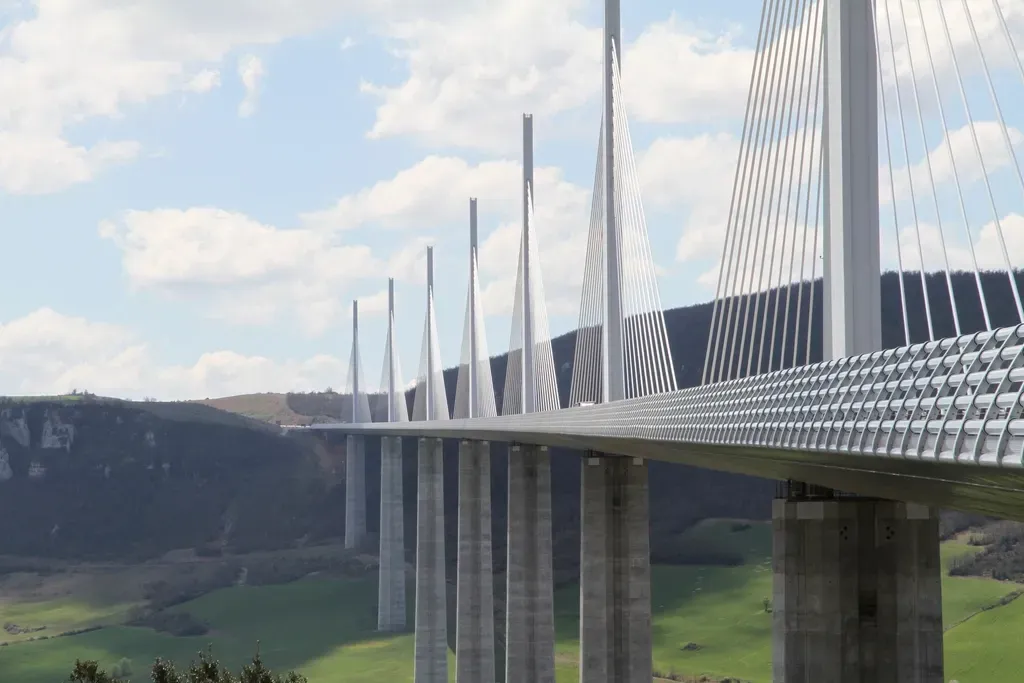
Drive through southern France on a misty morning and the Millau Viaduct appears less like a bridge and more like an aircraft runway anchored to the sky. Its roadway grazes the cloud tops nearly a quarter of a kilometer above the Tarn Valley, supported by needle‑thin pylons that look too light to bear such a burden. The secret lies in its cable‑stayed design and use of high‑strength steel and concrete, which allow the structure to remain remarkably slender without sacrificing stiffness. Each pylon is shaped like an upside‑down Y, splitting forces efficiently and helping the deck ride the wind instead of fighting it. From a distance the whole span resembles a blade or a stretched bow, suggesting tension and precision in equal measure.
Building at that height meant engineers had to consider not just the usual truck loads and temperature shifts, but also fierce crosswinds and subtle vibrations that could accumulate over time. They monitored wind tunnel tests obsessively, then added aerodynamic features to the deck to prevent the kind of destructive oscillations that once doomed older suspension bridges. Construction itself was a spectacle: instead of hanging pieces from towers, teams pushed the deck out from each side of the valley in a careful horizontal launch, locking the sections together midair. The result is a structure that feels improbably serene, like a quiet experiment in how far minimalist design can go when backed by uncompromising structural analysis.
Akashi Kaikyō Bridge: Mastering the Strait That Refused to Sit Still
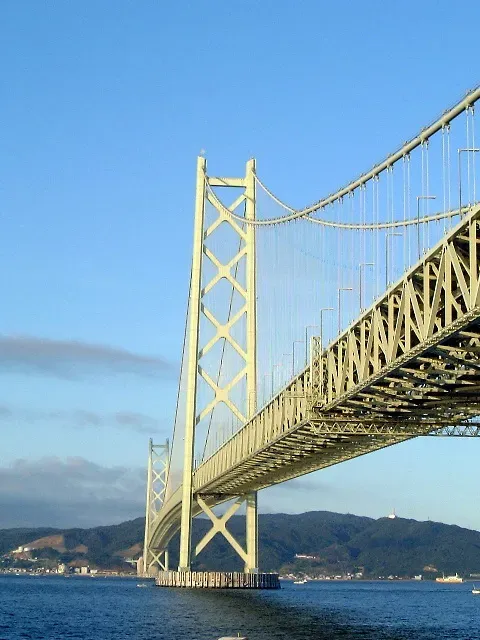
The Akashi Kaikyō Bridge in Japan stretches across one of the most treacherous waterways on Earth, a strait notorious for violent storms and fast tidal currents. Engineers were tasked with building the longest central suspension span on the planet, all while preparing for typhoons and major earthquakes. During construction, a powerful earthquake actually shifted the position of the main towers by nearly a meter, forcing designers to adjust the final span length without compromising stability. Instead of treating that as a catastrophe, they treated it as a brutal real‑world proof that their redundancy and flexibility strategies were necessary. The finished bridge shows how extreme environments can become unwelcome collaborators in engineering design.
Its steel cables contain hundreds of thousands of individual wires, bundled and compacted to carry unimaginable loads with graceful sag. Tuned mass dampers and aerodynamic deck shapes help the structure shed wind energy, while massive anchorages sink deep into the bedrock on each shore. The bridge is also heavily instrumented, constantly measuring strain, vibration, and movement so that engineers can detect subtle changes long before they become problems. Where older bridges relied on conservative over‑design and hope, Akashi Kaikyō embodies an emerging mindset: assume the world will try to break your bridge, and build a nervous system into the structure so it can tell you when the battle is getting serious.
Øresund Bridge: A Seamless Leap from Road to Tunnel
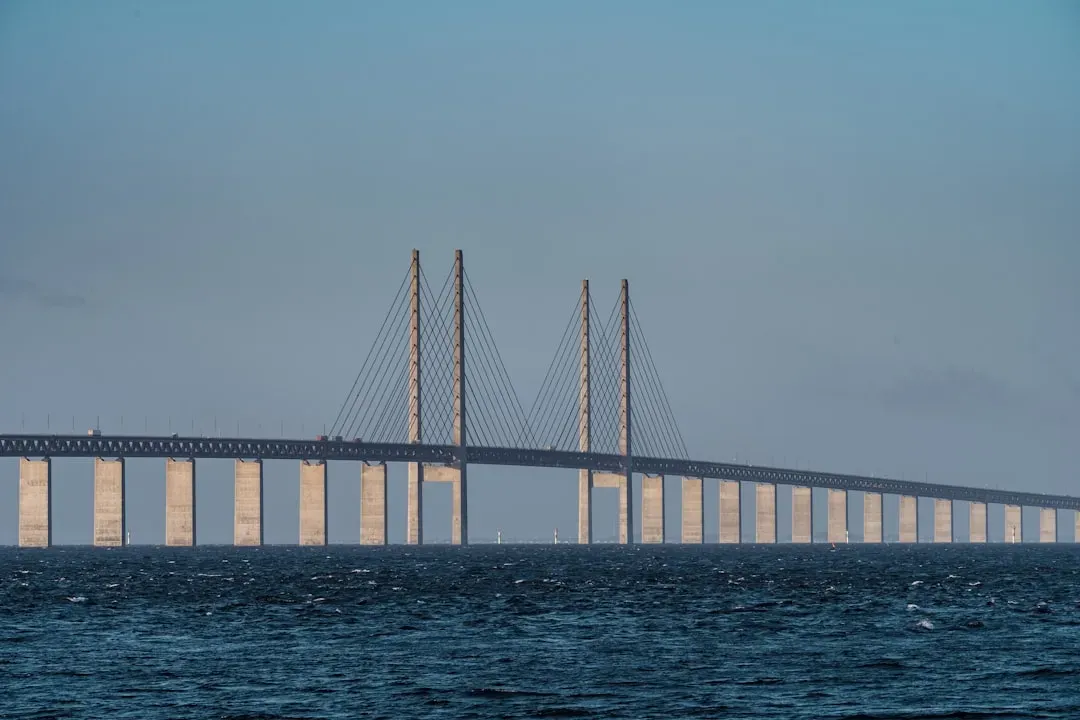
The Øresund connection between Denmark and Sweden looks like a normal cable‑stayed bridge at first glance, but then the roadway simply disappears into the sea. In reality, it transitions from bridge to artificial island to underwater tunnel in a single continuous route. This hybrid design solved competing needs: aircraft needed open airspace, ships needed clear navigation routes, and motorists needed a reliable crossing that would not be crippled by bad weather. The result is an elegant compromise that feels almost like a magic trick when you drive it – you glide across open water, land briefly on a man‑made island, then slip under the waves as if the road decided to dive.
Underneath that effortless experience is a carefully balanced engineering system. The bridge portion relies on stiff towers and stay cables to handle traffic and wind, while the tunnel rests in prefabricated concrete segments laid in a dredged trench on the seabed. The artificial island in the middle is not just a structural hinge; it also functions as a habitat, with areas gradually colonized by plants and birds, turning a piece of infrastructure into an accidental nature reserve. Designers had to model changing currents and sediment transport to ensure the new landform would not disrupt the ecology of the strait. In a world where coastlines are under increasing pressure, the Øresund link shows that big infrastructure does not have to be purely extractive; it can be designed to give something back.
Hong Kong–Zhuhai–Macau Bridge: Megastructure in a Changing Climate
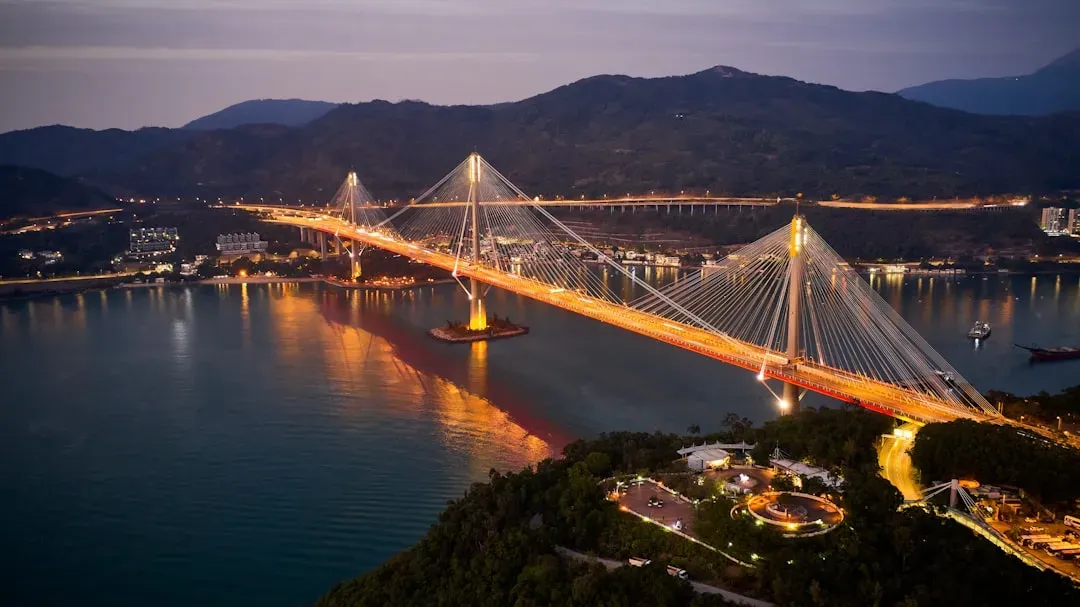
The Hong Kong–Zhuhai–Macau Bridge is less a single span and more an entire ecosystem of infrastructure sprawled across the Pearl River Delta. It combines long sea viaducts, artificial islands, and an undersea tunnel into a crossing that stretches for dozens of kilometers. Engineers had to design for a barrage of challenges: intense typhoons, corrosive saltwater, busy shipping lanes, and the long‑term reality of sea‑level rise. Instead of treating climate as a distant concern, they designed breakwaters, elevated decks, and adaptable protections into the initial build. The bridge system therefore doubles as a window into how coastal megaprojects might be conceived in a warming world.
Beneath the political and economic symbolism, the science is quietly radical. Construction teams relied on massive prefabrication, assembling tunnel elements and bridge segments offsite and then placing them with millimeter‑scale precision at sea. Corrosion‑resistant materials, protective coatings, and drainage strategies were chosen to extend the operating life well beyond a typical highway bridge. Meanwhile, traffic management systems, surveillance, and structural health monitoring knit the whole complex into a single, semi‑autonomous organism. For all the controversy around cost and impact, this megastructure hints at a future where long‑span bridges function as climate‑aware, data‑rich platforms rather than static concrete artifacts.
Millennium Bridge, London: When a Wobble Rewrote the Rulebook
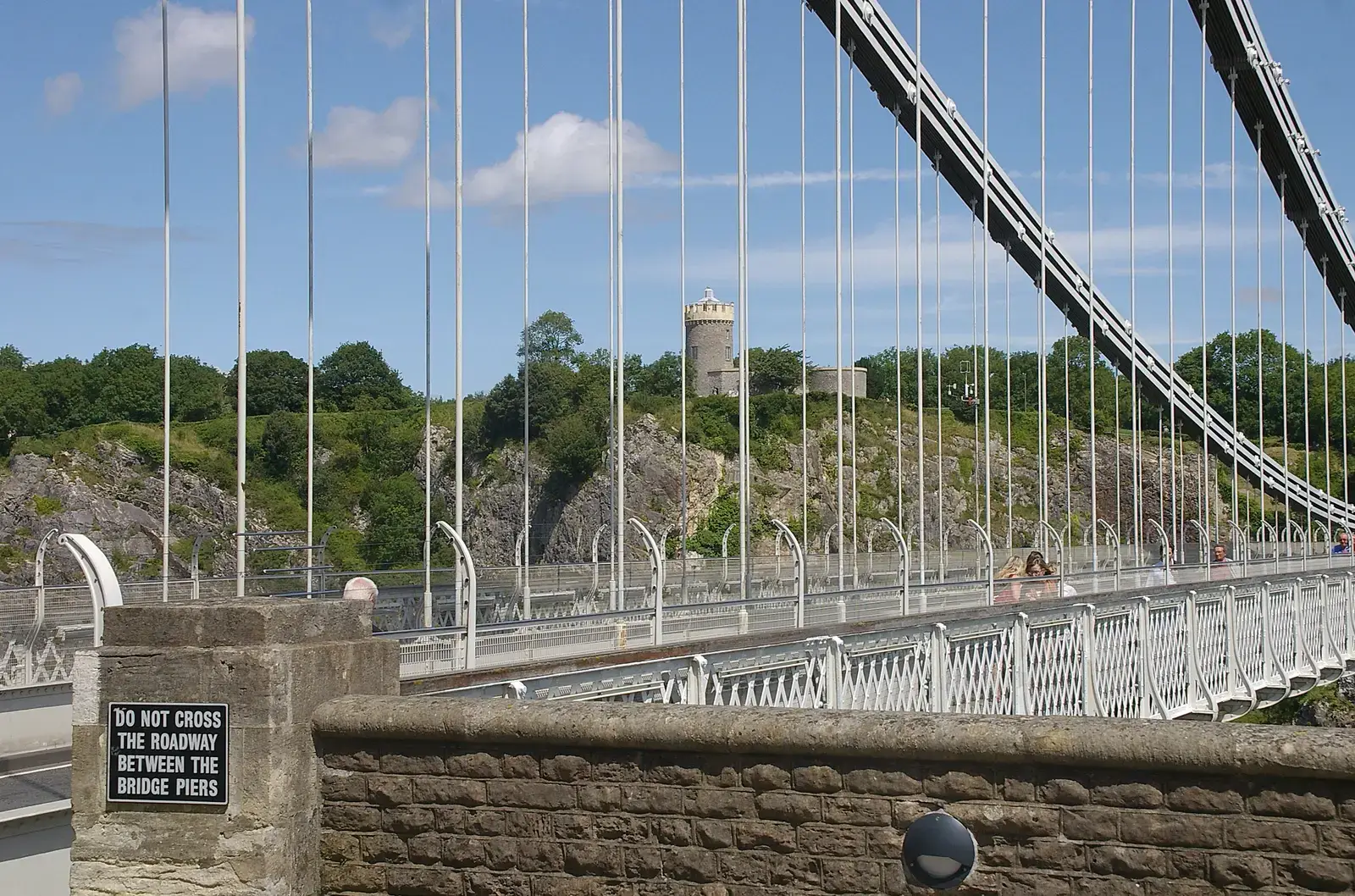
On its opening day, London’s Millennium Bridge quickly became famous for all the wrong reasons: it wobbled so much that pedestrians clung to the handrails in alarm. What looked like a design failure turned into a priceless scientific experiment in human‑structure interaction. The slender suspension footbridge was perfectly safe in terms of strength, but small sideways motions encouraged people to adjust their steps in sync, which amplified the sway in a feedback loop. Engineers had known about wind‑induced vibrations for decades, yet this dramatic example of crowd‑induced oscillation forced them to refine their models of how people and bridges dance together. In a way, the bridge became a stage for a physics lesson that played out in real time on the evening news.
The fix was both mechanical and conceptual. Designers retrofitted the bridge with a dense network of dampers – devices that turn vibration energy into heat – without ruining its sleek visual profile. At the same time, research teams dove into new simulations and laboratory studies to understand how synchronized human movement can affect flexible structures. The incident sparked a wave of guidance documents and design standards around the world, influencing everything from stadium stands to high‑rise floors. Millennium Bridge thus transformed from an embarrassment into a reference case, demonstrating that spectacular bridges sometimes earn their place in history not by working perfectly at first, but by teaching us what we did not know we needed to know.
Chengyang Wind and Rain Bridge: Ancient Craft, Modern Appreciation
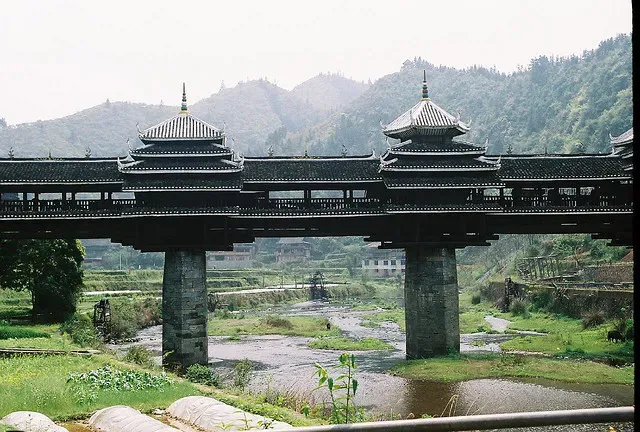
Not all spectacular bridges are steel giants; some are masterpieces of timber and tradition. The Chengyang Wind and Rain Bridge in China, built by the Dong ethnic minority, is a covered wooden bridge that has withstood floods and time without a single metal nail at its core. Instead, its structure relies on interlocking wooden members, careful joinery, and the stabilizing effect of its covered pavilions. To modern engineers used to finite‑element software, it is both a puzzle and a reminder that sophisticated structural logic existed long before digital tools. The bridge serves villagers as shelter, gathering place, and pedestrian route, blending social and structural functions in a way most modern flyovers never attempt.
From a scientific standpoint, bridges like Chengyang reveal how material knowledge can be encoded in craft. Local builders learned over centuries which timber species resisted rot, how to shape beams to handle bending, and where to place supports to ride out seasonal river surges. Today, researchers studying traditional wooden bridges often use laser scanning and structural modeling to reverse‑engineer their performance. This cross‑talk between vernacular construction and advanced analysis is increasingly important as designers look for low‑carbon alternatives to steel and concrete. In an age of climate pressure, the idea that a community bridge could be grown in a forest rather than forged in a mill feels less quaint and more like a prototype for a different future.
Why These Bridges Matter: Laboratories for a World Under Stress
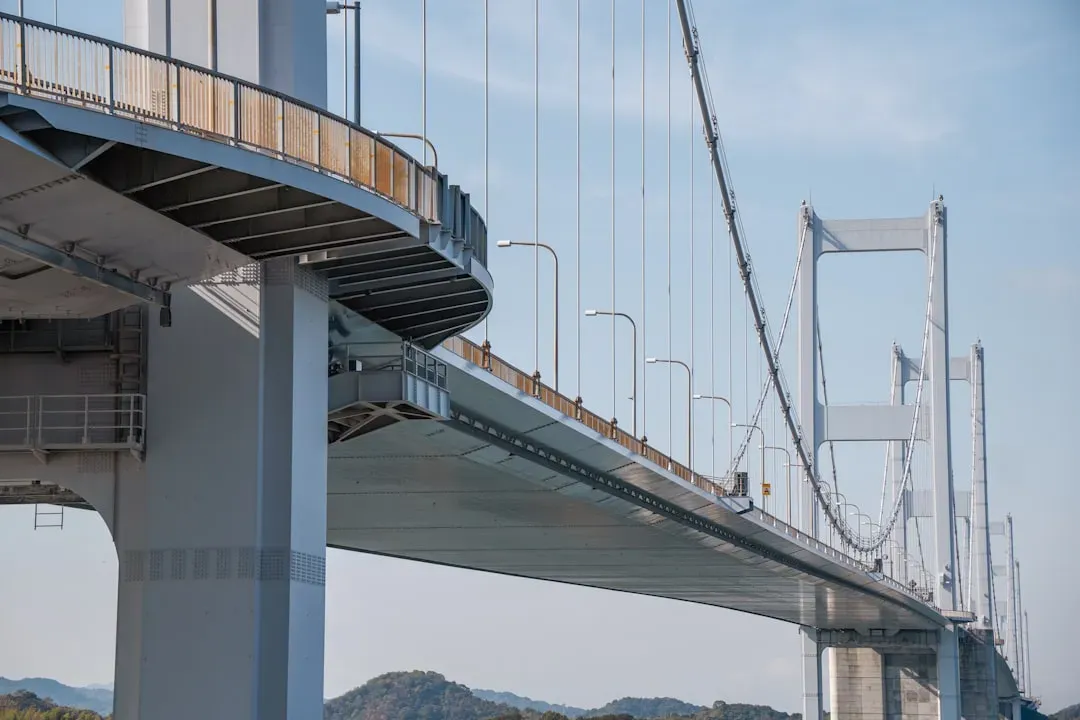
Many people see bridges as background infrastructure, but these ten examples function more like experimental equipment bolted into the landscape. They test how far we can stretch materials, how flexibly we can respond to earthquakes or storms, and how elegantly we can coexist with rivers, valleys, and seas. Compared with older masonry arches or short steel trusses, modern long‑span bridges must cope with forces that grow faster than their size, making every extra meter a nonlinear challenge. This means each new record‑breaking span forces the field to revisit assumptions about wind, fatigue, and redundancy. The stakes are high: a catastrophic failure is not only a human tragedy, but also a public referendum on the credibility of engineering as a discipline.
At the same time, these bridges are bellwethers for wider societal shifts. As cities expand and trade corridors lengthen, the pressure to connect previously isolated regions intensifies, and with it the temptation to push designs closer to the edge. Climate change adds another layer, turning once‑in‑a‑century storms into something closer to once‑in‑a‑career events for practicing engineers. In response, the best bridge projects now integrate sensors, adaptive maintenance, and environmental modeling from the outset, blurring the line between civil engineering and systems science. Seen in this light, spectacular bridges are not luxury landmarks – they are early test cases for how all our infrastructure will need to evolve under mounting stress.
The Future of Bridges: Smart Materials, Living Structures, and Climate Reality
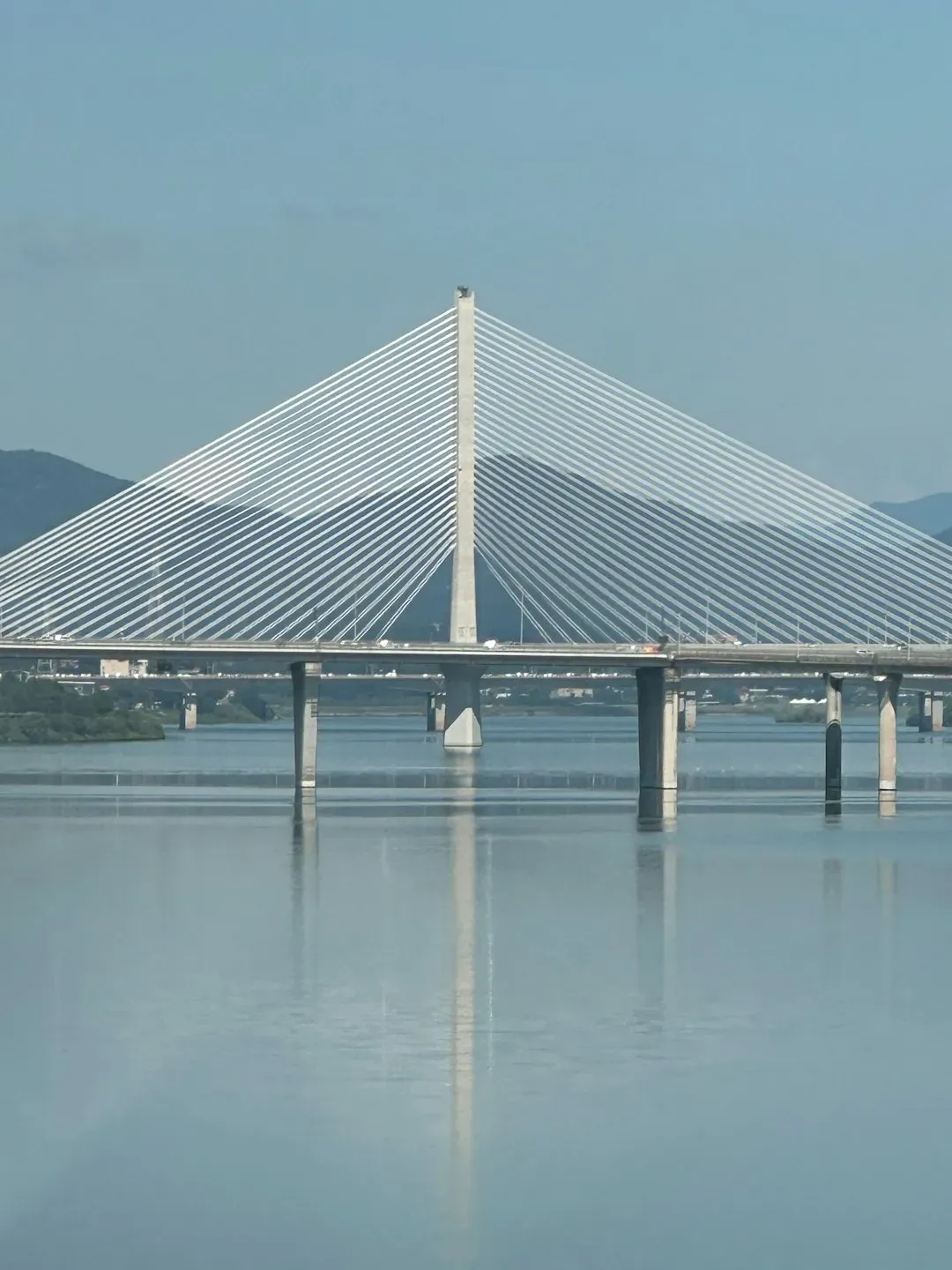
Look ahead a few decades, and the next generation of spectacular bridges may share less with stone arches than with smartphones. Researchers are already experimenting with self‑healing concretes that use embedded capsules or bacteria to seal tiny cracks before they grow, potentially extending the life of critical components by many years. Advanced composites and ultra‑high‑performance concretes promise slimmer decks and longer spans, which could help future bridges leap across wider straits with less material and lower carbon footprints. Embedded fiber‑optic sensors can turn entire cable bundles into nerves, continuously reporting strain and temperature in exquisite detail. In theory, a bridge could one day alert maintenance crews to a growing problem the way a wearable device flags an irregular heartbeat.
Yet the future is not simply high tech; it is also about rethinking where and why we build. Sea‑level rise and coastal erosion will force tough choices about whether to armor, elevate, or relocate infrastructure, and bridges sit at the center of many of those decisions. Some proposals imagine floating or amphibious structures that can rise with tides, while others focus on retreat and restoration of wetlands in place of ever‑larger causeways. Urban bridges may also take on expanded roles as multi‑level corridors carrying transit, bikes, energy lines, and even urban farms. The common thread is adaptability: tomorrow’s most remarkable bridges will not just span space, they will negotiate an unpredictable planet in real time.
How Readers Can Cross the Gap: From Spectator to Supporter
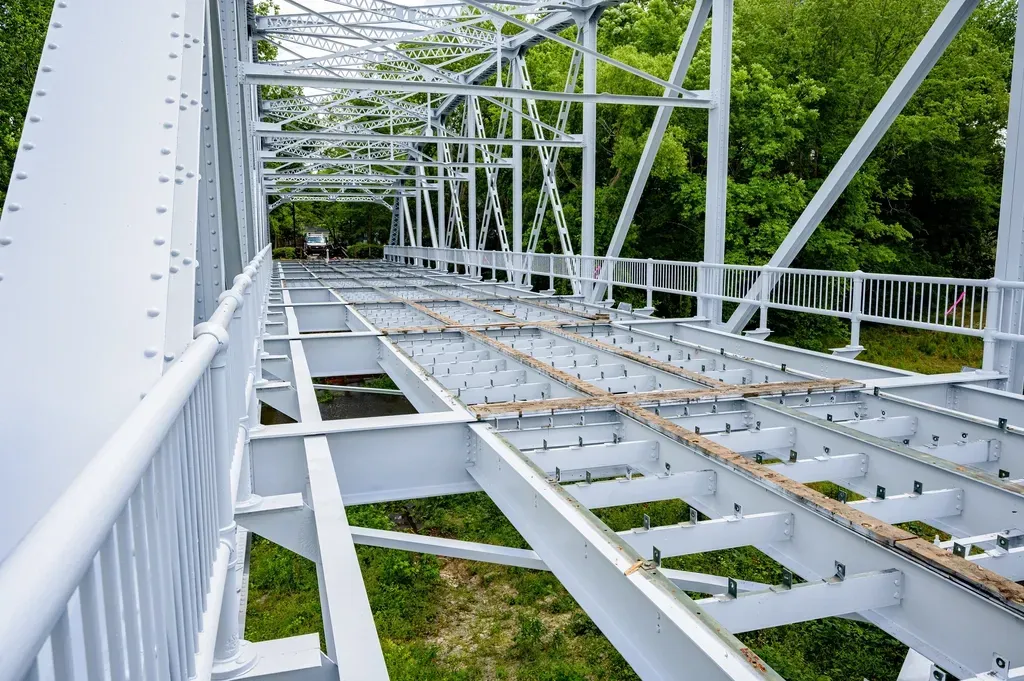
For most of us, bridges are things we drive across without a second thought, but there are surprisingly tangible ways to engage with the science behind them. One simple step is curiosity: the next time you cross a major bridge, look up its design type, age, and any retrofits, and pay attention to how it feels underfoot or in the car. Local engineering societies, museums, and universities often host public lectures or open days at infrastructure sites, where visitors can talk with designers and see structural details up close. Supporting journalism and education that explain infrastructure choices also matters, because public understanding shapes which projects get funded and how strictly they are scrutinized. Even small conversations – asking city officials about maintenance plans or seismic upgrades – signal that these hidden systems are on the public radar.
There is also room for more hands‑on involvement. Community groups can advocate for pedestrian and cycling bridges that prioritize human‑scale connectivity, pushing back against designs that only serve vehicles. Students interested in the field can seek out bridge design competitions, mentoring programs, or internships that demystify the path into structural engineering. On the environmental side, citizens can support policies that require climate‑resilient designs and low‑carbon materials for major projects, recognizing that today’s bridges will still be standing as the climate shifts later this century. The next time you feel a subtle vibration on a span or glimpse the sweep of cables against the sky, it is worth remembering: these are not just marvels to admire from afar, but systems whose future depends, in part, on how engaged the public chooses to be.
Suhail Ahmed is a passionate digital professional and nature enthusiast with over 8 years of experience in content strategy, SEO, web development, and digital operations. Alongside his freelance journey, Suhail actively contributes to nature and wildlife platforms like Discover Wildlife, where he channels his curiosity for the planet into engaging, educational storytelling.
With a strong background in managing digital ecosystems — from ecommerce stores and WordPress websites to social media and automation — Suhail merges technical precision with creative insight. His content reflects a rare balance: SEO-friendly yet deeply human, data-informed yet emotionally resonant.
Driven by a love for discovery and storytelling, Suhail believes in using digital platforms to amplify causes that matter — especially those protecting Earth’s biodiversity and inspiring sustainable living. Whether he’s managing online projects or crafting wildlife content, his goal remains the same: to inform, inspire, and leave a positive digital footprint.