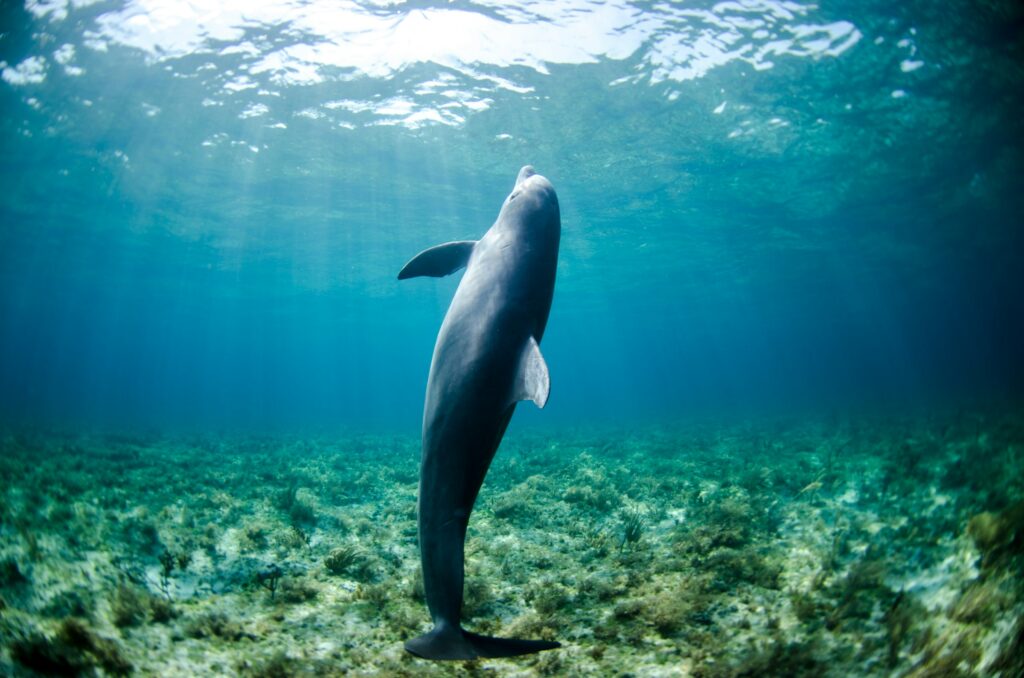
If you spot a single dolphin slicing through the water far from any pod, your first instinct might be to worry. Is it injured, abandoned, or simply lost? For a long time, that was the common story: lone dolphin equals something gone wrong. But as marine biologists have watched and tracked these animals more closely, a far messier, more interesting picture has emerged.
Many of those solitary swimmers are not lost at all. They are making deliberate choices, testing boundaries, sometimes doing things that feel disturbingly familiar to us as humans: excluding others, bullying, stalking prey with cold precision, and exploring in ways that could be called risky or even cruel. The more we learn about dolphins, the harder it gets to pretend they are just smiling, gentle ocean puppies. Their intelligence has a bright side – but it also casts a shadow.
The Myth Of The Lost Lone Dolphin
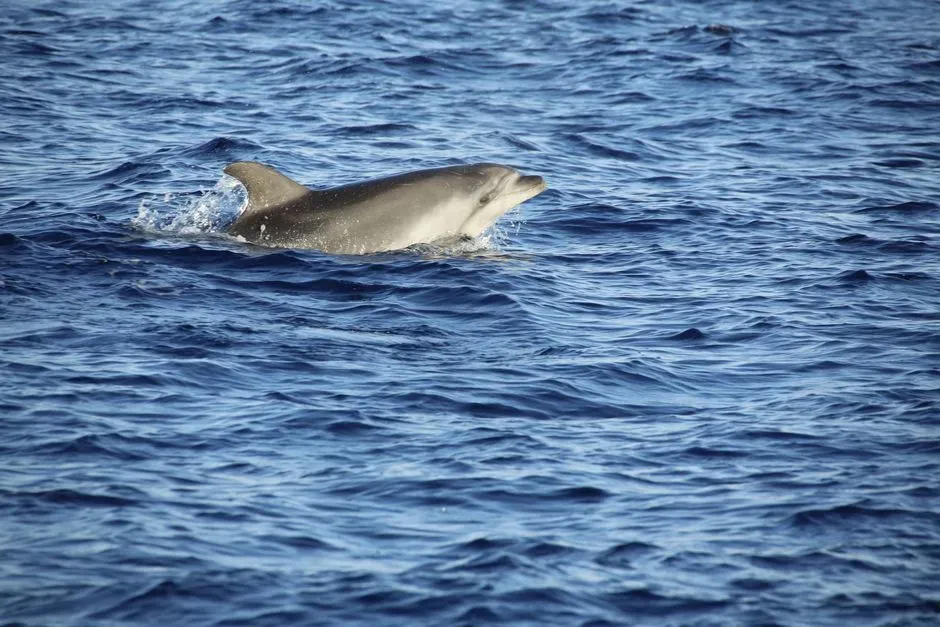
For decades, people assumed that a dolphin alone was either stranded socially or physically separated from its pod by accident. That idea felt comforting because it framed dolphins as perpetual victims when alone, never as agents choosing solitude. It fit with the popular image of dolphins as endlessly friendly and harmonious, an ocean version of a happy family road trip that never ends.
But long-term field studies tell a more nuanced story. Researchers tracking individuals with photo ID and tags have found dolphins that repeatedly move away from their groups, travel solo for hours or days, and then return as if nothing unusual happened. Instead of being lost, many of these animals seem to carve out intentional solo time, and what they do during those stretches can reveal strategic, sometimes unsettling decisions that do not match the cartoon idea we hold of them.
Solitary Patrols: Strategic Hunters, Not Drifters
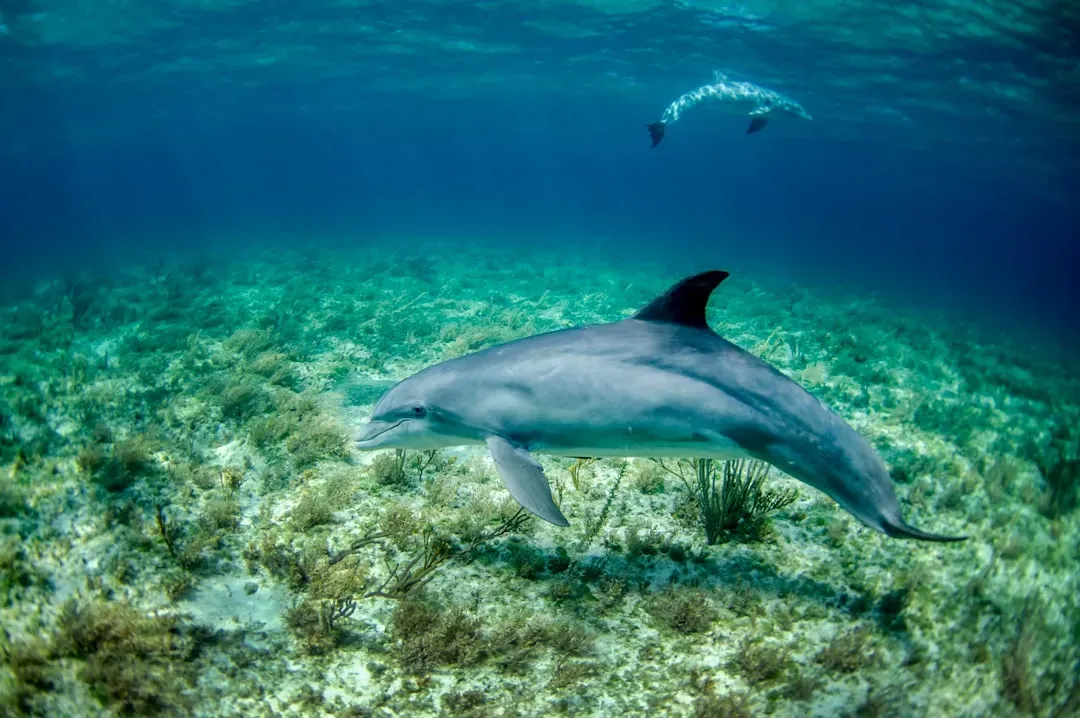
One of the clearest explanations for lone dolphins is brutally practical: hunting. A dolphin moving silently through deeper or murkier water on its own can be a stealth predator, slipping into zones where a noisy pod would scare prey away. In some coastal regions, researchers have observed individuals repeatedly breaking away from the group, taking long, solitary patrols, then rejoining everyone later with full bellies and renewed energy.
This is not clumsy wandering; it looks a lot like calculated risk and reward. Going solo can mean access to certain fish schools or vulnerable prey that are harder to exploit in a crowd. There is a darker edge in that image: a highly intelligent predator making deliberate, self-serving choices, not just going with the flow of the pod. It is less the story of a lost friend, more the story of a lone hunter who knows exactly what they are doing.
Social Politics: When Solitude Is Really Exile
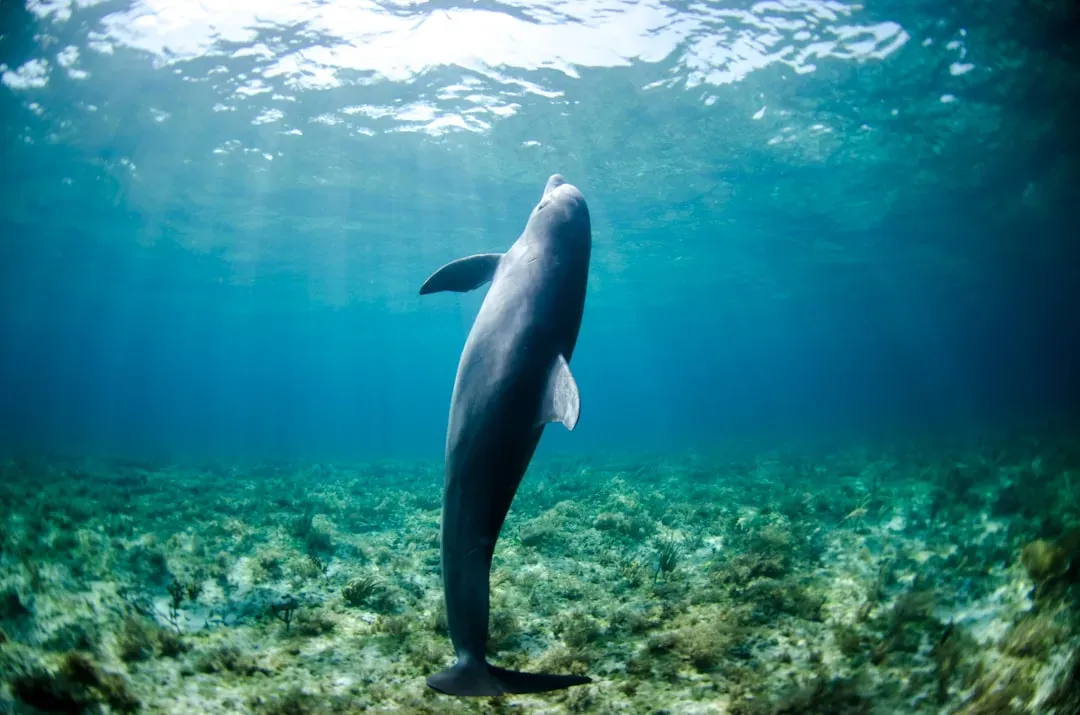
Of course, sometimes a lone dolphin really is in trouble – but not always because of physical separation. In many cases, solitude reflects social politics. Dolphins form alliances, cliques, and long-term relationships, and animals that fall out of favor can find themselves pushed to the edge of a group or excluded altogether. In social mammals, being on the outside is often a punishment, and dolphins are no exception.
Solitary wandering can be a symptom of those tensions. An older male that lost his allies, a young adult that failed to fit into the right subgroup, or an animal that challenged the wrong individual might spend more time away from the pod. Instead of a simple narrative of accident or misfortune, we see something far more human: social maneuvering, status games, and quiet forms of punishment that show how complex – and sometimes harsh – their societies can be.
Bullying, Aggression, And The Cruel Edge Of Curiosity
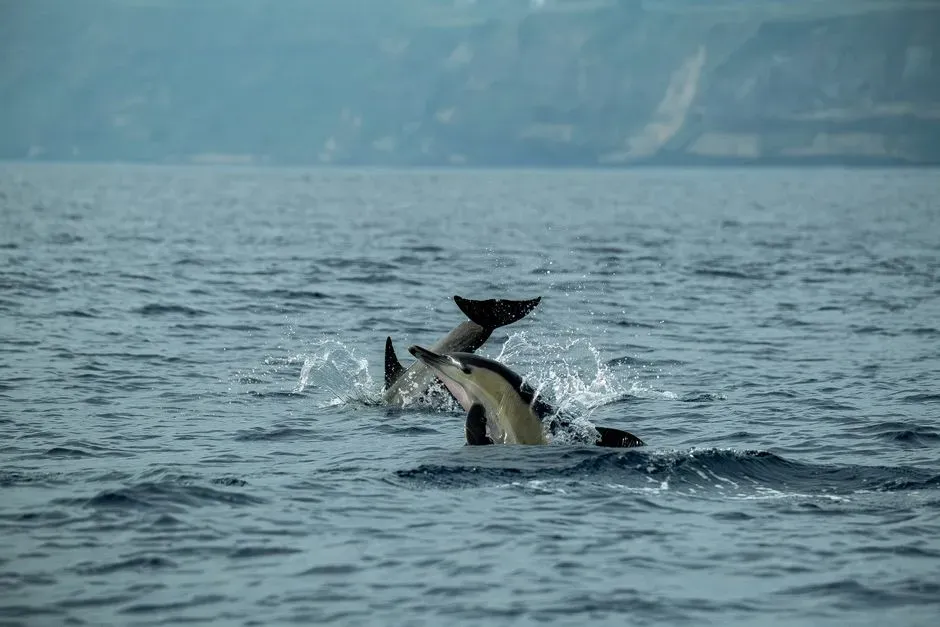
The darker side of dolphin intelligence becomes especially obvious when researchers document aggressive behavior toward other animals. Dolphins have been seen harassing smaller cetaceans, roughhandling porpoises, and sometimes engaging in violence that does not appear to be about food. A dolphin cutting away from its pod can be an opportunistic predator, but it can also act like a roaming enforcer or bully, pushing boundaries simply because it can.
Some of these actions seem driven by curiosity mixed with power: testing how far they can go, investigating a wounded animal, or playing with prey in ways that appear, from a human lens, disturbingly cruel. It undercuts the comfortable fantasy that intelligence always trends toward kindness. Instead, it suggests that dolphins, like us, can use their intelligence to manipulate, dominate, and explore behavior that walks a thin line between playful and vicious.
Sex, Coercion, And The Darker Side Of Mating Strategies
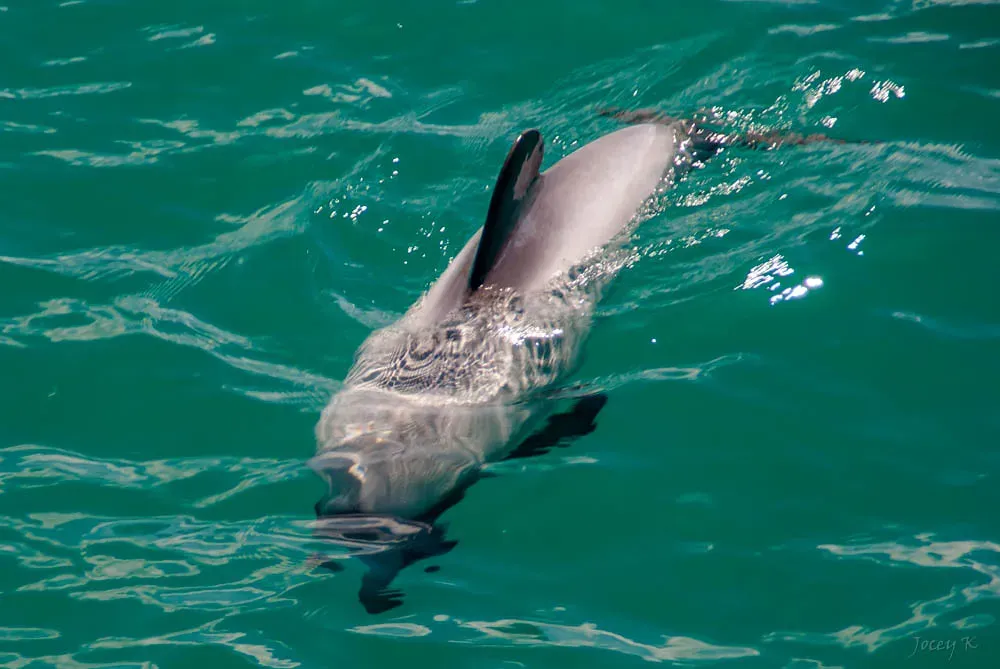
Solitary movement also shows up in the context of mating. In several well-studied populations, male dolphins form tight alliances that work together to pursue and guard females. A male (or a pair of males) peeling away from the group with a single female is not a romantic swim under the moonlight; it can be a tactic to isolate and control her access to others. The ocean can turn into a maze of shifting alliances and strategic separations.
From a scientific standpoint, these are reproductive strategies shaped by evolution, but they can still feel unsettling. Coercive courtship, aggressive guarding, and prolonged pursuit all take advantage of intelligence and coordination. A “lone” dolphin here is not lost but deeply entangled in social strategy, acting out a script where power and access to mates matter more than any idea of fairness or consent that humans might hope to project onto them.
Explorers On The Edge: Risk-Taking And Novelty Seeking
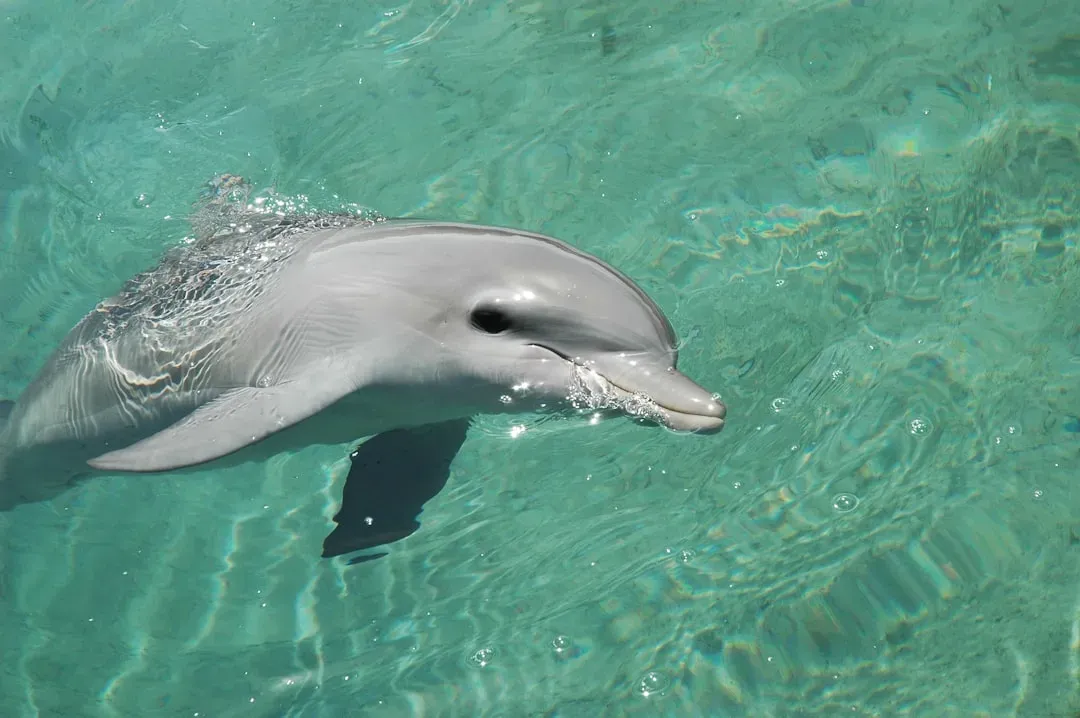
Not every solo journey is about aggression or social fallout. Sometimes, it looks like pure exploration. Certain individuals seem drawn to boats, novel objects, or unfamiliar coastlines, often venturing off alone while their pod hangs back. In those moments, you see a kind of daring curiosity that feels almost adolescent: the friend who walks ahead of the group just to see what is around the next corner.
That appetite for the new can be a huge advantage in changing oceans, helping dolphins discover new feeding grounds or ways to interact with human-made structures. But it can also be dangerous. Adventurous individuals are more likely to approach ships, fishing gear, or polluted waters. Intelligence drives them toward novelty, yet it does not guarantee safety, turning some solo journeys into high-stakes gambles where the cost of being too curious can be fatal.
Human Encounters: Why “Friendly” Solitary Dolphins Are A Red Flag
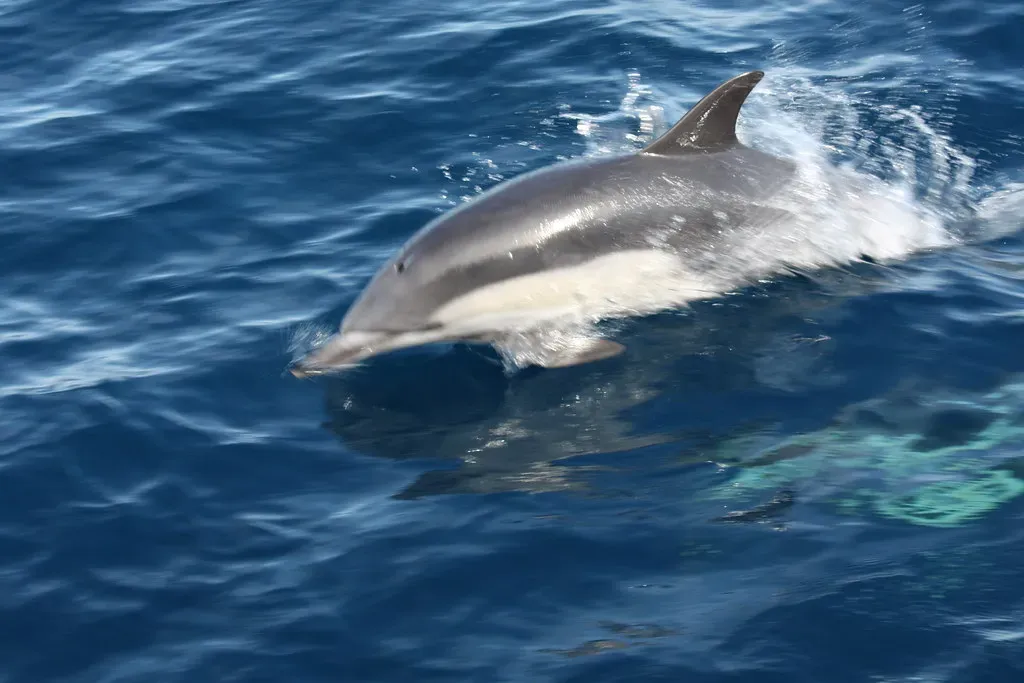
When a solitary dolphin starts repeatedly approaching swimmers or boats, people often interpret it as a sign of special connection or friendliness. The temptation to get close, touch, and interact is huge. But biologists have become increasingly blunt: this behavior is usually a warning signal that the animal is stressed, habituated to humans, or acting in ways that can quickly turn dangerous for both sides. A dolphin without the buffer of a pod may have fewer checks on its behavior.
There have been cases where “friendly” solitary dolphins became aggressive, injured people, or put themselves in harm’s way by lingering around busy harbors. These are not trained performers; they are powerful wild predators with their own motives and thresholds. Seeing them alone and approaching us should trigger caution, not fantasy. The darker truth is that our fascination, mixed with their intelligence, can create volatile situations that neither species fully controls.
Rethinking Dolphin Intelligence: Not Angels, Not Monsters
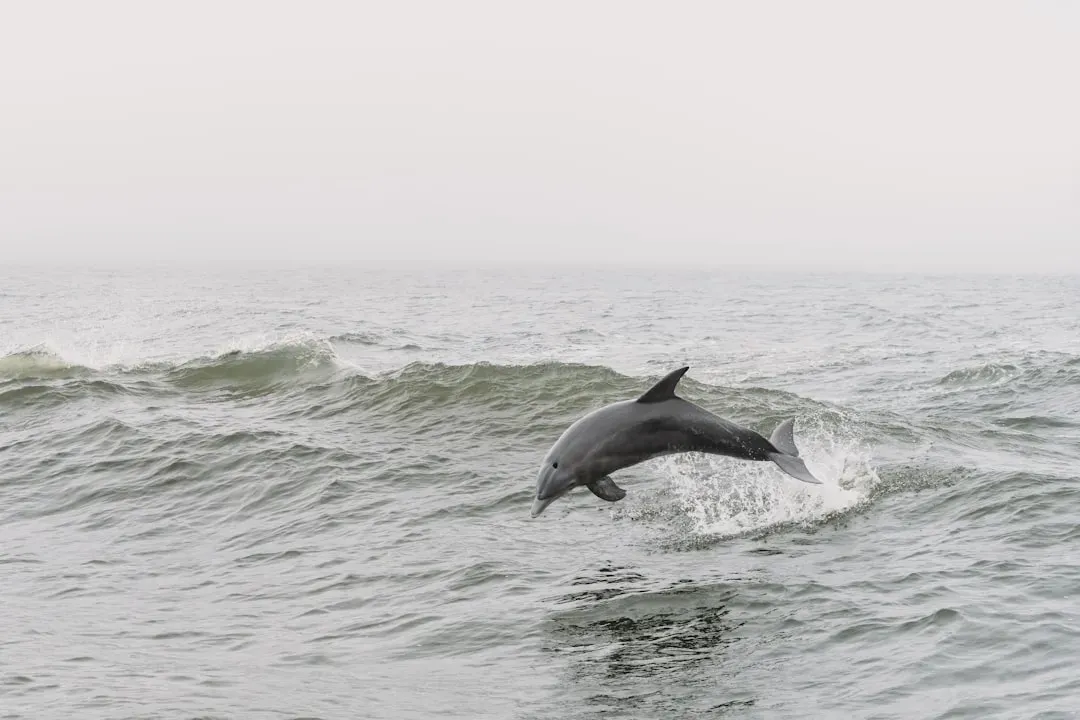
All of this leaves us with an uncomfortable but important shift in perspective. Dolphins that peel away from their pods are not automatically broken or lost; many are making complex decisions shaped by hunger, social tensions, desire, curiosity, or simple self-interest. Their intelligence does not polish them into ocean saints. It armors them with options, strategies, and sometimes ruthless clarity about what they want in that moment.
Personally, I think this makes them more fascinating, not less. Dolphins are not moral symbols built to reassure us about nature; they are complicated, sometimes cruel, sometimes tender beings trying to navigate a world we are rapidly reshaping. If anything, the lone dolphin cutting a silent path through open water reminds us that intelligence and kindness are not the same thing. The question is not whether they deserve our admiration, but whether we are willing to respect them as they truly are: neither heroes nor villains, just remarkably sharp minds moving through a blue world we still barely understand.