Newly analyzed jawbones from 380-million-year-old lungfish are shedding light on the feeding behaviors of our earliest vertebrate ancestors. Discovered in the Gogo Formation of northern Western Australia, these fossils reveal a surprising diversity in skull and jaw structure, offering clues about how early lobe-finned fish adapted to different diets and ecological roles before vertebrates made the leap from water to land.
A Fossil Field of Firsts
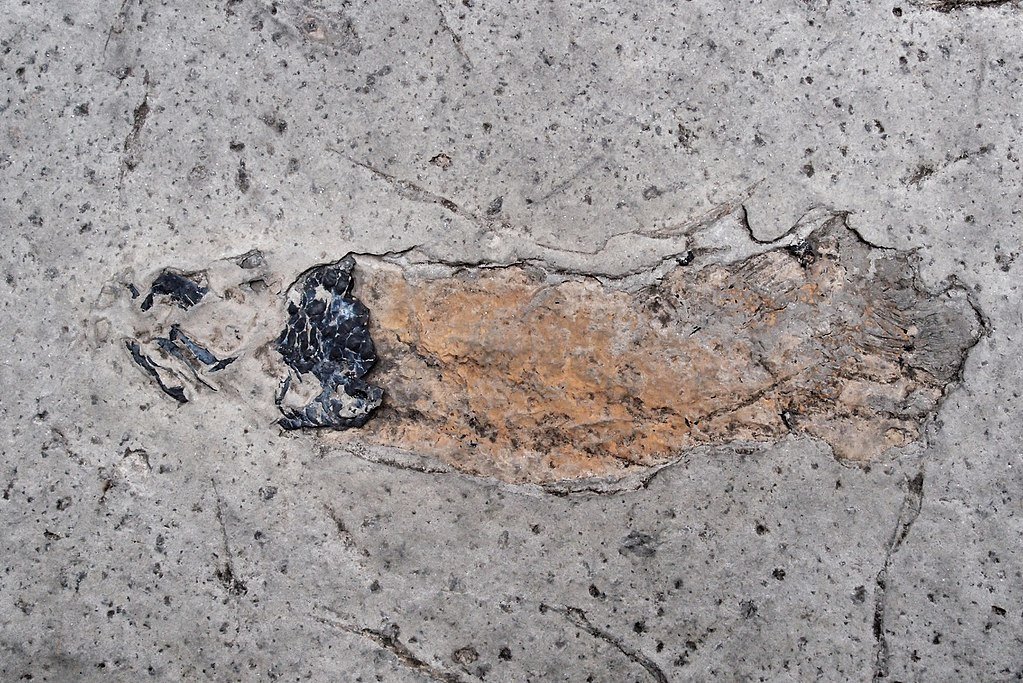
The Gogo fossil site is renowned for its exceptional preservation of Devonian-era fish, including lungfish, placoderms, and early tetrapod relatives. In this study, researchers used 3D finite element modeling (FEM) to analyze the biomechanical strength of fossilized jawbones from multiple lungfish species. The results revealed unexpected variation in bite force and stress resistance, suggesting niche partitioning among species in the same ecosystem.
Surprising Strength in Slender Jaws
Contrary to expectations, some of the slenderer jawbones were better suited to withstand biting stress than their more robust-looking counterparts. This indicates that jaw shape alone doesn’t predict feeding strength and that different lungfish species evolved distinct strategies for processing prey. These findings challenge assumptions about early vertebrate feeding and highlight the complexity of the Devonian ecosystem.
Lungfish and the Tetrapod Connection
Lungfish are the closest living relatives of tetrapods, four-limbed vertebrates that include amphibians, reptiles, birds, and mammals. Understanding their feeding mechanics provides insight into how early vertebrates adapted to new food sources as they transitioned from aquatic to terrestrial environments. The study adds to growing evidence that the move to land was preceded by a wide range of ecological experimentation in water.
Conclusion
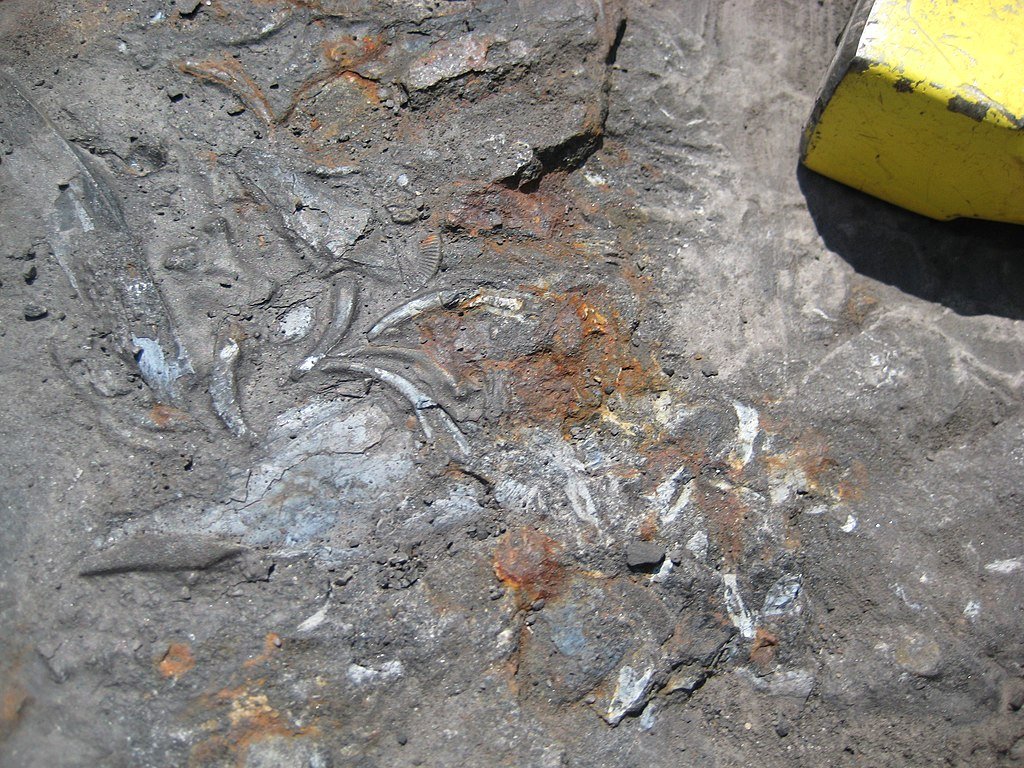
The fossilized jaws of ancient lungfish offer more than anatomical detail; they reveal the evolutionary groundwork for vertebrate life on land. By reconstructing how these fish fed, scientists are piecing together the story of how our distant ancestors explored new diets, new habitats, and ultimately, a new world above the waterline.
Sources: