Imagine walking into a quiet museum hall, the air tinged with the faint scent of old paper and polished wood, and realizing you’re not just looking at ancient bones or pressed flowers—you’re glimpsing the secret life of our planet. Every jar, drawer, and dusty cabinet hides a story more thrilling than any Hollywood blockbuster. Specimen collections are the heartbeats of museums, pulsing with discoveries that shape our understanding of the world. On International Museum Day, let’s peel back the curtain and explore the astonishing science, drama, and humanity behind the collections most people never see.
The Hidden World Behind Glass
Most visitors see only the tip of the iceberg: a dinosaur skeleton here, a butterfly display there. Behind the scenes, though, museums store millions of specimens—often in climate-controlled vaults, kept away from public view. These are not just objects; they’re time capsules, holding secrets about extinct animals, vanished habitats, and shifting climates. Each specimen, whether it’s a preserved lizard or a fossilized fern, is a silent witness to Earth’s past. For scientists, these collections are like a vast, living library, where every book is a piece of the puzzle.
From Field to Museum: The Journey of a Specimen
The path from wild habitat to museum shelf is an adventure in itself. Researchers travel to remote forests, deserts, and oceans, braving harsh elements and unpredictable weather to collect specimens. Each find is carefully documented: where it was found, under what conditions, and sometimes even the story of the day it was discovered. These details matter, because the context gives the specimen its scientific value. Once back at the museum, the journey continues through cleaning, cataloging, and often delicate preservation work that can take weeks or even months.
Preserving Life: The Art and Science of Conservation
Specimen conservation is as much art as it is science. Preserving a delicate butterfly or a fragile bird’s egg requires steady hands and deep knowledge. Techniques have evolved over centuries, from taxidermy to modern cryopreservation. Some specimens are stored in ethanol, others in airtight drawers or special freezers. The goal is always the same: to protect these treasures from time, pests, and decay, so they can continue to teach and inspire generations to come.
Cataloging Complexity: Order in Chaos

A museum’s collection might hold millions of specimens—imagine trying to keep track of that many unique, irreplaceable objects. Cataloging is the unsung hero of museum science. Every item gets a unique number, detailed records, and often high-resolution photos. Modern digital databases allow curators to share information with scientists around the world in seconds. This order transforms chaos into a resource that can be mined for discoveries for decades, or even centuries.
The DNA Revolution: Unlocking Genetic Secrets
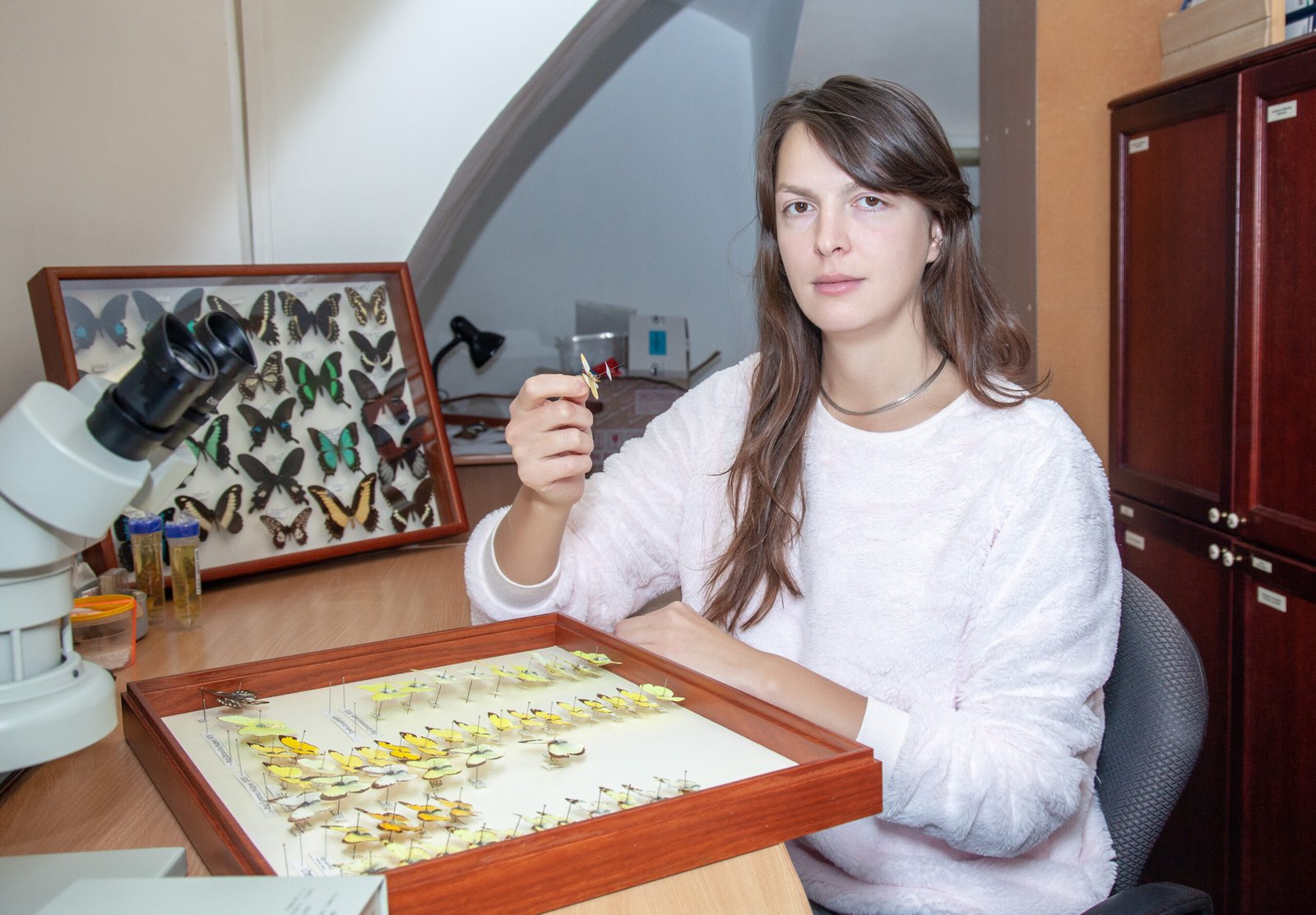
In the last twenty years, DNA analysis has revolutionized specimen collections. Scientists can now extract genetic material from dried leaves, bones, or even the skin of animals preserved over a century ago. This has led to the discovery of new species, revealed hidden relationships between organisms, and even helped bring back genes from extinct animals. Museums have become genetic time machines, helping us peer into the evolutionary past.
Climate Change Clues: Reading the Past to Predict the Future
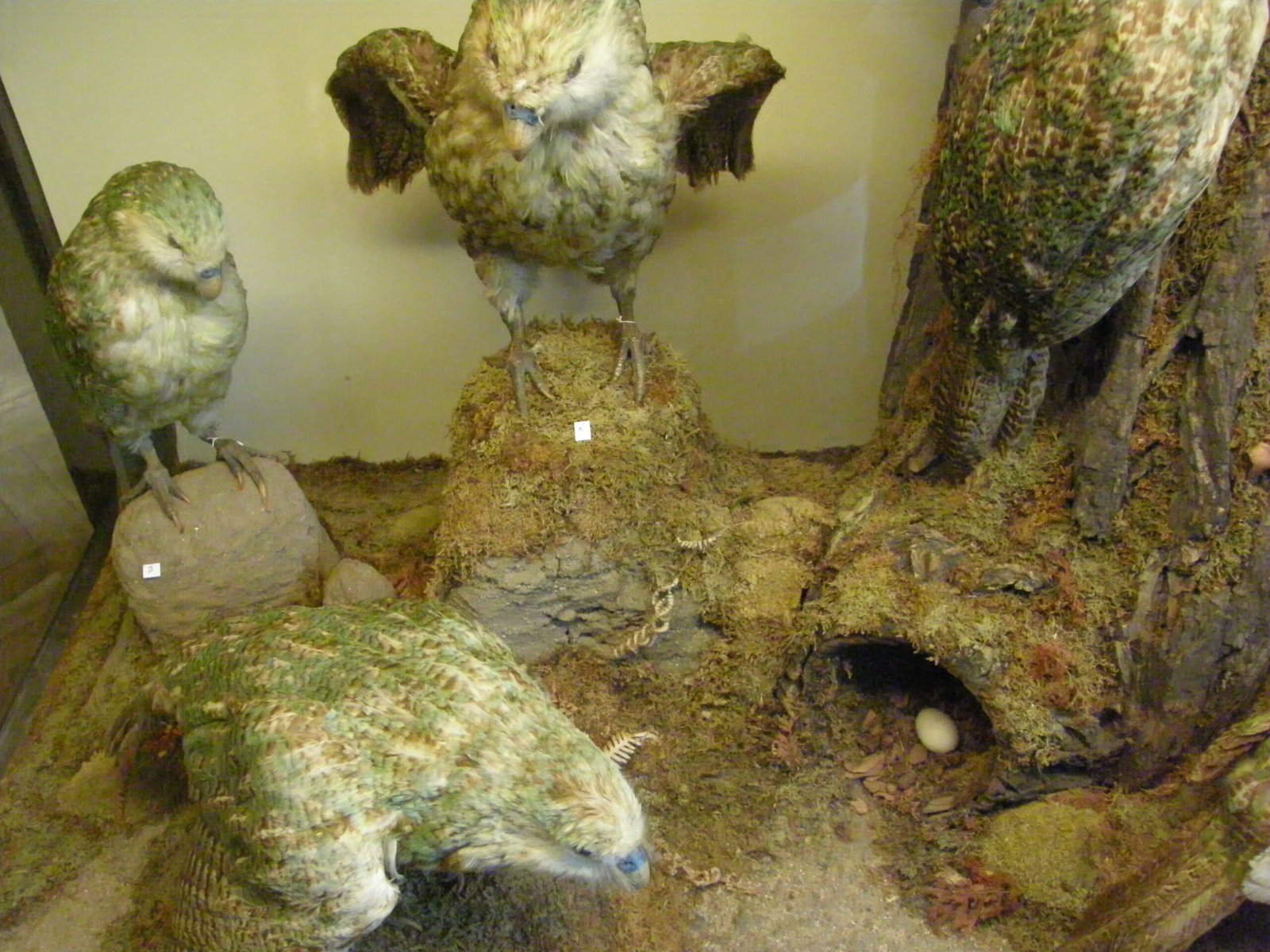
Specimen collections are silent witnesses to a changing world. By comparing specimens collected decades or even centuries apart, scientists can track how plants and animals have responded to climate change. Shifts in flowering times, breeding behaviors, or geographic ranges are all recorded in these cabinets. This data is essential for predicting how ecosystems might respond to the challenges of our warming planet.
The Unexpected Discoveries: Serendipity in the Stacks
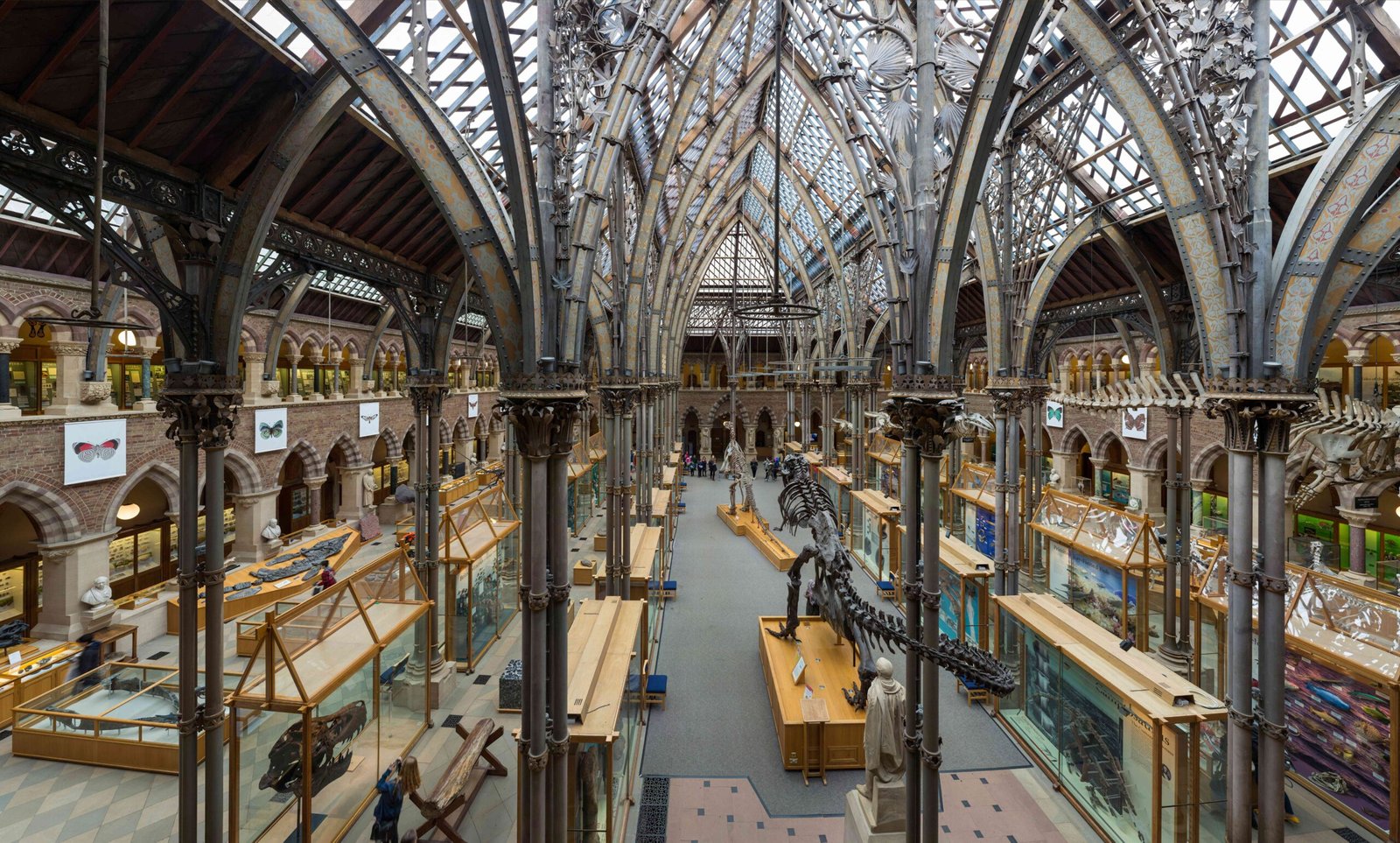
Some of the most thrilling scientific breakthroughs have happened by accident—when researchers stumble upon an overlooked specimen in a dusty drawer. For example, a forgotten bird skin collected in the 1800s might turn out to be a new species, or a pressed flower could reveal an extinct plant. These moments of serendipity are only possible because museums preserve everything, not just what’s popular or beautiful.
Fighting Extinction: Specimens as Conservation Tools
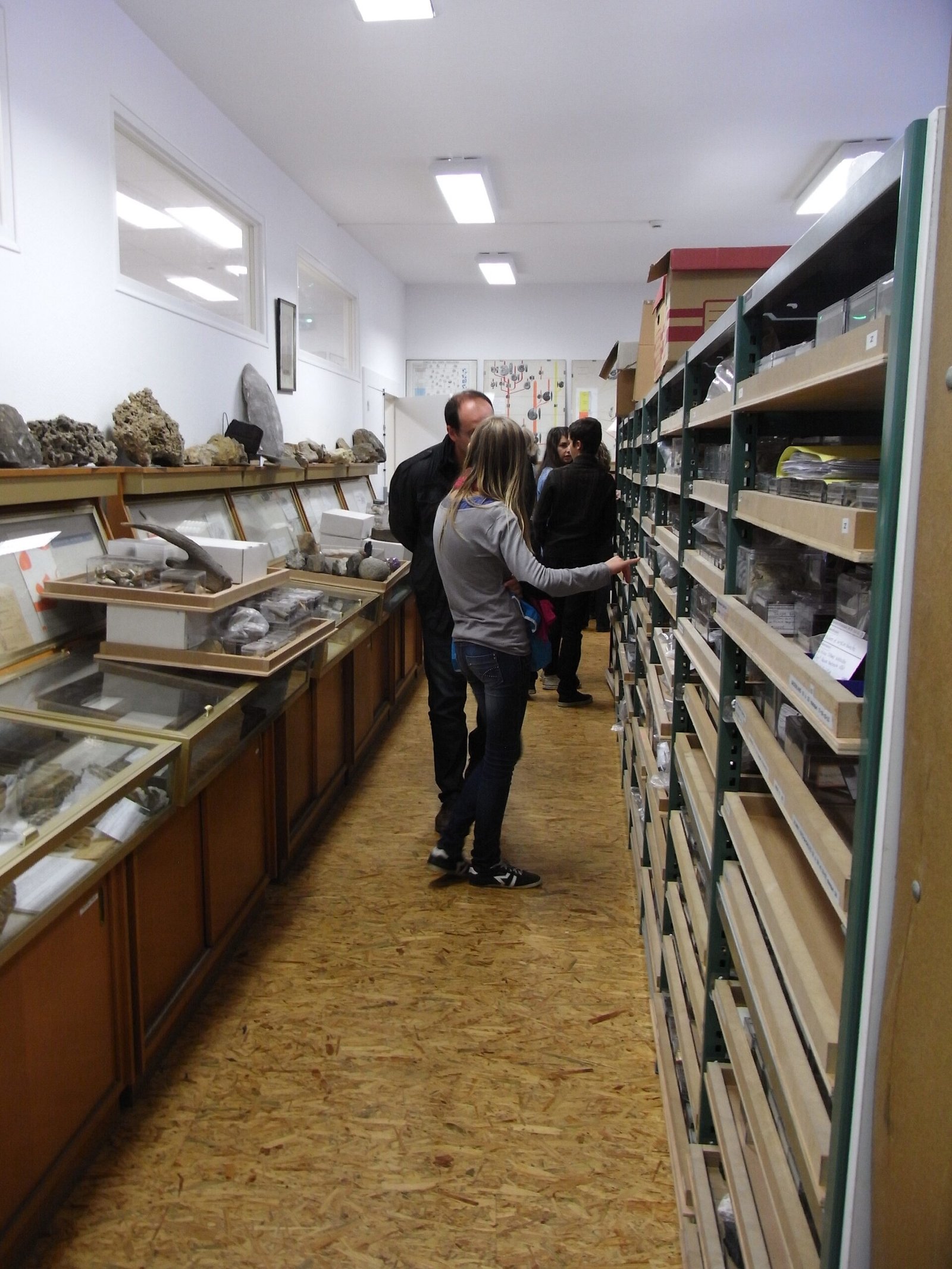
Specimen collections play a direct role in protecting endangered species. By studying physical traits, genetics, and even the parasites or pollen found on museum specimens, scientists can make informed decisions about how to save species on the brink. Sometimes, the only evidence left of a vanished animal or plant is in a museum collection—serving as a vital record and a rallying cry for conservation efforts.
Global Collaboration: Museums Without Borders

Museums aren’t isolated islands—they’re part of a worldwide network. Through digital databases and collaborative projects, collections from different continents can be compared and studied together. This international teamwork has led to breathtaking discoveries, such as mapping the spread of diseases or tracking invasive species across the globe. On International Museum Day, this spirit of cooperation shines, reminding us that knowledge knows no borders.
The Human Touch: Stories of Collectors and Curators
Behind every specimen is a human story—sometimes heroic, sometimes tragic, always fascinating. Early collectors braved dangerous expeditions, often risking their lives for science. Today’s curators work tirelessly to preserve and study these treasures, often spending long hours in chilly archives or remote field sites. Their dedication is the invisible glue holding the museum world together.
Education and Wonder: Inspiring the Next Generation
Specimens aren’t just for scientists—they’re for everyone. Museums bring the wonders of the natural world to people of all ages, sparking curiosity and inspiring lifelong passions. Interactive exhibits, hands-on workshops, and behind-the-scenes tours open up the hidden world of collections. For many kids, that first close-up encounter with a preserved insect or ancient fossil is a memory that lasts a lifetime.
Technological Marvels: The Digital Museum
Technology is transforming how we interact with specimen collections. High-resolution scanners, 3D printers, and virtual reality allow people to explore rare and fragile specimens from anywhere in the world. Digital catalogs make it possible for researchers and the public to browse millions of objects with a few clicks. The digital revolution is turning museums into living, accessible archives for everyone.
Citizen Science: Everyone’s a Curator
Museum science isn’t just for professionals. Citizen science projects invite ordinary people to help document and interpret collections. Volunteers might help transcribe handwritten labels, digitize old photographs, or even collect new specimens. This democratization of science not only accelerates research but also brings communities closer to the natural world.
Specimens and Medicine: Cures from the Cabinets
Museum specimens have an unexpected role in medicine. Scientists study preserved plants and animals to find natural compounds that could lead to new drugs or treatments. Sometimes, the cure for a modern disease is hidden in a specimen collected decades ago. These treasures are more than curiosities—they can be lifesavers.
The Ethics of Collecting: Balancing Science and Respect

Collecting specimens raises important ethical questions. How do we balance the need for knowledge with respect for nature and indigenous cultures? Museums are increasingly aware of these concerns, working closely with communities to ensure collections are managed with sensitivity and care. Ethical collecting practices are at the heart of modern museum science.
Lost Worlds: The Power of Extinction in Collections
Some specimens are all that remain of vanished worlds—birds that no longer sing, flowers that no longer bloom. These relics are powerful reminders of what has been lost and what we still stand to lose. Seeing the preserved skin of a passenger pigeon or the leaf of a vanished plant can be a deeply moving experience, fueling a sense of urgency for conservation.
Microcosms Under the Microscope
Tiny specimens, invisible to the naked eye, often hold the biggest secrets. Microbes, pollen grains, and insect parts can reveal environmental changes, disease outbreaks, and even ancient climates. Advanced microscopes and imaging techniques allow scientists to explore these microcosms, unlocking mysteries that would otherwise stay hidden forever.
Specimen Collections as Legal Evidence

Sometimes, specimens end up in courtrooms. They can serve as legal evidence in cases involving wildlife crime, illegal trade, or environmental damage. DNA from museum samples has helped convict poachers and smugglers, proving that collections are not just about science—they’re tools for justice.
Personal Connections: Why Specimens Matter to Us All

You might not realize it, but museum specimens are deeply personal. They connect us to our ancestors, our environment, and even our own childhood memories of discovery. Holding a fossil or gazing at an ancient butterfly reminds us of our place in the grand story of life. These collections are not just scientific resources—they are part of our shared human heritage.
The Future of Specimen Collections: Challenges and Hopes
Looking ahead, specimen collections face challenges—funding cuts, climate threats, and the need for more inclusive practices. Yet there is hope in the passion of new generations, in cutting-edge technology, and in the growing recognition of the value these collections hold. Museums are reinventing themselves, becoming more open, interactive, and vital than ever before.
Specimen collections are more than silent shelves and glass cases—they are living testaments to curiosity, courage, and the wild beauty of our world. On International Museum Day, take a moment to imagine the stories hidden in every cabinet and wonder: What secrets are still waiting to be discovered?