
The human brain is often compared to a computer, but that metaphor falls apart the deeper you go, a bit like trying to describe a colossal squid as “just a big fish.” Hidden in the darkness of our skulls is a biological deep sea: billions of neurons flickering like bioluminescent creatures, forming patterns we barely understand. For decades, scientists have mapped, scanned, and probed, yet the brain still behaves like the strangest ecosystem on Earth. Now, a new wave of theories suggests that our thoughts, memories, and even sense of self may emerge from brain dynamics as bizarre as life in the hadal trenches. If that sounds dramatic, it is – but it may also be the key to understanding consciousness in a way that finally does justice to how weird it really is.
The Hidden Clues: What Deep-Sea Creatures Teach Us About the Brain
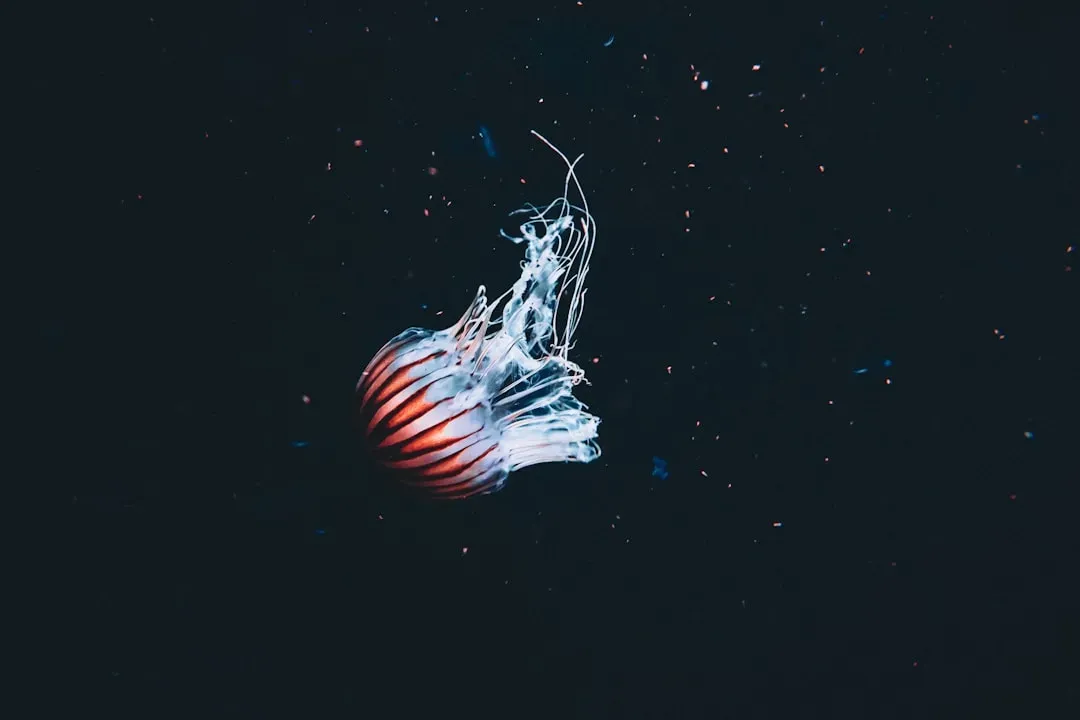
Imagine staring out of a submersible window into the blackness of the Mariana Trench and suddenly seeing a translucent creature pulsing with eerie blue light. That sense of “what on Earth is that?” is exactly the feeling many neuroscientists report when they observe the brain at very fine scales. When researchers record from hundreds or thousands of neurons at once, they do not see neat, predictable patterns – they see storms of spikes, waves, and fleeting assemblies of cells that appear and vanish like elusive deep-sea animals. Some of these patterns repeat, some never appear again, and many defy simple interpretation.
Just as deep-sea biology forced scientists to rethink what life needs to survive – crushing pressures, near-freezing temperatures, no sunlight – brain data is forcing us to rethink what intelligence looks like. There are signals that only appear during sleep, others that emerge under psychedelics, and others linked to rare moments of insight or creativity. These are like niche species adapted to narrow bands of depth, temperature, and chemistry. Together, they hint that the brain is not one “thing” but an ecosystem of specialized processes, some as familiar as dolphins, others as alien as anglerfish, all coexisting in a confined but unimaginably complex space.
From Ancient Skulls to Modern Scans: Charting the Brain’s Abyss
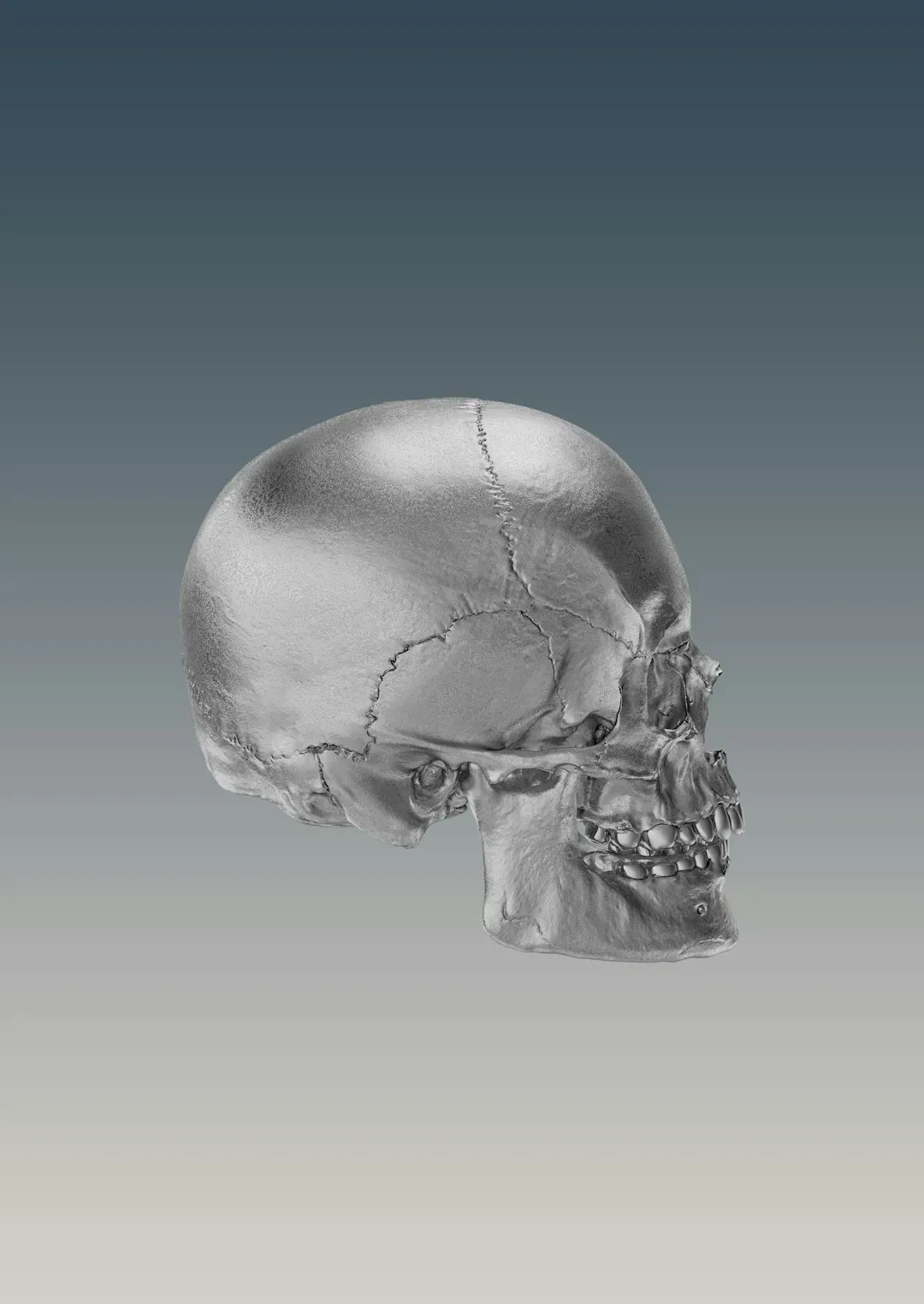
For most of human history, the brain was a black box, much like the deep ocean was just an expanse of uncharted blue on old maps. Ancient physicians knew that head injuries could change personality, yet they had no real concept of networks, plasticity, or hidden brain regions. Even a couple of centuries ago, many scientists believed the brain cooled the blood or acted as a passive receiver of some mysterious “vital spirit.” Those ideas now look as outdated as sea monsters sketched on the edges of medieval nautical charts.
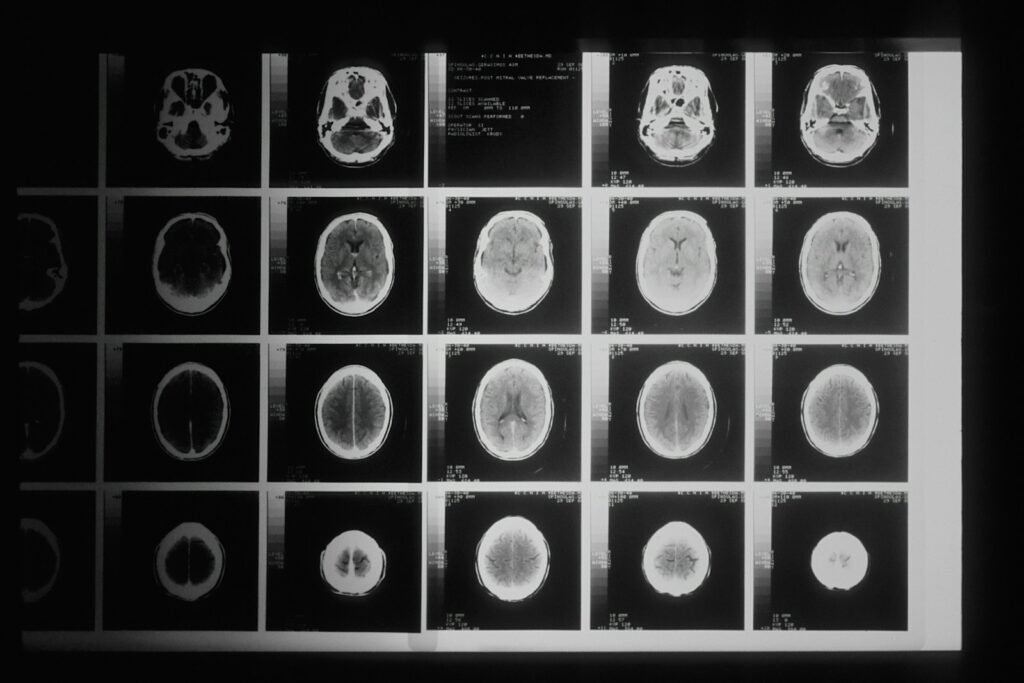
The revolution began slowly, with early anatomists tracing nerve pathways, then accelerated with the arrival of electricity-based measurements and, later, brain imaging. Techniques like MRI, functional MRI, and high-density electrode arrays are the modern equivalent of sending robotic submersibles into the deep. Suddenly, scientists could watch networks light up when people made decisions, remembered childhood scenes, or imagined impossible scenarios. Yet the closer we look, the stranger it gets: brain activity changes second by second, reshaping itself depending on context, expectation, and previous experience. Like deep-sea expeditions that keep discovering new species in supposedly “well-mapped” waters, each new tool reveals layers of complexity rather than neat answers.
Bizarre Brain Activity: The Internal Bioluminescent Zoo
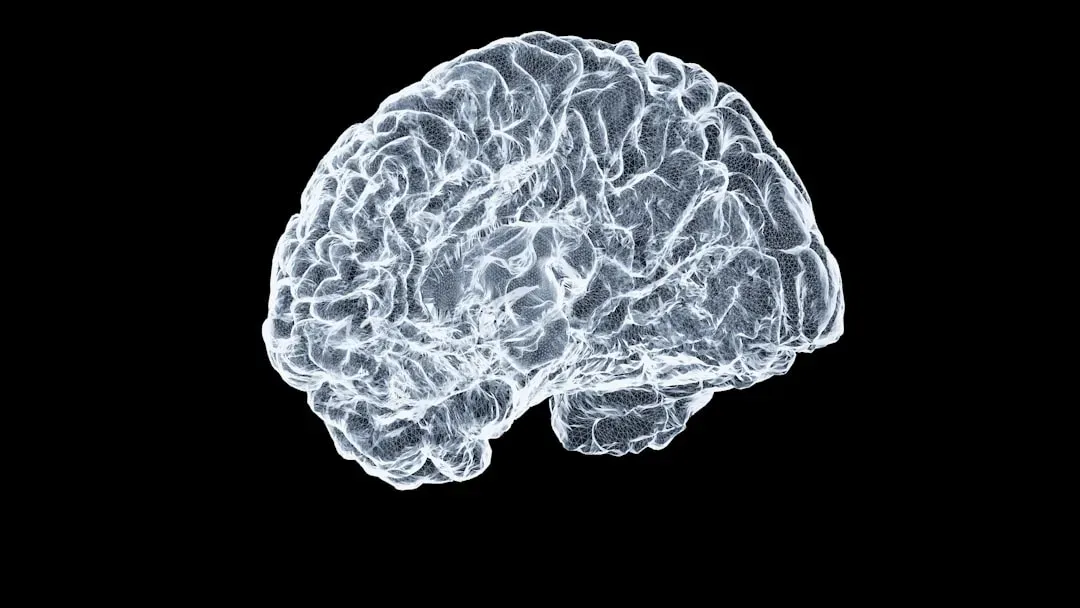
One of the most intriguing theories gaining traction paints the brain not as a static wiring diagram but as a roiling, dynamic ocean where neural activity behaves like schools of unpredictable animals. At rest, your brain is not quiet; it hums with spontaneous waves and flickers, a phenomenon sometimes called intrinsic or spontaneous activity. This internal motion consumes the vast majority of the brain’s energy, even when you are simply daydreaming or staring at a blank wall. It is as if the brain maintains an entire bioluminescent ecosystem that never truly sleeps.
Under this view, what we call “thoughts” might be comparable to rare deep-sea encounters: moments when different neural species – patterns, rhythms, and assemblies – briefly converge. Some researchers propose that consciousness could arise when these patterns organize themselves near a critical point, much like ocean systems poised between order and chaos. A small nudge, a new piece of information, or a subtle shift in chemistry can push the system into a new configuration. This explains why a single memory cue, a smell, or a word can suddenly summon an entire cascade of associations, the way flicking on a light can reveal a swarm of hidden creatures in the dark.
Why It Matters: Rethinking Intelligence, Mental Health, and Identity
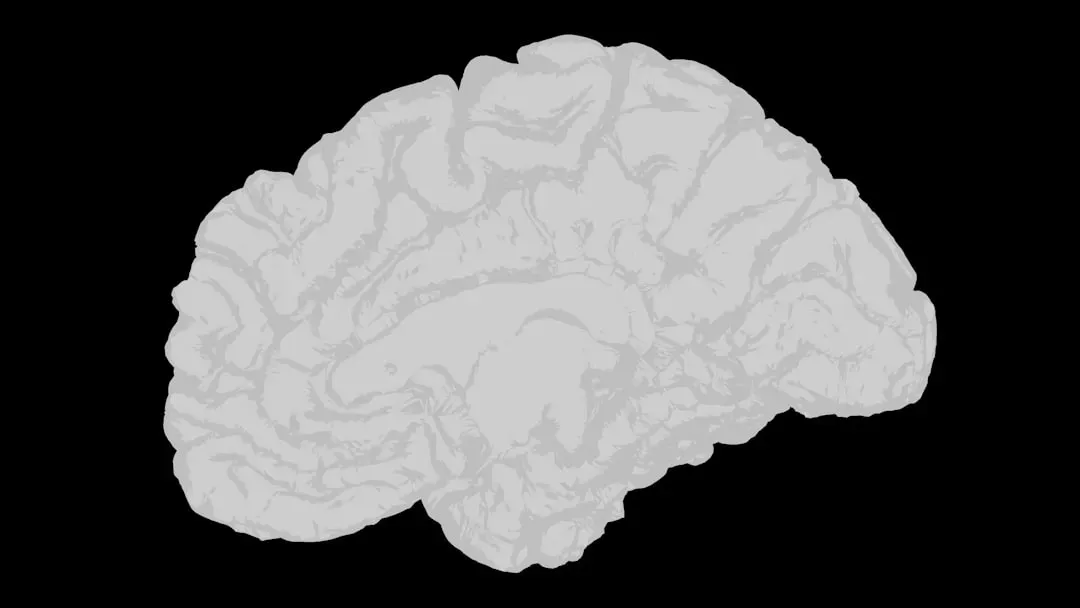
This way of thinking about the brain matters because it challenges older models that treated cognition like a simple flowchart, with inputs, processing steps, and outputs. Traditional metaphors – brain as computer, brain as telephone switchboard – imply predictability and fixed wiring. But real brains, like real oceans, are messy, ever-changing environments, where small changes can have large, nonlinear effects. That helps explain why treatments for mental health conditions are often difficult to predict and why two people with similar brain injuries can have very different outcomes.
Seeing the brain as a deep, dynamic ecosystem forces us to revisit questions of who we are. If our sense of self is not located in a single “consciousness center” but emerges from shifting networks, then identity becomes more like a constantly renegotiated current than a fixed island. This has real consequences for how we think about depression, anxiety, and neurodivergence. Instead of viewing them purely as “faulty wiring,” we can see them as altered ecosystem states – different distributions of neural species, some helpful, some harmful, all shaped by genes, experiences, and environment. It is a more complicated story, but it may also be a more humane one.
Strange Experiments: Probing the Trenches of Consciousness
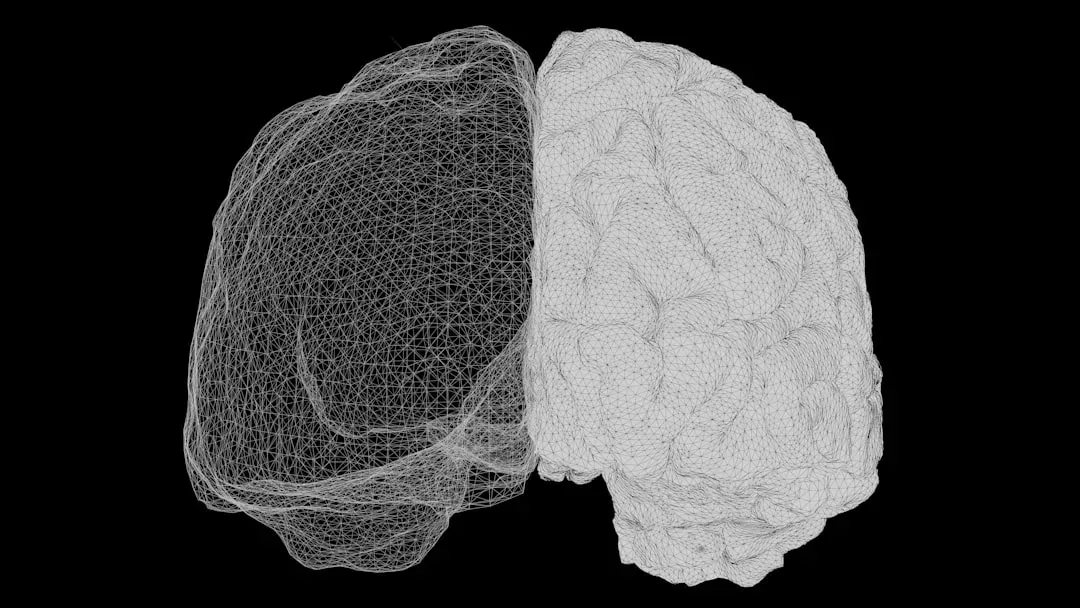
To test these ideas, researchers are running experiments that feel as wild as any deep-sea mission. In one line of work, participants lie in scanners for hours while they move between wakefulness, light sleep, deep sleep, and dream states, allowing scientists to map how brain networks reconfigure across different levels of consciousness. Another set of studies uses anesthetics to gently fade awareness in and out, tracking which network patterns disappear first and which cling on until the very end. These shifts resemble the way different deep-sea species vanish as you change depth, leaving only the hardiest survivors in the darkest zones.
Other experiments use precisely timed electrical or magnetic stimulation to temporarily disrupt or boost specific brain regions, like shining a spotlight into a small patch of ocean. Sometimes, a tiny nudge leads to surprisingly large changes in perception or decision-making, hinting that the system was already finely balanced. Tools such as high-resolution EEG and invasive electrodes in epilepsy patients have revealed brief “avalanches” of neural firing that spread and then rapidly die out. These ephemeral cascades may be the basic currency of flexible thought, the neural equivalent of a flash of bioluminescence that illuminates just enough of the landscape for the brain to take its next step.
Global Perspectives: Many Cultures, One Mysterious Machine
Although the core biology of the brain is shared worldwide, the ways we interpret its mysteries vary dramatically by culture. Some societies have long traditions that emphasize mind as a fluid, relational process rather than a fixed thing, echoing this new ecosystem model unexpectedly well. Others lean heavily into mechanistic metaphors, preferring neat diagrams and tidy explanations. When global teams collaborate, they often bring different intuitions about what questions matter most: consciousness, intelligence, creativity, or healing. This diversity of viewpoints is not a bug; it is a feature that keeps the field from getting stuck.
At the same time, brain research is still heavily shaped by which countries have the resources to build large imaging centers and fund ambitious projects. Massive multinational efforts to map neural connections and dynamics are slowly changing that, but gaps remain. In practical terms, this means that much of our deepest data still comes from a narrow slice of humanity. If the brain is like a global ocean, we have so far mostly sampled a few busy shipping lanes, not the full range of human experiences and environments. As more regions join the exploration, we can expect the picture to become even stranger – and more complete.
The Future Landscape: New Technologies for Exploring the Inner Deep Sea

Looking ahead, the tools coming online over the next decade promise to make today’s brain science look as primitive as early bathyspheres. Advances in noninvasive imaging may allow researchers to measure brain activity at finer spatial and temporal scales, capturing the equivalent of individual “neural fish” rather than blurry schools. Brain–computer interfaces are steadily becoming more precise, giving paralyzed people new ways to communicate while also generating invaluable data about how populations of neurons encode intentions. Computational models, powered by increasingly sophisticated machine learning, are beginning to simulate neural ecosystems rather than just static circuits.
However, these advances arrive with serious challenges. There are pressing ethical questions about privacy, enhancement, and who gets access to powerful neurotechnologies. There is also the risk of overpromising, of selling a neat story before the data truly support it, much as early explorers exaggerated tales of sea serpents and leviathans. On the other hand, if handled carefully, these tools could help refine the emerging theory that brain function arises from complex, near-critical dynamics. That, in turn, could transform how we treat neurological and psychiatric conditions, shifting from crude, broad interventions to more targeted nudges that gently steer the system back toward healthier states.
How You Can Engage: Curiosity as a Scientific Force

For most of us, the brain will never be a daily lab subject, but that does not mean we are stuck as passive spectators. Paying attention to your own mind – how it changes with sleep, stress, conversation, or art – is a bit like keeping a personal field log of a familiar yet constantly shifting coastline. Simple habits such as prioritizing sleep, protecting quiet thinking time, and staying socially connected all support healthier neural ecosystems. They are not magical solutions, but they nudge the brain’s internal ocean toward more stable, flexible conditions.
If you want to go further, you can support organizations funding open, ethical brain research, follow reputable neuroscience reporting, and stay skeptical of oversimplified claims. Classroom discussions, science clubs, and public talks all help keep the conversation grounded in evidence while preserving the wonder this topic deserves. In a world where both the deep sea and the human brain are still mostly unexplored, curiosity is not a luxury; it is the engine that keeps the submersibles diving. The more people care about these invisible frontiers, the more likely we are to understand the mysterious biological machine each of us carries around every day.
Suhail Ahmed is a passionate digital professional and nature enthusiast with over 8 years of experience in content strategy, SEO, web development, and digital operations. Alongside his freelance journey, Suhail actively contributes to nature and wildlife platforms like Discover Wildlife, where he channels his curiosity for the planet into engaging, educational storytelling.
With a strong background in managing digital ecosystems — from ecommerce stores and WordPress websites to social media and automation — Suhail merges technical precision with creative insight. His content reflects a rare balance: SEO-friendly yet deeply human, data-informed yet emotionally resonant.
Driven by a love for discovery and storytelling, Suhail believes in using digital platforms to amplify causes that matter — especially those protecting Earth’s biodiversity and inspiring sustainable living. Whether he’s managing online projects or crafting wildlife content, his goal remains the same: to inform, inspire, and leave a positive digital footprint.