
Imagine sitting in a candlelit Parisian bistro, the aroma of garlic butter and parsley filling the air as a steaming plate of escargots is set before you. For many, this is the epitome of French cuisine—rich, refined, and irresistibly unique. Yet, behind the romance of snail shells clinking on porcelain, a surprising truth lurks: France’s love affair with snails is pushing these humble creatures to the brink. Who would have guessed that a delicacy so deeply rooted in tradition could become the center of a conservation storm?
The Iconic Role of Snails in French Cuisine
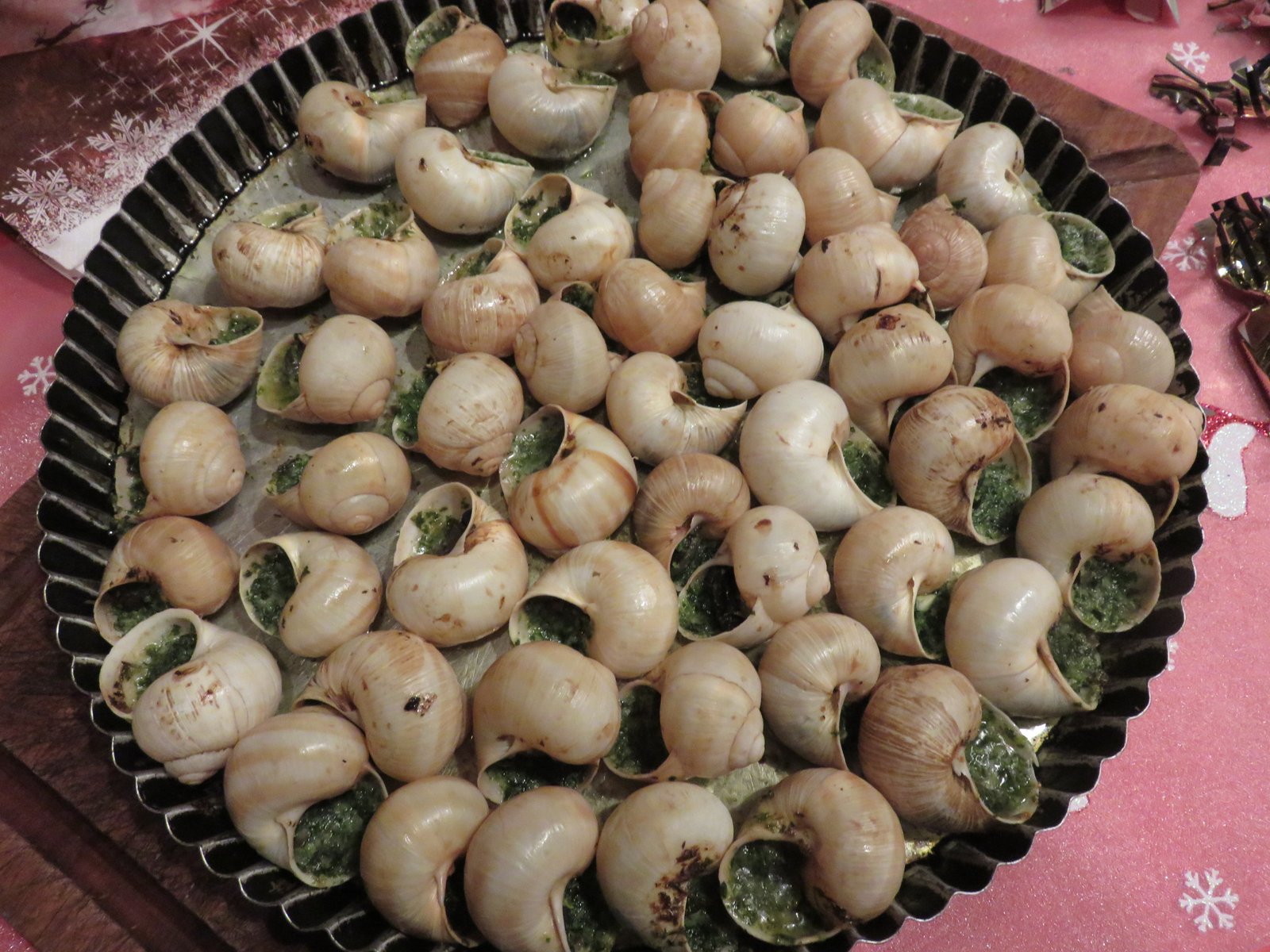
Snails, or “escargots,” hold an almost mythic place in French culinary tradition. For centuries, they have graced festive tables, especially during Christmas and New Year celebrations. The classic preparation—snails baked in their shells with garlic, parsley, and butter—transforms a simple mollusk into a gourmet experience. Many French people associate escargots with family gatherings and special occasions, making the dish not just food, but a treasured ritual. Restaurants across France take pride in serving escargots, often as a symbol of authenticity and heritage. Tourists flock to taste this dish, eager to connect with French culture through their palate. The demand for snails is so high that France consumes up to 30,000 tons annually, turning these slow-moving creatures into culinary celebrities. This immense appetite, however, has hidden consequences.
The Natural History of French Snails
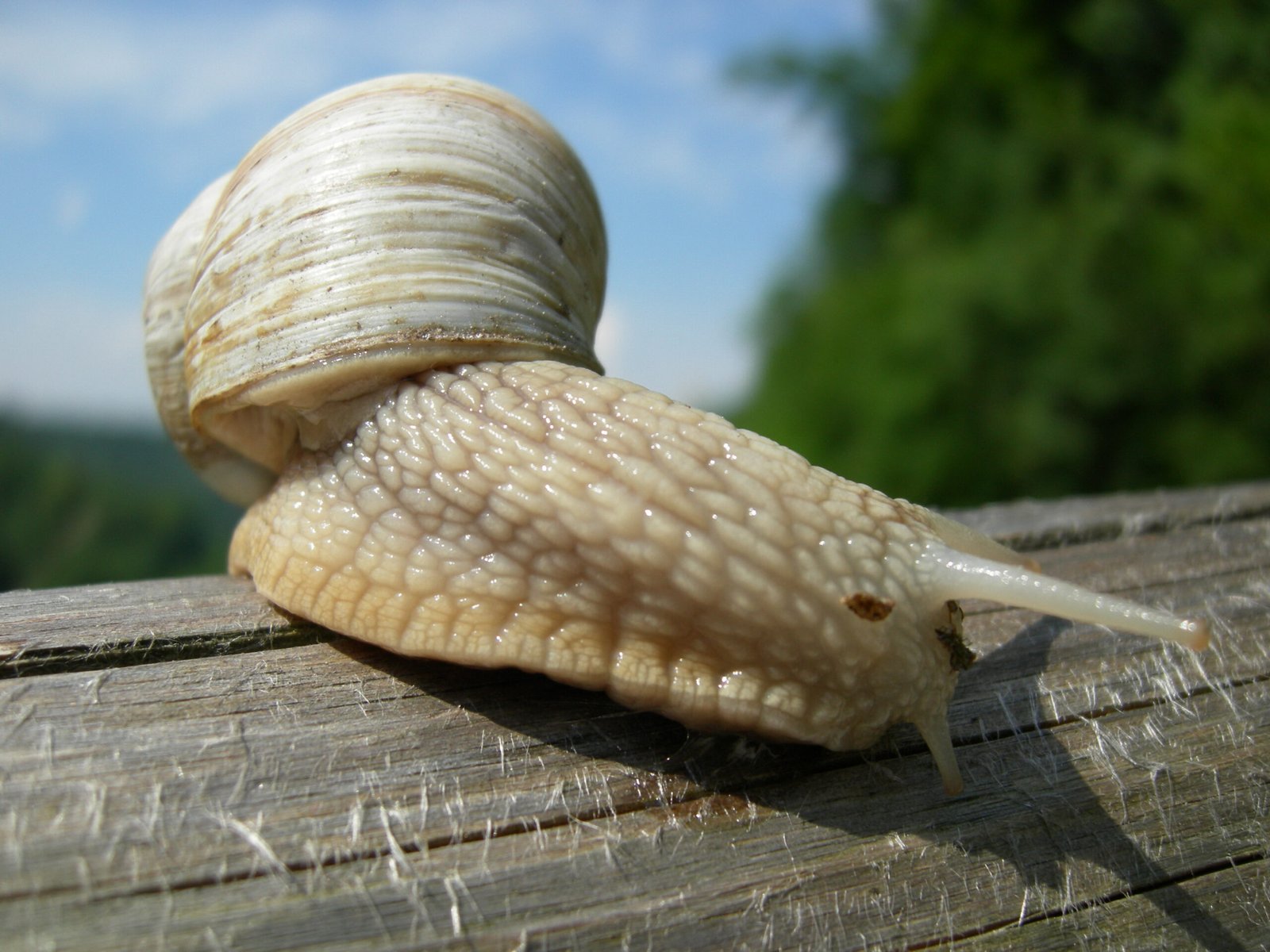
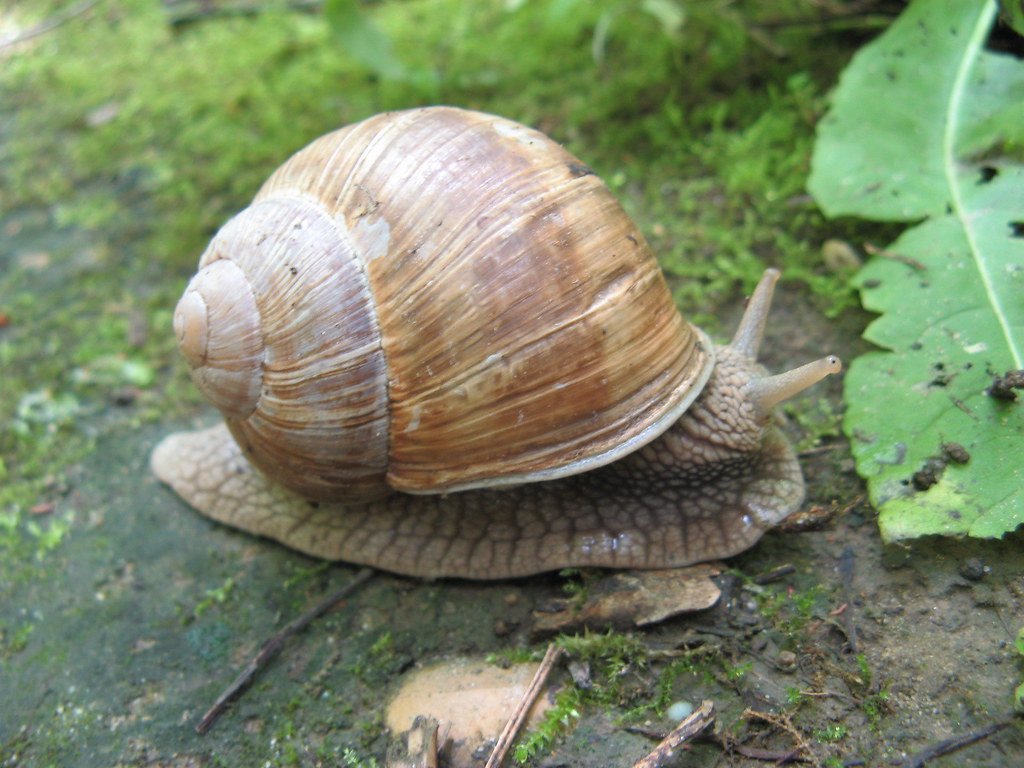
The edible snail most often served in France is Helix pomatia, commonly known as the Roman snail or Burgundy snail. Native to forests and grasslands across Europe, these snails play a vital role in their ecosystems. They help recycle nutrients by breaking down decaying plant matter and serve as food for birds, mammals, and insects. Helix pomatia is especially sensitive to changes in its environment, thriving only in areas with clean soil and high humidity. Their slow growth—they can take up to five years to reach maturity—means populations are easily disrupted. This delicate balance has been upset by human appetite, leading to growing concerns among conservationists. The Roman snail’s gentle pace and ecological importance make its decline all the more alarming.
France’s Insatiable Demand for Escargots
Every year, millions of snails are harvested to meet the nation’s culinary cravings. This demand isn’t only driven by restaurants; home cooks and festive feasts contribute to the appetite as well. Despite the romantic image of foragers gathering snails in dewy fields, the reality is far more industrial. Wild snail populations have been plundered to the point where French harvests cannot keep up. As a result, more than 90% of snails served in French restaurants are now imported from Eastern Europe or even further afield. The sheer scale of consumption is staggering, and it’s easy to forget that each escargot on a plate once played a role in a living ecosystem. The growing reliance on imports is both a symptom and a cause of the crisis.
Wild Harvesting: A Tradition with Consequences

Traditionally, snail collecting was a rural pastime, often passed down through generations. People would rise at dawn after rainstorms, baskets in hand, to gather snails from hedgerows and meadows. This practice once seemed harmless, but as demand grew, so did the pressure on natural populations. Overharvesting has led to dramatic declines in wild snail numbers, especially in regions where escargots were once abundant. In some areas, it’s become rare to spot even a single Helix pomatia. Habitat destruction from agriculture and urbanization has compounded the problem. The once-simple act of gathering snails has become a threat to their survival, turning a nostalgic tradition into a conservation concern.
Farmed Snails: A Solution or Another Problem?
In response to dwindling wild populations, snail farming—known as heliciculture—has blossomed across France and neighboring countries. These snail farms carefully breed and raise snails in controlled environments, aiming to take pressure off wild stocks. Farmed snails can be reared year-round, ensuring a steady supply for kitchens. However, farming is not a perfect solution. Diseases can spread rapidly among densely packed snails, and farm operations sometimes introduce non-native species that escape into the wild. There’s also the issue of taste: many gourmets claim that farmed snails lack the unique flavors of their wild cousins. While heliciculture helps meet demand, it cannot fully replace the ecological and cultural value of wild snails.
Legal Protections and Conservation Efforts
Recognizing the threat to native snail populations, France has enacted laws to protect Helix pomatia and other species. For instance, gathering wild Burgundy snails is banned during their breeding season, and collectors must adhere to strict quotas. Some regions have imposed total bans on wild harvesting, hoping to give snail populations a chance to recover. Conservation organizations actively monitor snail numbers and promote habitat restoration, planting native vegetation and reducing pesticide use. Educational campaigns encourage the public to respect snail habitats and buy only legally sourced escargots. Despite these efforts, enforcement can be challenging, and illegal harvesting still threatens vulnerable populations.
The Hidden Ecological Role of Snails
Snails may seem insignificant, but their ecological role is vast. By breaking down leaf litter, they enrich the soil and promote plant growth, acting as tiny gardeners. They are a food source for hedgehogs, thrushes, and even some beetles, supporting the entire food web. Losing snails from the wild doesn’t just mean fewer escargots on the table—it can unravel entire ecosystems. Their presence helps maintain the balance between plants and decomposers, preventing the buildup of decaying matter. The decline of snails signals deeper environmental problems, such as habitat loss and pollution, that affect countless other species. In this way, snails are like canaries in the coal mine, warning us of broader ecological trouble.
Global Impacts: Imports and Invasive Species
To satisfy its appetite, France imports vast quantities of snails from countries like Romania, Bulgaria, and Turkey. While this eases pressure on French populations, it raises new concerns. Some imported snails belong to different species, and when they escape or are released, they can become invasive. Invasive snails can outcompete native species, damage crops, and spread diseases. The globalization of the snail trade has created a complex web of ecological risks, with consequences that reach far beyond France’s borders. Import regulations and tracking are often lax, making it difficult to control the movement of potentially harmful species. The quest for escargots has truly become an international affair, with ripple effects across continents.
Scientific Research and Conservation Innovations
Researchers are working tirelessly to better understand snail biology and conservation. Genetic studies help identify distinct populations and assess their health, while field surveys monitor numbers and distribution. Some scientists are experimenting with habitat restoration, such as reintroducing snails to areas where they have disappeared. There is growing interest in breeding programs that maintain genetic diversity and resilience. Innovative techniques, like tracking snails with tiny radio tags, shed light on their movements and habits. This research not only benefits snails, but also deepens our understanding of biodiversity and ecosystem health. Science is offering hope that these ancient creatures can survive in a changing world.
Public Awareness and Changing Attitudes

As news of the snail crisis spreads, public attitudes are beginning to shift. Food lovers and environmentalists are joining forces to promote sustainable eating, encouraging people to choose farmed or certified snails. Chefs are experimenting with alternative recipes and highlighting the story behind each dish, turning escargots into a conversation starter about conservation. Educational programs in schools teach children about snails’ importance, nurturing respect for nature from an early age. Social media campaigns and documentaries have brought the issue to a wider audience, sparking debate and inspiring action. The humble snail has become a symbol of the choices we make as consumers and stewards of the natural world.
The Future of Snails in France
The fate of France’s snails hangs in the balance. Will tradition give way to sustainability, or will culinary passion continue to drive species toward extinction? The answer depends on the actions of individuals, industries, and governments. Some regions are optimistic, reporting signs of recovery where strict protections are enforced. Others warn that without stronger measures, the decline will continue. The story of the snail is a microcosm of the struggle to balance human desire with nature’s limits. As France grapples with this challenge, the world watches to see whether the nation can preserve both its gastronomic heritage and its wild treasures.