
Every so often, you’re sitting in a perfectly warm room, doing absolutely nothing dramatic, and suddenly you feel it: a chill racing down your spine, goosebumps prickling across your arms, that odd sense that the air just shifted. You check the thermostat, touch your skin, maybe even ask someone nearby if it feels colder, too. Most of the time, nothing obvious has changed. Yet your body just flipped into alert mode like it spotted something you didn’t.
That strange, sudden cold is not random, and it’s definitely not just in your head. It’s the echo of an ancient survival system that once kept your ancestors alive in caves, forests, and open plains long before you were scrolling on your phone in climate-controlled comfort. Neuroscience is slowly unpacking how your brain and body constantly sweep your environment for danger, and temperature is one of its sneakiest early warning signals. Once you see what is actually happening under your skin, that random shiver starts to feel a lot less mysterious – and a lot more like a quiet alarm bell.
The Primitive Alarm System Hiding in Your Spine
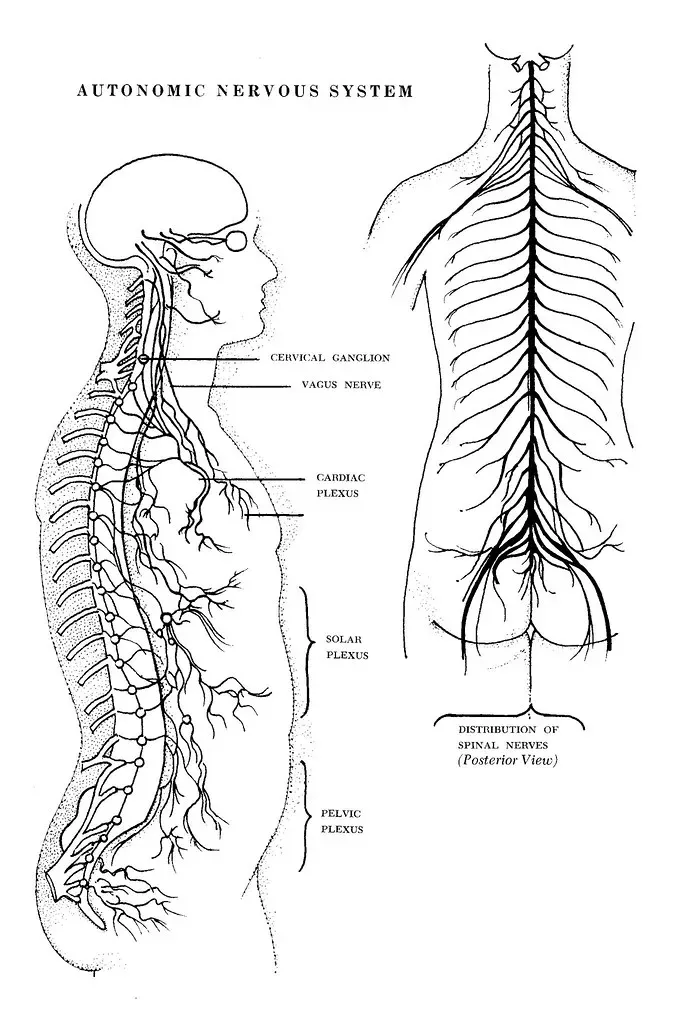
Here’s a wild thought: long before your conscious mind ever decides whether you feel safe, a chunk of your nervous system has already voted. Deep in your spinal cord and brainstem runs a fast, automatic network that does not wait for your opinion. This is part of your autonomic nervous system, and it acts like a frantic security guard, always assuming the worst and sounding the alarm first, asking questions later. That sudden cold sensation? It is often that security guard slamming a hand on the panic button.
In evolutionary terms, being a little too jumpy beat being a little too relaxed. If your ancestors walked into a dark cave and felt a sudden draft, it might mean a hidden exit, a predator’s den, or a dangerous drop. Better to feel a chill, tense up, and hesitate than to stroll blindly into trouble. So over countless generations, humans who reacted strongly to tiny environmental changes – like a slight breeze on the skin – were more likely to survive and pass on those hyper-alert wiring patterns. Your spine and brainstem are still running that old software, even if the only “threat” in your room is an unread email.
How Your Brain Reads “Cold” as a Possible Threat
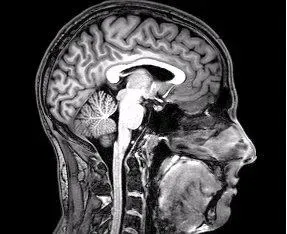
We tend to think of cold as just a number on a thermostat, but your brain treats it more like a story with potential plot twists. Sensors in your skin called thermoreceptors constantly send data about temperature shifts up to the spinal cord and into the brain, especially to regions like the hypothalamus, which is obsessed with keeping your internal environment stable. A sudden change – even a small drop – can feel suspicious to this system, because stability is life and instability might be danger.
Your brain does not just register the temperature; it asks, in a fraction of a second, what could this mean. A gust of cold air might signal an open door, potential exposure, or that you’ve stepped into unfamiliar territory. In the deep past, cold often rode along with risk: higher chances of infection, hypothermia, or wandering too far from shelter. As a result, your brain gave cold a special association with caution. Today, that shows up as a strange chill, a pulse of unease, or the feeling that something in the room is off, even when nothing obvious has changed.
Goosebumps, Vasoconstriction, and the “Invisible” Threat Response
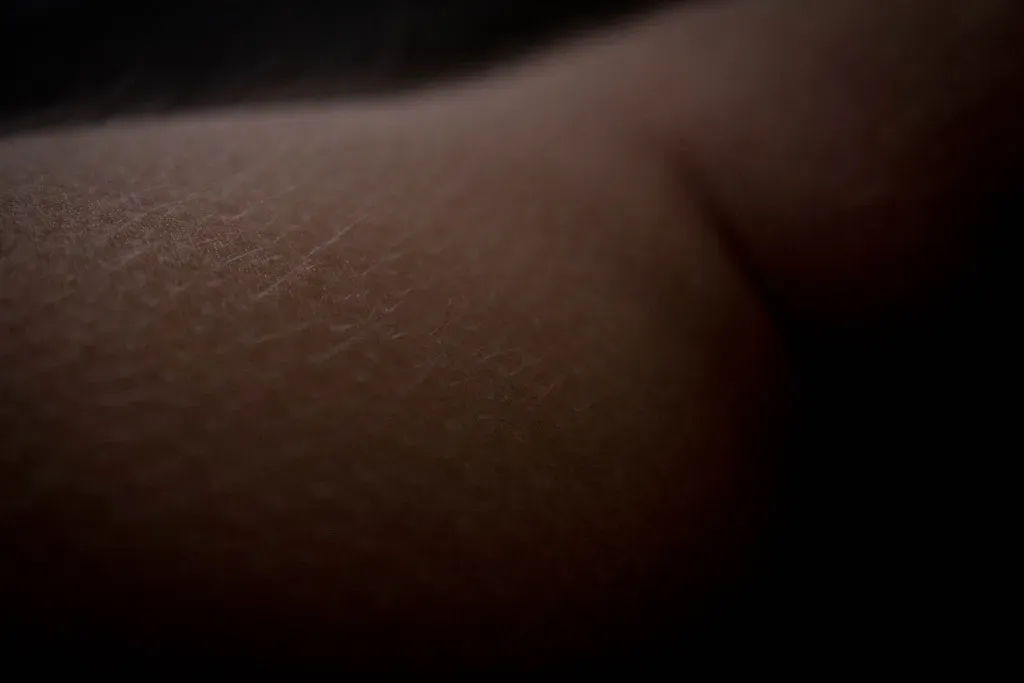
That prickly, goosebump feeling is not just your body being weird for no reason. Long ago, when our ancestors were covered in more body hair, goosebumps would fluff that hair up to trap more warm air near the skin, like a built-in jacket. The same reflex can also make an animal look slightly bigger when threatened. Humans have far less hair now, but the wiring for this reflex remains, so when your brain senses a sudden possible threat, it can pull that ancient lever: goosebumps and a quick shiver.
Another subtle move your body makes is vasoconstriction, where tiny blood vessels near your skin tighten and reduce blood flow. This helps conserve heat for your vital organs, especially if your system thinks you might have to fight, run, or endure the cold. To you, it just feels like your hands, arms, or shoulders suddenly got cooler. Under the surface, though, your body has quietly decided that conditions might get rough and is shifting resources to keep you alive, even if all you did was hear a creak in a supposedly empty hallway.
The Amygdala: Your Brain’s Fear Filter for Tiny Sensations
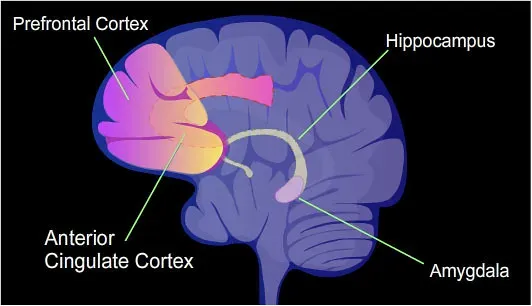
At the heart of this threat detection system sits a small, almond-shaped structure called the amygdala, often described as the brain’s fear hub. When those temperature signals, subtle sounds, or vague changes in pressure arrive, the amygdala helps decide whether they are harmless background noise or signs of potential danger. It is heavily biased toward overreaction, because from a survival perspective, false alarms were cheap, but missed alarms could be fatal. Feeling oddly cold in a warm room can be one of those tiny cues that the amygdala takes very seriously.
The amygdala does not work in isolation; it constantly talks to areas involved in memory and context. If your brain associates certain chills, rooms, or sounds with past stress, the amygdala can light up even more, amplifying your bodily response. That might explain why some people feel a wave of cold in situations that remind them of earlier scary moments, even if there is no physical temperature change at all. To your conscious mind, it feels mysterious. To your primitive brain, it is simply connecting dots and preparing you for something bad that might never actually arrive.
Why Stress, Anxiety, and Social Cues Can Make You Feel Cold
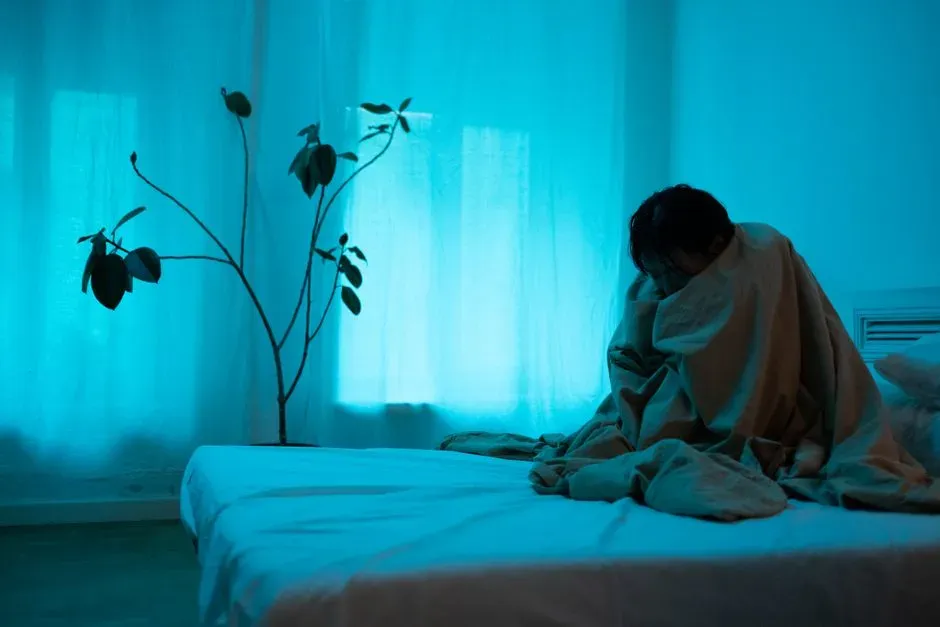
Here’s where things get especially interesting: your brain does not separate physical threats from emotional or social ones as cleanly as you might think. Social rejection, big arguments, or even the fear of being judged can activate similar survival systems as a potential predator used to do. Many people notice they feel chilled, shaky, or clammy in high-stress situations like public speaking, conflict, or sudden bad news. The room has not changed, but your internal threat meter has gone off the charts.
When you are anxious, your body often redirects blood flow away from the skin toward your core muscles and organs, the same survival logic as if you were preparing to run from danger. This leads to cold hands, a chill down your back, or that familiar sense that your body is buzzing and freezing at the same time. Stress hormones can also disrupt your normal temperature regulation, making your internal thermostat more twitchy. In a way, your ancient threat detection system is overgeneralizing: if your ancestors had reason to fear other humans turning on them, your modern self may still get cold in moments of social or emotional threat.
When a Chill Is Just a Draft – and When It’s a Deeper Signal

Of course, sometimes a random chill really is just a draft from a window or an air vent aimed right at your neck. Your nervous system is not perfect; it works with probabilities, not certainties. Yet that does not mean every cold feeling should be brushed off as nothing. Repeated unexplained chills can sometimes show up with infections, hormonal shifts, changes in blood pressure, or other medical issues. Your threat detection system is tightly tied to your immune and hormonal systems, so when those go off-balance, your sense of temperature often follows.
On a less medical level, a sudden chill can also be a nudge from your body about fatigue, emotional overload, or even that you have been ignoring subtle stress for too long. Think of it as your internal security team clearing its throat, trying to get your attention. Maybe you are not in physical danger, but you are mentally running in the red, and your system is hitting the same circuits it would use for an approaching threat. You do not have to panic every time you feel cold in a warm room, but you also do not have to ignore it: sometimes it is a quiet prompt to check in with yourself.
Learning to Work With, Not Against, Your Ancient Wiring

Once you realize that sudden chills, goosebumps, and weird temperature swings are part of a survival script written thousands of generations ago, they become a little less spooky and a little more understandable. Your body is not trying to sabotage your comfort; it is trying to protect you using the only playbook it has. Instead of getting frustrated, you can start to treat those moments as data points: is there an actual physical draft, a real stressor, a conversation you are dreading, or a feeling you have been stuffing down?
You can also train your modern brain to gently calm your ancient one. Simple things like slowing your breathing, unclenching your jaw, grounding your feet on the floor, or turning your attention to concrete details in the room can signal to your nervous system that the coast is clear. Over time, you build a better partnership with your threat detection system: it still does its job, but you are less likely to get yanked around by every little chill. That is not about silencing your instincts; it is about learning to interpret them with a bit more wisdom and a lot less fear.
Conclusion: The Cold Truth About Your Inner Cave Human

I have had that experience more times than I can count: sitting at a laptop, feeling fine, and then out of nowhere, a sharp chill runs through me and my whole body tenses like it heard something I missed. For a long time I chalked it up to bad circulation or a weird quirk, but the more you learn about the brain’s ancient alarm systems, the more it feels like your inner cave human is still on patrol. Personally, I think we underestimate just how much of our everyday life is shaped by these old survival circuits, quietly pulling strings behind what we call intuition or “just a feeling.”
So the next time you feel suddenly cold in a warm room, you do not have to jump to supernatural explanations or dismiss it as random nonsense. You can see it as a small, slightly overdramatic message from a nervous system that evolved to keep your ancestors alive in much harsher conditions than your living room. That perspective does not just make the moment less unnerving; it can be strangely empowering. Your body is not broken – it is vigilant, even if a little outdated. The real question is whether you will learn to listen, interpret, and respond thoughtfully, or keep fighting a system that once meant the difference between life and death.