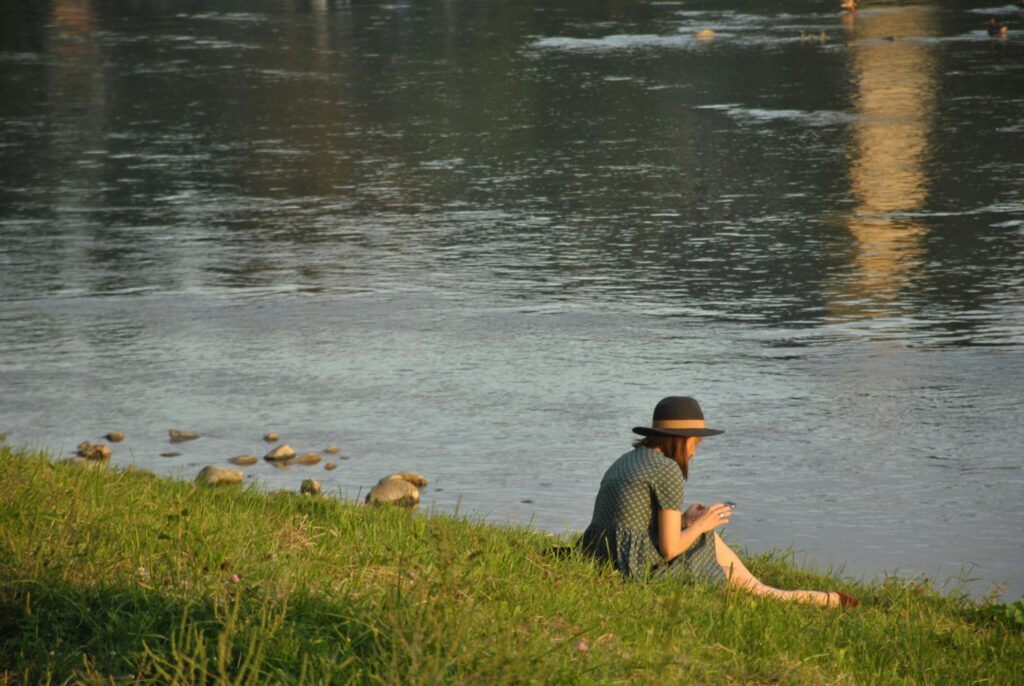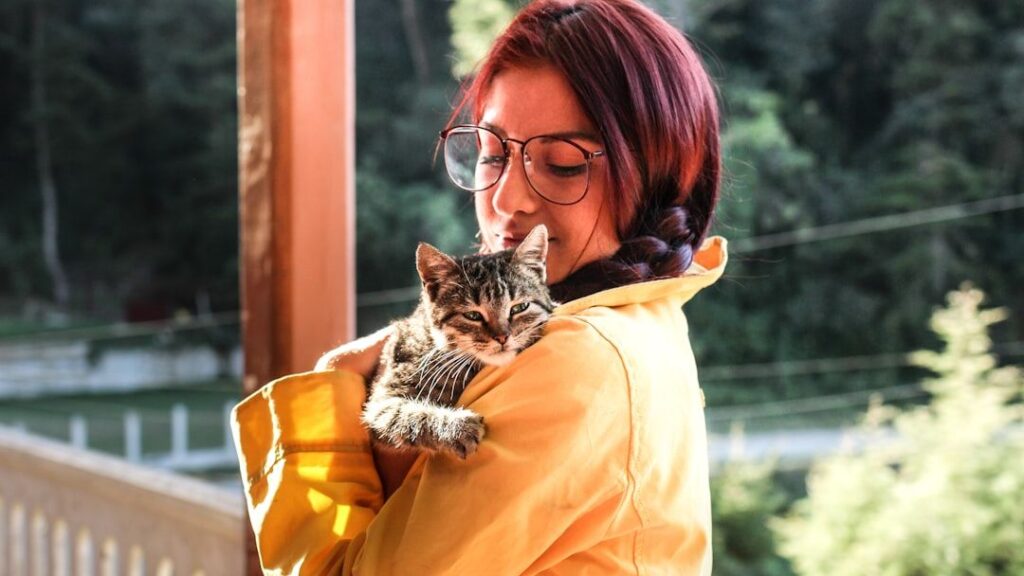

You know that strange relief you feel when you step away from people and sit with a dog, a cat, or even just watch birds outside your window? One moment your chest feels tight in a crowded room, and the next, your whole body seems to exhale as soon as you are with an animal. It can feel irrational, like you are overreacting to normal social situations while feeling totally safe with a creature that cannot even talk to you.
What you may not realize is that this difference is not a personality quirk or proof that you are just antisocial. It might actually be your nervous system doing exactly what it was wired to do: protect you based on past experiences, even ones you barely remember. When you understand that, you stop seeing yourself as broken and start seeing a body that has been doing its best for a very long time.
Why Your Body Feels Safe With Animals And On Guard With People
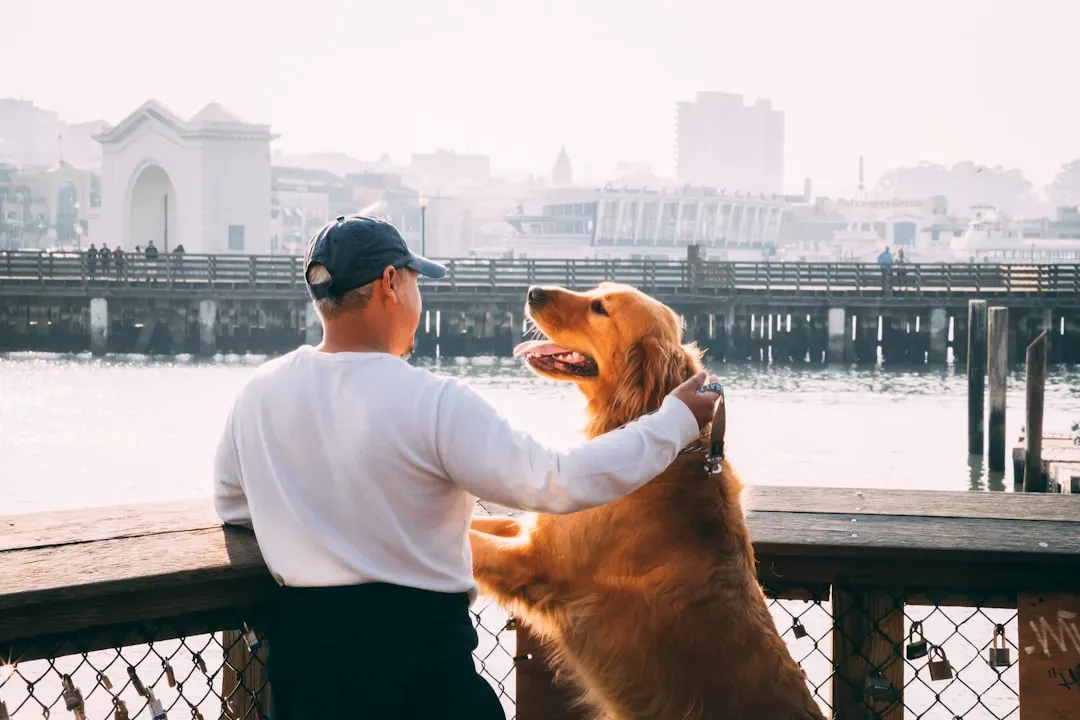
If you pay close attention, you will notice that your body talks long before your thoughts do. Around certain people or in crowded places, your shoulders may tense up, your jaw may clench, your breathing may turn shallow. Then you sit with a calm dog or listen to a cat purring, and your muscles soften almost without you deciding to relax. That shift is not imaginary; it reflects real changes in your nervous system and stress hormones.
Your brain is constantly scanning for cues of safety or danger, often below your conscious awareness. Animals often give off simple, predictable signals: relaxed posture, soft eyes, steady breathing. Many humans, on the other hand, come with complex history, shifting moods, social rules, and memories that your body might associate with hurt, rejection, or conflict. So your system may quietly decide that animals are safe and people are risky, and it reacts before you have time to reason with it.
How Old Experiences Can Shape What Feels Safe Today
You might think the past is over, but your nervous system does not tell time the way your mind does. If you went through chaotic homes, bullying, emotional neglect, or sudden betrayals, your body may have learned that people are unpredictable. Even if you do not walk around thinking about those events, your system could still be reacting as if danger is just around the corner when you are with groups or authority figures.
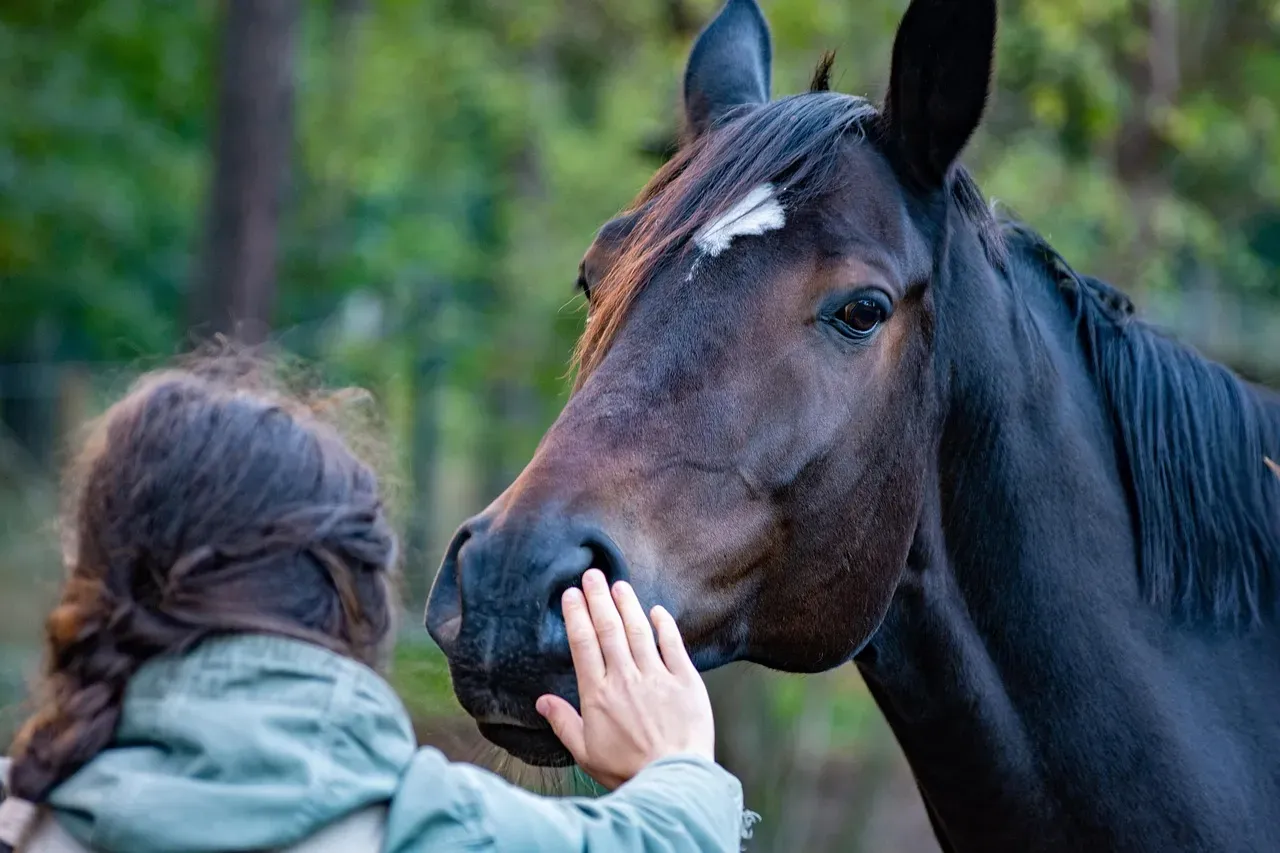
Animals, especially if they were neutral or comforting presences when you were younger, may not carry those same associations. Your nervous system remembers where you found softness, warmth, or nonjudgmental company. So today, when you stroke a dog’s fur or watch a horse grazing, your body may be revisiting that old pocket of safety. It is not that you are weird for feeling calmer with animals; it is that your system has a history, and it is acting from that history even when you are busy trying to just get through the day.
The Science Of Why Animals Can Regulate Your Nervous System
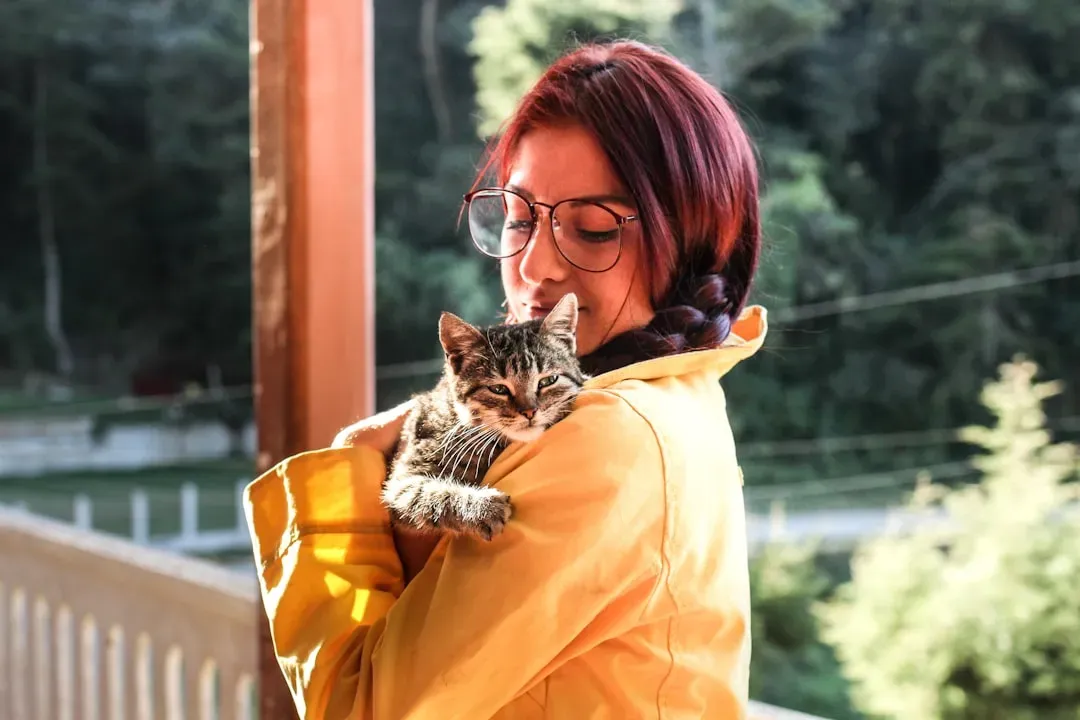
When you interact with a calm, friendly animal, several things can shift in your body at once. Your heart rate can slow, your breathing may deepen, and your muscles may loosen slightly. Researchers studying animal-assisted interactions have repeatedly found that spending time with animals can lower stress markers like heightened heart rate and support a more relaxed state in many people. You might not notice these subtle shifts, but you feel them as a quiet sense of “I can breathe again.”
Part of this comes from the way your attention is gently pulled into the present when you observe an animal. You might focus on the texture of a dog’s fur, the rhythmic breathing of a sleeping cat, or the small movements of a bird hopping on a branch. That kind of grounded attention interrupts spirals of anxious thoughts and helps your nervous system step out of high alert. It is like your body gets a brief, natural reset without you having to force yourself to meditate or calm down.
Polyvagal Theory And Why Crowds Feel So Overwhelming

One helpful way to understand this is through the lens of polyvagal theory, which focuses on how your nervous system moves between states of safety, fight-or-flight, and shutdown. When you are in a safe, socially engaged state, you feel open, curious, and connected, and your body feels relatively at ease. When something feels threatening, your system can shift into fight-or-flight, which feels like anxiety, irritability, restlessness, or the urge to escape.
Crowds, noise, and complex social dynamics can easily trigger that fight-or-flight state, especially if your system already learned that humans can be sources of pain or danger. Animals, by contrast, can activate your social engagement system without the same level of threat. Their faces are easier to read, their intentions are simpler, and you usually do not fear harsh judgment from them. So your body may happily engage with an animal while bracing itself in a room full of people, even if nothing “bad” is actually happening in that room.
Signs Your Nervous System Is Still Protecting You
You might notice certain patterns that hint at your nervous system working overtime to keep you safe. Maybe you dread social gatherings but light up at the chance to visit a stable, a shelter, or a friend’s dog. Perhaps you feel drained after spending time in crowds and need long stretches of quiet, often in nature or around animals, to feel like yourself again. You may even feel guilty or confused about preferring animals to people, as if that preference means something is wrong with you.
It can help to view these patterns as evidence of protection rather than failure. Your system is saying, in its own way, that it trusts nonjudgmental, predictable presence more than complicated human interaction. Sometimes that protection shows up as irritability, avoidance, or zoning out when you are overwhelmed. You are not choosing those reactions on purpose; they are defenses that got wired in for a reason, even if that reason is buried in the past.
When Calm Around Animals Hints At Unprocessed Trauma
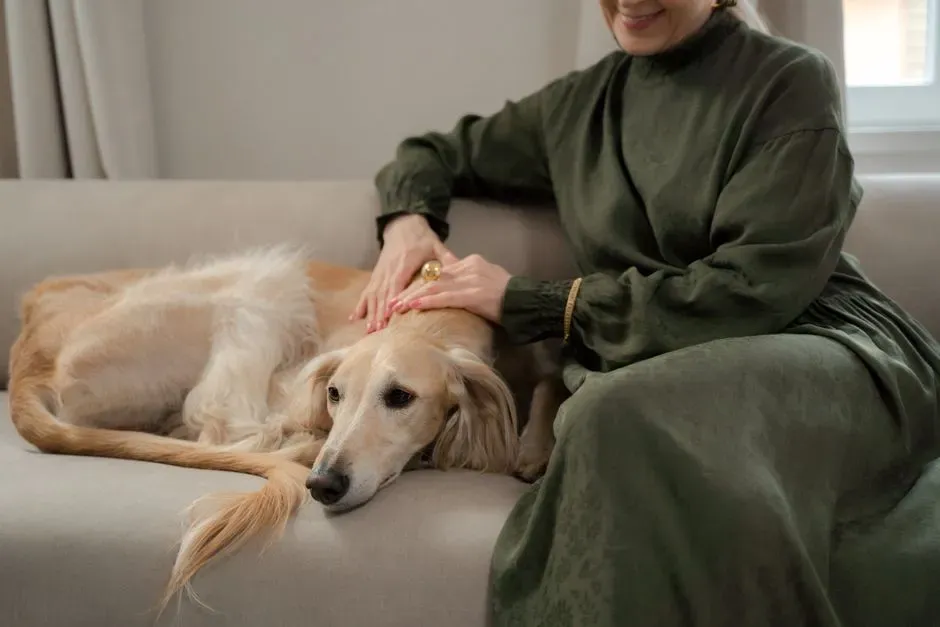
Feeling more relaxed with animals does not automatically mean you have trauma, but it can be a gentle clue worth paying attention to. If you notice intense anxiety, panic, or a sense of unreality in social situations, along with a deep relief when you are with animals, your body may be carrying old wounds that never fully healed. Sometimes you only realize how keyed up you usually are when you suddenly feel calm, and for many people that calm first appears in the presence of animals.
Unprocessed trauma often lives more in sensations than in memories. You might not have vivid flashbacks or clear stories, yet your body reacts as if it is still bracing for something to go wrong. Animals can reveal that contrast: your shoulders drop, your stomach unclenches, and your mind stops scanning for danger. Noticing this difference can be a powerful starting point, a signal that there may be something deeper worth exploring with gentle curiosity rather than self-blame.
Practical Ways To Work With Your Nervous System (Not Against It)
Instead of fighting your reactions or forcing yourself to “just get over it,” you can start by honoring what your body is telling you. Spending intentional time with animals can become more than a comfort; it can be a strategy for regulation. You might slowly build a routine where you bookend stressful days with moments of connection to a pet, a farm visit, or simply observing wildlife from a distance. You are not hiding from people; you are giving your nervous system a chance to settle.
At the same time, you can gently expand your capacity for human interaction in ways that feel manageable. That might mean choosing one-on-one conversations instead of large gatherings, meeting someone in a park instead of a noisy café, or even combining people and animals, like walking with a friend and a dog. When you pair small doses of human contact with practices that already help you feel safe, you slowly teach your nervous system that connection does not always equal danger.
How Therapy, Somatic Work, And Self-Compassion Can Help

If you suspect old experiences are still shaping your reactions, you do not have to figure it out alone. Trauma-informed therapists and practitioners who understand the body, not just thoughts, can help you notice how your nervous system shifts and what it might be protecting you from. Approaches that include body awareness, grounding exercises, or gentle movement often fit well for someone who already notices strong physical responses around people versus animals.
Self-compassion is just as important as any technique. Instead of criticizing yourself for being “too sensitive” or “weird around people,” you can start saying, even quietly, that it makes sense your body reacts the way it does. Compassion does not erase what happened, but it changes the tone of your inner world from hostility to care. That softer stance opens the door for real healing, where you can keep your deep connection to animals and also build safer, more nourishing relationships with humans over time.
Conclusion: Your Body Is Not Broken, It Is Remembering
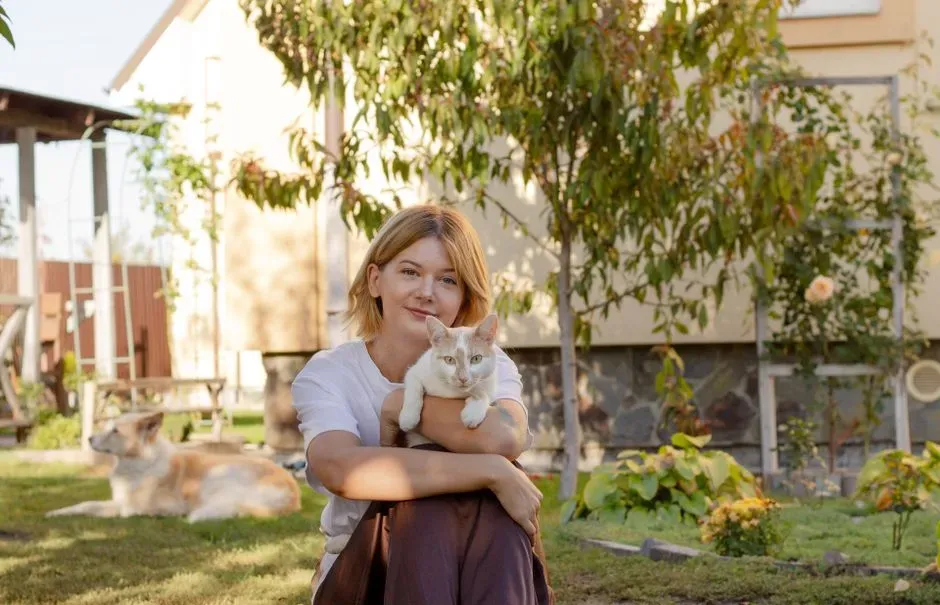
If you feel calmer around animals than crowds, you are not failing at being human; you are experiencing how a protective nervous system behaves after a history it has not forgotten. Animals may feel like a secret doorway to safety, a place where your body finally stops scanning and lets its guard down. That contrast can be painful, but it is also incredibly useful information about what you need more of and what still feels threatening.
You are allowed to honor the peace you find with animals while also gently exploring what your system is still guarding you from. Over time, with understanding, support, and patience, you can widen your circle of safety without losing that special connection to nonhuman companions. Your body is not your enemy; it is a witness that has been on your side all along. When you listen to it with curiosity instead of judgment, what might it finally feel safe enough to tell you?